

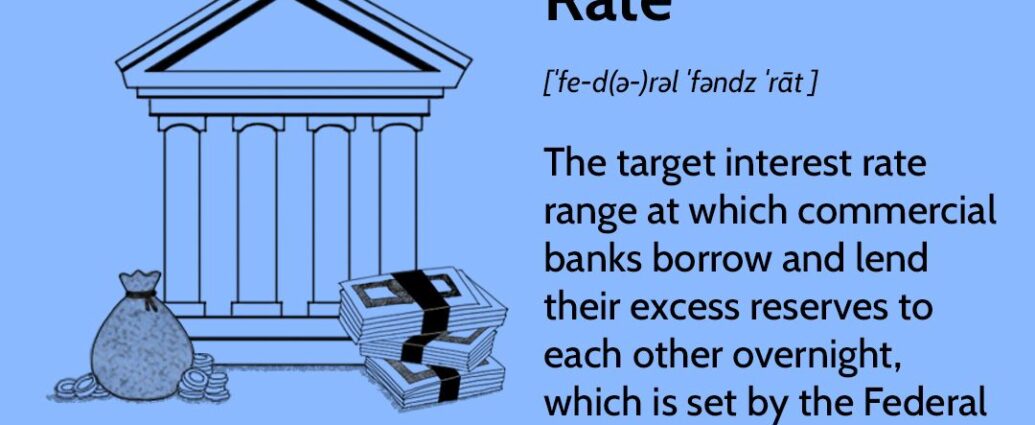
Federal Funds Rate: What It Is, How It’s Determined, and Why It’s Important
This post was originally published here
Gold Just Hit Its Most Oversold Level Since 2023 — And It’s Sitting On A Key Technical Lifeline
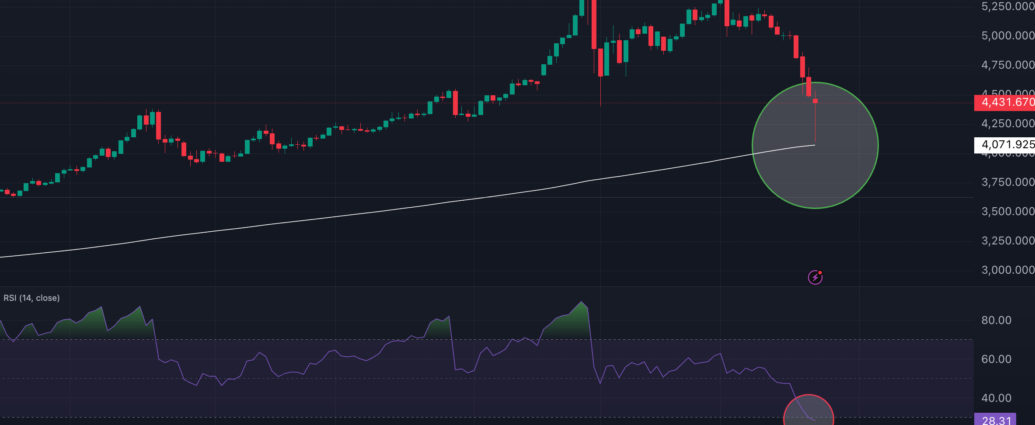
Gold’s latest pullback may look like just another leg lower — but under the surface, the technical setup is starting to flash something far more interesting.
Source: TradingView
Momentum has now cracked to its weakest level in over a year, with the RSI (relative strength index) slipping into oversold territory for the first time since 2023.
That kind of reset doesn’t happen often — and when it does, it tends to ripple across instruments like SPDR Gold Shares (NYSE:GLD) and gold miner funds such as VanEck Gold Miners ETF (NYSE:GDX).
This post was originally published here
Industrialization: Definition, Examples, and Global Impact on Society
This post was originally published here
Gold and silver losses ease as Trump postpones Iran energy strikes
Precious metals recovered some of Monday morning’s heavy losses after President Trump delayed strikes against Iran’s energy facilities.
This post was originally published here
U.S. executives, from Apple to Eli Lilly, revamp their push into the world’s second-largest economy at the China Development Forum
More than 80 global executives traveled to Beijing this weekend for the state-organized China Development Forum.
This post was originally published here


Operating Lease: How It Works and Differs From a Finance Lease
This post was originally published here


Aptitude Test: Definition, How It’s Used, Types, and How to Pass
This post was originally published here
Revenue Recognition: What It Means in Accounting and the 5 Steps
This post was originally published here

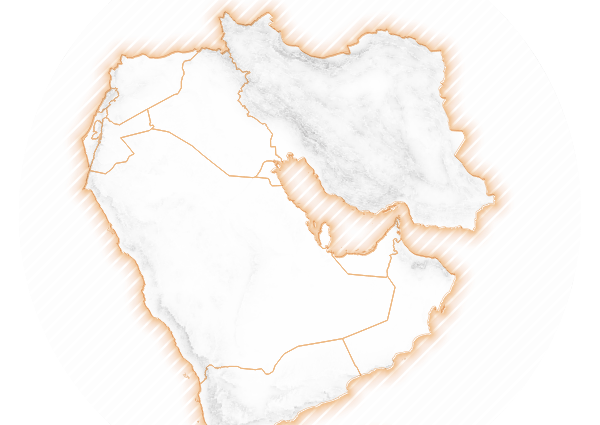
How the Iran Conflict Is Widening, in Maps

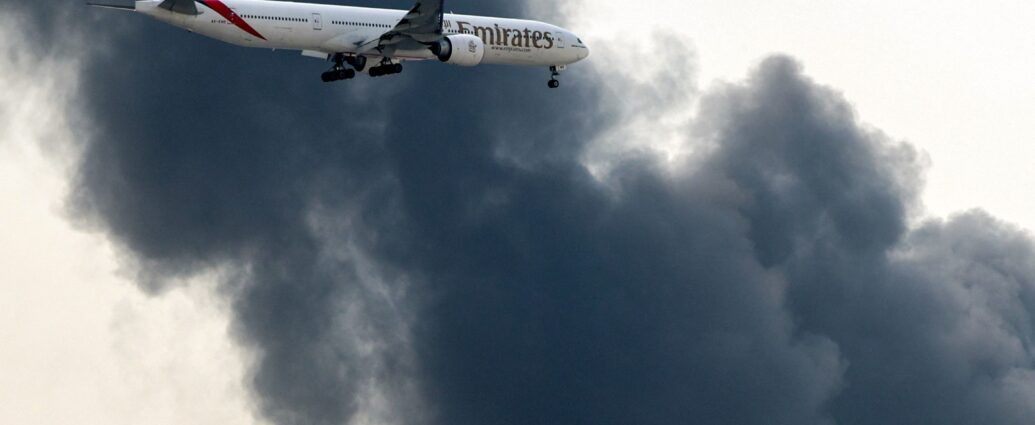
‘Capital is a coward’: A whole new world of elevated risk will stay embedded in global markets, keeping prices higher everywhere
Markets rebounded Monday after President Donald Trump retreated from his threat to destroy Iranian energy infrastructure and revealed talks with the regime, but the world is unlikely to revert to its prewar status quo, according to a geopolitics expert.
In a Washington Post op-ed on Thursday, Eurasia Group Chairman and former State Department official Cliff Kupchan predicted the Iranian regime, dominated by successive layers of hardliners, will remain hostile to the U.S.
“The end of the war, therefore, is unlikely to usher in a stable peace,” he warned. “That reality means the Strait of Hormuz will become a source of geopolitical risk for a long time—a live wire down the middle of the global economy.”
Even if Tehran eventually negotiates away its uranium enrichment program and longer-range ballistic missiles, it will still have drones, mines and fast attack boats that can threaten tankers, Kupchan pointed out.
And Iran wouldn’t have to use its diminished capabilities very often to scare investors. In fact, despite the U.S. and Israel decimating its military with thousands of airstrikes, the Islamic Revolutionary Guard Corps has been able to keep the Strait of Hormuz largely closed with occasional attacks on ships.
That threat has effectively bottled up about one-fifth of the world’s oil and liquified natural gas, and prices have soared, though they pulled back somewhat on Monday. Still, the genie is already out of the bottle.
“From now on traders will act based on the knowledge that Iran might at any time attack, and that new perception will create new risk premia in critically important sectors,” Kupchan said.
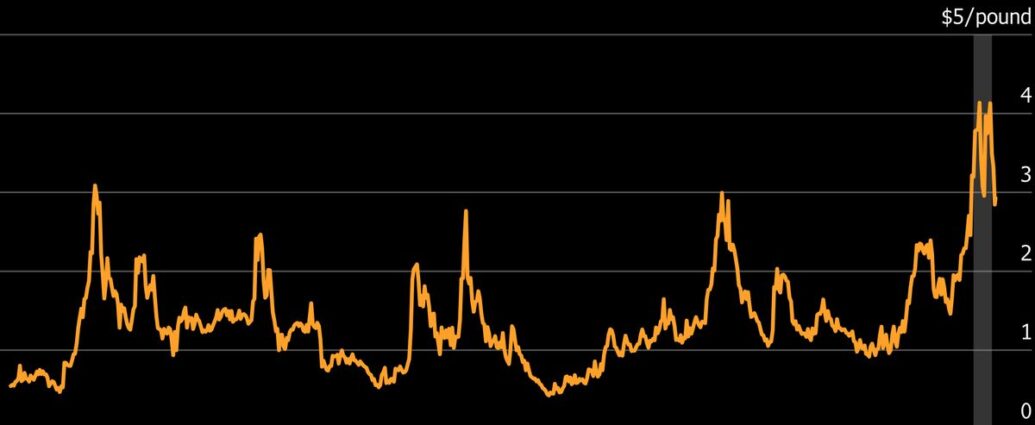
Indeed, Brent crude oil prices are still above $100 a barrel after tumbling 10% Monday. He expects them to trade in the $80 range for several months due to the lingering risk as well as the time needed to restore output. Oil giants like Saudi Arabia and Iraq slashed production as their exports have been throttled by the Hormuz closure.
Likewise for the LNG market, which suffered a major shock last week when Iran struck a top natural gas field in Qatar that will take years to repair. Meanwhile, the Gulf is also a major source of fertilizer, aluminum, and helium, meaning shortages will curb crop yields, industrial output, and semiconductor supplies, respectively.
The new risk environment will cause prices to stay higher globally and further stoke inflation, Kupchan added. At the same time, the United Arab Emirates, Saudi Arabia and Qatar will struggle to rehabilitate their images as safe places to invest, affecting the AI and defense sectors too.
“Capital is a coward, going only where it feels safe,” he noted. “Once unimaginable images of office and hotel towers burning after Iranian strikes will pierce investor sentiment.”
To be sure, the U.S. will likely help allies rebuild after the war and increase regional integration, but the Gulf will need a long time to become a global safe haven for capital again, Kupchan wrote.
There are indications, however, that the Iran war will persist or eventually reignite if there’s a ceasefire. Thousands of Marines are still headed for the Middle East for a potential ground assault on Iran’s main oil-export hub, Kharg Island, or perhaps coastal areas to reopen the Strait of Hormuz.
The UAE also hinted at an increasingly hardened position toward Iran that aligns more closely with the U.S. and Israeli stance.
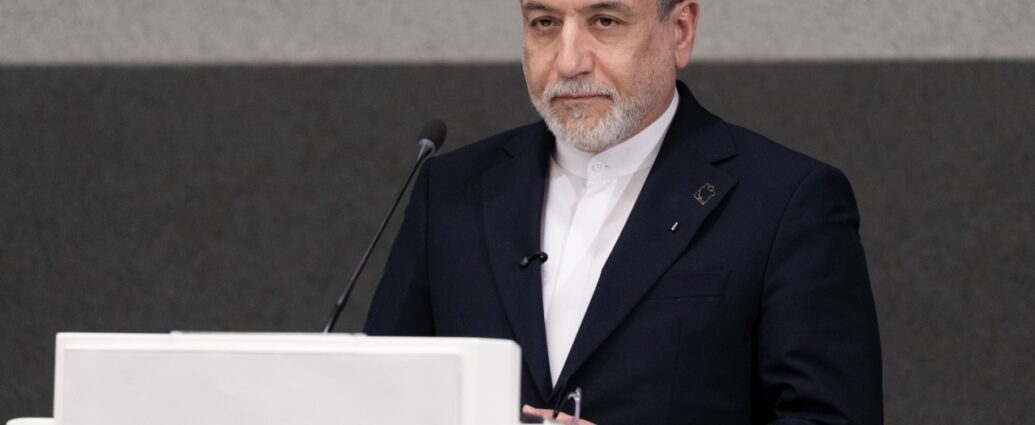
“Our thinking does not stop at a ceasefire, but rather turns toward solutions that ensure lasting security in the Arabian Gulf, curbing the nuclear threat, missiles, drones, and the bullying of the straits,” Anwar Gargash, a senior UAE diplomat, wrote on X over the weekend. “It is inconceivable that this aggression should turn into a permanent state of threat.”
Even NATO, which nearly collapsed earlier this year as Trump threatened to seize Greenland, will eventually come around to support the Iran war, despite several members rejecting U.S. demands to provide naval escorts, Secretary General Mark Rutte said Sunday.
That’s after Iran launched ballistic missiles at a U.S.-U.K. base 2,500 miles away on the island of Diego Garcia in the Indian Ocean. The attack was unsuccessful, but it demonstrated that Iran’s missiles have much longer range than previously known and could theoretically reach most of Europe.
“If Iran would have the nuclear capability, including, together with the missile capability, it will be a direct threat, a existential threat, to Israel, to the region, to Europe, to the stability in the world,” Rutte told CBS News. “So the president doing this is crucial, and I’ve seen the polling, but I really hope the American people will be with him, because he is doing this to make the whole world safer.”
This story was originally featured on Fortune.com
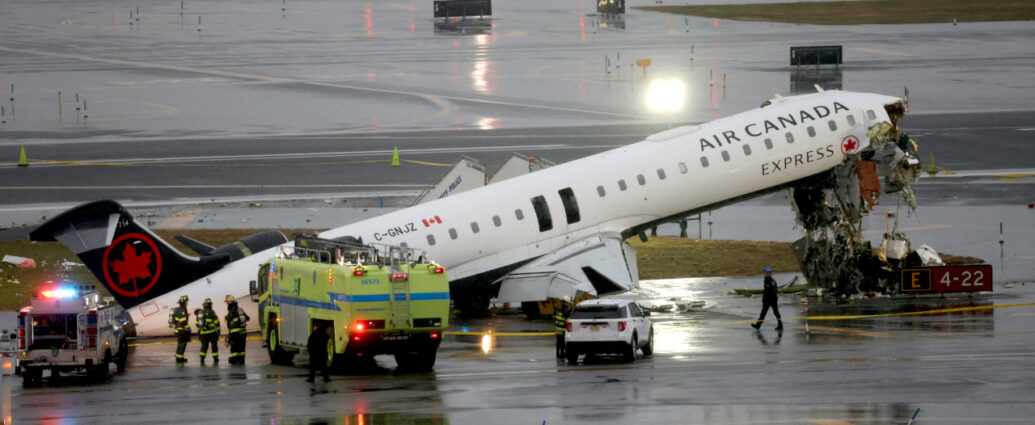
Hundreds of flights canceled, delayed at LaGuardia Airport after Air Canada runway collision
Flight cancellations and delays are increasing at New York City’s LaGuardia Airport after an Air Canada Express flight collided with a fire truck while landing late Sunday night.
At least 321 flights departing from LaGuardia were canceled as of 4:30 p.m. ET on Monday, while 58 were delayed, according to data from flight tracking website FlightAware.
The tracker also showed at least 314 flights headed to LaGuardia were canceled as of 4:30 p.m. ET on Monday, and 117 were delayed, according to FlightAware.
FlightAware’s figures show that between LaGuardia’s scheduled arrivals and departures, a total of 637 flights have been canceled and 174 delayed.
LAGUARDIA PLANE CRASH AIR TRAFFIC CONTROL AUDIO REVEALS FRANTIC CALL FOR TRUCK TO ‘STOP, STOP, STOP’
The Air Canada Express CRJ-900 jet, operated by the airline’s regional partner Jazz Aviation, was carrying 72 passengers and four crew members and arrived from Montreal. It was designated as Flight 4686 and the collision crushed the nose of the airliner.
Both the pilot and first officer were killed, according to Jazz and the Port Authority of New York and New Jersey, while dozens of injuries were reported.
FRUSTRATED PASSENGERS LASH OUT AT LONG TSA LINES; GOP MESSAGES TO ‘THANK A DEMOCRAT’
Kathryn Garcia, executive director of the Port Authority, said 32 of the 41 injured had been released, while nine remained in the hospital with “serious injuries.”
Garcia said the fire truck was responding to a separate United Airlines aircraft that had declared an emergency when it “reported an issue with odor.”
Air traffic control audio indicated that the fire truck was cleared to cross Runway 4, at taxiway “Delta,” before controllers frantically tried to get the fire truck to stop.
TSA UNION LEADER WARNS AIRPORT SECURITY RISKS WILL ‘GET WORSE’ AS MAJOR TRAVEL EVENTS LOOM
The National Transportation Safety Board (NTSB) said it was deploying a team of experts to investigate the incident, while the Federal Aviation Administration said the airport was expected to remain closed until 2 p.m. ET.
LaGuardia is one of the busiest airports in the country. It served over 30 million annual passengers in 2025, according to the Port Authority of New York and New Jersey, with a wide range of airlines operating at the airport.
GET FOX BUSINESS ON THE GO BY CLICKING HERE
The flight disruptions stemming from the incident at LaGuardia come amid travel disruptions caused by the weeks-long partial government shutdown of the Transportation Security Administration (TSA), which has led to a rise in absences among workers at airport security screening lines.
Reuters contributed to this report.

These stocks should see the biggest rally if oil prices are done surging
JPMorgan highlights which stocks will gain more than others if Monday’s slide in the price of oil continues.
This post was originally published here

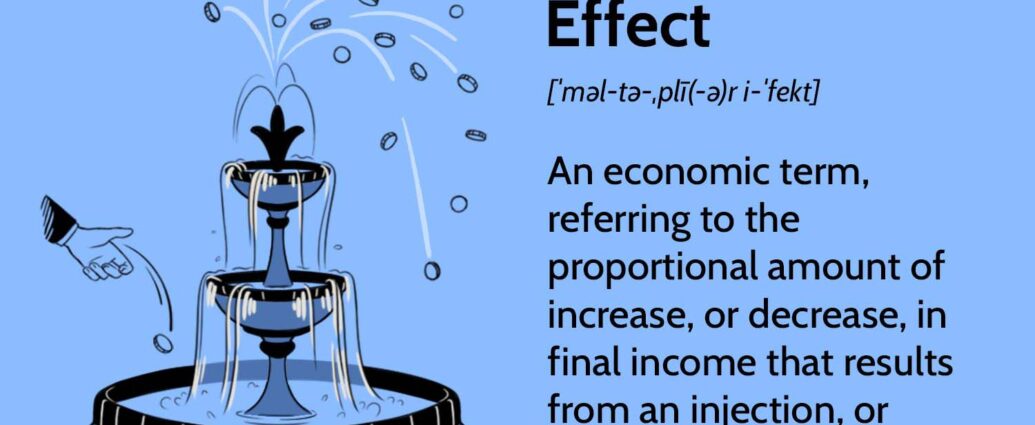
What Is the Multiplier Effect? Formula and Example
This post was originally published here

What’s Going On With Comcast Stock Monday?
Comcast Corp. (NASDAQ:CMCSA) shares are gaining on Monday.
Broader Market Tailwinds
Investor sentiment is shifting as geopolitical concerns show signs of stabilization. The Nasdaq is up 1.83% while the S&P 500 has gained 1.72%.
The NVIDIA AI Partnership
Comcast announced a field trial to run AI workloads at the edge of its network last week. The project utilizes NVIDIA Corp. (NASDAQ:NVDA) GPUs.
Elad Nafshi, Chief Network Officer of Comcast, stated, “By bringing NVIDIA GPUs directly into our edge cloud, we can explore what becomes possible when AI inference happens only milliseconds from end users.” The initiative targets 65 million homes and businesses.
Upcoming Earnings Catalyst
Traders are looking ahead to April 23. The company will report quarterly results then. Analysts estimate earnings per share of 85 cents on revenue of $30.45 billion.
Technical Analysis
Comcast is trading 4.8% below its 20-day SMA and 0.4% above its 100-day SMA, a setup that suggests short-term pressure but a tentative attempt to hold the intermediate trend line. Shares are down 20.15% over the past 12 months and are currently positioned closer to their …
This post was originally published here
French local election results give unexpected lift to centrist parties
Outcome suggests that when mainstream parties cooperate they can still block Marine Le Pen’s far-right National Rally
France’s local elections, closely watched for clues to next year’s presidential vote, have given parties of the centre a welcome and unexpected lift as the far right and radical left fell some way short of their ambitions.
The 35,000 municipal ballots often focus on local survival and their outcomes do not always reflect national voting patterns, but they do show trends in popularity and suggest what kind of alliances can be struck in a fragmented political landscape.
This post was originally published here


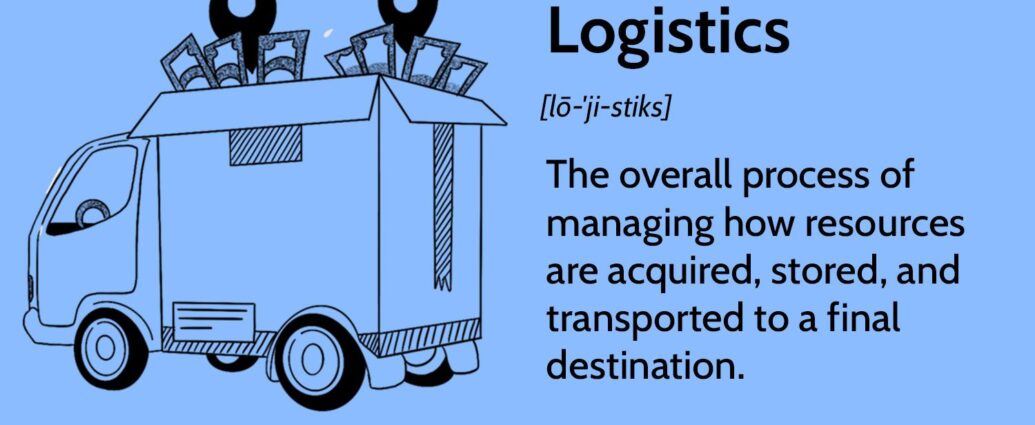
Logistics: What It Means and How Businesses Use It
This post was originally published here
Why Are SoFi Technologies Shares Trading Higher On Monday?
SoFi Technologies Inc (NASDAQ:SOFI) shares are gaining ground Monday morning. The digital lender is recovering from a volatile week.
Bearish sentiment previously clouded the stock following a critical short-seller report.
Battle With Muddy Waters
SoFi stock faced heavy pressure last week. Muddy Waters Research, led by Carson Block, labeled the company a “financial engineering treadmill.” The firm alleged SoFi’s 2025 adjusted EBITDA was inflated by 90%.
Block suggested the true figure was $103 million. This sharply contradicts the reported $1.05 billion. The report further questioned “Enron-esque” off-balance-sheet structures.
SoFi management fired back on Wednesday. They characterized the claims as a “fundamental lack of understanding” of their business. The company may pursue legal …
This post was originally published here
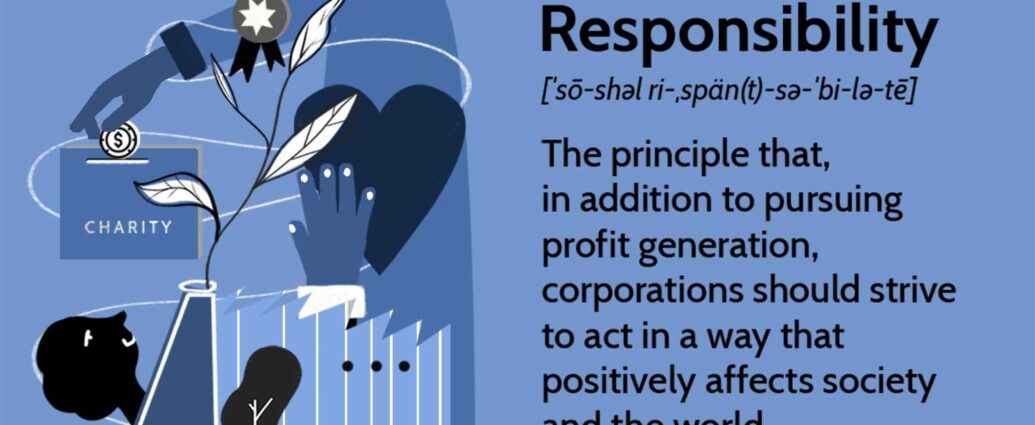
Corporate Social Responsibility: Types, Examples, and Business Impact
This post was originally published here
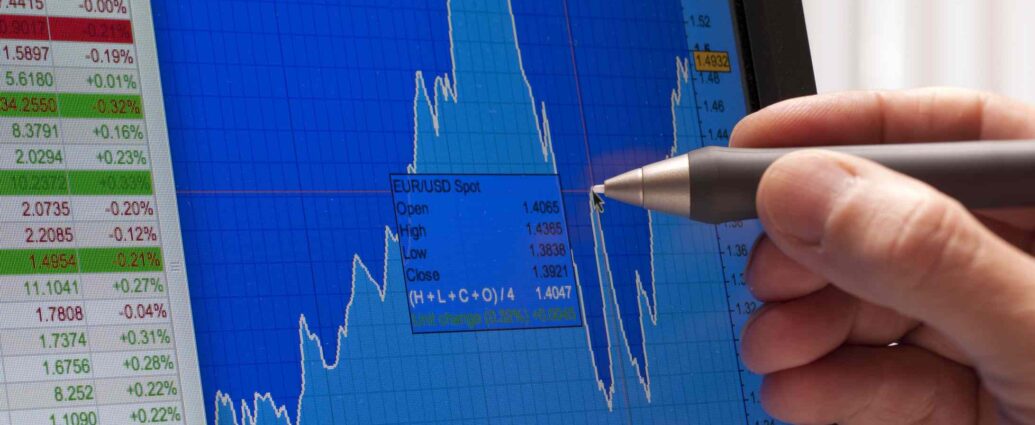
Trade Deficit: Definition, When It Occurs, and Examples
This post was originally published here

Exclusive: The CEOs of Kalshi and Polymarket are arch rivals—but are investing in the same $35 million prediction market VC fund
The CEOs of Kalshi and Polymarket are locked in a brutal fight to dominate the white-hot prediction market sector. But, in at least one instance, the two have put competition aside, and each has invested in an upcoming venture firm led by two early Kalshi employees. The fund, named 5c(c) Capital, is raising up to $35 million to invest in prediction market startups, according to a pitch document seen by Fortune.
The new venture firm’s name is a reference to a clause in the piece of legislation that outlined the federal regulation of commodities and derivatives, a category that now includes prediction markets. The fund’s partners are Adhi Rajaprabhakaran, the second trader hired to work at Kalshi’s affiliated market maker, and Noah Zingler-Sternig, Kalshi’s former head of operations.
In addition to Kalshi CEO Tarek Mansour and Polymarket CEO Shayne Coplan, the fund’s early backers are a star-studded slate of venture investors, according to the document. They include the venture giant Marc Andreessen, through the fund Moneta Luna; Micky Malka, the founder of the fintech investor Ribbit Capital; and Kyle Samani, the former managing partner at the crypto VC Multicoin Capital.
Rajaprabhakaran, one of the founding partners of 5c(c) Capital, declined to comment. A spokesperson for Marc Andreessen’s venture firm Andreessen Horowitz declined to comment. Polymarket and Malka didn’t immediately respond to requests for comment.
A Kalshi spokesperson confirmed Mansour’s participation. “Adhi knows that the next few years are critical to build out infra[structure] around prediction markets,” Samani said in a statement, confirming that he backed 5c(c) Capital.
Prediction market frenzy
The ongoing fundraise from the two early Kalshi employees comes as prediction markets have become one of the buzziest sectors in Silicon Valley. Kalshi is raising $1 billion at a $22 billion valuation in a round led by seasoned Silicon Valley investor Coatue Management. And its competitor Polymarket is also eyeing a similar valuation of around $20 billion. The trading platforms let users bet on a diverse array of subjects, from where the prices of Bitcoin or Ethereum will land by the end of the week to which college team will win the NCAA basketball tournament.
Amid investor enthusiasm, state governments have tried to crack down on the rise of prediction markets, especially as Kalshi and Polymarket have opened up their platforms to sports markets. Regulators claim that the two prediction markets are no more than sports gambling locales, which must adhere to strict state laws. Kalshi is facing about 20 federal lawsuits that call into question the platform’s legality. And the Arizona Attorney General filed criminal charges against the startup last week.
Kalshi and Polymarket, whose U.S. trading arm isn’t yet live, have argued that prediction markets are different from sports gambling and that the authority of the federal regulator CFTC to regulate prediction markets supersedes the power of the states.
Despite this fraught legal situation, the pitch document for 5c(c) Capital describes prediction markets as a “generational investment opportunity.” The pair plan to back around 20 companies over the next two years, including market makers in prediction markets, designers of prediction market indices, among other categories.
The venture fund’s first close is within the next month.
This story was originally featured on Fortune.com
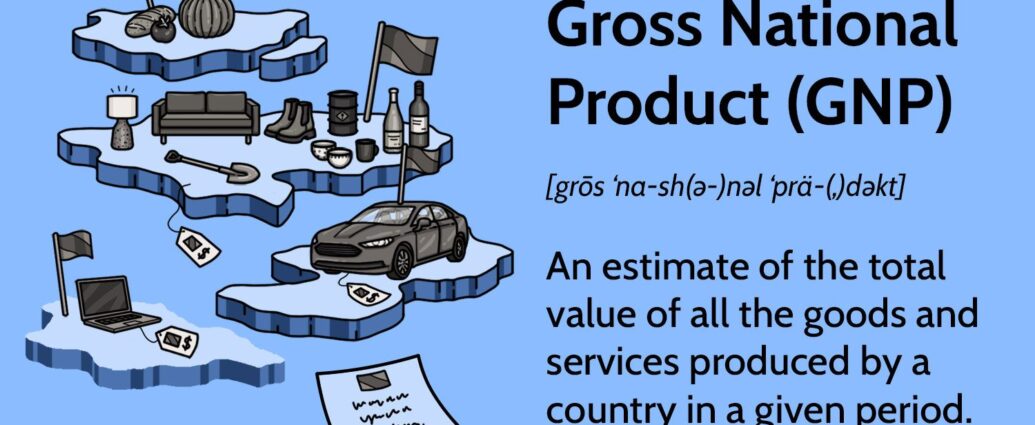
Gross National Product (GNP): Definition and How It’s Used
This post was originally published here

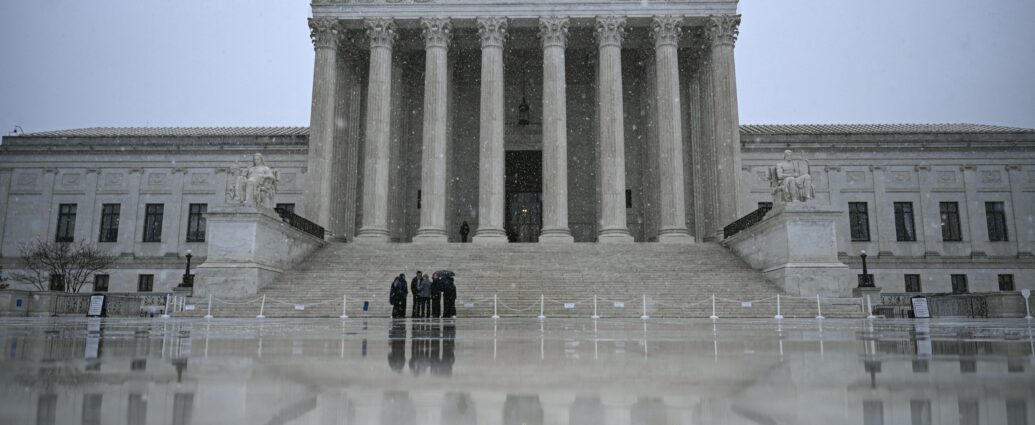
Supreme Court declines to review press freedom case
At issue was the 2017 arrest in Texas of a journalist who published news stories about a border agent’s public suicide and a car crash.
(Image credit: Brendan Smialowski)

This post was originally published here
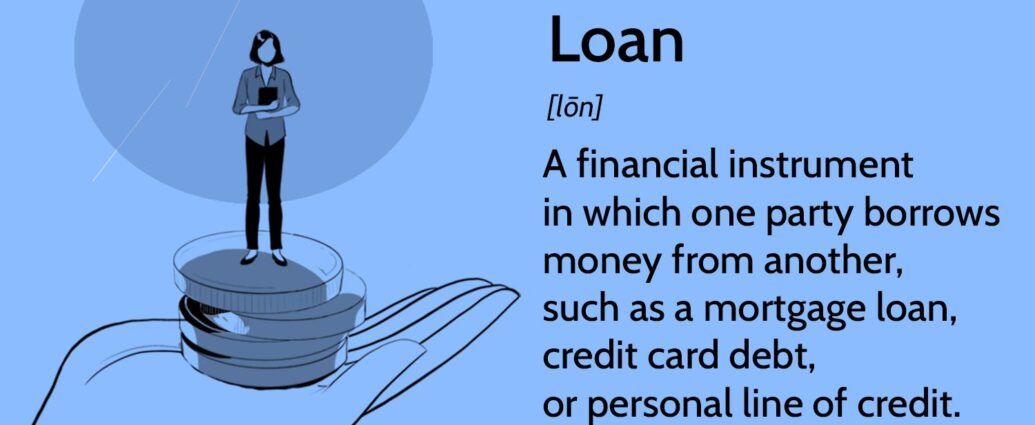
What Is a Loan, How Does It Work, Types, and Tips on Getting One
This post was originally published here

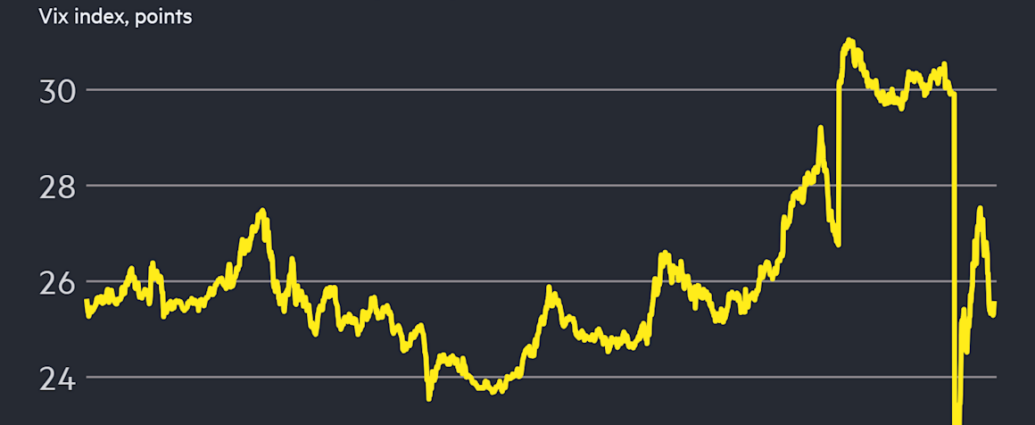
Markets rebound after Donald Trump postpones attack on Iranian energy
This post was originally published here

ICE deployed to some U.S. airports as long security lines persist during partial shutdown
The Trump administration said it plans to send ICE officers to help ease airport congestion amid TSA officer absences as they face second missed full paycheck.
This post was originally published here
After 25 years of negotiations, the EU finally signs the EU-Mercosur deal, the biggest trade deal in history linking 700 million people
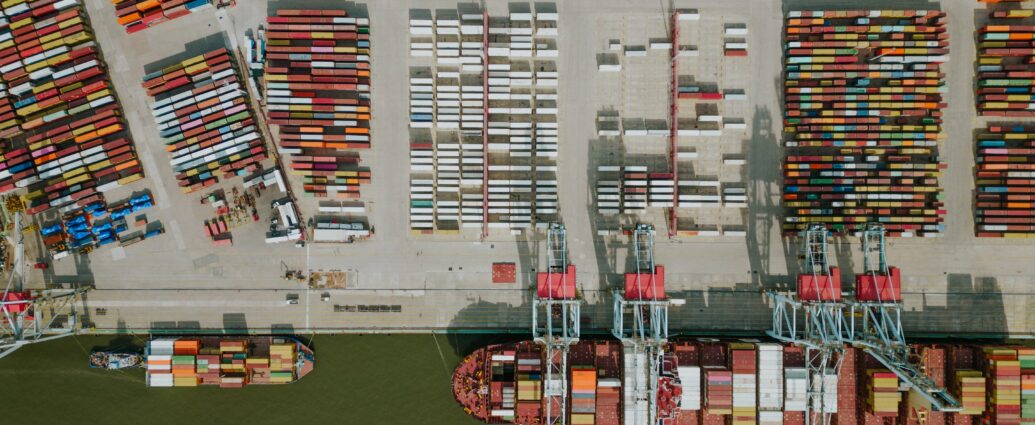
A landmark free trade deal between the European Union and four South American countries will begin on May 1 after more than a quarter-century of negotiations and new global economic uncertainty unleashed by tariffs, critical mineral controls and the war in Iran.
The European Commission said Monday that the start date for the EU-Mercosur free trade deal was triggered by Brussels receiving a “note verbale” from Paraguay that it had approved the deal, which is a key part of the 27-nation EU’s strategy to slash economic dependencies on China and the United States.
Parliaments in Uruguay, Brazil, Paraguay and Argentina have ratified the deal that links more than 700 million people and accounts for 25% of global gross domestic product. Bolivia, the newest Mercosur member, didn’t participate in negotiations but will be able to join the deal in the coming years.
“The priority now is turning this EU-Mercosur agreement into concrete outcomes, giving EU exporters the platform they need to seize new opportunities for trade, growth and jobs,” said European trade commissioner Maroš Šefčovič.
Fierce opposition by farmers and environmentalists delayed the deal in December. It then hit another snag after EU lawmakers voted to send the deal to the bloc’s judiciary. The EU executive responded by saying it would provisionally enact the deal — effectively sidestepping the European Parliament.
That means trade will begin in May and halt only if the European Court of Justice rules against it.
French President Emmanuel Macron called that move “a bad surprise.” France and Poland had led a campaign to halt or temper the deal with clauses protecting consumers and agricultural producers.
European Commission President Ursula von der Leyen has shrugged off such criticism of a deal she describes as vital for the EU’s survival in a newly disordered world.
“This is about resilience, this is about growth, and Europe shaping its own future,” she told a news conference in February. Recently, she has not taken questions about the issue.
Von der Leyen is in Australia this week for talks aimed at a potential free trade deal, defense cooperation and critical mineral supplies.
This story was originally featured on Fortune.com


Dow Jumps Over 800 Points; Chicago Fed National Activity Index Declines In February
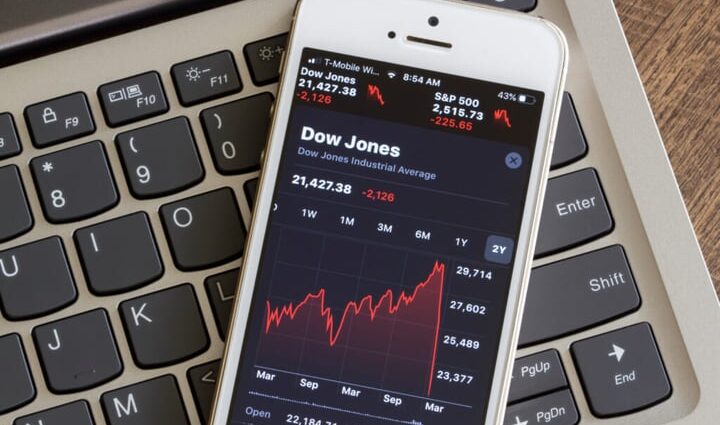
U.S. stocks traded higher this morning, with the Dow Jones gaining more than 800 points on Monday.
Following the market opening Monday, the Dow traded up 1.87% to 46,429.56 while the NASDAQ jumped 1.96% to 22,071.52. The S&P 500 also rose, gaining, 1.75% to 6,620.06.
Check This Out: How To Earn $500 A Month From Goldman Sachs Stock Ahead Of Q4 Earnings
Leading and Lagging Sectors
Consumer discretionary shares climbed by 3% on Monday.
In trading on Monday, energy stocks rose by just 0.3%.
Top Headline
The Chicago Fed National Activity Index declined to -0.11 in February versus a revised reading of +0.20 in the previous month.
Equities Trading UP
This post was originally published here

Strategy Buys Just 1,031 Bitcoin After Two Weeks Of $1B+ Purchases: What Changed?
Strategy (NASDAQ:MSTR) purchased 1,031 Bitcoin (CRYPTO: BTC) for $76.6 million last week, a dramatic slowdown from over $1 billion in purchases during each of the previous two weeks when the company issued STRC preferred shares.
The Slowdown Explained
Strategy funded last week’s purchase entirely through common stock sales rather than STRC preferred shares, marking a return to smaller acquisition sizes typical of periods when the company relies solely on equity offerings.
Total holdings now stand at 762,099 Bitcoin acquired for approximately $57.69 billion, or an average price of $75,694 per coin.
With Bitcoin trading just under $70,000, Strategy’s holdings sit below cost basis.
The previous two weeks saw purchases exceeding $1 billion each as Strategy took advantage of STRC preferred share issuance.
The company acquired 22,337 Bitcoin for $1.57 billion …
Iran war energy crisis equal to 70s twin oil shocks and Ukraine invasion fallout, says IEA chief | First Thing
Fatih Birol says effects on energy markets from Iran bombings and closure of strait of Hormuz not initially understood by world leaders. Plus, feminist magazine reclaims Charlie Kirk-style campus tours
Good morning.
The global energy crisis caused by the war in Iran is equivalent to the combined force of the twin oil shocks of the 1970s and the fallout from Russia’s invasion of Ukraine, the head of the International Energy Agency has said.
Why is the ex-CIA chief Leon Panetta in the news? He has spoken out about Donald Trump’s attack on Iran, telling the Guardian the US president is “sending a message of weakness” to the world.
What’s the latest in Iran? Its government is threatening to lay mines across entire Gulf if its coasts are attacked.
This is a developing story. Follow our liveblog here.
What happened? The aircraft hit the fire truck while travelling at about 24mph, according to the flight-tracking website Flightradar24. In the moments before the crash, an air traffic controller could be heard giving clearance to a fire vehicle to cross part of the runway, then trying to stop it. The controller can then be heard quickly diverting incoming aircraft from landing.
This post was originally published here
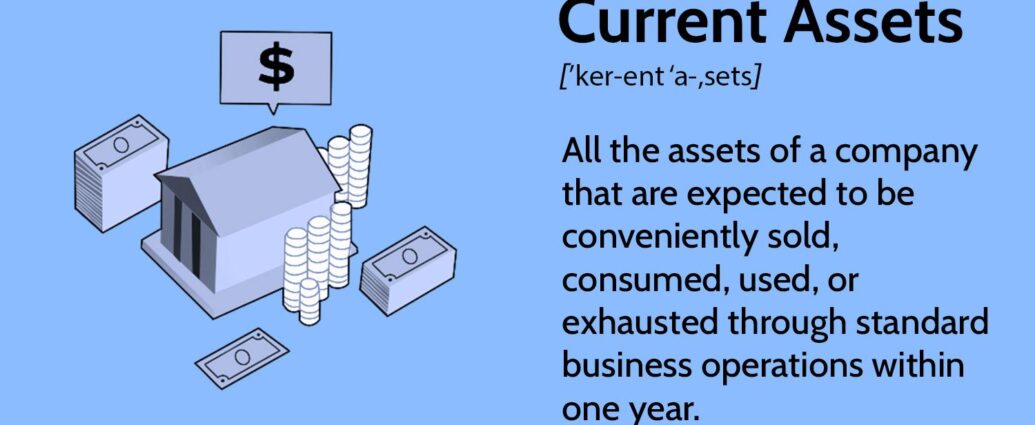
Current Assets: What It Means and How to Calculate It, With Examples
This post was originally published here
Starmer says ‘every lever’ will be explored to ease rising costs of living from Iran conflict
PM will chair Cobra meeting with key ministers and Bank of England on Monday, as experts warn of economic shock
Keir Starmer has promised to look at using “every lever that’s available to the government” to help people cope with the impact on the cost of living of the US-Israel war against Iran, as he prepares for an emergency meeting with senior ministers.
The prime minister will chair a meeting of the Cobra committee to discuss possible contingency measures on Monday afternoon, joining Andrew Bailey, the governor of the Bank of England, Rachel Reeves, the chancellor, Ed Miliband, the energy secretary, and Yvette Cooper, the foreign secretary.
This post was originally published here


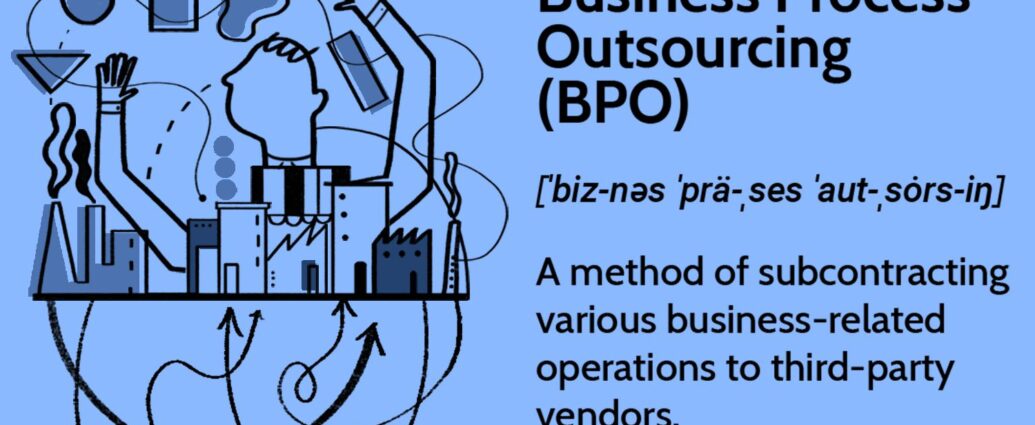
Business Process Outsourcing (BPO): What It Is, How It Works, and Its Benefits
This post was originally published here
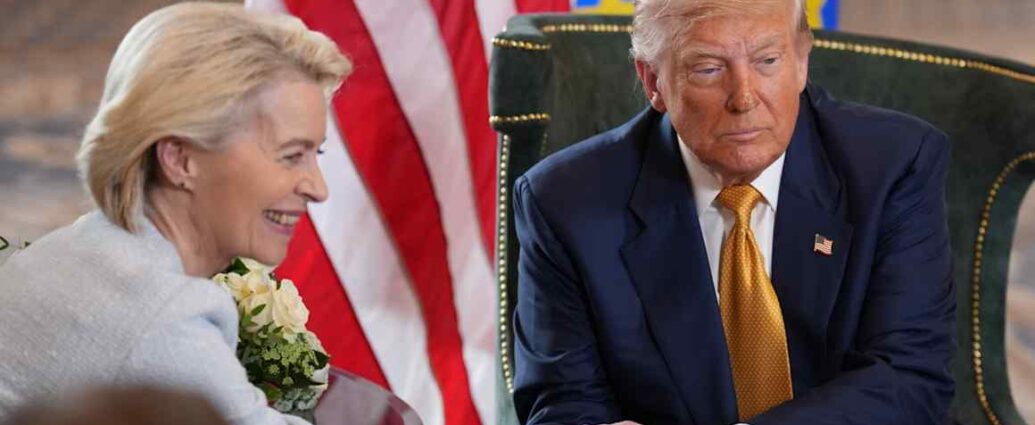
US warns EU to pass trade deal or risk losing ‘favourable’ access to LNG
This post was originally published here
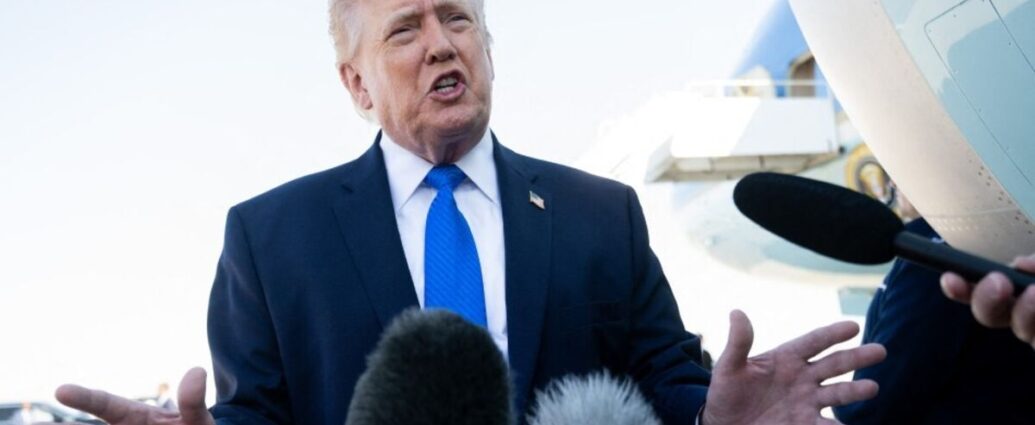
Trump tells CNBC ‘we are very intent on making a deal’ with Iran
U.S. President Donald Trump on Monday said he would order the military to postpone strikes on Iran’s power plants and energy infrastructure for five days.
This post was originally published here
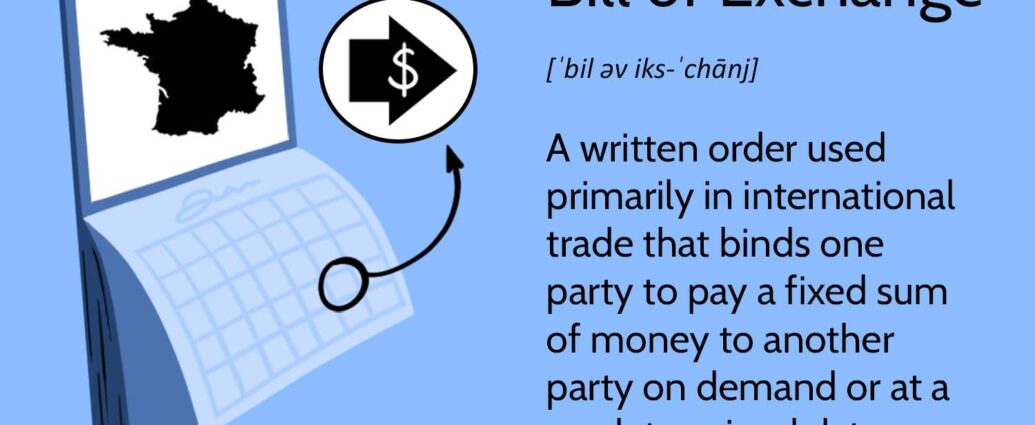



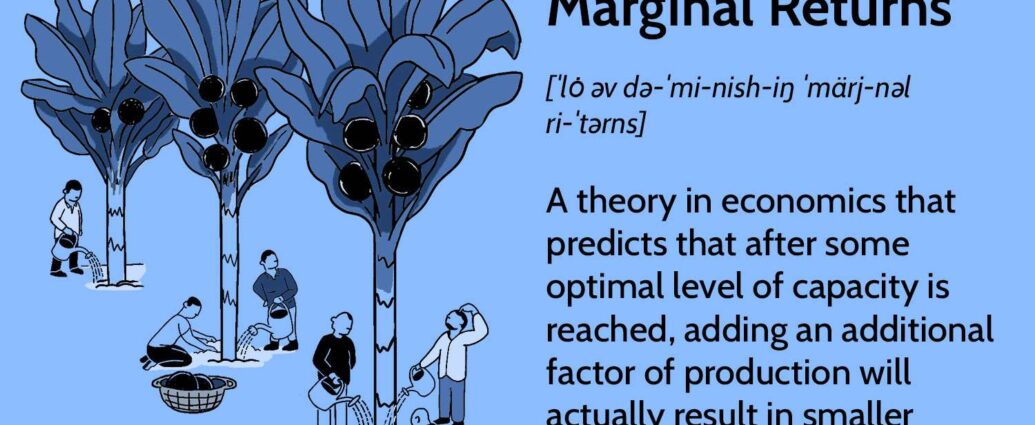
Law of Diminishing Marginal Returns: Definition, Example, Use in Economics
This post was originally published here
BlackRock’s Larry Fink warns against market timing, says missing best days can halve returns
BlackRock CEO Larry Fink said staying invested through periods of turmoil has historically delivered far stronger returns.
This post was originally published here


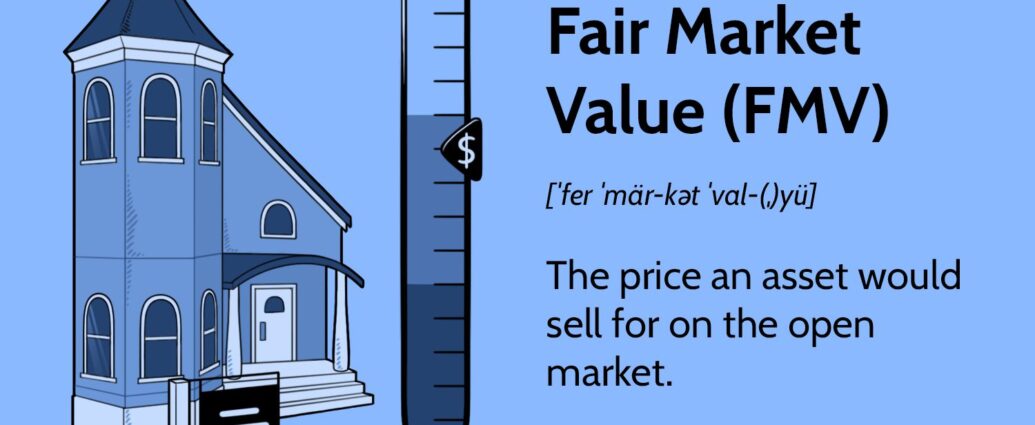
Fair Market Value (FMV): Definition and How to Calculate It
This post was originally published here

Compare Current Jumbo Mortgage Rates Today – March 23, 2026
This post was originally published here

Delta has outperformed since the Iran war began. Using options to hedge against losses
Michael Khouw breaks down this put spread collar on DAL.
This post was originally published here
Hawaii assesses damage left by worst flooding in more than 20 years
People evacuated on Oahu and Maui as rains lifted houses and cars, swept through stores and left streets mud-clogged
Hawaii is coming to grips with the extensive damage left by the worst flooding the islands have seen in more than 20 years.
Over the weekend, heavy rains fell on soil already saturated by downpours from a winter storm a week ago, forcing thousands on the North Shore of Oahu to evacuate before more evacuations for parts of the island of Maui.
This post was originally published here
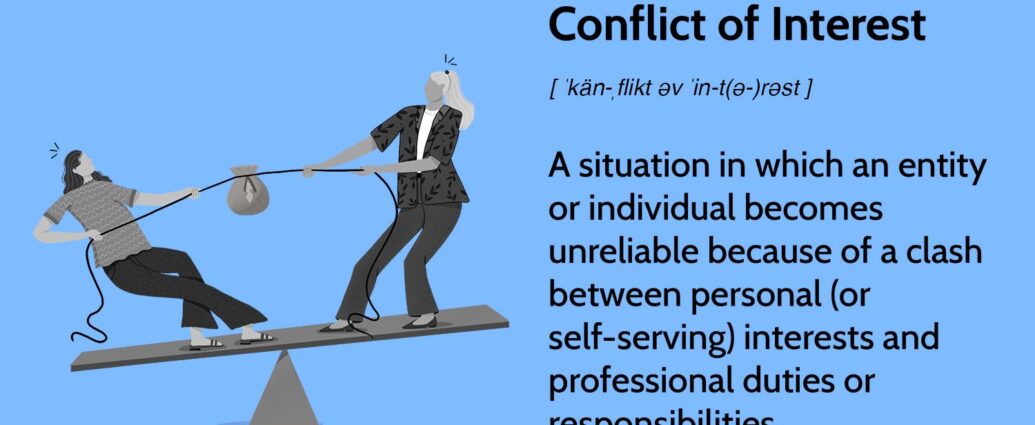



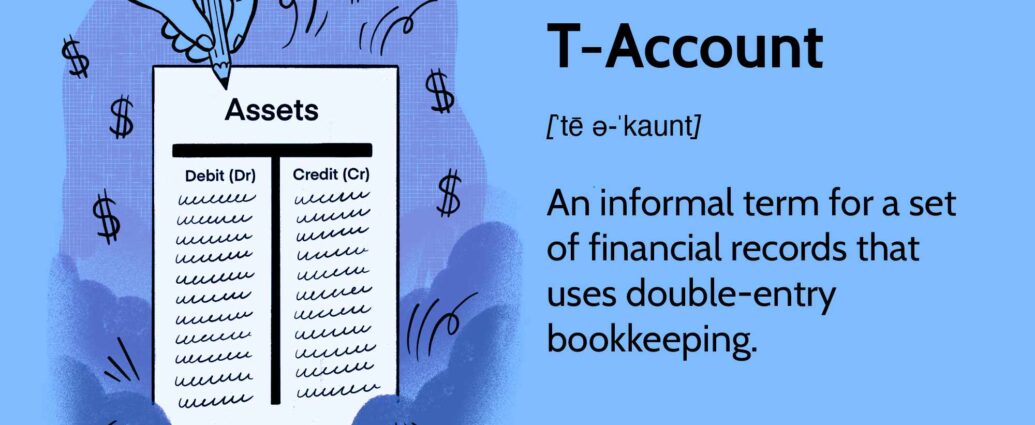
T-Account: Definition, Example, Recording, and Benefits
This post was originally published here
Queensland government criticised over ‘absurd’ decision to appoint former police officer to Legal Aid board
Barrister who represented Indigenous Palm Island community says appointing Darren Robinson to the Legal Aid board is a ‘slap in the face to the family of Mulrunji Doomadgee’
-
Get our breaking news email, free app or daily news podcast
A barrister who acted for Mulrunji Doomadgee’s family says it is “unacceptable” for a former police officer criticised for his conduct in investigating the 2004 death in custody to serve on the state’s Legal Aid board.
Andrew Boe represented Doomadgee’s family and the Palm Island community council at an aborted coronial inquest in 2005 and then in subsequent inquests in 2006 and 2010.
This post was originally published here
Australia’s generation Alpha faces $185k bill over lifetime without urgent action on climate crisis, report finds
Global heating consistent with current projections would cost average millennial $130,000 and $165,000 for gen Z, according to Deloitte modelling
-
Get our breaking news email, free app or daily news podcast
The next generation of Australian workers will cop a $185,000 bill over their lifetimes if the country does not act more urgently to address the climate crisis, according to new modelling by a team of young economists at Deloitte.
The new report finds that global heating consistent with the current projections would cost the average millennial approximately $130,000 over the rest of their lives, increasing to $165,000 for gen Z.
This post was originally published here


Trump DOL rekindles joint-employer push
The Labor Department is reexamining its rules for when to hold businesses liable for wage and overtime violations committed by their franchisees or subcontractors, a policy that could have wide-ranging effects for everything from fast-food restaurants to temp agencies and construction firms.
This post was originally published here
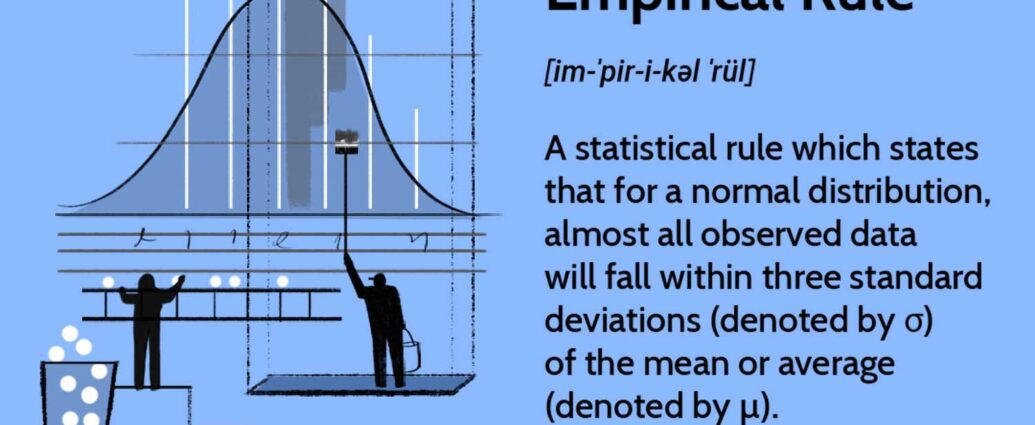

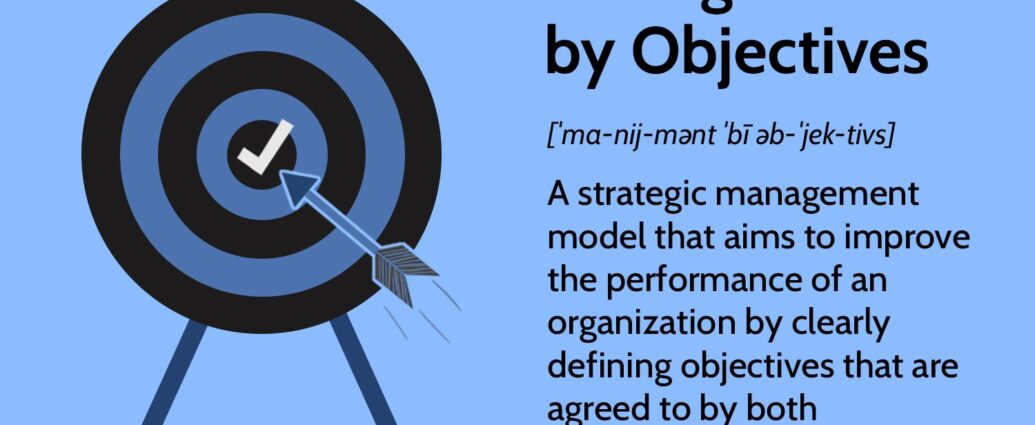
Mastering Management by Objectives: 5 Steps, Benefits & Challenges
This post was originally published here

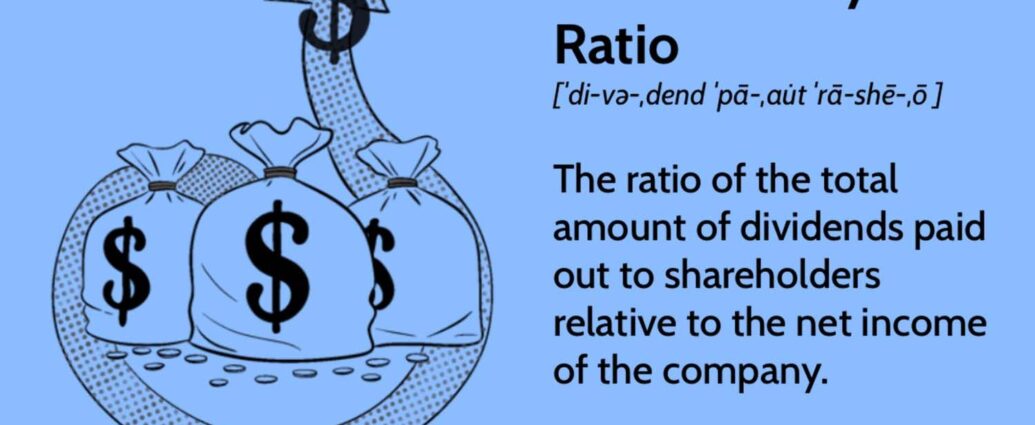
Dividend Payout Ratio: Definition, Formula, and Calculation
This post was originally published here

Compare Current Mortgage Rates Today – March 23, 2026
This post was originally published here

Chaos on first day of Greece train crash trial as relatives shout ‘shame on you’
Judges adjourn hearing into country’s worst rail disaster after grieving families denounce it as caricature of justice
A long-awaited trial into Greece’s worst train crash has descended into chaos hours after it began, with relatives of the 57 people killed in the disaster screaming “shame on you” at judges who were forced to adjourn the hearing until next month.
More than three years after the disaster, grieving families denounced the proceedings as a caricature of justice amid demands the trial be held elsewhere. The five-member panel of judges called multiple recesses on Monday before announcing the hearing would be postponed until 1 April.
This post was originally published here

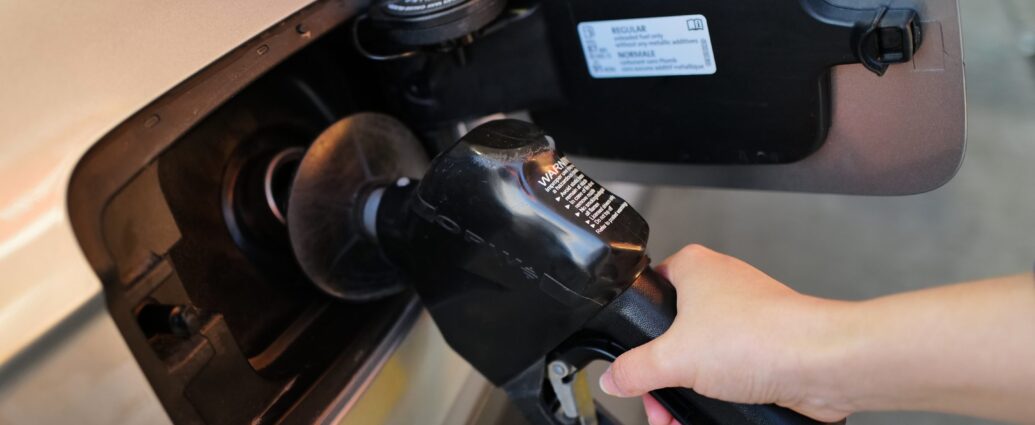
Trump’s ‘largest tax refund season of all time’ is getting totally swallowed up by higher gas prices
The U.S. economy was supposed to start the year with a bang, fueled by an unusually large jump in tax refunds from President Donald Trump’s tax cut legislation. Yet spiking gas prices are on track to eat up those refunds, leaving most Americans with little extra to spend.
“Next spring is projected to be the largest tax refund season of all time,” Trump said in a prime-time speech in December that was intended to address voters’ concerns about the economy and stubbornly high prices.
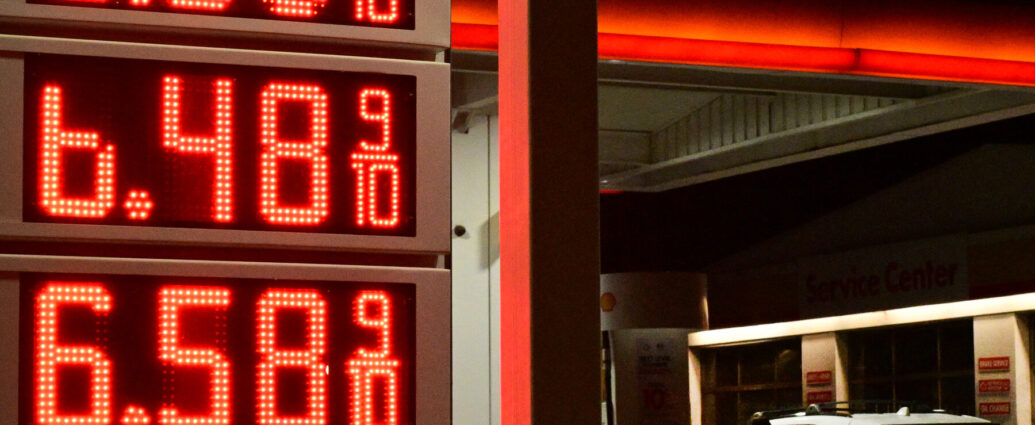
But that was before the Iran war, which began Feb. 28. Oil and gas prices have soared since then, with the nationwide average price of gas reaching $3.94 Sunday, up more than a dollar from just a month earlier.
Gas prices are likely to remain elevated for some time, even if the war ends soon, because shipping and production have been disrupted and will take time to recover. Economists now expect slower growth this spring and for the year as a whole, as dollars that are spent on gas are less likely to be used for restaurant meals, new clothes, or entertainment.
Lower and middle-income households are likely to be hit particularly hard, because they receive lower refunds, while spending a greater proportion of their earnings on gas.
“The energy shock is to going to hit those who have the least cushion,” said Alex Jacquez, chief of policy at the left-leaning Groundwork Collaborative and a former economist in the Biden White House. “And it doesn’t look like those tax refunds are going to be here to save them.”
Neale Mahoney, director of the Stanford Institute for Economic Policy Research, calculates that gas prices could peak in May at $4.36 a gallon, based on oil price forecasts by Goldman Sachs, followed by slow declines for the rest of the year. The notion that gas prices decline much more slowly than they rise is so ingrained among economists that they refer to it as the “rocket and feathers” phenomenon.
In that scenario, the average household would pay $740 more in gas this year, nearly equal to the $748 increase in refunds that the Tax Foundation has estimated the average household will receive.
Through March 6, refunds have risen by much less than that, according to IRS data: They have averaged $3,676, up $352 from $3,324 in 2025. Still, average refunds could rise as more complex returns are filed.
Other estimates show similar impacts. Economists at Oxford Economics, a consulting firm, estimate that if gas prices average $3.70 a gallon all year, it will cost consumers about $70 billion — more than the $60 billion in increased tax refunds.
The gas price spike comes with many consumers already in a precarious position, particularly compared to 2022, when gas prices also soared because of Russia’s invasion of Ukraine. At that time, many households still had fattened bank accounts from pandemic-era stimulus payments and companies were hiring rapidly and sharply lifting pay to attract workers.
Now, hiring is nearly at a standstill and Americans’ saving rate has steadily fallen in the past few years as many households borrow more to sustain their spending.
“When you start looking across the perspective from a consumer side, you’re seeing people who have maxed out their credit cards, are using ‘buy now, pay later’ to purchase their groceries,” said Julie Margetta Morgan, president of The Century Foundation, a think tank. “They’re making it work for now, but that can fall apart quite quickly.”
The impact will likely worsen the “K-shaped” narrativ e around the U.S. economy, analysts said, in which higher income households have fared better than lower-income households. The bottom 10% of earners spend nearly 4% of their incomes on gasoline, Pantheon Macroeconomics estimates, while the top 10% spend just 1.5%.
For now, most analysts still expect the U.S. economy to expand this year, even if more slowly, given the gas price shock. Higher gas prices will likely worsen inflation in the short run, but over time weaker spending will also slow growth.
American consumers and businesses have repeatedly shaken off shocks since the pandemic — soaring inflation, rising interest rates, tariffs — and continued to spend, defying concerns that the economy would tip into recession. Many economists note that the proportion of their incomes that Americans spend on gas and other energy has fallen significantly compared with a decade ago.
Data from the Bank of America Institute, released Friday, showed that spending on gas on the bank’s credit and debit cards shot 14.4% higher in the week ended March 14 compared with a year ago. Before the war, such spending was running 5% below the previous year, a benefit to consumers.
Spending on discretionary items — restaurant meals, electronics, and travel — is still growing, the institute said, evidence of consumer resilience. But there is little sign it is accelerating, as many economists had hoped.
“The longer these gasoline prices persist, the more that will gradually sap consumer discretionary spending,” said David Tinsley, senior economist at the institute.
Other analysts expect growth will slow because of the war. Bernard Yaros and Michael Pearce, economists at Oxford Economics, forecast that the U.S. economy will grow just 1.9% this year, down from an earlier estimate of 2.5%.
“We had anticipated a lift in spending from a bumper tax refund season,” they wrote, “but the rise in gasoline prices, if sustained, would more than offset that boost.”
This story was originally featured on Fortune.com

Limited Partnership (LP): What It Is, Pros and Cons, How to Form One
This post was originally published here


The $75 Lunch That Beats Any Exit Interview
Fed’s Goolsbee says he’s worried about inflation in ‘fraught but intense’ climate
In a CNBC interview, the central banker said policymaking is difficult in the current environment.
This post was originally published here
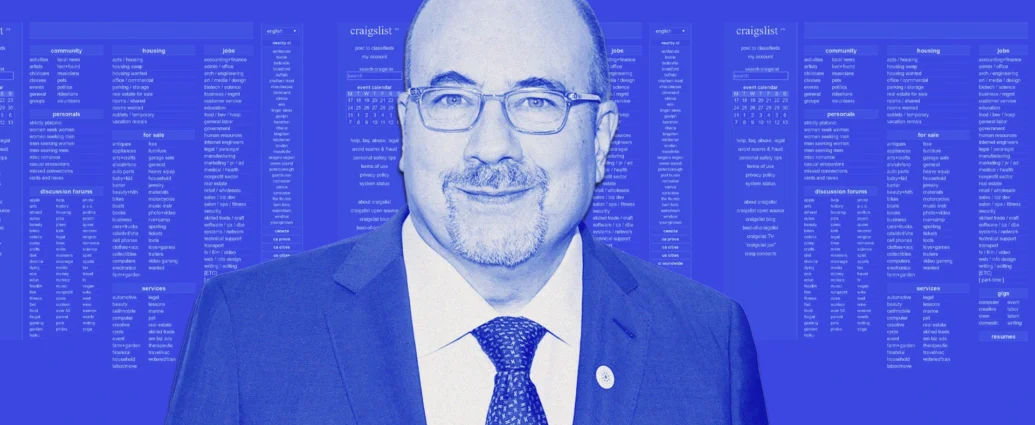

OnlyFans owner Leonid Radvinsky dies at 43
This post was originally published here
Non-Disclosure Agreement (NDA) Explained, With Pros and Cons
This post was originally published here
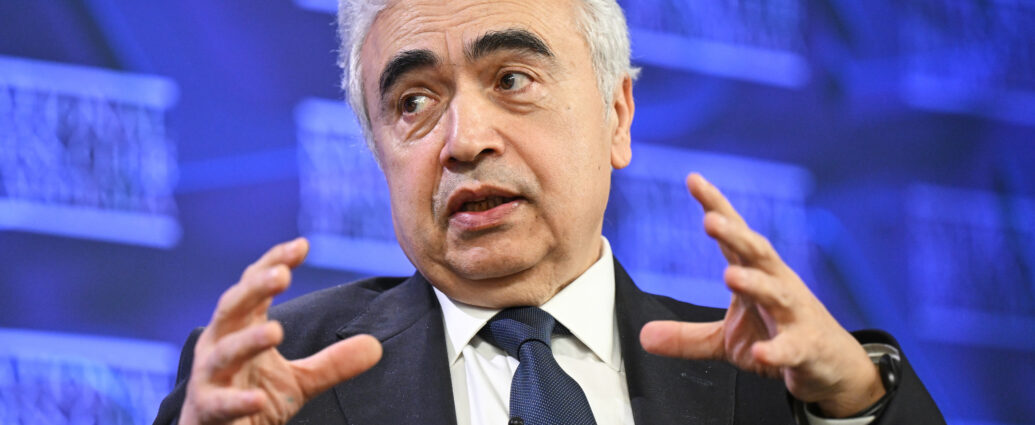
Iran War poses ‘major, major threat’ to global economy, energy chief says
The head of the International Energy Agency said Monday that the global economy faces a “major, major threat” because of the Iran war.
“No country will be immune to the effects of this crisis if it continues to go in this direction,” Fatih Birol said at Australia’s National Press Club in Canberra on Monday.
The crisis in the Middle East, he said, has had a worse impact on oil than the two oil shocks of the 1970s combined, and a worse effect on gas than the Russia-Ukraine war.
Israel launched a new wave of attacks early Monday against Tehran. U.S. President Donald Trump also warned the United States will “obliterate” Iran’s power plants if Tehran doesn’t fully open the Strait of Hormuz within 48 hours. That prompted Iran to say it would respond to any such strike with attacks on U.S. and Israeli energy and infrastructure assets.
Trump is facing increasing pressure at home to secure the strait as oil prices soar.
One major fear is that the war could knock out oil and gas production in the Middle East for a long time, which would mean high prices could last a while and cause inflation to rip higher around the world. The U.S. stock market has a history of bouncing back relatively quickly from past conflicts in the Middle East and elsewhere, as long as oil prices don’t stay too high for too long.
Iran on Monday renewed strikes on its Gulf neighbors and threatened to start hitting their power plants.
“The situation is very severe,” Birol said in Australia.
The oil crises of 1973 and 1979, he said, lost together 10 million barrels per day, causing “major economic problems around the world, the recessions. And today, only as of today, we lost 11 million barrels per day — so more than two major oil shocks put together.”
After Russia’s invasion of Ukraine, he said, the gas markets, especially in Europe, “lost about 75 billion cubic meters, 75BCM. And as of now, as a result of this crisis, we lost about 140BCM, almost twice (as much).”
Birol said 40 energy assets in nine countries across the region were “severely or very severely damaged.”
“Some of the vital arteries of the global economy, such as petrochemical, such as fertilizers, such as sulfur, such as helium — their trade is all interrupted, which would have serious consequences for the global economy,” he said.
He said the International Energy Agency, “in order to comfort the markets,” earlier released 400 million barrels of oil, “which is historic. We have never released so much oil to the markets. … The single most important solution to this problem is opening up the Hormuz Strait as things stand now.”
The official added that he was consulting with governments in Europe, Asia, North America and the Middle East about the prospect of releasing further stockpiled oil.
“We will see, we will look at the markets,” he said. “If it is necessary, of course, we will do it, but we will look at the conditions, we will analyze, assess the market and discuss with our member countries.”
___
AP writer Foster Klug contributed to this report from Tokyo.
This story was originally featured on Fortune.com



How Leadership Should Approach Risk
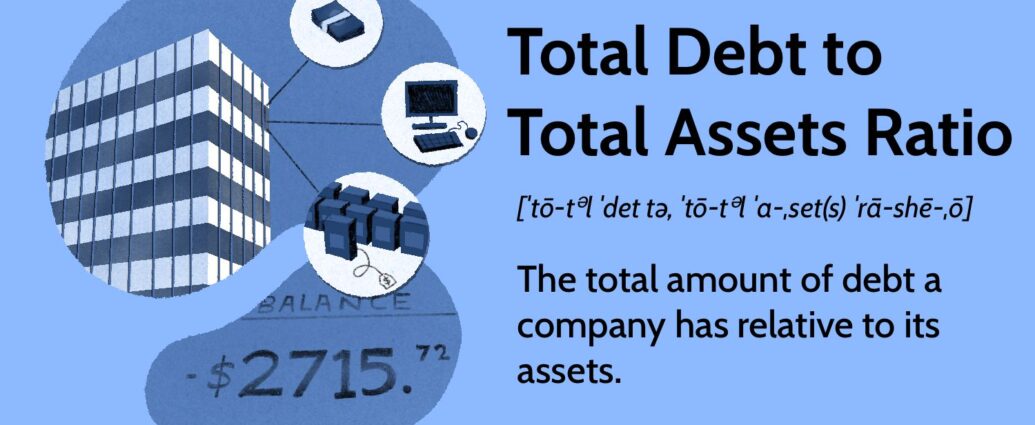
Total Debt-to-Total Assets Ratio: Meaning, Formula, and What’s Good
This post was originally published here


Pfizer to seek FDA approval for Lyme disease vaccine candidate despite trial miss
Lyme disease is an illness caused by bacteria most commonly spread to humans from ticks. It can cause arthritis, muscle weakness and pain.
This post was originally published here
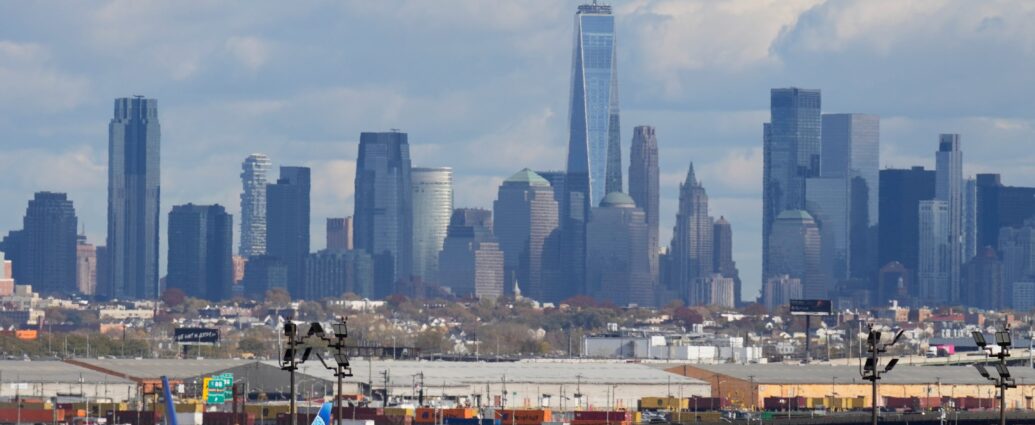
Newark airport shuts down after a burning smell forces an air traffic control tower evacuation
Arrivals and departures were temporarily paused at Newark Liberty International Airport in New Jersey on Monday morning after air traffic controllers evacuated the tower due to a burning smell coming from an elevator, the Federal Aviation Administration said.
It wasn’t immediately clear what caused the issue, and the agency said it was determined that no fire had occurred. The delay lasted less than an hour, and no injuries were reported.
During the pause, FAA staff relocated to a backup tower at the airport, according to the Port Authority of New York and New Jersey, which operates the airport. They later returned to the primary tower.
Earlier this month, four airports serving Washington, D.C., Baltimore and Richmond, Virginia, halted all flights for over an hour because of a strong chemical smell that was impeding air traffic controllers. Federal Transportation Secretary Sean Duffy said the source of the strong odor was traced to a circuit board that overheated and was replaced.
The temporary pause at Newark Liberty was not related to a fatal accident at New York’s LaGuardia Airport on Sunday night. In that episode, two people were killed and several others were seriously injured when an Air Canada regional jet struck a fire truck on a runway while landing, officials said.
This story was originally featured on Fortune.com


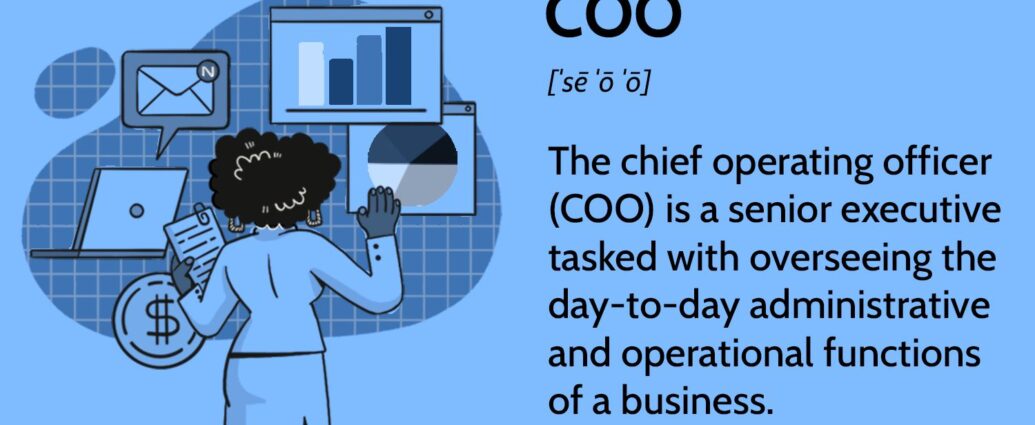
What Does a Chief Operating Officer (COO) Do? Roles and Qualifications
This post was originally published here

The Rise of AI-Driven Robotics
What Is the Asset Turnover Ratio? Calculation and Examples
This post was originally published here

Dogecoin To Get Its Own ‘Windows’? Here’s How DogeOS Could Work
Dogecoin (CRYPTO: DOGE) could gain new utility and yield opportunities through DogeOS, an app-layer project designed to expand its use beyond payments while preserving its meme-driven identity.
Building Utility With DogeOS
In an interview with Crypto India Magazine, DogeOS CEO and co-founder Jordan Jefferson said Dogecoin remains one of the most underutilized assets in crypto despite its large market cap of around $15 billion and cultural reach.
In a recent discussion, Jefferson, a crypto builder since 2011, said Dogecoin has stayed closer to crypto’s original vision of peer-to-peer money, while Bitcoin’s (CRYPTO: BTC) …

Adverse Possession: Legal Definition and Requirements
This post was originally published here



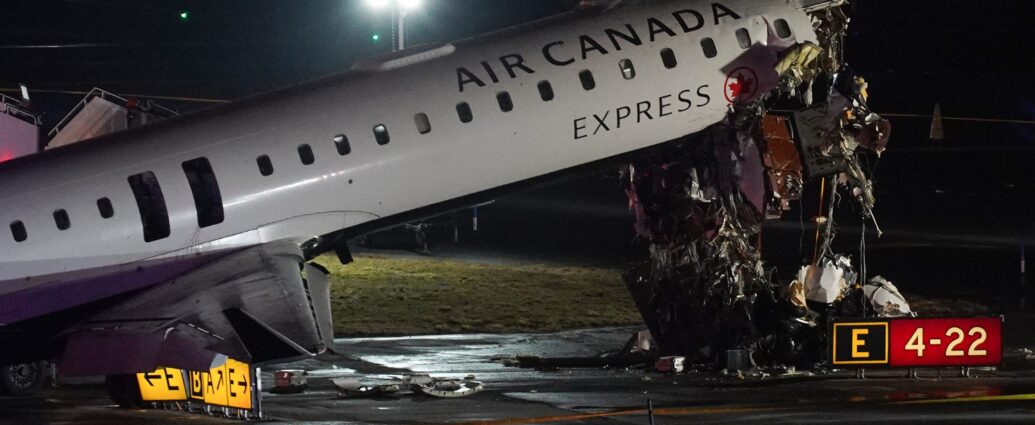
Two people dead after an Air Canada jet struck a firetruck on the LaGuardia Airport runway
Two people were killed and several others badly hurt when an Air Canada regional jet struck a fire truck on a runway while landing at New York’s LaGuardia Airport, officials said.
The pilot and copilot were killed in the late Sunday night collision, which crushed the nose of the aircraft, while around 40 passengers and crew members were taken to area hospitals, some with serious injuries. Most have since been released from treatment, authorities said Monday.
Two Port Authority employees who were traveling in the fire truck also suffered injuries that were not believed to be life-threatening, aid Kathryn Garcia, executive director of the Port Authority of New York and New Jersey, which operates the airport.
In the moments before the crash, an air traffic controller could be heard on a radio transmission giving clearance to a vehicle to cross part of the tarmac, then trying to stop it.
The airport was shut down and air traffic was diverted, and on Monday morning operations also were halted at Newark Liberty International Airport in neighboring New Jersey. Air traffic controllers evacuated the tower because of a burning smell from an elevator, the Federal Aviation Administration said.
The shutdowns happened during long waits for travelers due to the busy spring break travel season and a shortage of Transportation Security Administration officers because of a lack of routine funding for the Department of Homeland Security.
Pilot and copilot were based out of Canada
The pilot and copilot who died were both based out of Canada, Garcia said during a news conference.
The airport will remain closed until at least 2 p.m. Monday to facilitate the investigation, which is being led by the National Transportation Safety Board.
“Two pilots were killed and dozens injured in this tragedy. Our thoughts are with the victims, their families, and everyone affected,” New York Gov. Kathy Hochul posted online.
The fire truck was traveling across the runway to respond to a separate incident aboard a United Airlines flight, whose pilot had reported “an issue with odor,” said Garcia, who deferred additional questions about the sequence of events leading up to the crash to the NTSB.
There were 72 passengers and four crew members aboard the aircraft, a Jazz Aviation flight operating on behalf of Air Canada, according to a statement from the airline. The flight originated at Montreal-Pierre Elliott Trudeau International Airport, the major airport serving Montreal.
Photos and videos from the scene showed severe damage to the front of the aircraft, with cables and debris hanging from a mangled cockpit. Nearby, a damaged emergency vehicle lay on its side.
Stairways used to evacuate passengers from the aircraft were pushed up to the emergency exits on the jet, a Bombardier CRJ. The impact left the jet with its crumpled nose tilted upward.
Air traffic controller tried to stop vehicle after giving clearance
The air traffic controller tried to warn the vehicle.
“Stop, Truck 1. Stop,” the transmission says. The controller can then be heard frantically diverting an incoming aircraft from landing.
Air traffic controllers are not impacted by the partial government shutdown that has caused long delays at airport security checkpoints in recent days. They have been affected by past shutdowns.
As passengers straggled out of the airport into the dark early Monday, some described having arrived at LaGuardia hours before their flight, hoping to beat the lines.
Arturo Davidson said his Miami-bound flight was on the tarmac Sunday night when fellow passengers saw the collision or its aftermath and reactions rippled through the cabin.
The passengers were soon told there had been an accident. About 20 minutes later, they were informed the airport was closing and they must return to the terminal, he said later Monday, gazing at a departure board filled with cancellations.
“I don’t think we’re going at two,” he sighed, referring to the time Monday afternoon that officials gave as the earliest for reopening LaGuardia.
One of the nation’s busiest airports
LaGuardia was 19th busiest in 2024 out of more than 500 U.S. airports, with over 16.7 million passengers boarding there, according to a 2025 FAA database.
The airport, which opened to commercial traffic in 1939, covers 680 acres (275 hectares) and borders Flushing and Bowery bays in Queens. The Port Authority of New York and New Jersey describes it as “one of the nation’s leading domestic gateways for business and leisure travel” in its 2024 Airport Traffic Report.
LaGuardia is one of 35 major airports across the country equipped with an advanced surface surveillance system that uses radar and data from locator systems on planes to alert controllers to potential conflicts on runways, according to the FAA.
There are three different models of Aircraft Rescue and Firefighting trucks, according to a video put out last year about the unit by the Port Authority. One carries 1,500 gallons (5,678 liters) of water and firefighting chemicals. Two others carry 3,000 gallons (11,356 liters) of water. One of those models is also equipped with a turret that can extend 65 feet (20 meters) to penetrate inside an aircraft and discharge firefighting chemicals.
It’s still too early to tell what went wrong, and investigators from the NTSB will now start collecting facts, interviewing people, downloading recordings and reviewing data from flight recorders, aviation safety expert Jeff Guzzetti said.
“It might be easy enough just to say, ‘Oh, the controller made a mistake.’ But there’s got to be deeper questions,” he said.
___
The story has been updated to correct that the Port Authority video on trucks was put out last year, not last month.
This story was originally featured on Fortune.com




Jim Cramer’s top 10 things to watch in the stock market Monday
Stocks soar, a crisis at Microsoft and Apple continues to defy expectations.
This post was originally published here

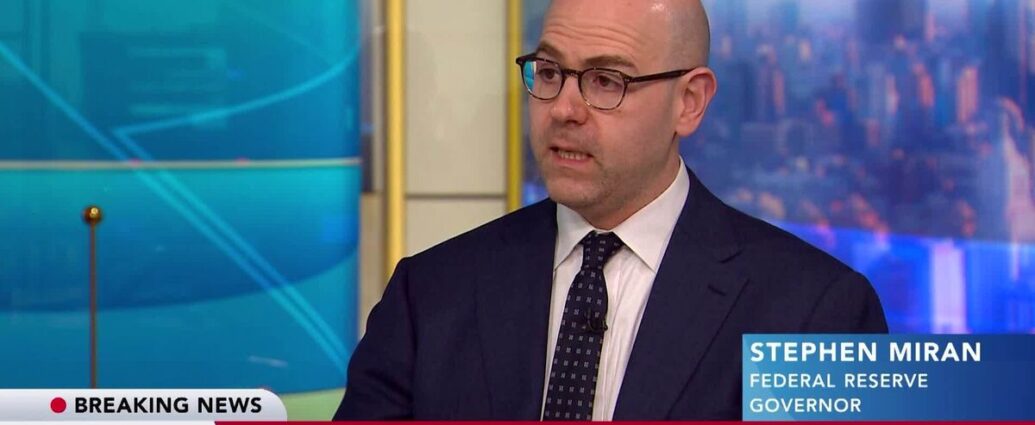
Franklin Templeton Says XRP Will Boom When Companies Actually Start Using It
XRP (CRYPTO: XRP) institutional adoption hinges on companies actually using the network to solve business problems, with Franklin Templeton’s Roger Bayston predicting the tipping point comes when businesses integrate blockchain into operations.
The Usage Thesis
Bayston drew a parallel to Warren Buffett buying Dairy Queen stock because he consumed Dairy Queen products.
“I don’t think yet a lot of institutions understand how they can use these distributed ledger technologies inside of their information-based businesses,” he said on the Paul Barron podcast.
The breakthrough moment arrives when companies start using the XRP network to solve actual business problems—creating efficiencies or new opportunities.
When businesses need to use XRP to append records onto the network and recognize the total addressable market potential, that’s when institutional investment follows.
Franklin Templeton reached this conclusion by trying to use distributed ledger technologies in their own securities business.
Once they unpacked how blockchains work, they realized these systems will be used by lots of information-based businesses over time, making the underlying …
This post was originally published here

Voice of America staffers sue, alleging Kari Lake put on propaganda
Voice of America staffers are suing Trump administration official Kari Lake, alleging she put pro-Trump propaganda on its airwaves. She has lost numerous rulings of late.
(Image credit: Voice of America)

This post was originally published here



Why Is AleAnna Stock Falling Monday?
AleAnna, Inc. (NASDAQ:ANNA) shares are declining in the premarket session on Monday. The move stems primarily from profit-taking following a massive Friday rally.
Nasdaq futures are up 1.74% while S&P 500 futures have gained 1.86%.
Trump Signals De-Escalation
The pullback follows a shift in geopolitical tensions. President Donald Trump signaled a de-escalation via a Truth Social post.
Trump said he ordered a five-day pause on planned U.S. strikes against Iranian energy infrastructure. He described recent discussions with Iranian officials as “very good and productive.”
On Monday, after Trump’s signal, crude oil and natural gas futures plummeted. Crude oil futures were down 9.25% to $89.14, and natural gas futures …
This post was originally published here




Stop asking AI chatbots about your workplace problems—a close colleague is a better bet, psychologist says
AI isn’t best suited for workplace questions about difficult conversations or social activities, so turn to a close colleague first, says a psychologist.
This post was originally published here
Current price of oil as of March 23, 2026
As of 9 a.m. Eastern Time today, oil sold for $101.44 per barrel (using Brent as the benchmark, which we’ll get into momentarily). That’s $10.64 lower than yesterday—but approximately a $29 rise over the past year.
Will oil prices go up?
It’s impossible to predict the future of oil prices. Several factors determine the movement of oil, but it ultimately boils down to supply and demand. Again, when threats of economic downturn, war, etc. are high, the oil trajectory can turn rapidly.
How oil prices translate to gas pump prices
When you pay for gas at the pump, you’re paying for more than just the crude oil itself; you’re also springing for links along the chain, such as the refineries and wholesalers—not to mention taxes and local gas station markups.
Still, the crude oil aspect affects the final price most dramatically, as it typically accounts for more than half the price per gallon. When oil prices spike, so do gas prices. And frustratingly, when oil prices drop, gas prices tend to take their time drifting down to the lower price (sometimes referred to as “rockets and feathers”).
The role of the U.S. Strategic Petroleum Reserve
In case of emergency, the U.S. has a store of crude oil known as the Strategic Petroleum Reserve. Its primary purpose is energy security in case of disaster (think sanctions, severe storm damage, even war). But it can also go a long way toward softening crippling price hikes during supply shocks.
It’s not a long-term answer—more of an immediate relief to assist the consumer and keep critical parts of the economy running, like key industries, emergency services, public transportation, etc.
How oil and natural gas prices are linked
Oil and natural gas are both major energy fuels. A big change in oil prices can affect natural gas by extension. For example, if oil prices increase, some industries may swap natural gas for some segments of their operations where possible—which increases demand for natural gas.
Historical performance of oil
When examining oil’s performance, there are generally two major benchmarks:
- Brent crude oil is the main global oil benchmark.
- West Texas Intermediate (WTI) is the main benchmark of North America.
Between the two, Brent better represents global oil performance because it prices much of the world’s traded crude. And, it’s often the best way to track historical oil performance. In fact, even the U.S. Energy Information Administration now uses Brent as its primary reference in its Annual Energy Outlook.
Looking at the Brent benchmark across several decades, oil has been anything but steady. It’s seen spikes due to factors such as wars and supply cuts, and it’s also seen crashes from global recessions and an oversupply (called a “glut”). For example:
- The early 1970s brought the first big oil shock when the Middle East cut exports and imposed an embargo on the U.S. and others during the Yom Kippur War.
- Prices dropped in the mid-1980s for reasons such as lower demand and more non-OPEC oil producers entering the industry.
- Prices spiked again in 2008 with increased global demand, but it soon plummeted alongside the global financial crisis.
- During the 2020 COVID lockdown, oil demand collapsed like never before—bringing prices below $20 per barrel.
All to say, oil’s historical performance has been anything but smooth. Again, it’s hugely affected by wars, recessions, OPEC whims, evolving energy initiatives and policies, and much more.
Energy coverage from Fortune
Looking to stay up-to-date regarding the latest energy developments? Check out our recent coverage:
- Natural gas prices in Texas plunge deep into negative territory and producers are burning it off
- ‘Almost exactly offsetting the boost’: Higher gasoline prices this year could wipe out tax refunds
- U.S. allows sale of stranded Iran oil to cap fuel-price rises
Frequently asked questions
How is the current price of oil per barrel actually determined?
The current price of oil per barrel depends largely on supply and demand, including news about potential future supply and demand (geopolitics, decisions made by OPEC+, etc.). In the U.S., prices also move based on how friendly an administration is to drilling, as it can affect future supply. For example, 2025 saw the Trump administration move to reopen more than 1.5 million acres in the Coastal Plain of the Arctic National Wildlife Refuge for oil and gas leasing, reversing the Biden administration’s policy of limiting oil drilling in the Arctic.
How often does the price of oil change during the day?
The price of oil updates constantly when the “futures” markets are open. A futures market is effectively an auction where people agree to buy or sell oil in the future. As long as people and companies are trading contracts, the oil price is changing.
How does U.S. shale oil production affect the current price of oil?
In short, shale is rock that contains oil and natural gas. Think of shale as energy yet to be tapped. The more shale the U.S. accesses, the more energy we’ll have—and the more easily oil prices can keep from spiking as much thanks to a greater supply.
How does the current price of oil impact inflation and the broader economy?
When oil is expensive, it tends to make everyday items cost more. This can be related to energy (your heating, gas utilities, etc.), but it’s also due to the logistics involved with making those items accessible to you. Shipping, for example, can affect the price of things at the grocery store, as it’s more expensive to get those products from warehouses and farms onto the shelf.
This story was originally featured on Fortune.com





How To Earn $500 A Month From Worthington Enterprises Stock Ahead Of Q3 Earnings
Analysts expect Worthington Enterprises, Inc. (NYSE:WOR) to report quarterly earnings of 96 cents per share when it releases third-quarter (Q3) results on Tuesday, March 24.
That’s up from 91 cents per share in the year-ago period. The consensus estimate for Worthington’s quarterly revenue is $349.41 million (it reported $304.52 million last year), according to Benzinga Pro.
With the recent buzz around Worthington and its completed acquisition of LSI Group, investors may be eyeing potential dividend gains. As of now, Worthington has an annual dividend yield of 1.60%, with a quarterly dividend of 19 cents per share (76 cents per year). Here’s how investors can exploit the dividend yield to pocket $500 monthly.
To earn $500 per month or $6,000 annually from dividends alone, you would need …
This post was originally published here

Senate Democrats Demand ‘Rigorous’ FCC Probe Into Foreign Funding Behind Paramount Skydance–Warner Bros. Discovery Deal
Senate Democrats have urged FCC Chairman Brendan Carr to investigate the foreign funding involved in the proposed acquisition of Warner Bros. Discovery (NASDAQ:WBD) by Paramount Skydance (NASDAQ: PSKY).
Senate Democrats, including Minority Leader Chuck Schumer (D-N.Y), Minority Whip Dick Durbin (D‑IL), and Senators Cory Booker (D‑NJ), Richard Blumenthal (D‑CT), Mazie Hirono (D‑HI), Sheldon Whitehouse (D‑RI), and Sen. Elizabeth Warren (D-Mass.), have written to Carr and voiced concerns regarding the foreign investment from China and Gulf states in the merger.
“This constellation of foreign investment from China and from Gulf states, with complex and sometimes competing relationships with the United States, demands rigorous, not perfunctory, review,” wrote the Senators.
The senators stressed that the current deal structure limits their ability to influence the governance or management of the merged company. Yet, the significant equity contributions from these foreign investors, along with a report of …
This post was originally published here