
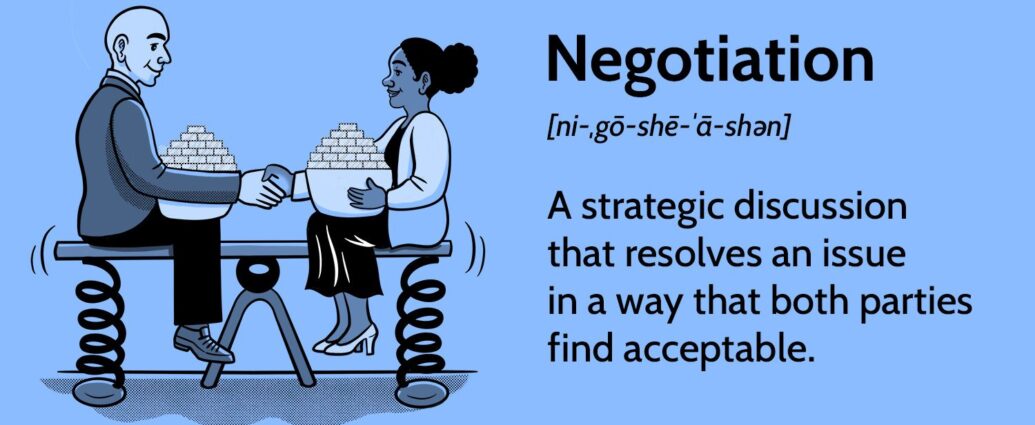
Understanding Negotiation: Key Stages & Effective Strategies
This post was originally published here
Bentley to cut hundreds of UK jobs amid ‘challenging global market environment’
Carmaker reduces office-based roles and will not fill vacancies ‘to ensure long-term competitiveness of business’
Bentley is to cut 275 jobs in the UK as the carmaker faces a “challenging global market environment”.
The luxury brand, owned by Germany’s Volkswagen, is preparing to launch its first all-electric model but acknowledged it had some work to do to convince consumers to switch away from internal combustion engine vehicles.
This post was originally published here



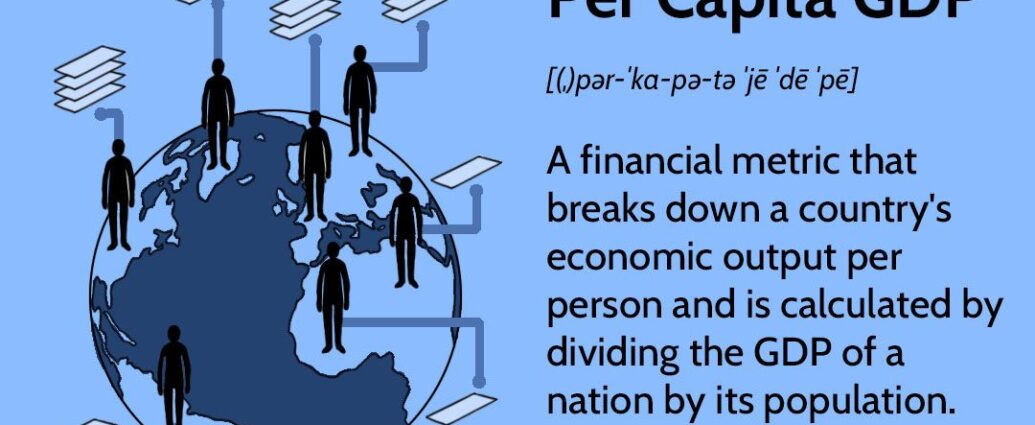
GDP Per Capita: Definition, Uses, and Highest Per Country
This post was originally published here

PayPal Expands Stablecoin Offering To 70 Countries Worldwide
PayPal (NASDAQ:PYPL) is expanding its PYUSD stablecoin (CRYPTO: PYUSD) to 70 markets worldwide, enabling users to skip cross-border transfer fees and bank withdrawal requirements.
The 70-Country Expansion
Customers in 70 nations can now hold PYUSD in their PayPal wallets, up from only the U.S. and U.K. previously.
The expansion includes Uganda, Colombia, Peru, Singapore, Guatemala, and new additions across South America, Africa, and Asia, Fortune reported on Tuesday.
“Now you’re really opening up not only access—especially in places where they need it most—but also cross-border transfers and volume, where the pain is felt so high,” said May Zabaneh, senior vice president and head of crypto at PayPal.
How It Skips Bank Fees
Currently, PayPal users in countries like Peru can only withdraw money in their native currency.
If a New Yorker sends $10 to someone in Lima, the Peruvian user pays a cross-border transfer fee …
This post was originally published here


Belgian court sends ex-diplomat, 93, to trial over 1961 murder of Congo leader
Étienne Davignon is charged with participation in war crimes in relation to killing of then PM Patrice Lumumba
A former Belgian diplomat , 93, should stand trial over alleged complicity in the 1961 murder of Patrice Lumumba, the first prime minister of what was then the newly independent Congolese state, a Brussels court has ruled.
Étienne Davignon, the only person still alive among 10 Belgians the Lumumba family accuses of involvement in the killing, is charged with participation in war crimes.
This post was originally published here

Why Is bioAffinity Technologies Stock Surging Tuesday?
bioAffinity Technologies Inc (NASDAQ:BIAF) shares are trading higher on Tuesday morning.
The move follows the release of a new clinical case study. The study highlights the benefits of adding CyPath Lung to the diagnostic pathway.
Clinical Case Study Success
The company released data regarding a 71-year-old former smoker with multiple pulmonary nodules. Traditionally, such cases lead to invasive biopsies. However, the CyPath Lung test returned a result of “Unlikely Malignancy.”
A follow-up scan in October confirmed the nodules were benign.
Enhancing Diagnostic Clarity
“Multiple small nodules in a high-risk patient pose a diagnostic challenge,” said Daya Nadarajah, MD, the patient’s pulmonologist.
He noted the negative result provided comfort …
This post was originally published here
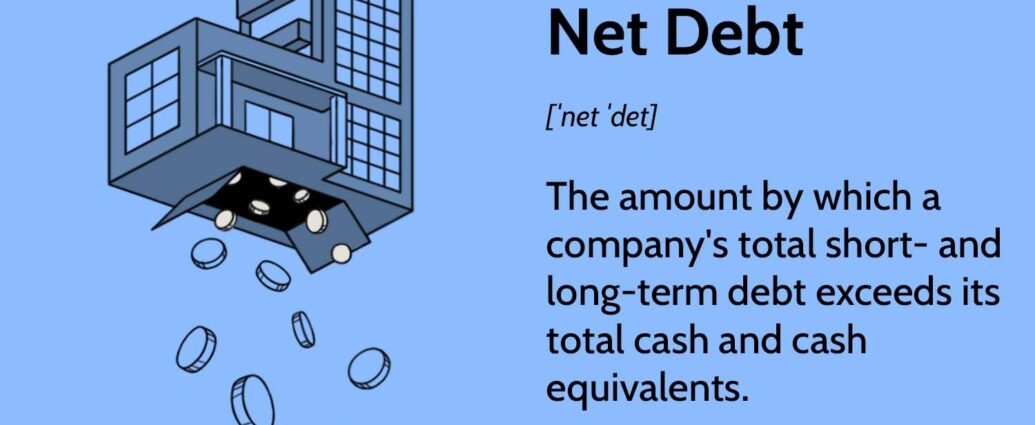
How Net Debt Is Calculated and Why It Matters to a Company
This post was originally published here





The Postal Service may be out of cash in 2027 without Congress’ help, postmaster says
The U.S. Postal Service’s leader says it is set to run out of money in less than a year and may have to stop deliveries because of declining mail volume and what USPS sees as burdensome requirements.
(Image credit: Kyle Grillot)

This post was originally published here

Absolute Advantage: Definition, Benefits, and Example
This post was originally published here



Joe Kent, a top counterterrorism official, resigns citing Iran war

Kent said he “cannot in good conscience” back the Iran war. In his resignation letter, he says Iran “posed no imminent threat to our nation.”
(Image credit: Nathan Howard)

This post was originally published here


Absorption Costing Explained, With Pros and Cons and Example
This post was originally published here

Liberal arts degrees have long paid the worst salaries—but Microsoft chief scientist says in the age of AI, they will be ‘really important’ for Gen Z
Traditional paths to stable careers are undergoing a massive shift. Fields like computer science—once considered the safest bet for a high-paying job—are now facing new uncertainty. At the same time, some business leaders warn that entry-level roles could be hollowed out by AI, leaving many Gen Z workers questioning where opportunity still exists.
Jaime Teevan, Microsoft’s chief scientist, believes the answer may lie in an unexpected place: the liberal arts.
“Metacognitive skills will be very important—flexibility, adaptability, experimentation, thinking critically, being able to challenge things. Developing critical-thinking skills requires friction, doing things that are hard, doing deep thinking,” Teevan told The Wall Street Journal.
“For that, a traditional liberal-arts education is really important.”
Teevan, who leads the research direction of the company’s experiences and devices division, including Office, Windows, Surface, and Teams, said the shift reflects a deeper change in how humans interact with technology. And for her, the stakes are personal: she has four sons, ages 17 to 21, all navigating higher education decisions in real time.
“Think of what AI does. It used to be that communicating with a computer was deterministic: You press this button, and this thing happens. Now it’s based on natural language, providing context, expressing intent and thinking critically.”
In other words, while liberal arts majors—such as anthropology, psychology, and education—have long been among the worst-paid majors, the very skills often taught in those career paths are becoming more valuable, not less.
As AI handles more technical and repetitive tasks, the ability to exercise judgement, communicate nuance, and take responsibility is emerging as a differentiator. And it may be just what Gen Z needs to land a job in today’s market.
In today’s AI era, Gen Z may need to take an ‘insurance policy’ on their education
For years, educators and employers pushed students toward STEM fields, pointing to degrees like computer engineering as pathways to six-figure salaries. But early signs suggest that even those once-reliable routes are facing pressure.
The unemployment rate for computer engineering majors has climbed to 7.8%—the highest of any major except anthropology, according to the Federal Reserve Bank of New York, underscoring how quickly the job market is shifting in the AI era.
It’s a concern echoed by Ethan Mollick, a professor at the University of Pennsylvania’s Wharton School known for his AI research. With so much uncertainty, Mollick argued that overspecialization can be risky. Instead, he emphasized the value of broad, foundational learning—an approach central to liberal arts education—where students build critical thinking, problem-solving, and communication skills across disciplines.
“Take an insurance policy by being broadly educated, being deeply educated, being flexible in the face of change, maybe saving money to get through the disruptions—the things you’d do in any time of uncertainty,” he told the WSJ. “A liberal-arts education matters more than ever.”
Employers are on the hunt for liberal arts graduates
The shift to hiring liberal arts majors is already showing up in the hiring process.
At McKinsey, candidates are now being evaluated in part on how well they can work alongside AI tools—a signal that technical knowledge alone is no longer the primary differentiator. The firm’s CEO admitted its hiring priorities have changed, with a new focus on “looking more at liberal arts majors, whom we had deprioritized.”
It’s an idea echoed by Ravi Kumar S, the CEO of IT firm Cognizant Technology Solutions Ravi Kumar S, who said he’s also changed his hiring practices in the wake of AI.
“We are now going to hire non-STEM graduates,” he told Fortune. “I’m going to liberal arts schools and community colleges.”
Even leaders building out AI systems said human-centered skills are becoming more—not less—critical. Daniela Amodei, cofounder of AI firm Anthropic, said studying the humanities will be “more important than ever.”
“The things that make us human will become much more important instead of much less important,” she told ABC News last month. “And what I mean by that is when we look to hire people at Anthropic today, we look for people who are great communicators, who have excellent EQ and people skills, who are kind and compassionate and curious and want to help other people.”
This story was originally featured on Fortune.com



Managerial Accounting Meaning, Pillars, and Types
This post was originally published here






Nasdaq Surges Over 100 Points; Academy Sports And Outdoors Posts Downbeat Earnings
U.S. stocks traded higher this morning, with the Nasdaq Composite gaining more than 100 points on Tuesday.
Following the market opening Tuesday, the Dow traded up 0.60% to 47,229.35 while the NASDAQ rose 0.54% to 22,495.65. The S&P 500 also rose, gaining, 0.55% to 6,736.04.
Check This Out: How To Earn $500 A Month From Goldman Sachs Stock Ahead Of Q4 Earnings
Leading and Lagging Sectors
Energy shares climbed by 1.3% on Tuesday.
In trading on Tuesday, industrials stocks fell by 0.1%.
Top Headline
Academy Sports and Outdoors Inc (NASDAQ:ASO) reported downbeat earnings for the fourth quarter on Tuesday.
The company posted quarterly earnings of $1.97 per share which missed the analyst consensus estimate of $2.06 per share. The company reported quarterly sales of $1.719 billion which missed the analyst consensus estimate of $1.758 billion.
Equities Trading UP
- U Power Ltd (NASDAQ:UCAR) shares shot up 170% to $1.20. U Power announced production of first batch of 30 battery-swapping …
This post was originally published here

Original Equipment Manufacturer (OEM): Definition and Examples
This post was originally published here




Best Money Market Account Rates for March 2026: Up to 4.00%
This post was originally published here

Best Free Savings Accounts for March 2026: Up to 5.00%
This post was originally published here

What’s with all the AI lobsters?
This post was originally published here
Half a million lose power as storm lashes US from midwest to east coast
Snow, tornadoes and fierce winds disrupt flights and leave homes and businesses in multiple states in the dark
Half a million US homes and businesses were without power on Tuesday morning after a potent storm system brought a mix of snow, strong winds, cold temperatures and rainfall to areas from the midwest to the east coast.
As of Tuesday morning, there were about 107,000 power outages reported in Michigan, according to poweroutage.us. In New York, there were 68,000 power outages; 65,000 were registered in Pennsylvania and 50,000 in Massachusetts.
This post was originally published here


Sampling: What It Is, Different Types, and How Auditors and Marketers Use It
This post was originally published here





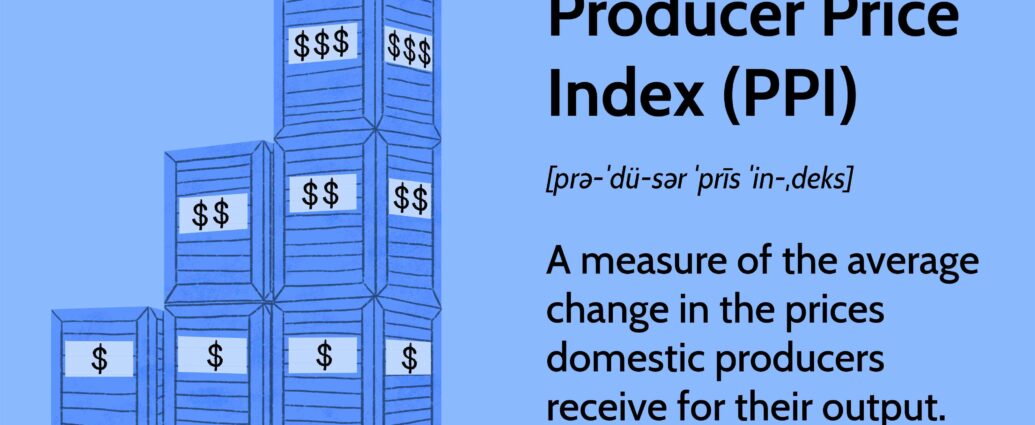
Producer Price Index (PPI): What It Is and How It’s Calculated
This post was originally published here




‘We started this war due to pressure from Israel and its powerful American lobby:’ Trump’s National Counterterrorism Center director resigns over war
Joe Kent, the director of the National Counterterrorism Center, announced his resignation on Tuesday, citing his concerns about the justification for military strikes in Iran and saying he “cannot in good conscience” back the Trump administration’s war.
Kent said on social media that Iran “posed no imminent threat to our nation, and it is clear that we started this war due to pressure from Israel and its powerful American lobby.”
Kent, a former political candidate with connections to right-wing extremists, was confirmed to his post last July on a 52-44 vote. As head of the National Counterterrorism Center, he was in charge of an agency tasked with analyzing and detecting terrorist threats. His resignation reflects unease within Trump’s base about the war and shows that questions about the justification for the use of force in Iran extend to the right of President Donald Trump’s base and to senior members of the administration.
Trump has offered shifting reasons for the strikes and has pushed back on claims that Israel forced the U.S. to act. Earlier this month, House Speaker Mike Johnson, R-La., suggested that the White House believed Israel was determined to act on its own, leaving the Republican president with a “very difficult decision.”
A spokesperson for Director of National Intelligence Tulsi Gabbard did not immediately respond to questions about Kent’s resignation. The White House also had no immediate comment on Kent’s resignation.
Before entering Trump’s administration, Kent ran two unsuccessful campaigns for Congress in Washington state. He also served in the military, seeing 11 deployments as a Green Beret, followed by work at the CIA.
Democrats strongly opposed Kent’s confirmation, pointing to his past ties to far-right figures and conspiracy theories. During his 2022 congressional campaign, Kent paid Graham Jorgensen, a member of the far-right military group the Proud Boys, for consulting work. He also worked closely with Joey Gibson, the founder of the Christian nationalist group Patriot Prayer, and attracted support from a variety of far-right figures.
During his Senate confirmation hearing, Kent also refused to distance himself from a conspiracy theory that federal agents instigated the Jan. 6, 2021, attack at the Capitol, as well as false claims that Trump won the 2020 election over Democrat Joe Biden.
Democrats grilled Kent on his participation in a group chat on Signal that was used by Trump’s national security team to discuss sensitive military plans.
Still, Republicans praised Kent’s counterterrorism qualifications, pointing to his military and intelligence experience.
Sen. Tom Cotton, the GOP chair of the intelligence committee, said in a floor speech that Kent had “dedicated his career to fighting terrorism and keeping Americans safe.”
This story was originally featured on Fortune.com






HealthEquity Likely To Report Higher Q4 Earnings; These Most Accurate Analysts Revise Forecasts Ahead Of Earnings Call
HealthEquity, Inc. (NASDAQ:HQY) will release earnings results for its fourth quarter, after the closing bell on Tuesday, March 17.
Analysts expect the Draper, Utah-based company to report quarterly earnings at 90 cents per share, up from 69 cents per share in the year-ago period. The consensus estimate for HealthEquity’s quarterly revenue is $332.82 million, versus $311.82 million a year earlier, according to data from Benzinga Pro.
On Feb. 17, HealthEquity affirmed its FY2027 sales guidance of $1.380 billion to $1.410 billion.
HealthEquity shares rose 1.1% to close at $78.67 on Monday.
Benzinga readers can access the latest analyst ratings on the Analyst Stock Ratings page. Readers can sort by stock ticker, company name, analyst firm, rating change or other variables.
Let’s have a look at how Benzinga’s most-accurate analysts have rated …
This post was originally published here


Man and woman charged with murder of Iranian activist in Canada
Charges follow discovery of body of Masood Masjoody, who was a critic of the Tehran regime and the exiled shah
Two people have been charged with the murder of an Iranian activist in Canada, in a case which has intensified fears over transnational repression of critics of the regime in Tehran.
Masood Masjoody, a former university maths teacher, went missing in early February in the city of Burnaby, British Columbia. He had been critical of Iran’s theocratic regime and the exiled family of the former shah.
This post was originally published here




GameStop Declares PS3, Xbox 360 Retro Consoles And Launches A Trade-In Deal— A Bet That Nostalgia Can Fill Empty Stores?
GameStop‘s (NYSE:GME) official “retro” classification of the PS3, Xbox 360, and Wii U reads like a joke. But it’s also a deadline-driven trade-in push — part of a longer attempt to reposition a shrinking retail footprint around secondhand and legacy hardware.
GameStop is encouraging customers to trade in their Wii U, Xbox 360, PlayStation 3, or any older consoles, games, or accessories by offering an additional 10% trade-in credit until March 31. The company is also accepting trade-ins of defective retro consoles.
The company jokingly mentioned that the decision was based on “careful analysis of multiple indicators,” such as the presence of component cables, the absence of Fortnite, and the …
This post was originally published here
Australian households fear double whammy of rate hikes and higher petrol prices will lead to recession
Borrowers face losing hundreds of dollars a month in higher repayments and rising pump rices will add to the pain, economists warn
-
Get our breaking news email, free app or daily news podcast
Surging interest rates and petrol prices have stripped more than $1bn a month from Australian household budgets as economists warn of recession risks.
Consumers are preparing for rates to surpass their recent highs after the Reserve Bank delivered back-to-back hikes ahead of an inflation spike driven by the US war on Iran.
This post was originally published here

Jet AI Fires Up $5M Buyback in Data Center Push — Stock Soars
Jet.AI Inc. (NASDAQ:JTAI) lit up the tape after unveiling a $5 million share repurchase plan, sending the penny stock surging on massive trading volume Monday.
The move comes as the tiny company, with a market capitalization of roughly $11 million, tries to reinvent itself from a personal jet services operator into a high-risk, high-upside AI data center story.
- JTAI stock is soaring. See the chart and price action here.
For speculative traders, the combination of a micro float, buyback headline and buzzy AI narrative proved combustible, fueling a sharp rally as day traders and momentum accounts piled in.
The $5 Million Buyback
The buyback authorization gives Jet.AI’s board flexibility to repurchase a significant chunk of the company’s outstanding equity relative to its size, a rare posture for a name this small that is also in …
This post was originally published here

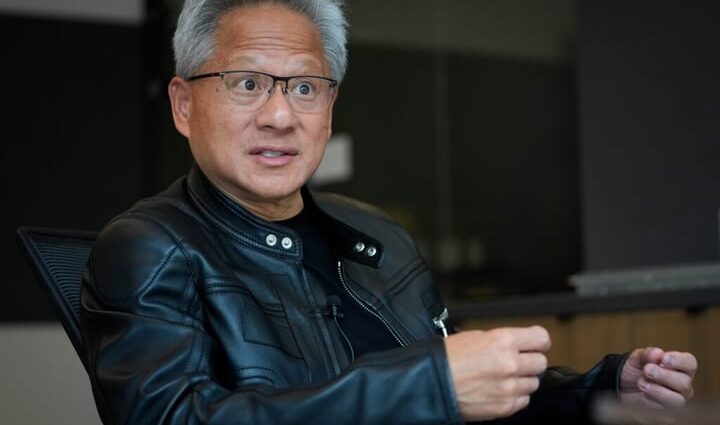
What NVDA Investors Need To Know About Nvidia’s Biggest Challenge Yet
Nvidia Corporation (NASDAQ:NVDA) has built a $4.4 trillion empire selling chips for training AI models, but the AI business, previously defined by massive training runs, may soon not require the same amount of chips.
Hyperscalers are still spending heavily on training, but the priority has shifted to inference, the real-time computing that actually delivers AI to end users.
Jensen Huang has been calling 2026 the year inference takes over, and the numbers back him up.
OpenAI and Anthropic are producing thousands of times more inference tokens than a year ago as agentic AI workloads explode.
But Nvidia’s bestselling Grace Blackwell servers may not be the right hardware for the job.
Users say the systems consume too much energy and lack the memory for efficient inference.
‘There Is No Moat In Inference’
Cerebras CEO Andrew Feldman is leading the charge.
He told The …
This post was originally published here

Geopolitics may test the World Cup — a new book draws lessons from the past
Countries all around the world will soon send players to the U.S. to compete in one of soccer’s biggest events. Roger Bennett explores how past competitions met cultural and geopolitical moments.

This post was originally published here

Compare Current Jumbo Mortgage Rates Today – March 17, 2026
This post was originally published here


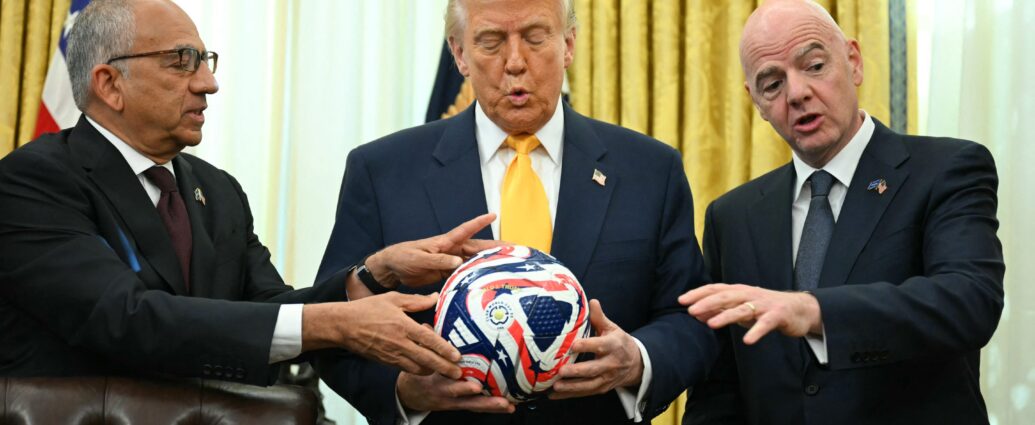
The World Anti-Doping Agency wants to ban Trump and U.S. government officials from international sporting events for not paying their dues
The idea sounds outlandish, if not downright impossible.
Leaders at the World Anti-Doping Agency are considering adopting a rule that could bar President Donald Trump and all U.S. government officials from attending major international events — even if they take place on American soil.
A few coming up are as big as they get: this summer’s World Cup; the LA Olympics in 2028; the Winter Games in Utah in 2034.
This is not a fight of Trump’s choosing, but rather one being pursued by WADA itself, which has been the subject of bipartisan and virtually universal disapproval in Congress, in the Trump and Biden administrations and in the offices of the U.S. Anti-Doping Agency for most of this decade.
The proposal, on the agenda for Tuesday’s meeting of the WADA executive committee, is the latest and most extreme maneuver in a yearslong exchange of rhetoric, threats and fighting between all parties. It stems from the U.S. government’s refusal to pay its annual WADA dues.
The U.S. has held back a total of $7.3 million over 2024 and 2025 in protest of WADA’s handling of a number of issues over the years, most recently, a case involving Chinese swimmers who were allowed to compete despite testing positive for a banned substance. WADA took Chinese regulators’ word that the athletes had been accidentally contaminated.
WADA spokesman James Fitzgerald said the rule, if passed, would “not (be) applied retroactively so World Cup, LA and SLC Games would not be covered.” However, the proposal, a copy of which was obtained by The Associated Press, does not include language to that effect.
Fitzgerald did not respond to a series of follow-up questions sent Monday, including one asking how a rule being considered for passage this year would not be applied retroactively to events that have not taken place. Fitzgerald did say last week that the final decision wasn’t due until November, after the World Cup, though correspondence between WADA and European officials indicated that decision could come sooner.
Here’s a look at how they got to this point and where they might go next.
What is WADA?
WADA came into existence in 1999 and was charged with writing the rules that governed anti-doping in sports and making sure they were executed correctly.
In recent years, with the onset of more troubling and complexdoping sagas, WADA has gotten more involved in investigating doping allegations — a function that has largely been handled by the dozens of organizations that oversee the use of performance enhancers in certain countries and sports.
WADA’s funding comes equally from two places — governments of countries that participate in the Olympic movement and the International Olympic Committee. Representatives on WADA’s key decision-making bodies are generally divided equally between sports and government.
What gives WADA the power to ban Trump?
Part of sending teams to major international events, such as the Olympics and the World Cup, requires everyone involved to pledge to follow WADA’s rules, whether they’re directly related to doping or to administrative issues, the likes of which the latest proposal covers.
Sports organizations — for instance the IOC and the governing bodies of individual sports — are considered “signatories” to the WADA code.
Governments are tethered to WADA as part of an agreement they sign with the United Nations Educational, Scientific and Cultural Organization (UNESCO) Like sports organizations, the UNESCO arrangement includes the governments agreeing to pay dues and follow WADA’s rules,.
Could WADA really prevent Trump from attending an event in his own country?
It’s hard to see how. Rahul Gupta — the drug czar during the Biden Administration who was every bit as critical of WADA as is his successor, Sara Carter — called the idea “ludicrous.”
Gupta said that’s not just because it would be logistically impossible to restrict where the U.S. president goes, but it would also send the wrong message to a host nation, which oversees the games and ensures the proper investments are made in security, venues and other infrastructure.
“That’s the responsibility of the government, not so much WADA,” Gupta said. “It’s clear that WADA attempting to propagate any rules-based system that interferes with a government, especially a host government — that would be a concern to any government.”
Trump’s people aren’t happy with this. What about other U.S. politicians?
While Trump has not weighed in on this specifically, Carter, his drug czar, said the U.S. government “will continue to stand firm in our demand for accountability and transparency from WADA to ensure fair competition in sport.”
WADA has had the rare effect of bringing together politicians from both sides of the aisle. A bill adopting the doping-fighting Rodchenkov Act, key parts of which were strongly opposed by WADA, passed without a dissenting vote in Congress six years ago.
More recent attempts to hold WADA accountable, which resulted in the dues being held up, have drawn bipartisan support in both houses of Congress.
After the latest news, Sen. Marsha Blackburn, R-Tenn., said on social media that the proposal was “Further proof we’re doing the right thing by demanding accountability and defunding WADA.”
What is WADA’s reason for proposing such a rule?
WADA runs on a budget of around $57.5 million and the U.S. chunk is significant, though hardly the only payment that has gone missing over the years. One analysis of dues payments, obtained by the AP, showed that only 49% of African countries had paid their WADA dues for 2025.
But no country has been more critical of WADA than the United States, which has floated the idea of holding back dues since 2020 and finally followed through two years ago.
WADA says this idea is ‘nothing new.’ What does that mean?
That’s true.
WADA has been examining this idea since 2020 — around the time the threats from the U.S. started getting louder. In 2024, the idea actually came to the executive committee. Gupta was on that panel back then and led the move to reject it. The U.S. no longer has a representative on the executive committee.
So why is it coming up now?
WADA hasn’t provided answers to this one, other than to say the rule wouldn’t apply “retroactively” and that the World Cup, LA and Utah Olympics would not be impacted.
WADA says the next meeting of its foundation board – the group that would have to formally adopt any recommendation approved by the executive committee — isn’t until November, four months after the World Cup ends.
But in a Q&A with European officials about the rule, a copy of which was obtained by AP, WADA told the officials that such a rule “could be implemented without due delay.”
If this has already been rejected once, why try again?
The Europeans asked WADA that same question. The future of the rule had been delegated to a WADA “discussion group” that was supposed to report back to the executive committee but hasn’t done so yet.
WADA’s answer said that legal issues involving fining countries that don’t pay their dues have been resolved (the fine portions have been removed).
“Little meaningful progress was made in the latest meetings of the Discussion Group and there is no reason (given the foregoing) not to bring this matter to the ExCo as a decision-making organ of WADA,” it said.
___
AP Olympics: https://apnews.com/hub/2024-paris-olympic-games
This story was originally featured on Fortune.com
Australia’s environment minister wants to ban fishers and drillers from more ocean – and avoid a culture war
Conservationists hope Murray Watt’s review of national marine parks will ‘right the wrongs’ of previous downgrade of protection
The federal environment minister, Murray Watt, has pledged to put an extra half a million square kilometres of Australia’s ocean out of reach of fishers and drillers in a step conservationists hope will “right the wrongs” of an Abbott-era downgrade of marine protection.
Watt confirmed last year Australia would put 30% of its ocean estate under a high level of protection that bans extractive industries as part of an international agreement to protect 30% of the planet’s oceans.
This post was originally published here





America’s economy is so bad that it’s driving a loneliness crisis, as two-thirds skip weddings and dinners to make ends meet
The foil-embossed invitation for a destination wedding on a tropical island hits your mailbox, and the instinct is familiar: make an excuse, and quietly hope no one asks why. For tens of millions of Americans, that excuse has a name, and it’s not one they’re willing to say out loud.
Two-thirds of Americans have skipped at least one social commitment in the past two years because they just can’t afford it, according to a new survey from the CFP Board shared with Fortune. The events they’re missing out on aren’t always luxuries. They’re birthday dinners, concerts, holiday gatherings, as well as group vacations and weddings.
But in most cases, people hide the real reason they can’t accept the invitation. Of those who declined invitations, 56% never told their friends or family that money was the reason why they couldn’t attend, according to the report. CFP Board, the professional body for personal financial planners, surveyed more than 1,100 Americans aged 25 to 64 in January for the study.
Most Americans are skipping social events to save money—and staying silent about it
The silence is telling, and it’s only making Americans lonelier and anxious about sharing their financial status with friends and family.
“Lately I’ve been turning down invites to hang out because I just can’t afford it, and it’s starting to make me feel guilty,” a Reddit user posted late last year. “I don’t want my friends to think I don’t care about them but even small things like dinner or drinks add up too much right now.”
The problem is so widespread that personal finance creators have even posted guides to politely declining invitations for this very reason.
“You guys know that when you get invited to a wedding or a bachelorette, you can say no,” SoFi’s chief of financial empowerment, Vivian Tu, posted in an October 2025 TikTok video.
@yourrichbff No, you don’t actually have to go to every single bachelorette party you get invited to! Here’s how to decline an invite without sacrificing a friendship. #money #finance #financialfreedom #podcast #bachelorette ♬ original sound – Vivian | Your Rich BFF
“One in three people are going into debt for their friends’ weddings,” Tu continued, referencing a New York magazine story about bridesmaids going into debt. She suggests being open and honest about the reasons you have to decline the invitation.
She suggests saying: “Congratulations on your engagement, friend! I’d be honored to be your bridesmaid. But I need to be transparent that I’m paying off my credit card bill and saving for a down payment on a home.”
“And my budget is XYZ,” she continued. “But I don’t want your vision for your special day and big events to be restricted by me, so it’s completely okay if I come as a guest and support you in other ways.”
How financial stress is making America’s loneliness epidemic worse
The U.S. was already grappling with what health officials have called a loneliness epidemic, and the cost-of-living crisis has only intensified it. A November 2025 poll from the American Psychological Association shows more than six in 10 U.S. adults say societal division is a significant source of stress in their lives.
“This year’s findings show that people across the nation are not just feeling divided, they’re feeling disconnected,” Arthur C. Evans Jr., PhD, and CEO of APA, said in a statement. “Research tells us that a sense of isolation and social fragmentation can have real consequences for our ability to manage stress and stay healthy.”
And a May 2025 study from the University of Southern California found financial strain is directly linked to higher rates of anxiety and loneliness, and those effects compound over time.
“Because this strain is based on how people perceive their financial stability, not just how much they earn or what degrees they hold, it may better reflect the lived reality of daily stress and coping capacity,” said psychologist Deborah Finkel, a research scientist at USC Dornsife’s Center for Economic and Social Research who led the study.
Gen Z and millennials can’t afford their social lives—and it’s getting worse
For younger Americans, the math is especially brutal. A Harvard Kennedy School poll from 2025 found 42% of Americans under age 30 say they’re “barely getting by” financially, and a Bank of America study found more than half of Gen Z says they don’t feel as if they make enough money to live the life they want.
The new CFP Board data illustrates just how far the social fallout from financial constraints extends. The events Americans are missing include group trips or vacations, dining out with friends, concerts or sporting events, family holiday gatherings, and weddings. Single Americans are more likely to keep quiet about it, with 63% saying they hid the financial reason for their decline, compared with 55% of married people.
CFP Board deems this phenomenon as financial FOMO. It’s not just about missing a good time, it’s about feeling “out of sync” with their friends’ spending, including on housing, travel, career, progress, and debt payoff. Nearly half say the financial situations of people close to them have significantly shaped how they view their own money.
Despite this, the CFP Board also found that financial conversations are still taboo. More than 80% of Americans intentionally avoid at least one money topic with those close to them. A July 2025 AMFM Healthcare survey also found 79% of Americans say money worries have worsened, straining relationships and costing sleep.
But some Americans have recognized the need for more transparency to avoid social isolation.
“I’ve started being honest about it and suggesting stuff like ‘hey, let’s just hang at someone’s place instead’ or go for walks,” another Reddit user posted. “Real friends get it, and the ones who don’t probably aren’t worth stressing over anyway.”
This story was originally featured on Fortune.com


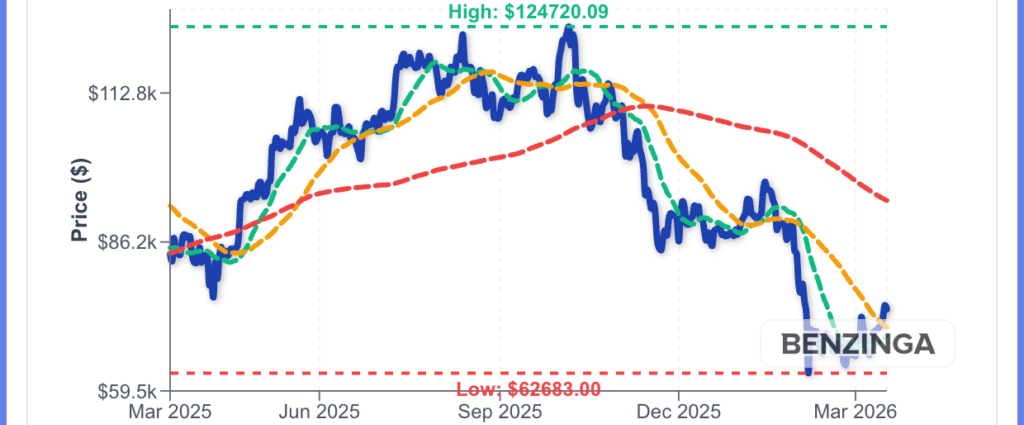
Bitcoin ETFs Hit 6 Straight Days Of Inflows: Why Is BTC Going Up Again?
Bitcoin (CRYPTO: BTC) spot ETFs recorded $201.62 million in net inflows on March 16, marking six consecutive days of positive flows as BTC tested $76,022 before pulling back to $74,147 at a pivotal compression zone.
The ETF Flow Story
BlackRock’s IBIT (NASDAQ:IBIT) pulled in $139.40 million in a single day, nearly 70% of the entire market’s daily inflow, bringing net assets to $63.21 billion.
Fidelity’s FBTC (BATS:FBTC) added $64.53 million, making it a distant but solid second.
The six-day streak reversed weeks of outflows as institutional buyers stepped in during the Fear & Greed Index’s extreme fear reading of 15.
The Ascending Triangle Setup











Police and media launch charter to ‘reset’ relations after Nicola Bulley case
Parties pledge to improve communication in England and Wales following fallout since Lancashire disappearance
Police and the media have backed a “reset” in relations between officers and journalists, after a prolonged period of distrust since the handling of the Nicola Bulley case in 2023.
Bulley’s disappearance in Lancashire led to significant fallout between the police and the press, with media outlets saying a lack of access and information allowed incorrect assertions and conspiracy theories about the case to gain ground.
This post was originally published here

Warner Bros CEO David Zaslav in line for $700m payout from Paramount deal
One of the best-paid executives in Hollywood has already made $113m after selling shares in WBD this month
David Zaslav, the chief executive of Warner Bros Discovery, is in line for a $700m (£525m) payday from the $110bn sale of the Hollywood studio to Paramount Skydance.
Zaslav could receive $34.2m in cash severance payments, $115.8m in vested stock and $517.2m in unvested share awards once the deal is complete, according to a filing from Warner Bros Discovery on Monday.
This post was originally published here




Why Is EON Resources Stock Sliding Tuesday?
EON Resources Inc. (AMEX:EONR) shares plummeted by more than 18.6% as the Tuesday trading session began.
The stock is trading lower despite a significant rally in crude oil prices. WTI crude futures neared $97 per barrel, while Brent crude climbed above $104, according to data from Trading Economics.
Prices rose over 3% as uncertainty grows over an international coalition to protect shipping through the Strait of Hormuz.
EONR’s Relative Strength Index (RSI) stands at 65, signaling the stock is approaching overbought territory following its sharp 248% year-to-date rally.
Geopolitical Tensions and Market Sentiment
Market volatility spiked after Germany, Spain, and Italy rejected calls to deploy naval forces …
This post was originally published here

Here’s the Average Social Security Benefit From 62 to 90—and Why It Peaks at 70
This post was originally published here

XRP Jumps 9% In A Week: What Is Going On?
XRP (CRYPTO: XRP) is up 9% in a week as rising network activity and expanding partnerships fuel bullish momentum.
| Cryptocurrency | Ticker | Price | Market Cap | 7-Day Trend |
| XRP | (CRYPTO: XRP) | $1.50 | $92.2 billion | +8.5% |
| Bitcoin | (CRYPTO: BTC) | $73,752.68 | $1.47 trillion | +4.6% |
| Ethereum | (CRYPTO: ETH) | $2,317.11 | $279.7 billion | +12.95% |
Trader Notes: Crypto chart analyst Ali Martinez noted XRP is breaking out of a triangle pattern, a structure often associated with strong directional moves. If the breakout holds, technical projections suggest a potential move toward $1.85.
Statistics: Santiment shows XRP adoption continuing to accelerate.
Total holders surpassed 7.7 million for the first time, active addresses surged to 46,767, a …



Stock Market Today: Major Indexes Open Higher as Oil Pares Gains; Two-Day Fed Policy Meeting Kicks Off
This post was originally published here

What’s Going On With Innovation Beverage Stock Tuesday?
On Monday, Innovation Beverage Group Limited (NASDAQ:IBG) said it has closed a registered public offering, raising approximately $6 million in gross proceeds before fees and expenses.
Offering Details And Use of Proceeds
The company, which develops and markets a portfolio of 60 beverage formulations across 13 alcoholic and non-alcoholic brands, structured the offering on a reasonable best-efforts basis. The transaction closed on March 16, 2026.
The public offering consisted of 3,428,569 Common Units, with each unit priced at $1.75. The company intends to use approximately $2.5 million of the net proceeds to make a non-interest-bearing loan to Blockfuel.
The remaining funds will be allocated for general corporate purposes and working capital.
The transaction closed on March 16, 2026, and follows a registration statement. It …
This post was originally published here


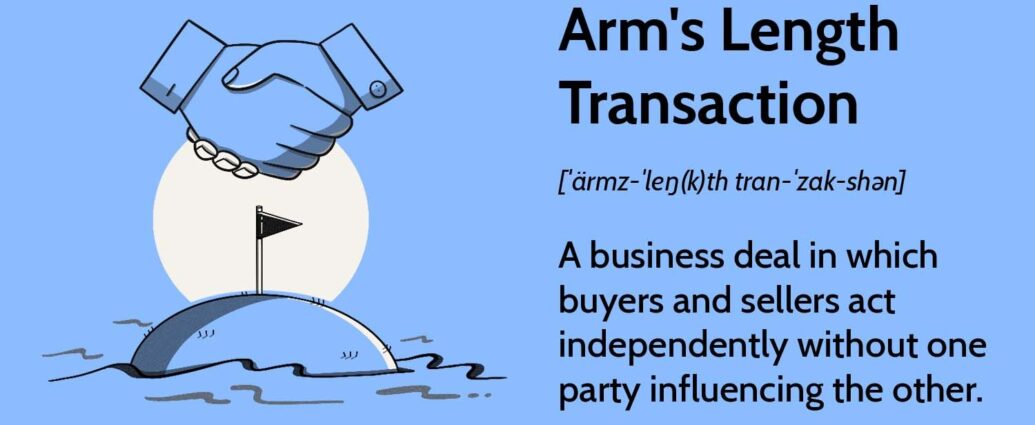
What Is an Arm’s Length Transaction? Its Importance, With Examples
This post was originally published here

Mastercard to acquire crypto startup BVNK for up to $1.8 billion in largest stablecoin deal to date
Mastercard has finally pulled the trigger on a stablecoin acquisition. The payments giant on Tuesday morning announced a deal to acquire the London-based startup BVNK for up to $1.8 billion, with $300 million locked up in “contingent payments.” The deal is expected to close by year end, Jorn Lambert, Mastercard’s chief product officer, told Fortune. He declined to provide more details about the purchase of BVNK, which uses stablecoins to power customer transactions, cross-border payments, global treasuries, and other use cases.
The acquisition concludes an off-and-on negotiations process that saw the stablecoin firm court multiple buyers, including the U.S. crypto exchange Coinbase and Mastercard. Coinbase came close to buying the startup for around $2 billion before the two called off the deal around November.
Mastercard’s yet-to-be-closed purchase of BVNK eclipses Stripe’s $1.1 billion deal for the startup Bridge in February 2025, making this the largest stablecoin acquisition yet for the crypto industry.
Mastercard’s stock jumped about 2.5% in pre-market trading.
“This is really about getting the right tools to move after new addressable markets,” said Lambert.
Stablecoin rails
Mastercard’s push into stablecoins comes as the payments giant has fended off speculation over the past year that the rise of the digital tokens, or cryptocurrencies pegged to real-world assets like the U.S. dollar, may eat into its margins.
Proponents of stablecoins say their use of blockchain-based payment rails reduces fees and allows users to transact more quickly. Investors have seen some validity to that argument. Mastercard saw its shares initially sag after the U.S. Senate passed in June the Genius Act, legislation that regulates stablecoins. President Donald Trump signed the bill into law one month later.
Mastercard, however, has pushed back on any implications that stablecoins are a threat to its business. “I think most flows will begin and end in fiat,” Raj Seshadri, chief commercial payments officer at Mastercard, said on a July call with analysts.
Still, the incumbent payments network has made moves to keep pace with technological change. In addition to initially courting BVNK, Mastercard was also in talks with the crypto startup Zerohash for a purchase price of between $1.5 billion to $2 billion. That deal reportedly fell through. Lambert, Mastercard’s chief product officer, declined to delve into the payments network’s past ambitions of stablecoin acquisitions.
He also pushed back on the argument that stablecoins threatened Mastercard’s business model. “If you think about our current business, the card business, there’s no problem to be solved,” he said, adding that incorporating stablecoin rails positions Mastercard to more effectively make headway in the remittances market, among other areas.
For BVNK, founded in 2021, the $1.8 billion acquisition price is a large premium over its $750 million valuation in its Series B fundraising round in December 2024. “Needless to say, there’s a big smile on my face,” said BVNK cofounder Chris Harmse, in reference to Mastercard closing the deal to buy his company.
This story was originally featured on Fortune.com
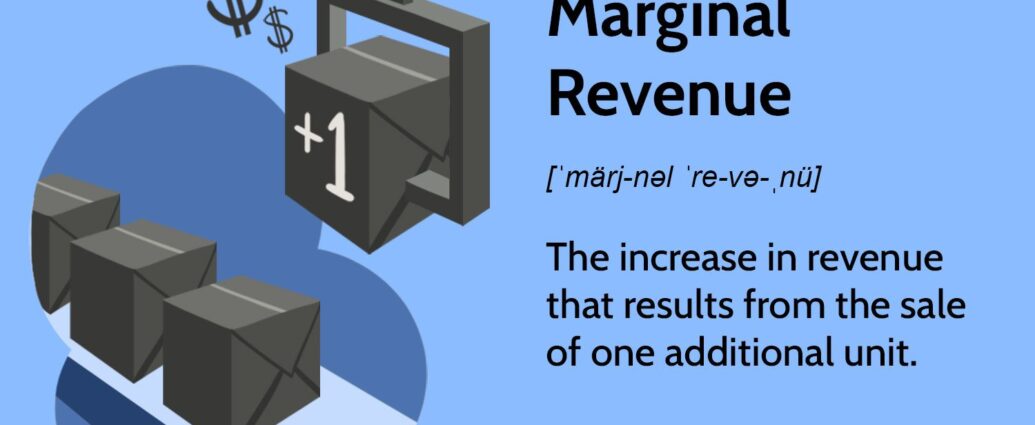
Marginal Revenue Explained, With Formula and Example
This post was originally published here

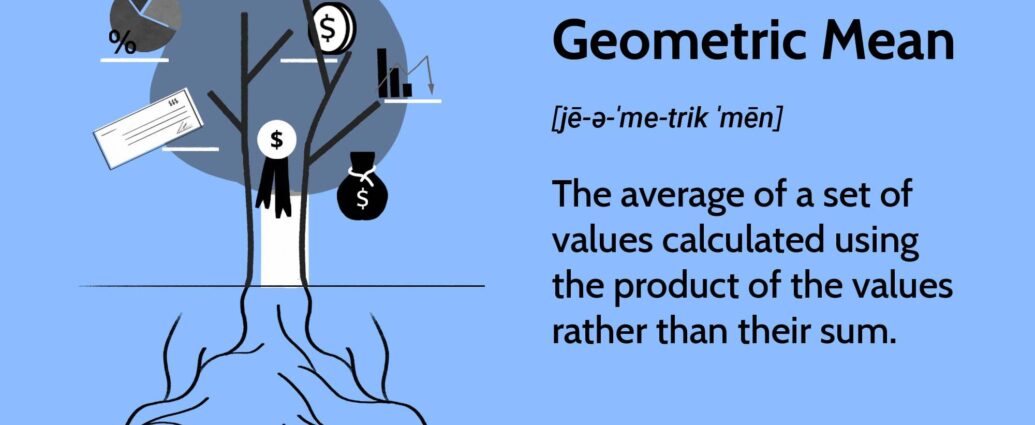
Understanding Geometric Mean: Calculation Method and Examples
This post was originally published here


Newsom renews claim Texas, Florida are ‘high-tax’ states, critics dispute framing
California Gov. Gavin Newsom over the weekend renewed his claim that Florida and Texas are the “real high-tax states,” arguing that lower- and middle-income residents in those states shoulder a heavier tax burden than their counterparts in the Golden State.
Speaking onstage at SXSW in Austin, Texas, the Democratic governor framed the issue in moral terms.
“We have the most progressive tax rates in America. Texas, the most regressive. Texas taxes poor folks more than we tax our richest. The question for you is who’s the higher tax state? California or Texas? Who are you for? Are you just for the 1% or are you for the 98%?” Newsom said, before taking a shot at Florida, which he called the “other regressive tax state.”
“Your middle class pays more taxes in Texas than our middle class in California,” Newsom added. “It’s a great mythology – it’s just ‘the richest of the rich come here because they can avoid paying a damn penny.’”
BILLIONAIRES AND BUSINESSES FUEL GROWING EXODUS FROM BLUE STATES
The remarks drew pushback online, with RealClearPolitics co-founder Tom Bevan calling Newsom’s claim a “blatant, verifiable falsehood.”
He shared a Wallethub 2025 analysis ranking U.S. states by overall tax burden, with California coming in at 4th overall, behind Vermont, New York and Hawaii.
The governor, who has made similar arguments before, appeared to be referring to a study from the Institute on Taxation and Economic Policy (ITEP), which ranks Florida as the most regressive state and local tax system in the country and Texas the seventh-most regressive.
RENO SURPASSES LAS VEGAS AS TOP DESTINATION FOR CALIFORNIA HOMEBUYERS SEEKING AFFORDABILITY
ITEP’s analysis focuses on how tax burdens are distributed across income groups rather than overall tax levels. The group argues that states such as Texas and Florida look “low tax” largely because they do not levy a broad-based personal income tax — a structure that disproportionately benefits high earners.
To make up the difference, those states rely more heavily on sales, excise and property taxes, which tend to take a larger share of income from lower-income households. California, by contrast, uses a highly progressive income tax system that places more of the burden on top earners and helps offset regressive taxes lower down the income ladder.
Critics, however, say that framing captures only part of the picture because it focuses on tax burden by income group rather than overall tax climate — where California remains far more burdensome for top earners, investors and many businesses.
California has the highest top marginal income tax rate in the nation at 13.3%, while Texas and Florida have no state income tax. On a per capita basis, California also collects significantly more in state and local taxes than either state, according to data from the Tax Foundation.
THE STATES WHERE AMERICANS PAY THE MOST – AND LEAST – FOR ELECTRICITY
The debate comes as California has seen continued net domestic outmigration in recent years, while Texas and Florida have attracted new residents and businesses, according to U.S. Census Bureau data.
Florida Gov. Ron DeSantis, who has repeatedly clashed with Newsom over the relative merits of red- and blue-state governance, mocked the Democrat’s remarks on X.
“There are lies, damned lies and statistics. Then there is whatever you’d call the claim that California has lower taxes than Florida,” DeSantis wrote, reposting Bevan. “Even people who like California governance acknowledge CA is a very high tax state: highest sales, income and gas taxes in the nation.”
CLICK HERE TO GET FOX BUSINESS ON THE GO
FOX Business has reached out to Newsom’s office, the Institute on Taxation and Economic Policy and the Tax Foundation for additional comment.
Trump administration to slash fee to renounce US citizenship from $2,350 to $450
White House will take a financial loss to make it easier for Americans to walk away from citizenship starting in April
The Trump administration has agreed to take a financial loss in order to make it easier for Americans to walk away from their US citizenship.
In April, the cost to formally renounce citizenship will plunge from $2,350 to just $450, below the actual cost to the government of processing the requests – but fulfilling a years-long promise to reverse an unpopular fee adopted in 2015.
This post was originally published here

Per Capita: What It Means, How It’s Determined, Uses, and Examples
This post was originally published here


UK security adviser attended US-Iran talks and judged deal was within reach
Jonathan Powell thought Tehran’s ‘surprising’ offer on its nuclear programme could prevent rush to war
Britain’s national security adviser, Jonathan Powell, attended the final talks between the US and Iran and judged that the offer made by Tehran on its nuclear programme was significant enough to prevent a rush to war, the Guardian can reveal.
Powell thought that progress had been made in Geneva and that the deal proposed by Iran was “surprising”, according to sources.
This post was originally published here


Residual Value Explained, With Calculation and Examples
This post was originally published here






What’s Going On With Rubrik Stock Today?
Rubrik, Inc. (NYSE:RBRK) shares are trading slightly lower on Tuesday. Citigroup analyst Fatima Boolani maintains a Buy rating on the stock, lowering the price forecast from $115 to $88.
According to Benzinga Pro, RBRK stock has lost over 227% in the past year. Investors can gain exposure to the stock via Global X Cybersecurity ETF (NASDAQ:BUG).
On March 13, the company reported strong quarterly results that contributed to this positive movement.
Rubrik Hits Revenue Of $378 Million
Rubrik reported earnings of 4 cents per share, surpassing …
This post was originally published here








Manulife Investments Launches Manulife CQS Multi Asset Credit Fund ETF Series
TORONTO, March 17, 2026 /CNW/ – Manulife Investments announced today that it has launched Manulife CQS Multi Asset Credit Fund ETF Series (Ticker: MMAC), with its affiliated investment adviser Manulife | CQS Investment Management (“Manulife CQS”), a London-headquartered research-driven alternative credit specialist with 20+ years of experience. The new ETF series has closed its initial offering and will begin trading on the TSX today.
“We have seen strong interest in the Manulife CQS’s flagship strategy since launching it to Canadian investors last year and the ETF series gives additional flexibility and access to advisors and their clients,” said Kristie Feinberg, Head of Retail, Manulife Wealth & Asset Management.
Manulife CQS Multi Asset Credit Fund ETF Series seeks to generate income and capital growth by investing primarily in credit-related investments of global issuers and deliver attractive, income-driven, risk-adjusted returns across market cycles. The portfolio is managed by a team led by Craig Scordellis, Co-CIO and Senior Portfolio Manager, James Fitzpatrick, Head of …
This post was originally published here



A Global Tesla Challenger Army Is Forming — And Nvidia Is Its Brain
The robotaxi race isn’t shaping up as Tesla, Inc. (NASDAQ:TSLA) versus a handful of rivals. It’s starting to look like Tesla versus… everyone else.
Nvidia Corp (NASDAQ:NVDA) is quietly stitching together a global network of automakers— BYD Co., Ltd. (OTC:BYDDF) (OTC:BYDDY), Hyundai Motor Co (OTC:HYMTF) (OTC:HYMLF), Nissan Motor Co., Ltd. (OTC:NSANY), Geely Automobile Holdings Ltd. (OTC:GELYF) (OTC:GELHY) and more—into a shared autonomous driving ecosystem.
Add legacy giants like General Motors Co (NYSE:GM), Toyota Motor Corp
This post was originally published here
New mortgages up by £800 a year amid ‘Trumpflation’ from Iran war
Nearly 700 deals pulled in two weeks and only a few fixed-rate products below 4% are available, says Moneyfacts
Britons taking out a new home loan face paying nearly £800 a year more on average than before the Iran war as “Trumpflation” pushes up UK mortgage rates, according to Moneyfacts.
Nearly 700 mortgage deals have been pulled by lenders as the economic fallout from the war results in the biggest upheaval since the aftermath of Liz Truss’s disastrous mini-budget in 2022.
This post was originally published here



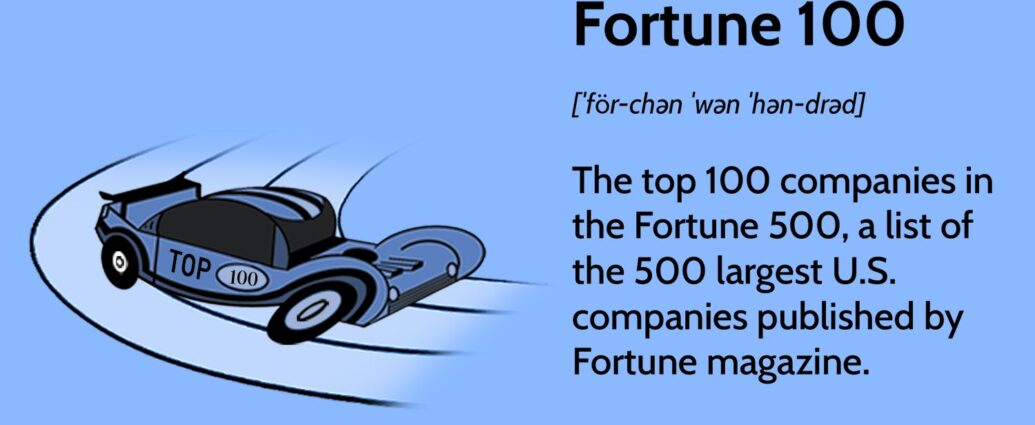
Fortune 100 Definition, Requirements, and Top Companies
This post was originally published here




Essential Financial Ratios for Retail Sector Success
This post was originally published here

How These Investors Earned $10.5M In Real Estate Without Owning A Single Property
For decades, the path to real estate wealth required a massive down payment, a mortgage and enough cash reserves to deal with the typical issues that come with property ownership.
But a new generation of investors is proving that you don’t need to hold a deed to reap the rewards of the real estate market.
Investors on the Arrived platform earned $10.5 million in dividends last year—all without ever picking up a paintbrush or screening a tenant, according to the 2025 Arrived Year in Review.
The Rise of Fractional Ownership
The secret behind these multimillion-dollar payouts is fractional real estate. By moving the investment process online, platforms like Arrived allow people to buy shares of rental properties rather than the entire building.
In 2025, the model reached a tipping point. The platform surpassed $170 million in total property value and maintained an occupancy rate of over 96%. …
This post was originally published here
How Pakistan’s people-led solar boom is easing impact of Middle East energy crisis
Falling costs and government incentives made solar an attractive option for many, which has reduced need for gas
After prices of liquefied natural gas surged to record highs following Russia’s full-scale invasion of Ukraine in 2022, millions of people in Pakistan were repeatedly left without electricity. An intense heatwave and gas shortages amid record-breaking prices resulted in power cuts across the country.
But people soon started to realise there was an alternative. The falling costs of solar panels and generous government incentives to feed excess power back to the grid made rooftop solar an attractive option.
This post was originally published here
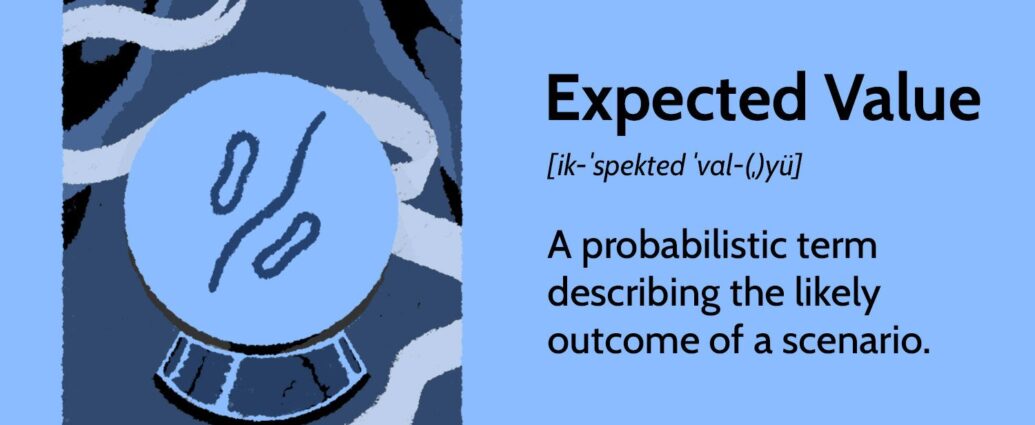
Expected Value: Definition, Formula, and Examples
This post was originally published here
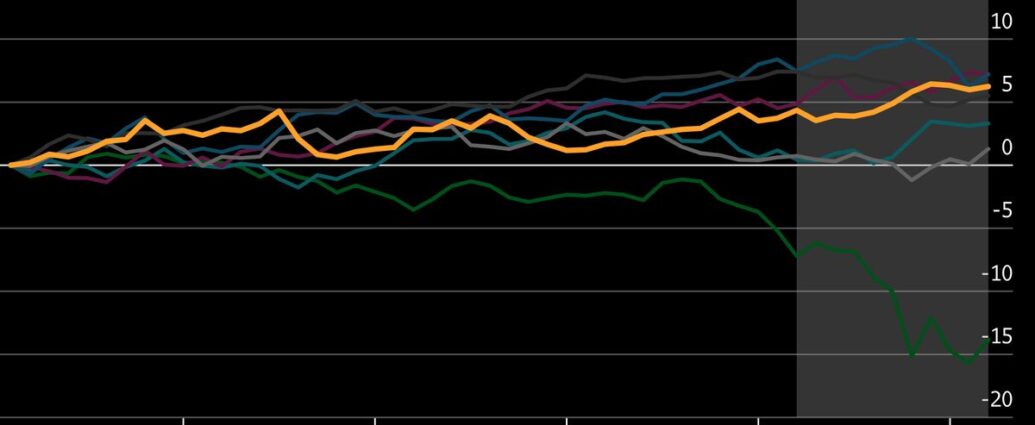





Current price of oil as of March 17, 2026
As of 9 a.m. Eastern Time today, oil is trading at $102.98 per barrel, based on the Brent benchmark we’ll explain in a bit. That’s 84 cents above yesterday morning’s level and more than $31 higher than where it stood a year ago.
Will oil prices go up?
No one can say for sure where oil prices will go next. Many forces shape the market—but at the core, it’s still about supply and demand. When risks like a potential recession or war ramp up, oil prices can change direction quickly.
How oil prices translate to gas pump prices
When you buy gas at the pump, you’re covering more than the cost of crude oil. You’re also paying for every step in the process, including refineries, wholesalers, taxes, and the markup your local gas station adds.
Even so, crude oil has the biggest influence on what you pay, often making up more than half the cost per gallon. When oil prices jump, gas prices usually climb right along with them. But when oil falls, gas prices often slip much more slowly—a pattern sometimes called “rockets and feathers.”
The role of the U.S. Strategic Petroleum Reserve
If an emergency hits, the U.S. keeps a backup supply of crude oil called the Strategic Petroleum Reserve. It’s mainly there to protect energy security during crises, such as sanctions, catastrophic storm damage, even war. It can also help cushion the blow when supply shocks send prices soaring.
It’s not meant to solve long-term problems. Instead, it provides quick relief for consumers and helps keep vital parts of the economy moving, like essential industries, emergency services, and public transit.
How oil and natural gas prices are linked
Oil and natural gas are two of the world’s primary energy sources. A big change in oil prices can affect natural gas by extension. For example, if oil prices increase, some industries may swap natural gas for some segments of their operations where possible, which which increases demand for natural gas.
Historical performance of oil
When looking at how oil performs, two main benchmarks stand out:
- Brent crude oil is the main global oil benchmark.
- West Texas Intermediate (WTI) is the main benchmark of North America.
Of the two, Brent gives a better picture of global oil performance because it prices a large share of the world’s traded crude. It’s also the go-to for tracking oil’s historical trends. In fact, even the U.S. Energy Information Administration now relies on Brent as its primary reference in its Annual Energy Outlook.
If you look at the Brent benchmark over several decades, oil has been far from stable. It has experienced sharp rises tied to wars and supply cuts, along with steep drops linked to global recessions and oversupply (called a “glut”). For example:
- The early 1970s delivered the first major oil shock when the Middle East slashed exports and placed an embargo on the U.S. and others during the Yom Kippur War.
- Prices fell in the mid-1980s due to lower demand and an influx of non-OPEC oil producers joining the market.
- Prices surged again in 2008 as global demand grew, but then crashed alongside the global financial crisis.
- During the 2020 COVID lockdown, oil demand plummeted like never before—pushing prices below $20 per barrel.
To sum up, oil’s historical performance has been anything but smooth. Again, it’s heavily influenced by wars, recessions, OPEC whims, shifting energy policies, and much more.
Energy coverage from Fortune
Looking to stay up-to-date regarding the latest energy developments? Check out our recent coverage:
- The next energy superpower will make its own fuel
- A market correction of 10% could be on the cards as consumer psychology shifts due to gas prices
- With Iran still in control of Hormuz, Trump threatens NATO and oil hits $106
Frequently asked questions
How is the current price of oil per barrel actually determined?
The current price of oil per barrel depends largely on supply and demand, including news about potential future supply and demand (geopolitics, decisions made by OPEC+, etc.). In the U.S., prices also move based on how friendly an administration is to drilling, as it can affect future supply. For example, 2025 saw the Trump administration move to reopen more than 1.5 million acres in the Coastal Plain of the Arctic National Wildlife Refuge for oil and gas leasing, reversing the Biden administration’s policy of limiting oil drilling in the Arctic.
How often does the price of oil change during the day?
The price of oil updates constantly when the “futures” markets are open. A futures market is effectively an auction where people agree to buy or sell oil in the future. As long as people and companies are trading contracts, the oil price is changing.
How does U.S. shale oil production affect the current price of oil?
In short, shale is rock that contains oil and natural gas. Think of shale as energy yet to be tapped. The more shale the U.S. accesses, the more energy we’ll have—and the more easily oil prices can keep from spiking as much thanks to a greater supply.
How does the current price of oil impact inflation and the broader economy?
When oil is expensive, it tends to make everyday items cost more. This can be related to energy (your heating, gas utilities, etc.), but it’s also due to the logistics involved with making those items accessible to you. Shipping, for example, can affect the price of things at the grocery store, as it’s more expensive to get those products from warehouses and farms onto the shelf.
This story was originally featured on Fortune.com




Afghanistan says 400 killed in Pakistani strike on Kabul hospital
This post was originally published here

This Sony Group Analyst Is No Longer Bullish; Here Are Top 5 Downgrades For Tuesday
Top Wall Street analysts changed their outlook on these top names. For a complete view of all analyst rating changes, including upgrades, downgrades and initiations, please see our analyst ratings page.
- Argus Research analyst John Eade downgraded DraftKings Inc (NASDAQ:DKNG) from Buy to Hold. DraftKings shares closed at $24.90 on Monday. See how other analysts view this stock.
- Argus Research analyst Kevin Heal downgraded Marketaxess Holdings Inc (NASDAQ:MKTX) from Buy to Hold. MarketAxess shares closed at $180.33 on Monday. See how other analysts …
This post was originally published here

Top 3 Financial Stocks That May Keep You Up At Night This Quarter
As of March 17, 2026, three stocks in the financial sector could be flashing a real warning to investors who value momentum as a key criteria in their trading decisions.
The RSI is a momentum indicator, which compares a stock’s strength on days when prices go up to its strength on days when prices go down. When compared to a stock’s price action, it can give traders a better sense of how a stock may perform in the short term. An asset is typically considered overbought when the RSI is above 70, according to Benzinga Pro.
Here’s the latest list of major overbought players in this sector.
Greenlight Capital Re, Ltd. (NASDAQ:GLRE)
- On March 9, Greenlight Capital Re posted fourth-quarter earnings of $1.44 per share, versus a year-ago loss of 81 cents per share. Greg Richardson, Chief Executive Officer of Greenlight Re, said, “We are proud of our fourth quarter 2025 underwriting results, which resulted in a combined ratio of 92.1%, allowing us to close the year with a record underwriting income and a …
This post was originally published here


IonQ Expands Global Footprint With South Korea Quantum-HPC Partnership
IonQ, Inc. (NYSE:IONQ) shares are down during Tuesday’s premarket session.
On Monday the company is forging a strategic alliance with the Korea Institute of Science and Technology Information (KISTI). T
his collaboration aims to advance quantum-high performance computing (HPC) hybrid technologies, which may be impacting investor sentiment as broader markets edged lower.
The Memorandum of Understanding (MOU) focuses on integrating IonQ’s quantum hardware with KISTI’s HPC infrastructure, utilizing NVIDIA’s accelerated computing technology. This partnership is expected to enhance the national quantum ecosystem in South Korea and provide foundational technology necessary for practical quantum computing applications.
Additionally, the collaboration emphasizes the development of AI models and quantum-classical integration, aiming to position South Korea as a leader in hybrid quantum research.
This initiative builds on IonQ’s existing partnerships in the region, which …
This post was originally published here