Gold Inches Lower As Investors Await Fed Decision
2026-03-16
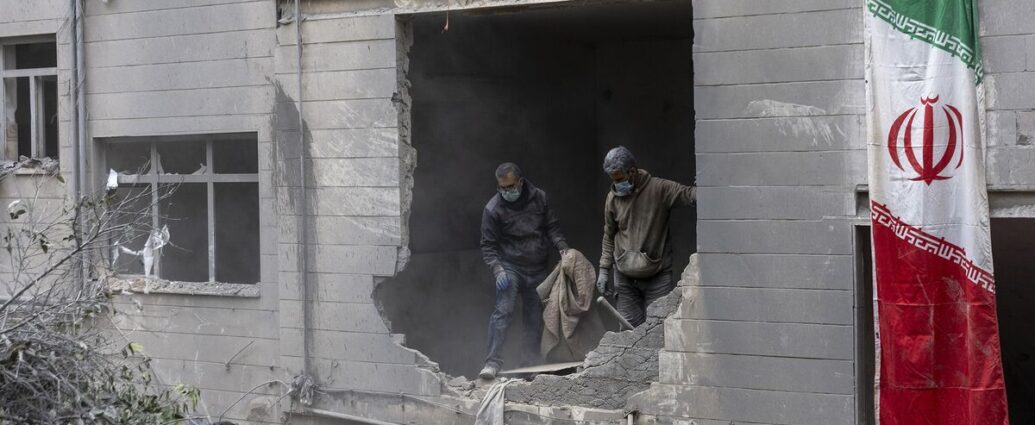
(RTTNews) – Gold prices traded lower on Monday as the ongoing U.S.-Iran war entered its third week.
This post was originally published here

(RTTNews) – Gold prices traded lower on Monday as the ongoing U.S.-Iran war entered its third week.
This post was originally published here
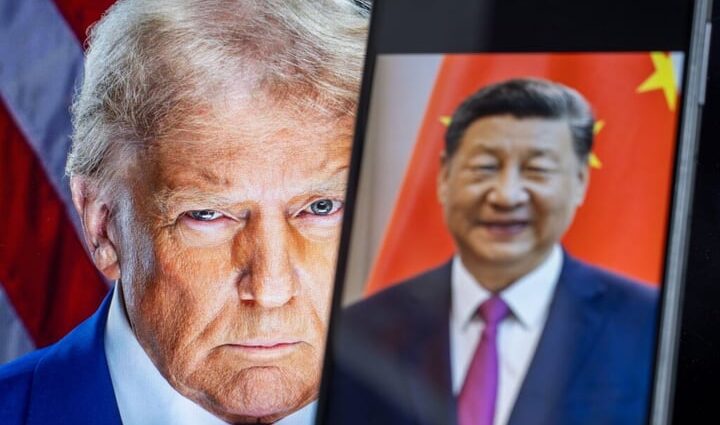
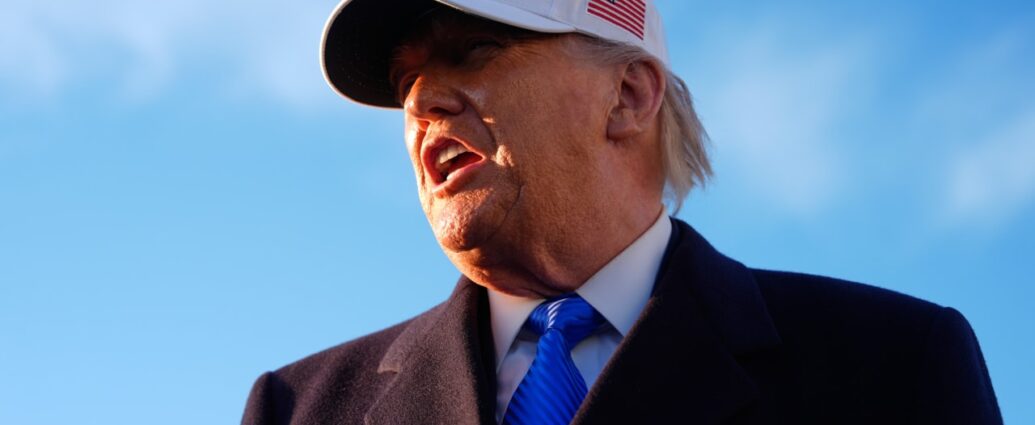
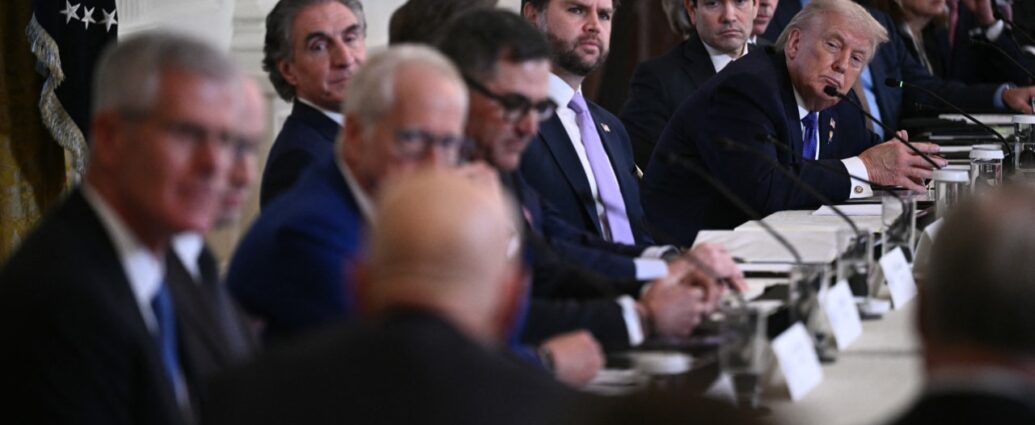
President Donald Trump indicated a likelihood of postponing his upcoming trip to China until the Xi Jinping-led nation and other allies counteract Iranian disruptions in the Gulf.
In an interview with the Financial Times on Sunday, Trump expressed his hope for China’s assistance in resolving the situation, highlighting the nation’s significant stake in the issue.
“China gets 90 per cent of its oil from the Straits,” said the president.
Trump cautioned that waiting until the summit would be too late and expressed his wish to see action within the next two weeks.
“We may delay,” said Trump, without specifying the potential delay duration.
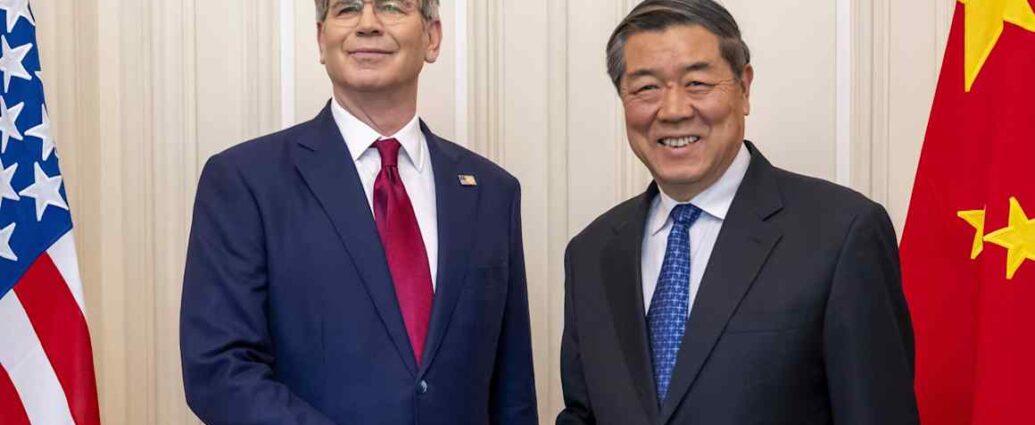
As Trump mulls rescheduling his Beijing visit, senior officials from the world’s top two economies, led by Treasury Secretary Scott Bessent and Chinese Vice Premier He Lifeng, held stable Sunday …
This post was originally published here

Shares of Urgent.ly Inc (NASDAQ:ULY) rose sharply in pre-market trading after the company announced it entered into an agreement to be acquired by Agero for $5.50 in cash per share. Also, the company reported better-than-expected fourth-quarter financial results.
Urgently reported quarterly losses of $1.97 per share which beat the analyst consensus estimate of losses of $3.06 per share. The company reported quarterly sales of $33.292 million which beat the analyst consensus estimate of $31.800 million.
Urgent.ly shares jumped 159.1% to $5.26 in the pre-market trading session.
Here are some other stocks moving in pre-market trading.
This post was originally published here
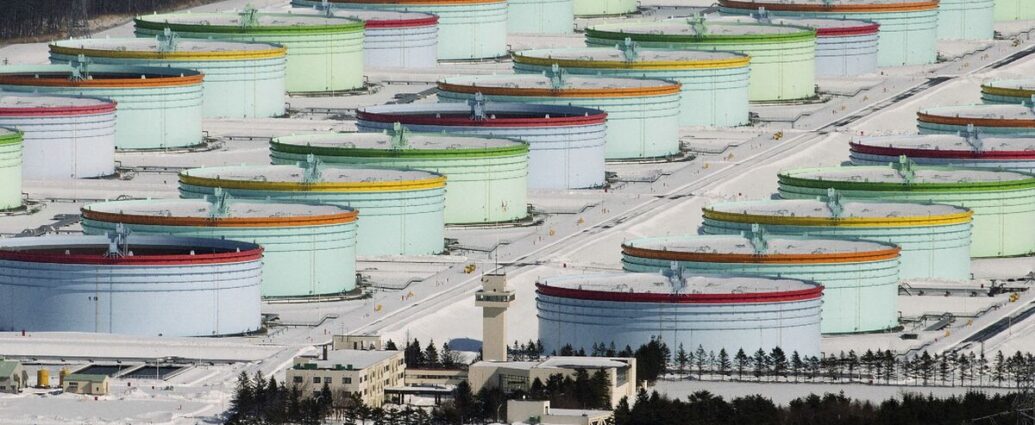
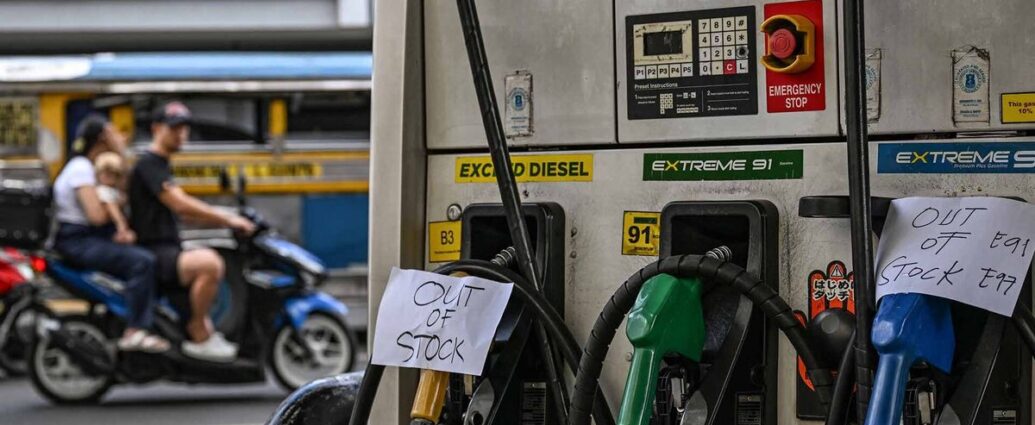
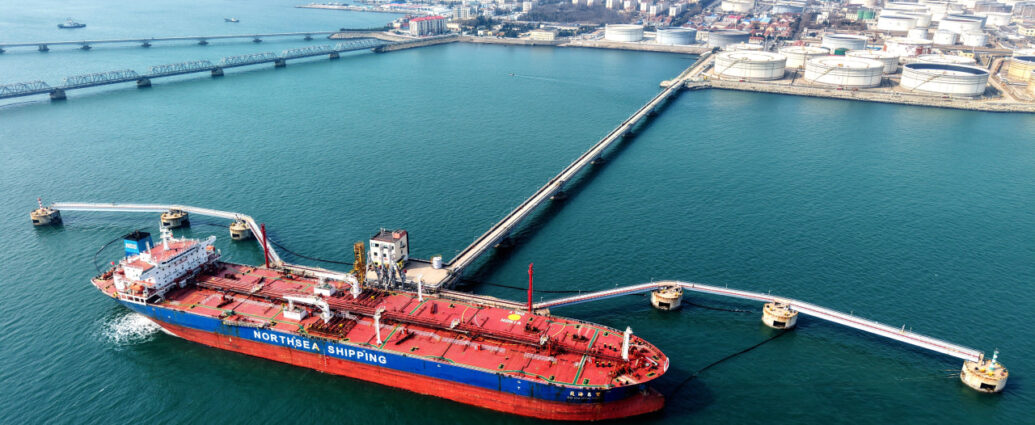
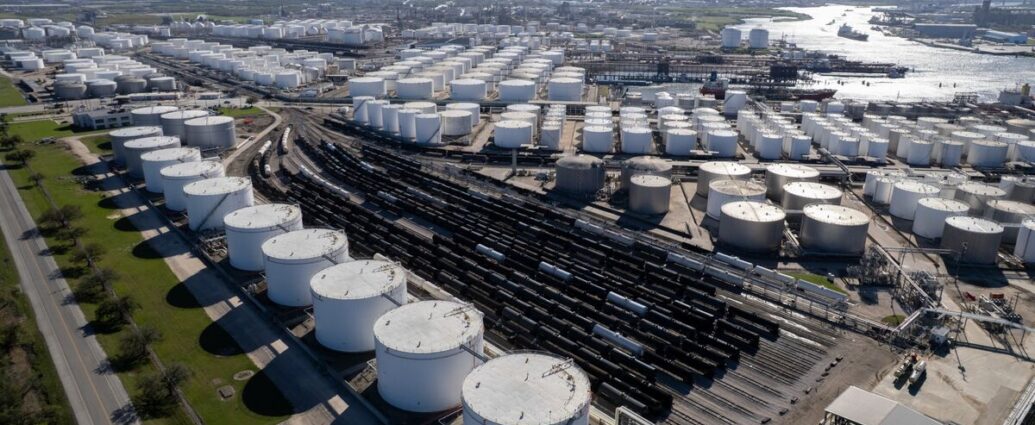
(RTTNews) – Oil prices continued to move higher on Monday as the U.S.-Israel war with Iran entered its third week, triggering the largest disruption to global oil markets in history.
This post was originally published here

Hong Kong-listed shares of BYD Co. Ltd. (OTC:BYDDF) (OTC:BYDDY) surged following a reported overseas sales boost in South America.
The automaker’s shares listed on the Hong Kong stock exchange surged 8.3%, the most in more than a year, after reports emerged that the automaker’s facility in Brazil received an order of 100,000 units from Mexico and Argentina, Bloomberg reported on Monday, citing local Chinese media news.
Hong Kong-listed shares of BYD’s fellow Chinese automakers, like Nio Inc. (NYSE:NIO) and Xiaomi Corp (OTC:XIACY) (OTC:XIACF), also recorded a 5% surge, the report said.
The …
This post was originally published here

This post was originally published here
Good morning. How will AI impact Ray Dalio’s prognosis for the economy? The Bridgewater founder published a piece in Fortune this weekend, in which he argues that we are in stage 5 of what he calls the “Big Cycle.” (The global macro investor has studied the six stages of how major empires rise and fall, with stage 5 being the period prior to collapse.)
Dalio writes that “it is indisputably clear that what is happening now is more analogous to pre-1945 times than the post-1945 times that we have gotten used to, which misleads most people’s expectations and causes them to be shocked about what’s happening.”
Among the hallmarks of stage 5:
“Large and rapidly rising government debts and geopolitical conflicts that lead to concerns about the value of and security of money, especially of the reserve currency, which drives a movement out of fiat currencies and into gold.” (Gold prices are up 70% over the past year.)
“Large income, wealth, and values gaps within countries that lead to the rise of populism of the right and populism of the left and irreconcilable differences that can’t be resolved with compromises and rule of law.” (The income gap has increased and, well, look around.)
“The movement from a world order with a dominant power and relative peace to a world order that reflects a great powers conflict.” (Iran could be the final blow to the WTO-based world order.)
Other forces could disrupt or accelerate the Big Cycle: AI is creating a drastic shift of wealth, with the potential to destroy jobs unlike anything we’ve experienced before. Artificial general intelligence could materially change the structure of money and nature of growth while creating faster and more volatile cycles. And one other factor comes to mind, following a fascinating discussion at the Explorers Club on Friday with NYU glaciologist David Holland about the “doomsday” Thwaites glacier in Antarctica: The accelerating pace of climate change, if not addressed, could make that coveted stage 1 seem even further away.
Contact CEO Daily via Diane Brady at diane.brady@fortune.com
This story was originally featured on Fortune.com

Cryptocurrency lending platform BlockFills filed for Chapter 11 bankruptcy protection on Sunday, saying it was to protect its business value and “maximize recoveries” for stakeholders.
The bankruptcy filing will enable BlockFills to undergo restructuring, pursue additional sources of liquidity and recovery, while maintaining transparency and oversight through a court-supervised process.
The Chicago-based firm said that the decision follows “extensive discussions” with investors, clients, creditors, and other stakeholders and is the “most responsible path …
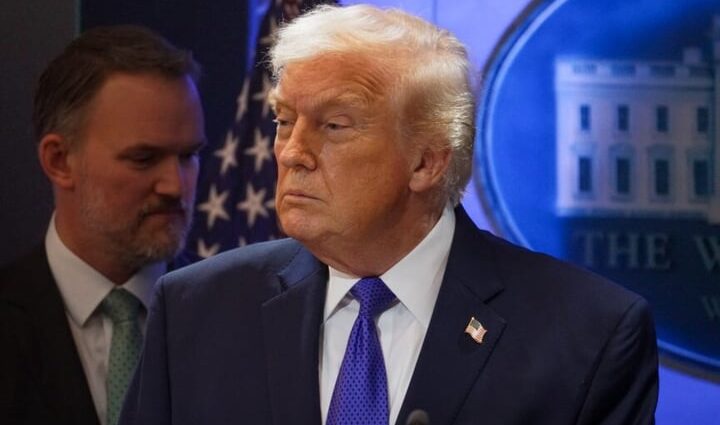
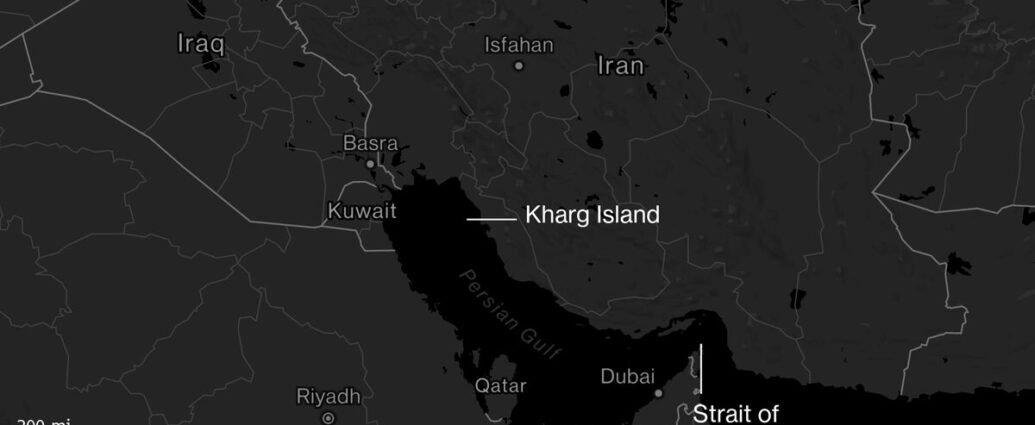
President Donald Trump is reportedly considering the capture of Iran’s primary oil depot on Kharg Island.
The seizure would necessitate the presence of U.S. military forces on the ground. This development comes amid the continuing blockade in the Persian Gulf, which is hindering Gulf oil and preventing Trump from ending the war, even if he desired to do so, Axios reported late Sunday.
The island, a strategically important terminal situated 15 miles from Iran’s coast, handles nearly 90% of Iran’s crude oil exports.
Trump is reportedly “drawn” to the concept of seizing Kharg Island outright, as it would lead to “an economic knockout of the regime,” a source told the publication. However, such a move could trigger Iranian counterattacks on oil facilities and pipelines across Gulf countries, particularly in Saudi Arabia.
On Saturday, Sen. Lindsey Graham (R-S.C.), a prominent critic of Iran, lauded Trump’s “decision to take the war to Kharg Island” and forecasted that Iran’s economy would be “annihilated” if it lost control of the oil hub.
This post was originally published here
After the U.S. Supreme Court struck down much of President Donald Trump’s tariff regime in February, he threatened to use other legal powers to reimpose import duties on the rest of the world. The world got the first indication of how sweeping those measures would be last week, when the U.S. opened two trade investigations on dozens of countries. Together, the two Section 301 probes—the first on “excess manufacturing capacity,” the second on not doing enough to stop the import of goods made using forced labor—cover 60 different economies, including key trading partners like China, India, Mexico and the European Union.
On Monday, the Chinese commerce ministry condemned the investigations as “extremely unilateral, arbitrary and discriminatory, and a typical protectionist act”.
“The U.S. has once again abused the 301 investigation process to override domestic law over international rules,” a Chinese spokesperson said. “We urge the U.S. to immediately correct its wrong practices, and meet China halfway.”
U.S. and Chinese officials are currently meeting in Paris to hash out the agenda for a meeting between Trump and China President Xi Jinping in early April, even as Trump said he might postpone his visit in an interview with the Financial Times, and demanded Beijing help protect ships traveling through the closed Strait of Hormuz.
Other Asian governments are slowly formulating their response to the new trade investigations.
Singapore’s Ministry of Trade and Industry (MTI) said in a media statement that it would “engage the USTR” on the new Section 301 investigations, and disputed its claim that it maintained a large trade surplus with the U.S.
Taiwan, which was listed in both probes, said it remained “confident” the investigation wouldn’t affect the terms of its U.S. trade deal, agreed last month.
“It is the government’s abiding goal to bring labor standards in line with international norms,” Taiwan’s cabinet wrote in a press statement released Friday.
Awkwardly, South Korea’s government approved $350 billion in new U.S. investments on March 12, after the U.S. launched its probe of the country’s “excess manufacturing capacity.” The investment pledge was part of the East Asian country’s trade deal with the U.S. announced last year.
Other countries are taking a more forceful approach. On March 15, Malaysia’s minister of Investment, Trade and Industry, Datuk Seri Johari Abdul Ghani, called the country’s trade deal with the U.S. “null and void.”
“It is not on hold, it is no longer there,” Datuk Seri told Malaysian reporters at the New Straits Times. “If [the U.S. claims] it is due to a trade surplus, they must specify the industry involved. They cannot impose tariffs on a blanket basis.”
Asia has been hit especially hard by Trump’s sweeping trade investigations.
The first investigation, announced on March 11, accused 16 global economies of maintaining “excess manufacturing capacity.” The majority of countries targeted are in Asia, including regional giants like Japan and China, and Southeast Asian nations like Singapore, Vietnam, Thailand, Malaysia and Cambodia.
“Asian governments are extremely interested in how this latest trade initiative unfolds,” Deborah Elms, head of trade policy at the Hinrich Foundation, tells Fortune. “Most Asian governments named have in place a trade agreement with the Trump administration, and will want to know how a Section 301 case determination might affect them.”
Many of the economies under scrutiny are export‑led, relying on foreign demand to sustain manufacturing and jobs. “Much of Asia has been very successful selling into the U.S.,” Elms said. “But that leads to high goods trade imbalances, especially if the domestic market is smaller or poorer than the U.S., and imports less stuff from them.”
Just one day later, the U.S. followed up with a second investigation, now covering 60 countries and accusing them of failing to ban the import of goods made with forced labor. The list spans every major region, naming Central and South American nations such as Chile, Colombia, Costa Rica, El Salvador, Guatemala and Venezuela, as well as U.S. allies including Canada and Israel.
“American workers and firms have been forced to compete against foreign producers who may have an artificial cost advantage gained from the scourge of forced labor,” U.S. Trade Representative Jamieson Greer said in a press statement. The investigations will determine whether foreign governments have taken sufficient steps to prohibit the import of goods produced with forced labor and how that could affect U.S. firms.
Section 301 allows the USTR to investigate and penalize foreign countries for “unjustifiable, unreasonable, or discriminatory” trade practices. The law has a more stringent regulatory period, which means the procedures must be open for public comment. Previous 301 investigations have taken close to a year to complete, yet Greer has stated that new tariffs could be imposed within five months.
Since the Supreme Court’s ruling, Trump has imposed a blanket 10% tariff on U.S. imports using Section 122, which allows the president to impose tariffs without Congressional approval for up to 150 days.
This story was originally featured on Fortune.com
Jim Cramer urged investors to resist the urge to liquidate portfolios as Brent Crude surged to $104, warning that missing the eventual “awesome snapback” would be a costlier error than enduring current volatility.
“Selling now is a huge mistake,” Cramer declared on Mad Money, acknowledging that while the market is “terrifying,” the current oversold conditions often precede massive rebounds.
With Brent Crude hitting $104.53 and WTI at $97.69, at the last check, Cramer dismissed “naysayers” predicting $200 oil as an existential threat.
“You’ll be kicking yourself if you sell everything and then you have to watch this market rebound without you,” he warned, noting that the S&P oscillator is at a rare -7.5 reading.
Supporting Cramer’s thesis, historical data provides a silver lining. The Kobeissi Letter reveals that in six out of seven instances since 1986, the S&P 500 has been higher one year after a 20% oil surge, with an average forward return of 24%.
This post was originally published here

Prominent cryptocurrency analyst and Bitget CEO Gracy Chen cautioned Monday that Bitcoin’s (CRYPTO: BTC) rebound to $74,000 should not be interpreted as the end of the bear market.
Sharing her views in an X post, Chen said the ongoing bear market is not over as liquidity has not fully recovered.
“I’ve said time and again that the $60,000–$70,000 range is a good zone for dollar-cost averaging. But not necessarily the time to go ALL-IN,” Chen stated.
Chen aims to go all-in on Bitcoin at $50,000, where she hopes to buy the full amount of BTC she wants for this cycle.
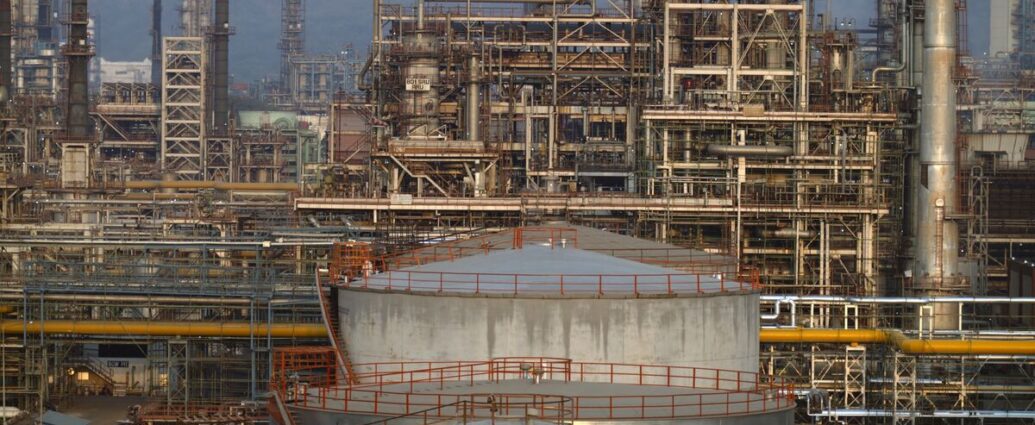
Oil prices remained elevated on Monday as President Donald Trump threatened to strike Iran’s crude export facilities on Kharg Island and the war heads toward its third week, with the Strait of Hormuz still closed.
The Kalshi prediction market crowd has one blunt question on the table: Does WTI close above $100?
The bet resolves against the Intercontinental Exchange (ICE) front-month WTI settlement price — the official end-of-day price published each afternoon by the Intercontinental Exchange, the benchmark the entire oil market uses. Above $99.99 at settlement, YES wins. Below it, NO wins.
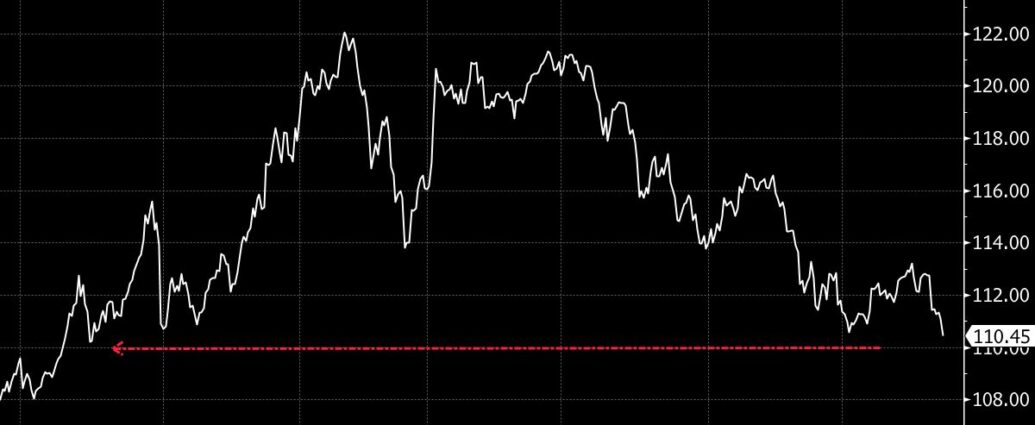
At 3.40 AM ET, WTI futures were trading at $100.37 a barrel, up 1.68%, after earlier climbing as high as $102.40 a barrel to their highest level since July 2022.
The Kalshi crowd is leaning YES — but not convincingly. The YES contract on a close above $99.99 is trading at ¢66, implying a 59% probability that WTI settles above $100. The crowd is also pricing a 56% …
This post was originally published here
There is no question that for many Europeans, work will look different in the coming years. We’ve seen this “ripple effect” with every major technology shift, from computers to the Internet. And while research suggests that far more jobs will be introduced rather than lost, we can’t ignore that there will be disruption – we must prepare for it.
At one end of the spectrum, we know that new technologies like AI have the potential to birth industries and create millions of jobs. Twenty years ago, the concept of a professional YouTube Creator didn’t exist: today, there are upwards of 60 million around the world.
Across Europe, there are estimates that 61% of jobs will be augmented by generative AI – while up to 7% of jobs will make a long-term transition. Those roles, which will be augmented or transition, are the ones we must focus on, ensuring that AI expands, rather than automates, human potential.
In Europe, the stakes are too high to ignore. Broad AI adoption holds the potential to boost the region’s GDP by €1.2 trillion. That’s an 8% increase over the next decade. We’ve already seen promising AI stories emerging across the continent. Spanish startup Idoven is using AI to detect heart disease earlier, while Roly’s in the UK is reimagining fudge recipes and Maria Teresa Pellegrino has used AI to modernize marketing materials for her family’s 100 year old Italian olive oil businesses.
But these gains won’t come automatically. To enable more Idovens, more Roly’s, more Maria’s, Europe’s public sector, non profits, employers and universities must come together to provide European people and businesses with the AI skills they need.
Today we’re announcing AI Works for Europe: a series of commitments, research and training to support this effort.
AI’s potential impact on entry-level jobs is a major focus area. Over the past year, we supported European social enterprise INCO and nonprofit Chance to examine how AI is reshaping early careers and to develop tailored solutions for Europe’s future workforce. In addition to drawing from comprehensive employment datasets provided by the OECD and the European Commission, INCO used AI to analyse over 31 million job postings, and interviewed over 1,500 UK and EU employers and young jobseekers. They found that nearly 25% of entry-level roles now require AI skills, and that 74% of SME employers struggle to find qualified candidates. The demand is highest in certain fields: AI-related requirements for Accounting & Finance roles have tripled since 2023 and nearly half (41%) of digital marketing and content roles now require AI proficiency at entry level.
In response and with our support, INCO and Chance have created NewFutures:AI, a set of advanced AI curriculums for final-year students: helping them build practical skills and access career support, especially in the sectors that need it most. The curriculum will be offered directly to students for free through partnerships with fifty higher education institutions across Europe.
But we can’t just focus on the future workforce – we need to to upskill current workers.
Since 2015, we have trained over 21 million Europeans (including Brits) on digital or AI skills. These trainings work: our foundational course, Google AI Essentials, has become the most popular course on Coursera of all time, and 80% of certificate graduates in the EU report a positive career outcome within six months of completion: a new job, promotion or raise.
New research from IPSOS suggests that AI literacy —the ability to understand, evaluate, and make decisions about AI — is vital to driving adoption. We need to move from a surface level understanding of AI to a more substantive use of AI as a collaborator. We’ve just released a new Google AI Professional Certificate focused on just that: moving people and businesses from AI foundations to fluency. The certificate is available now globally in English, and will be translated in ten European languages in the coming months.
Creating these resources alone isn’t enough, partnering with trusted community organizations is what’s going to help us drive broad and equitable access. That’s why we’re supporting local nonprofits like Talents for Tech and AI Sweden to share the certificate and wraparound resources with 50,000 workers across Europe through local trade unions and community organizations.
Significant change is coming. Together, across the public and private sector, we need to invest in people: ensuring they have the AI skills of tomorrow. Just as the internet unlocked new ways to work and build businesses, we need to empower people to innovate with AI.
The opinions expressed in Fortune.com commentary pieces are solely the views of their authors and do not necessarily reflect the opinions and beliefs of Fortune.
This story was originally featured on Fortune.com
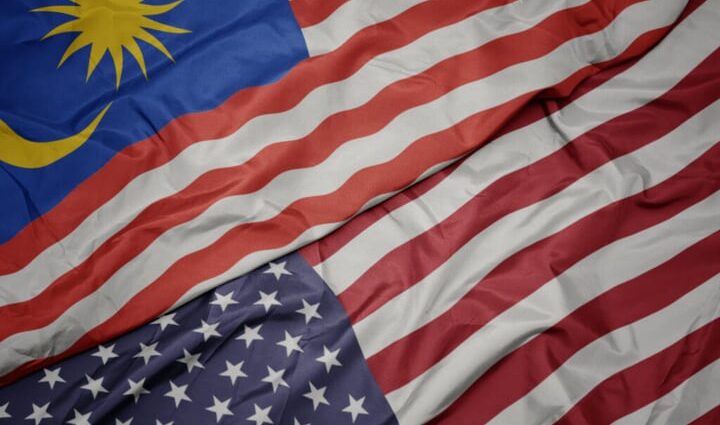
Malaysia has declared the trade deal with the U.S. invalid after the Supreme Court ruled President Donald Trump‘s tariffs imposed under the International Emergency Economic Powers Act (IEEPA) illegal in February.
Datuk Seri Johari Abdul Ghani, Malaysia’s Investment, Trade, and Industry Minister, told reporters that the U.S.-Malaysia Agreement on Reciprocal Trade (ART) has been rendered ineffective. “It is not on hold. It is no longer there, it’s null and void,” said Johari, the New Straits Times reported on Sunday.
Johari told reporters that if tariffs were being justified based on a trade surplus, the authorities should clearly specify the industry involved and not impose blanket tariffs.
Regarding the new review launched by the U.S. under Section 301 last week, the Trade Minister said key Malaysian export sectors that could be affected include electrical and electronics, oil and gas, plantation commodities such as …
This post was originally published here
This post was originally published here

Punters are skeptical that a ban on congressional stock trading will be enacted this year, despite the ongoing conflict‑of‑interest debate.
A Kalshi market on whether members of Congress will be banned from trading stocks before 2027 currently shows just 15% odds in favor. The odds of this happening before Jan. 21, 2029, stood at 57%.
Note that a congressional stock trading ban may still qualify for a “Yes” if lawmakers are permitted to use blind trusts or invest in diversified assets like exchange-traded funds or mutual funds. The restriction only applies to individual stock trading.
A similar bet on Polygon (CRYPTO: POL)-based Polymarket showed a 22% chance …

Canada’s leader of the Official Opposition, Pierre Poilievre, who is also the leader of the Conservative Party of Canada, has touted a U.S.-focused auto industry strategy amid the country’s China tariff agreement.
On Sunday, Bloomberg reported that the leader proposed exemptions for automakers from federal sales tax for vehicles made in Canada, as well as a rule that would enable companies to import vehicles of an equal dollar value from the U.S. or Mexico into the country for every vehicle produced in Canada.
The Canadian leader also said that it was a “dangerous illusion” to think that overseas EVs could replace auto sales to the U.S., the report said. U.S.-made vehicles accounted for over 40% of Canada’s auto sales.
The Conservative Party has also touted an end to subsidies for hybrid vehicles and EVs, as well as a ban on vehicles using Chinese or Russian software.
It’s worth noting that Canada revised its tailpipe emissions strategy recently and revived the subsidies on EVs, offering CA$5,000 on EVs made in Canada and CA$2,500 on Plug-In Hybrids. Both vehicle categories …
This post was originally published here
Amidst a backdrop of Middle East volatility and energy market swings, Emerald Advisors portfolio manager Don Nesbitt is urging investors to look past short-term “AI horror stories” and see the current dip in Microsoft Corp. (NASDAQ:MSFT) as a premier entry point.
While the broader market has been distracted by oil price fluctuations and geopolitical “exogenous shocks,” Nesbitt argues that the recent pressure on software stocks is a sentiment-driven mispricing.
Addressing the recent pullback in big-tech names, Nesbitt was clear on his stance regarding the software giant MSFT: “I think it’s an opportunity here to buy.”
He notes that the stock has been “trounced” recently due to heightened anxiety over AI’s potential to disrupt traditional business models. However, Nesbitt views this fear as misplaced for companies with established ecosystems.
“Microsoft is going to benefit from this,” he stated, dismissing the narrative that the company is at risk.
According to Nesbitt, …
This post was originally published here

The CNN Money Fear and Greed index showed an increase in the overall fear level, while the index remained in the “Extreme Fear” zone on Friday.
U.S. stocks settled lower on Friday, with the Nasdaq Composite falling more than 200 points during the session as investors weighed a stark downward revision to fourth-quarter economic growth against a sticky inflation reading before the oil shock of the war in Iran.
The Bureau of Economic Analysis revised fourth-quarter 2025 GDP growth to 0.7% annualized, down 0.7 percentage points from its advance estimate.
The January Core Personal Consumption Expenditure (PCE) price index — the Fed’s favorite inflation gauge — showed 3.1% annual increase, up from the previous 3%. The data marks a further departure from the Fed’s 2% target.
Washington temporarily eased sanctions on Russian crude to expand global supply, but Iran-U.S. tensions continued to threaten Persian Gulf energy flows and kept crude prices elevated.
The S&P 500 recorded a …
This post was originally published here

With U.S. stock futures trading higher this morning on Monday, some of the stocks that may grab investor focus today are as follows:
This post was originally published here

The S&P 500 closed Friday’s session in a precarious position after hitting its lowest close of 2026 earlier in the last week. However, heading into the Monday open, a wave of late-weekend optimism has shifted the narrative.
The Polygon-based (CRYPTO: POL) Polymarket crowd has turned decisively bullish for the March 16 open. The market currently reflects a 75% chance of an “Up” open, a 26% change in confidence over the last 24 hours. Early trading volume for this specific bet has reached $17,799.
Geopolitical maneuvers are once again the primary driver of market sentiment. On Sunday evening, President Donald Trump increased pressure on global allies, warning NATO of a “very bad” future if they do not provide military assets—including …
This post was originally published here

CytomX Therapeutics, Inc. (NASDAQ:CTMX) will release its fourth-quarter earnings before the opening bell on Monday, March 16.
Analysts expect the South San Francisco, California-based company to report loss of 9 cents per share, versus a year-ago profit of 23 cents per share . The consensus estimate for CytomX Therapeutics’ quarterly revenue is $7.33 million (it reported $38.09 million last year), according to Benzinga Pro.
On Nov. 6, CytomX Therapeutics reported worse-than-expected third-quarter financial results.
Shares of CytomX Therapeutics fell 3.9% to close at $4.68 on Friday.
Benzinga readers can access the latest analyst ratings on the Analyst Stock Ratings page. Readers can sort by stock ticker, company name, analyst firm, rating change or other variables.
Let’s have a look at how Benzinga’s most-accurate analysts have rated the company in the …
This post was originally published here
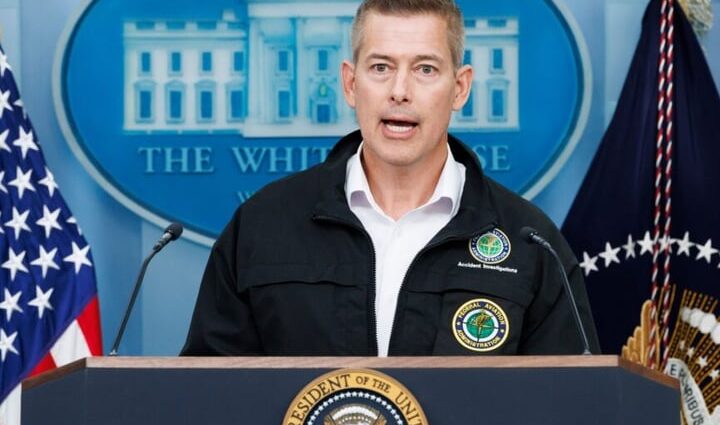
Transportation Secretary Sean Duffy has slammed the Democratic lawmakers, led by Senate Minority Leader Chuck Schumer (D-NY), calling for an end to the partial government shutdown over funding for the Department of Homeland Security (DHS).
In a post on the social media platform X on Sunday, Duffy criticized the Democrats, touting a letter by Airlines for America, which is a coalition of major airline operators in the U.S. “AIRLINE CEOs: ENOUGH OF THE SCHUMER DHS SHUTDOWN,” Duffy said in his post.
He hailed the CEOs in the letter for “standing up for @TSA workers,” as the Transportation Security Administration employees missed their paychecks. The letter, addressed to Congress, called for an end to the shutdown and for the employees to get paid.
“Americans — who live in your districts and home states — are tired of long lines at airports, travel delays and flight cancellations caused by shutdown after shutdown,” the letter said, adding that travel related to the Spring Break, as well as the upcoming FIFA World Cup 2026, could be impacted due to the shutdowns.
“U.S. airlines expect 171 million passengers this spring season, a new record,” the letter said, but lamented the “extraordinarily long” lines at checkpoints across …
This post was originally published here

This post was originally published here

This post was originally published here
This post was originally published here

This post was originally published here

This post was originally published here

This post was originally published here

This post was originally published here

This post was originally published here

Frog-themed cryptocurrency Pepe (CRYPTO: PEPE) led Sunday’s memecoin rally amid a broad market rebound.
The Ethereum (CRYPTO: ETH)-based token spiked nearly 7%, claiming the top spot among large-cap meme coins over the past 24 hours. PEPE’s trading volume surged 57% to $328 million over the last 24 hours, signaling high buying pressure.
Solana (CRYPTO: SOL)-based Bonk (CRYPTO: BONK) followed closely, rallying 6.13% in the last 24 hours. NFT-related Pudgy Penguins

This post was originally published here
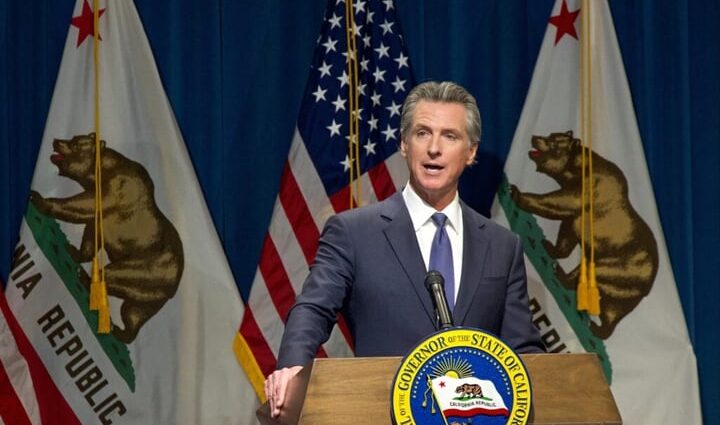
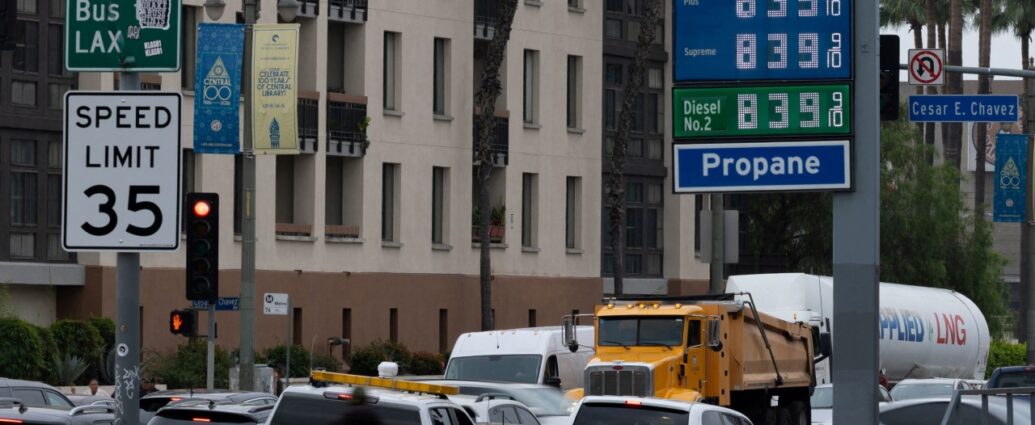
California Governor Gavin Newsom (D) has slammed the President Donald Trump administration as gasoline prices across the U.S. continue to surge.
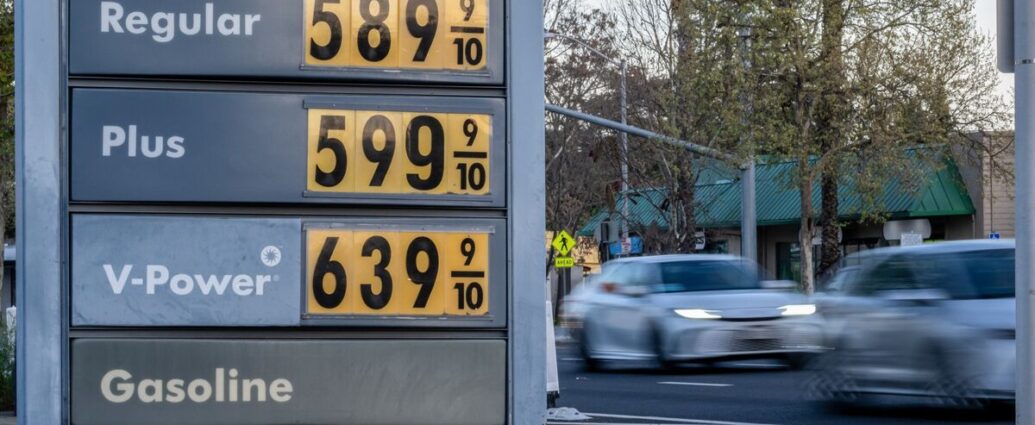
In a post on the social media platform X on Sunday, Newsom’s official press office handle slammed Trump for the price surge. “THANKS TO PRESIDENT TRUMP, PRICES ARE COMING DOWN!” the post said, quoting a post that said the price of a gallon of gas in the U.S. hit $3.70.
In an X post on Saturday, Newsom slammed the Trump administration over the price rise, as well as the “disastrous” war with Iran. “No amount of spin from Trump and his lackeys” could hide that “Americans …
This post was originally published here

This post was originally published here
Just two months ago, NATO was in the middle of an existential crisis over President Donald Trump’s insistence that the U.S. take control of Greenland. He threatened tariffs and refused to rule out military action, but eventually backed down.
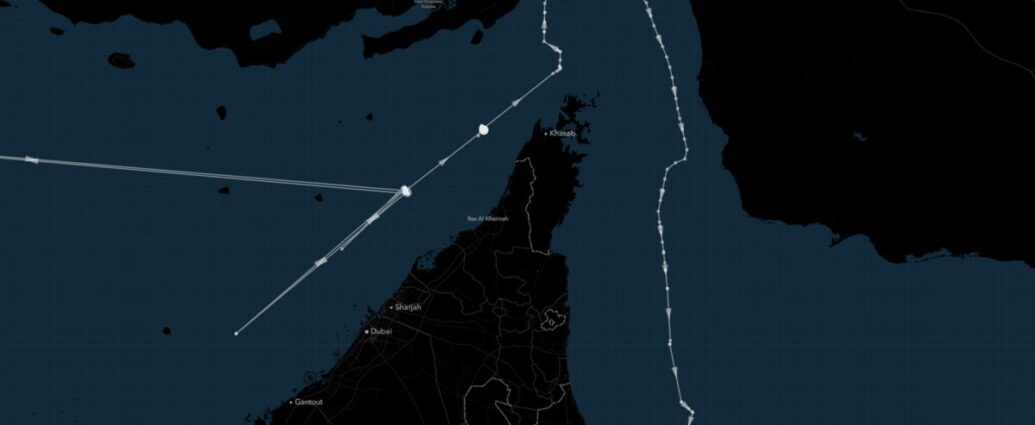
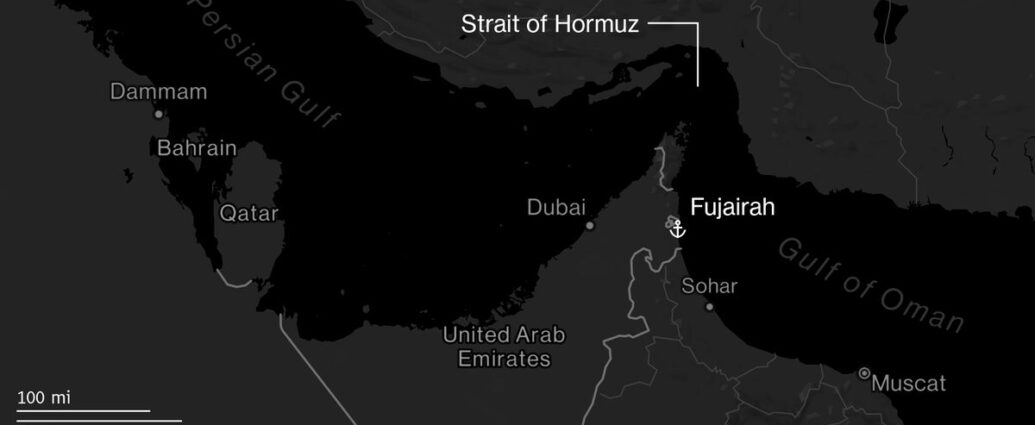
Then on Sunday, Trump demanded the alliance help him clear the Strait of Hormuz, which Iran has blocked since the U.S. and Israel launched their war on the Islamic republic two weeks ago.
“It’s only appropriate that people who are the beneficiaries of the Strait will help to make sure that nothing bad happens there,” Trump told the Financial Times, while also saying he could delay his summit with Chinese President Xi Jinping. “If there’s no response or if it’s a negative response I think it will be very bad for the future of NATO.”
After he precipitated the Greenland crisis this year and launched a trade war last year, allies have been re-evaluating the global order and their long-term future with the U.S.
Trump admitted to the FT that he’s pessimistic about U.S. allies coming to his aid. But he suggested NATO owes him, despite years of berating member states for not spending more on defense and even belittling their losses fighting with the U.S. in Afghanistan.
“We’ve been very sweet,” Trump said. “We didn’t have to help them with Ukraine. Ukraine is thousands of miles away from us … But we helped them. Now we’ll see if they help us. Because I’ve long said that we’ll be there for them but they won’t be there for us. And I’m not sure that they’d be there.”
He explained that NATO help could come in the form of minesweepers or commandos, and downplayed the military threat that Iran poses. While Iran’s military has indeed been decimated by U.S. and Israeli bombardment, it still packs enough punch to scare commercial shipping away from the Strait of Hormuz.
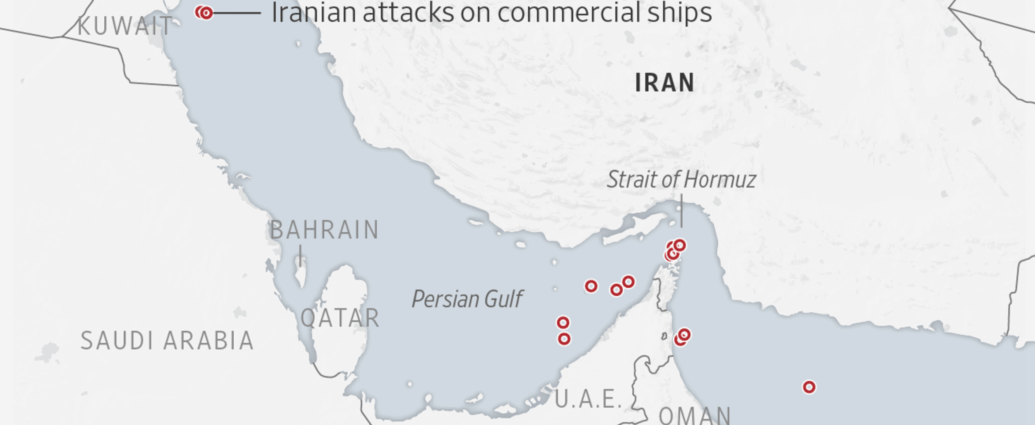
But Tehran is also signaling that the strait isn’t totally closed and that it wields the power to choose who may pass, as the U.S. military has yet to re-establish free navigation through the narrow waterway.
Oil prices have soared as Iran’s attacks on shipping in the Persian Gulf have created a de facto blockade over the strait, through which one-fifth of the world’s oil and liquid natural gas flow, with Wall Street warning crude could even hit $150 a barrel in a prolonged conflict.
Iranian Foreign Minister Abbas Araghchi said Sunday that vessels from different countries have already been allowed to transit the strait and that a number of governments have approached Tehran about securing safe passage for their ships.
“I cannot mention any country in particular,” he told on CBS News. “And this is up to our military to decide.”
Reports have indicated that Iran is getting its oil shipments out to top customer China, while hundreds of tankers carrying supplies from other countries remain bottled up in the Gulf.
That keeps critical revenue rolling into Iran. By contrast, Saudi Arabia, Iraq, and other top producers have been forced to pump less with nowhere left to stash their output.
Meanwhile, Trump ordered an attack on military sites on Kharg Island, Iran’s top oil export node, upping the ante of escalation. He is also trying to assemble a naval coalition to reopen the strait. Sources told the Wall Street Journal on Sunday that the administration could soon announce an escort mission that involves multiple countries, though it wasn’t clear if operations would begin before or after hostilities end.
Trump earlier called on China, France, Japan, South Korea, Britain and others to send warships to the Middle East, though responses have been non-committal so far. At the same time, the U.K. and the Gulf Cooperation Council said member states “have the right to take all necessary measures to defend their security and stability and protect their territories, citizens and residents.”
But the Strait of Hormuz remains contested waters, and U.S. Navy officials have called it a “kill box” where Iran’s missiles, aerial drones, underwater drones, surface drones, mines, and small fast-attack boats pose numerous threats. Given the risks to multibillion-dollar warships, the Navy has turned down requests from shipping companies to provide protection.
European officials are considering a naval mission to the Strait of Hormuz but admit that their current effort to protect shipping in the Red Sea “hasn’t been effective.”
“That’s why I’m very skeptical whether an expansion of Aspides into the Strait of Hormuz could provide more security,” German Foreign Minister Johann Wadephul said, adding that Germany won’t take an active role in the war.
Defense experts say a proper naval escort mission would require more ships as well as air power and perhaps ground troops to neutralize Iranian threats.
The Strait of Hormuz is navigationally constrained, and reaction times to attacks from the coast are short, according to Jennifer Parker, founder of Barrier Strategic Advisory and a veteran of the Royal Australian Navy.
As a result, escort operations at scale would require significant numbers of warships, plus combat air patrols that would take aircraft away from other missions, she added in a threat on X on Saturday.
“Responding to coastal launch sites as they emerge would require coordinated strike operations ashore and perhaps marines — the latter a clear escalation risk,” Parker wrote. “Without significantly degrading Iran’s UAV and USV capability, escorts alone are unlikely to enable the safe transit of large numbers of tankers.”
Then there’s the problem of clearing any mines in the strait. Despite the U.S. wiping out Iran’s navy, the Islamic Revolutionary Guard Corps can still use small boats to deploy mines, and not many are needed to scare away commercial traffic.
The U.S. also shrank its minesweeping fleet, and its remaining ships are stationed in Asia. A new class of littoral combat ship was designed to handle minesweeping missions, but it has yet to be used in combat.
“Historically, mine clearance has been slow, and it is almost impossible to do under fire,” MIT political science professor Caitlin Talmadge wrote in Foreign Affairs on Friday.
Like Parker, she said defending the strait in the middle of a shooting war may require the U.S. to take control of the Iranian coast by inserting Marines or special operations forces.
In fact, the U.S. is deploying a Marine Expeditionary Unit to the Mideast with more than 2,000 troops, though some analysts have raised the possibility of an amphibious attack on Kharg Island.
“In short, if Iran effectively mines the strait, all U.S. response options are suboptimal,” Talmadge warned. “The United States should therefore focus aggressively on preventing Iranian mine-laying in the first place and finding an off-ramp from the larger war. If it does not, Washington should expect that ongoing harassment of traffic in the strait will be but one of a number of responses that Iran has long prepared and will now deploy.”
This story was originally featured on Fortune.com
Nvidia Corp.’s (NASDAQ:NVDA) next-generation Rubin AI GPU platform could reportedly face production delays due to supply constraints in next-generation memory.
Nvidia’s Blackwell successor, the Rubin GPU platform, is seeing downward revisions to wafer starts due to next-generation HBM4 memory supply coming in below expectations, Taiwan’s Commercial Times reported, citing supply chain sources.
Suppliers are reportedly redesigning certain base-die components used in the memory stacks, a technical adjustment that could delay shipments by roughly one quarter.
As a result, Nvidia is said to be scaling back initial Rubin wafer production while increasing output of its current Blackwell GPUs instead of releasing manufacturing capacity.
Nvidia did not immediately respond to Benzinga’s request for comments.
At the same time, cloud service providers are intensifying efforts to develop their own AI chips to reduce reliance on Nvidia.
Alphabet Inc.’s …
This post was originally published here

Leading cryptocurrencies rose alongside stock futures on Sunday as President Donald Trump pressed for a coordinated effort to keep oil exports from the Strait of Hormuz running.
| Cryptocurrency | 24-Hour Gains +/- | Price (Recorded at 9:30 p.m. ET) |
|---|---|---|
| Bitcoin (CRYPTO: BTC) | +2.42% | $72,664.81 |
| Ethereum (CRYPTO: ETH) |
+4.52% | $2,180.88 |
| XRP (CRYPTO: XRP) | +3.00% | $1.44 |
| Solana (CRYPTO: SOL) | +4.77% | $92.00 |
| Dogecoin (CRYPTO: DOGE) | +2.24% | $0.09787 |
Bitcoin spiked during evening hours, with trading volume surging 33% over the past 24 hours.
Ethereum outperformed Bitcoin, reaching an intraday peak of $2,200 amid surging trading volume that signaled strong buying momentum.
Roughly $194 million was liquidated from the cryptocurrency market over the past 24 hours, with short positions worth $145 million evaporated, according to Coinglass data.
Open interest in Bitcoin futures rose 2.92% in the last 24 hours. However, sentiment among retail and whale traders with open BTC positions on Binance remained “Neutral.”
“Extreme Fear” sentiment persisted, according to …
This post was originally published here

This post was originally published here
This post was originally published here
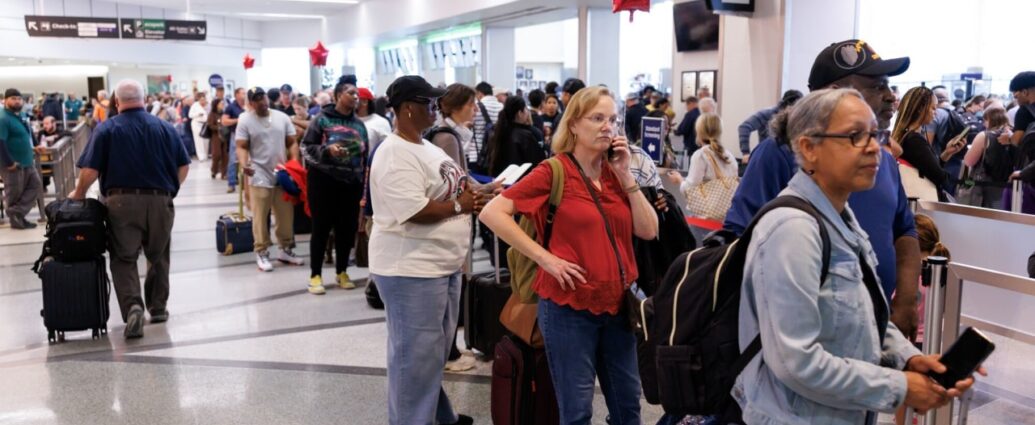
The CEOs of the nation’s top airline companies, including American, Delta, Southwest and JetBlue, are imploring Congress to restore funding to the Department of Homeland Security and embrace a bipartisan solution to pay federal aviation workersincluding airport security officers during the partial government shutdown.
“Once again, air travel is the political football amid another government shutdown,” the executives wrote in an open letter to Congress that was published Sunday online and in The Washington Post.
The letter, which was also signed by the CEOs of the cargo companies UPS, FedEx and Atlas Air, said that Congress should pass the Aviation Funding Solvency Act and the Aviation Funding Stability Act, which would guarantee air traffic controllers are paid regardless of the government’s funding status, as well as the Keep America Flying Act. That measure would offer the same protections to Transportation Security Administration officers tasked to provide security and to screen all travelers.
”It’s difficult, if not impossible, to put food on the table, put gas in the car and pay rent when you are not getting paid,” the letter said.
The current partial shutdown affects only the Department of Homeland Security, which includes TSA. Democrats in Congress refused to fund the department over objections to its immigration enforcement tactics. The lapse marks the third shutdown in less than a year to leave TSA workers temporarily without pay — and once the government reopens, to have to wait for back pay.
Democratic lawmakers have said DHS won’t get funded until new restrictions are placed on federal immigration operations following the fatal shootings of Alex Pretti and Renee Good in Minneapolis earlier this year.
The CEOs noted that with spring break in full swing, FIFA’s World Cup 2026 approaching and celebrations for America’s 250th birthday throughout the year, the stakes are high. The letter said that U.S. airlines expect 171 million passengers this spring season.
As the latest partial shutdown drags on, there have been long security lines at a growing number of U.S airports.
The TSA and Homeland Security have consistently blamed Democrats for the long security lines.
Homeland Security posted on its X account last week that more than 300 TSA agents have quit since the start of the shutdown.
This story was originally featured on Fortune.com
As the US-Israeli war on Iran enters its third week, pressure is growing on the person in the best position to end it: Donald Trump.
But the US president’s ever-shifting explanations for why he went to war leave friends and adversaries at a loss to forecast when he’ll be ready to stop. And even if he does, Iran has shown little willingness to go along. Trump has gone from declaring the war over soon to calling on European and Gulf allies to help. They’re reluctant, and the likes of Russia are benefiting.
The state of play was exemplified by a recent call with Group of Seven leaders where Trump was repeatedly pressed by European counterparts about his endgame, according to people familiar with the exchange. He said he couldn’t discuss the war’s objectives on the call, but told the leaders he had several in mind and wanted the conflict to end soon.
The past 48 hours have only deepened the confusion among once-stalwart allies.
Conversations with several officials since Trump told Fox News that the war would end when he felt it “in my bones” paint a picture of bewilderment and shock. No one seems ready to rally to his call to deploy scant resources to help reopen the virtually shut Strait of Hormuz, the conduit for a fifth of global oil and a large share of liquefied natural gas. Meanwhile, the backchannels to Iran are proliferating as countries, from India to Turkey, seek their own safe passage to get ships through Hormuz.
Even Japan, which rarely wants to appear out of lockstep with the US, said through a senior official that efforts to escort ships face “high hurdles.” That amounts to a polite “no” that reverberates across countries the US failed to consult on the war that it launched Feb. 28 and is now set to last several weeks.
Read More: US, Iran Keep Up Strikes as Trump Mulls Possibility of Deal
The Trump administration is planning to announce as soon as this week that multiple countries have agreed to form a coalition to escort ships through the corridor, according to a report in the Wall Street Journal, which adds that it’s unclear whether operations would begin during or after the fighting.
Tehran’s forces fire missiles and drones daily at targets across the Mideast despite punishing US and Israeli attacks – and Trump’s claims of victory. Iran’s stranglehold on shipping in the strait has driven oil prices over $100 a barrel, shaking economies worldwide and threatening Trump’s political prospects at home. Even one of Trump’s own advisers went public Friday calling on him to declare victory and end the fighting.
The latest escalation in US military operations may represent the peak of US operations — an intense surge designed to degrade remaining Iranian capabilities, according to European officials, speaking on condition of anonymity to discuss their governments’ views.
While they discount as exaggerated Trump’s claims that the strikes have destroyed Iran’s military capabilities, the European officials see that rhetoric as potentially laying the groundwork for Washington to declare the operation complete.
“There are strong motivators on all sides to conclude the military phase of the mission expeditiously,” said Victoria Coates, a former Trump deputy national security adviser now at the Heritage Foundation. It is Trump who has “dominant leverage to set the terms of any negotiations,” she added.
A senior Arabian Gulf official warned that it would ultimately only be the sustained rise in oil prices that would force Trump to stop fighting and claim victory, leaving regional allies to deal with the residual threat from a wounded and angry Iran.
For the moment, Trump is vowing to continue the campaign, claiming he’s not ready for a deal — though Iran is. Officials in Tehran remain convinced they can outlast the mercurial US leader, but the damage is mounting.
Read More: Stock Trader’s Guide to Navigating Supply Disruption by Iran War
Trump pivoted sharply over the weekend to calling for other countries to join the fray to reopen the strait — a possibility seen in those capitals as ranging from questionable to fanciful. From his Florida golf course, Trump sent a string of mixed messages on social media, calling for support in a war he’s said repeatedly he’s won, and for help in a strait his administration has insisted remains open. He claimed Saturday that Iran wanted a deal, which Iran dismissed.
But Trump’s attempt to wave away concerns with declarations of swift military victory and economic recovery has been stretched thin, with at least 13 Americans killed so far and Trump forced to scramble to ease oil price spikes that further imperil Republicans’ fortunes in a midterm election year. So far, administration efforts to ease the oil-market impact haven’t led to a lasting drop in prices.
Over the weekend, the White House reiterated that the campaign was planned to last four to six weeks but is ahead of schedule. “We expect that the global economy is going to have a big positive shock as soon as this is over,” National Economic Council Director Kevin Hassett told CBS’s Face the Nation.
Read More: Oil Market Set for Tumultuous Week as Kharg Attack Raises Stakes
Trump’s own political coalition is showing signs of strain. David Sacks, Trump’s AI czar, said on a podcast published Friday that he agreed “we should try to find the off-ramp,” saying Iran’s military has been degraded. “This is a good time to declare victory and get out, and that is clearly what the markets would like to see,” he said, warning the conflict could spiral further.
And Vice President JD Vance, an avowed skeptic of foreign incursions, has neither embraced the endeavor fully nor criticized it publicly.
Still, Senator Lindsey Graham, a staunch Trump ally and proxy, praised Trump’s decision to bomb parts of Kharg Island, ending a social media post Saturday with the words of the motto of the US Marine Corps – a nod to the possibility that the US may soon deploy troops on the ground. The US is sending a Marine Expeditionary Unit to the region, officials said Friday.
The US struck military targets on the island, but left intact its oil facilities, which carry the bulk of Iran’s exports.
The International Energy Agency has warned the war may already represent the largest supply disruption in the history of the global oil market. US gasoline prices have already risen sharply — about 65 cents a gallon since the war began. Public support for the war also appears limited, with recent polls showing Americans divided or leaning against the conflict.
“He was hoping this would be a very quick war,” Vali Nasr, an Iran specialist and former Obama administration official who is now a professor at the Johns Hopkins School of Advanced International Studies, told Bloomberg’s Mishal Husain. “Now this war has gone out of his control. It’s longer, messier and is exacting a cost.”
Read More: Why Iran Isn’t Breaking
Some Gulf officials say they have little visibility into Washington’s plans and privately express frustration that the war was launched without meaningful consultation. They say the conflict has underscored how little influence Gulf governments currently have over decisions driving the war, despite their efforts to court the Trump administration with pledges of investment.
“The Gulf states want normalcy: peace and calm to refocus on their national transformation plans,” said Bader Al-Saif, an assistant professor at Kuwait University and an associate fellow at Chatham House. “That requires a major reset to their security arrangements with Western partners and it also requires dialog with Iran.”
Read More: Gulf Economies at Risk of Worst Slump Since 1990s on Iran War
The war may prove difficult to end for a simple reason: Washington and Tehran are measuring victory by very different standards.
For all the US success in striking Iranian military targets, Tehran still has ways to hit back. Even with much of its conventional power damaged, Iran can impose costs through proxy attacks, harassment of shipping and disruption to regional energy flows.
Iran does not need to defeat the US militarily to claim success: Surviving the war may be enough.
“Their calculation is that this is about who has a higher threshold of pain,” said Nasr, the Iran specialist. “They think the United States and Israel can dash a lot faster, but they’re not really long-distance runners.”
Iranian officials have also made clear they are not seeking a quick ceasefire. Senior leaders have framed the conflict as a moment to restore deterrence against the US and Israel and ensure Iran cannot be attacked again.
Iranian Supreme Leader Mojtaba Khamenei said last week the country’s goal was to continue an “effective defense that makes the enemy regret” its actions. “We will extract reparations,” he said in a written statement.
“They may well think they’ve crossed a Rubicon in terms of their ability to inflate the world oil price with relatively simple means,” said Simon Gass, a former UK ambassador to Iran.
Still, countries including Oman, Saudi Arabia and Turkey are exploring channels to reduce tensions and stabilize shipping through the Strait of Hormuz, while European governments are trying to keep back channels open with Iranian intermediaries, officials said.
So far, the efforts remain tentative. European officials say Iran has focused its early messages on two demands: compensation for wartime damage and guarantees against future attacks. Both are likely to be non-starters with the White House.
At the same time, the battlefield could still widen. Israel has expanded operations in Lebanon, while Iraqi militias have signaled a new phase of attacks on US and other foreign targets — leaving any diplomatic opening fragile.
An end to the fighting may also come without negotiations, if Trump decides he’s achieved his goals – or had enough pain.
“The president has destroyed most of Iran’s military and naval power and set back its nuclear program for years,” said Elliott Abrams, who served as the Trump administration’s special representative for Iran. “He could stop any time he decides to do so and claim a victory.”
This story was originally featured on Fortune.com

Costco issued a recall notice over the weekend for its popular ready-to-eat meatloaf meal kit, impacting warehouse locations in at least 26 states.
The “Meatloaf with Mashed Yukon Potatoes and Glaze” was flagged for potential Salmonella contamination after an ingredient supplier raised concerns.
“An ingredient supplier, Griffith Foods Inc., has announced the recall of an ingredient used in the Meatloaf because the ingredient has the potential to be contaminated with Salmonella,” the recall notice said.
Headquartered just outside Chicago, Griffith Foods is a global, family-owned food ingredient manufacturer. The Costco recall notice did not specify which ingredient was linked to the potential contamination.
COSTCO SUED BY CUSTOMER SEEKING REFUNDS FOR TARIFF PAYMENTS
The meal, product #30783, was sold between March 2 and March 13, just days before the Salmonella concern emerged. The items had sell-by dates from March 5 through March 16.
Costco locations across 26 states, as well as the District of Columbia and Puerto Rico, were affected by the recall. The states include Alabama, Arizona, California, Colorado, Delaware, Florida, Georgia, Hawaii, Illinois, Indiana, Iowa, Kentucky, Maryland, Michigan, Mississippi, Missouri, Nevada, New Mexico, North Carolina, Ohio, Pennsylvania, South Carolina, Tennessee, Utah, Virginia and Wisconsin.
GM RECALLS 17K VEHICLES OVER REAR TOE LINK FRACTURE THAT COULD LEAD TO CRASHES
The retail giant urged customers not to consume the product and advised that the affected item could be returned to their local Costco for a full refund.
No illnesses or injuries have been reported in connection with the item, Costco added.
According to the CDC, Salmonella infection is a leading cause of foodborne illness in the United States. It is a bacterium that can cause serious and sometimes life-threatening infections, particularly in young children, the elderly and individuals with weakened immune systems.
GET FOX BUSINESS ON THE GO BY CLICKING HERE
Infections commonly cause diarrhea, fever, and stomach cramps, which typically appear between six hours and six days after exposure.
Most healthy individuals, however, recover within four to seven days, often without specific medical treatment.

At least 2,000 flights were canceled Sunday as winter blizzards continue to batter the Upper Midwest, turning at least one normally bustling airport into a virtual ghost town.
According to the latest data from FlightAware, U.S. flight cancellations Sunday accounted for roughly 78% of all canceled flights worldwide, with at least 2,216 flights grounded out of roughly 2,842 global cancellations.
Meanwhile, an additional 6,826 delays have reportedly rippled across the national air network, further straining travel schedules across the world.
Many airlines have since issued guidelines allowing passengers to change their flights without major fees, providing flexibility for travelers affected by the winter storms.
AUSTIN AIRPORT GRIDLOCK: SECURITY LINES STRETCH OUTDOORS AS DHS SHUTDOWN HITS ONE-MONTH MARK
The epicenter of the disruptions remains in the Midwest, with the heaviest impact centered on Chicago, followed by Minneapolis. The fallout has created noticeable ripple effects at other major U.S. airports, including Atlanta and Denver.
The airport seeing the largest impact by sheer volume is Chicago’s O’Hare International Airport, with a reported 790 flights affected, according to FlyChicago.
At least 27% of its departing flights have been canceled, while another 29% of incoming flights have also been scrapped, according to FlightAware.
Another 839 flights, both incoming and outgoing, have been delayed, with average wait times of 82 minutes, according to FlyChicago.
SPRING BREAK FLYERS WARNED OF MASSIVE TSA LINES AS SHUTDOWN DRAINS AIRPORT STAFF
The major airport with the highest percentage of affected flights is Minneapolis-St. Paul International (MSP), where 73% of departing flights and 64% of arriving flights have reportedly been canceled, FlightAware reported.
MSP Airport noted a total of 726 canceled flights and 177 on-time departures, while Fox 9 Minneapolis-St. Paul observed Sunday that the terminals virtually resembled a ghost town, with minimal staff on site.
The airport released a statement on their social media Sunday morning, highlighting the severity of the winter storms that disrupted operations at the airport.
“Fake spring came to an end as snow arrived at MSP Saturday evening,” it said. “Airlines have canceled more than 450 flights to and from MSP on Sunday. Please check with your airline for the latest flight information. Stay safe!”
Hartsfield-Jackson Atlanta International (ATL), another major hub connecting to Chicago and Minneapolis, reportedly experienced significant disruptions as well, with at least 227 total flights delayed and another 87 canceled.
Similarly, Denver International (DEN) saw 466 delays and 60 total cancellations.
TRAVEL EXPERT WARNS AMERICANS TO ‘BOOK NOW’ AS OIL PRICES THREATEN HIGHER AIRFARES
Most major carriers have issued travel waivers, allowing passengers to rebook flights as the storm continues to rage. Officials suggest checking airline websites frequently for any updates.
United Airlines issued notices allowing passengers with affected flights from the Upper Midwest and Great Lakes region to reschedule their trips with minimal fee changes.
“You can reschedule your trip and we’ll waive change fees and fare differences,” the site said. “But, your new flight must be a United flight departing between March 12, 2026 and March 20, 2026. Tickets must be in the same cabin and between the same cities as originally booked.”
CLICK HERE TO GET FOX BUSINESS ON THE GO
While Delta Air Lines had previously set a March 22 deadline for ticket reissuance, passengers can now extend this deadline to March 24, 2026.
American Airlines also announced that passengers can change their trips with no change fee, provided the new bookings are made by March 26, 2026.
When IRGC brigadier-general Ebrahim Jabari declared the Strait of Hormuz to be closed, 150 oil and LNG tankers decided to stay put rather than risk getting fired upon. Qatar Energy and other oil and gas producers soon halted production, declaring force majeure. The effect on Asia was immediate, with LNG benchmarks jumping 39% in just one session and governments now frantically ordering staff to work-from-home to save energy.
The threat to Asia had been obvious for years. The U.S. Energy Information Administration estimated that, in 2024, over 80% of the crude and LNG that transited Hormuz went to Asian markets. China, India, Japan, and South Korea accounted for nearly 70% of all Hormuz crude flows. Saudi Arabia and the UAE can only send about 2.6 million barrels of crude oil a day through bypass pipelines, not enough to offset the 20 million barrels per day now stuck. It’s even worse for LNG: There’s no way to get it out if Hormuz is closed.
If Asian countries want a solution to their energy woes in the Middle East, perhaps they should look, well, to the east—across the Pacific to energy sources in North America, and Canada in particular.
Canada’s new Pacific energy infrastructure, from the Shell‑led LNG Canada project in Kitimat to the expanded Trans Mountain pipeline feeding crude to tankers near Vancouver, offers Asian buyers a faster, cheaper and geopolitically safer route that can skip Hormuz and other chokepoints like Malacca and the South China Sea, altogether.
There’s no technological fix for geography, as author Robert D. Kaplan argued in his 2012 book, The Revenge of Geography. The only solution is a different map—and for Asia’s energy buyers, that different map is on Canada’s Pacific coast.
LNG Canada in Kitimat, British Columbia, shipped its first cargo in June 2025, making Canada an LNG‑exporting nation for the first time. Cargoes load directly into the North Pacific and reach Northeast Asian terminals without passing through the Strait of Hormuz, the Strait of Malacca, or the South China Sea, all potential chokepoints for energy trade.
Canadian crude from Alberta now moves west through the Trans Mountain Expansion (TMX) pipeline, which came online in May 2024 and has nearly tripled maximum capacity to 890,000 barrels per day. Since startup, shipments from the Westridge Marine Terminal near Vancouver have helped triple Canadian crude exports to non‑US destinations, with Asia—particularly China—emerging as a key buyer.
The Alberta‑to‑Asia route does not rely on Hormuz or Malacca, and it originates in a jurisdiction perceived as politically stable. Importantly, Canada is low-risk and—one hopes—unlikely to be beset by conflict any time soon.
The U.S., the world’s largest LNG exporter, can’t help gas-hungry Asian buyers. The reason, again, is geography. The U.S.’s LNG export terminals are on the Gulf Coast or the East Coast; none are on the Pacific Coast. It can take up to 24 days to get an LNG tanker from the Gulf Coast, through the Panama Canal, and to Japan. Shipping from Kitimat in Canada takes just 11 days.
Canadian LNG from Kitimat takes roughly 10 to 11 days, at a delivered cost of under $1/MMBtu versus $2/MMBtu or more via Panama, according to energy research firm RBN Energy. Canada’s route is shorter, cheaper and avoids congestion in the Canal.
Washington is building the Alaska LNG project, an 800-mile pipeline from North Slope gas fields to a liquefaction terminal at Nikiski on Cook Inlet. It’s got support from the Trump administration, federal permits, and letters of intent from JERA and POSCO. But Alaska LNG still lacks binding long-term contracts, and some estimates put the cost at more than $70 billion. Even if construction begins as planned in late 2026, the first LNG exports won’t be ready until 2031 at the earliest—and that assumes everything goes right.
In contrast, LNG Canada Phase 1 is operational, and ready to serve Asian buyers, today.
The next tranche of Canadian LNG is about to come online. LNG Canada Phase 12 will provide a further 14 million tonnes per annum through a JV that includes Shell, Mitsubishi, Korea Gas Corporation, Petronas, and PetroChina; a final investment decision is expected by late 2026 or early 2027. Ksi Lisims LNG, near Prince Rupert, has cleared all regulatory approvals. If both proceed, Canada’s total Pacific LNG export capacity will exceed 40 million tonnes per annum by the early 2030s.
Asian utilities and importers—from JERA and INPEX to CNOOC, GAIL, CPC Taiwan and Singapore’s EMA—that lock in 20‑ to 40‑year contracts will have structural insurance against the next Hormuz‑related supply shock that will look extraordinarily cheap in hindsight.
And they’d find a willing partner in Ottawa, which is actively encouraging Asian participation as part of a broader effort to diversify energy exports away from an over‑reliance on the U.S. market.
The tankers anchored outside Hormuz and the burning facilities at Ras Laffan are a live demonstration of what happens when energy security relies on a 33-kilometer wide passage flanked by a hostile power.
Asia’s energy buyers need to find an alternative—and fortunately, they have one in Canada.
The opinions expressed in Fortune.com commentary pieces are solely the views of their authors and do not necessarily reflect the opinions and beliefs of Fortune.
This story was originally featured on Fortune.com
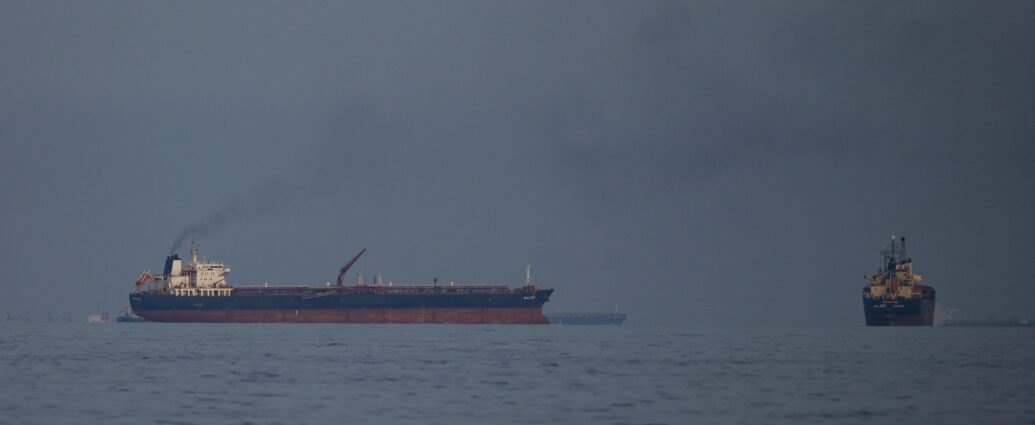
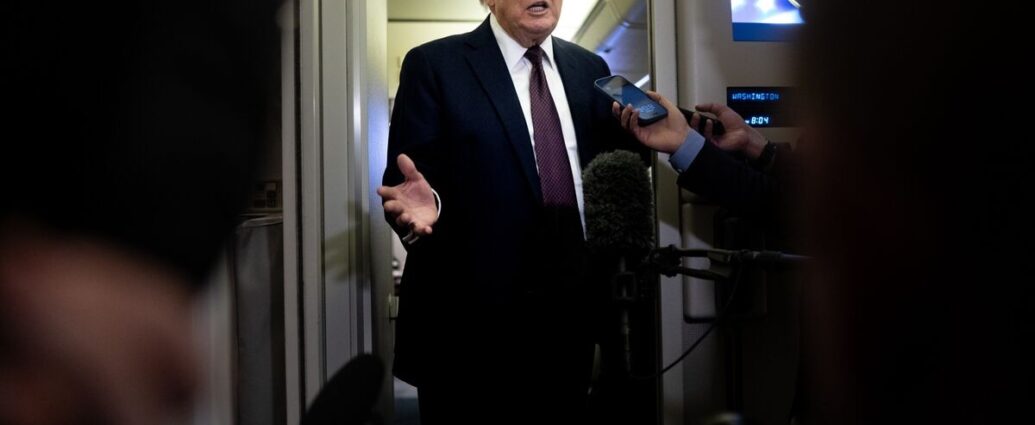
President Donald Trump said Sunday that he has demanded about seven countries send warships to keep the Strait of Hormuz open, but his appeals have brought no commitments as oil prices soar during the Iran war.
The president declined to name the countries heavily reliant on Middle East crude that the administration is negotiating with to join a coalition to police the waterway where about one-fifth of the world’s traded oil normally flows.
“I’m demanding that these countries come in and protect their own territory, because it is their own territory,” Trump said about the strait, claiming the shipping channel is not something the United States needs because of its own access to oil. Trump spoke while answering reporters’ questions as he flew back to Washington from Florida aboard Air Force One.
Trump said China gets about 90% of its oil from the strait, while the U.S. gets a minimal amount. He declined to discuss whether China will join the coalition.
“It would be nice to have other countries police that with us, and we’ll help. We’ll work with them,” Trump said. Previously, he has appealed to China, France, Japan, South Korea and Britain.
Iran’s Foreign Minister Abbas Araghchi earlier told CBS that Tehran has been “approached by a number of countries” seeking safe passage for their vessels, “and this is up to our military to decide.” He said a group of vessels from “different countries” had been allowed to pass, without providing details.
Iran has said the strait is open to all except the United States and its allies.
Araghchi added that “we don’t see any reason why we should talk with Americans” about finding a way to end the war, noting that Israel and the U.S. started the fighting with coordinated attacks on Feb. 28 during indirect U.S.-Iran talks on Iran’s nuclear program. He also said Tehran had “no plan to recover” the enriched uranium that is under rubble following U.S. and Israeli attacks last year.
U.S. Energy Secretary Chris Wright told NBC earlier Sunday that he has been “in dialogue” with some of the countries Trump had mentioned previously, and said he expected China “will be a constructive partner” in reopening the strait.
But countries made no promises.
Britain said Prime Minister Keir Starmer on Sunday discussed with Trump the importance of reopening the strait “to end the disruption to global shipping,” and spoke with Canada’s prime minister about it separately.
Aboard Air Force One, Trump specifically named Starmer, who he said initially declined to put British aircraft carriers “into harm’s way.”
“Whether we get support or not, but I can say this, and I said to them: We will remember,” Trump said.
A spokesperson for China’s embassy to the U.S., Liu Pengyu, said previously that “all parties have the responsibility to ensure stable and unimpeded energy supply” and that China would “strengthen communication with relevant parties” for de-escalation.
South Korea’s Foreign Ministry said it “takes note” of Trump’s call and that it “will closely coordinate and carefully review” the situation with the U.S.
Expectations are high that Trump will ask Japan directly when Prime Minister Sanae Takaichi meets him on Thursday at the White House.
France previously said it is working with countries — President Emmanuel Macron mentioned partners in Europe, India and Asia — on a possible international mission to escort ships through the strait but has stressed it must be when “the circumstances permit,” when fighting has subsided.
Foreign Minister Johann Wadephul of Germany, which was not mentioned in Trump’s call, told ARD television: “Will we soon be an active part of this conflict? No.”
Meanwhile, emergency oil stocks “will soon start flowing to global markets,” the International Energy Agency said Sunday, describing the collective action to lower prices “by far the largest ever.”
It updated last week’s announcement of 400 million barrels to nearly 412 million. Asian member countries plan to release stocks “immediately,” and reserves from Europe and the Americas will be released “from the end of March.”
Trump didn’t directly answer whether his administration is talking about selling oil futures as a way to cap surging oil prices.
“The prices are going to come tumbling down as soon as it’s over. And it’s going to be over pretty quickly,” he told reporters.
Gulf Arab states, including the United Arab Emirates, Saudi Arabia, Kuwait and Bahrain, reported new missile or drone attacks a day after Iran called for the evacuation of three major ports in the United Arab Emirates — the first time it has threatened a neighboring country’s non-U.S. assets.
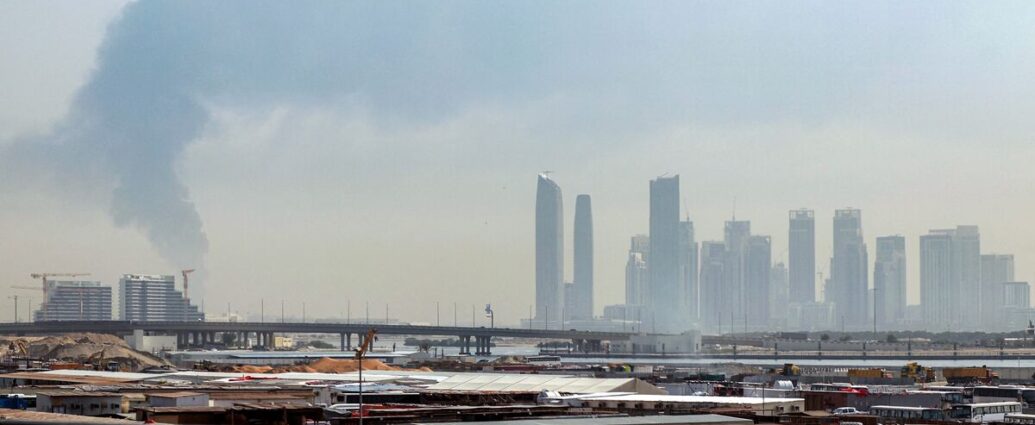
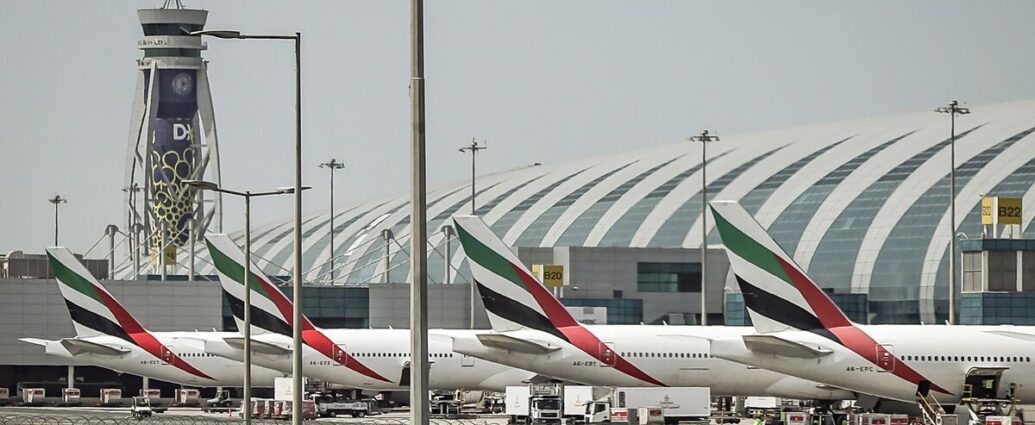
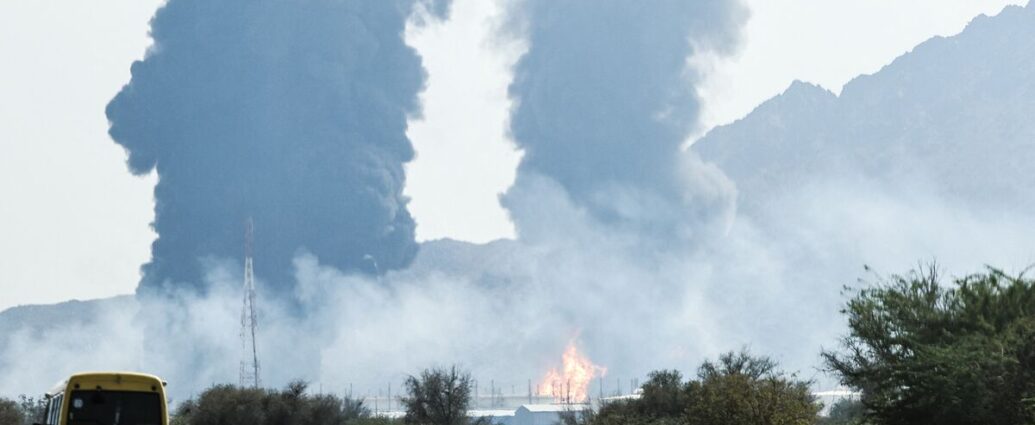
Dubai temporarily suspended flights at its international airport — the world’s busiest — after a drone hit a fuel tank and caused a fire. Civil defense crews contained the blaze and no injuries were reported, authorities said.
Tehran has claimed that Friday’s U.S. strikes on Kharg Island, home to Iran’s primary oil terminal, were launched from the UAE, without providing evidence. It has threatened to attack U.S.-linked “oil, economic and energy infrastructures” if its oil infrastructure is hit.
U.S. Central Command said it had no response to Iran’s claim, and Anwar Gargash, a diplomatic adviser to the UAE president, rejected it. Gulf countries that host U.S. bases have denied allowing their land or airspace to be used for military operations against Iran.
Iran has fired hundreds of missiles and drones at Arab Gulf neighbors during the war, causing significant damage and rattling economies even as most are intercepted. Tehran says it targets U.S. assets, even as Iranian strikes are reported at civilian sites such as airports and oil fields.
Iranian strikes have killed at least a dozen civilians in Gulf countries, most of them migrant workers.
In Iran, the Iranian Red Crescent said more than 1,300 people have been killed. Iran’s Health Ministry said 223 women and 202 children are among the dead, according to Mizan, the judiciary’s official news agency.
Iran’s government on Sunday showed journalists buildings damaged by strikes in Tehran on Friday. A police station was hit and surrounding buildings were damaged. Some apartments’ outer walls had been stripped away.
“God had mercy on all of us,” said Elham Movagghari, a resident. Other Iranians are leaving the country.
In Israel, 12 people have been killed by Iranian missile fire and more have been injured, including three on Sunday. At least 13 U.S. military members have been killed, six in a plane crash in Iraq last week.
At least 820 people have been killed in Lebanon, according to its Health Ministry, since Iran-backed Hezbollah hit Israel and Israel responded with strikes and sent additional troops into southern Lebanon. In just 10 days, more than 800,000 people — nearly one out of every seven residents of Lebanon — have been displaced.
Israel’s military said early Monday that Iran launched missiles toward Israel.
Earlier, several strikes hit central Israel and the Tel Aviv area, where they caused damage at 23 sites and sparked a small fire. Magen David Adom, Israel’s rescue service, released video showing a large crater in a street and shrapnel damage to an apartment building.
Israel’s military says Iran is firing cluster bombs that can evade some air defenses and scatter submunitions across multiple locations. ___
This version corrects to say Araghchi was speaking to CBS, not NBC as previously reported.
___
Metz reported from Ramallah, West Bank, Weissert from aboard Air Force One, Frankel from Jerusalem and Anna from Lowville, New York. Contributing were Associated Press journalists Darlene Superville, Fatima Hussein and Tia Goldenberg in Washington; Sally Abou AlJoud and Fadi Tawil in Beirut; John Leicester in Paris; and Christopher Weber in Los Angeles.
This story was originally featured on Fortune.com


Andrej Karpathy used AI to gauge which U.S. professions are most vulnerable to the technology amid growing fears that a jobs apocalypse may be headed for the economy.
Over the weekend, the OpenAI cofounder and former director of AI at Tesla posted a graphic showing how susceptible every occupation is to Al and automation, using Bureau of Labor Statistics data. Different jobs received scores on a scale of 0 to 10, with 10 being most exposed.
While the overall weighted exposure was 4.9, Karpathy’s data also showed that professions earning more than $100,000 a year had the worst average score (6.7), while the those earning less than $35,000 had the lowest exposure (3.4).
His chart quickly drew attention online, with many predicting doom for white-collar workers. But Karpathy soon removed the data.
“This was a saturday morning 2 hour vibe coded project inspired by a book I’m reading,” he explained on X on Sunday morning. “I thought the code/data might be helpful to others to explore the BLS dataset visually, or color it in different ways or with different prompts or add their own visualizations. It’s been wildly misinterpreted (which I should have anticipated even despite the readme docs) so I took it down.”
He didn’t respond to questions about how it’s been misinterpreted and what the correct interpretation should be.
Still, an archived version of the chart may not be much of a shocker as it echoes what others have been saying about how AI could shape the U.S. labor market.
For example, software developers, computer programmers, database administrators, data scientists, mathematicians, financial analysts, paralegals, writers, editors, graphic designers, and market researchers got scores of 9.
That’s as sophisticated AI tools are increasingly being used to crunch numbers and produce content, performing tasks in minutes that used to require knowledge workers hours, days, or even weeks to do.
While AI is seen as a productivity enhancer for experienced employees, evidence is mounting that companies have less need for entry-level workers. More companies are also announcing layoffs and citing AI, though skeptics see it as a scapegoat to correct pandemic-era overhiring.
Meanwhile, Karpathy’s chart showed that construction laborers, roofers, painters, janitors, ironworkers, and grounds maintenance workers got scores of just 1. Similarly, home healthcare aides, nursing assistants, massage therapists, dental hygienists, veterinary assistants, manicurists, barbers, and bartenders got scores of 2.
Earlier this month, AI startup Anthropic issued a report entitled “Labor market impacts of AI: A new measure and early evidence,” that found actual AI adoption is just a fraction of what AI tools are feasibly capable of performing.
Like Karpathy’s data, Anthropic’s paper said AI can theoretically cover most tasks in business and finance, management, computer science, math, legal, and office administration roles. While AI adoption is still lagging, Anthropic said the workers most at risk are older, highly educated and well paid.
And earlier this year, a viral essay by Citrini Research painted a catastrophic picture of an economy destroyed by AI, sparking a stock market selloff.
But Citadel Securities swiftly debunked the doomsday scenario in a blistering report, pointing out that Indeed job posting data shows demand for software engineers is actually up 11% year over year so far in 2026.
Citadel also noted that the daily use of generative AI for work remains “unexpectedly stable” and currently “presents little evidence of any imminent displacement risk.” Instead of a collapsing economy, new business formation in the U.S. is rapidly expanding, and the construction of massive AI data centers is currently driving a localized boom in construction hiring.
Furthermore, if automation expanded at the breakneck pace Citrini fears, demand for compute would inherently rise, pushing up its marginal cost.
“If the marginal cost of compute rises above the marginal cost of human labor for certain tasks, substitution will not occur, creating a natural economic boundary,” Citadel said.
This story was originally featured on Fortune.com

In 2024, Sydney tech entrepreneur Paul Conyngham found out his dog Rosie had cancer. But after attacking the diagnosis with chemotherapy and surgery, the tumors persisted and Rosie got sicker.
So he turned to AI and eventually developed a custom a mRNA cancer vaccine with the help of Australian scientists. Most of Rosie’s tumors have shrunk, and the dog is back chasing rabbits.
OpenAI’s ChatGPT suggested immunotherapy and directed Conyngham to the University of New South Wales Ramaciotti Center for Genomics, according to a report in the Australian.
While Conyngham doesn’t have a background in medicine, he is an electrical and computing engineer who cofounded Core Intelligence Technologies. He was also a director for the Data Science and AI Association of Australia.
After reaching out to university, he convinced researchers there to help him and paid UNSW for Rosie’s genomic sequencing. Then he started digging into the DNA.
“I went to ChatGPT and came up with a plan on how to do this,” Conyngham told the Australian.
He also used AlphaFold, an AI tool from Google’s DeepMind, to find mutated proteins that could be potential targets for treatment. While an immunotherapy treatment that looked like a good fit for Rosie was identified, the drugmaker wouldn’t provide it.
Then nanomedicine medicine pioneer Pall Thordarson, director of UNSW’s RNA Institute, stepped in and used Conyngham’s data to develop a bespoke mRNA vaccine in less than two months.
“This is the first time a personalized cancer vaccine has been designed for a dog,” he told the Australian. “This is still at the frontier of where cancer immunotherapeutics are—and ultimately, we’re going to use this for helping humans. What Rosie is teaching us is that personalized medicine can be very effective, and done in a time-sensitive manner, with mRNA technology.”
Rosie got her first injection of the cancer treatment this past December, then received a booster in February. Most of her tumors have already shrunk dramatically. And while they haven’t disappeared, Rosie’s health has improved.
In a thread on X Saturday, Thordarson said Rosie’s story demonstrates that technology can “democratize” the process of designing cancer vaccines.
He cautioned that Rosie may not be cured as some tumors haven’t responded to the vaccine, though it bought her more time. Still, Conyngham will take it.
“In December she had low energy because the tumors were creating a huge burden for her,” he told the Australian. “Six weeks post-treatment, I was at the dog park when she spotted a rabbit and jumped the fence to chase it. I’m under no illusion that this is a cure, but I do believe this treatment has bought Rosie significantly more time and quality of life.”
Rosie’s journey has stunned some people in the tech world while also pointing to AI’s potential to produce breakthroughs in medicine, perhaps turning diagnoses once considered death sentences into routine ailments.
Matt Shumer, cofounder and CEO of OthersideAI, took to X over the weekend to flag a story about Conyngham and his dog.
“This is what I mean when I say the world is going to get very weird, very soon,” he wrote. “Expect more stories like this, each sounding increasingly more insane.”
This story was originally featured on Fortune.com

Dolly Parton returned to Dollywood on Friday to kick off the park’s 41st season, reassuring fans about her health while celebrating a major milestone year for both the park and the country.
Parton said she has recently stepped back from touring to focus on her health and personal life, but emphasized she remains energized about the future.
“I have not been touring, as you know,” Parton said. “I’ve had a few little health issues, and we’re taking good care of them… I just kind of got worn down and worn out, grieving over Carl and a lot of other little things going on. I just got myself kind of where I needed to build myself back up spiritually, emotionally and physically. But all is good. It didn’t slow me down.”
DOLLY PARTON $650M EMPIRE: FROM HUMBLE ROOTS TO QUEEN OF COUNTRY MUSIC, MOVIES AND NOW MAKEUP
Parton also addressed rumors about her personal life, saying she does not plan to remarry following the death of her husband, Carl Dean.
“Well, I know there’s a lot of rumors going around, but I did not marry Sylvester Stallone,” she joked. “And I am not dating anybody. I’m not married. I don’t think I’ll ever be married but once. I think Carl Dean’s waiting for me on the other side.”
The beloved country music icon appeared at the park as Dollywood launches its new season with celebrations tied to America’s upcoming 250th anniversary, including patriotic décor, new entertainment and demonstrations of traditional Appalachian craftsmanship.
DOLLY PARTON SHARES THE ONE PART OF HER BUSINESS EMPIRE THAT SHE’S ‘REALLY, REALLY PROUD OF’
Park officials say the heritage of the Smoky Mountains remains central to the experience.
“Here we are in the middle of God’s country,” Eugene Naughton, president of The Dollywood Company, told FOX Business. “The love of the Smoky Mountains is one of the things that locks people into wanting to come here, and we’re fortunate to have the No. 1 visited national park just 6 miles away.”
Dollywood is also unveiling a major new attraction this season, the $50 million indoor adventure coaster NightFlight Expedition, inspired by the bioluminescent synchronous fireflies that light up the Smoky Mountains each summer.
The park, ranked Tripadvisor’s No. 1 theme park in the U.S., continues to expand its footprint as tourism in the East Tennessee region grows. The company has already developed two resorts and plans additional lodging.
“We’ve master-planned a total of five resorts on the property,” Naughton said. “We own 1,142 acres, and there are about 46 million people who live within a nine-hour drive of our property who are theme park users. I’m really excited to tell more people in the world about the cool things that are going on here.”
DOLLY PARTON’S HOME ON WHEELS TURNED INTO $10,000 HOTEL SUITE
Beyond the Smoky Mountains, Parton is also expanding her hospitality presence in Tennessee.
“Of course, we’ve got the new hotel, Songteller, that’s going to open sometime in late summer, early fall in Nashville,” she said.
Dollywood’s growth comes as the broader theme park industry faces economic pressure. Data from Consumer Edge shows spending at U.S. theme parks fell about 5% last summer compared with 2024, as rising costs led some lower- and middle-income families to cut back on travel and entertainment.
Park leaders say Dollywood’s focus on family experiences and regional culture helps it stand out.
“It’s very family-oriented,” said Julie Collins, a locomotive engineer and foreman at Dollywood. “We love to have families come up and ride the train. Some kids have never seen a real steam locomotive before, so it’s their first time. That’s what they come here for. It’s kind of a little kid’s dream.”
For Parton, the park’s success ultimately comes down to something simpler than rides or investments.
“I pray a lot, and God’s been really good to me,” she said. “But, I think so much of it has to do with great management and how we treat people… They feel loved and appreciated, and we want them to always feel that way.”
Dollywood officially opened to the public on Friday with the I Will Always Love You Festival, launching what the park hopes will be a strong season in the Smoky Mountains.
GET FOX BUSINESS ON THE GO BY CLICKING HERE
Parton said fans should expect even more projects ahead.
“I’ve just been doing a lot of writing, a lot of thinking, a lot of praying and a lot of getting ready for a lot of new stuff coming up,” she said. “Be ready for me. I ain’t done. I ain’t near done.”
Afghan government reports zero casualties and accuses neighbouring country of wanting to ‘fuel the fire of war’
Pakistan has targeted militant hideouts in Afghanistan’s Kandahar province overnight, as the fighting that erupted between the two neighbours late last month showed no signs of abating.
The cross-border attacks, which have included Pakistani airstrikes in Kabul, are the deadliest yet between the countries. Islamabad has referred to the conflict as an “open war”, adding to concerns about regional stability as the US-Israeli conflict with Iran engulfs the Middle East and beyond.
This post was originally published here
Anthony Scaramucci, founder of global investment firm SkyBridge Capital, explained how he manages his time across family, business and personal hobbies using the “rock-and-sand” metaphor.
In the monthly Q&A episode on March 10, Scaramucci was asked about his approach to work‑life balance and how he organizes his calendar to support it.
Scaramucci likened time to a jar, which needs to be filled with rocks and sand. Rocks, he said, represent the most important things in life, including family, children, and coworkers, which should go in the jar first.
Then the sand goes in. That could be things like exercise. That could be things like reading books, going on vacation, whatever it might be,” …
This post was originally published here
Democrat says Congress ‘doing nothing’ may embolden president to attack countries such as Cuba and North Korea
Democratic US senator Cory Booker has criticized both his own political party as well as its Republican counterpart for being “feckless” in ceding congressional war powers to Donald Trump, saying that their decision could embolden the president to unilaterally attack Cuba, North Korea and other countries.
“I’m going to be one of those Democrats [who] say I think both parties have been feckless in allowing the growth of the power of the presidency,” Booker said on Sunday on CNN’s State of the Union.
This post was originally published here

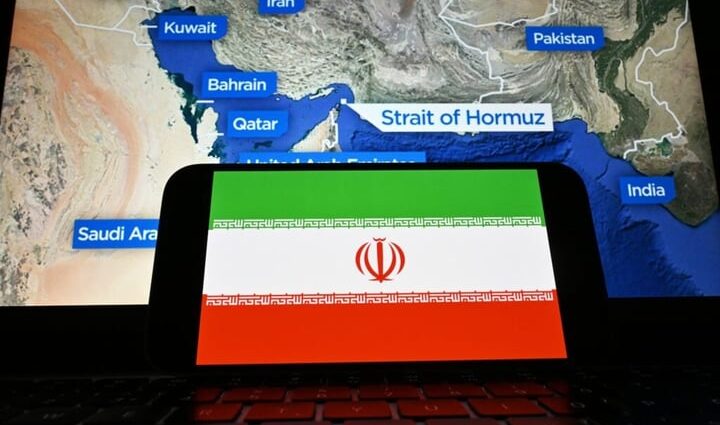
Amid escalating tensions in the global oil market due to the ongoing Iran war, recent estimates from JPMorgan show that the strategic oil reserve release will only make a small dent in the crude oil supply shock.
The ongoing oil crisis cannot be alleviated by strategic reserves alone, according to JPMorgan estimates shared by The Kobeissi Letter.
A coordinated release from the G7’s Strategic Petroleum Reserve (SPR) would yield approximately 1.2 million barrels of oil daily. Historically, emergency releases have reached up to 1.4 million barrels per day.
This post was originally published here
These ten large-cap stocks were the worst performers last week. These stocks took a beating, with sharp selloffs in names from healthcare and beauty to media and aviation rattling investors across the board.
Are they a part of your portfolio?
Fair Isaac Corporation (NYSE:FICO) decreased 21.59% this week after the company announced a proposed offering of $1.0 billion in senior notes.
Centene Corporation (NYSE:CNC) fell 20.85% this week. The health insurer reaffirmed its 2026 earnings guidance above $1.98 per share and adjusted earnings of above $3 per share. Mizuho maintains Neutral rating on Centene, lowering the price forecast to $41.
This post was originally published here
Energy Secretary Chris Wright signaled the war with Iran may last several more weeks with oil and gasoline prices elevated as the US and Israel seek to destroy Iranian military capabilities.
In network television interviews Sunday, Wright defended the Trump administration’s argument that Americans are facing short-term pain at the pump in a midterm election year for the larger goal of eliminating Iran as a threat to the Middle East.
“I think that this conflict will certainly come to the end in the next few weeks — could be sooner that that — and we’ll see a rebound in supplies and a pushing down of prices after that,” Wright said Sunday on ABC’s This Week.
Oil closed at more than $103 per barrel on Friday as Iran retains a chokehold on the Strait of Hormuz, normally a conduit for a fifth of the world’s oil and a similar portion of liquefied natural gas.
President Donald Trump on Saturday called on other countries to send warships to keep the strait open, saying he hopes China, France, Japan, South Korea and the UK would take part. A senior official in Japan’s governing party said sending Japanese navy vessels to the Middle East to escort tankers would face “high hurdles.”
Wright said he has been in talks with the countries Trump mentioned, though he didn’t elaborate. “Clearly we will have this support of other nations to achieve that objective,” he said on NBC’s Meet the Press.
Wright said the Trump administration was aware that going to war against Iran would cause “short-term disruption” and “a little bit of increased prices on Americans.”
“So this is short-term pain to get through to a much better place,” he told ABC. “But first and foremost right now is to finish to destroy Iran’s ability to project military force in the region and around the world.”
This story was originally featured on Fortune.com
Representatives from Beijing and Washington began their economic and trade talks in Paris on Sunday, paving the way for U.S. President Donald Trump’s state visit to Beijing to meet Chinese leader Xi Jinping in about two weeks.
The delegations, led by U.S. Treasury Secretary Scott Bessent and Chinese Vice Premier He Lifeng, convened in the French capital in the morning, China’s official news agency Xinhua reported. The White House has said that Trump will travel to China from March 31 to April 2, though Beijing has not officially confirmed it.
Bessent said on Thursday that his team will continue to deliver results that put America’s farmers, workers and businesses first. The U.S. Treasury Department said Bessent will meet He on Sunday and Monday.
China’s commerce ministry said Friday the two sides are set to discuss “trade and economic issues of mutual concern.”
Trump’s visit to China will be the first for a U.S. president since he went in his first term in 2017. It will come five months after the two leaders met in the South Korean city of Busan and agreed to a one-year truce in a trade war that temporarily saw tit-for-tat tariffs soar to triple digits before the two sides climbed down.
Still, trade remains a source of tensions. The commerce ministry on Friday hit back against the Trump administration’s new trade investigation into 16 trading partners, including China. The investigation — which came after a Supreme Court ruling struck down Trump’s sweeping global tariffs that were imposed last year — could pave the way for new tariffs.
Another issue that could be discussed is the Iran war, especially when global anxiety is soaring over oil prices and supplies. Trump said Saturdaythat he hopes China, France, Japan, South Korea, the United Kingdom and others will send warships to keep the Strait of Hormuz “open and safe.”
Before Sunday’s talks, Gary Ng, a senior economist at French bank Natixis and a research fellow at the Central European Institute of Asian Studies, said the Paris meeting is likely the most important bilateral one before the Xi-Trump summit.
The key issue is “whether China and the U.S. can agree on what is agreed and manage disagreement. Iran is a new factor, but Beijing is more concerned about the flip-flopping of U.S. policies,” he said.
Last week, Chinese Foreign Minister Wang Yi said it would be a “big year” for China-U.S. relations. While he did not confirm the state visit, Wang said that “the agenda of high-level exchange is already on the table.”
Bessent and He have led trade negotiations between the countries since last year, having met in Geneva, London, Stockholm, Madrid and Kuala Lumpur, Malaysia.
This story was originally featured on Fortune.com