Artiva Biotherapeutics is ending development of its experimental autoimmune cell therapy AlloNK and cutting approximately 94% of its workforce after a review that included two patient deaths and disappointing evidence about how long clinical responses lasted, the company announced Tuesday.
The San Diego biotechnology company said no additional patients will receive doses in ongoing AlloNK studies and a planned pivotal Phase 3 trial will not begin. Artiva has hired Leerink Partners to help evaluate options including a merger, an asset sale or licensing agreement, or dissolution and liquidation.
The announcement ends the development program, but it does not mean the company has already completed a sale or dissolved. Artiva said there is no assurance its strategic review will produce a transaction or any particular outcome.
Two deaths, with different assessments
Artiva described two fatal events in its Phase 2a trial. In the first, a participant developed leukoencephalopathy, a neurological condition, after treatment that included the chemotherapy drugs cyclophosphamide and fludarabine before the cell therapy. The company said the investigator and an independent safety review assessed the death as likely related to fludarabine-associated toxicity.
After Artiva notified the Food and Drug Administration, the agency asked it to pause enrollment and dosing in the Phase 2a study, according to the company. Artiva also paused enrollment and dosing for its planned Phase 3 trial.
A second participant died suddenly about two months after starting treatment. Artiva said the investigator assessed that event as unrelated to AlloNK or any other part of the treatment regimen. The cause of death has not been determined.
These are the company’s descriptions of the events and the investigators’ assessments. They do not establish that AlloNK caused either death. Artiva said it reported both events to the FDA, investigators and the trial’s safety-monitoring board.
The decision also turned on lasting benefit
AlloNK, also known as AB-101, is a donor-derived natural killer cell therapy that was being studied with rituximab for rheumatoid arthritis and other autoimmune diseases driven by B cells. Artiva said the treatment continued to show deep depletion of B cells and clinical activity consistent with earlier findings.
But longer-term follow-up did not show the durability of response the company believed necessary to justify continuing development. In other words, seeing a treatment response was not enough: the company also needed evidence that the benefit would last.
Artiva said its decision reflected the overall balance of risks and benefits, likely delays in enrolling patients and the program’s development and commercial prospects. The two deaths were part of that assessment, rather than the only reason the company gave for stopping the program.
Participants already treated will still require follow-up. The company said it will work with the FDA, investigators and institutional review boards on closing out the studies, including continued safety monitoring and required reporting. It also intends to publish more details about the first neurological event because fludarabine-containing preparation regimens are used elsewhere in cell therapy development.
Preserving cash while the company weighs its future
Artiva reported approximately $319.1 million in cash, cash equivalents and investments as of September 30. That figure is preliminary and unaudited, and may change when the company reports its complete quarterly results.
The workforce reduction is intended to preserve capital while the board considers strategic alternatives. Artiva also canceled a November 9 investor webcast and said it would no longer present previously announced clinical data at ACR Convergence 2026. It said it does not plan further updates on the review unless a course of action is approved, the process ends or disclosure becomes appropriate or legally required.
JBizNews Desk | San Diego
© JBizNews.com. All rights reserved. Unauthorized reproduction or redistribution is strictly prohibited.
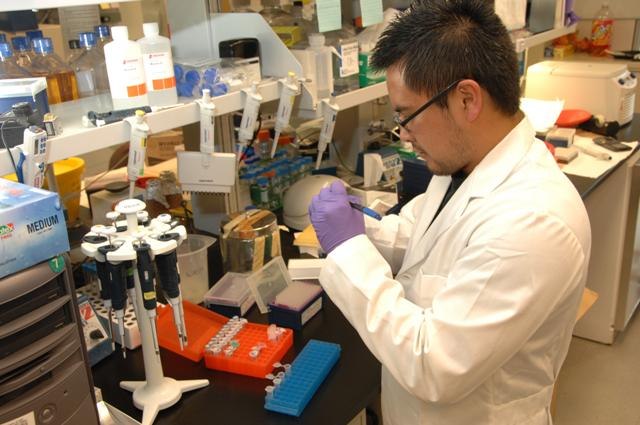
Source: Artiva Biotherapeutics’ October 27 announcement. Photo: National Institutes of Health laboratory file photo via Wikimedia Commons, public domain; recompressed. It is not a photograph of Artiva’s trial or participants.