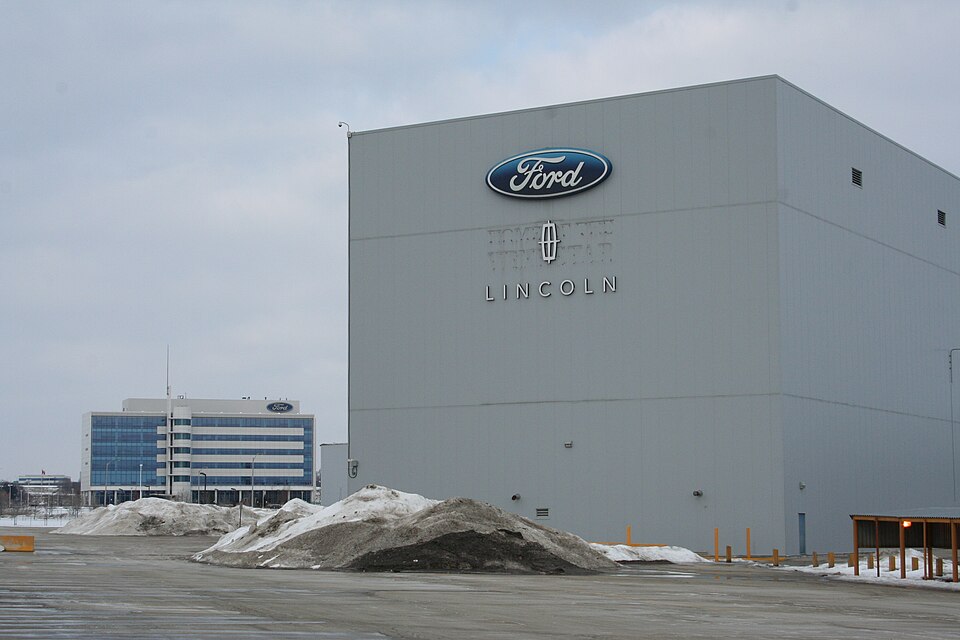
Photo: Wikimedia Commons (archive photo)
Canada’s manufacturing sector slipped into contraction in October for the first time this year, as weaker orders and production collided with the strongest price pressures in more than four years.
The S&P Global Canada Manufacturing Purchasing Managers’ Index released Monday fell to 49.6 from September’s 51.5, its lowest reading since December 2025. A reading below 50 signals that operating conditions deteriorated compared with the previous month; it does not mean factory output fell 0.4%.
The headline decline was modest, but the details showed pressure on both demand and costs. New orders fell at the fastest pace in more than a year. Manufacturers told the survey that tariffs and uncertainty were discouraging customers, with trade with the United States a particular concern. Export orders declined for a fifth straight month, at the steepest rate since January.
Fewer orders, but higher bills
Production fell for the first time since March. Some manufacturers said material shortages and delivery delays prevented them from making as much as planned, meaning the weakness was not solely a response to customers ordering less.
Supplier delivery times deteriorated at the sharpest pace since August 2022. Companies linked the delays to tariffs, global conflicts and disrupted supply chains. With inputs harder to obtain, manufacturers used existing inventories where they could, and stocks of purchased materials fell for a second month.
At the same time, the prices manufacturers paid for inputs rose at the fastest rate since June 2022. Survey participants frequently cited steel, along with fuel and freight costs. Some also pointed to demand connected with artificial intelligence as a source of higher product prices. The survey records companies’ reported experiences; it does not independently assign a numerical share of inflation to each cause.
Manufacturers passed some of those costs on to customers. Their own selling prices increased at the strongest pace in more than four years, even as new business weakened. For business buyers, that means softer demand did not immediately translate into cheaper manufactured goods.
Hiring weakens as backlogs shrink
With fewer orders arriving, factories worked through outstanding business. Backlogs fell solidly for a second month, and companies reported little pressure on available capacity. Employment declined for the first time since March, with some firms choosing not to replace people who left.
S&P Global economist Paul Smith described the month as a marginal deterioration in overall operating conditions after uninterrupted growth earlier in 2026. Manufacturers’ confidence remained below its historical trend, reflecting concerns about tariffs and geopolitical risks, although some still expected output and orders to recover.
The survey collected responses from October 9 through October 26 from a panel of around 400 manufacturers. It is an early indicator of conditions in factories, not an official estimate of Canada’s total economic growth. The combination of falling orders, slower deliveries and rising prices identifies the immediate challenge: businesses are facing weaker sales opportunities without comparable relief in their costs.
JBizNews Desk | Toronto
© JBizNews.com. All rights reserved. Unauthorized reproduction or redistribution is strictly prohibited.