This is the online version of Adam’s Biotech Scorecard, a subscriber-only newsletter. STAT+ subscribers can sign up here to get it delivered to their inbox.

In the nick of time

Biotech’s most-watched stock index, the XBI, was heading for a first-quarter loss until Tuesday, when Eli Lilly said it was buying Centessa Pharma, and Biogen announced a takeover of Apellis Pharma. Investors love M&A. Those deals plus an easing of Iran war concerns contributed to a huge 7% surge in the XBI on the last day of the quarter.

How are you feeling about biotech as we enter the second quarter? Are you worried about China? AI? Gas prices? The year-over-year pace of M&A activity is up, but FDA drug approvals are down.
Continue to STAT+ to read the full story…

This post was originally published here

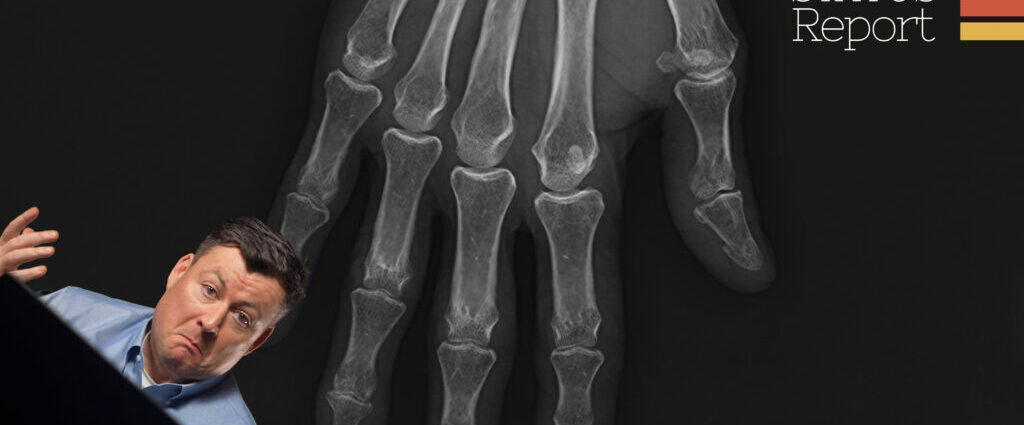
A recent study in the journal Radiology tested whether 17 radiologists could identify when an X-ray was created using artificial intelligence. The results were interesting — the medical professionals correctly differentiated the real from deepfake images about three-quarters of the time. STAT reporter Katie Palmer, who reported on the study last week (and is not a trained radiologist,) took the quiz and also scored about 75%. 

In this week’s STATus Report, host Alex Hogan spoke with Palmer about the study and what implications AI could have for patient safety. Hogan also took the quiz himself and sees if he can beat the radiologists’ (and apparent X-ray reading prodigy Palmer’s) score.

This post was originally published here

NEW ORLEANS — The opening session of the American College of Cardiology’s annual gathering — one of medicine’s largest conferences, with more than 16,000 attendees —  can feel a bit theatrical. In typical fashion, this year’s conference kicked off last Saturday with a local brass band marching and playing its way through the crowd. Beads were thrown. The mood was festive. And based on the pre-conference buzz, the field seemed to be celebrating a long-forgotten section of cardiology: prevention.


Prevention is normally relegated to the periphery of national conferences. Lacking the adrenaline of interventional cardiology or the industry attention of electrophysiology, its meetings would take place in half-empty conference rooms, away from the main action. There would be no free lunch or swag.

But the attention economy of cardiology is rapidly changing. At this year’s ACC, prevention trials occupied primetime slots. At a talk covering the new cholesterol guidelines, a crowd stood behind a sea of occupied chairs. Ushers, minding fire department regulations, turned attendees away. Large industry booths advertised, among others, PCSK9 inhibitors, renal denervation therapies, and increasingly sophisticated cardiac CT scans pitched as the future of prevention. The field was having its Expo Hall moment.

Continue to STAT+ to read the full story…

This post was originally published here

My patient Claire and I were at odds. She was 44 years old and came to my clinic for a second opinion. The diagnosis was stage 3 rectal cancer. It started with blood in her stool and quickly turned to weight loss and abdominal pain. I agreed with her previous doctors’ recommendations of surgery, radiation, and chemotherapy. She asked about mistletoe, blue scorpion venom, and infrared lamp therapy.

We spoke for 30 intense minutes, but by the end of the visit, she remained unconvinced. It was all I could do not to chase her to the parking lot. Claire, whose identifying details I’ve altered slightly to protect her confidentiality, was going to die young from a disease that was curable.

Read the rest…

This post was originally published here

WASHINGTON — The Trump administration has prepared an order that would impose a 100% tariff on imports of patented medications and their active ingredients, according to a draft obtained by STAT.

The tariffs could be announced as soon as Thursday, according to a person familiar with the matter. Bloomberg, which first reported on some of the order’s details, also said the announcement could come Thursday. It’s possible that the timeline or details of the plans could change.

The White House did not immediately respond to a request for comment.

Continue to STAT+ to read the full story…

This post was originally published here

WASHINGTON — Food and Drug Administration Commissioner Marty Makary recounted his agency’s achievements and acknowledged a “challenging start” to his tenure in a speech to staff on Wednesday afternoon. 

Wednesday marked one year since the Trump administration laid off 10,000 people at the Health and Human Services Department, including 3,500 FDA employees. That day, April 1, was also Makary’s first as commissioner. It was a distressing start for staff, who weeks later listened to health secretary Robert F. Kennedy Jr. call them sock puppets of the pharmaceutical industry. 

“We had some difficulty here due to some actions just before I came into office,” Makary said, according to a recording obtained by STAT. “That’s why ensuring a good workplace culture has been something very important to me.”

Continue to STAT+ to read the full story…

This post was originally published here

The Food and Drug Administration has often failed to share information on how it determines whether its advisory committee members have financial conflicts of interest and whether those individuals should participate in committee meetings, according to a review by the Government Accountability Office.

A key issue is that the agency never finalized guidance 13 years after a law required it to do so, the watchdog found. Meanwhile, the FDA has never posted on its website how it makes these decisions and does not publicly share how it decides whether guest speakers have financial conflicts or situations where there appears to be a conflict.

As a result, the GAO recommended the FDA establish a timeframe for issuing and publicly sharing required financial conflicts-of-interest guidance. The watchdog also suggested the FDA should disclose how it decides conflicts for committee members in the interim and publicly disclose how it determines conflicts and appearance issues for guest speakers.

Continue to STAT+ to read the full story…

This post was originally published here

Ambient scribes were supposed to ease the burden on stressed-out doctors by automating clinical documentation from patient visits. A new study highlights the need to help clinicians make the best use of the tools.

The large new study of AI scribe use by 1,800 clinicians across five academic medical centers from 2023 to 2025 found those using the technology saved 16 minutes of documentation time and spent 13 fewer minutes in the medical record for every eight hours of patient care. The study did not find significant impacts on time spent in the electronic health record outside of work. Primary care and female clinicians benefitted more than others. Scribe adopters were able to see one additional patient every two weeks.

The findings offer the most definitive real-world data confirming earlier smaller studies. A STAT review of published work last year found scribes saved clinicians under a minute per clinical note. Surprisingly, despite the modest time savings, other studies have found that scribes drive large improvements in burnout and other measures of clinician well-being. 

Continue to STAT+ to read the full story…

This post was originally published here

Hospitals in 16 states have sued the department, arguing a 2023 final rule underpays hospitals that treat a disproportionate number of low-income patients.

This post was originally published here

Eli Lilly’s obesity pill was approved by the Food and Drug Administration on Wednesday, setting it up for fierce competition against Novo Nordisk’s new Wegovy pill as more people seek alternatives to GLP-1 injections.

Lilly’s drug, which is called orforglipron and will be marketed as Foundayo, was approved under the FDA’s new commissioner’s voucher program, which grants speedy reviews to drugs that are aligned with national health priorities. 

Read the rest…

This post was originally published here

Want to stay on top of the science and politics driving biotech today? Sign up to get our biotech newsletter in your inbox.

Good morning. We’re officially in the second quarter. As always, we’ve got you covered with all the biggest events to watch this quarter if you read to the end.

Novo’s subscription model raises questions about pharma-telehealth tie-ups

Novo Nordisk said yesterday that it will start selling its obesity drugs at a lower cash price to patients if they enroll in a subscription plan through certain telehealth providers.

Continue to STAT+ to read the full story…

This post was originally published here

You’re reading the web edition of STAT’s AI Prognosis newsletter, our subscriber-exclusive guide to artificial intelligence in health care and medicine. Sign up to get it delivered in your inbox every Wednesday. 

They remind you to not talk during the movie, but when I saw “Project Hail Mary” last week, I was so alarmed that Ryan Gosling placed two Eppendorf tubes next to each other that I said, aghast, “He didn’t balance the centrifuge — that would have wrecked it…” while my non-scientist friends cracked up.

That one scientific flub aside, it’s still one of the best book-to-film adaptations I’ve seen, maybe ever.

Continue to STAT+ to read the full story…

This post was originally published here

Hello, everyone, and welcome to the middle of the week. Congratulations on making it this far. It is an accomplishment, after all. The next step is to … keep going. And why not? Just consider the alternatives. On that optimistic note, please join us for a needed cup of stimulation. Our choice today is maple bourbon. Meanwhile, here are some items of interest to get you going. Have a wonderful day, and do drop us a line when you hear something juicy. …

The U.S. Food and Drug Administration is moving toward allowing compounding pharmacies to produce more than a dozen injectable peptides that were banned because of potentially significant safety risks, The New York Times reports. In 2023, 14 peptides were removed from a list of products that the agency allows compounding pharmacies to produce. The peptides had not been approved by the FDA as safe or effective and, in recent years, the agency had noted that they were increasingly being marketed with unproved claims that they had cosmetic, anti-aging, and disease-fighting benefits. U.S. Health and Human Services Secretary Robert F. Kennedy Jr. has said in recent podcast appearances that he is pushing for the FDA to reverse the prohibition on the peptides, which include some that act as growth-hormone stimulators. On Joe Rogan’s podcast last month, Kennedy said he has personally used the products to heal injuries “with really good effect.”

The scientists behind treating Baby KJ say they have hit a stumbling block in their efforts to create more custom gene editing treatments for children with rare diseases, STAT explains. They maintain that FDA reviewers are imposing high manufacturing and quality control standards that could make it too expensive and complicated for them — or any academics — to bring such bespoke therapies to approval. Instead, they warned, such efforts could require the resources of industry. The researchers received the feedback in a meeting with FDA reviewers to discuss a potential study of custom treatments using prime editors, a more complex and cumbersome gene editing technology that can treat a much wider range of genetic misspellings.

Continue to STAT+ to read the full story…

This post was originally published here

The agency is embarking on major initiatives — including helping states implement Medicaid work requirements — with fewer workers in the wake of the federal government’s restructuring, experts say.

This post was originally published here

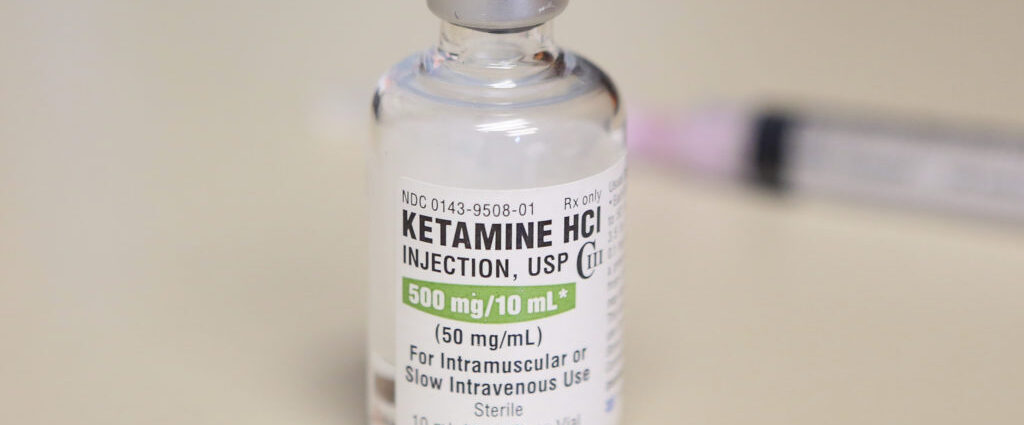
Ketamine treatment clinics have proliferated following the Food and Drug Administration’s approval of the drug as a remedy for acute depression in 2019, leading to a Wild West of infusion clinics that have expanded treatment access for many Americans without much regulation. 

Providers are split on whether ketamine should be used strictly as a pharmacological intervention, or whether psychotherapy or other types of monitoring should be incorporated alongside the drug’s administration. Studies have shown that giving ketamine without psychological support can reduce depressive symptoms and suicidality within hours.

But some researchers suspect this pharmacological-only viewpoint could leave benefits on the table. A group of scientists announced on Tuesday a clinical trial at Massachusetts General Hospital that they hope will answer what, exactly, ketamine and its resulting trip provides.

Continue to STAT+ to read the full story…

This post was originally published here

It is perhaps not surprising that the director of the National Institutes of Health would invoke the name of a man revered by scientists as the architect of a policy widely credited with driving the United States’ global supremacy in biomedical research. But Jay Bhattacharya’s claim over the weekend that the Trump administration is pursuing a vision articulated eight decades ago by that scientific leader, Vannevar Bush, has provoked pushback — even outrage — in scientific circles.

Standing before one of the country’s largest annual gatherings  of conservative political activists, Bhattacharya attempted to make the case that the administration’s science policies — particularly its efforts to diminish the research dominance of elite universities and spread federal funding more broadly across the country — are rooted in the ideas Bush proposed at the end of World War II. 

“I want to tell you a great story about how we can make America healthy again. I’m going to begin with a perspective from 1944 that still challenges us today,” he began his speech at the Conservative Political Action Conference on Saturday in Dallas, Texas. “There was a man named Vannevar Bush. He wrote a book called ‘The Endless Frontier’ that warned that the scientific progress in the United States was becoming unevenly distributed. Too much research capacity, he argued, was concentrated in a small number of institutions.”

Continue to STAT+ to read the full story…

This post was originally published here

Here is STAT’s biotech scorecard, our regular ledger of stock-moving biotech events, for the second quarter:

Abivax: Maintenance outcomes from the Phase 3 ABTECT study of obefazimod in ulcerative colitis.

Allogene Therapeutics: Interim analysis of the ALPHA3 study of cema-cel as a frontline consolidation treatment for B-cell lymphoma. A preview can be read here.

Continue to STAT+ to read the full story…

This post was originally published here

Few things will give a man as much of an insight into the female body as growing up with sisters. Painful, irregular periods, body hair, skin trouble: Al Barrus, a 43-year-old veteran and communications specialist from New Mexico, heard all about it growing up, the only male of three siblings. He’s also known for a while that one of his sisters had been diagnosed with polycystic ovary syndrome, an endocrinological disorder and leading cause of infertility associated with a range of issues including high androgen levels, insulin resistance, and enlarged ovaries. His other sister, too, had some PCOS symptoms. 

Recently, he’s begun to wonder: Could he have it, too? 

Read the rest…

This post was originally published here

The Centers for Medicare and Medicaid Services has decided to include ostomy supplies in its competitive bidding program (CBP), limiting supplier choice in the name of cost savings. Finalized last November, the policy is already moving toward implementation with key decisions on pricing and the number of contracts to award for each product category expected as soon as this spring.

The goal is understandable. The reasoning is not.

Read the rest…

This post was originally published here

You’re reading the web edition of D.C. Diagnosis, STAT’s twice-weekly newsletter about the politics and policy of health and medicine. Sign up here to receive it in your inbox on Tuesdays and Thursdays.

You got your MAGA, then you got your MAHA. Read on to learn about GAHA. And send news tips to John.Wilkerson@statnews.com or John_Wilkerson.07 on Signal.

MAHA’s bad week, continued

On Sunday, President Trump told reporters it’s “possible” that the stalled nomination of Casey Means for surgeon general could be pulled as key Republican senators remain tight-lipped about their support for her.

Continue to STAT+ to read the full story…

This post was originally published here

The Trump administration is changing the name of the federal health IT office back to the Office of the National Coordinator for Health Information Technology (ONC). The Tuesday announcement also reverts the organization of the office to focus on external IT coordination, instead of also overseeing Health and Human Services’ internal use of technology.

In 2024, the Biden administration had appended Assistant Secretary for Technology Policy (ASTP) to the office’s title, as well as moved HHS’s chief technology officer, chief data officer, and chief AI officer roles to ONC’s purview. The new announcement reverses that change, putting those offices and some cybersecurity functions back under the office of the chief information officer.

The changes streamline ONC’s purview and focuses it on the administration’s priorities of getting patients their health data and decrease the friction in sharing health records. 

Continue to STAT+ to read the full story…

This post was originally published here

The insurer has been overhauling its executive bench as it attempts to bolster flagging profits in health benefits and capitalize on growth in Carelon, including through six new appointments on Tuesday.

This post was originally published here

The scientists behind treating Baby KJ say they’ve hit a stumbling block in their efforts to create more custom gene editing treatments for children with rare diseases.

Food and Drug Administration reviewers, they say, are imposing high manufacturing and quality control standards that could make it too expensive and complicated for them — or any academics — to bring such bespoke therapies to approval.

Instead, they warned, such efforts could require the resources of industry.

Continue to STAT+ to read the full story…

This post was originally published here

You’re reading the web edition of STAT’s Health Tech newsletter, our guide to how technology is transforming the life sciences. Sign up to get it delivered in your inbox every Tuesday and Thursday.

Good morning health tech readers!

In today’s newsletter: mental health fundraising, a letter from Health Gorilla to ASTP, OpenEvidence’s new hospital partner, a big AI drug deal, and new AI doctor pilots. Whew!

Continue to STAT+ to read the full story…

This post was originally published here

WASHINGTON — The Supreme Court on Tuesday ruled against a law banning “conversion therapy” for LGBTQ+ kids in Colorado, one of about two dozen states that ban the discredited practice.

An 8-1 high court majority sided with a Christian counselor who argues the law banning talk therapy violates the First Amendment. The justices agreed that the law raises free speech concerns and sent it back to a lower court to decide if it meets a legal standard that few laws pass.

Read the rest…

This post was originally published here

Eli Lilly is expanding its commitment to artificial intelligence-driven drug development, signing a deal with Hong Kong-based Insilico to develop and commercialize experimental drugs in preclinical development.

This post was originally published here

Rise and shine, everyone, another busy day is on the way. And it is getting off to a good start here on the Pharmalot campus, where clear blue skies and balmy breezes are greeting us. Who could ask for anything more? Actually, we could — it is time to reheat the kettle for another cuppa stimulation. Our choice today is raspberry hibiscus. And here is a helpful tip — a teaspoon of honey enhances the flavors splendidly. Of course, you are invited to join us. For the full experience, we are now hawking replicas — take a look. Meanwhile, here are a few tidbits to help you along. As always, do keep in touch. We appreciate feedback, criticism, and tips. …

Drugmakers are delaying launches of some new medicines in Europe as the industry grapples with U.S. pressure ​and pricing policy shifts from President Trump, according to Reuters. The White House has been pushing to lower the cost ‌of prescription drugs in the U.S., which has traditionally paid significantly more than other wealthy countries. Trump says the industry has been unfair to U.S. consumers and has sought to tie the cost for Americans to what is paid elsewhere, including in Europe, known as most-favored-nation pricing. That has led drugmakers to press pause on bringing some drugs to European markets, where health spending is lower, to avoid lowering prices in the $700 billion U.S. market. It has also created a ​complex balancing act for chief executive officers and Europe’s health care policy makers.

Eli Lilly agreed to buy Centessa Pharmaceuticals, the maker of an experimental drug meant to combat sleeping conditions, for roughly $6.3 billion in cash, STAT notes. Centessa, which was publicly launched in 2021, started with more than a dozen programs across a range of diseases, but over the years it has focused on disorders that leave people struggling to stay awake. Its lead drug has been tested in Phase 2 studies in different types of narcolepsy and idiopathic hypersomnia. Centessa is behind Takeda Pharmaceuticals, which has submitted a drug for narcolepsy type 1 to regulators for review, and Alkermes, which plans to start a Phase 3 program for its narcolepsy treatment this year.

Continue to STAT+ to read the full story…

This post was originally published here

Good morning. Reporters get countless email pitches every day. Just yesterday, I got one that mentioned Hannah Montana in the subject line. But the pitch that kicked off Elaine Chen’s latest story is not what we typically see. The subject line read: “URGENT: PAID BOOKING.” 

A new field of study for the mind-body connection

Earlier this year, health secretary Robert F. Kennedy Jr. claimed that changing one’s diet can “cure” schizophrenia. Experts say this isn’t true, but there is a growing cohort of scientists who are interested in the connection between nutrition, diet, and mental health.

Read the rest…

This post was originally published here

Want to stay on top of the science and politics driving biotech today? Sign up to get our biotech newsletter in your inbox.

Good morning. I’m feeling like this malfunctioning Olaf animatronic knowing that it’s already almost April.

The need-to-know this morning: Takeover Tuesday!

Eli Lilly is buying Centessa Pharma and Biogen is buying Apellis Pharma.

Continue to STAT+ to read the full story…

This post was originally published here

With the Massachusetts life sciences and climate tech industries facing continued weakness, the Boston tech scene could use an influx of new energy.

It may be on the way from Whoop, the maker of health and fitness tracking wristbands favored by star athletes like LeBron James and Cristiano Ronaldo.

A few weeks after announcing plans to hire 600 people, Whoop on Tuesday clocked the largest venture capital deal of the year for Massachusetts-based startups. The fitness tech company raised $575 million from investors including the Mayo Clinic and the sovereign wealth fund of Qatar. James, Ronaldo, and other athlete fans of Whoop also invested.

Continue to STAT+ to read the full story…

This post was originally published here

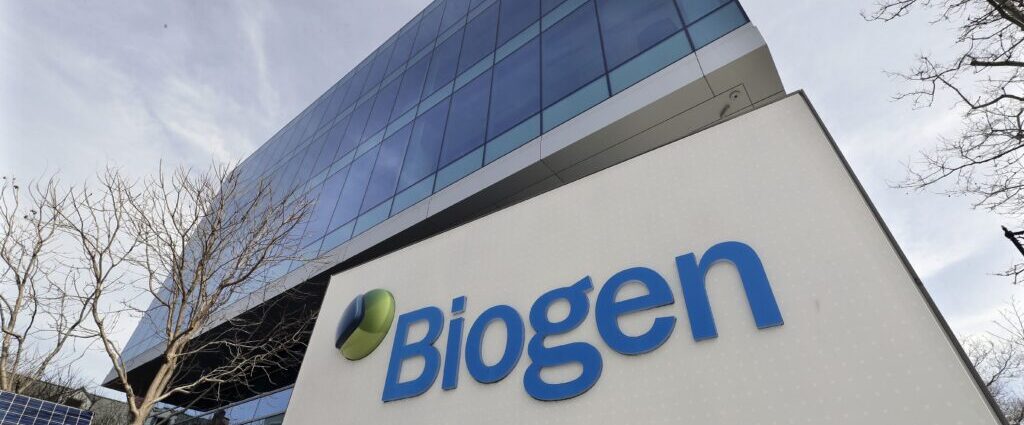
Biogen said Tuesday that it would buy Apellis Pharmaceuticals for an upfront payment of around $5.6 billion, expanding its portfolio with a set of approved immunology drugs.

Biogen will acquire Apellis for $41 per share, more than double the biotech’s closing price on Monday. Apellis shareholders are also eligible to receive up to an additional $4 per share if certain sale thresholds are met for Syfovre, Apellis’ drug for an advanced form of macular degeneration.

With the acquisition, Biogen will get two commercial assets. Syfovre, approved in 2023, specifically treats geographic atrophy secondary to age-related macular degeneration, in which immune system dysfunction leads to the destruction of retinal cells and causes vision loss. The drug brought in $587 million in sales last year.

Continue to STAT+ to read the full story…

This post was originally published here

Eli Lilly said Tuesday that it would buy Centessa Pharmaceuticals, the maker of an experimental drug meant to combat sleeping conditions, for roughly $6.3 billion in cash.

The purchase values Centessa at $38 per share, a 38% premium over the company’s closing price on Monday and a 40.5% premium over its average share price over the last 30 days. The agreement also includes additional payments if Centessa’s drugs win regulatory approval in the U.S., meaning the total purchase price could be up to $47 per share, adding another $1.5 billion to the deal.

Centessa, which has headquarters in the U.K. and in Boston, was publicly launched in 2021 and started with more than a dozen programs across a range of diseases. But over the years it has focused on disorders that leave people struggling to stay awake.

Continue to STAT+ to read the full story…

This post was originally published here

For decades, five siblings in rural Kentucky were slowly turning to stone. After walking for just a few minutes, their legs would painfully freeze up, as if turning to rock — an agony no doctor could explain.

By the time the eldest sibling, Louise Benge, reached her 50s, she had come to believe that medicine might never figure out what ailed her family. After years of inconclusive check-ups and exams, her doctor eventually referred her to a program at the National Institutes of Health devoted to cracking the most challenging medical mysteries: the Undiagnosed Diseases Program.

Read the rest…

This post was originally published here

Five years after the peak of Covid-19, as the nation searches for its next Centers for Disease Control and Prevention director, the most immediate threat to U.S. pandemic preparedness may not be a novel virus, but the erosion of public trust. The country remains vulnerable as avian influenza spreads, vaccination rates decline, and outbreaks of measles and dengue reemerge.

Without restoring confidence in the CDC, even the strongest scientific guidance will fall short of protecting the public, as well as the nation’s economic stability and security.

Read the rest…

This post was originally published here

WASHINGTON — Sellers of health savings accounts see an opening for expanding their market, and they’re ramping up lobbying efforts to seize the opportunity.

A group of companies and organizations tied to the HSA industry this year formed a nonprofit called the Great American Health Alliance, or GAHA, a riff on Make America Healthy Again, or MAHA. As a 501(c)(4), GAHA can engage in unlimited lobbying, support political candidates, and avoid disclosing where it gets its money.

Members of GAHA include HealthEquity, one of the largest administrators of HSAs, and the American Bankers Association, which represents institutions holding about 90% of HSAs. GAHA is run by brothers Keith Nahigian, who is the group’s president and has worked for multiple GOP presidential campaigns, and Ken Nahigian, who led the Trump transition in 2017 and was health secretary Robert F. Kennedy Jr.’s liaison to senators during his confirmation process.

Continue to STAT+ to read the full story…

This post was originally published here

The claims were astounding.

“One company may have figured out how to actually rewire the brain with 100% patient improvement in Phase 2 trials. And FDA may have just handed them a golden ticket,” a voice intoned on a YouTube video about a biotech called Helus Pharma that’s developing psychedelic drugs for mental health disorders. “This is potentially the first new mechanism in decades to show durable remission after just two doses, with FDA acceleration, elite institutional backing, and billions in unmet demand,” it later said.

The video was one of a handful that were uploaded earlier this year and that came with a disclosure that they were advertisements for Helus and paid for by a third-party marketing agency. STAT also discovered another set of recently posted videos paid for by another marketing agency on behalf of AtaiBeckley, a much larger and well-known psychedelics company.

“What if one dose of a nasal spray could do what years of antidepressants could not, and it only takes 90 minutes? That is not hypothetical. That is real clinical data,” a voice on one video said about Atai’s lead candidate.

Both videos said they were for “informational” purposes only and not meant as investment advice.

Helus and AtaiBeckley are hardly the only drugmakers paying outside marketing companies for promotion. But many of these YouTube videos make exaggerated claims about investigational drugs, at a time when psychedelic-focused biotechs, which have long combatted stigma and skepticism, are trying to gain a foothold in the medical mainstream and with established pharma companies that may be interested in acquiring them.

Continue to STAT+ to read the full story…

This post was originally published here

U.S. venture capital firms are no longer waiting for Chinese biotech assets to surface before investing in them — they’re moving upstream, embedding themselves inside labs and courting scientists before they publish their research. In some cases, they’re vying against Chinese VCs urging scientists not to publish at all.

As multinational drugmakers flood China in search of deals, competition is intensifying, and valuations are rising sharply, according to VCs and other observers. That pressure is forcing venture capital firms to move earlier — teaming up with local partners to tap scientific discoveries before they reach the market.

Among those VC firms is RA Capital, which has invested in some of the most transformative names in Chinese biotech, including Legend Biotech, which obtained its first Food and Drug Administration approval with its cell therapy Carvykti in 2022, and Gracell Bio, which was acquired by AstraZeneca in a $1.2 billion deal in 2024.

Continue to STAT+ to read the full story…

This post was originally published here

Chatbots can talk like therapists, but should they be used that way? One startup is betting the real opportunity lies in incorporating artificial intelligence into a behavioral health clinical team.

Startup Jimini Health has raised $17 million in seed funding as it seeks to launch its mental health AI platform Sage with large behavioral health organizations. The product interacts with patients continuously while they’re in treatment, under the supervision of a clinician.

Investors include M13, Town Hall Ventures, LionBird, Zetta Venture Partners, and OneMind. Jimini has raised $25 million to date.

Continue to STAT+ to read the full story…

This post was originally published here

Takeda Pharmaceuticals will lay off nearly 250 workers in Cambridge, the state’s largest biopharma employer announced through a state filing.

The layoffs will begin in July, although some will take place later in the year or in 2027. All affected Massachusetts employees work at the company’s 500 Kendall St. location, according to the filing posted Friday.

The workforce reduction is part of a cost-saving plan approved by Takeda’s board of directors on March 25 that is expected to result in annual savings of about $1.25 billion by 2028, according to a company statement. Another 387 workers in other states may also be laid off as part of the plan.

Continue to STAT+ to read the full story…

This post was originally published here

In the latest dustup over a groundbreaking HIV prevention medicine, Doctors Without Borders has harshly criticized the manufacturer for refusing to sell its treatment directly to humanitarian organizations.

The move came after months of talks in which Doctors Without Borders asked Gilead Sciences for a “limited” supply of lenacapavir. The drug has been in demand after studies showed a single set of injections every six months can offer virtually complete protection from infection, a form of prevention known as preexposure prophylaxis, or PrEP.

The organization currently obtains lenacapavir through The Global Fund to Fight AIDS, Tuberculosis and Malaria, a worldwide partnership of governments, civil society groups, and the private sector that, in late 2024, reached a deal with the company to distribute lenacapavir to 2 million people in low- and middle-income countries.

Continue to STAT+ to read the full story…

This post was originally published here

Federal regulators announced Sunday that an E. coli outbreak that infected at least seven people in three states have been traced to a raw cheddar cheese product.

Many of the affected individuals are children, ages 3 or younger, across California, Texas and Florida, according to the U.S. Food and Drug Administration (FDA). Of the seven reported cases, five were in California, one in Florida and another in Texas.

“The FDA and CDC, in collaboration with state and local partners, are investigating a multistate outbreak of E. coli O157:H7 infections,” the FDA said. “As of March 14, 2026, a total of 7 confirmed infections have been reported from three states.”

Officials said investigators have traced the outbreak to California producer RAW FARM, a family-owned company recognized as the nation’s largest producer of raw dairy products.

RECALL EXPANDS TO NEARLY 1M FRIGIDAIRE MINIFRIDGES SOLD AT TARGET OVER FIRE HAZARDS

The FDA noted that RAW FARM declined to issue a voluntary recall of its shredded raw cheddar cheese product despite the agency’s recommendation.

In response, the dairy farm denied the allegations on its social media page Monday, claiming that the health agency made “false allegations” against the brand and that no tests have confirmed a positive match for the E. coli strain.

“We disagree 100% with the allegations made by the FDA and CDC,” the company said. “All of our products have been CONFIRMED to be negative for all harmful bacteria, including Ecoli 0157-H7. FDA has found NO Raw Farm products to be tested positive for Ecoli in the marketplace.”

“Inaccurate statements made by the FDA and CDC linking our brand to an outbreak is egregious and extreme harassment towards our brand,” it added. 

E. COLI OUTBREAK IN FOUR STATES SPARKS RECALL IN RAW MILK PRODUCT: CDC

The FDA confirmed that no RAW FARM–brand cheddar cheese products have yet tested positive for E. coli, but said state partners have begun collecting product samples.

They added that investigators were able to track the infections using epidemiological data, a scientific method that analyzes the distribution, patterns, and causes of health-related events.

“Epidemiologic evidence indicates that RAW FARM-brand raw cheddar cheese products made by RAW FARM, LLC are the likely source of this outbreak,” the agency said.

Of the three individuals who were interviewed, all reported eating RAW FARM–brand cheese, federal regulators said, adding that local officials are working to gather additional information for the other four cases.

At least two patients have been hospitalized, but no deaths have been reported in the outbreak, health officials added. 

GET FOX BUSINESS ON THE GO BY CLICKING HERE

Despite the company’s denials, the FDA released a notice urging consumers and retailers to exercise caution with the cheese and to sanitize any surfaces to prevent cross-contamination.

The E. coli strain involved can cause serious, potentially life-threatening conditions, including severe kidney failure, stomach cramps, fever, nausea, vomiting, and bloody diarrhea, the FDA said. Illness typically begins anywhere from a few days up to nine days after consuming contaminated food

FOX Business reached out to RAW FARM for additional comment. 

This post was originally published here

Costco issued a recall notice over the weekend for its popular ready-to-eat meatloaf meal kit, impacting warehouse locations in at least 26 states.

The “Meatloaf with Mashed Yukon Potatoes and Glaze” was flagged for potential Salmonella contamination after an ingredient supplier raised concerns.

“An ingredient supplier, Griffith Foods Inc., has announced the recall of an ingredient used in the Meatloaf because the ingredient has the potential to be contaminated with Salmonella,” the recall notice said. 

Headquartered just outside Chicago, Griffith Foods is a global, family-owned food ingredient manufacturer. The Costco recall notice did not specify which ingredient was linked to the potential contamination. 

COSTCO SUED BY CUSTOMER SEEKING REFUNDS FOR TARIFF PAYMENTS

The meal, product #30783, was sold between March 2 and March 13, just days before the Salmonella concern emerged. The items had sell-by dates from March 5 through March 16.

Costco locations across 26 states, as well as the District of Columbia and Puerto Rico, were affected by the recall. The states include Alabama, Arizona, California, Colorado, Delaware, Florida, Georgia, Hawaii, Illinois, Indiana, Iowa, Kentucky, Maryland, Michigan, Mississippi, Missouri, Nevada, New Mexico, North Carolina, Ohio, Pennsylvania, South Carolina, Tennessee, Utah, Virginia and Wisconsin.

GM RECALLS 17K VEHICLES OVER REAR TOE LINK FRACTURE THAT COULD LEAD TO CRASHES

The retail giant urged customers not to consume the product and advised that the affected item could be returned to their local Costco for a full refund.

No illnesses or injuries have been reported in connection with the item, Costco added. 

According to the CDC, Salmonella infection is a leading cause of foodborne illness in the United States. It is a bacterium that can cause serious and sometimes life-threatening infections, particularly in young children, the elderly and individuals with weakened immune systems.

GET FOX BUSINESS ON THE GO BY CLICKING HERE

Infections commonly cause diarrhea, fever, and stomach cramps, which typically appear between six hours and six days after exposure. 

Most healthy individuals, however, recover within four to seven days, often without specific medical treatment.

This post was originally published here