Leanna Stokes had gotten into the habit of asking her oncologist what might be next for her treatment, and for good reason. Stokes, a 36-year-old gymnastics manager from New Rochelle, New York, had received one of the most difficult diagnoses in oncology: metastatic pancreatic cancer. Her oncologist kept mentioning two syllables, KAY-ras, referring to her cancer’s mutation on the KRAS gene. Mutations in this gene can make cancers more aggressive. But for Stokes, it was a possible key to extending her life.

“She always mentioned this — KRAS, KRAS, KRAS,” Stokes said of her oncologist. As Stokes proceeded to receive line after line of chemotherapy, she would remind herself, “It’s there. It’s there. It’s there. Then finally, it was my turn.”

Just a few years ago, such a refrain might have sounded odd to pancreatic cancer experts. For most of the nearly 50 years since KRAS was first discovered, scientists struggled to effectively drug the cancer protein. When Kevan Shokat, a biochemist at University of California, San Francisco, finally discovered how to drug a rare subset of KRAS mutant cancers, the first-generation drugs were a clinical disappointment. For the roughly 1% of pancreatic cancer patients who could receive them, the drugs improved outcomes only marginally, with resistance forming rapidly.

“We did not have a home run on the first effort,” said Channing Der, a pancreatic cancer researcher at the University of North Carolina, Chapel Hill. “It’s fair to say we’ve been disappointed by the durability of the responses.”

But once Shokat had shown it could be done at all, more and more companies jumped into developing drugs for KRAS, with new agents now regularly moving into clinical trials. The company leading the field has been Revolution Medicines, with the drug daraxonrasib, which targets KRAS and related proteins.

This was the drug that Stokes got on her clinical trial. It transformed her life, she said, enabling her to live far longer than most patients with her diagnosis. It’s also generating immense excitement among oncologists and drug developers, who say it heralds a new era for pancreatic cancer medicine and could bring new treatments for other cancer types with KRAS mutations including lung, colorectal, endometrial, and more. Beyond Revolution Medicines, dozens of other companies are also testing promising KRAS inhibitors in the clinic.


Continue to STAT+ to read the full story…

This post was originally published here

WASHINGTON — President Trump moved on Saturday to “reverse the crisis of serious mental illness in America” by boosting access to psychedelic drugs in clinical settings. In an executive order, he directed the federal government to rush access to treatments and reevaluate their status as controlled substances.

The order directs the Food and Drug Administration to expedite some psychedelics as breakthrough drugs, as well as allowing them to be used through right-to-try legislation, which allow terminally ill patients to try experimental drugs outside of usual regulatory pathways.

Read the rest…

This post was originally published here

The nomination of a new leader for the Centers for Disease Control and Prevention — one who has scientific credentials and no public ties to the anti-vaccine movement — has generated sighs of relief in the public health world. 

As one CDC employee, who asked not to be named, put it on Friday, among staff “the general vibe is guarded but hopeful.”

Read the rest…

This post was originally published here

Below is a lightly edited, AI-generated transcript of the “First Opinion Podcast” interview with Brinda Adhikari and Tom W. Johnson, hosts of the podcast “Why Should I Trust You?” Be sure to sign up for the weekly “First Opinion Podcast” on Apple PodcastsSpotify, or wherever you get your podcasts. Get alerts about each new episode by signing up for the “First Opinion Podcast” newsletter. And don’t forget to sign up for the First Opinion newsletter, delivered every Sunday.

Torie Bosch: In 2025, the well-known emergency physician Craig Spencer found himself in an unexpected place: the Children’s Health Defense Conference in Austin, Texas. There, he chatted with anti-vaccine activists, MAHA supporters, and others with deep distrust of doctors and mainstream medicine. As he wrote in an essay for STAT about the experience, “I didn’t change any minds, nor did my convictions waver. But every conversation was honest and respectful.”

Read the rest…

This post was originally published here

Revolution Medicines announced a stunning survival benefit for its experimental drug in a Phase 3 pancreatic cancer study this week. 

Patients with advanced pancreatic adenocarcinoma who were treated with the company’s daily pill called daraxonrasib lived a median of 13.2 months compared to 6.7 months for patients who received standard chemotherapy. 

Revolution said it plans to use the data to apply for Food and Drug Administration approval, although it did not say when. When it does submit the data, approval might come fast. 

STAT spoke with Paul Oberstein of NYU Langone’s Perlmutter Cancer Center, an investigator in the trial, on its biotech podcast “The Readout Loud.”  

This transcript has been lightly edited for length and clarity.

Let’s start by talking about pancreatic cancer generally. Why is it so challenging to treat it and what are the current survival rates? 

Continue to STAT+ to read the full story…

This post was originally published here

Want to stay on top of the science and politics driving biotech today? Sign up to get our biotech newsletter in your inbox.

Hellooooo, friends. Psychedelics and testosterone are front and center today, but also we note that GLP-1’s dominance in obesity may not be as inevitable as it looks. Early animal data from GLP-1 pioneers suggest that pathways like GIP-glucagon offer effectiveness and better overall tolerability. 

The need-to-know this morning

  • Kailera Therapeutics raised $625 million in an initial public offering — the largest-ever Wall Street debut for a drug company. Kailera is developing obesity drugs licensed from China. 

Do we even need GLP-1 anymore? 

The scientists whose work helped spur the development of GLP-1-based obesity drugs are now questioning whether that target is necessary at all. Instead, they’re proposing that using GIP-glucagon as a dual target could deliver comparable — or even superior — weight loss, without the nausea and dosing limitations that come with current therapies.

Continue to STAT+ to read the full story…

This post was originally published here

And so, another working week will soon draw to a close. Not a moment too soon, yes? This is, you may recall, our treasured signal to daydream about weekend plans. Our agenda is, so far, rather modest. We expect to tidy up around the castle, promenade with the official mascots, and stop in at a favorite dive bar. We also hope to hold another listening party, where the rotation might just include this, this, this, this and this. And what about you? Spring is here, so this may be an opportunity to rifle through closets and garages for unwanted items or plan a summer getaway. You could enjoy the great outdoors or sample an eatery or two. Or simply plan the rest of your life. The possibilities are endless, yes? Well, whatever you do, have a grand time. But be safe. Enjoy, and see you soon. …

The scientists whose work spurred the development of powerful obesity drugs like Eli Lilly’s Zepbound are now raising a provocative hypothesis — perhaps targeting the GLP-1 hormone is actually not necessary to achieve effective weight loss, STAT explains. A group of researchers led by Richard DiMarchi and Matthias Tschöp has created an experimental drug that activates receptors of the GIP and glucagon hormones. They propose, based on rodent and monkey studies, that this kind of molecule, when administered at high enough doses, may result in weight loss comparable to the weight loss seen with drugs that include GLP-1 as a target, and without the tolerability issues like nausea and vomiting that often come with the approved treatments, according to a peer-reviewed draft paper.

Eli Lilly released results of a clinical trial that may ease concerns about the safety of its new weight loss pill Foundayo, which seeks to rival a similar offering from the maker of Wegovy, The Wall Street Journal notes. The new study showed Foundayo reduced the risk of heart attacks and other cardiovascular problems in overweight patients with type 2 diabetes who were at increased risk of heart disease, compared with a common treatment. Lilly also said there was no liver safety signal in the study. The findings are notable because earlier this week, the U.S. Food and Drug Administration revealed that when it approved Foundayo on April 1, it also required Lilly to conduct additional testing to assess the risks of cardiovascular events and drug-induced liver injury. That raised the specter that safety concerns could limit the market potential for the new pill, which is in a competitive battle with the Wegovy weight loss pill launched by Novo Nordisk this year.

Continue to STAT+ to read the full story…

This post was originally published here

On April 6, cancer patients at Brockton Hospital in Massachusetts showed up for chemotherapy infusions and were told to go home. The hospital’s information systems had been hit by a cyberattack. The ER closed. Ambulances were diverted. Staff switched to paper records. Patients were told to call back later to reschedule their treatment.

This wasn’t the first time that this kind of incident has happened. In May 2024, the Ascension ransomware attack took down systems across 136 hospitals for six weeks. That same year, the Change Healthcare breach compromised the personal health information of 100 million Americans, roughly one in three people in the country, and disrupted billing and authorization systems so severely that physician practices warned they might have to close their doors. After the Change breach, an AHA survey of nearly 1,000 hospitals found that 74% reported direct impact on patient care.

Read the rest…

This post was originally published here

Two years ago, I wrote in the New England Journal of Medicine that one of the greatest threats to childhood vaccination is the normalization of skepticism, even though it isn’t actually the norm. When credible outlets, trusted voices, and social media algorithms tell the public that most Americans doubt vaccines, some may start to wonder if they should, too. I watched that play out this week.

On Monday, Politico published a poll on vaccine attitudes titled, “More Americans doubt vaccine safety than trust it, Politico Poll finds,” followed by the subhead, “Health Secretary Robert F. Kennedy Jr.’s views are commonplace across the land.” I consider Politico a reputable news outlet, so this headline stopped me in my tracks.

Read the rest…

This post was originally published here

Immune tolerance has long been the holy grail in transplant medicine, a hoped-for end to the downsides of anti-rejection regimens for patients after they receive lifesaving organ transplants. A small, early-stage study now shows promise in taking cells from living donors — people giving a portion of their livers — to teach recipients’ immune systems to accept the foreign organs as their own and achieve the ultimate healthy outcome. 

Living donations take advantage of the liver’s ability to regenerate, meaning donors can part with a piece of their liver and later see it grow back. Recipients can regain enough liver function from the partial organs that also grow, replacing livers damaged by alcohol-associated liver disease, metabolic-associated liver disease, liver cancer, or other causes. Immunosuppression keeps their bodies from rejecting the new organs, but it also raises their vulnerability to infectious diseases and certain cancers. Serious side effects from the drugs include developing diabetes and kidney damage.

Cell therapy has been tried before to disarm the immune system’s attack by recruiting regulatory T immune cells taken from the donor. In the new study, whose results were published Friday in Nature Communications, different immune cells known as regulatory dendritic cells were obtained from donors’ white blood cells and generated in a lab. The idea behind both cell therapies is the same: to teach immune cells in the recipient’s body to treat the donated liver fragment as familiar tissue, not an invader be attacked.

Continue to STAT+ to read the full story…

This post was originally published here

A batch of Xanax XR is being recalled nationwide after the manufacturer found it may not release the medication in the body as intended.

Viatris, Inc. initiated the voluntary recall for ALPRAZolam extended-release tablets, 3 mg, distributed in 60-count bottles under lot number 8177156 with an expiration date of Feb. 28, 2027, according to the U.S. Food and Drug Administration.

Xanax XR is a benzodiazepine used to treat panic disorder and anxiety in adults.

The issue was classified as a Class II recall, meaning it may cause temporary or medically reversible health effects but is unlikely to result in serious harm.

350K SUPPLEMENTS RECALLED FOR PACKAGING FLAW THAT POSES ‘SERIOUS INJURY OR DEATH’ RISK TO CHILDREN

“Failed dissolution specifications” indicate the tablets may not dissolve and release the medication at the intended rate. Because Xanax XR is designed to release gradually over time, any variation could affect how the drug is delivered in the body — and how well it works.

The affected product was distributed nationwide in the United States, though the recall applies only to the specific lot identified. The FDA lists the recall as ongoing, with no termination date yet announced.

TOYOTA RECALLS 73K HYBRID VEHICLES OVER PEDESTRIAN WARNING SOUND ISSUE

A spokesperson for Viatris told FOX Business the recall is limited in scope and does not pose a significant risk to patients.

“The voluntary recall of Xanax XR in the U.S. is specific to one lot of one strength (3mg) of the brand product only, and 51 bottles were distributed to U.S. wholesalers between Aug. 27, 2024, and May 29, 2025,” the spokesperson said. “No other batches of the Xanax XR brand product, or its generics, are impacted.”

EINSTEIN BAGELS CREAM CHEESE SPREAD RECALLED OVER ALMONDS THAT COULD CAUSE LIFE-THREATENING ALLERGIC REACTION

The spokesperson added that most patients in the U.S. are prescribed generic ALPRAZolam, which is not affected by the recall.

“The risk to the patient associated with this event is considered to be negligible. To date, no reports of adverse reactions associated with this lot have been received,” the spokesperson said.

Viatris said the recall is being conducted at the retail level, meaning pharmacies and wholesalers have been instructed to return the affected product.

 CLICK HERE TO GET FOX BUSINESS ON THE GO

“Patients do not need to take any action,” the spokesperson said.

This post was originally published here

Arbitration decisions, it turns out, are like cockroaches. They’re very hard to kill. 

It’s a long held truism in the legal world, and it was underscored this week when a federal judge shot down a health insurer’s lawsuit challenging No Surprises Act arbitration decisions. The ruling doesn’t bode well for other pending lawsuits challenging awards doled out under the 2020 law’s arbitration process, known as independent dispute resolution.  

“You can’t second guess the arbitrators,” said Chris Deacon, a health policy consultant and former lawyer. “That’s the whole point of arbitration.”

Continue to STAT+ to read the full story…

This post was originally published here

WASHINGTON — Health Secretary Robert F. Kennedy Jr. returned to Capitol Hill Thursday, where he defended the administration’s efforts to fight health care fraud and improve affordability — and worked to avoid discussions about vaccine policy.

An hours-long Ways and Means hearing Thursday morning covered a wide range of topics related to Kennedy’s Department of Health and Human Services and kicked off a marathon series of testimonies about the president’s proposed budget.

Later, during a hearing with the House Appropriations health subcommittee, Kennedy said the president would release the name of the nominee to lead the Centers for Disease Control and Prevention before the end of the week. (Soon after, Trump announced the nominee.)

Continue to STAT+ to read the full story…

This post was originally published here

By JBizNews Desk

Trump selects Erica Schwartz to lead the CDC Move signals shift toward operational and crisis-response leadership Public health policy and federal coordination expected to be key focus areas

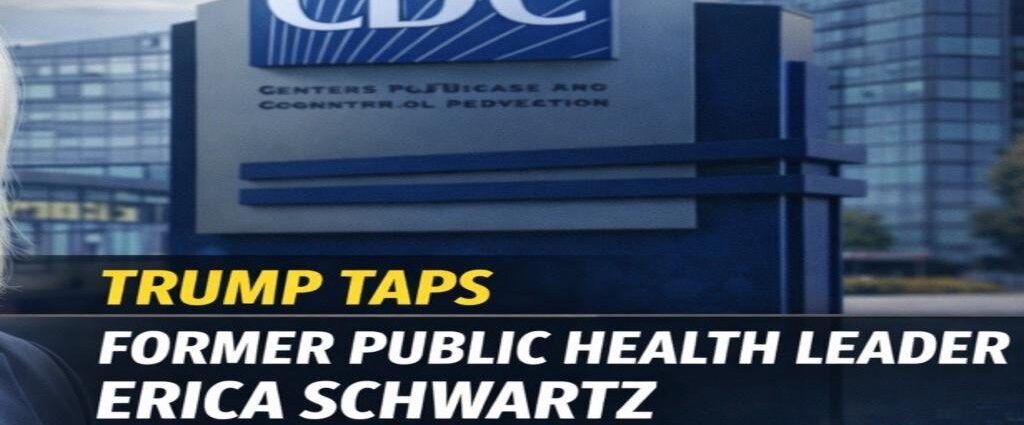
President Donald Trump has tapped public health official Erica Schwartz to lead the Centers for Disease Control and Prevention (CDC), marking a significant leadership move that could reshape the agency’s direction amid ongoing debates over public health policy and federal response strategy.

Schwartz, who previously served in senior federal public health roles and has been involved in emergency preparedness and response initiatives, is expected to bring an operationally focused approach to the agency. Her background includes leadership positions within federal health systems and advisory roles tied to national emergency response coordination.

The appointment comes at a time when the CDC continues to face scrutiny over its handling of past public health crises, as well as ongoing challenges related to disease surveillance, pandemic preparedness, and coordination with state and local health authorities.

Policy analysts note that Schwartz’s selection suggests an emphasis on strengthening execution and restoring confidence in the agency’s ability to respond quickly and effectively to emerging health threats. “This is a pick that points toward management and operational discipline,” one health policy expert said.

The CDC, one of the nation’s leading public health institutions, plays a central role in monitoring disease outbreaks, issuing guidance to healthcare providers, and coordinating national responses to health emergencies. Leadership at the agency is closely watched by both policymakers and the healthcare industry.

Schwartz’s experience in crisis response and public health infrastructure is expected to be a key asset as the agency navigates an increasingly complex landscape that includes global health risks, evolving pathogens, and the need for rapid data-driven decision-making.

The move also carries broader implications for federal health policy. Observers expect that leadership changes at the CDC could influence how the agency approaches communication, interagency coordination, and partnerships with private-sector stakeholders.

Healthcare organizations, pharmaceutical companies, and hospital systems often rely on CDC guidance for operational planning and compliance, making the agency’s leadership direction particularly relevant for the broader healthcare economy.

In recent years, the CDC has faced challenges in balancing scientific guidance with public messaging, particularly during high-pressure situations. Analysts suggest that a renewed focus on clarity, transparency, and coordination could be central to Schwartz’s agenda.

The appointment may also have implications for funding priorities and program direction within the agency. Areas such as infectious disease research, vaccine distribution infrastructure, and public health data systems are likely to remain central to the CDC’s mission.

From a business perspective, leadership changes at major federal health agencies can have ripple effects across multiple sectors. Companies involved in healthcare delivery, medical technology, pharmaceuticals, and insurance often adjust strategies based on shifts in policy direction and regulatory guidance.

Investors and industry stakeholders will be watching closely for signals on how the CDC under Schwartz’s leadership may approach key issues, including preparedness initiatives, partnerships with private entities, and responses to emerging health threats.

At the same time, public trust remains a critical factor. Restoring confidence in public health institutions has been a recurring theme in policy discussions, and leadership transitions are often viewed as an opportunity to reset priorities and messaging.

While the nomination process and confirmation dynamics—if applicable—may still unfold, the announcement itself signals a clear intent to bring experienced leadership to one of the country’s most important health agencies.

As the CDC prepares for its next chapter, the focus will likely remain on strengthening readiness, improving coordination, and ensuring that the agency is equipped to respond to both current and future public health challenges.

— JBizNews Desk

On this week’s episode of the Readout LOUD: a pancreatic cancer breakthrough and new hope for an off-the-shelf CAR-T treatment in lymphoma. 

Your favorite biotech podcasting crew is back to full strength this week, and we’re bringing you two newsy guest interviews. First, we’ll talk with Allogene Therapeutics Chief Medical Officer Zach Roberts about new study results that bolster the company’s efforts to develop an off-the-shelf CAR-T therapy for B-cell lymphoma, a type of blood cancer.

Read the rest…

This post was originally published here

President Trump nominated Erica Schwartz on Thursday to be director of the Centers for Disease Control and Prevention, tapping a former public health leader for a position that has been filled mostly on a part-time or interim basis during the second Trump administration.

Schwartz was deputy surgeon general during the first Trump administration and spent much of her career in health roles in the U.S. military.

Read the rest…

This post was originally published here

Want to stay on top of the science and politics driving biotech today? Sign up to get our biotech newsletter in your inbox.

The FDA is revisiting its stance on compounded peptides with plans for advisory panel meetings. Also, a sweeping Cochrane review is fueling fresh debate over amyloid-targeting Alzheimer’s drugs. And more. 

The need-to-know this morning

  • Roche said it will run another trial of Elevidys, the Duchenne muscular dystrophy gene therapy developed by Sarepta Therapeutics, in an attempt to win European approval. Sarepta markets the drug in the U.S., while Roche has rights to the therapy outside the U.S.
  • Eli Lilly said its GLP-1 pill Foundayo showed non-inferiority compared with insulin glargine in a cardiovascular outcomes trial of people with diabetes and obesity. The company said it will submit Foundayo to the FDA as a treatment for type 2 diabetes by the end of the second quarter under the Commissioner’s National Priority Review Voucher.

FDA reopens door to compounded peptides

The Food and Drug Administration is calling for an outside advisory panel to reconsider whether compounding pharmacies should be allowed to make a spate of controversial peptides it previously moved to restrict. The first meetings will be in July, and a later one will be held before February 2027, STAT’s Lizzy Lawrence and Sarah Todd write.

Continue to STAT+ to read the full story…

This post was originally published here

The scientists whose work spurred the development of powerful obesity drugs like Eli Lilly’s Zepbound are now raising a provocative hypothesis: Perhaps targeting the GLP-1 hormone is actually not necessary to achieve effective weight loss.

A group of researchers led by Richard DiMarchi and Matthias Tschöp has created an experimental drug that activates receptors of the GIP and glucagon hormones. They propose — based on rodent and monkey studies — that this kind of molecule, when administered at high enough doses, may result in weight loss comparable to the weight loss seen with drugs that include GLP-1 as a target, and without the tolerability issues like nausea and vomiting that often come with the approved treatments, according to a peer-reviewed draft paper published this week.

The research, funded by a biotech called BlueWater Biosciences, would still need to be confirmed in humans; oftentimes results seen in animals don’t translate in the clinic. But the proposed approach, outlined in the journal Molecular Metabolism by some of the most well-known scientists in the field, is likely to stir controversy, as it challenges a central notion underpinning not just the development of approved obesity products but also next-generation versions. 

Continue to STAT+ to read the full story…

This post was originally published here

You’re reading the web edition of D.C. Diagnosis, STAT’s twice-weekly newsletter about the politics and policy of health and medicine. Sign up here to receive it in your inbox on Tuesdays and Thursdays.

By the time this newsletter hits inboxes, I’ll be in New Orleans for the French Quarter Festival. I’ll be back on Monday. In the meantime, send news tips and your favorite sounds and flavors from the birthplace of jazz and Louisiana Creole cooking to John.Wilkerson@statnews.com or John_Wilkerson.07 on Signal.

Can Kennedy stay on message?

Health secretary Robert F. Kennedy Jr. will have to walk a careful line between touting his Make America Healthy Again “wins” and avoiding talking about his politically divisive vaccine policy this week and next as he heads to Capitol Hill to testify about his department’s fiscal 2027 budget request.

Continue to STAT+ to read the full story…

This post was originally published here

Top of the morning to you. And a fine one it is here at the Pharmalot campus, where the official mascots are snoozing away thanks to the unusual heat for this time of year. Summer fun? Why not? To celebrate, yes, we are downing a cup of stimulation — blueberry cobbler is our preference today. Feel free to join us. As always, here are your tidbits. Hope your day goes well and you conquer the world. And of course, do stay in touch. …

President Trump has repeatedly said his deals with drugmakers would bring down prescription drug prices in the U.S., but a report released by Senate Democrats finds prices have continued to climb — in some cases, sharply, NBC News says. The report — released Thursday by Sen. Bernie Sanders, I-Vt., the ranking member on the Senate Health, Education, Labor and Pensions Committee, ahead of a hearing focused on drug prices — found that companies that signed drug pricing deals with Trump have raised the cost of hundreds of medications and launched new ones at an average price of $353,000 a year. The price hikes include expensive gene therapies, cancer medications, and multiple sclerosis drugs. The report also said the companies that signed deals with Trump have made huge profits during his second term in office — a combined $177 billion, up from $107 billion the year before.

A review of research spanning a decade concluded the clinical benefit of new Alzheimer’s drugs is negligible, The New York Times reports. But the way the review was conducted spurred heated criticism from many Alzheimer’s experts, including some who had been skeptical of some of the drugs. The review evaluated studies that were conducted on seven monoclonal antibody drugs developed over the last two decades to target amyloids, proteins that form plaques in the brains of people who have Alzheimer’s disease. Some experts said the conclusions were meaningless because the review swept under one umbrella drugs that had shown very dissimilar results and worked differently. The experts noted that data from the two most recent drugs studied — Leqembi and Kisunla — showed they could slow cognitive decline, which led to U.S. regulatory approval and made them the only anti-amyloid drugs available to patients.

Continue to STAT+ to read the full story…

This post was originally published here

Get your daily dose of health and medicine every weekday with STAT’s free newsletter Morning Rounds. Sign up here.

Good morning. What do you eat in the last days of cooler weather, as spring is about to kick in? I want one more good soup or stew before moving on to greener, more seasonal pastures. 

Read the rest…

This post was originally published here

This is the online version of Adam’s Biotech Scorecard, a subscriber-only newsletter. STAT+ subscribers can sign up here to get it delivered to their inbox.

Most of the recent conversations about the Food and Drug Administration have centered around the rejection of drugs for rare diseases that might have been approved had regulatory flexibility been applied.

This week, the FDA flexed its regulatory authority to approve the first medicine to treat focal segmental glomerulosclerosis, or FSGS, a rare disease in which scar tissue builds up in the filtering units of the kidneys, eventually leading to organ dysfunction and failure.

Continue to STAT+ to read the full story…

This post was originally published here

In an attempt to win European approval for the controversial medicine, Roche said Thursday it would run another trial of the Duchenne muscular dystrophy gene therapy Elevidys. 

The Swiss company’s move comes after European regulators last year gave a negative review to the therapy, saying it had failed to demonstrate long-term benefits for patients with the degenerative muscle condition. Roche has rights to the therapy outside the U.S., where it is marketed by its developer, Sarepta Therapeutics.

Roche said the Phase 3 trial will generate the type of evidence that could lead to a resubmission with European officials and to applications with regulatory agencies in other parts of the world. The study will evaluate the safety and efficacy of Elevidys versus placebo over 72 weeks in roughly 100 boys at the early stages of the disease. 

Continue to STAT+ to read the full story…

This post was originally published here

WASHINGTON — Health secretary Robert F. Kennedy Jr. has a delicate task ahead of him as he heads to Capitol Hill to testify about the fiscal 2027 budget request: Stick to the White House’s script on Make America Healthy Again “wins” while avoiding politically divisive topics like vaccines. 

How he navigates lawmakers’ questions over at least seven hearings will test whether the secretary can stay on message before he embarks on a midterms tour to shore up support for the MAHA movement and the White House’s agenda. 

Thursday’s hearings are Kennedy’s first since a heated Senate health committee appearance in September, where tempers rose as Kennedy defended his firing of Centers for Disease Control and Prevention Director Susan Monarez. 

Continue to STAT+ to read the full story…

This post was originally published here

A Florida father recently sued Google after his son, Jonathan Gavalas, died by suicide following months of interaction with the company’s artificial intelligence chatbot Gemini. The case has rightly focused attention on how chatbots apparently reinforce delusions and foster emotional dependency.

Yet, there is a critical detail easy to dismiss. Jonathan Gavalas was not just typing to Gemini. He was talking to it using Gemini Live, Google’s voice-based conversational mode. That distinction matters far more than the current debate acknowledges.

Read the rest…

This post was originally published here

There is a kind of labor at the center of medicine that rarely appears in a chart. It does not sit in the problem list or the billing code. It unfolds in conversation, often quietly, as a patient tries to give shape to something real but not yet defined. They reach for words that are approximate — tired, off, not quite right. The words are not false; they are insufficient. What is being described is not a diagnosis but an experience, and experience resists compression.

In clinical practice, this work lives in a specific place: the history of present illness, or HPI. The HPI reconstructs what has happened to a person over time — how symptoms emerged, evolved, interacted with the physical world, and were perceived. It precedes examination. It precedes testing. It is where medicine begins.

The physician’s task in the HPI is not transcription but interpretation. We ask what was happening when the symptom appeared, whether it arose with exertion or at rest, whether recovery changed, whether confidence shifted before function did. We test meanings against timelines and refine language against physiology, gradually aligning what was said with what can be understood clinically, because the lived details of onset, progression, and functional change materially alter the pre-test probability of disease. A laboratory value or imaging finding does not carry the same meaning in every patient; its significance is conditioned by the story that precedes it.

Continue to STAT+ to read the full story…

This post was originally published here

The Centers for Medicare and Medicaid Services is proposing to repeal a pathway that currently allows breakthrough devices to qualify for supplementary payments without proving they provide a substantial clinical improvement over alternatives.

Access to lifesaving new technologies can be stymied when hospitals don’t get paid enough to cover their costs. So since 2001, Medicare has given innovative devices a chance at extra payments when they meet three criteria: they’re new and different from what’s currently available, they offer a clinical improvement over existing options, and they’re especially costly.

Since 2021, devices that receive breakthrough designation from the Food and Drug and Administration have gotten an even sweeter deal: In order to qualify for the extra payments, they only have to demonstrate they’re expensive. 

Continue to STAT+ to read the full story…

This post was originally published here

Dr. Janice Nevin will step down in September after more than 12 years in the health system’s top role. ChristianaCare’s former chief legal counsel will take her place.

This post was originally published here

The rollout marks the first deployment of the records system at a VA medical center in years after technical problems plagued the project. In total, 13 medical centers are scheduled to receive the Oracle EHR in 2026.

This post was originally published here

You’re reading the web edition of STAT’s AI Prognosis newsletter, our subscriber-exclusive guide to artificial intelligence in health care and medicine. Sign up to get it delivered in your inbox every Wednesday. 

This newsletter will be taking a break next week as I head to the Grand Canyon. Please send must-see northern Arizona sights, and — you know the drill — Phoenix ice cream recommendations: aiprognosis@statnews.com

There are so many important things going on that we’re bringing you a big ol’ roundup this week.

Continue to STAT+ to read the full story…

This post was originally published here

WASHINGTON — The Food and Drug Administration will convene an outside panel of advisers to discuss whether to allow compounding pharmacies to manufacture certain peptides, the agency announced on Wednesday. The meeting will take place July 23 and 24. 

In 2023, the FDA removed 19 peptides from a list of drugs the agency allows compounding pharmacies to produce. The July panel will discuss whether to add back seven peptides. There is limited data on the effectiveness and safety of many of these products, but they have become increasingly popular, promoted by online influencers and health secretary Robert F. Kennedy Jr. The move comes after Kennedy told podcaster Joe Rogan in February that he wanted to make those peptides more accessible. 

“I’m a big fan of peptides,” Kennedy said. “I’ve used them myself to really good effect with a couple of injuries.”

Continue to STAT+ to read the full story…

This post was originally published here

Want to stay on top of the science and politics driving biotech today? Sign up to get our biotech newsletter in your inbox.

Good morning. A reminder that if you’re ever feeling down about a mistake you made, there is always a way to turn it around — like how this delivery robot company has turned the issue of its robot crashing into my local bus stop into a marketing opportunity.

The need-to-know this morning

  • Revolution Medicines raised $2 billion in concurrent stock and debt offerings. The mammoth financings — double what the company intended to raise — come just days after daraxonrasib, its experimental treatment for advanced pancreatic cancer, was shown to double the median overall survival of patients in a Phase 3 clinical trial.

Bain Capital again creates a startup with older pharma drugs

After Bain Capital last summer said it licensed five immunology drugs from Bristol Myers Squibb, it’s now unveiling the company to take those treatments forward: a startup called Beeline Medicines.

Continue to STAT+ to read the full story…

This post was originally published here

Top of the morning to you. The middle of the week is upon us and, since you made it this far, why not forge ahead? After all, there is always light at the end of the proverbial tunnel. You never know what you may accomplish. So please join us as we celebrate this notion with a cup or three of delicious stimulation. Our choice today is chocolate raspberry. Meanwhile, we have assembled the latest menu of tidbits to help you along. So please dig in. Have a smashing day, and please feel free to forward any secrets you come across. Our “in basket” is always open. …

The U.S. Food and Drug Administration asked Eli Lilly for more data on liver injury linked to its newly approved ​obesity pill, Reuters says, citing a letter posted on the agency website. The April 1 letter also said Lilly must conduct post-marketing trials to assess risks related to cardiovascular events and delayed gastric emptying. The drugmaker is required to also conduct a milk-only lactation study in ​lactating women who have received a dose of the pill to assess concentrations of the drug ​in breast milk using a validated assay. The weight loss pill, ‌branded Foundayo, a once-daily oral medication that targets the GLP-1 hormone, won approval earlier this month under the Commissioner’s National Priority voucher program, which aims to speed FDA decisions on drugs deemed critical to public health or ​national security.

AbbVie, Novartis, AstraZeneca, and the Pharmaceutical Research & Manufacturers of America, the industry trade group, notched a victory after a U.S. appeals court vacated an order rejecting their request to block a Maryland drug discount law, remanding the decision for review, Bloomberg Law reports. The U.S. Court of Appeals for the Fourth Circuit ruled that a lower court erred when it denied a motion filed by the companies and the trade group for a preliminary injunction against a Maryland law. H.B. 1056, currently in effect, requires manufacturers to distribute discounted drugs to an unlimited number of pharmacies that contract with health providers under the 340B Drug Discount Program. They argued the law improperly forces drug companies to supply so-called contract pharmacies as part of the program, and that the law is illegal because it is preempted by federal law and also violates the U.S. Constitution.

Continue to STAT+ to read the full story…

This post was originally published here

Get your daily dose of health and medicine every weekday with STAT’s free newsletter Morning Rounds. Sign up here.

Good morning. I was nearly late for a meeting yesterday because I was engrossed in this Caity Weaver piece detailing her epic search for the country’s best free restaurant bread. For the other Massachusetts millenials out there, Bertucci’s (and those of us who proselytize it) did get a shoutout. 

Read the rest…

This post was originally published here

Last summer, Bain Capital Life Sciences announced that it would form a new biotech startup, created with $300 million and five drugs licensed from Bristol Myers Squibb.

Now that company has a name, a CEO, and a mission.

The venture, Beeline Medicines, will continue development of five inflammatory and immune disorder drugs, starting with a potential daily pill for lupus. Beeline plans to report data from a Phase 2 trial of that drug later this year. 

Continue to STAT+ to read the full story…

This post was originally published here

In a CT scan, coronary artery calcium shows up as distinct, bright pixels. It looks like salt in the pepper of the heart. The more calcium, the higher a patient’s risk of a heart attack. 

Often, a cardiologist looks for those bright spots on purpose: They’ll grab snapshots of the heart between beats, to get the clearest possible view of the coronary arteries. But calcium is also visible on zoomed-out chest CTs that aren’t synchronized with the heart. Every year, patients receive 19 million of those more general scans — to screen for lung cancer, or investigate a persistent cough — and an eagle-eyed radiologist can report any incidental calcium they spot.

But even as heart disease remains the top cause of death in the United States, an estimated 20% to 40% of that incidental calcium goes unreported. “We need to find more of these patients,” said Ami Bhatt, chair of the Food and Drug Administration’s Digital Health Advisory Committee and chief innovation officer of the American College of Cardiology. 

Continue to STAT+ to read the full story…

This post was originally published here

File this under “hiding in plain sight.”

Last fall, the Journal of the American Academy of Child & Adolescent Psychiatry issued a so-called expression of concern about a controversial study that was published in 2001 about the widely prescribed antidepressant known as Paxil.

Such a step is taken when a study may have errors or include unreliable information. The notice, which followed a request for a retraction, indicated that a review was underway. Meanwhile, it served as a warning, of sorts, to health care providers who might consult the study when deciding whether to prescribe the medicine.

Continue to STAT+ to read the full story…

This post was originally published here

The deep distrust between public health and the Make America Healthy Again movement may seem impossible to heal. But the podcast “Why Should I Trust You?” is trying to do just that by facilitating conversation between people who often view each others as enemies.

Brinda Adhikari and Tom W. Johnson launched “Why Should I Trust You?” in 2025. Since then, they’ve hosted big names from MAHA, the Trump administration, the anti-vaccine movement, and traditional health. They also bring on everyday Americans trying to keep their families healthy while navigating a confusing information ecosystem. “Everyone, when they come on the show, no matter what their quote unquote, expertise, they’re all equals. Everyone gets time to speak,” Adhikari said.

Read the rest…

This post was originally published here

You’re reading the web edition of D.C. Diagnosis, STAT’s twice-weekly newsletter about the politics and policy of health and medicine. Sign up here to receive it in your inbox on Tuesdays and Thursdays.

Trump deleted an AI image of himself on Truth Social looking a whole lot like Jesus after conservative Christians cried blasphemy. “It’s supposed to be me as a doctor,” Trump told reporters while stepping out of the Oval Office to get a McDonald’s delivery. Send news tips and surprising health care angles to John.Wilkerson@statnews.com or John_Wilkerson.07 on Signal.

Recess is over

Congress returns to a packed health care agenda after two weeks off. Here’s what to follow.

Continue to STAT+ to read the full story…

This post was originally published here

Want to stay on top of the science and politics driving biotech today? Sign up to get our biotech newsletter in your inbox.

Good morning. My colleague recently had a chance to talk with former senator Ben Sasse about his experience taking Revolution Medicines’ pancreatic cancer pill. Read on for what he said.

Ben Sasse thinks Rev Med drug ‘extended both quality and quantity of life’

Yesterday, we got highly promising results from a trial of Revolution Medicines’ pancreatic cancer pill, showing that patients on the medication lived nearly twice as long as those on chemotherapy.

Continue to STAT+ to read the full story…

This post was originally published here

Paola Arbour will stay at Tenet on a part-time basis to provide transition and support services through early 2028.

This post was originally published here

You’re reading the web edition of STAT’s Health Tech newsletter, our guide to how technology is transforming the life sciences. Sign up to get it delivered in your inbox every Tuesday and Thursday.

Good morning health tech readers!

Super interested in the list of companies that have been accepted into Medicare’s ACCESS model, the technology-enabled chronic care experiment. 

Continue to STAT+ to read the full story…

This post was originally published here

Rise and shine, everyone, another busy day is on the way. And it is getting off to a good start here on the Pharmalot campus, where clear blue skies and unusually balmy breezes are greeting us. Who could ask for anything more? Actually, we could — it is time to reheat the kettle for another cuppa stimulation. Our choice today is elderberry-infused green tea. And here is a helpful tip — a teaspoon of honey enhances the flavors splendidly. Of course, you are invited to join us. For the full experience, we are now hawking replicas — take a look. Meanwhile, here are a few tidbits to help you along. As always, do keep in touch. We appreciate feedback, suggestions, criticism, and tips. …

In a bid toward greater transparency, the U.S. Food and Drug Administration sent reminder letters to more than 2,200 companies and researchers that they are required to report clinical trial results to a federal government database or they may face fines, STAT says. FDA officials disclosed that an internal analysis found results were not submitted for nearly 30% of studies that were “highly likely” to fall under mandatory reporting requirements. The agency also noted that the letters were sent to companies and researchers associated with more than 3,000 registered trials, some of which were publicly funded. In explaining its move, the regulator acknowledged a long-standing complaint from researchers who have argued that without access to specific data, trial results cannot be easily duplicated, which inhibits greater understanding of how medicines might work.

Novo Nordisk and ChatGPT maker OpenAI agreed to work together on how to leverage artificial intelligence to discover new drugs, the latest AI partnership in the medical field as health care companies seek to harness the technology to get ahead of the competition, The Wall Street Journal tells us. The drugmaker said it would integrate OpenAI’s models across its operations to help its workforce analyze complex datasets and reduce the time it takes to move from research to delivering treatments to patients. The group said the partnership would boost efficiency across the organization, with pilot programs initially launching in research and development, manufacturing, and commercial operations ahead of a full AI integration by the end of the year.

Continue to STAT+ to read the full story…

This post was originally published here

When Ben Sasse, a former United States senator (R-Neb.), learned he had metastatic pancreatic cancer, he quickly chose action over comfort. Whatever he could do to save his life, for as long as he could, he wanted to try it. Perhaps his only option, doctors told him, was to enroll in a clinical trial.

“If we were to have much of a chance of living longer than the three to four months they were giving us at that point, we were going to need to get into an aggressive trial,” Sasse told STAT last month.

Read the rest…

This post was originally published here

Hanan Balkhy has a lot on her plate these days.

Balkhy is the director of the World Health Organization’s Eastern Mediterranean region, an entity that includes several of the countries caught up in the conflict between the United States, Israel, and Iran. The problems it has been posing — not just to individuals’ health and safety but to entire health care systems — are robbing her of sleep.

Read the rest…

This post was originally published here

Benjamin Ebert became CEO of Dana-Farber Cancer Institute at an inflection point in late 2024, helming the organization in the midst of building a massive $1.6 billion cancer hospital, and winding down its partnership with Brigham and Women’s Hospital to instead pair up with Beth Israel Lahey Health.

The wheels of change were set in motion by his predecessor, Laurie Glimcher, who led Dana-Farber from 2016 to 2024. But Ebert, a medical oncologist who previously served as chair of the department of medical oncology at the institute for seven years, has no shortage of ideas and vision for Dana-Farber’s future. He recently detailed them to the Globe. This conversation has been edited for length and clarity.

You’ve embarked on this huge project set up by your predecessor. While things are coming together, it seems there’s still so much to do.

Continue to STAT+ to read the full story…

This post was originally published here

For most of my life, my family has been advocating for therapies to help my twin brother. While the recent approval of a new drug should give us reason to celebrate, there is still more work to do.

My twin brother is 28 years old and has severe Hunter syndrome, also known as mucopolysaccharidosis (MPS) type II. Hunter syndrome is a rare condition caused by the deficiency of an enzyme needed to break down sugars called glycosaminoglycans (GAGs). Due to this enzyme deficiency, GAGs accumulate to toxic levels throughout the body, resulting in progressive multi-organ disease.

Read the rest…

This post was originally published here

Seeking to cap the cost of medicines, the Maryland Prescription Drug Affordability Board set an upper payment limit for a widely prescribed diabetes treatment, marking only the second time a state panel has taken such a step.

The board, which is designed to function like a state utility commission, will now oversee a process to lower the cost of the type 2 diabetes medicine Jardiance for the state and local governments by January 2027. At that time, the price will be capped at $204, or $6.80 a pill, for a 30-day supply. The move is estimated to save $320,000 a year.

The expected cost was benchmarked against the maximum fair price paid by Medicare, although the 2027 pricing was adjusted for inflation, according to Andrew York the executive director of the Maryland board.

Continue to STAT+ to read the full story…

This post was originally published here

In a bid toward greater transparency, the Food and Drug Administration sent reminder letters to more than 2,200 companies and researchers that they are required to report clinical trial results to a federal government database or they may face fines.

FDA officials disclosed that an internal analysis found results were not submitted for nearly 30% of studies that were “highly likely” to fall under mandatory reporting requirements. The agency also noted that the letters were sent to companies and researchers associated with more than 3,000 registered trials, some of which were publicly funded.

In explaining its move, the regulator acknowledged a long-standing complaint from researchers who have argued that without access to specific data, trial results cannot be easily duplicated, which inhibits greater understanding of how medicines might work. They also contend this can adversely affect treatment decisions and health care costs.

Continue to STAT+ to read the full story…

This post was originally published here

A federal judge has tossed one of the four pending civil lawsuits against HaloMD, a company that represents providers in No Surprises Act arbitration cases. 

The ruling, which grants HaloMD’s motion to dismiss, represents a major win for the Texas-based middleman, which quickly rose to become the number one user of the federal arbitration process in the first half of 2025. The judge found that Anthem Blue Cross of California’s lawsuit failed to establish a legal basis for invalidating HaloMD’s arbitration wins against the company. 

Lawsuits from four Blue Cross Blue Shield plans alleged that many of the disputes in which HaloMD prevailed weren’t actually eligible for arbitration. The lawsuits claimed to reveal a costly side effect of the process: Providers could potentially game the system to extract more money from health insurers for out-of-network services than they got before the surprise billing law passed. 

Continue to STAT+ to read the full story…

This post was originally published here

A federal judge has tossed one of the four pending civil lawsuits against HaloMD, a company that represents providers in No Surprises Act arbitration cases. 

The ruling, which grants HaloMD’s motion to dismiss, represents a major win for the Texas-based middleman, which quickly rose to become the number one user of the federal arbitration process in the first half of 2025. The judge found that Anthem Blue Cross of California’s lawsuit failed to establish a legal basis for invalidating HaloMD’s arbitration wins against the company. 

Lawsuits from four Blue Cross Blue Shield plans alleged that many of the disputes in which HaloMD prevailed weren’t actually eligible for arbitration. The lawsuits claimed to reveal a costly side effect of the process: Providers could potentially game the system to extract more money from health insurers for out-of-network services than they got before the surprise billing law passed. 

Continue to STAT+ to read the full story…

This post was originally published here

More than 150 companies and providers have been provisionally approved to participate in an experimental Medicare program meant to expand access to technology-supported chronic care. They include popular mental health apps, wearable device makers, a life sciences company tied to Google, and startups that help large health systems manage heart failure patients.

Announced late last year by the Center for Medicare and Medicaid Innovation, the ACCESS model will pay participants set rates to treat chronic conditions like diabetes, hypertension, high cholesterol, musculoskeletal pain, anxiety, and depression. The payments are tied to measurable health outcomes; the model is meant as an alternative to paying for individual technology services. The initial deadline to participate in the first ACCESS cohort was April 1, but CMMI Monday announced it will extend the deadline to allow more to join.

CMS officials say the large number of applications to participate in ACCESS exceeded their expectations and that the enthusiasm suggests modest payment rates and restrictions did not discourage digital health companies from applying. According to officials, most of the participants had not previously served Medicare patients. 

Continue to STAT+ to read the full story…

This post was originally published here

More than 150 companies and providers have been provisionally approved to participate in an experimental Medicare program meant to expand access to technology-supported chronic care. They include popular mental health apps, wearable device makers, a life sciences company tied to Google, and startups that help large health systems manage heart failure patients.

Announced late last year by the Center for Medicare and Medicaid Innovation, the ACCESS model will pay participants set rates to treat chronic conditions like diabetes, hypertension, high cholesterol, musculoskeletal pain, anxiety, and depression. The payments are tied to measurable health outcomes; the model is meant as an alternative to paying for individual technology services. The initial deadline to participate in the first ACCESS cohort was April 1, but CMMI Monday announced it will extend the deadline to allow more to join.

CMS officials say the large number of applications to participate in ACCESS exceeded their expectations and that the enthusiasm suggests modest payment rates and restrictions did not discourage digital health companies from applying. According to officials, most of the participants had not previously served Medicare patients. 

Continue to STAT+ to read the full story…

This post was originally published here

Drugs were left out of a 2024 rule streamlining prior authorizations by making decisions electronic and requiring payers to turn them around more quickly. The Trump administration is looking to address that gap.

This post was originally published here

This is the online version of STAT’s weekly email newsletter Health Care Inc. Sign up here.

We watched the Artemis II astronauts splash down safely last week. A reminder that legitimately amazing things can still happen. Parachute your thoughts here: bob.herman@statnews.com.

Tough talk, soft stance

A few months ago, President Trump confidently said he would be meeting with the country’s largest health insurance companies to pressure them to lower their premiums. The message was just that — a message to give the appearance that Trump officials were willing to crack down on health insurers, which have been at the center of Americans’ disdain of the health care system for decades.

Continue to STAT+ to read the full story…

This post was originally published here

Want to stay on top of the science and politics driving biotech today? Sign up to get our biotech newsletter in your inbox.

It’s been a minute since I’ve wished you a good morning. Morning!

We’ve got some big news on Revolution Medicines’ pancreatic cancer treatment. But don’t miss GSK’s move to push an ovarian cancer ADC into five Phase 3 trials after striking early data. And Spyre Therapeutics released some competitive ulcerative colitis results. 

Continue to STAT+ to read the full story…

This post was originally published here

Good morning, everyone, and welcome to another working week. We hope the weekend respite was relaxing and invigorating because that oh-too-familiar routine of meetings, deadlines, and the like has returned with a vengeance. You knew this would happen, yes? To cope, we are relying, as always, on a cuppa stimulation. Our choice today is old-fashioned vanilla. Feel free to join us. Remember, no prescription is required. Meanwhile, here are some tidbits to help you along. Best of luck accomplishing your goals today, and of course, do keep in touch. …

Metastatic pancreatic cancer patients who received a targeted pill from Revolution Medicines lived nearly twice as long as patients who received chemotherapy, a striking result in a notoriously deadly and intractable malignancy, STAT reports. Patients who took the daily pill, called daraxonrasib, lived a median of 13.2 months, compared to 6.7 months for patients who received chemotherapy. The company plans to use the data to apply for approval, although it did not say when. Revolution received a Commissioner’s National Priority Review Voucher, part of a controversial U.S. Food and Drug Administration program to review drugs in just one to two months, so the pill could be considered quickly. The pill blocks a notorious group of genes called RAS. Mutant forms of the protein are present in roughly 30% of all human cancers, including over 90% of pancreatic cancers. But nearly all efforts to curb it have failed.

The FDA — again — an experimental treatment for advanced skin cancer developed by Replimune, STAT notes. The treatment, an engineered virus designed to rev up the immune system against melanoma, has been a flashpoint in a simmering debate over shifting standards at the agency. In October, Replimune resubmitted the drug and sought accelerated approval. A spokesperson said the company added new analyses on the drug’s mechanism of action and on how patients fared relative to prior treatment with an approved immunotherapy. A rejection letter posted by the agency noted that reviewers were concerned that the effects of Replimune’s drugs couldn’t be properly teased out, because the virus is given alongside Opdivo, Bristol Myers Squibb’s approved PD-1 checkpoint inhibitor.

Continue to STAT+ to read the full story…

This post was originally published here

Allogene Therapeutics said Monday that its off-the-shelf CAR-T treatment eliminated residual cancer cells in patients with B-cell lymphoma three times better than standard care — achieving the interim goal of an ongoing Phase 3 clinical trial.

While still preliminary, the new data bolster Allogene’s efforts to develop an easily administered cell therapy that, for the first time, could delay or prevent the recurrence of cancer in patients with a high risk of lymphoma relapse at the end of first-line treatment.

In the interim analysis, 58% of patients treated with the Allogene CAR-T, called cema-cel, achieved minimal residual disease, or MRD, negativity compared to 16% of patients who were observed but not treated.

Continue to STAT+ to read the full story…

This post was originally published here

Metastatic pancreatic cancer patients who received a targeted pill from Revolution Medicines lived nearly twice as long as patients who received chemotherapy, a striking result in a notoriously deadly and intractable malignancy. 

Patients who took the daily pill, called daraxonrasib, lived a median of 13.2 months, compared to 6.7 months for patients who received chemotherapy.

It’s “very impressive,” said Benjamin Weinberg, an associate professor of medicine at Georgetown University who was not involved in the study, in an email.

Continue to STAT+ to read the full story…

This post was originally published here

An inflammatory bowel disease treatment developed by Spyre Therapeutics succeeded in its first major test, setting the company up to compete with several large drugmakers developing new medicines for the chronic digestive condition. 

Spyre is currently running a Phase 2 trial testing three experimental ulcerative colitis drugs as standalone treatments and, eventually, as combination therapies. The company released the first batch of results Monday on one of the treatments, showing it was safe and met the primary goal of the study. 

The therapy, SPY001, targets the alpha 4 beta 7 inflammation pathway, one of the emerging avenues drugmakers are probing to reduce inflammation in the gut. In Spyre’s SKYLINE study, subjects taking SPY001 saw a 9.2 point decrease in a disease activity index. Approximately 40% of the trial subjects went into remission after 12 weeks of use. 

Continue to STAT+ to read the full story…

This post was originally published here

Every day, more than 40 million people ask ChatGPT about health care, according to OpenAI. They’re asking questions about diet, exercise, insurance — and in some cases, serious symptoms that would typically get discussed on a 911 call or in a doctor’s office.

For some health systems, that’s creating an imperative. A small number of hospitals are trying to recapture some of those clinical conversations from commercial large language models like ChatGPT, Claude, and Gemini. They’re implementing their own patient-facing chatbots, ones that draw directly from their existing medical records and can funnel patients toward care in their own system. 

Hartford HealthCare this week will launch PatientGPT, a chatbot engineered by clinical AI company K Health, to its patients in Connecticut. Two health systems — California-based Sutter Health and Reid Health, serving Indiana and Ohio — have announced pilot versions of Emmie, the chatbot built by medical record mammoth Epic. The list is likely to grow rapidly.

Continue to STAT+ to read the full story…

This post was originally published here

Vinay Prasad’s short yet two-act tenure at the FDA was wild. How does anyone follow him as the new leader of biologics oversight at the agency?

Someone I know at the FDA joked to me recently that I should be the new director of the Center for Biologics Evaluation and Research (CBER) after Prasad. I literally laughed out loud at how comical that sounded, but it got me thinking: Who would be both willing to do it and could get picked? Further, what’s awaiting them?

Prasad became a favorite punching bag of many, including the Wall Street Journal editorial board and right-wing activists like Laura Loomer. They are teed up to clobber the next person, too.

Continue to STAT+ to read the full story…

This post was originally published here

As a board-certified urologist who specializes in male sexual dysfunction and men’s health, I often find that people can be pretty dismissive of treatment for erectile dysfunction (ED), as though it’s entirely a recreational problem rather than a medical one. Ask people what society should care more about, erectile dysfunction or heart disease, and it’s not hard to guess what their answer will be.

But mocking or ignoring ED presents a major missed opportunity for men and for stewards of public health. ED is an early marker and predictor of cardiovascular disease, the leading cause of mortality in the world. Investigating and addressing this crucial connection could be the key to saving millions of men’s lives by intervening before cardiovascular disease develops or progresses. But there continues to be significant challenges in treating ED as something more than a problem of aging men or a quality of life issue. It’s past time to view this disease from a different lens.

Read the rest…

This post was originally published here

Below is a lightly edited, AI-generated transcript of the “First Opinion Podcast” interview with Isaac Rose-Berman. Be sure to sign up for the weekly “First Opinion Podcast” on Apple PodcastsSpotify, or wherever you get your podcasts. Get alerts about each new episode by signing up for the “First Opinion Podcast” newsletter. And don’t forget to sign up for the First Opinion newsletter, delivered every Sunday.

Torie Bosch: Even if, like me, you don’t follow sports, it’s been impossible to miss the explosion in sports betting in recent years. With that rise is coming a new challenge for public health.

Read the rest…

This post was originally published here

First Opinion is STAT’s platform for interesting, illuminating, and provocative articles about the life sciences writ large, written by biotech insiders, health care workers, researchers, and others.

To encourage robust, good-faith discussion about issues raised in First Opinion essays, STAT publishes selected Letters to the Editor received in response to them. You can submit a Letter to the Editor here, or find the submission form at the end of any First Opinion essay.

Read the rest…

This post was originally published here

Mergers and acquisitions in the first quarter hit multi-year highs after providers pumped the brakes last year on deal-making due to financial stress and policy uncertainty from Washington, according to a new study from Kaufman Hall.

This post was originally published here

With thousands of illegal e-cigarettes for sale in the U.S., both the Trump and Biden administrations have vowed to crack down on the illicit fruit- and candy-flavored vapes that hold particular appeal to minors. But a new government report suggests law enforcement efforts by the Department of Justice lag far behind the scope of the problem. 

Most DOJ enforcement actions between fiscal year 2022 and fiscal year 2025 — 50 out of a total of 88 — were to add the names of remote e-cigarette sellers to a list of unauthorized businesses, according to the report from the Government Accountability Office. The second-most common type of enforcement actions (20 out of 88) noted in the report were injunctions to stop legal violations. 

Read the rest…

This post was originally published here

Get your daily dose of health and medicine every weekday with STAT’s free newsletter Morning Rounds. Sign up here.

Buyer beware: If you are an avid consumer of WAP Sensual Enhancement, the Food and Drug Administration says the pill “may be harmful.”

Want to learn about other dubious products under federal scrutiny? Scroll down.

Continue to STAT+ to read the full story…

This post was originally published here

And so, another working week will soon draw to a close. Not a moment too soon, yes? This is, you may recall, our treasured signal to daydream about weekend plans. Our agenda includes promenading with the official mascots, escorting Mrs. Pharmalot to a musical happening and visiting a new eatery. We also hope to have yet another listening party, where the rotation will include this, this, this, this and this. And what about you? This may be an opportunity to enjoy the great outdoors, perhaps a stroll by the seashore or a walk in the woods. A long drive in the country may be nice, although it will cost you. Or perhaps simple pleasures such as noshing on a pastry with a hot cup of stimulation will do. You could also catch up on your reading or reach out to someone special. Well, whatever you do, have a grand time. But be safe. Enjoy, and see you soon…

A flood of cheap copies of Novo Nordisk’s blockbuster weight-loss drug in India is already reshaping the country’s fast-growing obesity medicine market, showing how quickly the patent cliff will affect GLP-1 makers like Eli Lilly, Bloomberg News explains. Within days of dozens of generics hitting the Indian market after Novo’s patent expired locally, the drug’s share in the country’s GLP-1 segment jumped to 33% in March from 25% a month earlier, according to researcher Pharmarack. That gain came at the expense of Lilly’s Mounjaro, which is still under patent protection in India and whose share fell to 64% from 71%. The data marks the first meaningful snapshot of how market dynamics will change for GLP-1 makers as their patents near expiry.

The U.S. Food and Drug Administration withdrew approval of a GSK drug that the Trump administration had promoted as a treatment for autism, adding another twist to the unusual story of a decades-old drug, Bloomberg News informs us. The agency is pulling its approval of Wellcovorin, a branded version of leucovorin from GSK, according to a post in the Federal Register. GSK had requested that the approval be withdrawn. The FDA first approved leucovorin decades ago and it has been used to blunt the side effects of chemotherapy for some cancer patients. In September, Trump administration officials endorsed leucovorin as an autism treatment. Last month, the FDA approved its use for cerebral folate deficiency, which is seen in some people with autism.

Continue to STAT+ to read the full story…

This post was originally published here

Want to stay on top of the science and politics driving biotech today? Sign up to get our biotech newsletter in your inbox.

CAR-T therapies are continuing to gain traction in autoimmune disease, with a notable new case.

Also, the FDA has withdrawn approval of GSK’s leucovorin for a rare brain disorder tied to autism, closing out an unusual episode shaped in part by political pressure.

Continue to STAT+ to read the full story…

This post was originally published here

NEW YORK — President Donald Trump’s administration this week acknowledged it made a significant error in figures it used to help justify a fraud probe into New York’s Medicaid program, a glaring mistake that undercuts a federal campaign to tackle waste, mostly in Democratic-led states.

The error, one of at least a few misrepresentations in its description of the program, prompted health analysts to question how many of the Republican administration’s sweeping anti-fraud efforts around the country were based on faulty findings. It also reflected a common criticism that’s been made of Trump’s second administration — that it tends to attack first and confirm the facts later.

Read the rest…

This post was originally published here

The Food and Drug Administration on Friday rejected — again — an experimental treatment for advanced skin cancer developed by Replimune Group. 

Replimune’s treatment, an engineered virus designed to rev up the immune system against melanoma, has been a flashpoint in a simmering debate over shifting standards at the agency.

The drug was initially rejected in July, just two months after Vinay Prasad was appointed the FDA’s head of biologics. As an academic oncologist, Prasad criticized regulators for approving drugs with limited data, and the Replimune decision was viewed as a possible sign of the stricter stance he might take at the agency.

Continue to STAT+ to read the full story…

This post was originally published here

For most of the last 80 years, sports betting was limited to Las Vegas. But after a 2018 Supreme Court decision loosened regulations on professional sports wagers, it became possible to place bets on games 24/7 — with nothing more than a smartphone and a bank account. 

In 2013, just five years prior to the landmark SCOTUS case, gambling was classified in the Diagnostic and Statistical Manual of Mental Disorders (DSM-5) in a new category called “Substance-Related and Addictive Disorders.” This grouped gambling with alcohol use disorder and other addictions. Gambling is also known to have the highest suicide rate of any addiction.

Read the rest…

This post was originally published here

I didn’t expect to find myself face to face with leaders and activists from the “Make America Healthy Again” movement in respectful dialogue, or to consider inviting one into a public health classroom. But that’s exactly where I found myself this spring.

At a national public health meeting in March, I attended a session that brought together public health professionals, physicians, and MAHA leaders for a rare, good-faith conversation. I went out of curiosity. I left with a level of clarity I hadn’t expected — and a few unexpected connections.

Read the rest…

This post was originally published here

The past few weeks have been nothing but discouraging for those of us who helped create the Make America Healthy Again movement, including a silly executive order on glyphosate that feels anathema to what we have fought for. I’d be lying if I said that my heart hasn’t been bent toward repentance for my part in the whole thing. I helped champion Bobby Kennedy as a campaign volunteer, and when he joined up with then-candidate Donald Trump, I reluctantly decided that the trade-offs were worth what I believed Kennedy could advocate for within the walls of a Trump White House: the best fixes for a very sick and broken nation. 

Yet I found myself recently, and reluctantly, headed to the citadel of arrogance: Washington (well, Arlington, Va., to be more specific). At the invitation of Brinda Adhikari — one of the hosts of the podcast “Why Should I Trust You?” — I attended the Association of Schools and Programs of Public Health’s annual meeting, where I spoke on a panel about engaging in civil conversation in a session called “A Dialogue Between Academic Public Health and MAHA.”

Read the rest…

This post was originally published here

The past few weeks have been nothing but discouraging for those of us who helped create the Make America Healthy Again movement, including a silly executive order on glyphosate that feels anathema to what we have fought for. I’d be lying if I said that my heart hasn’t been bent toward repentance for my part in the whole thing. I helped champion Bobby Kennedy as a campaign volunteer, and when he joined up with then-candidate Donald Trump, I reluctantly decided that the trade-offs were worth what I believed Kennedy could advocate for within the walls of a Trump White House: the best fixes for a very sick and broken nation. 

Yet I found myself recently, and reluctantly, headed to the citadel of arrogance: Washington (well, Arlington, Va., to be more specific). At the invitation of Brinda Adhikari — one of the hosts of the podcast “Why Should I Trust You?” — I attended the Association of Schools and Programs of Public Health’s annual meeting, where I spoke on a panel about engaging in civil conversation in a session called “A Dialogue Between Academic Public Health and MAHA.”

Read the rest…

This post was originally published here

Zac Jiwa, a federal Medicare official, delivered a eulogy of sorts at a Thursday Medicare event highlighting the successes of the Health Tech Ecosystem initiative

The eulogy’s subject? The clipboard. 

For the past eight months, hundreds of health tech companies have been working to meet goals set out by the federal government to make patient records more portable, create systems that import patients’ data into providers’ electronic health records systems, and stand up various patient apps. The idea is that filling out a stack of paperwork at every doctor’s visit, on that ubiquitous clipboard, would be a thing of the past.

Continue to STAT+ to read the full story…

This post was originally published here

After a courtroom defeat, Trump administration health officials have revised the governing documents for a key federal vaccine panel to broaden its membership, increase its focus on potential harms of vaccines, and empower allies of health secretary Robert F. Kennedy Jr.

The new charter for the committee that advises the Centers for Disease Control and Prevention on vaccine use appears aimed at trying to evade the type of legal challenge that has left the currently appointed body in limbo. In addition, the document puts greater emphasis on the role of the Advisory Committee on Immunization Practices in studying injuries possibly linked to vaccination  — though the committee has always paid close attention to any emerging evidence that called into question the safety of individual vaccines.

Read the rest…

This post was originally published here

You’re reading the web edition of D.C. Diagnosis, STAT’s twice-weekly newsletter about the politics and policy of health and medicine. Sign up here to receive it in your inbox on Tuesdays and Thursdays.

In which RFK Jr. says the “government lies to us” while sitting in front of an HHS seal. Send news tips and podcast recommendations to John.Wilkerson@statnews.com or John_Wilkerson.07 on Signal.

First, control health care costs

Last month, a group of 12 Senate Democrats proposed a framework for rebuilding the health care system. The idea was to spur input from others ahead of when Democrats might get a chance to act on those plans.

Continue to STAT+ to read the full story…

This post was originally published here

Georg Schett had two things: a young patient deathly ill with lupus, and a couple of mouse studies raising the possibility that special T cells could tame the condition.

The German physician-scientist could produce the cells — chimeric antigen receptors, or CARs — at his institution, which was half the battle. Another hurdle: The patient’s parents. “They were like, ‘Don’t do that. You’re crazy,’” recalled Fabian Müller, Schett’s collaborator at the University of Erlangen-Nuremberg. A widespread fear at the time was that T cells would trigger or worsen autoimmune disease. 

The rest of the story is the rare scientific fairy tale: The patient got better. Five years on, she is still in remission, and working in the very clinic where she was treated. Her case upended the world of autoimmune disease, driving a flood of experimentation and investment and offering new hope to millions of patients. 

Continue to STAT+ to read the full story…

This post was originally published here

You’re reading the web edition of STAT’s Health Tech newsletter, our guide to how technology is transforming the life sciences. Sign up to get it delivered in your inbox every Tuesday and Thursday.

Good morning health tech readers!

Everyone told us the Trump administration was going to deregulate medical AI and let developers do whatever they want. And yet, there are some ideas that go too far, it seems.

Continue to STAT+ to read the full story…

This post was originally published here

Get your daily dose of health and medicine every weekday with STAT’s free newsletter Morning Rounds. Sign up here.

A First Opinion essay today argues that “tastiness is not why people overeat.” But I may beg to differ — and so may a friend of mine who recently gave me a stuffed scolding after I convinced her to order pad thai for the table in addition to our meals.

Read the rest…

This post was originally published here

Want to stay on top of the science and politics driving biotech today? Sign up to get our biotech newsletter in your inbox.

PhRMA CEO Steve Ubl is stepping down. Biotech investors are grappling with pressure from AI and rising competition from Chinese labs, even though firms sit on large cash reserves.

Also, the Trump administration is stepping back from the “indirect cost” fight at the NIH, and new data suggest genetics may modestly influence responses to GLP-1 drugs.

Continue to STAT+ to read the full story…

This post was originally published here

Top of the morning to you, and a fine one it is. Sunny skies and mild breezes are enveloping the Pharmalot campus once again. And to celebrate, we are brewing still more cups of stimulation and inviting you to join us. Our choice today is Jack Daniel’s. Yes, this is a real thing. And remember, a prescription is not required. So no need to mess with rebates, coupons, or TrumpRx. Meanwhile, here are a few items of interest. Hope you have a smashing day and conquer the world. And of course, do stay in touch. We appreciate feedback, criticism and tips. …

Steve Ubl, the chief executive of Pharmaceutical Research and Manufacturers of ​America, plans to step down at the end of the ‌year, after more than a decade of leading the main trade group for brand-name drug makers, STAT notes. Ubl led the organization during tumultuous times that included the Covid-19 pandemic and aggressive political attacks on prescription drug pricing. Democrats passed a law directing Medicare to negotiate drug prices and the Trump administration struck  voluntary deals with individual drugmakers aimed at lowering U.S. prices to levels in other high-income countries. The next head of PhRMA will face increasing political pressure on prices and an increasingly populist mood. 

Specific changes in two genes appear to help predict whether patients will lose substantial weight on GLP-1 drugs used to treat obesity — and whether the drugs will cause nausea or vomiting, which are some of their most common side effects, STAT writes, citing a paper in Nature. “I think we have proof of concept here that genetics is playing a role in terms of GLP-1 efficacy and side effects,” said Adam Auton, a vice president at the 23andMe Research Institute and the senior author on the paper. Outside researchers were impressed and intrigued by the findings, but some doubted whether the genetic results would impact patient care. Still, consumers who use what 23andMe calls its Total Health platform will have access to information about these genes and what they predict about GLP-1 use.

Continue to STAT+ to read the full story…

This post was originally published here

President Trump and his health leaders have repeatedly directed their ire toward health insurance companies, painting them as fat cats that need to be reined in.

But almost every major decision Trump officials have made since reclaiming the White House has benefitted insurers and their bottom lines. The most recent action — finalizing higher payments to Medicare Advantage plans in 2027 — will funnel an extra $13 billion toward the industry while abandoning a reform that would have led to more accurate, and lower, payments

“It really does seem like the rhetoric is going one way, and now these actions seem very industry-friendly,” said Neil Patil, a senior fellow and Medicare policy expert at Georgetown University’s Center on Health Insurance Reform.

Continue to STAT+ to read the full story…

This post was originally published here

On Thursday, the federal government closes the letter-of-intent window for MAHA ELEVATE, a $100 million initiative to fund “functional or lifestyle medicine” interventions for Medicare beneficiaries. The stated goal is to test evidence-based approaches to chronic disease prevention alongside conventional care. The unstated risk is that it will open a federal funding pipeline to interventions that sound integrative but can’t survive contact with a plausibility filter.

I’m a palliative care physician. I spend my days managing pain, breathlessness, nausea, and the existential weight of serious illness. My field should be cheering this investment in whole-person care. Instead, I’m watching it with one eye on the evidence and the other on a pattern I’ve seen up close: When uncertainty is high and emotions are higher, sectarian certainty moves in fast.

Read the rest…

This post was originally published here

For decades, venture capitalists have relied on a tried-and-true recipe to make money in biotech: Start with compelling scientific research — usually out of a U.S. university lab — add a dash of veteran executives from a pharmaceutical goliath or big biotech, and finish with tens of millions of dollars. The approach has led to scores of new medicines, successful companies, and financial returns for VC firms and their investors. 

Now, it’s being disrupted. 

In the aftermath of biotech’s Covid-era rally and subsequent decline, the industry has been startled to find that Chinese scientists are conducting innovative research, faster and at lower costs, than their U.S. counterparts. In the United States and elsewhere, meanwhile, investors are being wooed by artificial intelligence, drawing attention and dollars away from biotech.

Continue to STAT+ to read the full story…

This post was originally published here

In the past weeks, the international media have reported explosions in central Tehran, including in the politically sensitive Pasteur Street area, home to key state institutions. But there is a deeper irony here: Pasteur Street, where the Iranian supreme leader was traced and killed, is not only about political power. It is also about microbes. Close by is the Pasteur Institute of Iran, which itself was hit on Thursday, April 2, rendering it “unable to continue delivering health services,” according to the World Health Organization.

The name “Pasteur” evokes a very different form of power: scientific authority grounded in the germ theory revolution led by Louis Pasteur and Robert Koch in the 19th century. What began in Paris as the Institut Pasteur in 1888 evolved into a global network of Pasteur Institutes stretching from North and West Africa to Southeast Asia and Latin America. Many of these institutes were established by the colonial power in contexts shaped by empire, trade, war, and epidemic disease. Their founding logic was often blunt: Infectious disease undermined economic productivity, military capacity, and imperial stability. Public health, in other words, was never separate from geopolitics. Over time, Pasteur Institutes were set up in places such as Dakar, Senegal; Tunis, Tunisia; and Phnom Penh, Cambodia, often in response to local disease burdens and the need for vaccine production capacity.

Read the rest…

This post was originally published here

At first blush, it might seem like Charleston, W.Va., New York, N.Y., and Janesville, Wis., have little in common. 

But those three metros were flagged in a new report as having some of the country’s highest per-person health care spending. And there are other surprises, too. Three metros in California — a state known for its high prices — are among the lowest spenders, and two in West Virginia are among the highest. 

The Health Care Cost Institute, a nonprofit, independent research group, released the report today along with a new data tool called Health Cost Landscape, which allows users to search for specific U.S. metro areas and examine the factors behind health spending there.  

Continue to STAT+ to read the full story…

This post was originally published here

It’s the leading risk factor for the leading cause of death in the United States and around the world: high blood pressure, the prime mover in heart attacks and strokes.

High blood pressure is treatable, but despite having access to effective and affordable medications, more than half of Americans still have uncontrolled hypertension, with rates going up in sync with adverse social determinants of health. 

Read the rest…

This post was originally published here

The Trump administration will not be asking the Supreme Court to take up its fight to slash federal support for funding that the nation’s science enterprise relies on for basic operating costs. The deadline to do so came and went this week without a petition from Trump’s Department of Justice, effectively ending the 14-month standoff over a controversial policy to drastically reduce the rate of reimbursement for “indirect costs” on federal grants. 

The legal battle between the administration and the research community started last February, when the National Institutes of Health abruptly announced it would cap payments for research overhead at 15%. Three lawsuits opposing the caps were immediately filed by state attorneys general and organizations representing private and public universities, hospitals, and academic medical centers. 

Under the previous policy, these institutions would negotiate with the NIH for individual rates — to cover expenses not directly linked to the goals of a particular project, like facility upkeep and salaries for grant management staff. Many of the nation’s most elite research institutions typically receive 50% or more of their direct research expenses to cover indirect costs.

Continue to STAT+ to read the full story…

This post was originally published here

WASHINGTON — An influential progressive think tank is proposing that Democrats assert more federal government control over hospitals and private insurers to make health care more affordable.

Democrats have set out to gather ideas for overhauling the health care system in preparation for potentially regaining control of the government. Democrats see themselves in a “blue sky moment” following Republicans’ big cuts to health care funding, and they want to give themselves plenty of time to devise a fresh approach so they’re ready to strike if and when they get the chance.

The latest blueprint comes from the Center for American Progress, first reported by The Bulwark.

Continue to STAT+ to read the full story…

This post was originally published here

WASHINGTON — Steve Ubl is stepping down as CEO of the Pharmaceutical Research and Manufacturers of America after more than a decade leading the brand drug industry’s main trade group.

Ubl plans to depart by the end of the year and will remain in his position until a new leader is found, according to a PhRMA statement.

Ubl led the organization during tumultuous times that included the Covid-19 pandemic and aggressive political attacks on drug prices. Democrats passed a law directing Medicare to negotiate drug prices, and the Trump administration struck voluntary deals with individual drugmakers aimed at lowering U.S. prices to levels in other high-income countries. 

Continue to STAT+ to read the full story…

This post was originally published here

Glaucoma is the second-leading cause of blindness, and a silent one at that. It’s estimated that half of the patients who develop it are unaware of their condition, as they lose peripheral vision only when the disease is more advanced, and the damage is irreversible. 

There isn’t a cure, and while medication can control hypertension in the eye to slow or stop further damage to the optical nerve, it has shortcomings. 

Read the rest…

This post was originally published here

Specific changes in two genes appear to help predict whether patients will lose substantial weight on GLP-1 drugs used to treat obesity — and whether the drugs will cause nausea or vomiting, which are some of their most common side effects.

“I think we have proof of concept here that genetics is playing a role in terms of GLP-1 efficacy and side effects,” said Adam Auton, a vice president at the 23andMe Research Institute and the senior author on the paper, which is being published in Nature on Wednesday. 

Outside researchers were impressed and intrigued by the findings, but some doubted whether the genetic results would impact patient care. Still, consumers who use what 23andMe calls its Total Health platform will have access to information about these genes and what they predict about GLP-1 use.

Continue to STAT+ to read the full story…

This post was originally published here

You’re reading the web edition of STAT’s AI Prognosis newsletter, our subscriber-exclusive guide to artificial intelligence in health care and medicine. Sign up to get it delivered in your inbox every Wednesday. 

This perspective in Neuron about how AI doesn’t know what it’s like to have a body reminded me of this poem by Catarine Hancock about how AI can’t know what the air smells like when it rains.

Another thing a robot can’t truly have? Friends. If you have a friend (or co-worker) or two who want to get a discounted STAT subscription, we are having a sale where you can save more than $170 per person. It’s like a family plan, but for STAT. 

Is there proof that AI scribes drive increased costs? 

You may have seen this study from health data research firm Trilliant floating around in the last month. It says it shows that following the adoption of AI scribes, doctor visits have gotten more expensive.

But after talking to the authors and some outside experts, I agree with Peterson Health Technology Institute Executive Director Caroline Pearson: “I think that the point that the Trilliant study is trying to make is absolutely correct — and I have a lot of problems with the actual study.”

Continue to STAT+ to read the full story…

This post was originally published here

Hello, everyone, and welcome to the middle of the week. Congratulations on making it this far. It is an accomplishment, after all. The next step is to … keep going. And why not? Just consider the alternatives. On that optimistic note, please join us for a needed cup of stimulation. Our choice today is orange creme. Meanwhile, here are some items of interest to get you going. We hope you have a meaningful and productive day, and conquer the world. Best of luck…

Activist investor Shah Capital plans to vote against the re-election of board nominees and the executive ​compensation package at Novavax’s upcoming annual meeting, renewing pressure for ‌changes at the vaccine maker, Reuters writes. In a letter to the company, hedge fund founder Himanshu Shah said management has failed to implement aggressive cost-cutting measures ​and urged leadership to reduce costs and opportunistically buy back ​10 million to 20 million shares. Shah Capital, which owns 9% of Novavax and ⁠is its second-largest shareholder, has been pushing the board ​to pursue strategic changes, including a potential sale. The firm wants a like-minded ​strategic long-term investor to take a 10% to 20% ownership stake to reshape the company. In its letter, the firm said a partnership with Sanofi ​has not benefited Novavax.

The U.S. Food and Drug Administration is seeking  new powers to hold companies accountable for misleading direct-to-consumer ads, adding legislative weight to its pushback against deceptive drug advertising, Fierce Pharma explains. Last year, President Trump ordered the agency to ensure companies provide balanced information on the benefits and risks of drugs in DTC ads. Days later, the agency published letters alleging violations of federal pharma marketing rules by companies including Bristol Myers Squibb, Eli Lilly and Novartis. The FDA has continued to send letters to companies accused of breaking the rules. Now, the FDA has included its 2027 budget proposal to request new powers to regulate DTC ads. The agency said it “needs additional authorities to more effectively address DTC advertising that lacks fair balance and is frequently misleading and confusing to consumers and patients.”

Continue to STAT+ to read the full story…

This post was originally published here

Get your daily dose of health and medicine every weekday with STAT’s free newsletter Morning Rounds. Sign up here.

Good morning. I’ve got a couple fun programming notes for you. The “First Opinion Podcast” is back! This season will focus on the intersection between culture and medicine, and opens with an episode on sports betting

Read the rest…

This post was originally published here

To hear health systems tell the story, artificial intelligence tools like ambient scribes are helping not only reduce doctor burnout, but also increasing payments from insurers that haven’t been compensating them properly. But on insurer earnings calls, the payers position themselves as white knights sounding the alarm on providers using AI to raise health care costs to an unsustainable level.

However, at least behind closed doors, both sides appear to agree that AI scribes are driving up health care costs. 

“The investors, the health plans, and the providers, in private, were like, ‘OK, well, it’s quite clear scribes are increasing coding intensity. One hundred percent,’” said Caroline Pearson, executive director at the Peterson Health Technology Institute, describing a roundtable PHTI held earlier this year. The nonprofit institute, founded in 2023, evaluates the impact of new technologies on health care costs and quality.

Continue to STAT+ to read the full story…

This post was originally published here

The first time we stepped into an operating theater in the United States as medical students, we were shocked by the sheer amount of waste produced from just one surgery. In fact, health care is responsible for nearly 10% of total carbon emissions in the United States, contributing approximately 5 million tons annually. Thirty percent of that waste comes from operating rooms, much of it due to disposable gowns, drapes, instruments, and plastic packaging.

As we continued with our medical training, we grew used to the idea that high-quality care inevitably produces high waste. But reading several published articles on the resource efficiency of hospitals in India forced us to question that assumption. How were they providing thousands of surgeries a day with a fraction of the waste — and no compromise in safety?

Read the rest…

This post was originally published here

A year after the worst day of her life, Debra Miller received a voicemail she couldn’t quite make out. In a thick accent, a man said something about research and left a phone number. She called but couldn’t get through. “I didn’t know what country code to put in,” she said.

Debra moved on, but the voice kept tumbling through her brain. She was desperate. Her first child, Hawken, had been diagnosed 13 months before with Duchenne muscular dystrophy. In blunt tones she would never forget, a doctor had told her that her 5-year-old boy would slowly lose the ability to walk and die by 18.

When she finally figured out the digits, a Dutch scientist explained he was launching a startup around one of the most counterintuitive ideas in modern genetics: that sometimes you can fix a broken gene by breaking it just a little bit more. 

That strategy, known as exon skipping, would taunt Debra for two decades, always promising a therapy just out of reach. It prompted her to raise $1.3 million for the Dutch scientist and helped turn her fledgling advocacy group, CureDuchenne, into a powerhouse. Eventually, the idea spread far beyond the Netherlands and Debra’s home in Newport Beach, Calif., stirring tenuous hope for a life-altering treatment. 

Exon-skipping drugs sparked a civil war within the Food and Drug Administration. Under pressure from advocates and companies, a top official overrode reviewers to approve the first of several candidates. One company, Sarepta Therapeutics, has since earned over $5.5 billion from from drugs that may or may not provide much benefit. 

Throughout, by the fickle winds of scientific misfortune, mother and son remained waiting — until about two and a half years ago. That’s when Hawken enrolled in a clinical trial for a new exon-skipping drug Debra helped support. The results from him and 38 other patients have since stunned some of the field’s top experts. 

Continue to STAT+ to read the full story…

This post was originally published here

Ahead of Monday’s NCAA men’s basketball final, much of the news coverage focused on two overlapping dynamics: what bets to make, and how the rise of sports betting is causing damage.

According to Isaac Rose-Berman, a fellow at the American Institute for Boys and Men, the skyrocketing popularity of sports betting is a burgeoning public health crisis, especially for young men.

Read the rest…

This post was originally published here

A federal judge Tuesday refused to block filling prescriptions for the abortion pill mifepristone by mail across the U.S. — at least for now — in a setback to Louisiana’s effort to stifle groups that send it into states where abortion is banned.

U.S. District Judge David Joseph, who sits in Lafayette, Louisiana, ruled against Louisiana Attorney General Liz Murrill, who asked that U.S. Food and Drug Administration rules that allow mifepristone to be dispensed through the mail be paused while a challenge to those 2023 regulations moves through the courts.

Read the rest…

This post was originally published here

Want to stay on top of the science and politics driving biotech today? Sign up to get our biotech newsletter in your inbox.

Good morning. Here in Chicago, cherry blossoms are blooming, rat birth control is working, and it finally feels like spring may be upon us.

Budget proposals aim to boost U.S. drugmaking

As part of President Trump’s 2027 budget blueprint, the FDA has proposed policies aimed at encouraging domestic development and manufacturing of drugs, such as making it easier for drugmakers to move into clinical testing in the U.S. and giving an “exclusivity” period to U.S.-based generics manufacturers.

Continue to STAT+ to read the full story…

This post was originally published here

You’re reading the web edition of D.C. Diagnosis, STAT’s twice-weekly newsletter about the politics and policy of health and medicine. Sign up here to receive it in your inbox on Tuesdays and Thursdays.

The 2026 STAT Madness competition was stacked with research on topics like smart dental floss that monitors stress, Baby KJ’s personalized gene therapy, and an artificial intelligence model designed to predict cell behavior. Check out the winner, unveiled this morning. And as always, send news tips to John.Wilkerson@statnews.com or John_Wilkerson.07 on Signal.

Budget reruns

The 2027 budget that the Trump administration released on Friday is in many ways a repeat of last year’s proposal: It includes deep cuts to the National Institutes of Health, the elimination of a health research agency, and the creation of a new agency devoted to chronic diseases called the Administration for a Healthy America.

Continue to STAT+ to read the full story…

This post was originally published here

You’re reading the web edition of STAT’s Health Tech newsletter, our guide to how technology is transforming the life sciences. Sign up to get it delivered in your inbox every Tuesday and Thursday.

Good morning health tech readers!

Today, a deep dive into why America’s most powerful health insurer is looking more and more like a technology company. 

Continue to STAT+ to read the full story…

This post was originally published here

For some advanced cancers, sequencing the tumor genome should be one of the first steps patients and physicians take. But a new study finds that many patients never receive genomic testing and so never get the chance to know if they might have benefitted from newer, more targeted therapies.

The study, published on Tuesday in JAMA Network Open, examined how many patients diagnosed with one of five different metastatic cancers received genetic sequencing for the cancers. For most cancers in the study, roughly half of patients in the cohort received genetic sequencing. Patients with low income, Medicare or Medicaid coverage, and Black or Hispanic race or ethnicity were also less likely to receive sequencing.

Cancer medicine and research have made enormous progress over the last few decades. The overall five-year survival rate has pushed up to 70% as of 2026, and the five-year survival rate for metastatic cancer has doubled since the 1960s. That’s in large part thanks to advances in medicines and technologies that can help treat cancer, like targeted therapies that work by exploiting key cancer mutations.

Continue to STAT+ to read the full story…

This post was originally published here

Rise and shine, everyone, another busy day is on the way. And it is getting off to a good start here on the Pharmalot campus, where clear blue skies and comfortable breezes are greeting us. Who could ask for anything more? Actually, we could — it is time to reheat the kettle for another cuppa stimulation. Our choice today is ginger peach. And here is a helpful tip — a teaspoon of honey enhances the flavors splendidly. Of course, you are invited to join us. For the full experience, we are now hawking replicas — take a look. Meanwhile, here are a few tidbits to help you along. As always, do keep in touch. We appreciate feedback, criticism, and tips. …

The U.S. Food and Drug Administration used the president’s budget to propose policies aimed at encouraging domestic development and manufacturing of drugs, STAT notes. FDA Commissioner Marty Makary has said the agency needs “giant, big ideas” to counter China’s dominance in early-stage clinical development of drugs. Among the FDA’s ideas are proposals to make it easier to run early-stage trials in the U.S. and to hand an advantage to U.S.-based generics manufacturers. The Trump administration has been using a variety of policy levers to try and bring drug manufacturing to the U.S. One of the legislative proposals in the FDA’s budget justification would let domestic manufacturers of generic drugs challenge brand drug patents a month before foreign companies, a major advantage in an intensely competitive process. 

Two more drugmakers, AbbVie and Genentech, will officially start selling their medicines on the TrumpRx website, CBS News tells us. Abbvie, which struck a deal with the Trump administration in January to cut the cost of certain medicines, will sell Humira, a popular medication used to treat rheumatoid arthritis, Crohn’s disease, and ulcerative colitis, on the site at an 86% discount. The prescription prices on the site, however, are only available to patients who are uninsured, or whose insurance does not cover it, and who must pay the full list price out of pocket. Those with insurance coverage generally pay lower prices already. TrumpRx now sells over 61 drugs at a lower price, up from about 40 when the website went live in February. 

Continue to STAT+ to read the full story…

This post was originally published here

In a move that will grow its oncology pipeline, Gilead Sciences is spending more than $3 billion to buy the German biotech Tubulis, the companies said Tuesday.

The deal includes an upfront payment of $3.15 billion and up to $1.85 billion more if certain milestones are reached. It also highlights both the therapeutic and commercial promise of antibody-drug conjugates, the next-generation chemotherapy treatments that the privately held Tubulis is developing.

Gilead’s latest move comes just months after it said it would acquire Arcellx in a deal worth $7.8 billion. The two companies had already been working together on a multiple myeloma CAR-T therapy that could be approved later this year. Gilead last month also announced that it was buying Ouro Therapeutics, which is focused on drugs for autoimmune disease, for up to $2.18 billion.

Continue to STAT+ to read the full story…

This post was originally published here

Get your daily dose of health and medicine every weekday with STAT’s free newsletter Morning Rounds. Sign up here.

Good morning. Amid all the tasks that demand to be addressed each day, are you having trouble finding your sense of wonder and awe re: the moon mission? I am too. Reading this and this yesterday helped me access it. 

Read the rest…

This post was originally published here

An experimental HIV prevention pill being developed by Merck could be mass produced for less than $5 per patient a year according to a new analysis. Advocates argue the low cost means the company should find it easier to license the drug so that low- and middle-income countries can gain easy access.

The pill, dubbed MK 8527, is currently undergoing a pair of late-stage clinical trials that are expected to determine whether the medicine can lower HIV transmission when given to people at high risk of infection. The results are due in the latter half of 2027, according to ClinicalTrials.gov.

Already, the pill is generating considerable interest after Merck released mid-stage results last summer showing its drug holds promise. In addition to being safe and effective, the study found it could protect against infection, a form of prevention known as pre-exposure prophylaxis or PrEP, within 24 hours after being taken. Merck noted the pill works in a novel way.

Continue to STAT+ to read the full story…

This post was originally published here

An abdominal aortic aneurysm is a life-threatening vascular condition with limited treatment options. 

Now, researchers from the University of Michigan Frankel Cardiovascular Center have identified a driving force behind the condition, opening up a potential target for new therapies. Their paper uncovering the causal link between triglycerides and abdominal aortic aneurysms won the STAT Madness 2026 popular vote. 

Triglycerides have long been considered a biomarker for vascular disease. But using three different mouse models, the Michigan team demonstrated that the common type of fat plays a direct role in aneurysm development, and that lowering triglyceride levels with certain drugs can stop them from forming and rupturing. 

Continue to STAT+ to read the full story…

This post was originally published here

For her new research on the brain’s plumbing system, neuroscientist Maiken Nedergaard had to hone many techniques. Among them — coaxing her lab mice into restful sleep, even as they lay on microscope beds with tiny fiberoptic wires threaded into their brains.  

“It was really hard to get the mice to sleep naturally,” said Nedergaard, who spent weeks cuddling the animals in her hands, so they’d learn to feel safe. “But then we said, ‘we really want to not have them disturbed.’”

The reason for this care? Nedergaard studies the glymphatic system, which removes waste from the brain during sleep, so ensuring her test subjects achieve a restorative snooze is central to her work. 

Continue to STAT+ to read the full story…

This post was originally published here

WASHINGTON — The Food and Drug Administration used the president’s budget to propose policies aimed at encouraging domestic development and manufacturing of drugs.  

FDA Commissioner Marty Makary has said the agency needs “giant, big ideas” to counter China’s dominance in early-stage clinical development of drugs. Among the FDA’s ideas are proposals to make it easier to run early-stage trials in the U.S. and to hand an advantage to U.S.-based generics manufacturers.

The Trump administration has been using a variety of policy levers to try and bring drug manufacturing to the U.S. For example, many of the brand drugmakers that struck deals to lower U.S. prices also promised to increase domestic manufacturing, under the threat of tariffs.

Continue to STAT+ to read the full story…

This post was originally published here

Every year, the Genetics Society of America bestows the Elizabeth W. Jones Award for Excellence in Education, recognizing someone who has helped the public better understand the science of DNA. It’s understood to be a lifetime achievement award; past recipients tend toward retirement age with decades of work behind them and stacks of textbooks to their names. 

When this year’s winner, Brian Donovan, was announced at the end of February, many geneticists and science educators found it hard to celebrate the news. Not because he’s undeserving of the honor. Far from it. But because it seemed to confirm what many feared: that Donovan’s incandescent research career was over before it had barely begun. 

Read the rest…

This post was originally published here

About 20 years ago, I stepped on stage at one of our Geisinger town halls and looked out upon a sea of people: thousands of full-time employees at an integrated health system charged with the health and well-being of millions of Pennsylvanians. 

Only a fraction of the people in that room were clinicians. 

That was the first time I fully visualized the problem: We employed more people in our revenue cycle department to process bills and reconcile data than we did doctors. And we weren’t alone. It’s the same story at every health system in America, large and small, and over the past two decades, the ratio has become dramatically more disparate. 

Continue to STAT+ to read the full story…

This post was originally published here

In medicine, we like to believe that progress is linear. That once a patient stabilizes, regains lost skills, and returns to work, the hardest part is behind them. But in addiction care, stability is fragile because the systems supporting patients are weak.

Recently, I sat with a patient who has done everything we ask of people in recovery. She has been abstinent for years. She attends visits. Her urine drug screens are consistently appropriate. She works. She parents. She plans for the future. And yet, halfway through our appointment, her voice changed, not when we discussed cravings or trauma, but when she told me her insurance premium was about to triple.

Read the rest…

This post was originally published here

Want to stay on top of the science and politics driving biotech today? Sign up to get our biotech newsletter in your inbox.

The Trump administration is using newly announced 100% tariffs as leverage to push both large and small drugmakers into confidential pricing and manufacturing agreements.

Also, the burgeoning peptide craze is highlighting a trust gap in medicine, in which patients increasingly favor unproven treatments over well-established drugs.

Continue to STAT+ to read the full story…

This post was originally published here

Companies that sell Medicare Advantage plans will receive a 2.5% pay bump on average in 2027, up significantly from what was proposed and a win for an industry that has experienced higher medical costs and has opposed nearly all reforms to the lucrative taxpayer-financed program.

More importantly, the Trump administration scrapped its proposal that would have used more updated data in the payment process, ensuring that Medicare Advantage insurers retain billions of dollars.

In addition to base payments, Medicare Advantage insurers get paid based on how sick their members. This process is known as risk adjustment and has been flagged by watchdogs, auditors, and federal attorneys as rife with abuse. Trump officials proposed using newer data that goes into seniors’ “risk scores,” but after intense industry pushback over the past two months, they are dropping the proposal for now. 

Continue to STAT+ to read the full story…

This post was originally published here

For the second time in two years, a bill is moving through the Colorado legislature that would exempt orphan drugs, which are used to treat rare diseases, from pricing caps that might be pursued by the state’s Prescription Drug Affordability Board — a panel whose work is being closely watched elsewhere in the country.

The effort reflects concerns that patients may lose access to these drugs if pharmaceutical companies halt sales of such treatments in the state. But opponents argue exemptions would unnecessarily extend to numerous big-selling medicines for common conditions that — thanks to regulatory endorsements — also happen to have an orphan designation.

As a result, consumer advocates complain the maneuver would only increase the risk that countless patients could have trouble paying for a wide variety of medicines. They further argue that the legislation would preserve profits for drug companies at the expense of the state government — and its taxpayers — as it tries to cope with budgetary strains.

Continue to STAT+ to read the full story…

This post was originally published here

This is the online version of STAT’s weekly email newsletter Health Care Inc. Sign up here.


Well hullo! You think you can get the last word, literally, with AI? Think again. There’s always human interaction available here: bob.herman@statnews.com.

Today’s the day

By law, the 2027 Medicare Advantage payment regulation must come out today. It will set the tone for how the Trump administration wants to work with the health insurance industry: as the “new sheriff in town” or just another friendly regulator.

Continue to STAT+ to read the full story…

This post was originally published here

It’s the latest in a flurry of executive appointments from health insurers looking to strengthen their leadership teams amid regulatory headwinds and elevated medical costs.

This post was originally published here

Good morning, everyone, and welcome to another working week. We hope the weekend respite was relaxing and invigorating because that oh-too-familiar routine of meetings, deadlines, and the like has returned with a vengeance. You knew this would happen, yes? To cope, we are relying, as always, on cups of stimulation. Our choice today is laced with traces of cocoa. Feel free to join us. Remember, no prescription is required. Meanwhile, here are some tidbits to help you along. Best of luck accomplishing your goals today and, of course, do keep in touch. …

In February, a small biotech company called Kezar Life Sciences reached a breakthrough with the U.S. Food and Drug Administration, agreeing to a plan for a clinical trial it hoped could lead to the approval of its treatment for a rare, debilitating liver disease called autoimmune hepatitis. The problem: The agreement came four months too late, STAT explains. The meeting to discuss trial design, a critical step in the drug development process, had been scheduled for last October. But the FDA abruptly canceled it without explanation. The company could no longer proceed as planned and, without clarity from regulators, its path forward was unclear. Kezar’s investors wanted out, and the biotech was forced to start the process of winding down.

Americans starting weight loss medicines for the first time want lower cost and greater convenience as they consider pills from Novo Nordisk and Eli Lilly, Reuters says, citing seven doctors who specialize in obesity. Novo’s Wegovy pill ​has been on the market since January, while Lilly’s newly approved Foundayo joins the fray this week. Interviews with the specialists show a promising landscape for oral weight loss drugs as ‌the companies compete for share in the fast-changing obesity treatment market that is seen topping $100 billion a year in the next decade. All seven doctors said they had begun prescribing oral Wegovy, and three said they have prescribed the pill to ⁠about 10% of their patients. Of those patients, most are taking a GLP-1 for the first time, rather than switching from injectables, and have not yet reached the highest dose. 

Continue to STAT+ to read the full story…

This post was originally published here

Get your daily dose of health and medicine every weekday with STAT’s free newsletter Morning Rounds. Sign up here.

Good morning. You have until 9 pm ET tonight to vote in the final round of STAT Madness! Make your voice heard, and then make sure to read Sarah Todd’s great story on the inverse Fannee Doolee attitude that RFK Jr. and others seem to take on peptides vs. vaccines.

Read the rest…

This post was originally published here

Want to stay on top of the science and politics driving biotech today? Sign up to get our biotech newsletter in your inbox.

A four-month FDA delay prompted a cash-strapped biotech company to shutter. The White House’s proposed NIH cuts are drawing bipartisan backlash. Peptide hype is outpacing evidence. And more!

The need-to-know this morning

  • Neurocrine Biosciences said this morning that it would buy Soleno Therapeutics and its treatment for Prader-Willi syndrome for $2.9 billion. Neurocrine is paying $53 a share for Soleno, a 34% premium to its closing price on Thursday.

A four-month FDA delay derailed a small biotech. Is it a sign of the times?

FDA delays can happen. For large drugmakers, they can be frustrating; for small drugmakers, they can be existential.

Continue to STAT+ to read the full story…

This post was originally published here

Neurocrine Biosciences said Monday that it would buy Soleno Therapeutics and its treatment for Prader-Willi syndrome for $2.9 billion. 

Neurocrine is paying $53 a share for Soleno, a 34% premium to its closing price on Thursday. 

Soleno’s drug, Vykat, was approved in March 2025 to treat hyperphagia in patients with the rare genetic disease. Hyperphagia is one of the defining features of Prader-Willi syndrome, causing relentless hunger and leading patients to overeat. Vykat is the only approved treatment for hyperphagia in Prader-Willi patients. 

Continue to STAT+ to read the full story…

This post was originally published here

In February, a small biotech company called Kezar Life Sciences reached a breakthrough with the Food and Drug Administration, agreeing to a plan for a clinical trial it hoped could lead to the approval of its treatment for a rare, debilitating liver disease called autoimmune hepatitis. The problem: The agreement came four months too late.

The meeting to discuss trial design, a critical step in the drug development process, had been scheduled for last October. But the FDA abruptly canceled it without explanation. The company could no longer proceed as planned and, without clarity from regulators, its path forward was unclear. Kezar’s investors wanted out, and the biotech was forced to start the process of winding down.

It laid off most of its staff of about 60 people. Then, it auctioned off its lab equipment and sold much of its office furniture, except for the table and chairs in one conference room it kept in case the company got its meeting with FDA staff.

Last week — after the meeting and the breakthrough happened — the company said it would be sold. Kezar hopes the buyer, Aurinia Pharmaceuticals, will take the drug forward, though how quickly that can happen, if at all, is not guaranteed.

It’s also not clear why Kezar’s initial meeting was canceled. But to CEO Chris Kirk, the chain of events fits a pattern over the past year in which volatility at the FDA — including staff departures and decision-making seen as inconsistent — has ricocheted across the industry, impacting drugmakers. Those impacts can fall disproportionately on small companies, which, unlike major drugmakers, often operate on one financing to the next. 

“In my career, I’ve often not agreed with what the FDA has said, but I’ve at least relied on their consistency,” said Kirk, who’s worked in biotech for more than two decades. “That doesn’t appear to be what’s happening now. It feels more stochastic and maybe even capricious, what’s going on at the FDA. And this isn’t good for patients. It’s definitely not good for the biotech ecosystem as a whole.”

Continue to STAT+ to read the full story…

This post was originally published here

Robert F. Kennedy Jr. tends to favor health choices he sees as natural — whether that means eating “real food” like meat and vegetables instead of ultra-processed food or suggesting, falsely, that nutrition and vitamins are a good alternative for fighting off measles instead of vaccines.

But there’s at least one area where the health secretary breaks with his own tradition. He’s among the many influential voices in health and wellness in favor of people injecting themselves with experimental drugs known as peptides — much to the concern of mainstream public health experts, who warn that these drugs haven’t been sufficiently studied for efficacy or potential side effects, including higher cancer risk.

With demand for peptides on the rise and would-be self-optimizers seeking out the drugs on gray and black markets, Kennedy said on Joe Rogan’s podcast in February that he thought the Food and Drug Administration would take action within a couple of weeks to make them more accessible. That means reclassifying around 14 drugs so that compounding pharmacies can once again offer them after a 2023 rule change under the Biden administration. “I’m a big fan of peptides,” Kennedy said, having “used them myself to really good effect on a couple of injuries.” 

Read the rest…

This post was originally published here

I am sitting in a firm recliner with a wipeable surface during a two-day hospital admission for testing at our local children’s hospital. The chair is designed for durability, not sleep. The pillow beneath my head is flat and smells faintly of disinfectant. A thin hospital blanket scratches against my arms as I shift, unsuccessfully, trying to rest. The room is dim but never quiet. Monitors beep. Machines hum. Footsteps pass the door. Hospital noise does not fade. It embeds itself in the nervous system.

My 13-year-old is finally asleep. His thin body is curled beneath a blanket identical to mine. One shoulder peeks out, bruised from repeated injections of calming medication. A neon orange bandage marks the most recent one, given about an hour ago. I watch his chest rise and fall and allow myself a brief moment of relief.

Read the rest…

This post was originally published here

My son is now in high school, but when he was in the second grade, I received a call that changed everything: “We think he had a stroke.”

He had developed a facial droop and couldn’t walk on his own. His teacher carried him to the nurse’s office with the entire class following. He was eventually diagnosed with metabolic strokes due to mitochondrial disease, a genetic disorder that prevents your cells from producing enough energy.

Read the rest…

This post was originally published here

From a scan of its job openings, it would be easy to mistake UnitedHealth Group for Silicon Valley’s latest artificial intelligence juggernaut.

Hundreds of postings seek applicants with expertise in data science and artificial intelligence, part of a sweeping campaign to embed AI in the company’s core business operations. Already, UnitedHealth employs 22,000 software engineers worldwide, with more than 80 percent using AI to write code or build new agents, a sharp uptick from a few years ago, executives said.

“Since the advent of generative AI, we’ve really doubled down on training, on investments, on driving meaningful use cases,” Sandeep Dadlani, the chief executive of Optum Insight, the company’s technology division, told STAT. He said the company’s goal is to use AI to speed up decision-making and streamline health insurance’s notoriously time-consuming bureaucracy. 

UnitedHealth Group is far from alone in the quest for AI transformation. But its rapid scale up portends major changes in the machinery of American health care, swapping manual processes for ones driven by a multitude of AI products. While that may increase speed and efficiency, it will also pose new risks to patients who don’t always know whose interests an AI agent is serving, or even when and how the technology is being used to make decisions about their care.

A STAT examination sought to gauge those risks, along with potential benefits, by tracing how UnitedHealth Group is incorporating AI into operations that touch tens of millions of Americans. The effort involves building up engineering teams to reinvent how billions of medical claims are processed and audited, automating everything from fraud detection, to clinical documentation, to the selection of billing codes that determine how much a given medical encounter costs — and who pays.

Continue to STAT+ to read the full story…

This post was originally published here

The Trump administration is requesting about $111 billion in discretionary funding for the HHS, nearly $16 billion less than its budget in 2026.

This post was originally published here

The White House is asking Congress to cut $5 billion from the National Institutes of Health and to downsize the number of its institutes and centers from 27 to 22 — a plan that is expected to receive a chilly reception from lawmakers from both parties. 

The president’s fiscal year 2027 budget request, released Friday, asks for $41 billion for the NIH and eliminates the National Center for Complementary and Integrative Health, the Fogarty International Center, and the National Institute on Minority Health and Health Disparities. The 2027 budget also proposes consolidating two institutes focused on research on drug and alcohol abuse into a new entity called the National Institute of Substance Use and Addiction Research, as well as relocating the National Institute of Environmental Health Sciences into the Centers for Disease Control and Prevention. 

The White House proposal also asks Congress to slash the budget for the Advanced Research Projects (ARPA-H), which funds cutting-edge science, from its current $1.5 billion to $945 million.

Continue to STAT+ to read the full story…

This post was originally published here

WASHINGTON — The White House wants Congress to cut spending on the Department of Health and Human Services by more than 12%, according to its proposed 2027 federal budget, released Friday. 

The budget is broadly similar to what the Trump administration proposed last year. That includes deep cuts to the National Institutes of Health, the elimination of a health research agency, and the creation of a new agency devoted to chronic diseases called the Administration for a Healthy America. 

The president’s budget is as an agenda-setting document, offering a sense of what the administration hopes to focus on in the coming year. Congress, however, is ultimately responsible for passing laws that set federal spending.

Continue to STAT+ to read the full story…

This post was originally published here

Lawmakers are considering bills that would unwind the state’s oversight over Ballad, the largest state-sanctioned hospital monopoly in the U.S. The FTC argues that’s a bad idea.

This post was originally published here

And so, another working week will soon draw to a close. Not a moment too soon, yes? This is, you may recall, our treasured signal to daydream about weekend plans. Our agenda is rather modest so far. We plan to tidy up around the castle, promenade with the official mascots, and catch up on our reading. We also plan another listening party, where the rotation will likely include this, this, this, this and this. And what about you? The change of seasons opens up all sorts of possibilities, from long walks through woods to strolling along city streets to drives through the countryside. Of course, if the weather fails to cooperate, you could open a book, watch the telly, or spin a platter and dance about. Or maybe it is an opportunity to connect with someone special. Well, whatever you do, have a grand time. But be safe. Enjoy, and see you soon. …

The Trump administration announced 100% tariffs on imported brand-name drugs — but with significant caveats, STAT explains. Many large drugmakers will not have to pay the tax because they struck deals with the U.S. to build manufacturing facilities here and lower the prices of their medications. Drugmakers that have not struck such deals but pledge to bring production to the U.S. can have tariffs reduced to 20% for the remainder of Trump’s term. The tariffs open a new front in the Trump administration’s efforts to rein in the pharmaceutical industry and in its push to bring manufacturing back to the U.S. The announcement comes as Trump has looked to emphasize his administration’s work to make prices — especially for medicines — more affordable ahead of the midterm elections.

Meanwhile, the Trump administration is negotiating more drug-pricing deals, now with smaller companies, according to STAT. The new talks offer a pathway for smaller pharmaceutical companies — those not included in the first round of deals — to pledge lower prices and potentially avoid tariffs or new pricing policies through Medicare. The negotiations suggest the administration is looking to replicate the strategy it used with larger drugmakers: extract voluntary, confidential agreements in pursuit of lower prices and more domestic manufacturing. They also offer smaller players in the sector the chance to cut a deal and gain more certainty about how they might be affected by federal policies. But the number of companies in talks with the administration remains unclear, as does whether or when the sides will reach agreement.

Continue to STAT+ to read the full story…

This post was originally published here

The U.S. Supreme Court ruling this week against Colorado’s ban on licensed mental health providers engaging in gender and sexuality “conversion therapy” could narrow the authority of state medical boards to regulate aspects of health providers’ care that involves speech, according to legal experts. The implications could extend far beyond matters related to LGBTQ+ rights to other forms of talk therapy, telehealth, and physician advice on Covid-19, vaccines, or reproductive care.

Because the therapist who challenged the law, Kaley Chiles, engages in talk therapy — without prescribing medications or having any physical contact with patients — the majority decided that the Colorado law constitutes a restriction on her speech due to her particular viewpoint, or opinion. In an 8-1 decision, the judges sent the case back to a lower court for a higher level of judicial scrutiny, which will likely result in the ban being overturned. 

Read the rest…

This post was originally published here

The U.S. Supreme Court ruling this week against Colorado’s ban on licensed mental health providers engaging in gender and sexuality “conversion therapy” could narrow the authority of state medical boards to regulate aspects of health providers’ care that involves speech, according to legal experts. The implications could extend far beyond matters related to LGBTQ+ rights to other forms of talk therapy, telehealth, and physician advice on Covid-19, vaccines, or reproductive care.

Because the therapist who challenged the law, Kaley Chiles, engages in talk therapy — without prescribing medications or having any physical contact with patients — the majority decided that the Colorado law constitutes a restriction on her speech due to her particular viewpoint, or opinion. In an 8-1 decision, the judges sent the case back to a lower court for a higher level of judicial scrutiny, which will likely result in the ban being overturned. 

Read the rest…

This post was originally published here

A patient came to my office recently and told me she had stopped her statin. She’d been on it for two years. Her coronary artery calcium score was 280 and LDL was 168, up almost 100 points since she had stopped taking her statin. Her father had died from a heart attack at 58.

When I asked about the decision, she crossed her arms and furrowed her brow.

Read the rest…

This post was originally published here

A patient came to my office recently and told me she had stopped her statin. She’d been on it for two years. Her coronary artery calcium score was 280 and LDL was 168, up almost 100 points since she had stopped taking her statin. Her father had died from a heart attack at 58.

When I asked about the decision, she crossed her arms and furrowed her brow.

Read the rest…

This post was originally published here

Figure 2 from the PURPOSE-1 trial changed the world.

Between gray and red bars representing the study’s background HIV incidence and the arms randomized to receive oral pre-exposure prophylaxis (PrEP) was white space filled only by a previously unimaginable number: zero. Zero infections over one year among the 2,134 cisgender adolescent girls and young women who received the novel long-acting injectable antiretroviral lenacapavir.

Read the rest…

This post was originally published here

Figure 2 from the PURPOSE-1 trial changed the world.

Between gray and red bars representing the study’s background HIV incidence and the arms randomized to receive oral pre-exposure prophylaxis (PrEP) was white space filled only by a previously unimaginable number: zero. Zero infections over one year among the 2,134 cisgender adolescent girls and young women who received the novel long-acting injectable antiretroviral lenacapavir.

Read the rest…

This post was originally published here

The Trump administration is slashing the number of quality and care measures that Medicare Advantage plans will be graded on, a move that will funnel an extra $18.6 billion toward health insurers over the next decade.

The final regulation, released Thursday by President Trump’s Centers for Medicare and Medicaid Services, is significantly more beneficial for the insurance industry than originally expected. CMS previously estimated these changes to star ratings would cost $13.2 billion between 2028 and 2036 when the rule was proposed in November.

The extra funding from star ratings provides a sizable buffer for Medicare Advantage insurers, which are awaiting final payment rates for 2027 and experiencing higher medical claims. Insurers have lobbied Trump officials for more money in their baseline payments, and to scale back changes in how they record the sicknesses of their members. The government is supposed to release that regulation no later than April 6.

Continue to STAT+ to read the full story…

This post was originally published here

The Environmental Protection Agency on Thursday proposed including microplastics and pharmaceuticals on a list of contaminants in drinking water for the first time, a step that could eventually lead to new limits on those substances for water utilities.

EPA Administrator Lee Zeldin said the agency is responding to Americans who have worried about plastics and pharmaceuticals in their drinking water. The gesture also aims to hand a win to Health Secretary Robert F. Kennedy Jr.’s MAHA movement, which for months has pressured Zeldin to further crack down on environmental contaminants.

Read the rest…

This post was originally published here

How has the Food and Drug Administration’s recent decisions on rare disease drugs affected investment trends? Why is Eli Lilly getting into sleep medicine? And where did Allison go on her vacation?

We discuss all that and more on this week’s episode of “The Readout LOUD,” STAT’s weekly biotech podcast. Biotech investor Rod Wong joins us to talk about why an industry-patient coalition he’s part of sent a letter to President Trump asking for more regulatory flexibility at the FDA.

Read the rest…

This post was originally published here

WASHINGTON — The Trump administration announced Thursday 100% tariffs on imported brand-name drugs — but with significant caveats.

Many large drugmakers won’t have to pay the tax because they’ve struck deals with the U.S. to build manufacturing facilities here and lower the prices of their medications. Drugmakers that haven’t struck those deals but pledge to bring production to the U.S. can have their tariffs reduced to 20% for the remainder of Trump’s term. 

The tariffs open a new front in the Trump administration’s efforts to rein in the pharmaceutical industry and in its push to bring manufacturing back to the U.S. The announcement comes as Trump has looked to emphasize his administration’s work to make prices — especially medicines — more affordable ahead of the midterms.

Continue to STAT+ to read the full story…

This post was originally published here

WASHINGTON — The Trump administration is negotiating new drug-pricing deals, now with smaller companies, according to three people with knowledge of the meetings, including a White House official.

The new talks offer a pathway for smaller pharmaceutical companies — those not included in the first round of deals — to pledge lower prices and potentially avoid tariffs or new pricing policies through Medicare.

The new negotiations suggest the administration is looking to replicate the strategy it used with larger drugmakers: extract voluntary, confidential agreements in pursuit of lower prices and more domestic manufacturing. They also offer smaller players in the sector, which have faced substantial uncertainty about how federal policies would affect them, the chance to cut a deal and gain more certainty about how they might be affected by federal policies. 

Continue to STAT+ to read the full story…

This post was originally published here

You’re reading the web edition of STAT’s Health Tech newsletter, our guide to how technology is transforming the life sciences. Sign up to get it delivered in your inbox every Tuesday and Thursday.

Good morning health tech readers!

On top of being a day for brands to post “pranks” on social media, April 1 was also the deadline to apply for the CMMI ACCESS Model’s first cohort. Did you apply? Decide not to? Let me know: mario.aguilar@statnews.com

Continue to STAT+ to read the full story…

This post was originally published here

You’re reading the web edition of D.C. Diagnosis, STAT’s twice-weekly newsletter about the politics and policy of health and medicine. Sign up here to receive it in your inbox on Tuesdays and Thursdays.

Former Theranos CEO Elizabeth Holmes and real housewife Jen Shah bonded in prison while cleaning toilets. Send news tips and your least favorite chores to John.Wilkerson@statnews.com or John_Wilkerson.07 on Signal.

Two ways health care could complicate reconciliation

There’s been some hubbub about whether health care cuts might be used to offset the cost of immigration enforcement and the Iran war if Republicans try to use a party-line budget process, called reconciliation, to avoid a Senate filibuster by Democrats.

Continue to STAT+ to read the full story…

This post was originally published here

Community Health Systems completed the divestiture of Crestwood Medical Center this week as the for-profit operator continues paying down its debt.

This post was originally published here

The FDA yesterday approved Eli Lilly’s weight loss pill, orforglipron. The agency is also facing renewed scrutiny over transparency gaps related to advisory committee conflicts, and its “breakthrough” label for devices is drifting toward more ambitious — but not necessarily better-validated — AI tools.

Meanwhile, Insilico Medicine is pitching AI drug discovery as a sort of asset factory rather than a means to guaranteed approval ends.

Trump may not be done with import tariffs on drugs

The Trump administration has prepared an order that would impose a 100% tariff on some imports of patented medications and their active ingredients, according to a draft obtained by STAT reporter Daniel Payne. The tariffs could be announced as soon as today, according to a person familiar with the matter, although it’s also possible timelines and plans could shift. 

Continue to STAT+ to read the full story…

This post was originally published here

Rise and shine, everyone, another busy day is on the way. Sadly, gray skies are hovering over the Pharmalot campus, but our spirits remain sunny, nonetheless. And why not? As the Morning Mayor suggested to us long ago, “Every day should be unwrapped like a precious gift.” While you tug on the ribbon, we will fire up the trusty kettle for a cuppa ginger honey. Of course, you are invited to join us. Remember, no prescription is required. This is strictly cash money. Meanwhile, here are a few items of interest. Hope you have a meaningful and productive day and, of course, do stay in touch. …

The Trump administration has prepared an order to impose a 100% tariff on imports of patented medicines and their active ingredients, STAT writes. The tariffs could be announced as soon as Thursday, but the timeline or details could change. The order offers several options for drugmakers to avoid the tariffs, which will not apply to companies that have struck “most-favored nation” deals to sell drugs in the U.S. at similar prices to other wealthy countries, or to those negotiating such deals, until the end of Trump’s term in office. Companies that agree to move production to the U.S. will have their tariff rate cut to 20%, as long as the plan is approved by the U.S. Secretary of Health and Human services, though the rate would rise back to 100% in 2030. The tariffs also will not apply to generic drugs, orphan drugs, fertility medications, plasma-derived therapies, gene or cell therapies, antibody drug conjugates, threat countermeasure medicines, or other specialty drugs as approved by the HHS secretary.

Eli Lilly’s obesity pill was approved by the U.S. Food and Drug Administration on Wednesday, setting it up for fierce competition against Novo Nordisk’s new Wegovy pill as more people seek alternatives to GLP-1 injections, STAT tells us. Lilly’s drug, which is called orforglipron and will be marketed as Foundayo, was approved under the new FDA voucher program, which grants speedy reviews to drugs that are aligned with national health priorities. Investors are hoping that orforglipron will be a major growth catalyst for Lilly. The Wegovy pill, as an oral peptide that’s harder for the body to absorb, must be taken in the morning at least 30 minutes before any food or drinks other than water, restrictions that can be unappealing to many people. Orforglipron doesn’t carry any such restrictions.

Continue to STAT+ to read the full story…

This post was originally published here

Rise and shine, everyone, another busy day is on the way. Sadly, gray skies are hovering over the Pharmalot campus, but our spirits remain sunny, nonetheless. And why not? As the Morning Mayor suggested to us long ago, “Every day should be unwrapped like a precious gift.” While you tug on the ribbon, we will fire up the trusty kettle for a cuppa ginger honey. Of course, you are invited to join us. Remember, no prescription is required. This is strictly cash money. Meanwhile, here are a few items of interest. Hope you have a meaningful and productive day and, of course, do stay in touch. …

The Trump administration has prepared an order to impose a 100% tariff on imports of patented medicines and their active ingredients, STAT writes. The tariffs could be announced as soon as Thursday, but the timeline or details could change. The order offers several options for drugmakers to avoid the tariffs, which will not apply to companies that have struck “most-favored nation” deals to sell drugs in the U.S. at similar prices to other wealthy countries, or to those negotiating such deals, until the end of Trump’s term in office. Companies that agree to move production to the U.S. will have their tariff rate cut to 20%, as long as the plan is approved by the U.S. Secretary of Health and Human services, though the rate would rise back to 100% in 2030. The tariffs also will not apply to generic drugs, orphan drugs, fertility medications, plasma-derived therapies, gene or cell therapies, antibody drug conjugates, threat countermeasure medicines, or other specialty drugs as approved by the HHS secretary.

Eli Lilly’s obesity pill was approved by the U.S. Food and Drug Administration on Wednesday, setting it up for fierce competition against Novo Nordisk’s new Wegovy pill as more people seek alternatives to GLP-1 injections, STAT tells us. Lilly’s drug, which is called orforglipron and will be marketed as Foundayo, was approved under the new FDA voucher program, which grants speedy reviews to drugs that are aligned with national health priorities. Investors are hoping that orforglipron will be a major growth catalyst for Lilly. The Wegovy pill, as an oral peptide that’s harder for the body to absorb, must be taken in the morning at least 30 minutes before any food or drinks other than water, restrictions that can be unappealing to many people. Orforglipron doesn’t carry any such restrictions.

Continue to STAT+ to read the full story…

This post was originally published here