By Elena Vargas

JBizNews Senior Technology Correspondent

Oakland, CA — April 29, 2026

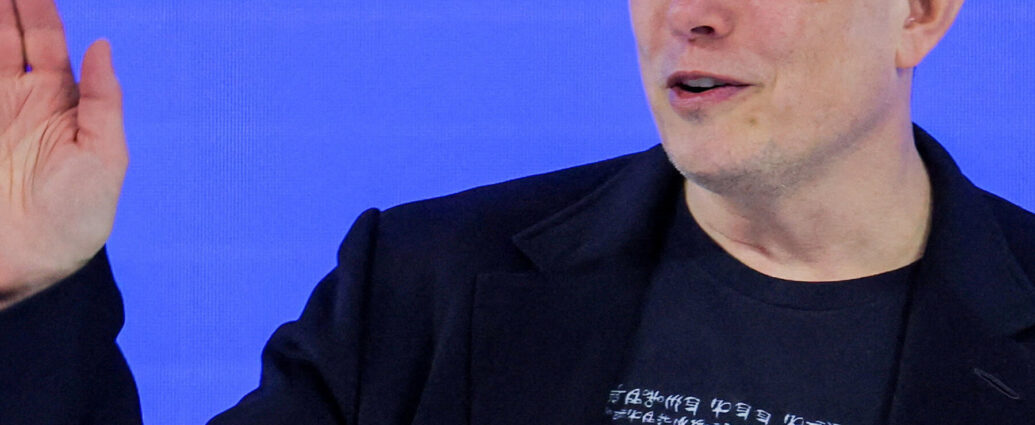
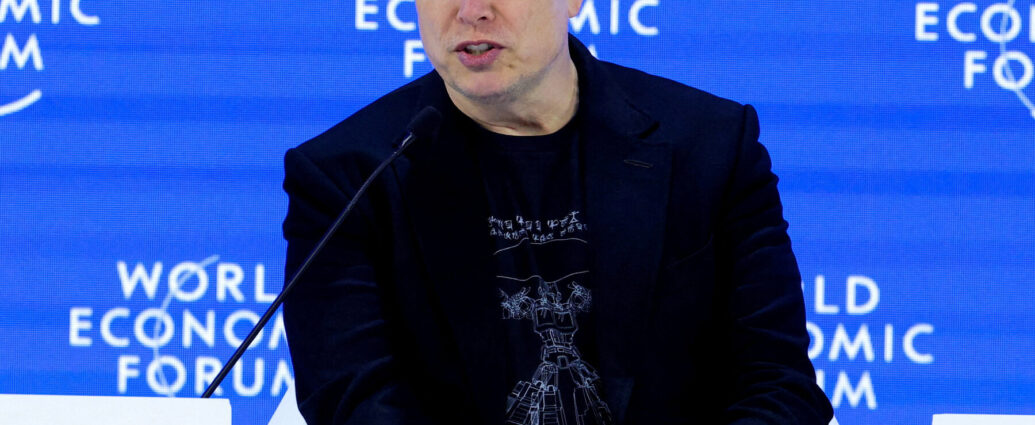
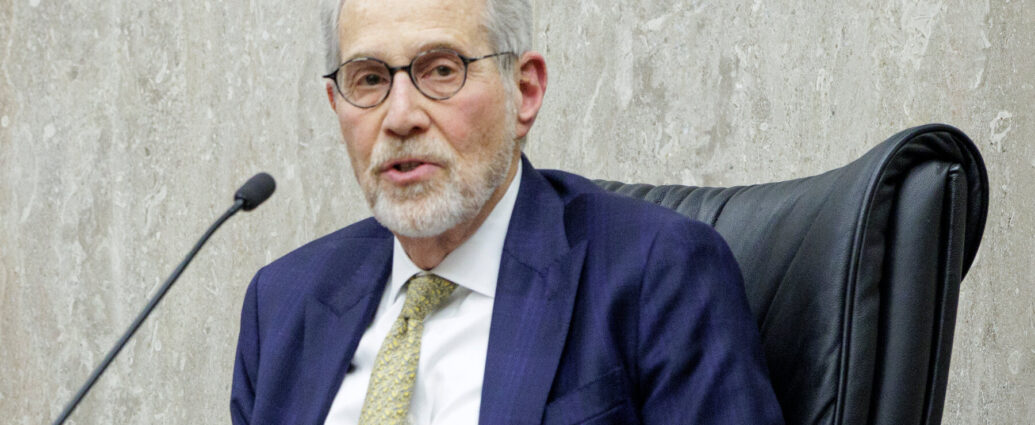
Elon Musk told a federal court Wednesday that he regrets providing nearly $38 million in early “free funding” to OpenAI, calling himself a “fool” for helping launch what has become one of the world’s most valuable private companies.

Testifying for a second day in his breach-of-contract lawsuit against OpenAI, Musk said he contributed the money under the belief that the organization would remain a nonprofit focused on developing artificial general intelligence (AGI) for the benefit of humanity rather than generating massive profits.

“I was a fool who provided them free funding to create a start-up,” Musk stated from the witness stand. “I gave them $38 million of essentially free funding which they then used to create an $800 billion for-profit company. I literally was a fool.”

Musk, who co-founded OpenAI in 2015 alongside CEO Sam Altman and President Greg Brockman, accused the leadership of being “disingenuous.” He claimed they assured him the company would stay true to its nonprofit roots and AI-safety mission while later shifting to a for-profit model that attracted billions in investment, including from Microsoft.

The Tesla and SpaceX CEO argued the transition — which began with a capped-profit subsidiary and later became fully for-profit — amounted to “looting a charity.” “They should not get rich off a nonprofit. That’s not right,” he testified.

OpenAI has strongly denied the allegations. The company maintains in court filings that Musk was fully aware of and initially supported plans for a for-profit arm to raise the enormous capital required to compete in the fast-moving AI sector. OpenAI says the lawsuit only arose after Musk was denied greater control when he left the board in 2018.

The trial, underway this week in U.S. District Court in Oakland, centers on claims of breach of contract and fiduciary duty. Musk has positioned the case as a broader warning about the risks of unchecked commercial AI development, referencing potential “Terminator”-style outcomes if safety is not prioritized.
Business Implications

The dispute underscores the intense capital demands of the AI industry. OpenAI’s valuation has soared amid the success of ChatGPT and enterprise adoption, drawing massive funding rounds. For investors, entrepreneurs, and tech executives, the case raises critical questions about governance in nonprofit-to-for-profit conversions, the balance between innovation speed and ethical commitments, and how founding agreements hold up as companies scale.


Musk’s competing venture, xAI, continues to position itself as an alternative with a different approach to AI development.

The proceedings are expected to continue with additional witnesses and cross-examination in the coming days. A verdict could set important precedents for AI governance, funding structures, and nonprofit oversight in the technology sector.

JBizNews will continue monitoring developments in this high-profile case, which carries significant ramifications for markets, technology investing, and the future of artificial intelligence.

JBizNews- Desk

Elena Vargas covers AI, Silicon Valley, and major tech litigation for JBizNews.

Tim Cook’s replacement as chief executive, John Ternus, knows hardware engineering. Can he be a product visionary and a global diplomat?

This post was originally published here

Airline passengers are feeling the pain in rising fees, as the war in Iran weighs on the price of jet fuel. Loyalty programs and certain credit cards can help ease the burden.

This post was originally published here

Oil prices are climbing and global stocks are falling as investors worry about the prospects for a speedy end to the war in the Middle East.

This post was originally published here

As Democrats try to find a way back to power in Washington, some see tax cuts as a quick and easy way to address affordability. The wonks are freaking out.

This post was originally published here

Ben Casselman, our chief economics correspondent, explains why wages are not keeping up with inflation and what that means for American workers and the economy.

This post was originally published here

For 42 years, the XK was Jaguar’s secret weapon. It proved its worth on the racetrack and powered generations of cars. The company’s leap into electrics could take a similar path.

This post was originally published here

The donations, from the philanthropist Connie Ballmer and an anonymous donor, will support the network’s long-term strategy.

This post was originally published here

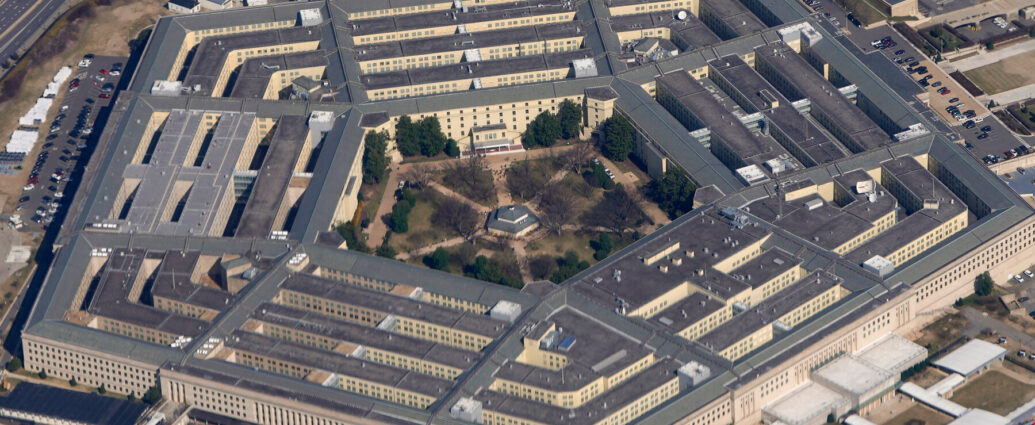
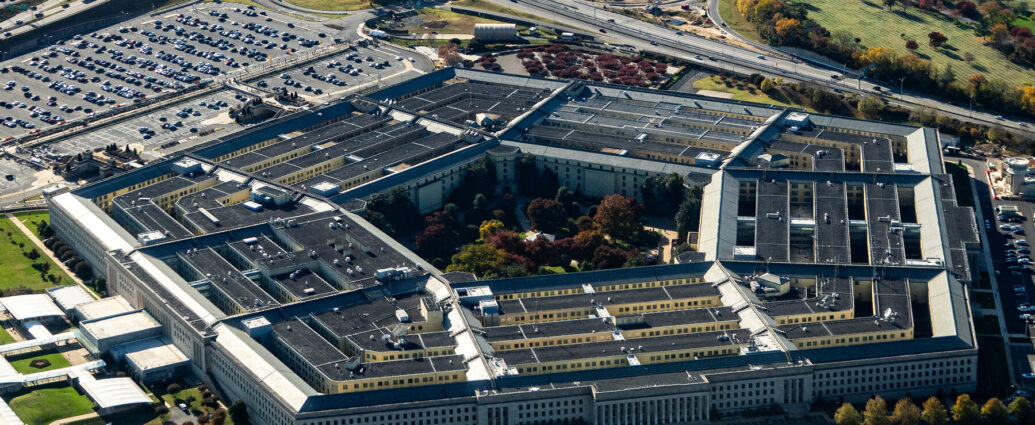
Concerned about the slow pace and high cost of weapons production, Pentagon officials have begun talks with General Motors and Ford Motor about producing certain parts.

This post was originally published here

The publishing giant is also closing the international editions of Glamour Magazine in Germany, Spain and Mexico.

This post was originally published here

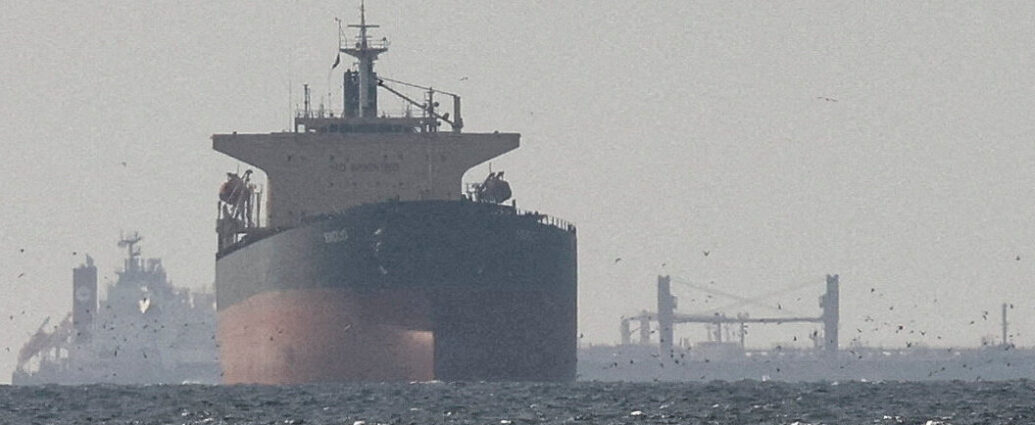
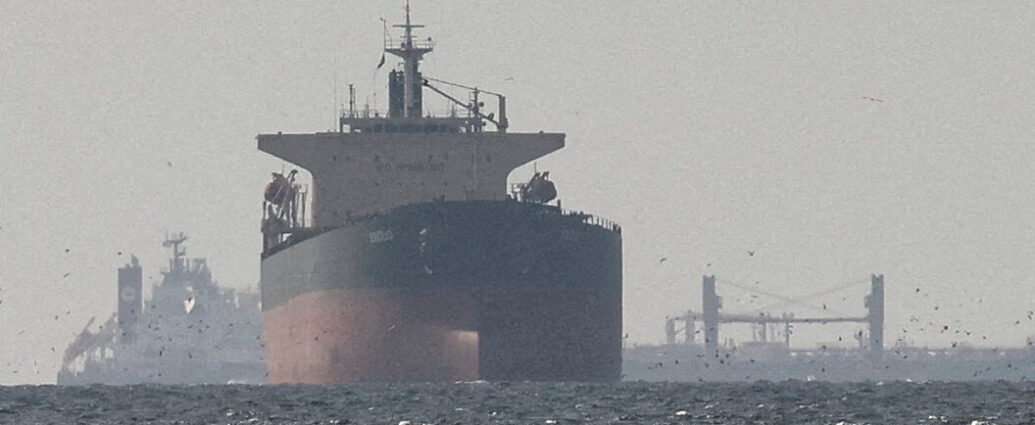
Putting a stop to Iranian shipping will further add to Iran’s economic pain, analysts said, but it might not be enough to force concessions or lessen the global energy crunch.

This post was originally published here

The new threat against the Fed chair comes ahead of a Senate confirmation hearing for Kevin Warsh, Trump’s pick to lead the central bank.

This post was originally published here

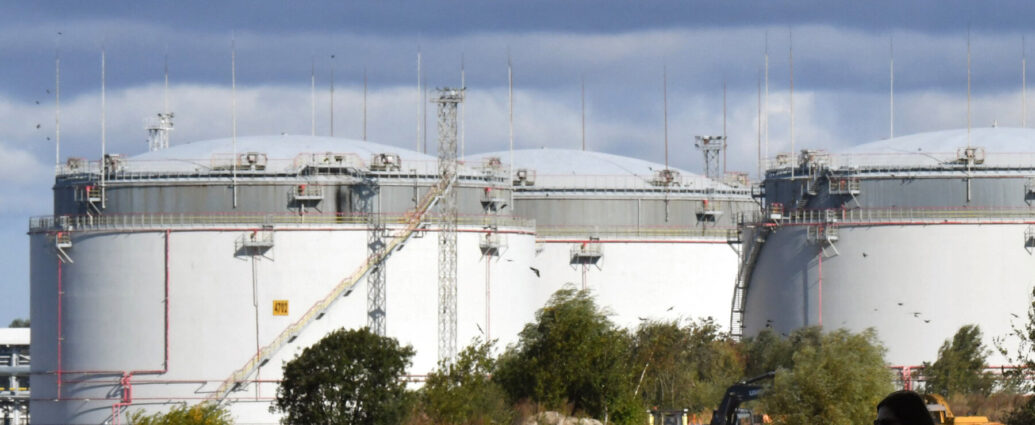
The country’s creaking electricity grid is lagging behind its push for renewable sources — just as its growing economy hungers for oil stranded by war.

This post was originally published here

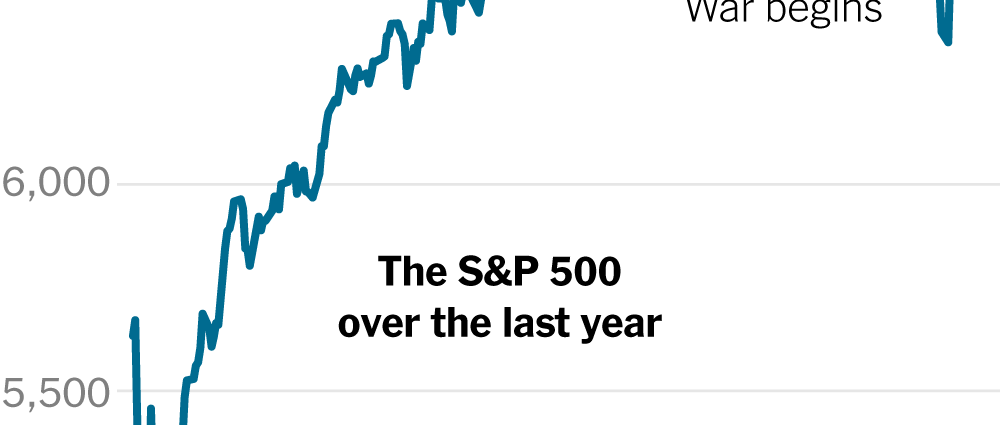
The S&P 500 has recouped all its losses since the Middle East war started on Feb. 28, as a bullish “vibe shift” takes hold among some investors.

This post was originally published here

China, the U.S., Russia and others have ramped up their contest over artificial-intelligence-backed weapons and military systems. The buildup has been compared to the dawn of the nuclear weapons age.

This post was originally published here

Ben Casselman, our chief economics correspondent, describes how the increase in prices as a result of the war in Iran is beginning to show up in the data, and what could come next.

This post was originally published here

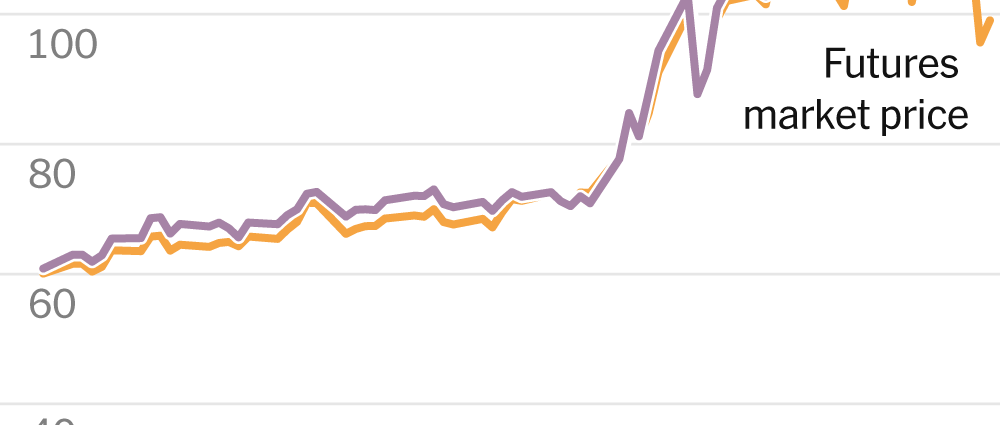
The war with Iran is preventing huge amounts of oil from flowing out of the Persian Gulf, but the prices that many people track don’t fully capture the scale of the disruption.

This post was originally published here

The Treasury secretary and the Fed chairman reportedly summoned banking leaders to discuss the potential systemic risks of Anthropic’s new model.

This post was originally published here

Our investigative reporter John Carreyrou spent 18 months digging through the archives of online cryptography communities in search of the identity of Satoshi Nakamoto, the anonymous inventor of bitcoin.

This post was originally published here