
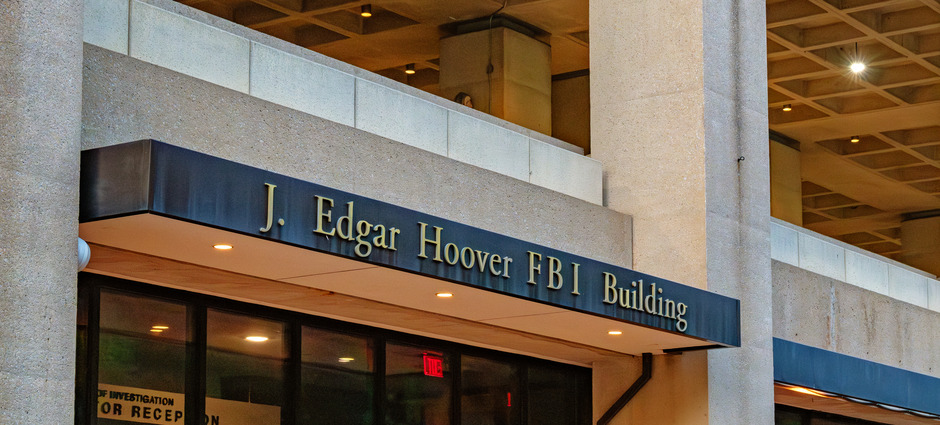
Archive: the J. Edgar Hoover FBI Building in Washington, D.C., May 2024 – a file photo, not connected to any specific investigation. Photo: Tony Webster / CC BY 2.0, via Wikimedia Commons; cropped.
The FBI is warning businesses that attackers have used an AI-driven security-testing tool to accelerate intrusions, with some attacks progressing from initial targeting to privileged access in less than three hours.
The warning appears in a November 13 FBI bulletin about ARTEX, software originally intended for authorized penetration testing. The bureau said malicious actors have used it since at least August against organizations across finance, government, technology, defense, energy, healthcare and other industries.
Privileged access means gaining permissions that can give an intruder greater control over systems. The three-hour figure describes that stage in some observed intrusions. It does not mean every company can be completely compromised in three hours, or that all data was stolen within that time.
The FBI said ARTEX can automate multiple stages of an intrusion, reducing the time needed to combine attack techniques and allowing small groups to target several organizations at once. It connects to external AI models rather than containing its own standalone model.
The bulletin cited a campaign involving South Korean financial institutions in which personal information belonging to approximately 67,000 people was taken. It also described a supply-chain compromise affecting ConnectWise Cloud Backup customers that led to attempted sign-ins to more than 2,250 downstream tenants. Attempted sign-ins are not the same as confirmed successful breaches of all those customers.
Removing the original software repository has not ended access to the tool, the FBI said. Copies and modified versions remain available. Researchers identified more than 1,600 publicly exposed ARTEX consoles in early November, according to the bulletin; that is not a count of confirmed victims.
For businesses, the bureau emphasized reviewing internet-facing applications, including supplier portals, employee systems and older services that may receive less security attention. It recommended restricting sensitive administration interfaces, limiting access permissions, monitoring unusual account and application activity, and preserving evidence when suspicious activity is found.
The FBI also cautioned against treating a listed address or other indicator as proof of an intrusion on its own. Security teams should check indicators against their own current evidence before taking defensive action.
The advisory does not establish that ARTEX caused the recent banking, aviation or technology outages. It describes observed malicious use of a particular tool, separate from unproven theories about the causes of those disruptions.
JBizNews Business Desk | Washington
© JBizNews.com. All rights reserved. Unauthorized reproduction or redistribution is strictly prohibited.