Implantica
A new surgical option for acid reflux has reached its first commercial patients in the United States, according to its manufacturer. For people weighing an operation after persistent reflux, the news is a launch milestone, not proof that one treatment works better than another.
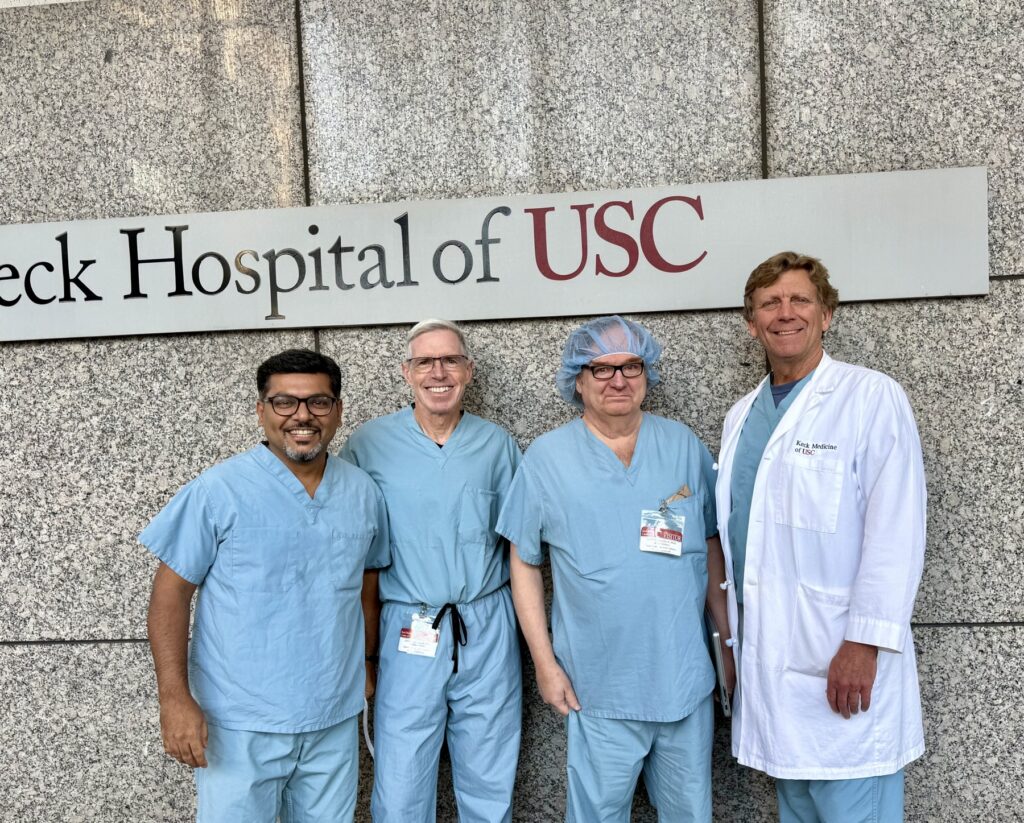
Implantica said November 5 that the first U.S. commercial procedures using its RefluxStop implant took place November 4 at the University of Southern California in Los Angeles. The company named Dr. John Lipham, chief of USC’s Division of Upper GI and General Surgery, as the surgeon.
The announcement follows an October training update. It describes procedures now performed in the United States, rather than training ahead of a future launch.
What the implant is meant to do
Gastroesophageal reflux disease, or GERD, involves stomach contents flowing back into the esophagus, the tube that carries food to the stomach. Implantica says RefluxStop is designed to help keep the junction between the stomach and esophagus in its normal position, without wrapping around or squeezing the food passage.
That is the manufacturer’s description of how the device is intended to work. The first U.S. operations do not establish that it is safer or more effective than existing surgery or medication for a particular patient.
Lipham said in the company release that the patients were doing well. Implantica did not report the number of patients treated, detailed results, complications or how long they had been followed. The release is an account from the manufacturer and participating surgeon, not an independent comparison of treatments.
FDA approval came before this week’s operations
The FDA’s own premarket approval record lists an August 20, 2026 decision for the RefluxStop device and deployment tool under PMA P250018. This week’s news is the start of commercial U.S. procedures, not a new FDA approval.
The FDA record also calls for a post-approval study of 200 patients, followed for five years, to assess safety and effectiveness in general hospital practice. Its safety measures include serious events related to the procedure or device. Longer follow-up matters when judging an implanted treatment.
A gradual rollout, with access questions still open
Implantica says it plans to build the U.S. launch center by center, with surgeon training. The announcement does not give a national availability date, a patient price or insurance coverage details.
For patients, that leaves practical questions for their treating team: whether they are a candidate, what testing and recovery involve, what risks apply to them, and what their insurer would cover. The arrival of another option does not mean everyone with heartburn needs an implant or should change prescribed medicine.
JBizNews Desk | Los Angeles
© JBizNews.com. All rights reserved. Unauthorized reproduction or redistribution is strictly prohibited.