FrontView REIT
The landlord behind hundreds of roadside shops and service businesses is buying more property while keeping nearly all of its existing space occupied.
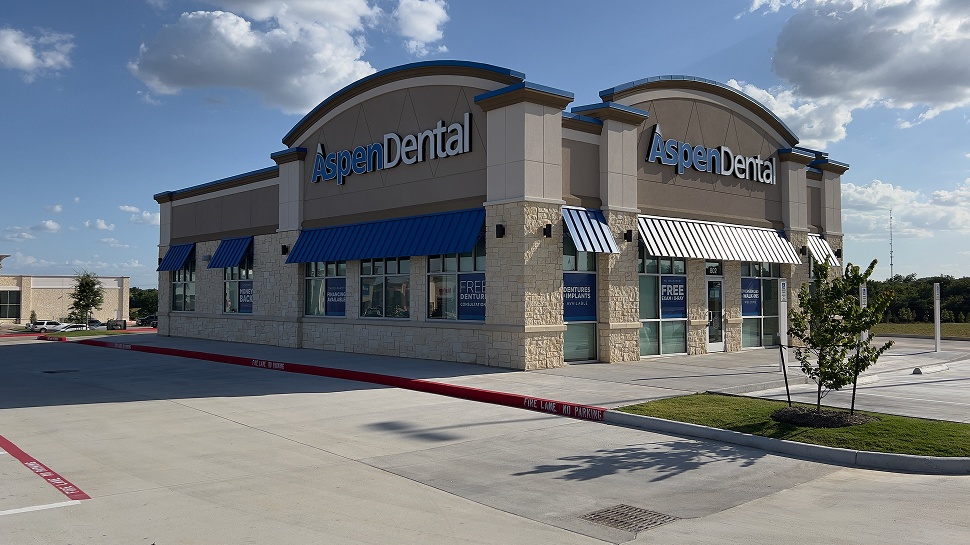
FrontView REIT said it bought 16 properties for $50.6 million during the third quarter, as occupancy stood at 99.4% at the end of September. Its portfolio now spans 327 properties across 36 states, leased largely to businesses such as restaurants, medical and dental offices, financial institutions and automotive services.
The Dallas-based company focuses on buildings along busy roads, where visibility and access can matter as much as the tenant’s name. For investors, its latest results offer a look at demand for that smaller-scale commercial real estate, rather than office towers or large enclosed malls.
Buying at a higher yield than it sold
The new properties carried an average capitalization rate of 7.56%, according to FrontView’s November 4 earnings release. The company also sold five occupied properties for $17.1 million at an average cap rate of 6.56%.
A cap rate compares a property’s annual operating income with its price. A higher rate means more income per dollar paid, but it is not a guaranteed shareholder return. Financing costs, tenant risk and future property expenses still matter. The properties bought and sold are different assets, so the two rates are not a direct measure of a trading profit.
Acquisitions had a weighted average remaining lease term of 6.4 years. Across the entire portfolio, the weighted average was seven years.
Recurring earnings rose, reported profit fell
Quarterly revenue increased to $18.6 million from $16.8 million a year earlier. Adjusted funds from operations, a measure REITs use to track recurring performance, rose to $9.7 million, or 33 cents per share, from $8.8 million, or 32 cents per share.
Reported net income, including noncontrolling interests, moved the other way: $3.0 million compared with $5.5 million a year earlier. Earnings per share were 8 cents, down from 19 cents. The financial statements show smaller gains on property sales and higher impairment charges than in the prior-year quarter.
The distinction matters. Adjusted funds from operations remove items such as real estate depreciation and gains on sales, with further company-defined adjustments. It is not the same as net income or cash flow and should be read alongside those measures.
Dividend held steady
FrontView kept its quarterly common dividend at 21.5 cents per share. The newly authorized payment is due January 15, 2027, to shareholders of record December 31, 2026. The dividend paid during the third quarter represented 64.7% of adjusted funds from operations per share.
The company maintained full-year adjusted funds from operations guidance of $1.32 to $1.34 per share and approximately $120 million in net investment activity. Those are forecasts, not completed results.
FrontView reported $174 million of liquidity, but that is not all cash in the bank. It includes about $5 million in cash, $139 million of available revolving credit capacity and $30 million of undrawn convertible preferred stock.
Net leases generally make tenants responsible for real estate taxes, insurance and operating expenses, which can shield landlords from some rising costs. They do not remove the risk of a tenant struggling or a property becoming vacant. FrontView’s near-full occupancy is a snapshot of its own portfolio, not a verdict on every retail property market.
JBizNews Desk | Dallas
© JBizNews.com. All rights reserved. Unauthorized reproduction or redistribution is strictly prohibited.