By JBizNews Desk | Monday, May 4, 2026
Global trade is beginning to slow as shipping delays intensify and transportation costs climb, disrupting business operations and forcing companies to absorb higher expenses across already strained supply chains.
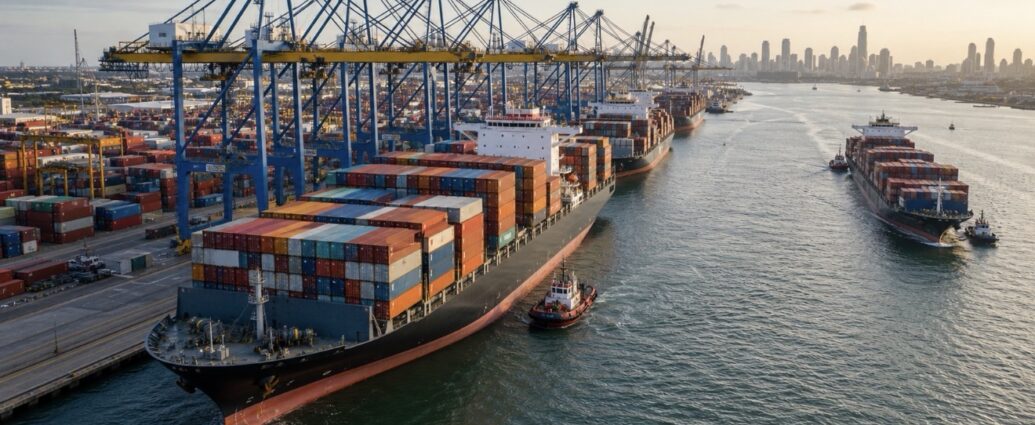
From manufacturers waiting on critical inputs to retailers struggling to keep shelves stocked, companies are reporting longer lead times, missed delivery windows, and rising uncertainty in fulfilling customer demand. The disruption is being driven by a renewed combination of port congestion, container shortages, and elevated fuel costs, tightening global logistics networks at a critical moment.
Ngozi Okonjo-Iweala, Director-General of the World Trade Organization, warned that “persistent logistics disruptions and rising trade costs are acting as a drag on global growth, particularly as businesses rely on predictable supply chains to operate efficiently.”
The operational impact is becoming increasingly visible. Businesses are being forced to adjust production schedules, delay shipments, and carry higher inventory levels to buffer against unpredictability. These changes are not only increasing costs but also reducing efficiency and profitability.
Across major shipping hubs in Asia, Europe, and North America, congestion has returned, extending vessel wait times and reducing schedule reliability. As a result, companies are finding it harder to plan, forecast, and execute on time-sensitive orders.
John Denton, Secretary-General of the International Chamber of Commerce, said “when supply chains become unreliable, businesses are forced to operate defensively—holding more inventory, paying more for logistics, and ultimately passing those costs through the system.”
Freight costs are adding further pressure. Ocean shipping rates have risen sharply in recent weeks, driven by strong demand and constrained capacity. For many businesses, particularly those operating on thin margins, the increase is forcing difficult decisions around pricing, sourcing, and order volumes.
Small and mid-sized businesses are among the most exposed. With limited negotiating power and less flexibility in their supply chains, many are being forced to either raise prices or absorb losses, both of which carry long-term consequences.
The ripple effects are extending beyond individual companies. Higher shipping costs are feeding into broader inflation, while slower trade flows are beginning to weigh on overall economic momentum.
Analysts warn that if disruptions persist, the cumulative impact could deepen, affecting hiring, investment, and expansion plans across multiple sectors.
What comes next: With supply chains tightening again and shipping costs rising, businesses are entering a more defensive phase—one where operational resilience, cost control, and supply chain flexibility will be critical to navigating the months ahead.
JBizNews Desk