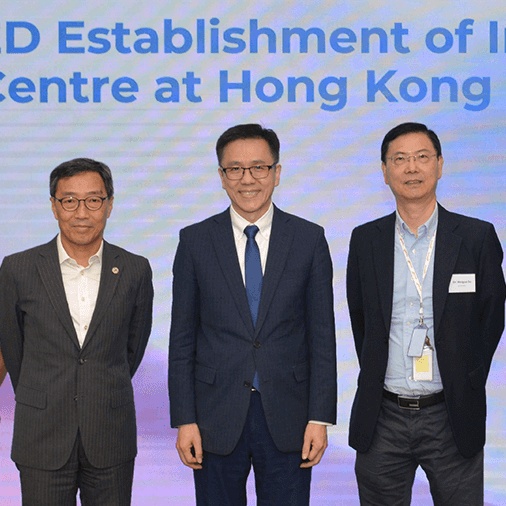
Photo: HKSTP (August 2024 archive)
A drug being developed for a rare blood disorder has gained a U.S. research incentive, not permission to go on sale. HUTCHMED says the FDA granted orphan drug designation to sovleplenib for autoimmune hemolytic anemia.
The company announced the designation November 4. In autoimmune hemolytic anemia, the immune system makes antibodies that attack red blood cells. Sovleplenib is an experimental oral drug designed to inhibit spleen tyrosine kinase, or Syk, an enzyme involved in immune-cell signaling.
What the designation does, and does not, mean
The FDA says orphan designation can qualify drug developers for tax credits for qualified trials, exemption from user fees and a potential seven years of market exclusivity after approval.
The designation process is separate from the scientific review needed for approval. It does not establish that sovleplenib is safe and effective for this use, and it does not make the drug an approved U.S. treatment.
For patients and families, the immediate change is in the developer’s incentives to keep studying the drug. The announcement does not offer a new prescription option, a patient price or insurance coverage.
A second rare-disease designation
HUTCHMED said this is sovleplenib’s second U.S. orphan designation, following one announced in October for primary immune thrombocytopenia, a different immune disorder involving platelets.
The company says China’s National Medical Products Administration is reviewing applications for sovleplenib in primary immune thrombocytopenia and warm autoimmune hemolytic anemia. Warm autoimmune hemolytic anemia is a form of the red-blood-cell disorder. Those Chinese reviews are separate from U.S. designation and do not amount to U.S. approval.
HUTCHMED retains worldwide rights to the drug. Its release points to trials in China supporting the applications, but this designation announcement does not present new trial results or establish a date for a U.S. approval decision.
The next questions are clinical and regulatory: whether evidence supports approval, for which patients, and with what safety conditions. Orphan status does not answer them.
JBizNews Desk | Florham Park, N.J.
© JBizNews.com. All rights reserved. Unauthorized reproduction or redistribution is strictly prohibited.