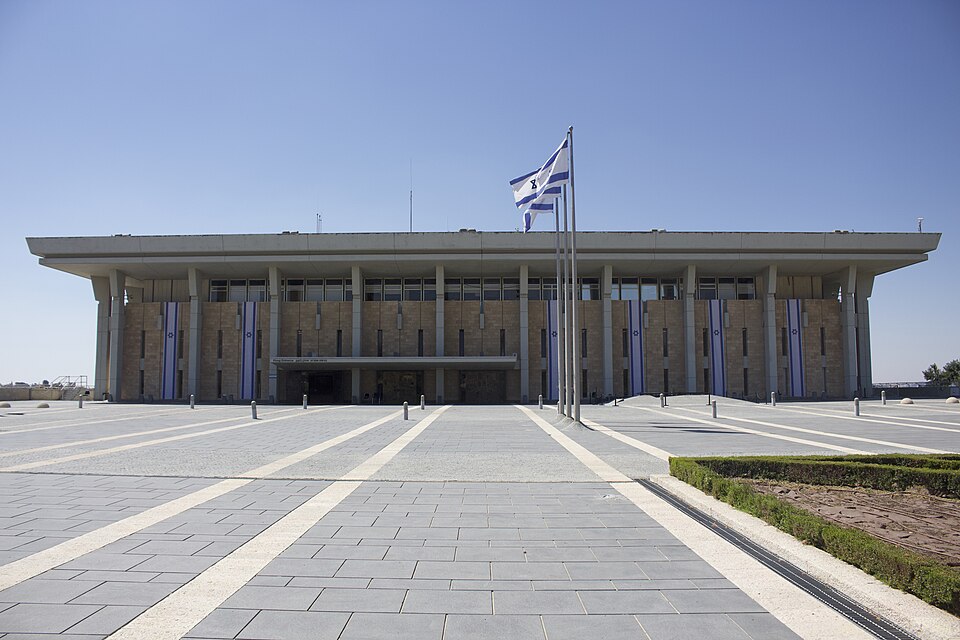
Israel’s election-night exit polls have opened a second contest: the battle to turn parliamentary seats into a government. The question is not simply which party finishes first, but which candidate can assemble enough support in the Knesset to take office.
That distinction separates an election-night headline from the process that follows. A party’s position in an exit poll does not itself confer the right to lead the next government. Israel’s official explanation of government formation describes a separate presidential assignment, a period for building a government and a parliamentary confidence vote.
The race for governing support
In a 120-seat Knesset, 61 seats represent an outright majority. But the political blocs displayed in election-night projections are not governments already formed. The eventual parliamentary numbers and the parties’ willingness to work together determine which combinations are possible.
The largest individual party therefore cannot be treated as the automatic winner of the premiership. The Basic Law provides for the president to consult parliamentary representatives and assign the task of forming a government to a Knesset member who agrees to undertake it. It does not automatically give that task to the leader of the largest party.
What follows the results
According to the Knesset, the president must make that assignment within seven days of publication of the election results. The chosen member then has 28 days to form a government, with the president permitted to grant extensions totaling no more than 14 additional days.
A proposed government must present its policy guidelines, membership and ministerial responsibilities to the Knesset and request its confidence. The Knesset’s explanation says the government takes office when parliament expresses confidence in it. Until a new government is formed, the outgoing government continues to perform its functions.
Those steps are separate from the television projections and the Central Elections Committee’s official vote count. Exit polls estimate the emerging seat distribution; they neither certify the ballots nor complete the negotiations required to form a government.
The election-night contest is therefore about two different outcomes: the distribution of seats and the ability to build a governing arrangement from them. Neither a favorable projection nor a claim of victory completes that second task.
JBizNews Desk | Jerusalem
© JBizNews.com. All rights reserved. Unauthorized reproduction or redistribution is strictly prohibited.