
Michigan reported 10,077 cyclosporiasis cases Wednesday as a nationwide food-safety investigation widened and consumer fears began cutting restaurant visits and fresh-lettuce purchases.
The Michigan Department of Health and Human Services added 397 cases from Tuesday’s count. State officials have reported 160 hospitalizations and no deaths, according to the latest available figures.
Federal investigators have linked part of the outbreak to shredded iceberg lettuce supplied by Taylor Farms de Mexico and served at Taco Bell restaurants. Yet the scale of the illness remains larger than the cases tied directly to that product, leaving health authorities searching for additional sources.
That distinction matters for consumers. The Food and Drug Administration’s confirmed Taco Bell-related outbreak involved 1,947 illnesses across nine states as of its July 24 update, while Michigan’s broader count includes confirmed, probable and suspected cases that may involve other exposures.
Across the country, the Centers for Disease Control and Prevention has received reports of 6,707 laboratory-confirmed domestic cases. Health authorities are also reviewing more than 11,500 additional cases across 45 states that have not been laboratory confirmed or still require investigation.
The outbreak is now affecting far more than the people who became sick.
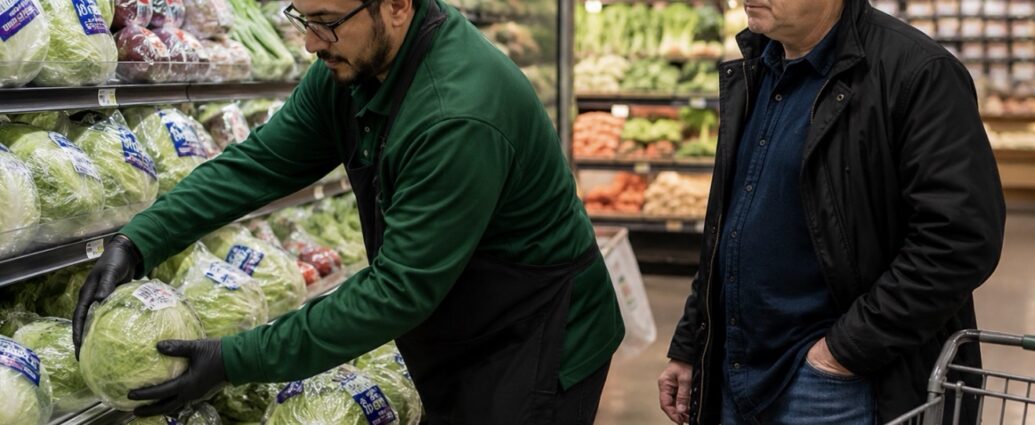
Fresh-lettuce unit sales fell 9% during the week ended July 18 compared with the prior week and were down 19% from two weeks earlier, according to NielsenIQ data reported Wednesday.
Restaurant traffic has also weakened. Visits to Taco Bell fell 20.8% on July 23 compared with the average Thursday during the first half of the year, while traffic also declined at Chopt, Panera Bread and Chipotle.
Those declines show how uncertainty can spread across an entire food category even when only specific products have been recalled. Growers and restaurants selling lettuce from unaffected regions are now facing reduced demand because customers cannot easily distinguish recalled products from produce that remains safe.
Taylor Farms voluntarily removed all iceberg lettuce sourced from central Mexico from the U.S. market on July 17. The recall included certain Marketside iceberg salad and shredded-lettuce products sold at select Walmart stores, along with food-service products distributed to restaurants and other commercial customers.
Recalled food-service lettuce was distributed in at least 27 states, including New Jersey. Retail Marketside products were sold in a smaller group of states that did not include New Jersey or New York, according to the FDA’s published distribution list.
Taco Bell said it stopped using lettuce from Taylor Farms de Mexico on July 17.
FDA officials continue to advise consumers, restaurants and retailers not to eat recalled lettuce. Anyone who still has an affected product should discard it or return it for a refund, then clean containers and surfaces that may have touched the lettuce.
Cyclospora is a microscopic parasite that can spread when people consume food or water contaminated with fecal matter. Unlike some foodborne illnesses, it generally does not spread directly from one person to another.
Symptoms commonly include frequent watery diarrhea, stomach cramps, nausea, fatigue, appetite loss and weight loss. Illness can continue for weeks and may appear to improve before returning.
Consumers experiencing symptoms should contact a healthcare provider, particularly if they ate shredded iceberg lettuce during the two weeks before becoming sick. People with weakened immune systems may face more severe or prolonged illness.
Washing produce remains an important general food-safety practice, but it may not completely remove Cyclospora from contaminated fruits or vegetables. The more immediate protection is avoiding products specifically listed in the recall.
Case numbers may continue climbing even after recalled lettuce has disappeared from shelves. Federal officials said it can take as long as six weeks to determine whether a reported illness belongs to the outbreak because of delays involving symptoms, medical testing and case reporting.
For restaurants, grocery stores and produce companies, the next risk is whether investigators identify additional foods, suppliers or distribution channels. Until that picture becomes clearer, consumer hesitation is likely to remain a financial problem across the fresh-produce business—not only for the companies directly connected to the recall.
JBizNews Desk | Detroit
© JBizNews.com All Rights Reserved. Reproduction or distribution without written permission is prohibited.




