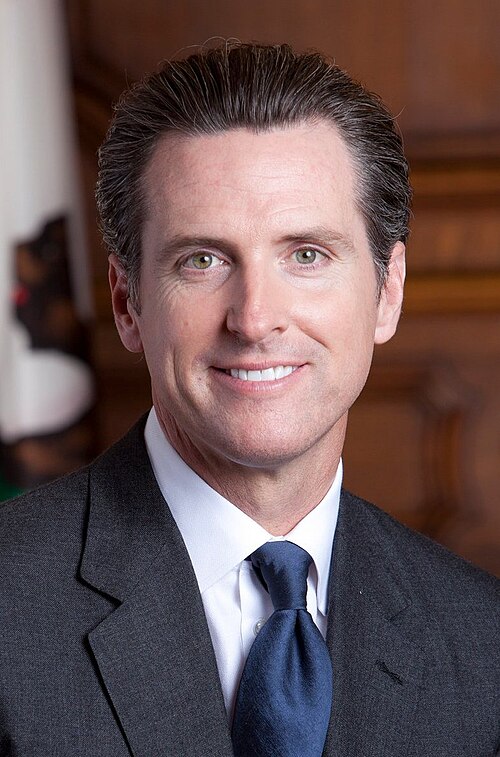
Photo: State of California (archive photo)
California Gov. Gavin Newsom proposed raising the state’s annual film and television tax credit allocation from $750 million to at least $1 billion on Monday, alongside a longer program life and more support for independent productions.
The plan is a proposal, not a new law. It would require action by the state legislature before productions could rely on the expanded allocation or eligibility rules.
In its announcement, the governor’s office said the expansion would make above-the-line compensation eligible for credits, subject to funding caps; allocate $100 million a year to independent films; and reward companies committing to multiple California productions.
A larger annual credit and a longer horizon
The proposal would extend the tax credit’s sunset from five to 10 years. The governor’s office described the plan as extending the credit through 2040, with the aim of giving producers more certainty for long-term investment.
It follows California’s 2025 increase in the annual allocation from $330 million to $750 million, a five-year, $3.75 billion commitment through 2030. Monday’s announcement seeks another expansion rather than reporting a change already enacted.
“At least $1 billion in tax credits means more investment flowing into our economy and more opportunity across the industry,” Newsom said in the release.
Independent films and repeat productions
The proposed independent-film allocation of $100 million annually would be $26 million above the current program, according to the governor’s office.
Companies committing to at least two distinct qualifying productions in California would receive a 5% boost in tax credits under the proposal. The plan would also make above-the-line expenditures eligible, including compensation for leading creative talent, subject to appropriate caps.
The announcement did not provide a final legislative text or an enacted implementation date for those changes. Producers would still need to assess any eventual law and program rules before treating the proposed benefits as available.
California cites gains from its existing program
The governor’s office said the expanded program had attracted $8.25 billion in direct production spending to date, including $5.3 billion in qualified expenditures and $3.2 billion in qualified wages. Those wage figures are part of the broader spending measures, not additional amounts to add on top.
It also cited more than 43,000 cast and crew jobs and more than 8,600 California filming days. These are figures reported by the administration in support of its proposal, not an independent assessment of the expansion’s net budget effect.
Deadline reported that legislative approval before Newsom leaves office in January 2027 was unlikely. The timing and final terms therefore remain questions for lawmakers and the next administration.
A separate push for federal support
Newsom also renewed his call for Congress to pass the Motion Picture, Television, and Entertainment Revitalization Act by the end of the year. His office said the proposed federal legislation would create a 20% film and television tax credit that could be combined with state programs.
That federal proposal is separate from California’s plan. Neither Monday’s state announcement nor the governor’s request to Congress establishes that the proposed benefits have become law.
JBizNews Desk | Hollywood
© JBizNews.com. All rights reserved. Unauthorized reproduction or redistribution is strictly prohibited.