Media & Entertainment | Saturday, April 25, 2026 | JBizNews Desk
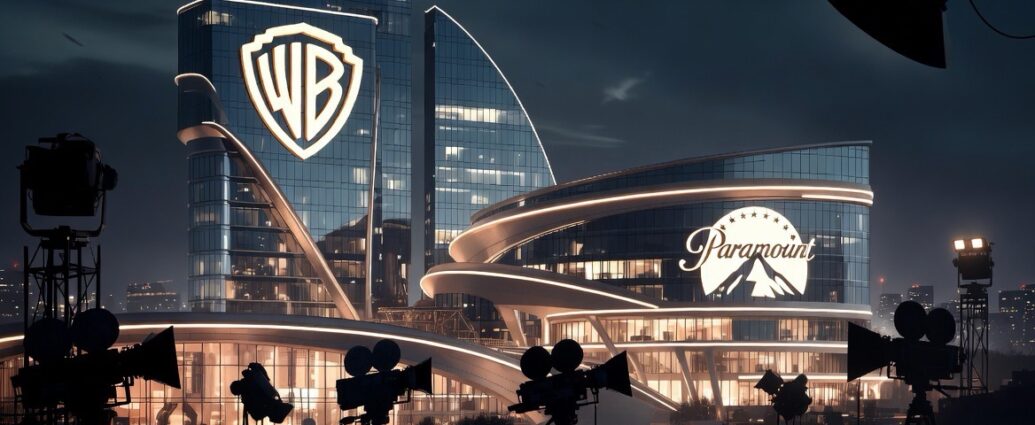
Warner Bros. Discovery (NASDAQ: WBD) shareholders voted overwhelmingly on Thursday, April 23, to approve the company’s $110 billion acquisition by Paramount Skydance, clearing a major procedural hurdle in what would become one of the largest media mergers in U.S. history. However, by Friday’s close and into Saturday trading, Paramount Skydance (NASDAQ: PSKY) stock had fallen approximately 4.5%, closing around $10.97–$11.27, as investors shifted focus to the deal’s heavy debt burden—estimated at more than $54 billion in financing that will weigh on the combined entity.
The shareholder vote was not close. Roughly 1.743 billion shares were cast in favor versus only about 16.3 million against, a margin exceeding 100-to-1. Boards of both companies had unanimously backed the transaction. WBD CEO David Zaslav described it as a “key milestone” delivering value to stockholders. WBD shareholders will receive $31 per share in cash upon closing—a significant premium that helped secure the strong approval.
Paramount Skydance CEO David Ellison has sought to reassure Hollywood stakeholders with commitments to maintain theatrical windows (at least 45 days before streaming), sustain robust film output (targeting around 30 films annually across the combined studios), and preserve Warner Bros. Pictures as a distinct creative entity. The deal, which prevailed over competing interest from Netflix after a heated bidding process, values WBD at roughly $81 billion in equity plus debt, for a total enterprise value near $110–$111 billion.
Markets reacted negatively to the financial structure, widely described as one of the largest leveraged media deals ever. The transaction relies heavily on debt financing, raising concerns about the combined company’s ability to service obligations amid streaming competition, advertising market pressures, and broader economic factors. Paramount’s shares have shown high volatility over the past year, reflecting ongoing uncertainty in the sector.
The merger still requires regulatory approvals from the U.S. Department of Justice and international bodies (including European antitrust regulators). Both companies anticipate closing in the third quarter of 2026, subject to those clearances. Hollywood has voiced mixed reactions, with some filmmakers and producers worried about content consolidation, reduced creative opportunities, and diminished competition.
If completed, the deal would create a media powerhouse encompassing Warner Bros.’ iconic film and TV library, HBO, Max, CNN, DC Studios, TNT, TBS, Cartoon Network, plus Paramount’s assets including CBS, MTV, Nickelodeon, BET, Paramount+, and its film studio. The central challenge for David Ellison and the new leadership will be unlocking synergies from this vast library while managing the substantial debt load in an evolving media landscape.
This story remains developing as regulatory reviews proceed and markets digest the implications.
JBizNews Desk