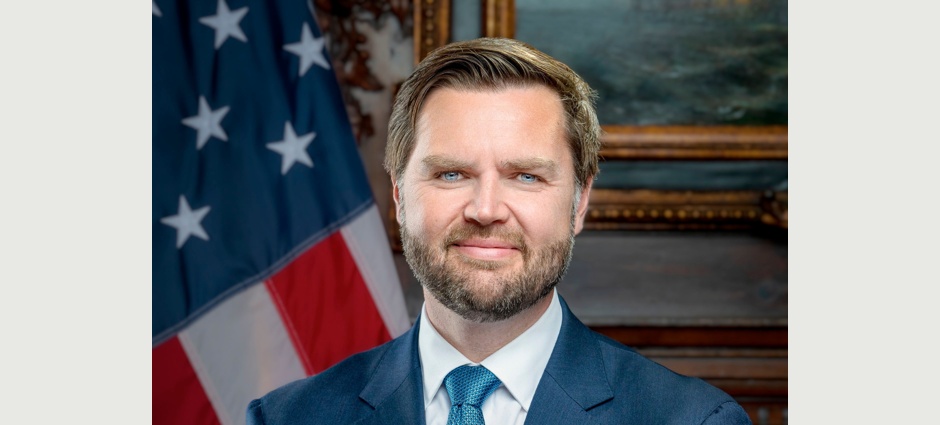
JD Vance, January 2025 official portrait. Daniel Torok, public domain. Cropped; neutral side borders.
President Donald Trump has grown frustrated with Vice President JD Vance’s criticism of the Iran war as a cause of Republican midterm losses, believing Vance should also have defended the decision to go to war, according to a report published Wednesday, November 18, describing Trump’s private conversations.
Israel National News, citing reporting by The New York Times, said Trump had complained to aides and allies that Vance’s postelection analysis should have made clear that he considered the military campaign justified despite its political consequences. The account rests on people familiar with the president’s comments.
The Times report, republished by The Seattle Times, also described Trump privately praising Secretary of State Marco Rubio as a potential presidential candidate.
Trump wanted a defense of the war
Trump initially appeared receptive to Vance’s assessment after the vice president published his postelection analysis. “I think it’s largely true,” the president told reporters.
The reported frustration developed over the following two weeks and centered on how Vance framed the war, rather than simply whether it had affected the election. Trump publicly suggested this month that the vice president should have “made one other statement.”
“If you had it to do again, would you do it again? The answer is yes,” Trump said, explaining what he believed Vance’s analysis had omitted.
Vance’s post had directly blamed the war for Republican losses while also criticizing the administration’s messaging. Trump has pointed to several explanations for the results, including his own absence from the ballot.
Vance denies daylight with Trump
Asked in a Fox News interview this week whether his postelection comments showed differences within the administration, Vance said, “I think there’s no daylight between the president or any other senior member of the administration.”
The vice president also said he had not decided whether to seek the Republican presidential nomination in 2028. “I haven’t made a decision,” he said. “We’ll figure it out sometime next year.”
The White House did not respond to the Times’ request for comment, according to the report. Vance’s office declined to comment beyond referring to his recent interviews.
The question of Trump’s successor
The reported disagreement comes as Republicans consider who might follow Trump as the party’s presidential nominee. Vance’s position as vice president makes Trump’s support important to any prospective campaign.
The Times reported that Trump’s allies had noted Rubio’s consistent defense of the Iran campaign as necessary for U.S. national security. Its account of Trump’s private praise for Rubio and frustration with Vance relied on people describing conversations behind closed doors.
Trump has also shifted Vance away from Iran negotiations and directed him to focus on investigating allegations of election fraud in Democratic-run jurisdictions, the report said.
JBizNews Desk | Washington
© JBizNews.com. All rights reserved. Unauthorized reproduction or redistribution is strictly prohibited.