SK hynix reported record quarterly revenue and operating profit as demand for memory used in artificial intelligence systems lifted sales and prices. The company said it expects memory demand to exceed supply through 2030.
In its third-quarter results release dated October 28 in Seoul, the chipmaker reported revenue of 104.6155 trillion South Korean won, operating profit of 83.3338 trillion won and net profit of 39.7756 trillion won. Revenue rose 32% from the previous quarter, while operating profit increased 38%.
Net profit moved the other way, falling 58% from the second quarter, according to the company’s financial table. The release did not explain that decline. The figures are preliminary, and the company said its financial review has not been finalized.
AI memory sales and prices drive the records
SK hynix attributed the revenue and operating-profit records to stronger demand for AI memory, higher prices for key products and growth in higher-value chips. Quarterly revenue exceeded 100 trillion won for the first time, it said.
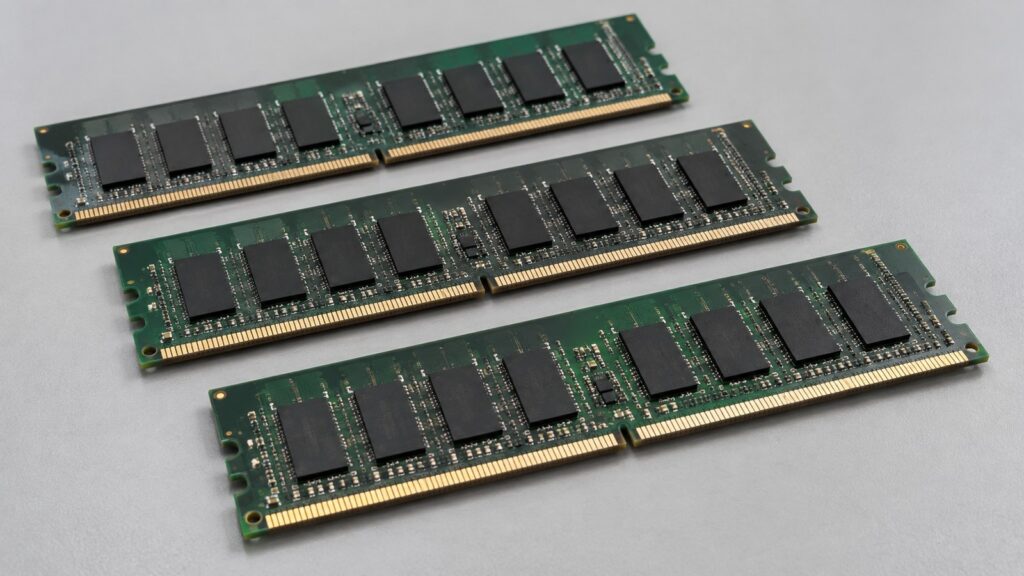
The company said sales of server DDR5 memory increased sharply and shipments of its newer HBM4 memory began in earnest. It expects HBM4 to surpass HBM3E in both shipment volume and revenue during the fourth quarter.
The shortage forecast is the company’s outlook, not an established outcome. SK hynix said the difficulty of making chips with advanced production methods and the time needed to build factories would keep supply from catching up with demand through 2030.
Long-term contracts cover more than half of two years’ capacity
SK hynix said it has signed long-term agreements with 14 major customers, including cloud-service providers. The contracted volume covers more than 50% of its total production capacity for 2027 and 2028.
The agreements generally run for five years, according to the company. Prices can reflect market conditions within a range agreed with customers. That gives the company a clearer view of demand without making every future selling price fixed.
It plans to bring its M15X facility to maximum capacity by year-end to increase HBM4 production. Investment is expected to rise significantly next year, although the company said it would adjust the size and timing based on demand, profitability and production needs.
A dividend and a buyback, with an important distinction
The board approved a third-quarter cash dividend of 14 trillion won and a 20 trillion won share buyback.
Only 10 trillion won of the shares to be repurchased are earmarked for cancellation as shareholder returns. The remaining approximately 10 trillion won will be used for employee compensation and is not included in that return total.
The dividend is 20,000 won per share: a 10,000-won dividend tied to improved earnings and a 10,000-won special dividend sharing gains from the company’s Kioxia investment.
The results point to strong AI-related demand, but they do not establish what consumers will pay for phones, computers or other electronics. The immediate measures to watch are production increases, contract deliveries and whether the company’s supply outlook holds.
JBizNews Desk | Seoul
© JBizNews.com. All rights reserved. Unauthorized reproduction or redistribution is strictly prohibited.