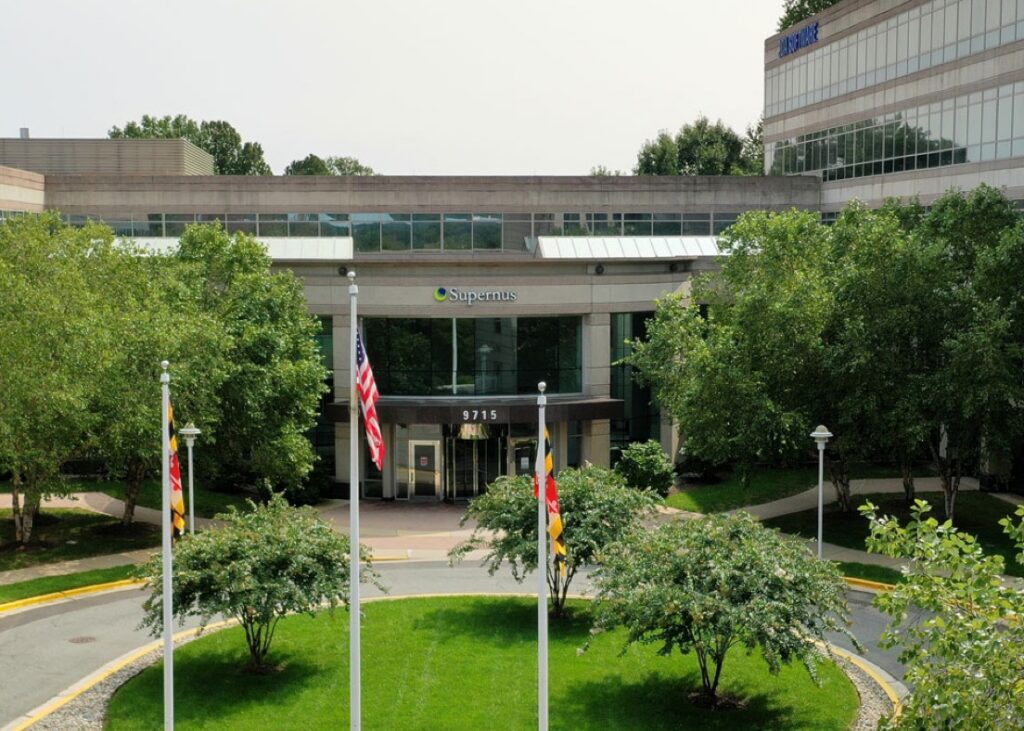
Photo: Supernus (archive photo)
Supernus Pharmaceuticals and Indivior completed their merger Monday, November 2, creating Supernus Inc., an 11-product central nervous system drug company led by Jack Khattar. Former Indivior shareholders own approximately 56.5% of the combined company and former Supernus shareholders own 43.5%, on a fully diluted basis.
The company’s closing announcement said the combined business trades under the ticker INDV on November 2 and is expected to begin trading as SUPN on November 3. The ticker transition is a day after the merger closing, not a new SUPN trading debut on Monday.
Under the merger agreement, holders of Supernus Pharmaceuticals received 1.5401 common shares of Indivior Pharmaceuticals for each Supernus share they owned. The combined company operates under the Supernus name and will use the legacy Supernus headquarters in Rockville, Maryland, as its global headquarters.
Indivior shareholders immediately before closing will receive a previously announced special cash dividend totaling $1 billion. The companies financed that dividend with a $650 million term loan from Citibank and existing cash of the combined company. The $1 billion is a shareholder distribution, not an acquisition price.
The combined portfolio spans opioid use disorder, psychiatry and neurology. The company identified Sublocade, Qelbree, Gocovri, Onapgo and Zurzuvae as five core growth products within the 11-product portfolio. Those commercial ambitions remain the company’s assessment, rather than a guarantee of future sales or patient outcomes.
Khattar is president, chief executive officer and a director of the combined company. Tony Kingsley, previously an Indivior director, is board chair. The eight-member board includes four directors from each legacy company.
Management said the merger increases the company’s scale and capacity to invest in marketed medicines, its pipeline and future opportunities. Its release also cautioned that integration costs, disruption and the debt used to fund the special dividend could affect results, and that anticipated benefits might not be realized as expected.
The closing establishes the combined business and ownership split. It does not itself constitute a new drug approval or guarantee that projected financial or development benefits will follow.
JBizNews Desk | New York
© JBizNews.com. All rights reserved. Unauthorized reproduction or redistribution is strictly prohibited.