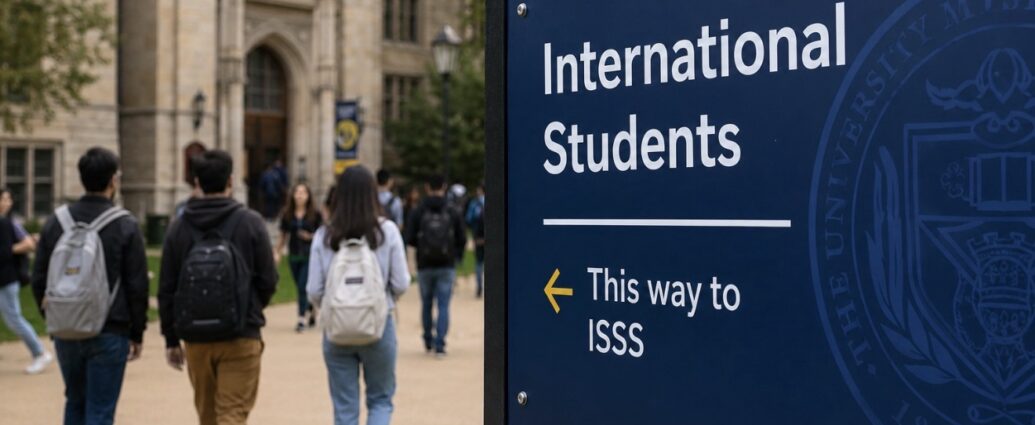
The Trump administration is considering a proposal that would require many international students to pay a $100,000 fee to obtain work authorization after graduating from U.S. colleges and universities through the Optional Practical Training (OPT) program. The proposal remains under internal review and has not been approved or implemented.
If adopted, the policy would extend the administration’s broader effort to tighten legal immigration, but its economic impact would reach far beyond immigration policy. American universities, technology companies, financial firms, hospitals, engineering firms and other employers that rely on highly skilled graduates could all face a smaller pipeline of talent.
OPT allows eligible international students to work in the United States for up to one year after graduation, with STEM graduates generally eligible for an additional two-year extension. For decades, the program has served as a bridge between American higher education and the U.S. workforce, giving employers access to graduates they have already trained and evaluated.
Universities may be among the biggest economic losers if the proposal becomes policy. International students pay billions of dollars in tuition each year and often enroll at full tuition rates, helping support research programs, faculty positions and campus operations. A six-figure work authorization fee could make studying in the United States far less attractive compared with competing destinations such as Canada, the United Kingdom and Australia.
For employers, the proposal could make recruiting global talent significantly more difficult. Many graduates who begin their careers through OPT later transition to longer-term employment visas, particularly in industries facing shortages of specialized workers. Higher financial barriers could reduce the number of international graduates entering those fields.
No formal rule has been published, and administration officials have not announced a final decision. As a result, the current OPT application process and existing filing fees remain unchanged while the proposal is under consideration.
What to Watch: Any formal proposal from the Department of Homeland Security would likely trigger a public rulemaking process and could face legal challenges before taking effect, making this an issue that universities, employers and international students will be watching closely.
JBizNews Desk | Washington
© JBizNews.com All Rights Reserved. Reproduction or distribution without written permission is prohibited.