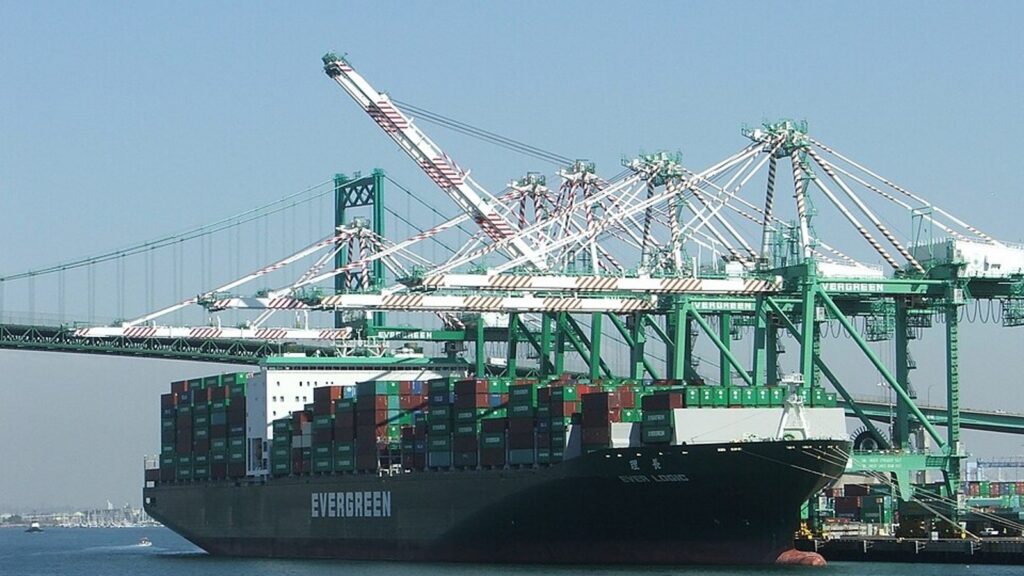
Feddacheenee / Wikimedia Commons / CC BY-SA 4.0
WASHINGTON – The United States has extended its suspension of Section 301 maritime fees and related trade measures against China through 11:59 p.m. Eastern Time on January 9, 2027, keeping the charges on hold while trade discussions continue.
The extension took effect November 9, according to a notice from the Office of the U.S. Trade Representative. During the suspension, parties do not build up liability for the covered maritime transport fees and are not required to pay them.
The notice also keeps specified duties on Chinese ship-to-shore cranes and other cargo-handling equipment suspended. Those covered duties do not accrue during the suspension either. The action is a two-month extension of a pause, not a permanent repeal of the measures.
USTR said the circumstances behind the original suspension remain in place and that the extension, directed by President Donald Trump, allows more discussion with China about the practices examined in its maritime, logistics and shipbuilding investigation.
The agency first decided on responsive measures in April 2025 and modified them that October. They included fees on certain maritime transport services and duties on Chinese cranes and cargo-handling equipment. A trade agreement announced in November 2025 led the United States to suspend the action for a year, from November 10, 2025, through November 9, 2026.
With that pause reaching its end, USTR proposed the further suspension on October 23, 2026, and invited public comments. The final notice extends the suspension through the end of January 9 and changes the relevant tariff-schedule dates to January 10, 2027.
For shipping companies and businesses moving goods, the immediate rule is clear: the maritime fees covered by the notice are not payable and do not accumulate during this period. The notice does not remove every shipping cost or every U.S. tariff on Chinese goods.
USTR received about 60 unique comments on the extension proposal. Supporters said a further pause would avoid higher shipping costs and business disruption and leave time for negotiations. Opponents argued that the measures were needed to encourage investment in American shipbuilding and related industries. The notice reports those arguments without presenting either side’s projected effects as established results.
The United States will continue discussions with China and efforts to expand domestic commercial shipbuilding capacity, develop its workforce and work with allies, USTR said. The agency will monitor the issues and consider whether to continue the suspension or take further action before the January 10 deadline.
JBizNews Desk | Washington
© JBizNews.com. All rights reserved. Unauthorized reproduction or redistribution is strictly prohibited.