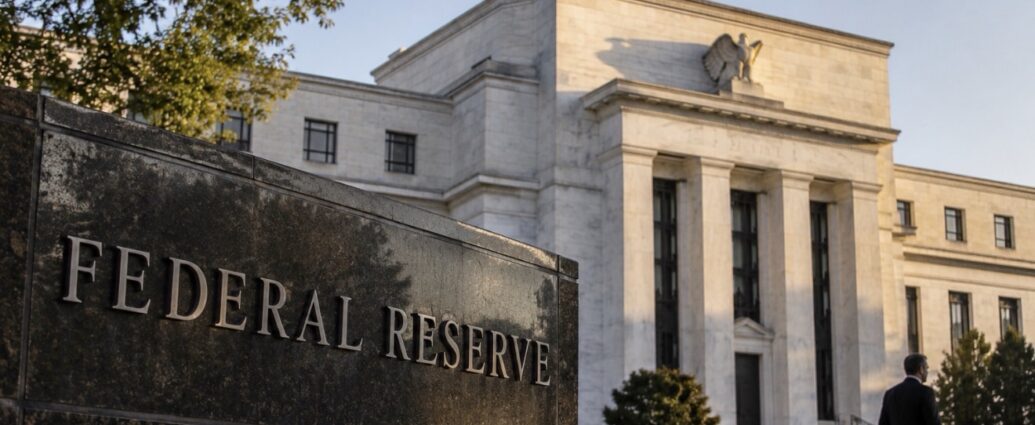
NEW YORK — Wall Street is rapidly rethinking the interest-rate outlook after a stronger-than-expected August jobs report, and UBS is now forecasting two Federal Reserve rate increases before the end of 2026.
The bank said Monday it expects the Fed to raise its benchmark rate by 25 basis points in September and another 25 basis points in December, reversing its previous view that rates would remain unchanged this year.
The change follows an August employment report showing the U.S. economy added 162,000 jobs, while unemployment held at 4.1%.
That stronger labor market, combined with persistent inflation pressure and higher energy costs, is making Wall Street less confident that the Fed can afford to start cutting rates anytime soon.
Markets are now pricing roughly a 58% to 60% chance of a September rate increase, according to current futures pricing.
For consumers, the implications are immediate.
Another Fed hike would likely push borrowing costs higher on credit cards, home-equity lines of credit and other variable-rate debt.
Auto loans and business financing could remain expensive for longer, while mortgage rates — although they are not directly set by the Fed — could stay under pressure if bond yields continue rising.
The shift is especially notable because much of the consumer conversation earlier this year centered on when the Fed might finally begin cutting rates.
That timeline is moving in the opposite direction.
UBS is not alone. Other major banks have also pushed their expectations toward tighter monetary policy after recent economic data showed the economy holding up better than expected.
The central issue remains inflation.
Fed Chair Kevin Warsh has emphasized that policymakers still need clear evidence that inflation is moving decisively back toward the central bank’s 2% target before easing policy.
Higher oil and fuel costs are complicating that effort by threatening to push transportation, shipping and consumer prices higher again.
For borrowers, the message is increasingly clear:
The wait for cheaper money may be getting longer.
And before rates eventually come down, they may rise again first.
JBizNews Desk | New York
© JBizNews.com All Rights Reserved. Reproduction or distribution without written permission is prohibited.