In a letter to Iran’s national security chief Mohsen Rezaei, US Vice President JD Vance stressed that negotiations to halt any potential US strikes would “require discussions on the nuclear issue,” Axios reported on Wednesday, citing a US official.
The letter, which US President Donald Trump was “enthusiastic about,” according to Vance, focused on the possibility of restarting ceasefire negotiations between the US and Iran. Axios said The Wall Street Journal was the first to report it, though it is unknown when the communication was sent.
Axios reported that it is the most senior-level outreach from Washington to Tehran in several months, and comes as Trump considers resuming strikes on Iran following the upcoming US midterm elections.
Rezaei is one of the top national security officials in Iran and has a direct line to Supreme Leader Mojtaba Khamenei, the report added.
On Tuesday, Rezaei met with Khamenei after holding talks with representatives of Saudi Arabia, Turkey, and Pakistan in the first high-level contact between Iran and the three nations.
CENTCOM denies Iranian claims of commercial vessels hitting sea mines in Hormuz
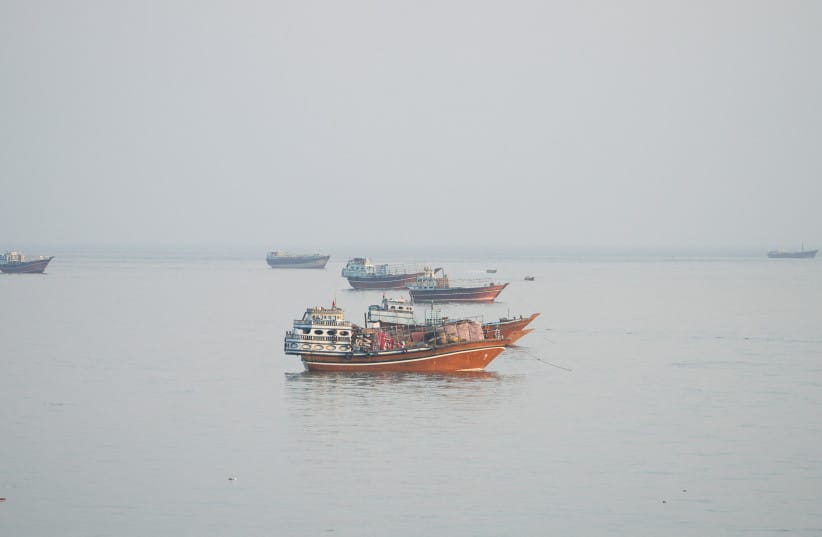
Efforts to revisit ceasefire negotiations come as US Central Command (CENTCOM) denies reports from Iranian media that commercial vessels are hitting sea mines while transiting through the Strait of Hormuz.
In a post on X/Twitter on Wednesday, CENTCOM said that “all internationally recognized primary transit routes through the Strait of Hormuz have been cleared of sea mines by US forces and remain so.”
🚫 CLAIM: Over recent days and weeks, Iranian-controlled media have reported Iranian claims that commercial vessels are hitting sea mines while transiting the Strait of Hormuz. These claims are FALSE. ✅ FACT: All internationally recognized primary transit routes through the Strait of Hormuz have been cleared of sea mines by U.S. forces and remain so. Thousands of commercial vessels have safely used the transit lanes and continue today.
— U.S. Central Command (@CENTCOM) October 28, 2026
“Thousands of commercial vessels have safely used the transit lanes and continue today,” it concluded.