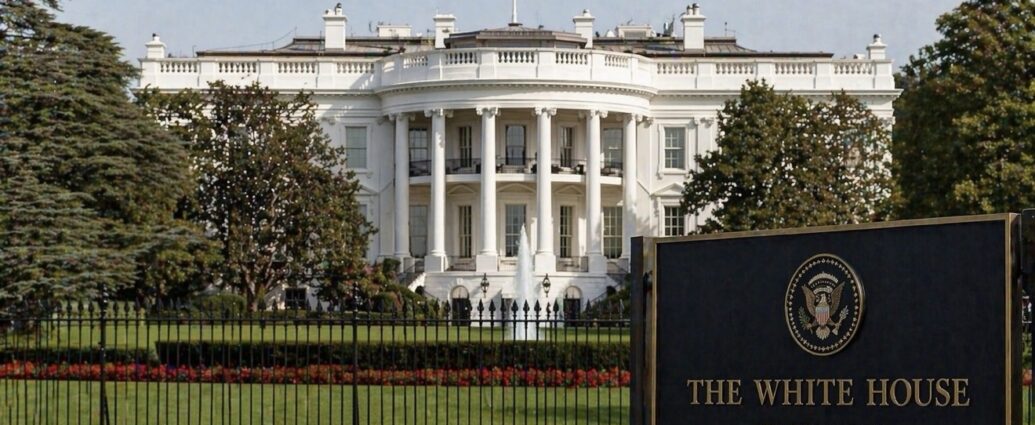
The White House has put diversity, equity and inclusion policies at the center of its latest economic argument, saying in the 2026 Economic Report of the President that such practices impose measurable costs on employers and the broader U.S. economy. In the report released April 13, the Council of Economic Advisers said DEI initiatives “have led to inefficient management, raising the cost of doing business,” a statement published in the administration’s official annual report and framed as part of President Donald Trump’s broader push to dismantle DEI programs across government and corporate America.
The administration’s estimate, laid out in the report and highlighted by the White House, pegged the annual reduction in economic output at roughly $94 billion, or about $1,160 a year for households with two working adults. The report said those “costs lead the companies practicing DEI to hire fewer people and pay their workers less,” according to the text issued by the Council of Economic Advisers, though the document also made clear the figure reflects the administration’s own modeling rather than a consensus view among outside economists.
The release lands amid an aggressive federal rollback of DEI policies. Reuters and the Associated Press have reported in recent months that the Trump administration moved to eliminate DEI offices and programs across federal agencies, while also pressuring contractors and universities to review related initiatives. In one of those reports, the AP said the administration argued DEI programs can “violate the principle of individual merit,” a position that aligns closely with the economic report’s claim that such policies distort hiring and promotion decisions.
That view remains sharply contested by many business groups and workplace researchers. The U.S. Equal Employment Opportunity Commission has long said employers may adopt lawful diversity and inclusion efforts so long as they do not make decisions based on protected characteristics, and guidance published by the agency states that Title VII bars discrimination “because of race, color, religion, sex, or national origin,” not general training or outreach efforts in themselves. Legal specialists interviewed by outlets including Bloomberg Law and Reuters in earlier coverage said the practical risk for companies depends less on whether they use the term DEI and more on whether programs cross into preferential treatment barred by federal law.
Corporate America has already started adjusting. Reuters, CNBC and the Financial Times have reported over the past year that several large U.S. companies either softened DEI language in filings, reworked executive incentives tied to representation goals, or folded diversity teams into broader human-resources functions as political and legal scrutiny intensified. In securities filings and public statements, companies including major retailers, banks and manufacturers have generally said they still support broad-based recruitment and workplace inclusion, but many now describe those efforts in more neutral terms, reflecting what governance advisers told Reuters is a more cautious compliance environment.
The administration’s report also arrives as investors and executives weigh how much workplace policy can affect productivity, labor costs and litigation exposure. Economists cited by Bloomberg and the Wall Street Journal in prior debates over DEI have said the empirical record remains mixed: some studies suggest better decision-making and talent retention from more diverse teams, while critics argue mandatory training, quotas or rigid targets can create bureaucracy and morale problems. The new White House report did not settle that broader academic dispute, but it gave the administration a headline figure that officials can use to justify further action against programs they see as economically distortive.
For employers, the practical issue now extends beyond politics. Lawyers and consultants told Reuters in recent coverage that boards and management teams increasingly face a dual pressure: avoid programs that could trigger regulatory or legal challenges, while still demonstrating fair hiring and equal-opportunity compliance. Public companies remain subject to anti-discrimination law, investor scrutiny and, in some cases, state-level disclosure expectations, meaning the retreat from DEI branding does not remove the need for documented employment practices and defensible personnel decisions.
What comes next matters because the report is likely to serve as both a policy blueprint and a messaging tool. The White House signaled in the report that DEI will remain a target of economic and administrative policy, and agencies under President Trump could use that rationale to tighten oversight of contractors, grants and federal employment rules in the months ahead. Whether the $94 billion estimate gains traction outside the administration will depend on how business leaders, courts and independent economists assess the underlying methodology, but the immediate effect already looks clear: DEI policy, once largely treated as a corporate governance issue, now sits squarely inside the administration’s economic agenda.
JBizNews Desk