Photo: formulanone/Wikimedia Commons / CC BY-SA 2.0 (cropped)
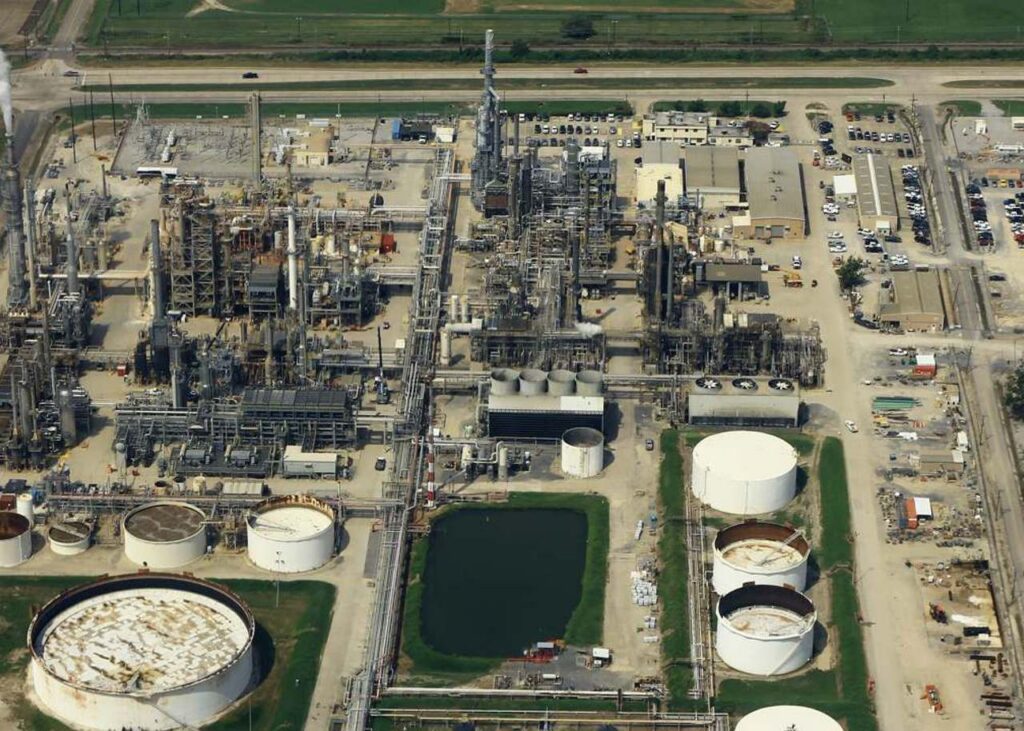
Brussels opened talks with European refiners Wednesday on raising output from existing plants, as Middle East disruptions put civilian fuel supplies and defense readiness under pressure.
The European Commission’s first high-level dialogue with the refining industry focused on making better use of existing capacity, strengthening fuel supply chains and maintaining enough production to meet increased demand during a crisis.
The meeting was chaired by Energy and Housing Commissioner Dan Jørgensen and Defence and Space Commissioner Andrius Kubilius. Refiners, emerging fuel producers, engineering and technology companies, industry associations and NATO representatives took part.
Existing plants, not a new refinery program
Jørgensen said the Commission would work to increase output from European refining assets. He linked that goal to easing fuel prices, but the announcement did not promise price cuts or specify how much additional fuel would be produced.
It launched an industry dialogue, not a production mandate, export ban, funding award or construction program. The Commission said the discussions would help identify shared priorities and possible actions.
The short-term agenda addressed supply disruptions caused by the Middle East conflict. The longer-term agenda included high energy costs, global competition and investment in sustainable biofuels and synthetic e-fuels.
Why diesel and jet fuel matter
According to the Commission, EU refineries supply about 70% of the jet fuel and 85% of the diesel consumed in Europe. Those figures describe Europe’s consumption, not global production or Europe’s net imports.
The Commission tied refining capacity to civilian transport, the economy and defense needs. It said participants discussed preserving strategic fuel-production capabilities while supporting investment in alternative fuels.
A joint roadmap is next
Jørgensen called the meeting a first step and said the Commission and industry would work on a joint roadmap for the sector’s transformation and contribution to European security objectives, in line with EU climate ambitions.
The Commission said the broader process would address the industry’s long-term viability, jobs and competitiveness, alongside the availability of strategic fuels for civilian and defense use.
JBizNews Desk | Brussels
© JBizNews.com. All rights reserved.
Unauthorized reproduction or redistribution is strictly prohibited.