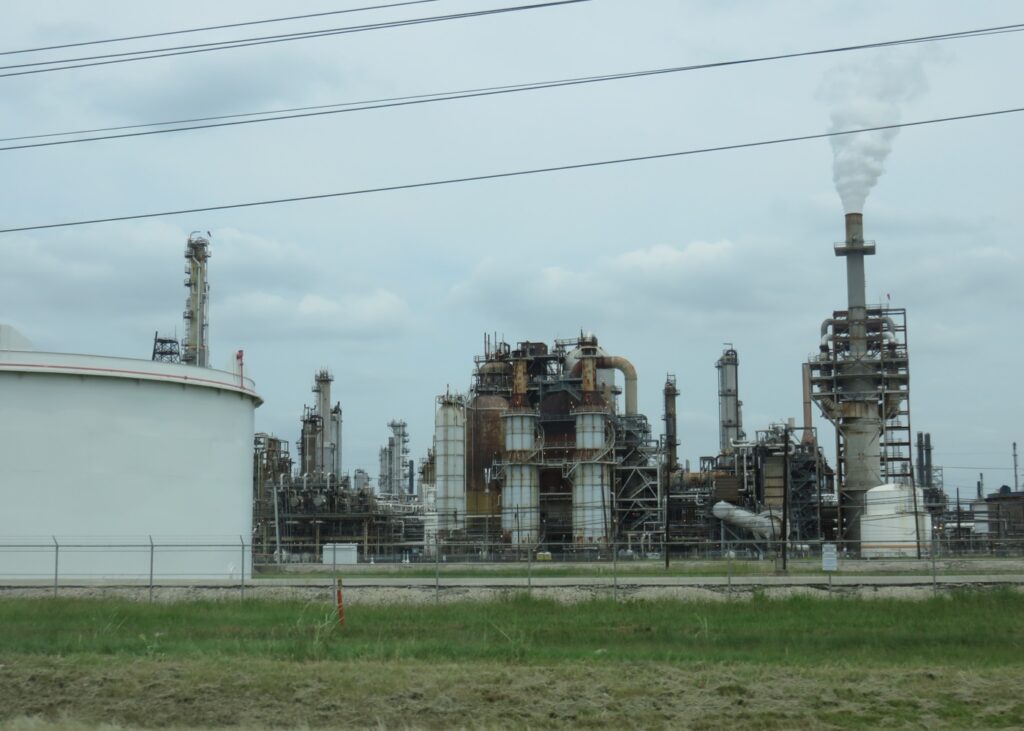
Photo: Antony-22 / CC BY-SA 4.0 (archive photo)
U.S. oil futures rebounded about 2% Thursday morning after Wednesday’s steep selloff, as traders weighed the unresolved war with Iran and the limits of hopes for a diplomatic breakthrough. The recovery lifted crude back toward $90 a barrel, but left it well below the price before the post-election drop.
December West Texas Intermediate crude traded at $89.92 a barrel, up $1.80, or 2.04%, from the $88.12 prior settlement, in CME Group’s quote stamped 8:23:58 a.m. Eastern on November 5. The data are delayed at least 10 minutes; the reading was viewed around 8:33 a.m. This is an intraday futures price, not a new settlement or a retail fuel price.
The contract ranged from $86.65 to $90.35 in the same CME table. Wednesday’s settlement had been down $7.97, or 8.3%, Reuters reported via CNBC. Thursday’s rebound therefore recovers only part of that decline.
The election did not end the war
Democrats’ victory in both chambers of Congress has changed expectations for Washington’s next steps, but the new Congress does not take office until January. A change in political control is not a ceasefire, a signed peace agreement or a guarantee that oil shipments will normalize.
The Reuters report said investors were weighing both the possibility of diplomacy and the risk that the White House could use its foreign-policy powers to escalate. Qatar has been mediating, while a senior Iranian official said earlier this week that the sides remained far from a deal.
Iran’s Revolutionary Guard said two oil tankers and a tugboat had caught fire after using unauthorized routes through the Strait of Hormuz, according to Reuters. That is an Iranian claim, not an independently established account of the incidents. It is another reason to separate expectations for a deal from confirmed changes in shipping conditions.
Why prices can bounce after a sharp fall
Oil prices reflect expectations about future supply and demand as well as barrels delivered today. When expectations change quickly, a rebound can follow a selloff even without a new agreement or a confirmed disruption. The futures quote alone does not identify a single cause.
The uncertainty matters for businesses buying fuel. A lower benchmark can help purchasing costs if it lasts, but a one-day decline followed by a rebound is not a stable budget assumption. Shipping routes, insurance, refining capacity and the type of fuel being purchased can all affect the price a business actually pays.
What it means for drivers and businesses
Crude oil is a major component of gasoline prices, but taxes, refining, distribution and marketing also matter, as the EIA explains. Pump prices do not move dollar-for-dollar with a futures contract, and local stations need not reflect an intraday change immediately.
For delivery companies, retailers and other fuel-heavy businesses, the useful question is whether lower oil reaches refined-fuel prices and purchasing contracts over time. Thursday’s bounce is a reminder to compare actual supplier offers rather than treat Wednesday’s selloff as a guaranteed saving.
For investors, a recovery toward $90 is different from a return to the earlier price level. Both the sharp decline and the partial rebound fit a market still responding to uncertain political and supply developments.
JBizNews Desk | New York
© JBizNews.com. All rights reserved. Unauthorized reproduction or redistribution is strictly prohibited.