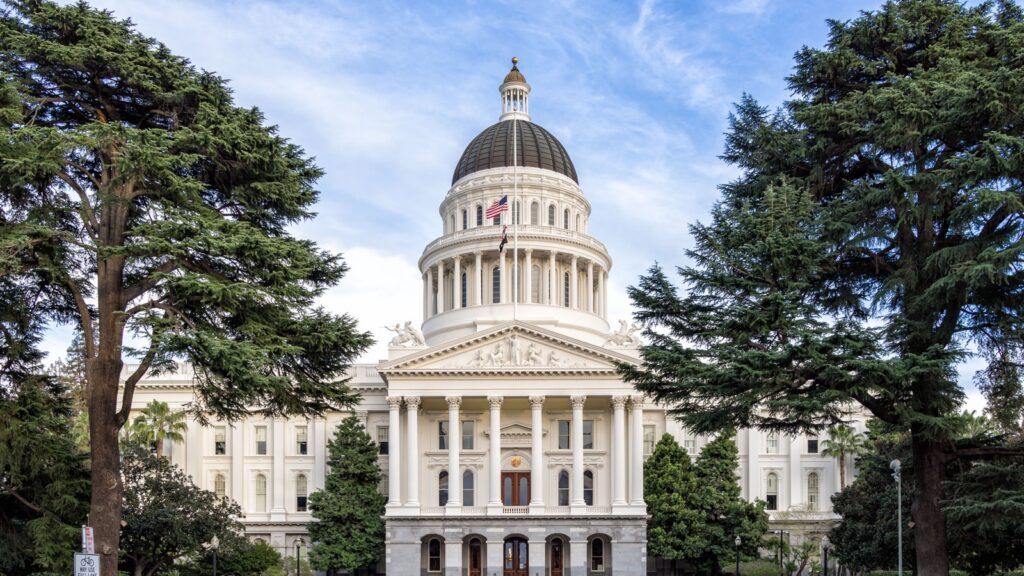
Andre m / Wikimedia Commons / CC BY-SA 3.0
SACRAMENTO, Calif. – California’s proposed one-time 5% tax on billionaire wealth was trailing 52.9% to 47.1% in the state’s unofficial count Monday, with ballots still being processed and the result not yet certified.
The Secretary of State’s statewide results, as of November 9 at 5:14 p.m. Pacific, showed 5,789,026 votes against Proposition 40 and 5,159,356 in favor. All 23,860 precincts had partially reported. That does not mean every ballot had been counted.
The state labels the results unofficial and says vote-by-mail, provisional and other ballots will continue to be counted during the canvass. Statewide results are due to be certified by December 11. The current lead is not a certified final rejection.
Proposition 40 would impose a one-time tax equal to 5% of net worth on billionaires who were California residents on January 1, 2026, according to the Legislative Analyst’s official analysis. The tax would be due in 2027, with an option to spread payments over five years at an additional cost.
Real estate, pensions and retirement accounts generally would be excluded. The levy would reach wealth, including stocks, businesses and other investments after debts, rather than simply the income a person earns in a year.
That distinction is the central business issue. Many of California’s billionaires built their fortunes as technology executives or investors, and the value of their holdings can change with stock prices and private business valuations.
If the No lead holds through the completed count, the state would not collect the proposed one-time charge. The existing unofficial figures do not establish how wealthy residents would respond to that outcome or whether investment and relocation decisions would change.
The measure would direct 90% of its revenue to healthcare services, with the remainder for education, food assistance and administration. The official analysis warns that the amount and timing of collections would be difficult to predict because asset values change and taxpayers could take steps to reduce their liability.
The analysis also identifies a competing fiscal risk: some billionaires could leave California in response to a wealth tax, taking their future state income-tax payments with them. That is a possible response described by the analyst, not an outcome established by the vote count.
JBizNews previously covered the tax fight and concerns over billionaire departures. The figures above are the Secretary of State’s latest displayed statewide count checked Monday evening; counting and certification remain unfinished.
JBizNews Desk | Sacramento, Calif.
© JBizNews.com. All rights reserved. Unauthorized reproduction or redistribution is strictly prohibited.