
Redfin Economists’ Weekly Take: Iran War Drives Rate Volatility
This Week In A Nutshell: The Iran War continues to fuel market volatility as it enters its fourth week, particularly as the White House signals it is seeking a resolution.
Upcoming Attractions
This week will feature many speaking engagements from various Fed officials, but key economic data releases will be scarce. The primary focus for markets will continue to be on the situation in the Middle East, specifically the timeline for resuming oil shipments from the Persian Gulf. Rates may also come down this week if Fed officials, in their speeches and interviews, attempt to change the rather hawkish impression left after last week’s press conference with Fed Chair Powell.
Last Week’s Highlights
Last week, daily average mortgage rates jumped from 6.36% to 6.53% as 10-year Treasury yields increased from 4.22% to 4.39%. Much of the movement came late in the week, starting with the Fed’s Wednesday conference. Rate movement intensified on Friday after President Trump said the U.S. was sending thousands of Marines to the Middle East. The Fed press conference nudged rates higher as Fed officials were seen as setting a high bar for any rate cuts this year. By Friday, the fed funds futures market was pricing in 5 to 10 bps of rate hikes in 2026, and no rate cuts until late into 2027. On February 27, when mortgage rates briefly touched 5.99%, investors were pricing in 60 bps of rate cuts this year. Sentiment has swung very dramatically in the last four weeks.
Diving a Little Deeper
The main question on everyone’s mind in housing: Will mortgage rates keep going up, or will they come back down to the lows we saw in late February? There are many layers of uncertainty, including the duration of the Iran war and how the economy reacts, along with the Fed’s response to changing economic conditions and the market’s forecasts for Fed policy.
Economists widely expect that these oil price spikes won’t lead to more restrictive Fed policy. Economists believe the Fed will be more worried about the risk of labor market deterioration than inflation with higher gas prices. However, investors interpreted Fed Chair Jerome Powell’s statements last week to mean the Fed is unlikely to cut interest rates this year, particularly his remarks about needing to see an improvement in inflation. Indeed, markets are now pricing in a 20% chance of a rate hike this year, and 0% chance of a rate cut.
It is definitely possible markets have overshot their expectations for the Fed, meaning rates are much higher right now than they need to be. To that point, Chair Powell actually downplayed the risk of a hike last Wednesday even while cautioning that the timing of the next cut is uncertain. The bar for the Fed to hike rates for the first time since July 2023 is high, and we’re unlikely to hit it given general macroeconomic conditions.
But whether markets have swung too far doesn’t matter for the housing market. Mortgage rates are high, and that is what consumers are experiencing. The housing market was already fragile to start the year, despite improving affordability. Housing demand was already underperforming where mortgage rates were because of lingering lock-in effects and labor market weakness. And this current bout of volatility couldn’t have come at a worse time. Much like last year’s Liberation Day, the war threatens to derail the start of the spring homebuying season.
Redfin Housing Market Reports
The Top 20% of Earners Hold Nearly 60% of America’s Real Estate Wealth
- By comparison, the bottom 20% of U.S. earners hold just 5% of real estate wealth.
- The average rate for an ARM so far this month is 5.51%, compared with a 6.19% average for a 30-year fixed rate mortgage.
- The typical homebuyer using an ARM takes on a monthly payment of $2,578, down 7% from last year.
- Today’s ARM discount is big enough that buyers should talk to their lender about whether it’s the right option for them. ARMs aren’t nearly as risky as they once were; they come with interest-rate caps and protection for borrowers.
Homebuyers Can Afford to Take Their Time Heading Into Spring 2026
- The typical home that went under contract in February spent 66 days on the market—the slowest February pace in a decade.
- The typical buyer scored 1.8% off the list price—the biggest February discount since 2023; sellers outnumber buyers, giving buyers negotiating power.
- Pending home sales and new listings both inched down last month, while home prices inched up.
There Are 630,000 More Home Sellers Than Buyers—the Biggest Gap on Record
- When sellers outnumber buyers, the buyers who are in the market have bargaining power. In other words, it’s a buyer’s market.
- The strongest buyer’s markets are in the South, while the strongest seller’s markets are in the Northeast.
The post Redfin Economists’ Weekly Take: Iran War Drives Rate Volatility appeared first on Redfin Real Estate News.

5 Essential Insights About Financial Advisors Everyone Should Know
This post was originally published here

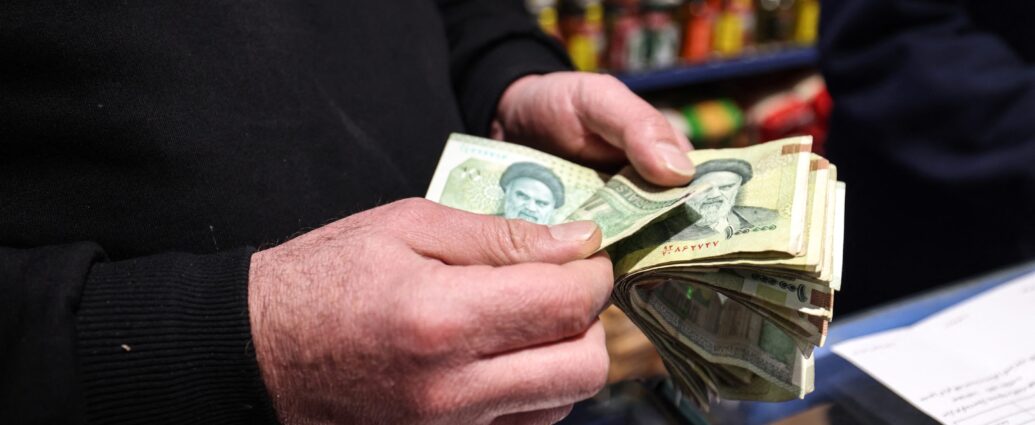
Iran issues its largest-ever currency denomination as accelerating inflation ravages a financial sector deemed a ‘Ponzi scheme’ even before the war
Iran’s economy was already crashing before the U.S. and Israel launched a war against the Islamic republic three weeks ago, and the relentless bombing since then has wreaked even more havoc.
In fact, high inflation triggered mass protests in December and January, prompting the regime to massacre tens of thousands of its own citizens. President Donald Trump warned Tehran against further violence and began a military build-up that led to the current conflict.
Inflation has worsened and apparently is so bad now the government issued its largest-ever currency denomination: the 10 million rial note (equivalent to about $7).
The new currency went into circulation last week, according to the Financial Times, and comes just a month after the prior record holder, the 5 million rial, came out.
As prices continue to spiral higher while the war boosts demand for cash, long lines formed to withdraw the fresh banknotes, and supplies quickly ran out.
Iran’s central bank said electronic payments are still the main methods for transactions, though the 10 million rial bill will “ensure public access to cash,” the FT reported.
But doubts about the viability of electronic payments have grown during the war as the U.S. and Israel target the regime’s levers of control.
In addition to bombing Islamic Revolutionary Guard Corps and Basij paramilitary forces, a data center for Bank Sepah was also hit on March 11. Sepah is the country’s largest bank and is responsible for paying salaries to the military and IRGC.
“Iran is already in the middle of a severe cash liquidity crisis,” Miad Maleki, a senior advisor at the Foundation for Defense of Democracies and a former Treasury Department official, said on X earlier this month. “As of Jan 2026, banks were running out of physical banknotes daily, with informal withdrawal caps of just $18–$30/day. Cash in circulation surged 49% YoY due to panic hoarding. The regime simply cannot pivot to cash payments, there isn’t enough physical currency in the system.”
Meanwhile, a currency collapse that began after last year’s U.S.-Israeli bombardment has fueled crippling inflation. The rial lost 60% of its value in the months after the 12-day war, and food inflation soared to 64% by October. It accelerated further to 105% by February, vaulting overall inflation to 47.5%.
The exchange rate fell as low as 1.66 million rials per $1 last month, though it strengthened to about 1.5 million rials as the U.S. temporarily lifted sanctions on Iranian oil.
Heightened demand for cash further stresses a financial system that was considered dubious even before the current war started three weeks ago.
The failure of Ayandeh Bank late last year forced the regime to fold it into a state-run lender, underscoring how fragile the sector was as bad loans piled up to politically connected cronies.
“This was largely theater. In reality, Iran’s entire banking system is insolvent, its balance sheets sustained by fiction rather than assets,” Siamak Namazi, who was a U.S. hostage in Iran from 2015 to 2023, wrote in a report for the Middle East Institute in January.
During his captivity, he learned from imprisoned former officials and business elites that politically connected borrowers bribed assessors to inflate the value of properties, which were used to obtain massive loans.
Instead of repaying the loans, borrowers just gave their properties to the bank, which sold them to other banks at a paper profit, according to Namazi. Those banks knew the properties were overvalued “garbage,” but played along in the scheme by dumping their own toxic assets in exchange and booking fictitious gains.
“The result is a closed-loop Ponzi scheme, sustained by mutual deception and regulatory complicity,” he added. “This practice has metastasized over the past 15 years and is far more extensive than this simplified description suggests. And this is only the banking system. Much of the rest of Iran’s economy is afflicted by similarly entrenched corruption and mismanagement.”
This story was originally featured on Fortune.com


Gold Taps $4,100 And Dollar Emerges As Ultimate Crisis Safe Haven, Says TD Securities Strategist
Gold (NYSE:GLD) fell as low as $4,100 on Monday before recovering above $4,400, erasing all of its 2026 gains after the metal’s worst week since 1983.
The sell-off has wiped more than 20% from January’s all-time high of $5,590, and Daniel Ghali, senior commodity strategist at TD Securities, says the safe haven crown has changed hands entirely.
“The dollar has been the ultimate safe haven during this conflict,” Ghali said, “That is detrimental to gold since over the last year, gold has been the ultimate safe haven.”
The Trade That Broke
The logic appears straightforward. The war pushed oil above $100, which may be reigniting inflation and eroding rate-cut expectations. The dollar and Treasury yields have both climbed. Gold pays no yield, so in …
This post was originally published here


Labor Mobility: Boosting Productivity and Economic Growth
This post was originally published here

The great toilet paper panic is back as Japan starts stockpiling
Panic buying is back in Japan.
As the U.S.-Israeli-Iran conflict rattles oil markets, Japanese consumers are stockpiling toilet paper—a product with no connection to the disruptions whatsoever, but that has caused enough problems for the country that the Japanese government has urged citizens to stop buying ahead of time. Still, social media posts depicting empty toilet paper abound.
But why would people panic buy goods unrelated to or not affected by the conflict? Panic buying behaves much like a bank run. Nobody knows exactly where it starts—some single, bleating data point that says this store is going to run out of toilet paper, or this bank is going to run out of money.
Back in the olden days that data point, a verifiable person, would run and holler at their neighbors; “Hey Johnny, take your money outta the bank! They’re about to run out!” and Johnny would go a-running. Now someone posts on social media that COVID-19, tariffs, or the war with Iran is going to nuke toilet paper stock, and strangers across the country start loading up their carts.
Pandemic-era panic buying is making a comeback
This was the situation with the great panic of COVID-19. On March 12, 2020, toilet paper sales surged 734% compared to the same day the year before, making it the top-selling grocery item in the world that day. By the time the Great Toilet Paper panic of 2020 was over, 70% of the world’s grocery stores would have run out at some point—a record.
The shortage was so severe it caused a measurable shift in American bathroom habits: Bidet sales spiked and, for many households, stuck. But researchers who studied the episode afterward found no actual supply chain disruption for toilet paper. Production was steady and distribution was intact. Rather, the shortage was almost entirely a creation of panic and hype.
Now the panic buying is back—this time in Japan—and in some ways it makes even less sense. During COVID, supply chains across every sector were under strain, so the instinct to stockpile had, at least, a logical ambiance. Today, the disruptions are due to tightening in oil markets tied to the conflict in Iran, and little to do with consumer packaged goods. But Japan has its own deep history with toilet paper panic, and that history has its own logic.
Japan’s history with toilet paper panics
The original Japanese toilet paper crisis came in 1973, also triggered by turmoil in the Middle East over oil. It began when Yasuhiro Nakasone, then the minister of international trade and industry, called on the public to conserve paper products. The announcement was meant to signal some austerity. Instead, it sparked rumors that paper supplies were running out—and Japanese consumers, particularly women managing household budgets, began buying enormous quantities of toilet paper. Academics have described the panic as a response to the growing instability of the middle class, a fear their livelihoods were held up by smoke and mirrors.
Since then, Japan has raced for its toilet products every time a crisis rolls around. The devastating earthquake and tsunami of 2011 triggered the same kind of hoarding behavior, though apparently there were some actual disruptions in affected regions. Now, the cycle is repeating itself.
What makes toilet paper the perennial target? It’s bulky and distinctly finite—when it’s gone from the shelf, it’s conspicuous. And unlike food, which you consume and replace in a rhythm, toilet paper occupies a kind of psychological category all its own, a symbol of long-term stability and responsibility.
“The importance of toilet paper…runs deep into the soul of modern culture,” anthropologist Grant Jun Otsuki wrote about the COVID shortage in 2021. “The mere thought of the disappearance of toilet paper from the world spurs some to act so quickly and decisively to secure their own supplies.”
So far, the panic doesn’t appear to have spread far beyond Japan—except, perhaps, to neighboring Australia, where Perth has reported some early signs of stockpiling. As if the hollering from across the water finally reached the next set of ears.
This story was originally featured on Fortune.com
Social Security ‘doesn’t allow most Americans to build wealth,’ BlackRock’s Larry Fink says
Social Security is “one of the most effective poverty-prevention programs in history,” but it could be improved, BlackRock CEO Larry Fink wrote in a new letter.

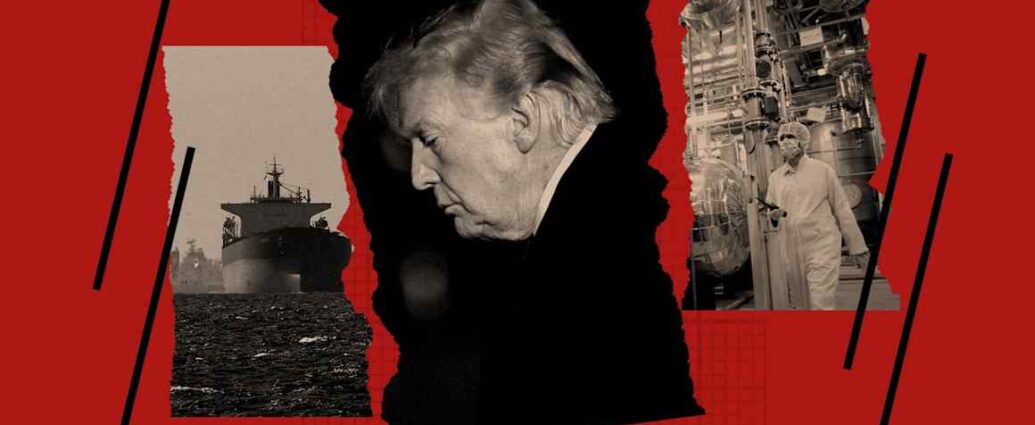
Can Trump do a deal with Iran?
This post was originally published here
This Oil Shock Is 7× Worse Than 2022 Crisis; Expect Covid-Scale Volatility
Baseline
Remember the empty streets, boarded up stores, and bare shelves of 2020? Something like that appears highly likely, should there not be any major positive developments in the Middle East (which looks quite unlikely).
Luckily, rather than guessing, we can look at hard data and actual numbers:
During the 2nd quarter of 2020, the global economy came to a screeching halt. Freeways empty, shipping halted, bare shelves, closed up shops and ‘non-essential worker’ lockdowns.
According to the Bureau of Economic Analysis’s Q2 2020 GDP print, the US economy shrank by 32%, just in Q2 alone. A third of the US economy- gone.
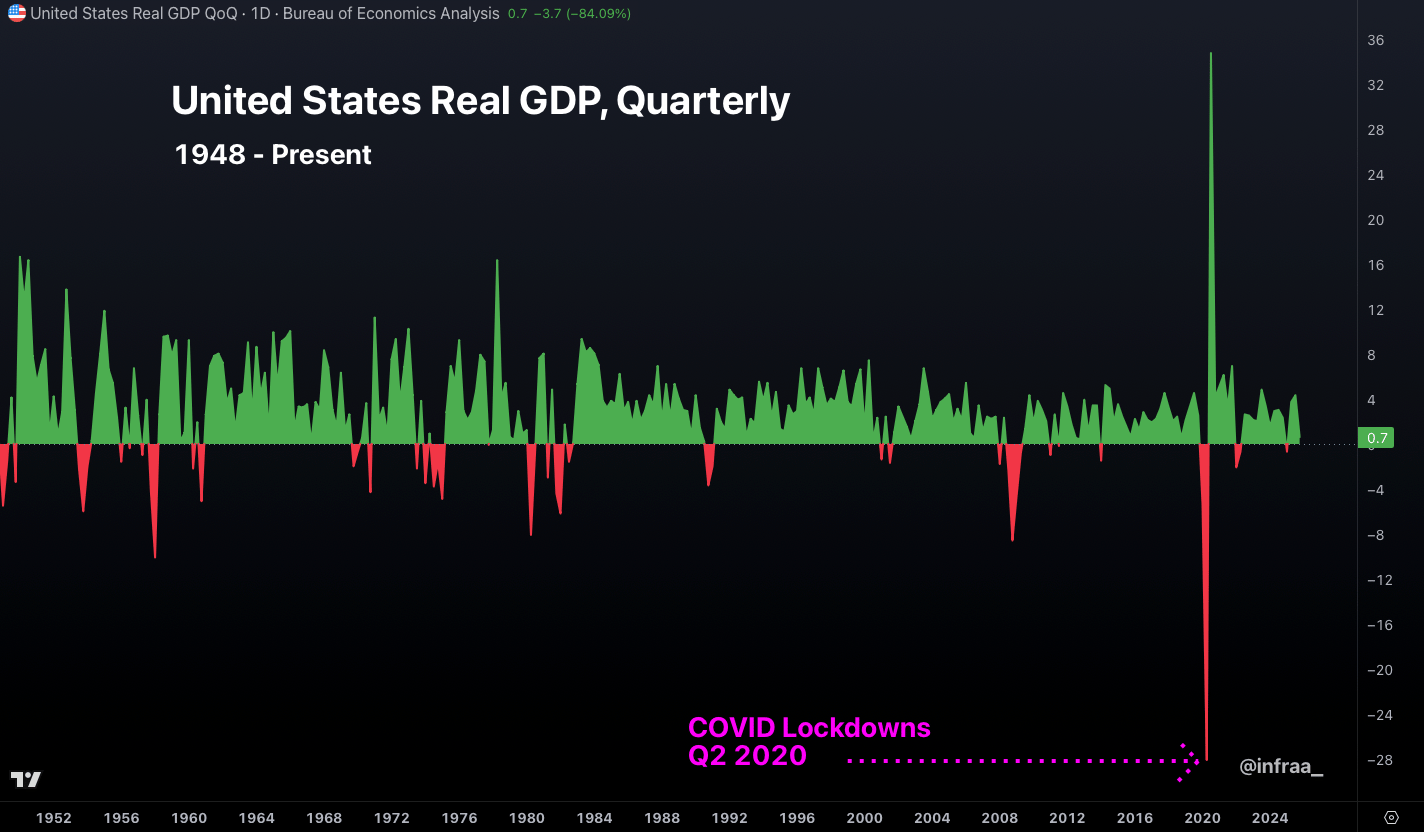
Because COVID was such a rapid & unexpected shock, there was a huge imbalance between the supply of oil and the demand for it.
This is the sort of economic collapse that was required to destroy the demand for oil. All in all, during Q2 of 2020 (height of the COVID lockdowns), demand for oil fell by 23 million barrels per day (‘bpd’).
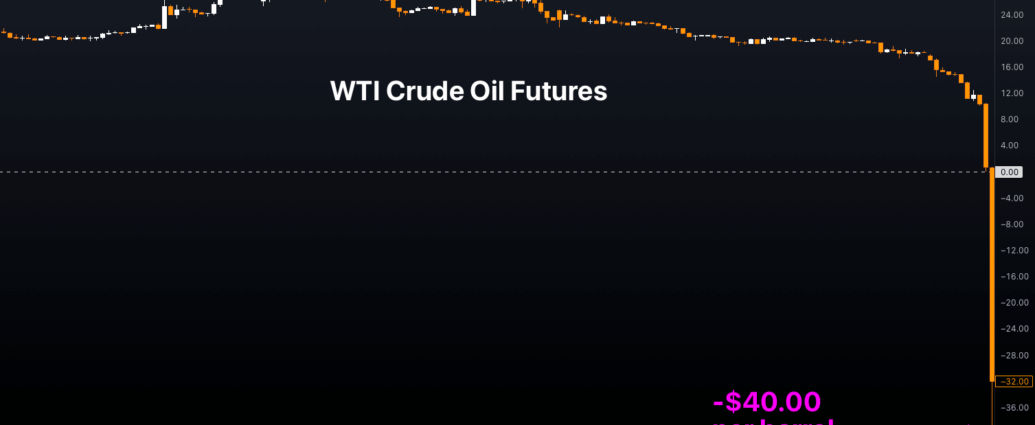
Given that the clearing mechanism for such an imbalance between supply and demand is price, oil prices famously had to go to -$40 to clear the market.
Negative $40 per barrel. That was what was required to clear the 23 million bpd loss of demand due to the global economy screeching to a halt.
So what about today? What’s the situation now?
The Strait of Hormuz, which normally carries about 20 million barrels per day of crude oil and products (according to the IEA), is effectively closed. There is no physical blockade (though there may be mines)- but the strait is effectively closed with traffic down 97% and 20 million barrels of oil taken offline.
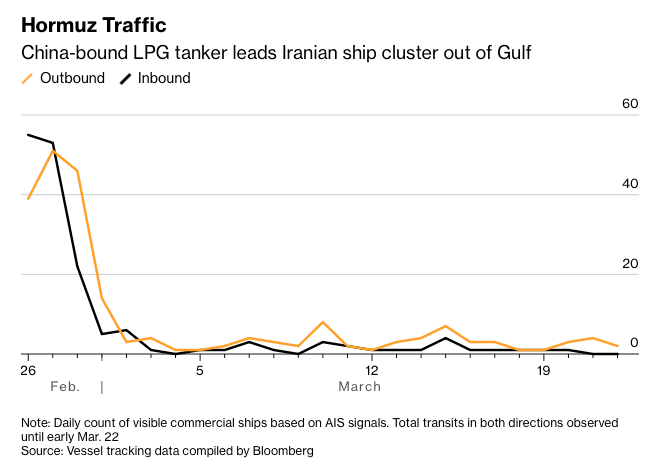
20 million barrels of oil supply were taken offline, just from this one chokepoint. Remember, supply = demand (with prices as the clearing mechanism).
But we didn’t just see a supply reduction from the Strait- you need to store oil somewhere. This is called “inventories.”
Due to the outbound flow being stopped, refineries started filling inventories. When the tanks fill …
This post was originally published here




Counter-terror police investigating after ‘horrific antisemitic attack’ on Jewish charity’s ambulances – as it happened
CCTV showed three people setting light to an ambulance in Golders Green in the early hours of Monday morning
The London Fire Brigade received 56 calls about the fire attack on four Jewish community ambulances, which involved the explosion of several cylinders stored in the vehicles, a senior figure from the fire service said.
Giving a statement at the scene in Golders Green, Paul Askew, deputy assistant commissioner for the London Fire Brigade, said:
Early this morning, London Fire Brigade control room took the first of 56 calls reporting a fire on Highfield Road in Golders Green.
Upon arrival, crews were met with a well-developed fire involving four ambulances. Several cylinders stored within the vehicles exploded because of the heat, causing damage to the windows of a nearby residential block.
We have already spoken to local community and faith leaders and will continue that work today. A specific policing plan focused on key community locations across the area is under way and will continue beyond the coming days as we move towards Passover in early April.
This attack comes at a time when fears are already heightened given global events and recent attacks targeting Jewish communities in other parts of Europe.
This post was originally published here





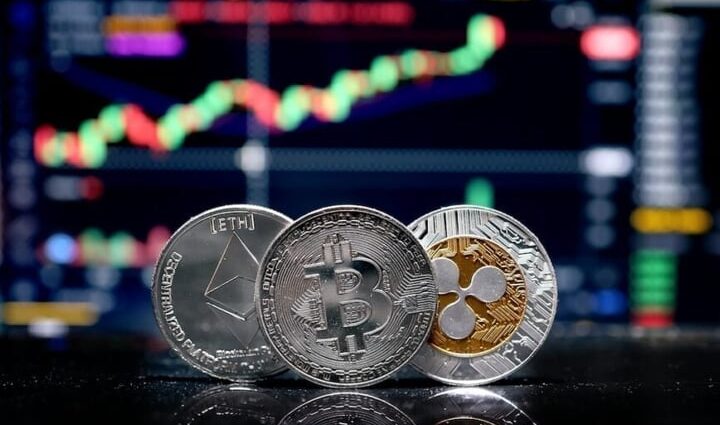
Bitcoin Cracks $71,000, Ethereum, XRP, Dogecoin Rebound As Trump Touts Ceasefire Talk Progress
Bitcoin spiked above $71,000 as U.S.-Iran talks seem to advance towards a conclusion of the war.
| Cryptocurrency | Ticker | Price |
| Bitcoin | (CRYPTO: BTC) | $71,018.63 |
| Ethereum | (CRYPTO: ETH) | $2,167.41 |
| Solana | (CRYPTO: SOL) | $91.49 |
| XRP | (CRYPTO: XRP) | $1.44 |
| Dogecoin | (CRYPTO: DOGE) | $0.09535 |
| Shiba Inu | (CRYPTO: SHIB) | $0.056133 |
Notable Statistics:
- Coinglass data shows 165,632 traders were liquidated in the past 24 hours for $831.23 million.
- SoSoValue data shows net outflows of $52.1 million from spot Bitcoin ETFs on Friday. Spot Ethereum ETFs saw net outflows of $41.97 million.
- In the past 24 hours, top losers include Siren, River and Kaspa.
Notable Developments:

Stock markets swing and oil prices fall after Trump postpones strikes on Iran power plants
European shares start to rise after US president says talks have been ‘very good and productive’
Global stock markets swung wildly and oil prices fell on Monday after Donald Trump postponed US attacks on Iranian power plants for five days.
European stock markets, which had been falling sharply in the hours before Trump’s social media post, mostly rose on Monday as relieved investors digested the update.
This post was originally published here
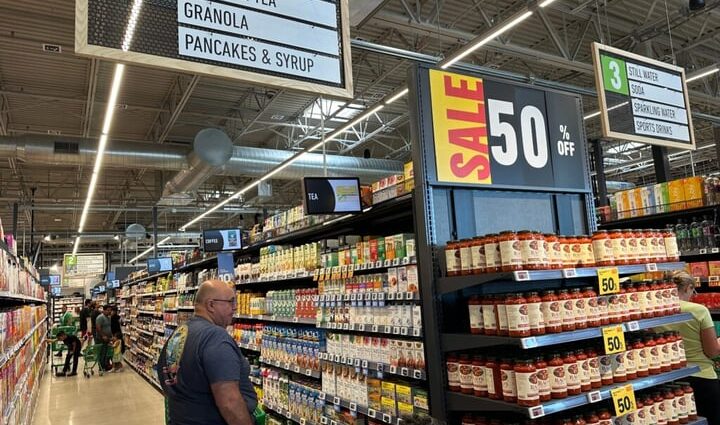
USDA’s 2026 Food Price Forecast Is Out — Almost Everything Is Going Up Except the One Thing Everyone Is Already Buying More Of
In an economy where up seems to be the only direction for consumer prices, the egg has become the outlier.
The U.S. Department of Agriculture’s February 2026 Food Price Outlook reported that almost every food category is getting more expensive—except for eggs, the one staple Americans are buying more of to save money. For many households, that shift toward cheaper proteins is happening alongside rising balances on short-term debt as basic costs crowd out the monthly budget.
That’s why more borrowers are looking at ways to restructure what they owe—from cutting spending to using consolidation loans to turn high-rate balances into a single payment with clearer terms.
The Egg Collapse
While overall food prices are forecasted to rise 3.1% this year, retail egg prices are predicted to plummet by 27.4%.
This isn’t a minor dip—it’s a market correction following several years of volatility.
In late 2024 and early 2025, an aggressive outbreak of highly pathogenic avian influenza devastated egg-layer flocks nationwide. The resulting supply crunch sent prices much higher, forcing consumers to treat a carton of eggs like a luxury item.
That has since changed.
According to the USDA’s Economic Research Service:
- Production rebound: Confirmed HPAI cases tapered off in April 2025, allowing producers to …
This post was originally published here
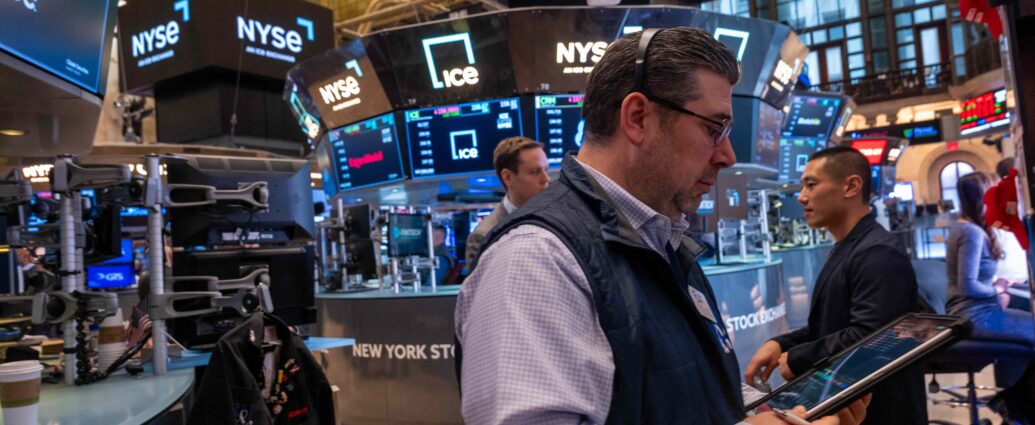
Stock Market Today: Major Indexes Soar, Oil Retreats as Trump Says US to Postpone Threatened Strikes on Iran Power Plants; Dow Jumps 850 Points
This post was originally published here
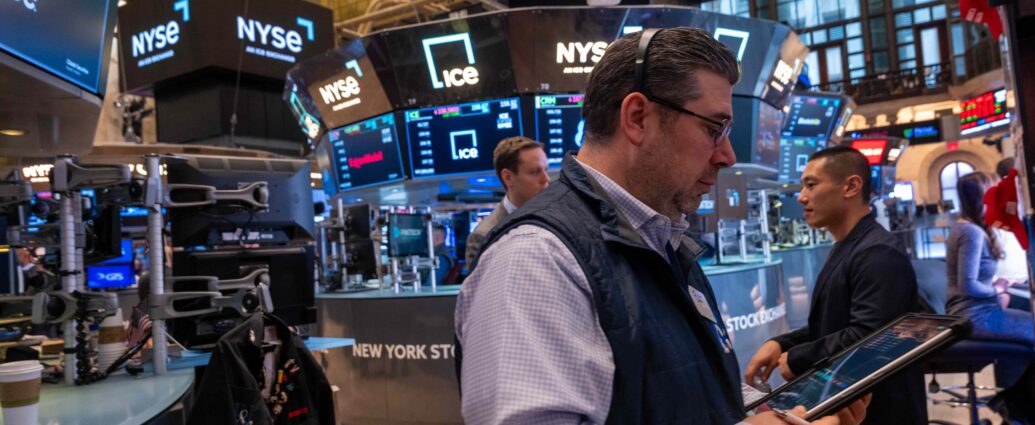
Stock Market Today: Major Indexes Soar, Oil Retreats as Trump Says US to Postpone Threatened Strikes on Iran Power Plants; Dow Jumps 850 Points
This post was originally published here
Trump claims ‘productive’ talks with Iran but Tehran denies contact
US president extends deadline over strait of Hormuz and speculates deal could soon be done soon to end war
Donald Trump has claimed there have been talks between the United States and Iran over the past day in which the two sides had “major points of agreement”, appearing to avert a potentially severe escalation of the conflict.
Tehran has denied the claim, in which Trump also speculated that a deal could soon be done to end the war. Iran’s foreign ministry spokesperson said no talks had been held with the US since the bombing campaign began 24 days ago.
This post was originally published here

Southwest Florida Lakeside Community Emerges as the Ideal Low-Stress Haven for Retirees
This post was originally published here

Private Equity Floods Into Defense Electronics As Global Conflicts Drive Demand
Defense electronics is one of the most attractive areas within aerospace and defense for private equity investments, given recent developments in Iran, Ukraine, Gaza, and other regions.
Pitchbook reported that the private equity market saw 27 deals in defense electronics in 2025, up 93% from the prior year and the second-highest deal count going back to 2017.
“Electronics-intensive capabilities are capturing a heavy share of global defense procurement dollars. We see spending in this area expanding as militaries prioritize sensing, electronic warfare, resilient communications, and edge computing over force expansion,” the report stated.
The global defense electronics market was estimated at approximately $185 billion in 2025, growing at roughly 5% annually through 2035, according to Precedence Research.
Some of the leading defense electronics investors include J.F. Lehman & Co, Vance Street Capital, Audax Private …
This post was originally published here
‘A miracle’: Canadian flight attendant ejected from plane survives New York crash
Solange Tremblay was ejected over 100 metres from the plane after collision at LaGuardia airport, her daughter says
A flight attendant on the Air Canada Jazz flight that collided with a fire truck at New York’s LaGuardia airport on Sunday survived in what her daughter called a “complete miracle”, when she was ejected more than 100 metres from the plane while still strapped to her seat.
The CRJ-900 jet, operated by Jazz Aviation, collided with a fire truck as it landed, killing both the pilot and co-pilot. Nine people were sent to the hospital with injuries, including Solange Tremblay, a flight attendant.
This post was originally published here
2 pilots killed when jet collides with fire truck at New York’s LaGuardia Airport
An Air Canada Express jet collided with a fire truck while landing at New York’s LaGuardia airport late on Sunday, killing both pilots and injuring dozens.
This post was originally published here
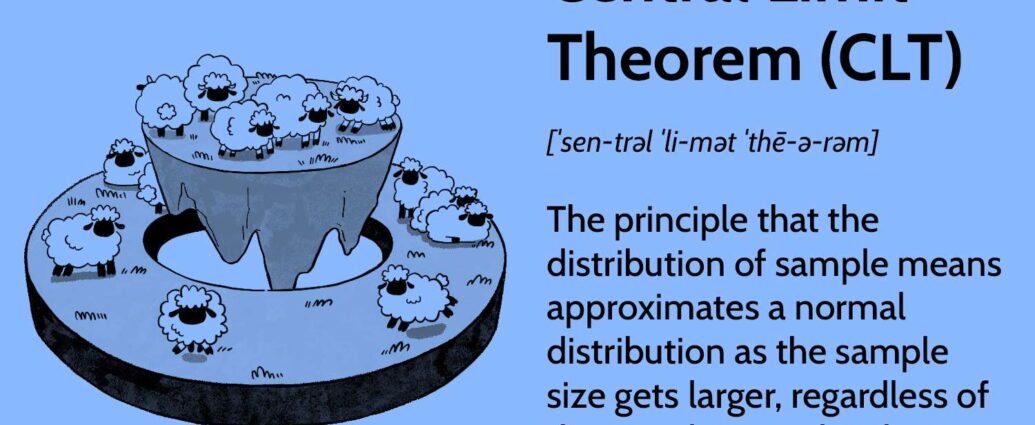
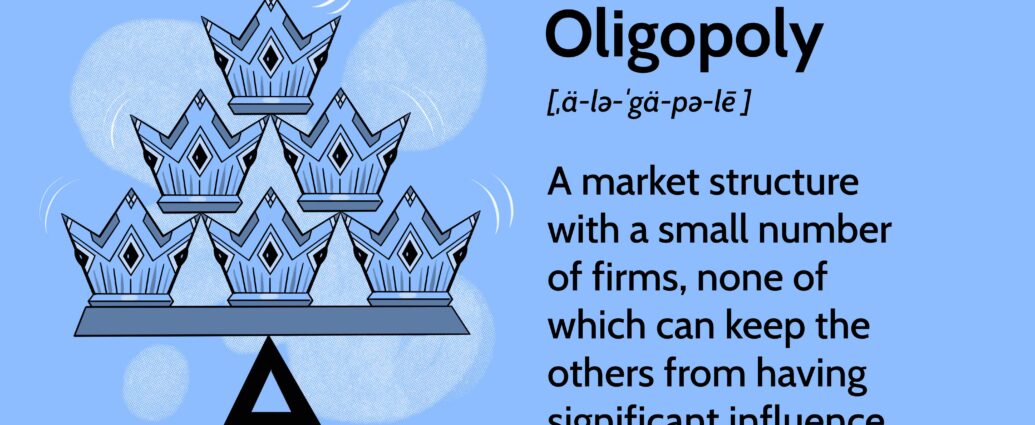
Understanding Oligopolies: Market Structure, Characteristics, and Examples
This post was originally published here
Starmer’s liaison committee jaunt was largely soporific – just as he’d wanted | John Crace
Every PM hopes to emerge having said nothing that makes the news, and with Iran centre-stage Keir played a blinder
What a difference a week makes. At last week’s prime minister’s questions, Keir Starmer tried to persuade us that he knew less than he did. His memory was so bad that he could barely remember who Peter Mandelson was, let alone why he had appointed him as ambassador to the US. Fast forward to Monday’s appearance before the liaison committee, the supergroup of select committee chairs, and Keir was desperate to convince us he knew more than he did. He had the inside track on Iran. He was in control. He also wasn’t altogether convincing.
Mind you, it’s hard not to feel some sympathy with Starmer. The whole point of being prime minister is that you’re expected to know more than the rest of us. And most of the time you do. State secrets are your life blood. Only just occasionally the veil slips. Having threatened to obliterate Tehran’s power plants just days earlier, on Monday morning Donald Trump announced on Truth Social – along with a strange witch reference – that he was going to delay the bombardment for five days as constructive talks with the Iranian regime were taking place.
This post was originally published here
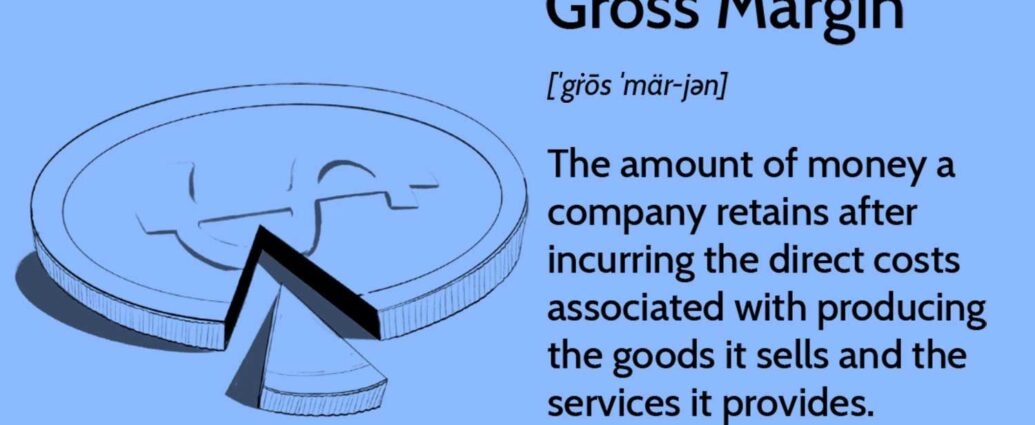
Gross Margin: Definition, Example, Formula, and How to Calculate
This post was originally published here
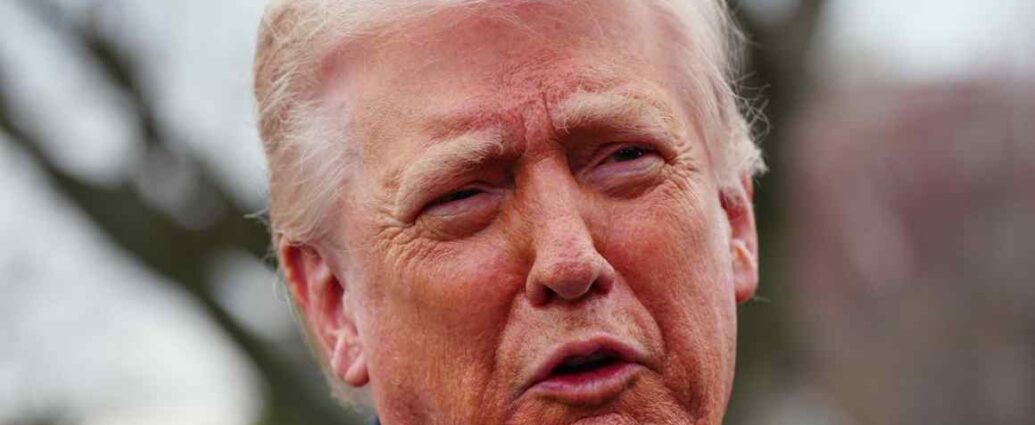
Iran contradicts Trump and says no direct talks to end war
This post was originally published here
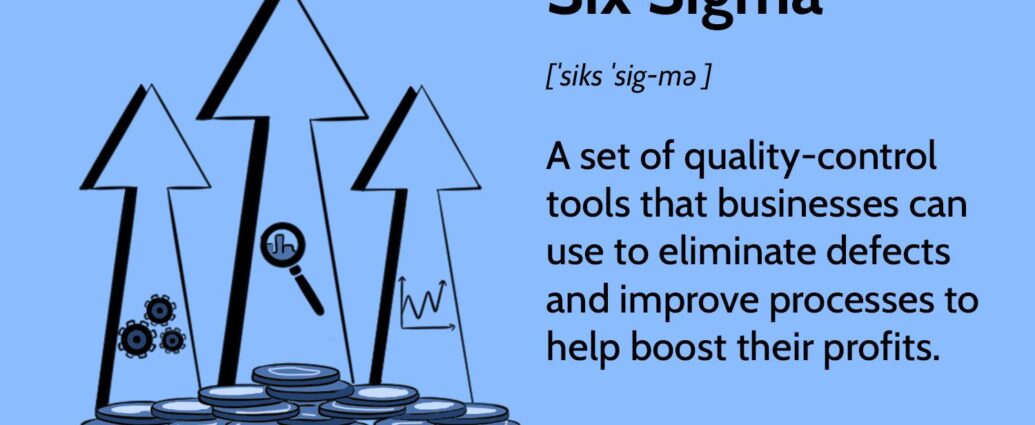
What Is Six Sigma? Concept, Steps, Examples, and Certification
This post was originally published here

Best Jumbo CD Rates Our Experts Found Today, March 23, 2026: Up to 4.15%
This post was originally published here
Macroeconomics: Definition, History, and Schools of Thought
This post was originally published here
Inflation: What It Is and How to Control Inflation Rates
This post was originally published here

Chevron’s CEO says oil prices are still too low—and the effects of the Strait of Hormuz closure are not ‘fully priced in’
Oil and natural gas futures prices—despite trading 60% higher since before the Iran war—remain well below the physical supply shortages facing Asia and spreading around the world that will take many months to replenish, the chairman and CEO of Chevron said March 23.
The large CERAWeek by S&P Global conference is attracting many of the world’s energy leaders from around the world in Houston this week and a top theme is the potential disconnect between energy markets and the greatest global energy supply shock ever with the effective closure of the Strait of Hormuz, which typically funnels nearly 20% of the world’s crude oil and liquefied natural gas each day.
“There are very real physical manifestations of the closure of the Strait of Hormuz that are working their way around the world through the system that I don’t think are fully priced in,” said Chevron CEO Mike Wirth.
Asia already is facing major supply shortages that cannot be undone just by the releases of strategic, emergency supplies. That is why many Asian countries have implemented energy conservation mandates, work-from-home efforts, school closures, and more. Wirth also cited the huge supplies of fertilizer for agriculture and helium for semiconductors that flow through the strait offshore of Iran.
“The fundamentals are very tight out there,” Wirth said. “The markets are trading on scant information.”
“Physical supply changes don’t respond immediately,” he added. “Even when strait reopens at some point, it will take time.”
Oil prices dipped notably March 23 when President Donald Trump said he would delay any attacks on Iranian energy infrastructure by five days to allow for greater negotiations, pushing back his March 23 deadline for Iran to reopen the strait. Iran has in turn said it would attack more energy facilities in neighboring Gulf countries if the U.S. followed through on Trump’s threats, further escalating the war. And, later in the day, Iranian officials said no negotiations have taken place, accusing Trump of pushing “fake news” to lower prices.
Iran accused of ‘economic terrorism’
Iran’s counteroffensive strategy of attacking the oil and gas supplies of its neighbors is a form of unprovoked terrorism that will not be accepted, said Sultan Ahmed Al Jaber, the United Arab Emirates minister of industry and advanced technology, and group CEO of ADNOC, the Abu Dhabi National Oil Company.
The UAE has cut its oil production by more than 50% this month, while Iraq and Kuwait have made even deeper reductions. Al Jaber canceled his scheduled appearance in Houston because of the war, but he provided a video message. Saudi Aramco CEO Amin Nasser also canceled his trip.
“Weaponizing the Strait of Hormuz is not an act of aggression against one nation. It’s economic terrorism against every nation,” Al Jaber said. “And no country should be allowed to hold Hormuz hostage. Not now, not ever.”
He accused Iran of “choking the throat” of the “global economy.”
Kicking off CERAWeek, U.S. Energy Secretary Chris Wright, a former oil and gas executive, said the Iran war is a “conflict that we simply couldn’t kick down the road one more administration.”
Wright called the war “short-term disruption now, but to end a multi-decadal problem.”
The International Energy Agency agreed this month to release 400 million barrels of oil from emergency storage, including 172 million barrels from the U.S. Strategic Petroleum Reserve.
Wright said the U.S. began withdrawing oil from the SPR on March 20 and that the U.S. will release at least 1 million barrels each day from the SPR for the next few months. The total global release would equate to nearly 3 million barrels daily, he said.
Still, that does not offset more than 11 million barrels of oil that remains offline, even with Saudi Arabia and the UAE redirecting as many barrels as they can through the Red Sea and other outlets.
“Oil remains the most important energy source in the world,” Wright said. “No oil, no modern world.”
This story was originally featured on Fortune.com
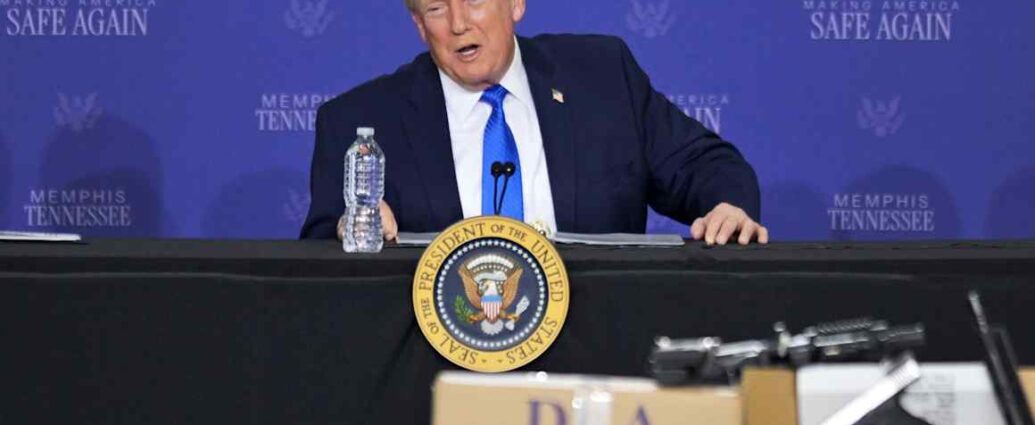
Trump plays up prospect of diplomatic end to Iran war
This post was originally published here

Accounting Explained With Brief History and Modern Job Requirements
This post was originally published here
Crude Oil In Freefall After Trump Pauses Attacks On Iran
(RTTNews) – Crude oil has nosedived on Monday as markets quickly reacted to U.S. President Donald Trump’s announcement that he ordered the U.S. forces to pause any planned attacks against Iran’s power plants and energy infrastructure for five days. Trump also claimed that U.S.-Ir
This post was originally published here

Political Risk Guru Calls Prediction Markets ‘More Dangerous Than Social Media’ As Polymarket Rushes Out New Insider Trading Rules
Political risk guru Ian Bremmer has banned Eurasia Group employees from betting on Polymarket, Kalshi, and other prediction markets.
Bremmer’s firm advises institutional investors and sovereign wealth funds, said prediction markets are “corrosive for civil society, probably more dangerous than social media for democracy” and represent a “clear conflict” for anyone pursuing objective analysis on global affairs.
He also said that other US political leaders will be sharing similar thoughts in the coming weeks.
The political pressure is already building from multiple directions. Senators Adam Schiff (D-CA) and John Curtis (R-Utah) introduced bipartisan legislation today targeting prediction market sports betting at the federal level, directly aimed at Kalshi and Polymarket’s U.S. platforms.
Arizona filed criminal charges against Kalshi last week for allegedly operating an unlicensed gambling business.
The Integrity Blitz
Polymarket published enhanced market integrity rules across its DeFi platform and CFTC-regulated U.S. exchange last Thursday.
After a year of insider trading controversies, class action lawsuits, and growing bipartisan
This post was originally published here
Security agencies investigate claim Iran-linked group behind London ambulance arson
Met police say authenticating claim of responsibility by Harakat Ashab al-Yamin al-Islamia is ‘priority’
Security agencies are investigating whether a group linked to Iran is behind an arson attack on four ambulances belonging to a Jewish charity in north London.
The Metropolitan police said efforts to authenticate a claim of responsibility made by a group known as Harakat Ashab al-Yamin al-Islamia (HAYI) were a “priority” as they sought to track three hooded people caught on CCTV at the scene.
This post was originally published here
Goods and Services Tax (GST): Definition, Types, and How It’s Calculated
This post was originally published here

Target Market: Definition, Purpose, Examples, Market Segments
This post was originally published here

OpenAI In Talks With Helion Energy To Secure Fusion Power Supply
OpenAI CEO Sam Altman is understood to be holding conversations with Helion Energy as the artificial intelligence company seeks to buy fusion energy.
Fusion energy, which mimics the Sun’s process of energy creation, offers AI companies like OpenAI a potential source of abundant clean energy. Altman is reportedly in discussions to lock in a fixed share of Helion’s output, starting at about 12.5%, sources told Axios.
The proposed agreement would give OpenAI access to roughly 5 gigawatts of power by 2030, with plans to scale that up to 50 gigawatts by 2035.
Helion aims to achieve “scientific breakeven,” where the energy produced surpasses the energy consumed, a milestone no private firm has yet reached, according to Axios.
The agreement …
This post was originally published here
What investor Stephanie Link is buying as stocks rip higher to start the week
Stephanie Link singled out a financial services stock and a casino operator as two of her current investing plays.
This post was originally published here

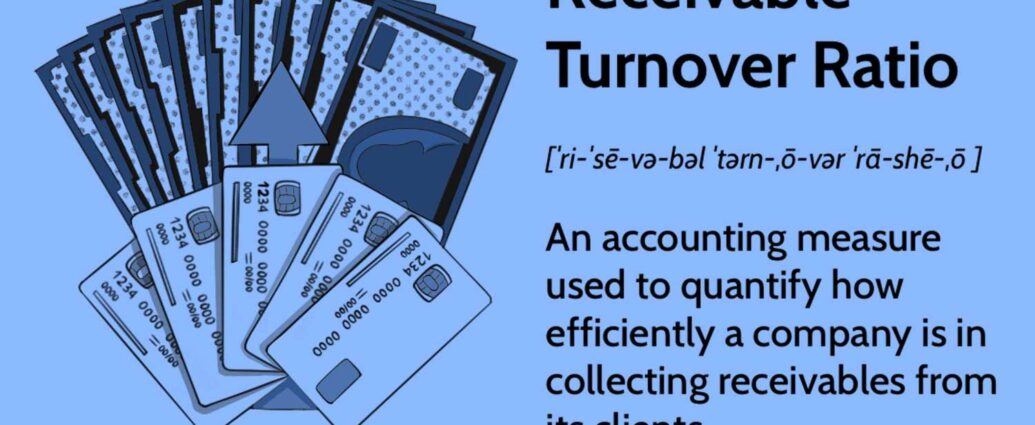
Receivables Turnover Ratio: Formula, Importance, Examples, and Limitations
This post was originally published here
Keir Starmer signals winter support for household bills amid energy price shock
Any taxpayer-funded financial help will be likely to go to poorest households, rather than to everyone, PM indicates
Ministers are looking at providing support for household bills next winter, Keir Starmer said, as he suggested the energy price shock unleashed by the Iran conflict could continue for months to come.
The prime minister indicated he would prefer to focus any taxpayer-funded help on the poorest households, rather than an expensive universal bailout, ahead of an emergency meeting on the economic fallout of the Middle East crisis.
This post was originally published here

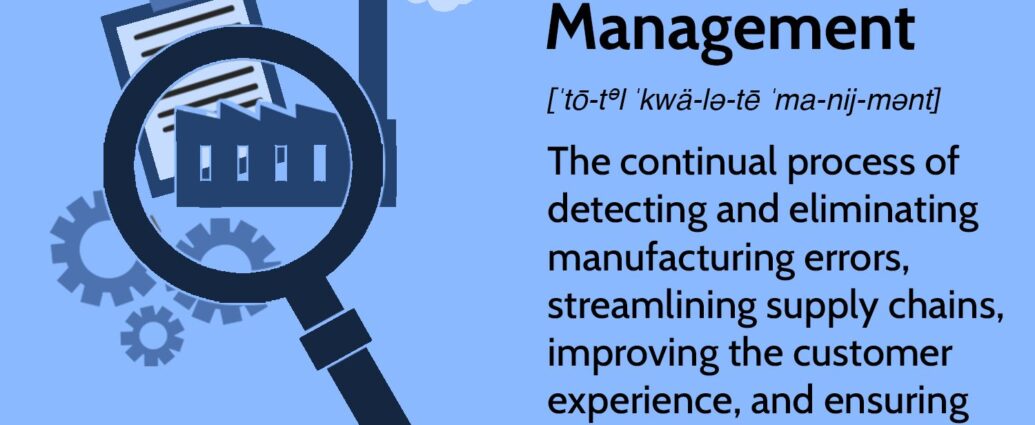
What Is Total Quality Management (TQM), and Why Is It Important?
This post was originally published here

US to pay almost $1bn to French energy company to kill wind project plan
Trump administration announces deal with TotalEnergies to redirect investment in wind to oil and gas instead
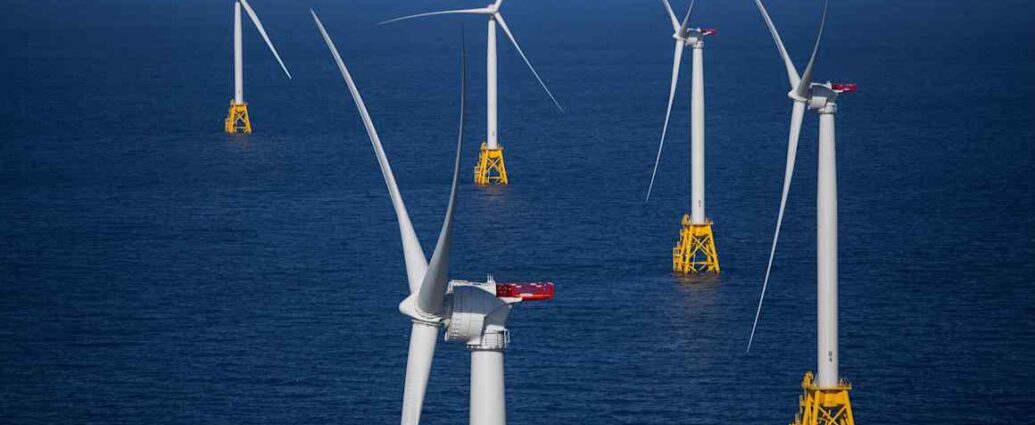
As a fuel crisis triggered by the war in Iran drives up global fossil fuel prices, the Trump administration has announced it will pay French energy major TotalEnergies $1bn to kill plans to construct wind farms off the US east coast.
The deal is the latest blow to the US offshore wind industry, which has faced repeated disruptions to multi-billion-dollar projects under Donald Trump.
This post was originally published here
Democrat Emily Gregory wants to represent Trump — and his Mar-a-Lago resort — in Florida’s legislature
Democrat Emily Gregory is hoping to score an upset for a seat in the Florida state House representing President Donald Trump.
This post was originally published here

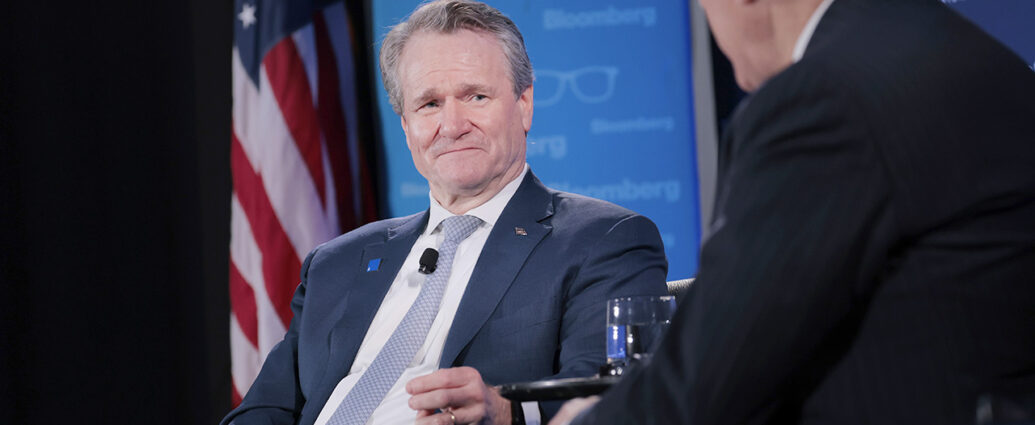
Bank of America’s legacy of building the American dream
Bank of America CEO Brian Moynihan on Monday sent a letter to shareholders along with the firm’s annual report that detailed the bank’s history and its role in America’s growth as the nation prepares to celebrate the 250th anniversary of the country’s founding.
Moynihan noted that Bank of America’s oldest legacy institution, The Massachusetts Bank, was formed in 1784, just one year after the Revolutionary War concluded with the Treaty of Paris. The bank’s depositors helped the firm grow by lending money to new and expanding businesses that made up the early U.S. economy.
“From our country’s earliest days, we supported those communities. We have supported the development of American capitalism. We did what a bank does – help its customers and clients grow,” Moynihan wrote. “Bank of America’s legacy banks formed in communities around the country, and were there every step of the way as those communities filled out our nation.”
Bank of America also traces its roots to franchises in New England that date back to the early days of the country, as well its North Carolina company, which is the surviving company of those legacy banks and was formed over 150 years ago to help finance the development of the region’s industries as the U.S. developed from an agrarian society to an industrial society.
BANK OF AMERICA CEO SEES STRONGER 2026 ECONOMY, SAYS WALL STREET MAY BE UNDERESTIMATING GROWTH
“Funds from afar were not sufficient or readily available and local banks formed to help needed factories get built in their communities,” Moynihan wrote in reference to banks established along the Eastern Seaboard in the early years of America’s independence.
Banks in the nation’s capital grew along with the expansion of the federal government, while the firm’s Texas-based company helped fund the region’s resource boom and those located in the Great Plains spurred the economic growth of the Midwest and West. It also opened a bank in the Pacific Northwest.
Around 1930, A.P. Giannini’s Bank of Italy – which helped support the reconstruction of San Francisco after the great earthquake and fires of 1906 – purchased a small firm called The Bank of America, Los Angeles. After eventually consolidating, Giannini changed the name to Bank of America.
DISNEY WORLD HONORS WORLD WAR II VETERAN’S BIRTHDAY WITH MOVING FLAG RETREAT CEREMONY
“Companies that are now Bank of America provided funding for the Erie Canal, the Golden Gate Bridge, and the American government’s requirements for the War of 1812, World War I and World War II, as well as many other national priorities,” Moynihan wrote.
“Whether it was private citizens, governments or companies of every size, in communities across our growing country, Bank of America was there to help capitalism flourish. We were there to help foster the interdependent relationship between capitalism and democracy.”
“For the 250 years of the American idea in action, the activities of countless individuals, families, farmers and other small businesses, large institutions, governments at every level, the opportunities provided by capitalism – a financial return on labor through wages, and on capital and investments, interest on your idle funds, facilitating investments in bonds to build infrastructure, making loans to entrepreneurs to grow their businesses – helped build our country we have today,” he explained.
FOX BUSINESS LAUNCHES ‘MADE IN AMERICA’ SMALL BUSINESS CONTEST WITH $25K CASH PRIZES FOR WINNERS
The letter also discussed how Bank of America grew its presence around the world by helping U.S. firms pursue global ambitions as well as providing financial services at the federal government’s request to facilitate access to new markets or help rebuild in the wake of conflicts.
Among the examples cited were the bank opening for business in Argentina in 1917 to support American companies engaged in the wool trade, as well as the establishment of operations in Great Britain in 1931 as the U.S. emerged as a creditor nation after World War I.
In the aftermath of World War II, Bank of America became the first bank to open for business in Japan at the request of the U.S. occupation government to provide loans to shipping companies to restart Japan’s postwar economy.
GET FOX BUSINESS ON THE GO BY CLICKING HERE
Bank of America opened in France in 1953 to support the post-World War II reconstruction of Europe and build on the success of the U.S. government’s post-war Marshall Plan. It also opened a Middle East headquarters in 1972 when it entered the newly formed United Arab Emirates to support U.S. companies developing the region’s resources.
This post was originally published here

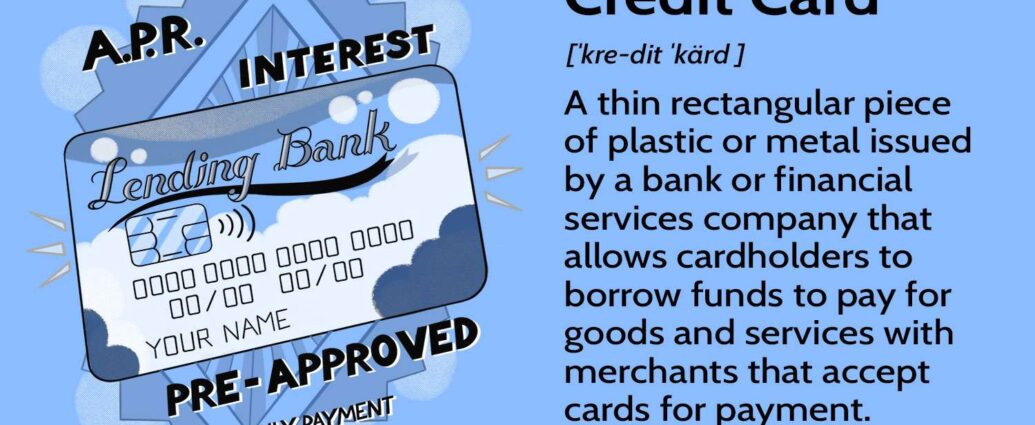
Understanding Credit Cards: How They Work and How to Get One
This post was originally published here
Credit Card: What It Is, How It Works, and How to Get One
This post was originally published here

Understanding Joint Ventures (JVs): Purpose, Benefits, and Examples
This post was originally published here
Swalwell drops lawsuit against FHFA’s Pulte as California governor race heats up
Eric Swalwell drops suit alleging FHFA’s Pulte used private information to hurt President Donald Trump’s critics, leaking details about Swalwell’s family home.
This post was originally published here
BlackRock’s Larry Fink: Trump accounts, paired with other assets, may be ‘very significant’ for young adults
BlackRock CEO Larry Fink said Trump accounts, if paired with other investments, “could be a very significant step” for young Americans.
This post was originally published here



Chevron CEO says Iran war impact isn’t fully priced into oil market, traders have ‘scant information’
Chevron CEO Mike Wirth said the physical supply of oil is much tighter than the oil futures market suggests.
This post was originally published here

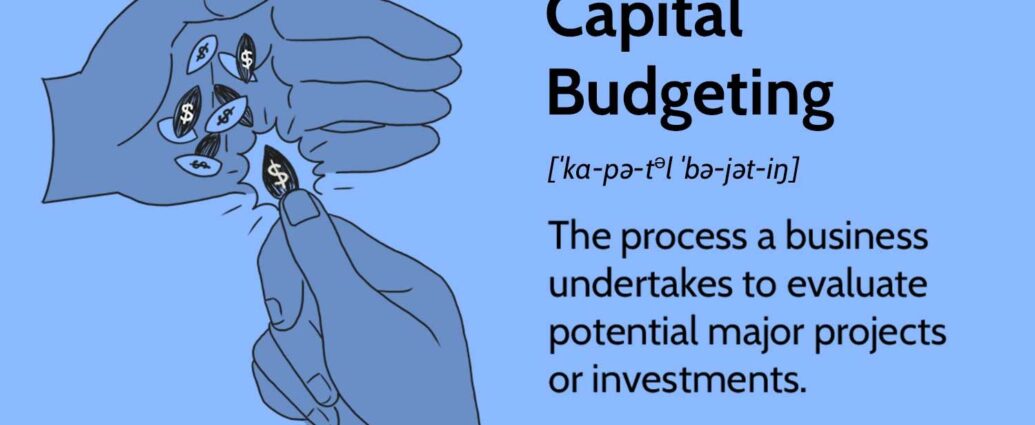
Capital Budgeting Methods for Project Profitability: DCF, Payback, and More
This post was originally published here
Capital Budgeting Methods for Project Profitability: DCF, Payback & More
This post was originally published here







WNBPA President Nneka Ogwumike says new CBA will have a major impact on players’ bank accounts
WNBPA President Nneka Ogwumike told CNBC significant pay raises for WNBA players could change their off-season routines.
This post was originally published here


Human Resource Planning (HRP): Meaning, Process, and Key Steps for Success
This post was originally published here
Why Is QuantumScape Stock Gaining Monday?
Shares of QuantumScape Corp. (NYSE:QS) are trading higher Monday. The move comes as the broader market gains momentum.
The Nasdaq has climbed 1.59%, while the S&P 500 rose 1.54%.
Oil Prices Plunge On Geopolitical Shifts
Auto-related stocks are trading higher following a sharp drop in energy costs. WTI crude oil futures tumbled over 10% on Monday, falling to around $87 per barrel.
This shift followed news that President Donald Trump ordered the Pentagon to halt planned strikes on Iranian energy infrastructure for five days.
Trump cited “very good and productive” discussions between the U.S. and Iran over the last 48 hours. Lower oil prices …
This post was originally published here
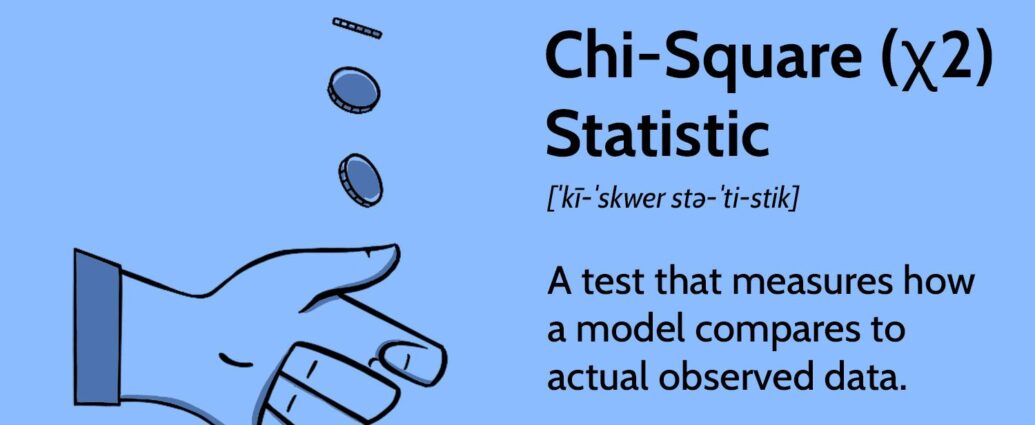
Chi-Square (χ2) Statistic: What It Is, Examples, How and When to Use the Test
This post was originally published here




Ministers tell HS2 to consider slower train speeds to cut costs
Company will assess whether drop to 186mph from 224mph will save money and help bring forward launch
Ministers have told High Speed Two to consider running its trains at lower speeds, in an attempt to rein in the spiralling budget and begin operations as soon as possible.
HS2 Ltd will assess whether limiting the speed to 186mph (300km/h) instead of 224mph could save money – potentially billions of pounds – and bring the railway into being earlier in the 2030s.
This post was originally published here
British destroyer HMS Dragon arrives in eastern Mediterranean
Ship arrives three weeks after Iranian-made drone hit British base of RAF Akrotiri on Cyprus
HMS Dragon has arrived in the eastern Mediterranean, three weeks after an Iranian-made drone hit the British base of RAF Akrotiri, the defence secretary has said.
The Type 45 destroyer will begin “operational integration into Cyprus’s defence” from Monday night, John Healey told MPs.
This post was originally published here


Here are the things we want to see to trust this stock market rally
Every weekday, the Investing Club releases the Homestretch; an actionable afternoon update just in time for the last hour of trading.
This post was originally published here


Largest federal workers union warns ICE agents are not trained to replace TSA and putting them in airports ‘does not fill a gap. It creates one’
The federal workers union representing TSA officers has chided the Trump Administration’s decision to send Immigration and Customs Enforcement (ICE) into airports, arguing the agents are not qualified to handle airport security.
“ICE agents are not trained or certified in aviation security,” Everett Kelley, president of the American Federation of Government Employees, said in a statement on Sunday. “TSA officers spend months learning to detect explosives, weapons, and threats specifically designed to evade detection at checkpoints—skills that require specialized instruction, hands-on practice, and ongoing recertification.
“You cannot improvise that. Putting untrained personnel at security checkpoints does not fill a gap,” he added. “It creates one.”
Instead of solving the problem of the 50,000-plus TSA employees who “have worked without pay for over five weeks,” Kelley said, “Washington’s answer isn’t to pay them. It’s to send ICE agents to do their jobs.”
The American Federation of Government Employees is the only union representing TSA officers.
President Donald Trump on Sunday announced on social media plans to order federal immigration officers to oversee airport security on Monday amid an ongoing partial government shutdown. The shutdown, entering its 43rd day, ceased funding for the Department of Homeland Security (DHS) as Democrats demanded reform policies after ICE officers fatally shot two U.S. citizens in Minneapolis in January.
Trump told reporters on Monday that ICE agents would also be able to conduct immigration checks and make arrests, though it was not the primary reason for their placement.
“They’re able to now arrest illegals as they come into the country. That’s very fertile territory. But that’s not why they’re there. They’re really there to help,” he said.
TSA receives its funding from DHS, meaning its more than 50,000 frontline officers are not getting paid but are required to work as they are deemed “essential employees.” More than 400 TSA employees have quit and thousands more have called out of work, according to DHS.
Kelley asserted ICE agents should still not replace absent TSA employees, who “deserve to be paid, not replaced by untrained, armed agents who have shown how dangerous they can be,” he said.
After an initial training period, TSA transportation security officers are put through an additional two-to-three week training program, according to job postings.
One whistleblower previously raised concerns about training for ICE deportation agents being cut, saying in a Congressional testimony that instruction for incoming agents was slashed in an effort to increase recruitment to increase arrests. The Washington Post reported earlier this month that ICE removed about 240 hours of basic training from its program, equivalent to about 40% of instructional time, according to government records.
White House border czar Tom Homan said in an interview with CNN that immigration officers could cover exits typically monitored by TSA agents to allow them to better staff screening lines, as well as check identification for passengers entering screening lines. According to Homan, ICE agents will likely not oversee X-ray machines because of lack of training. “ICE agents are assigned at many airports across the country already,” Homan said. “They do a lot of investigation, criminal investigation on smuggling at airports.”
DHS acting assistant secretary Lauren Bis said in a statement to Fortune that the department would not disclose where ICE agents were deployed for security reasons.
Ongoing travel disruptions
TSA officers’ call-out rates reached their highest level of the shutdown on Sunday, with 11.76% of workers, or more than 3,450 employees, not showing up to work, DHS data showed. That included about 40% of TSA officers from George Bush Intercontinental Airport in Houston, Louis Armstrong New Orleans International Airport, and Hartsfield-Jackson Atlanta International Airport, according to DHS data.
Delta CEO Ed Bastian lambasted the federal government over the shutdown, saying in an interview with CNBC last week that politicians should “do their job” to ensure TSA officers are paid during the shutdown.
“It’s inexcusable that our security agents, our frontline agents, that are essential to what we do, are not being paid, and it’s ridiculous to see them being used as political chips,” he said.
Bastian joined a host of airline CEOs asking Congress—which is now heading into a two-week recess without a deal in sight—to resume DHS funding. In an open letter, the executives from Southwest Airlines, United Airlines, JetBlue Airways, among others, suggested air travel has become political collateral during shutdown, and that providing compensation for TSA employees was particularly prudent ahead of a busy spring travel season that would be punctuated by both the FIFA World Cup and the U.S.’s 250th anniversary.
Short-staffed airports have shut down checkpoints, leaving passengers to endure three-hour or even longer wait times in security lines. The shortages have also contributed to thousands of flight delays and cancellations.
These disturbances have only mounted pressure on airports and airlines also contending with threats of increased fuel prices and cancelled flights as a result of the war in Iran, as well as safety concerns. LaGuardia Airport in New York is closed following a deadly collision of an Air Canada jet into a fire truck on Sunday night, killing a pilot and copilot and injuring dozens of passengers. Newark Liberty International Airport in New Jersey temporarily shut down operations on Monday as a result of a burning smell in an elevator, forcing air traffic controllers to evacuate a tower.
Meanwhile, TSA agents working without pay are experiencing eviction notices, vehicle repossessions, and trouble buying groceries, union and federal officials warned. A 2024 Government Accountability Office report found TSA officers have struggled with some of the lowest morale levels in the federal government, with employees citing poor management, work-life balance, and pay as reasons for their frustrations. The starting salary for TSA agents is about $34,500, with the average annual pay between $46,000 and $55,000.
“I’ve heard from officers who cannot afford copayments for cancer treatments or office visits for their sick children,” Aaron Barker, a local TSA union leader based in Atlanta, told reporters earlier this week.
This story was originally featured on Fortune.com



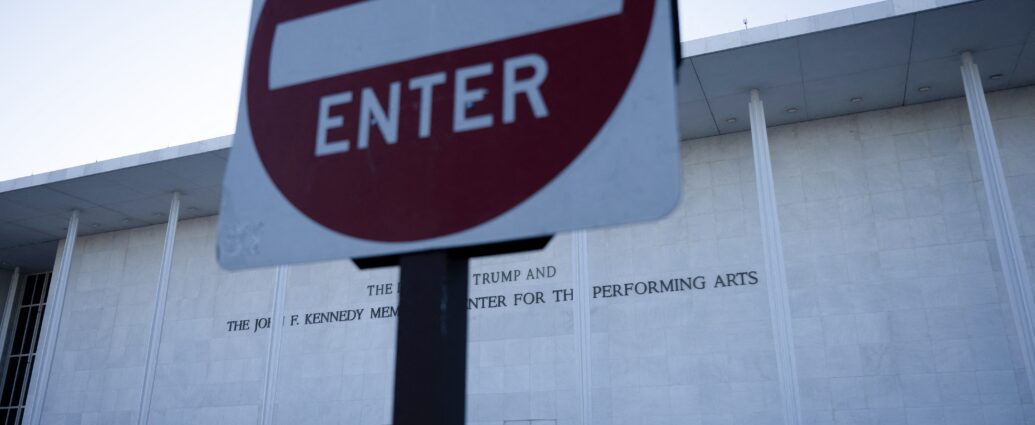
8 architecture and culture groups sue Trump and the Kennedy Center board
The groups, which include the American Institute of Architects, are asking for compliance with historic preservation laws and to secure approval from Congress.
(Image credit: Brendan Smialowski)

This post was originally published here
Six students challenge Home Office visa ban on four countries
Sudanese and Afghan students with offers to study in UK say government’s ‘emergency brake’ is discriminatory
Six students from Sudan and Afghanistan have accused the home secretary of racial discrimination and launched legal action to try to overturn a ban on them taking up university places in the UK.
The students – five from Sudan and one from Afghanistan – have undergraduate degrees in medicine and science-based subjects and received offers from universities including Oxford, Cambridge and Imperial College London.
This post was originally published here







What Will Entertain Us in the Year 2046?


Stocks making the biggest moves midday: Palantir, Flutter, United Airlines, Synopsys, Insmed & more
These are some of the stocks posting the largest moves at midday.
This post was originally published here


Viktor Orbán celebrated by Europe’s far right before Hungary election
France’s Marine Le Pen and the Netherlands’ Geert Wilders among speakers praising prime minister at Budapest event
Marine Le Pen has called Viktor Orbán “an exceptional leader” and Geert Wilders hailed “a lion on a continent led by sheep” as Europe’s far-right figureheads rallied round Hungary’s prime minister before an election that polls suggest he may lose.
“Hungary has become a symbol in Europe of a proud and sovereign people’s resistance against oppression,” Le Pen, the parliamentary leader of France’s National Rally (RN), told a gathering of EU-sceptical leaders in Budapest on Monday.
This post was originally published here
Starmer says he is ‘unapologetic’ about his focus on national interest when asked how he deals with ‘rude’ Trump – UK politics live
PM tells MPs ‘a lot of what is said or done is undoubtedly said or done to put pressure on me’
Matthew Pennycook, the housing minister, was speaking for the government on the morning news programmes earlier. Speaking to LBC, he confirmed that the government wanted the Competition and Markets Authority to deal with any potention profiteering by oil companies. Pennycook said prices were “prices are soaring in places” and “we’re seeing a huge differentiation in prices across the country, which is why the CMA have put fuel retailers on notice”.
Donald Trump has said he has instructed the defence department to postpone all airstrikes against Iranian power plants and energy infrastructure for a five day period, Yohannes Lowe reports. This is subject to the “success” of ongoing “meetings and discussions”, Trump said in a Truth Social post.
This post was originally published here
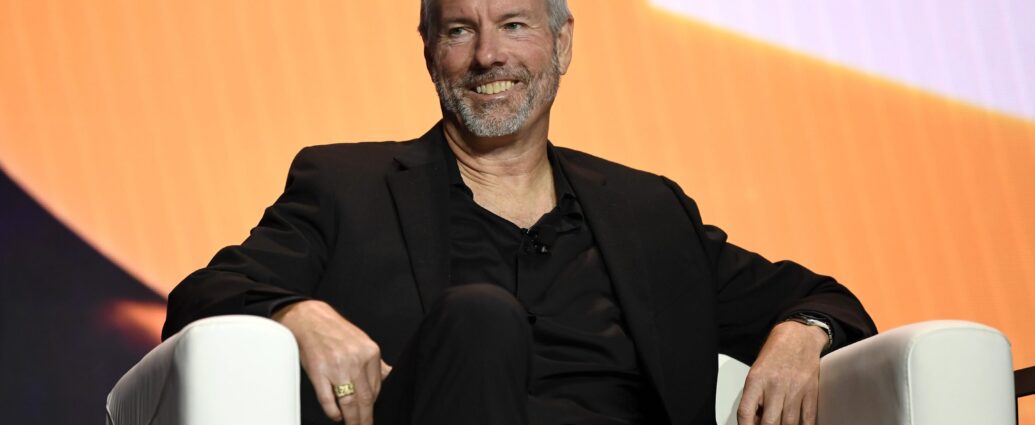
Strategy purchases another $76 million worth of Bitcoin, all through sales of common stock
Strategy, the world’s largest holder of Bitcoin, bought more than 1,000 of the original cryptocurrency last week, worth more than $76 million. The purchase follows one from the week prior worth $1.6 billion, which the company funded primarily through its “Stretch” perpetual preferred shares.
One analyst says that the company will get back to buying more Bitcoin and do so through its sale of these “Stretch” perpetual preferred shares, known as STRC.
“While the cadence and size of Strategy’s Bitcoin purchases will likely remain uneven on a week-to-week basis, reflecting market conditions and opportunistic timing, we fully expect the company to aggressively lean into its Bitcoin acquisition strategy as demand for its STRC perpetual preferred stock increases,” said Mark Palmer, senior equity research analyst at The Benchmark Company.
Strategy, run by executive chairman Michael Saylor, is a digital asset treasury—a company whose sole purpose is to acquire and hold on to vast amounts of Bitcoin. It can make these purchases through sales of its “Stretch” perpetual preferred shares, a security that offers investors an 11% annual yield.
Its common shares, the sale of which can also fund the company’s purchase of Bitcoin, are often tied to the currency’s performance. Strategy’s shares have increased about 10% in the last month, and Bitcoin is up about 9% during that time to its current price of roughly $70,000, according to Binance. Cryptocurrencies have shown growth and resilience since the beginning of the war in Iran, while traditional stock indexes like the S&P 500 have struggled.
Palmer, the analyst at The Benchmark Company, expects Strategy to continue to pivot back to its sales of “Stretch”, “We expect STRC to become established as Strategy’s primary vehicle for fueling its Bitcoin purchases going forward.”
This story was originally featured on Fortune.com

Energy prices could fall ‘pretty significantly’ if Iran deal reached, energy secretary says
Energy markets could see a sharp reversal if tensions ease in the Middle East, as officials say a diplomatic breakthrough could quickly restore critical oil flows.
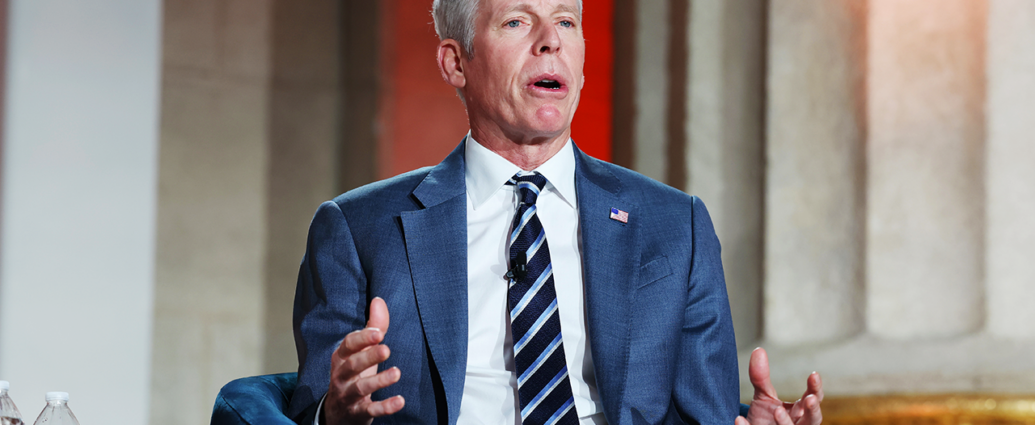
U.S. Energy Secretary Chris Wright joined FOX Business’ Lauren Simonetti on “Varney & Co.” to discuss how a potential agreement with Iran could help reopen the Strait of Hormuz and stabilize prices after weeks of disruption.
Wright indicated that energy markets are closely tied to developments in the region, emphasizing how quickly conditions could shift if a deal is reached.
A STATE-BY-STATE LOOK AT GAS PRICES AS IRAN CONFLICT PUSHES OIL HIGHER
“They would go down quite a bit. If we see a pathway to have the Strait of Hormuz open soon and energy flowing again, you’d see energy prices drop pretty significantly,” Wright said.
The comments come as global markets react to constrained movement through one of the world’s most critical energy chokepoints, where even temporary disruptions have pushed fuel costs higher for consumers.
Wright suggested the path forward depends on whether Iran is willing to de-escalate and negotiate.
KEVIN O’LEARY FORECASTS GLOBAL POWER SHIFT IN STRAIT OF HORMUZ AS IRAN CONFLICT RATTLES OIL MARKETS
“That could happen if a peace agreement is reached… If Iran thinks enough is enough, and they’re willing to make a deal… Then there’ll be a deal,” Wright said.
For now, officials say short-term market volatility is expected as the situation continues to develop.


US to pay Total $1bn to switch from wind to oil and gas development
This post was originally published here

Gold Flashes Ultra-Rare ‘9 Red Birds’ Pattern: Is A Reversal Ahead?
Veteran trader Peter Brandt is flagging a highly unusual technical signal in gold he calls the “Nine Red Birds” pattern, hinting that the latest bout of selling may be nearing exhaustion and that a reversal could be forming.
- KGC stock is up. See the chart and price action here.
What Are ‘Nine Red Birds’?
In a social media post on Sunday, Brandt pointed to the Nine Red Birds pattern on the daily chart for gold futures contracts.
Brandt’s “Nine Red Birds” label refers to a sequence of nine consecutive daily declines on a candlestick chart, where each session prints a red candle and pushes the trend sharply lower.
He noted that over more than 50 years of futures trading, he has seen this configuration only a handful of times, underscoring how rare the setup is.
The pattern itself is not a classic textbook formation such as a head-and-shoulders or a wedge, …
This post was originally published here

SEC’s Atkins Submits Long-Awaited Crypto Innovation Exemption To White House
The SEC on Friday submitted two proposed crypto regulation rules to the White House for review.
The Innovation Exemption
Bloomberg on Monday reported that SEC Chairman Paul Atkins previewed the digital asset proposal at the Digital Chamber’s 2026 Blockchain Summit last week:
- A sweeping digital asset proposal including an “innovation exemption” for crypto firms.
- A hedge fund disclosure overhaul targeting Form PF reporting requirements.
The measures would allow crypto companies to temporarily avoid registration as brokers, exchanges, or other regulated entities for a limited period, giving them room to develop products without full securities compliance.
The proposal builds on the March 17 SEC-CFTC joint interpretation that classified crypto assets into five categories: digital commodities, digital collectibles, digital …
Gold Nosedives As Trump Announces A Five-Day Pause On Iran Attacks
(RTTNews) – Gold prices went for a tailspin on Monday after signs of easing in the Middle East conflict surfaced, with U.S. President Donald Trump announcing a five-day pause on strikes over Iran. In addition, Trump remarked that U.S.-Iran negotiations to end the war were going o
This post was originally published here
Gold Nosedives As Trump Announces A Five-Day Pause On Iran Attacks
(RTTNews) – Gold prices went for a tailspin on Monday after signs of easing in the Middle East conflict surfaced, with U.S. President Donald Trump announcing a five-day pause on strikes over Iran. In addition, Trump remarked that U.S.-Iran negotiations to end the war were going o
This post was originally published here
Gold and Silver Prices Suffer Massive Correction as US-Iran War Shakes Markets
The gold price has experienced its steepest weekly decline in more than 40 years, dropping as low as US$4,100 per ounce in early morning trading on Monday (March 23). The yellow metal’s safe-haven status has lost its edge in the face of an unprecedented storm of macroeconomic and geopolitical factors. The price of silver has also taken a big hit, sliding down to an intraday trading low of about US$61 per ounce — the white metal has lost about half of its all-time high posted just eight weeks ago. Silver often reacts with greater intensity than gold given it’s a much smaller market and more tied to industries that can be negatively impacted by blows to sectors like solar panels, artificial intelligence infrastructure and electronics.At the center of this storm is the US-Iran war and the closure of the Strait of Hormuz, which has sent Brent crude oil prices well above US$100 per barrel. With global inflation fears now supercharged, the US Federal Reserve last week signaled that interest rates may stay higher for longer, putting the kibosh on previous expectations for 2026 cuts.As the US dollar is also the petrodollar, the greenback has soared. This makes gold and silver more expensive for global buyers, especially in China and India. At the same time, 10 year treasury yields are rising higher, which also lessens the investment appeal of non-yielding assets like gold and silver bullion.Global stock markets are also being rocked by uncertainty in the Middle East, sparking massive selloffs in equities. In this scenario, institutional investors often sell liquid assets like precious metals to raise cash and cover margin calls.
Do gold and silver prices have further to fall?
“In my view, gold continues to maintain strong structural bullish momentum supported by solid fundamental drivers, most notably ongoing global economic uncertainty and rising institutional demand for hedging,” stated Rania Gule, senior market analyst at XS.com, in market commentary shared with the Investing News Network (INN).“However, this momentum does not move in a straight line; it is often interrupted by sharp corrections that are necessary to rebuild long positions,” the expert added. Gule believes that a deeper correction toward US$3,800 is not outside the realm of possibility. The odds are higher if bond yields continue to rise and the dollar’s strength persists. However, she does not believe such a move would be a bearish signal, but rather an opportunity for investors who believe in gold’s long-term story.“In the short term, particularly over the coming week, I lean toward a consolidation scenario with a slight bearish bias, especially in the absence of new catalysts to support further upside,” said Gule. “This does not imply a lack of opportunities; on the contrary, such market conditions can provide favorable setups for short-term traders, provided they apply disciplined risk management. For medium- to long-term investors, however, the focus should remain on the broader trend rather than short-term fluctuations.”Both gold and silver prices recovered slightly on Monday as US President Donald Trump stated that his team had “productive conversations regarding a complete and total resolution of our hostilities in the Middle East,” leading him to “postpone any and all military strikes against Iranian power plants and energy infrastructure” for at least five days. As of 9:00 a.m. PST, gold was trading at US$4,373.11, while silver was trading at US$68.39.
Don’t forget to follow us @INN_Resource for real-time updates!Securities Disclosure: I, Melissa Pistilli, hold no direct investment interest in any company mentioned in this article.Editorial Disclosure: The Investing News Network does not guarantee the accuracy or thoroughness of the information reported in the interviews it conducts. The opinions expressed in these interviews do not reflect the opinions of the Investing News Network and do not constitute investment advice. All readers are encouraged to perform their own due diligence.
This post was originally published here
Blackstone’s Private Credit Fund Sees Its First Loss In Three Years
Blackstone’s (NYSE:BX) flagship private credit fund, BCRED, experienced a monthly downturn in February. This marked the fund’s first loss in over three years.
The 0.4% decline comes amid growing investor concerns about the liquidity pressures within the sector, Reuters reported.
The Morningstar LSTA index, which tracks publicly traded leveraged loans, fell by 0.8% in February, reflecting broader market challenges.
Despite the decline in performance, BCRED has delivered a 9.5% annualized total return since its inception for Class I shares. It outperformed the leveraged loan market by 100 basis points this year.
BCRED, a non-exchange-traded business company, expects to invest at least 80% of its total assets in private credit …
This post was originally published here

High Point University has turned ‘life skills’ into a magnet for the Wall Street elite with a 99.2% job placement rate
As Gen Z college graduates struggle to jumpstart their careers, skepticism about the value of higher education is reaching new heights.
But at one private university in suburban North Carolina, graduates are defying that trend. At High Point University, 99.2% of the class of 2024 were employed or pursuing further education within six months of graduation—14 points above the national average.
The secret, according to the school, isn’t exclusively leaning on traditional academic offerings to prepare students for the real world. Instead, High Point brands itself as the nation’s “premier life skills university.”
“It’s clear that students and parents expect maximum return on investment from a college education,” a High Point University spokesperson told Fortune. “It’s also clear that employers need graduates who have not only technical skills but also life skills that outlast technical skills, which are constantly changing.”
In practice, that means required courses like Life Skills 101, which University President Nido Qubein teaches himself on confidence, communication, and personal branding. It also means bringing in top business minds, such as Apple cofounder Steve Wozniak, who serves as the school’s “innovator in residence,” to mentor students directly.
While similar programs elsewhere are often limited to students in their last year of school or even just business majors, High Point has made career readiness and soft skills the core of its entire curriculum.
The school also caught the country’s attention this year by making it to the NCAA College Basketball Tournament as a No. 12 seed and upsetting No. 5 Wisconsin. The High Point Panthers then lost to Arkansas on March 22.
What skills are Gen Z graduates missing—and how does HPU fix it?
Throughout students’ time at High Point, the school emphasizes teaching what they say “employers want in new hires,” including motivation, emotional intelligence, coachability, technical competence, temperament, and work ethic—traits that are increasingly rare to find among young professionals.
According to a report from tech education company General Assembly, fewer than half of all workers, and just 12% of mid-level executives, are confident that entry-level workers are adequately prepared for the workforce.
It’s a concern echoed by many business leaders. Jon Gray, president and COO of asset firm Blackstone, told employees in 2025:
“Most of you went to elite universities. You did really well, you were in the top of your class. You are people who are successful by nature and hardworking,” Gray said in a video posted to his LinkedIn account. “But when I look around at the people who truly succeeded at Blackstone, it’s not the ‘good enough’ crowd, right? It’s the people who are like, hey, ‘I’m gonna make sure I get this absolutely right.’”
Even tech leaders have weighed in. Meta CEO Mark Zuckerberg has questioned whether college is living up to its promise.
“It would be one thing if [college] was just kind of like a social experience, but you started off neutral. The fact that it’s not preparing you for the jobs that you need and you’re kind of starting off in this big [financial] hole then I think that’s not good,” Zuckerberg said on This Past Weekend podcast with Theo Von.
For High Point, these critiques have represented opportunity. The school’s pitch is simple: “HPU is about more than degrees; it’s about life skills. Our students learn practical wisdom and career skills that prepare them for success in any field.”
These lessons are reinforced through lectures and seminars on topics such as how to land a job, how to pitch yourself, and how to thrive in the workplace, giving students tangible tools to turn their education into real-world success.
Why Wall Street parents choose High Point University
Nestled in the Piedmont Triad of North Carolina, High Point faces the challenge of being down the road from other top universities in the Tar Heel state—something that only exacerbates the pressure to attract students—and stay afloat financially. Since March 2020, over 80 public or nonprofit colleges have announced closures or mergers, according to Best Colleges.
During Qubein’s now 20 years at the helm of the university, High Point’s student population has tripled. Last fall, High Point welcomed its largest class of first-year students as well as its largest total enrollment growth in history—topping at 6,550 students.
Part of High Point’s growth strategy has been to attract wealthier students and their families.
“Half of Wall Street sends their kids to this school,” Qubein told The Wall Street Journal in 2025.
Many elite universities—including Harvard and MIT—have also expanded financial aid for lower-income families, banking that wealthier students paying full price will help balance the books. High Point, for its part, offers an average student aid package of about $23,000. Its total annual cost of attendance is just over $71,000.
For that price, students can take advantage of free car inspections before holiday breaks, a campus steakhouse, six outdoor heated pools—each with its own hot tub—and even a mock airplane cabin, designed to help students practice networking for chance encounters at 30,000 feet.
Still, Qubein rejects the idea that these are luxuries—but rather what’s needed to get young people ready for the real world.
“As far as I’m concerned, we have no amenities,” Qubein added to the WSJ. “We are not in the business of pampering students. We are in the business of preparing our students.”
A version of this story originally published on Fortune.com on November 7, 2025.
More on education:
- Meet the billionaires bankrolling March Madness Sweet 16 schools—from the Dallas Cowboys owner to Carlyle Group’s founder
- Liberal arts degrees have long paid the worst salaries—but Microsoft chief scientist says in the age of AI, they will be ‘really important’ for Gen Z
- Former Goldman Sachs CEO got into Harvard University at just 16 from public housing in Brooklyn—and says higher education is still the best way of breaking into the middle class
This story was originally featured on Fortune.com
What hedge fund manager Dan Niles is doing during this market turnaround
“You want to have a mix between asset-heavy names [and] be well diversified,” the founder of Niles Investment Management said.
This post was originally published here
Reform mayoral candidate likens Jewish community group to ‘Islamists on horseback’
Chris Parry describes Shomrim members as ‘cosplayers’ hours after arson attack in north London
A Reform UK mayoral candidate has described members of a Jewish neighbourhood watch group as “cosplayers” and likened them to “Islamists on horseback” in comments made after an attack on ambulances run by a Jewish charity.
Chris Parry, who remains Reform’s mayoral candidate for Hampshire despite a previous controversy in which he said David Lammy should “go home” to the Caribbean, made the comments on Monday about Shomrim, a group of volunteers who safeguard communities including Orthodox Jewish families.
This post was originally published here
Israel launches new strikes on Tehran as Trump pauses Iran energy attacks
Israeli military says it will continue operations in line with Israeli government directives until told otherwise
The Israeli military said it had launched a new wave of strikes on Tehran, after Donald Trump signalled a pause in US attacks against energy infrastructure after what he said were talks with Iran.
The Israeli Defense Forces (IDF) said it would continue operations in line with Israeli government directives until told otherwise.
This post was originally published here

5 Key Indicators You Need a Postnuptial Agreement
This post was originally published here


Kalshi takes a page from Warren Buffett’s March Madness playbook by offering $1 billion for a perfect bracket
Prediction market Kalshi loves a publicity stunt. In February, the company handed out free groceries to hundreds of New Yorkers. Now, it’s taking a page from Warren Buffett’s playbook and offering a $1 billion prize to any user who has the perfect March Madness bracket.
In 2014, he offered $1 billion to any Berkshire Hathaway (or subsidiary) employee who picked the winner of all 63 games correctly. Nobody won, and the company has since modified its payouts multiple times because a perfect bracket is harder than you might think.
Taking teams’ stats, history, and general basketball knowledge into account, the NCAA estimates that the chances of perfection are 1 in 120.2 billion. The longest verified streak came from an Ohio man who correctly guessed 49 consecutive games in 2019.
Kalshi admits that it knows “the odds aren’t in your favor.” In the unlikely chance of a payout, the winner would receive $100 million each year for 10 years, according to the contest rules. SIG Parametrics, a member of the Susquehanna International Group of Companies, is financially backing the contest.
If no one has the perfect bracket, the person with the highest score, based on the company’s point system, will receive $1 million. If there’s a tie, the prize will be split equally among the winners.
All U.S. citizens over 18 years old were eligible to enter the contest before the competition’s first game on March 19. But New York or Florida residents are not eligible, and Kalshi did not immediately respond to Fortune’s comment on why people in those states were excluded.
Berkshire’s long-standing tradition
Kalshi is mimicking a longtime Berkshire Hathaway tradition that drew about 65,000 of its nearly 400,000 employees in 2024, according to The Wall Street Journal.
Since 2014, Buffett has offered his employees millions for their brackets. And even though he stepped down as CEO in December, the competition will continue this year, according to Front Office Sports.
Over the years, the rules and prizes have changed as the long odds weighed on participants, while Buffett was eager to give away money.
After kicking off the yearly competition with a $1 billion prize for a perfect bracket, Buffett switched to a $1 million reward from 2015 to 2024 to anyone who perfectly guessed the Sweet 16.
But no employees met the target. A $100,000 consolation prize was given to the bracket that stayed perfect the longest. Buffett is known to personally congratulate the winners.
“I’m getting older,” Buffett told WSJ in 2025. “I want to give away a million dollars to somebody while I’m still around as chairman.”
Last year, Buffett’s wish came true after he changed the rules again to offer $1 million to anyone who correctly guessed at least 30 of 32 first-round games. A FlightSafety International employee (a pilot training company subsidiary of Berkshire Hathaway) won $1 million for correctly guessing 31 out of 32 first round games.
This story was originally featured on Fortune.com
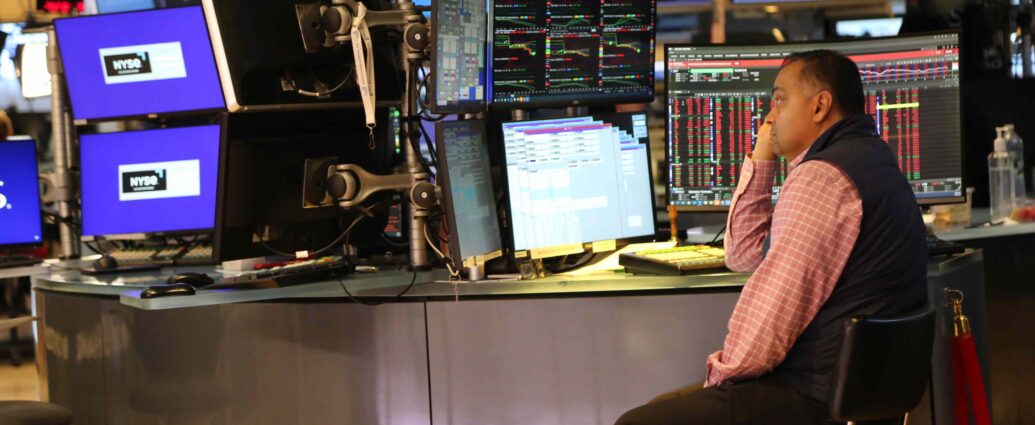
Stock Market Today: Major Indexes Surge, Oil Retreats as Trump Says US to Postpone Threatened Strikes on Iran Power Plants; Dow Soars 650 Points
This post was originally published here

Volume in stock and oil futures surged minutes before Trump’s market-turning post
The timing of the earlier volume spikes — across both equities and crude — caught the attention of traders.
This post was originally published here




Payment-in-Kind (PIK): Definition, Operation, Advantages, and Risks
This post was originally published here

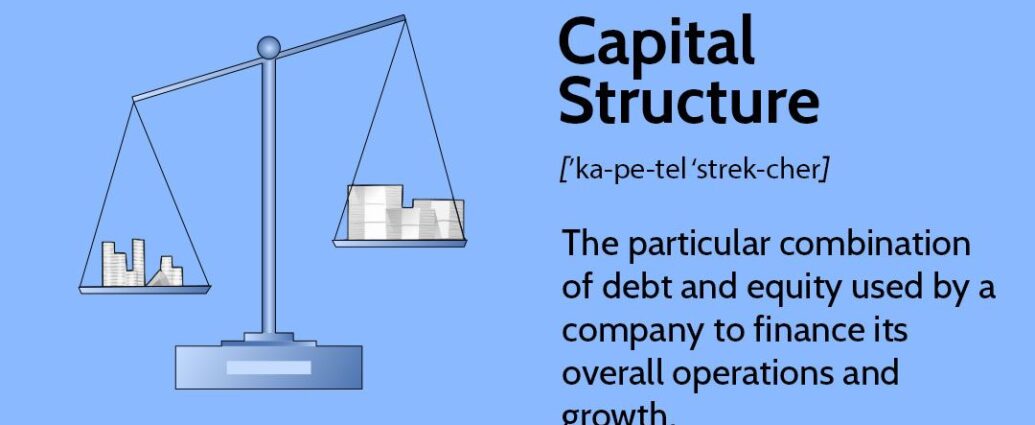
Capital Structure Definition, Types, Importance, and Examples
This post was originally published here

Why Is GameStop Stock Rising Monday?
GameStop Corp (NYSE:GME) shares are trading higher Monday. The move comes as the broader markets show strength. The Nasdaq rose 1.10%, while the S&P 500 gained 1.16%.
Investors are focusing on GameStop’s fourth-quarter earnings. The company reports these results on Tuesday. Analysts estimate earnings per share (EPS) of 31 cents. Revenue expectations sit at $1.47 billion.
GameStop carries significant momentum into this report. The company has beaten EPS estimates in six consecutive quarters.
In the third quarter, it reported an EPS of 24 cents. This surpassed the 18-cent analyst estimate.
Full story available on Benzinga.com
This post was originally published here

Giorgia Meloni concedes defeat in Italy’s judiciary reform referendum – as it happened
Italian prime minister says she will respect the vote but says it is ‘a lost change to modernise Italy’
Meanwhile, Hungarian prime minister Viktor Orbán attempted to get on the front foot after allegations that his foreign minister Péter Szijjártó was leaking confidential EU talks to Russia as he ordered a probe into what he called a wiretapping of Szijjártó’s phone.
“We are dealing with two serious issues: there is evidence that Hungary’s foreign minister was wiretapped, and we also have indications of who may be behind it. This must be investigated immediately,” Orban tweeted on Monday, as reported by Reuters.
This post was originally published here
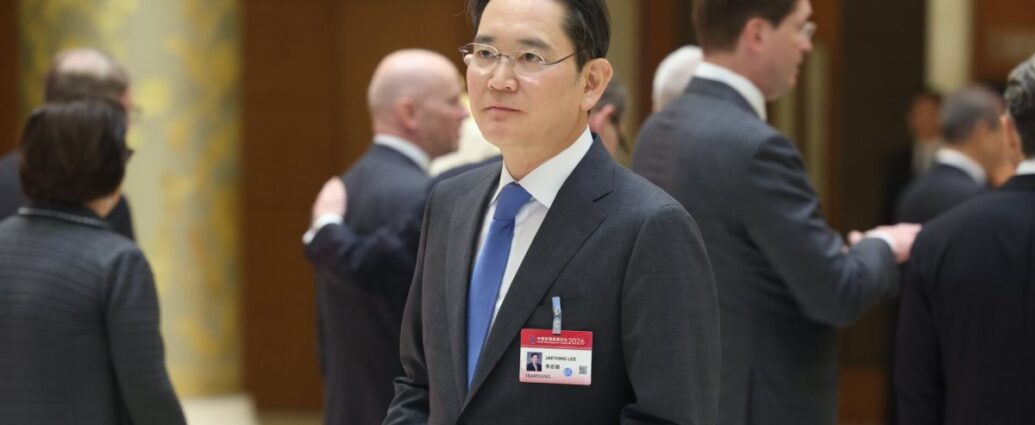
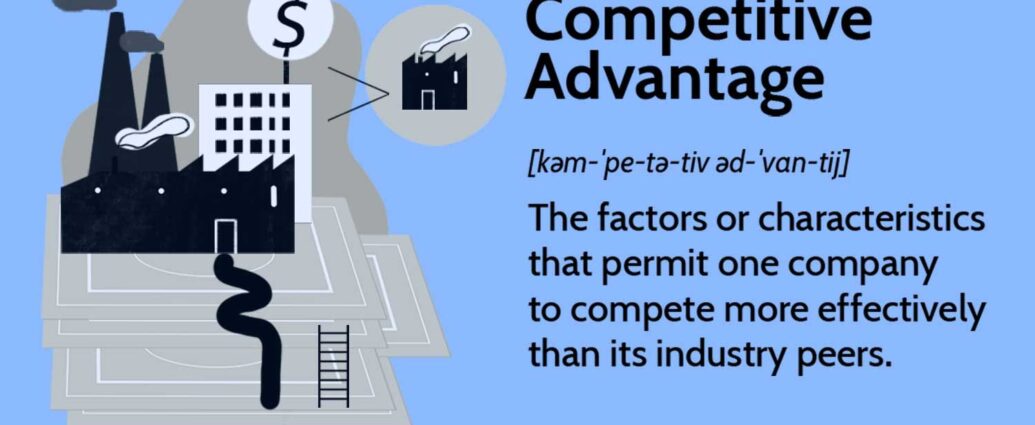
Competitive Advantage Definition With Types and Examples
This post was originally published here

The Supreme Court looks poised to ban late mail ballots ahead of the midterms
The Supreme Court ‘s conservative majority on Monday sounded skeptical of state laws that allow the counting of late-arriving mail ballots, a persistent target of President Donald Trump.
The court heard arguments in a case from Mississippi that also could affect voters in 13 other states and the District of Columbia, which have grace periods for ballots cast by mail. An additional 15 states that have more forgiving deadlines for ballots from military and overseas voters also could be impacted.
A ruling is expected by late June, early enough to govern the counting of ballots in the 2026 midterm congressional elections.
The court challenge is part of Trump’s broader attack on most mail balloting, which he has said breeds fraud despite strong evidence to the contrary and years of experience in numerous states.
Several conservative justices gave voice to some of Trump’s complaints. Justice Samuel Alito wondered about the appearance of fraud in situations where “a big stash of ballots” that arrive late “radically flipped” an election.
Defending the state law, Mississippi Solicitor General Scott Stewart pointed out that the Trump administration and its allies in the case have yet to submit a single case of fraud due to late-arriving mail ballots.
The court’s liberal justices indicated they would uphold state laws with post-Election Day deadlines.
“The people who should decide this issue are not the courts, but Congress, the states and Congress,” Justice Sonia Sotomayor said.
Forcing states to change their practices just a few months before the election risks “confusion and disenfranchisement,” especially in places that have had relaxed deadlines for years, state and big-city election officials told the court in a written filing.
California, Texas, New York and Illinois are among the states with post-Election Day deadlines. Alaska, with its vast distances and often unpredictable weather, also counts late-arriving ballots.
Lawyers for the Republican and Libertarian parties, as well as Trump’s administration, are asking the justices to affirm an appellate ruling that struck down a Mississippi law allowing ballots to be counted if they arrive within five business days of the election and are postmarked by Election Day.
Justices worried over the slippery-slope problems that could arise no matter who wins the case.
Ballots could be received until the start of the next Congress, two months after the election, Justice Neil Gorsuch suggested.
On the other side, Justice Elena Kagan said the logic of the challenge to late-arriving ballots also would be used to rule out early voting and absentee ballots.
Limits on early-voting also seemed to bother Chief Justice John Roberts, who seemed the conservative member of the court most likely to side with Mississippi.
The court also grappled with whether state laws allowing for late-arriving ballots from military and overseas ballots could survive.
Last year, Trump signed an executive order on elections that aims to require votes to be “cast and received” by Election Day. The order has been blocked in pending court challenges.
At the same time, four Republican-dominated states — Ohio, Kansas, North Dakota and Utah — eliminated grace periods last year, according to the National Conference of State Legislatures and Voting Rights Lab.
The issue at the Supreme Court is whether federal law sets a single Election Day that requires ballots to be both cast by voters and received by state officials.
In striking down Mississippi’s grace period, Judge Andrew Oldham of the 5th U.S. Circuit Court of Appeals wrote that the state law allowing the late-arriving ballots to be counted violated federal law.
Oldham and the other two judges who joined the unanimous ruling, James Ho and Stuart Kyle Duncan, all were appointed by Trump during his first term.
This story was originally featured on Fortune.com


China sees long lines at the gas pump as Mideast turmoil hits
The China state refiner issued a notice Sunday that the price of gas will be set higher by a “meaningful” amount starting March 24.
This post was originally published here

OpenAI Sweetens Investor Pot In Escalating AI Turf War With Anthropic
OpenAI offered a compelling proposition to private-equity firms, presenting a guaranteed minimum return of 17.5% as it seeks to establish joint ventures aimed at expanding enterprise AI adoption.
This move comes as OpenAI competes with Anthropic, which has not offered similar returns, to secure partnerships with buyout firms, Reuters reports.
OpenAI’s strategy includes providing early access to its latest AI models, enticing investors like TPG and Advent.
Both companies are seeking to partner with private-equity firms to quickly deploy AI tools across numerous private companies, enhancing the adoption and integration of their models. This strategy aims to solidify customer loyalty and prepare the companies for potential public offerings as early as this …
This post was originally published here
Quality Control (QC): What It Is, How It Works, and QC Careers
This post was originally published here
Hungarian election candidate accuses ruling party of treason over alleged EU leak to Russia
Péter Magyar, who leads in polls, says Orbán government is ‘betraying Hungarian and European interests’
The candidate leading the polls in Hungary’s upcoming elections has said the alleged sharing of confidential EU information between Budapest and Moscow should be investigated as possible treason, while the European Commission has called for “clarifications” over the alleged leaks.
Péter Magyar, a conservative anti-corruption campaigner who is mounting the most serious challenge to Viktor Orbán’s 16-year-long grip on the Hungarian premiership, said the government appeared to be colluding with Russia, “thereby betraying Hungarian and European interests”.
This post was originally published here
Indifference Curves in Economics: What Do They Explain?
This post was originally published here

Monday’s relief rally in cruise lines may allow for a better exit in a week or two, Katie Stockton says
One leisure and entertainment ETF shows signs of long-term upside exhaustion, suggesting a corrective phase may persist for much of this year.
This post was originally published here
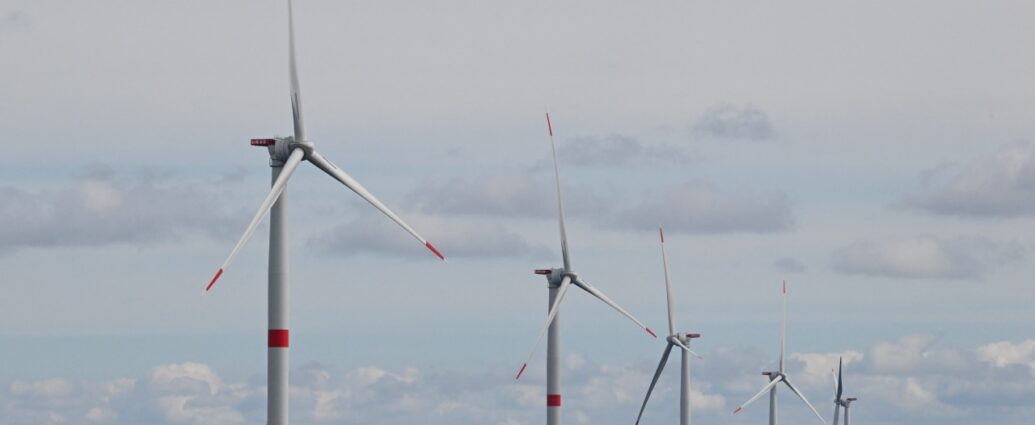
Hillsborough campaigners accuse Starmer of ‘insult’ after failing to introduce promised law
Government sources said new amendment to bill being worked on that would ensure duty of candour applies to individuals working for security services
Families whose relatives were killed in disasters and who have suffered state injustice have written to Keir Starmer, accusing the government of an “insult” for failing to introduce the promised Hillsborough law in this session of parliament.
Labour has promised for almost a decade to implement the law, which will impose a “duty of candour” on the police and public authorities, but the government pulled the bill in January during its passage through parliament.
This post was originally published here
Operating Expenses (OpEx): Definition, Examples, and Tax Implications
This post was originally published here

Italian voters reject Giorgia Meloni’s plan to overhaul judiciary
Referendum result could tarnish PM’s reputation and make winning next year’s general election more challenging
Italian voters have rejected an overhaul of the country’s judiciary pushed by the prime minister, Giorgia Meloni, an outcome that is expected to tarnish her reputation and make winning next year’s general election more challenging.
In a two-day referendum, almost 54% of voters said no to the plans to reorganise the judiciary, compared with about 46% for the yes camp.
This post was originally published here