



Trump hints at wind down of war as US prepares to send more troops to Gulf
Washington considers Kharg Island takeover as Donald Trump calls Nato allies ‘cowards’ for refusal to ‘help open’ strait of Hormuz
Donald Trump said he was considering “winding down” military operations in the Middle East even as the US is reportedly sending three more amphibious assault ships and roughly 2,500 additional marines to the region.
The US president’s remarks on Friday followed an Iranian threat to attack recreational and tourist sites worldwide and another day of the airstrikes and drone and missile attacks that have engulfed the region.
This post was originally published here


Three weeks into the Iran war that’s requested $200 billion, here’s what success for Trump might look like
The U.S. and Israel are locked into a longer-than-expected war that may extend through April before Iran’s military is sufficiently neutered to begin shifting toward a “defensive” posture and reopening oil and gas flows to a world thirsting for cheaper energy, military and energy analysts said.
With or without a ceasefire agreement and likely short of regime change, the main military objective is to stay the course until Iran is exhausted of much of its remaining missile, drone, and fast-boat inventories, meaning it can no longer effectively block tankers from the critical Strait of Hormuz choke point, they said.
President Donald Trump hinted at it on Friday, when he posted on social media that he is considering “winding down” military operations in the Mideast, saying the U.S. is near its objectives of degrading Iran’s missile capability, defense industrial base, armed forces, and nuclear program.
The war has caused oil prices to surge about 75% since the beginning of the year, threatening inflationary spikes worldwide and regional energy shortages. The campaign has already cost the U.S. many billions of dollars, and the Pentagon has request $200 billion more. Much of the Iranian leadership is killed and many of its military supply chains are decimated. But that hasn’t stopped Israel from escalating matters by targeting Iran’s domestic power supplies through its South Pars gas field—an action Trump criticized, asking Israel to stop hitting oil and gas production—or Iran responding by attacking the energy infrastructure of its Gulf neighbors, most notably Qatar’s liquefied natural gas facilities.
So what’s the end game now that the war has concluded its third week? After all, the conflict is almost certainly extending beyond the initial four weeks that Trump cited. And limited operations for U.S. boots on the ground remain on the table, whether to seize nuclear sites or Iran’s oil-exporting hub, Kharg Island.
“You can leave the regime intact but, if it is neutralized militarily, President Trump could claim that the Iranian military does not pose a threat to shipping through the strait. That would certainly be an important victory,” said Thierry Wizman, a top economic strategist for the Macquarie Group.
The U.S. is currently targeting Iranian fast-attack vessels and drones near the strait, relying on A-10 Warthog fighter jets and Apache attack helicopters.
“If the U.S. claims victory and there is no formal surrender, and then you have an attack by Iran on a [tanker] vessel, then that would look very bad for the U.S.,” Wizman said, warning of a too-early “mission accomplished” celebration. “It really must be airtight. That’s why, in the absence of a formal agreement, this can last a long, long time because you have to basically get everything that’s out there.”
But an end is within reach, even if the timeline is extended an extra month or so, said Richard Goldberg, senior advisor for the Foundation for Defense of Democracies neoconservative think tank.
“Whether it’s four weeks or eight weeks—whatever is planned—this is not an endless conflict,” said Goldberg, who previously served as Iranian counteroffensive director on Trump’s National Security Council. “We would not want to stop until they can’t keep opening fire. Then we can manage the situation with or without a ceasefire. Otherwise, Iran has a victory of sorts where they can continue to extort the West and threaten to shut down the Strait of Hormuz.”
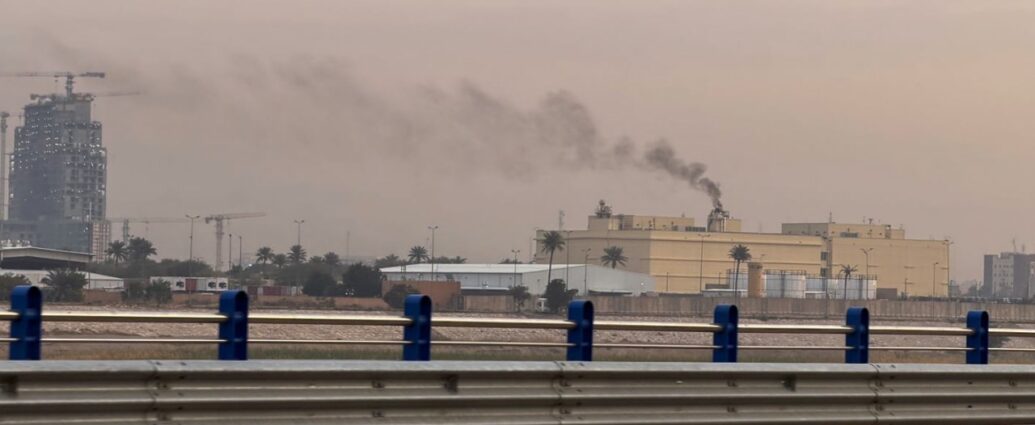
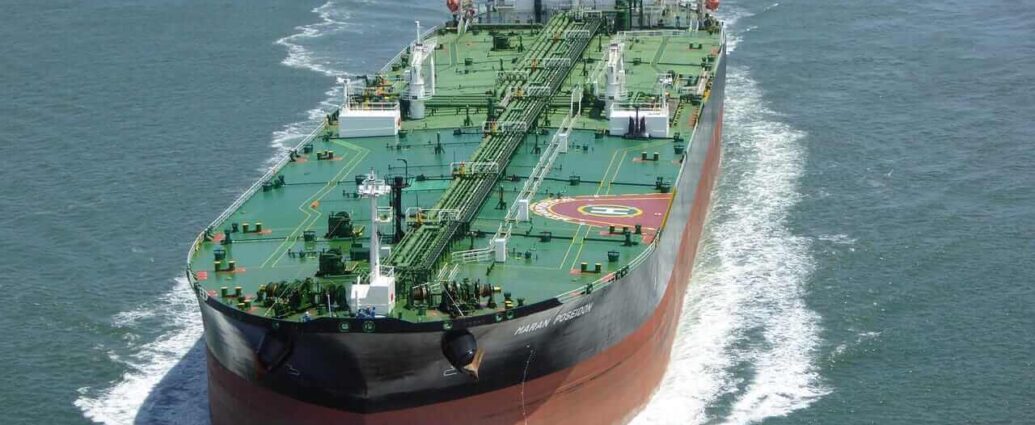
In the meantime, the narrow passageway controlling 20% of the world’s oil and exported natural gas remains effectively closed, representing the greatest energy supply shock ever, although some oil barrels are rerouted and Iran is allowing a few select tankers through. When and if the strait is reopened, it will take months to resume normal oil flows and, although prices will dip from their highs, they would remain elevated because of the heightened risks and insurance costs. And nearly 20% of Qatar’s gas-exporting facilities will remain offline with an announced repair timeline of three to five years.
“Every day that passes, your supply shock is getting wider and wider, and to get out of that is getting harder and harder,” said Sara Hakim, director of natural gas for ICF energy consultants.
Differing opinions
The U.S. and Israel could have continued negotiations toward a nuclear compromise, but they opted for a surprise strike on the Iranian leadership on Feb. 28, killing Supreme Leader Ali Khamenei and many others. His son now holds the same role.
Since then, the conflict has escalated beyond most expectations to include the entire Gulf region and the stoppage of energy flows, dramatically disrupting the global economy, said Jim Krane, energy fellow and Middle East expert at Rice University’s Baker Institute.
“It would take a lot of spin at this point to still call it a victory. It would require the U.S. to eat some crow really,” he said. “The U.S. is supposed to be the Gulf’s security provider, not the instigator of regional warfare that stops the oil flow.”
The “energy-for-security” relationship between the U.S. and Saudi Arabia along with much of the region dates back 80 years to President Franklin D. Roosevelt.
“Now we don’t have either one. We don’t have any oil; we don’t have any security,” Krane pointed out. “This is a 180-degree reversal of its original intent. It’s getting hard to watch.”
It will now take years to rebuild both the relationships with the Gulf states and to rebuild the damaged energy facilities, he added.
And Israel killing Ali Larijani, secretary of Iran’s Supreme National Security Council, who was acting as a day-to-day leader for Iran during the war, made a negotiated peace more difficult as the militant Revolutionary Guard takes more control. Krane likened Larijani to Venezuelan Vice President Delcy Rodriguez, now the interim president after the U.S. arrested former leader Nicolás Maduro in January.
“He had a pretty good track record of negotiating in good faith, so killing him I think was a big mistake. That makes it a lot harder,” Krane said of Larijani. “I don’t see an easy off-ramp.”
Since then, Trump has lashed out at allies as “cowards” for not assisting militarily in reopening the strait, calling NATO a “paper tiger” without the U.S. And Iran’s foreign minister, Abbas Araghchi, said Iran would show “zero restraint” if its energy infrastructure was struck again.
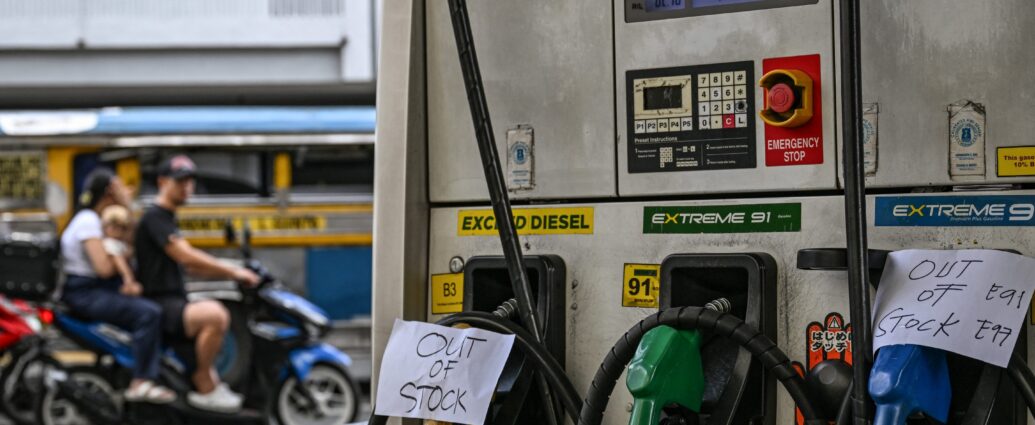
In the meantime, the White House is pulling every lever to keep prices, especially prices at the pump, from getting out of control. There’s the 172 million barrels of oil slated for release from the U.S. Strategic Petroleum Reserve—almost half of the 400 million barrels scheduled to come out of reserves worldwide—the loosening of sanctions on Russian oil, the potential loosening on waterborne Iranian crude, the 60-day Jones Act waiver to allow for foreign tankers to move oil and products domestically, and more.
Still, the U.S. average for the cost of a gallon of regular unleaded oil has spiked 45% from January lows and counting, even though U.S. oil prices remain lower than the rest of the world and U.S. natural gas costs are largely unchanged. The national average could exceed $4.00 a gallon by the end of the weekend.
Are boots needed?
Then there’s the question of whether the war will require so-called boots on the ground in Iran, not for a full ground invasion, but for select, but dangerous, special operations. Trump has said he does not want to deploy troops on the ground in Iran, but he’s left some wiggle room.
“There’s a tangential view you can’t do all this by air power. At some point you may have to put boots on the ground. Maybe that’s the case,” Wizman said.
Troops could be used selectively on the shoreline of the Strait of Hormuz, at nuclear sites, or even on Iran’s Kharg Island, which the U.S. has already bombed but avoided hitting energy infrastructure.
Iran’s missile and drone defenses would need to be further crippled first, Goldberg said. “If you were to put boots on the ground on Kharg, they’d be vulnerable to drones, they’d be vulnerable to other threats,” he said. “One missile into the power plant shuts down the export terminal without destroying the oil. That to me seems like a better solution.”
Regardless, the top priority is reopening the Strait of Hormuz and safely escorting tankers through.
“If you’re able to conduct the escort missions and defeat any threats that are still posed by the regime, then the [Iranian] regime probably has lost at that point,” Goldberg said.
This story was originally featured on Fortune.com
United Airlines to cut more flights as it eyes oil above $100 through 2027
Chief Executive Scott Kirby says United’s annual fuel bill would rise by about $11 billion if oil prices stay above $100 a barrel through next year.
This post was originally published here
Department of Health retracts claim sunbeds are as dangerous as smoking
DHSC corrects statements after regulator intervenes as experts say smoking causes far more cancer cases
The Department of Health and Social Care (DHSC) has had to retract a misleading claim that sunbeds are as dangerous a cancer risk as smoking.
In January, health officials announced stricter rules for sunbeds, incorrectly claiming they were “as dangerous as smoking”. The comparison was repeated in social media posts shared by the health secretary and NHS England and was reported by a number of media outlets.
This post was originally published here
More British teenagers stranded abroad as result of new rules on dual nationals
Cases emerge after other people tell of change in Home Office policy on passports that has left people scrambling
Two more British teenagers have found themselves unable to return to the UK because of new Home Office border rules on British dual nationals.
Their cases emerged just hours after reports a 16-year-old British schoolgirl was blocked from boarding a flight in Denmark home to the UK because she was a dual national and did not have a British passport. She has missed two weeks of school so far.
This post was originally published here
How the Strait of Hormuz poses an existential threat to Asia’s economies
As the Iran war enters its fourth week, much of its cost is being borne by countries that had nothing to do with starting it.
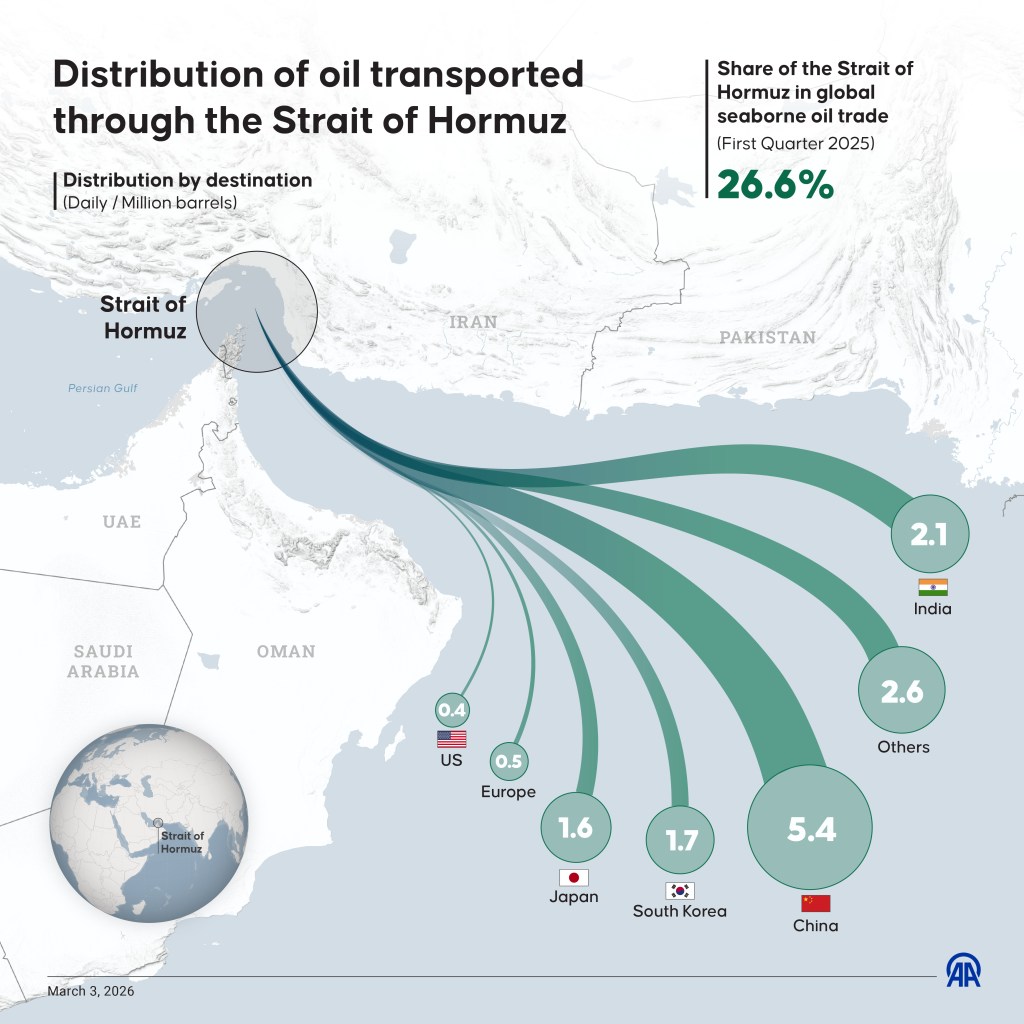
Iran closed the Strait of Hormuz soon after the U.S. and Israel launched their strikes on the country, choking the maritime artery through which nearly all of the Persian Gulf’s oil and natural gas flow. The closure has strangled shipments from major energy exporters—Qatar, Saudi Arabia, and the United Arab Emirates—and poses an existential threat to Asia, a region that relies on imported energy.
“Asia is at the heart of this drama, in that it is the chief area…of collateral damage,” said Columbia University historian Adam Tooze at the Jefferies Asia Forum in Hong Kong this week.
The Iran war threatens to become an inflationary shock targeted at the world’s growth engine. For three decades, governments turned to rate cuts and looser fiscal policy when faced with a crisis. This time, those tools may no longer work.
Fiscal and monetary policy was already loosening across much of the world economy. “Coming into the current crisis with Iran…it was pretty obvious, whether Japan, whether Europe, whether the United States, whether the UK, that we were very much in an inflationary boom,” Louis-Vincent Gave, CEO of Gavekal Research, told conference attendees.
But now an energy supply shock threatens to push inflation higher while slowing growth: what Gave calls an inflationary bust, and what people may better know as stagflation.
Roughly 84% of crude that transits Hormuz goes to Asia, while the U.S. now imports little through the strait. That asymmetry shows up in prices: West Texas Intermediate is near $100 a barrel, while Dubai crude has jumped past $160.
Natural gas has also been hit. Iran has struck key infrastructure in Qatar, which accounts for roughly 20% of global liquefied natural gas supply. On Thuesday, QatarEnergy declared force majeure on deliveries after Iranian drone and missile strikes on the Ras Laffan Industrial City, the world’s largest LNG export hub.
‘A perfect dilemma’
Governments across the region have moved quickly to limit the damage, deploying a mix of price caps, rationing, and stockpile releases.
South Korea imposed a fuel price cap, the first in 30 years. Seoul is urgently seeking oil supplies that bypass Hormuz and accelerating a longer-term shift toward nuclear power generation.
Asia’s fourth-largest economy grew by just 1.0%—the worst in five years and below the 2.0% annual rate that Peter Kim, senior managing director at KB Securities, described as the minimum for political legitimacy in a sideline interview.
“An oil price shock, with a weak currency and a central bank that can’t cut because of inflation pressure? That could really jeopardize that 2% target,” Kim warned in an interview with Fortune.
Japan’s Prime Minister Sanae Takaichi started the release of roughly 80 million barrels from the country’s petroleum reserves on Monday. Tokyo faces not only an energy crisis but a diplomatic one. U.S. President Donald Trump has publicly pressed allies like Japan to contribute to any coalition to reopen the strait, citing their dependence on the strait for energy. Takaichi, for now, has cited constitutional limits on the use of force as a reason for Japan’s hesitance to send ships.
“It’s a perfect dilemma,” said Ken Jimbo, a professor of international relations at Keio University to Fortune. “We don’t wish to be too hostile to the United States, because there’s a quid pro quo type of Trump psychology: I defend you. Why do you not defend me?”
Governments can’t ‘subsidize forever’
Emerging markets are absorbing the shock in more desperate ways. Thailand, which imports 70% of its oil, has capped diesel prices, instructed officials to work from home, and urged citizens to wear short-sleeved shirts.
“If the price of global crude oil increases, our GDP automatically decreases,” said Tanawat Ruenbanterng, head of institutional research at Tisco Securities, to Fortune. A weaker baht and higher bond yields give Bangkok even less fiscal room to respond. “Because of limited fiscal space, they could not subsidize forever,” Tanawat said.
Thailand isn’t alone in needing to impose emergency measures. Indonesia is shielding retail pump prices ahead of the Eid al-Fitr holiday, even as that threatens to blow through Jakarta’s fuel subsidy budget of 381 trillion rupiah ($22.6 billion). Bangladesh has imposed daily fuel purchase limits and closed universities early; Sri Lanka has declared Wednesdays a holiday to conserve fuel.
Concern is spreading to advanced economies too: On March 20, the International Energy Agency warned its member economies, like Australia and the UK, to consider carpooling or working from home to save fuel.
What happens next?
China, the world’s largest oil importer, banned the export of diesel, gasoline, and aviation fuel until at least the end of March to pre-empt domestic shortages. The ban is forcing Southeast Asian buyers who relied on Chinese fuel exports to scramble for alternatives.
That may push countries back to a fuel that many environmentalists hoped would be left behind: coal. Countries like South Korea, Thailand, and Bangladesh are quickly ramping up coal power generation to make up for halted LNG imports.
“Coal is, and remains, the cheapest way to produce electricity,” Gave told the Jefferies audience, “if you don’t care, and if you don’t price the environmental costs.”
This story was originally featured on Fortune.com
Opinion: As Trump eyes Cuba, my trips there a decade ago remind me how different things were
Trump has threatened a ‘friendly takeover’ of Cuba after cutting it off from Venezuela’s oil. CNBC’s Justin Solomon reflects how different things used to be.
This post was originally published here
Rhoda Roberts, Indigenous cultural leader who introduced the term ‘welcome to country’, dies aged 66
Roberts, who was the first Aboriginal person to host a prime-time current affairs program, was diagnosed with a rare type of ovarian cancer seven months ago
Rhoda Roberts, the Bundjalung Widjabul Wiyebal cultural leader and arts devotee, has died at the age of 66.
In a statement made via Instagram, Roberts’s family announced she had died peacefully in hospital on Saturday afternoon, having been diagnosed with a rare type of ovarian cancer seven months ago.
This post was originally published here



‘Something I’ve never felt since Covid. It was scarier’: the shock and pain of Kent’s meningitis outbreak
How infections linked to a nightclub escalated into a public health incident requiring a national response is a puzzle experts are still grappling with
Tyra Skinner had already been violently sick three times when doctors at Kent’s William Harvey hospital realised something was badly wrong. The 20-year-old was rushed into critical care, racked with a pounding headache, a stiff neck and excruciating pain – the hallmark symptoms of meningitis, the disease that had already claimed two young lives in Kent.
“She could hardly move, she was in a foetal position. She was so cramped up and sore,” her father, Dale Skinner, 42, told the Guardian. “It was horrendous, to be honest, to see her so helpless and in so much pain.”
This post was originally published here
Israel deliberately targeting medical facilities in south Lebanon, say health workers
Medics and officials say there is systematic use of double-tap strikes in campaign to make the south uninhabitable
Lebanese healthcare workers and officials say Israeli bombings have deliberately targeted medical workers and facilities in south Lebanon, including through the use of double-tap strikes, in what they describe as a systematic effort to make the area unlivable.
Since the war began on 2 March, Israel has struck at least 128 medical facilities and ambulances across south Lebanon, killing 40 healthcare workers and wounding 107, according to the Lebanese ministry of health. The war started when Hezbollah launched rockets at Israel, triggering an Israeli military campaign.
This post was originally published here

More than 230 people rescued as flash flooding hits Hawaii and fears dam could fail
Heavy rains have pummeled the Hawaiian island of Oahu and triggered the worst flooding the island has in 20 years
Towering flash floods and an imminent dam failure in the northern part of Oahu triggered mass rescues and evacuation warnings in Hawaii on Friday, as the state continued contending with a powerful storm this week.
The waters came on quickly in the middle of the night, and videos on social media captured inundated streets and cars being swallowed by the muddy flood waters.
This post was originally published here

Death, power and paranoia: painting that shocked German society finally returns to Berlin
Mors Imperator caused a scandal in 1887 amid fears it mocked the German kaiser – more than 100 years later it is being displayed in a state museum
Wrapped in a cloak with ermine fur and wearing a jagged iron crown, a hulking skeleton rests one foot on a globe and knocks over a royal throne with a dramatic flick of its ivory wrist.
Entitled Mors Imperator (“Death is the Ruler”), the German artist Hermione von Preuschen’s 1887 symbolical painting was meant to express the transience of fame and power. But authorities feared the picture could be seen as mocking the ageing German Emperor Wilhelm I, who then had recently turned 90, and refused to accept its submission to the Berlin Academy of the Arts’ annual exhibition that year.
This post was originally published here
Iran’s willingness to escalate this high-stakes war is its greatest weapon
Regime will do whatever it takes to cling on to power – including sacrificing economies of other Gulf states
Brinkmanship, the ability to take a country to the edge of war without plunging it into the abyss, was the cornerstone of cold war diplomacy. But in our different, more unstable times – in which the line between state and non-state actors has blurred, and weapons of war have diffused – the world this week finally tipped over the edge, and suddenly it is in freefall.
The first six days of the Iran war cost the US $12.7bn (£9.5bn), but now the Pentagon is seeking as much as $200bn in military funding. Oil at $125 a barrel is no longer an Iranian, or Russian, fantasy. The crown jewel of Qatar, Ras Laffan – the world’s largest liquefied natural gas plant – may not reopen fully for five years, at a cost of $20bn a year. Other combustible oil depots in the Gulf, from Bahrain to Abu Dhabi, are exposed to Iran’s low-cost drones. Then add the human cost of 18,000 civilians injured and more than 3,000 killed in Iran alone.
This post was originally published here
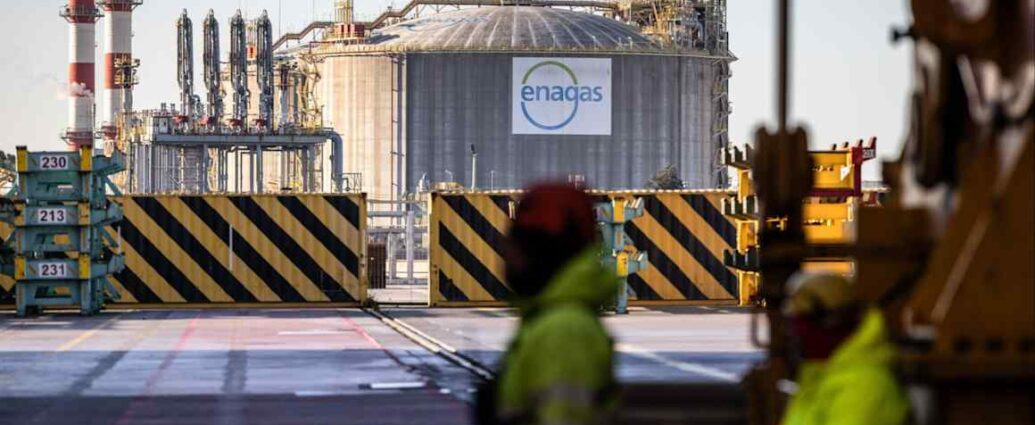
EU member states urged to lower gas storage targets due to Iran war
This post was originally published here
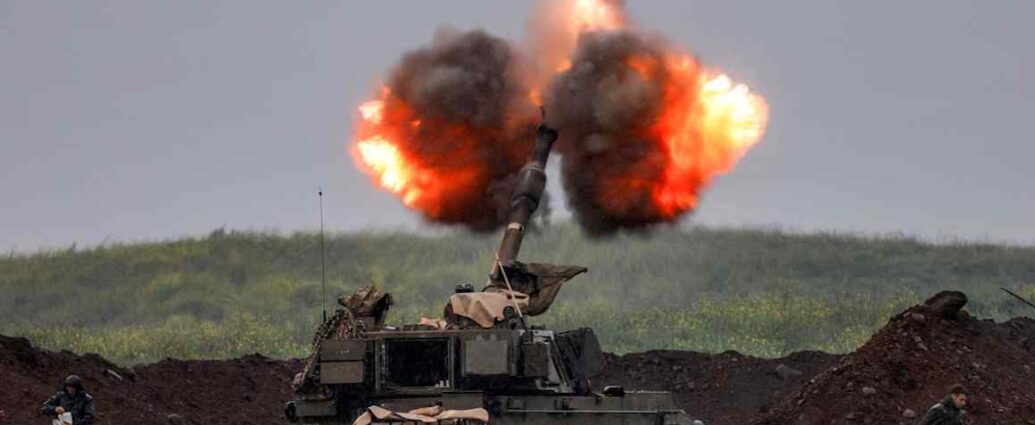
Iran war raises the risk of a bond market shock
This post was originally published here
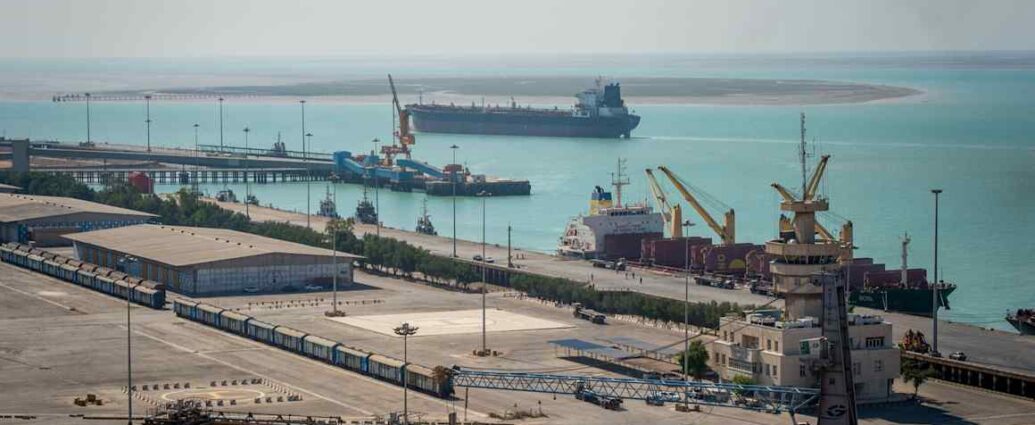
Iran lets grain ships through Hormuz to shore up food supply
This post was originally published here

History is tragically repeating itself in Lebanon
This post was originally published here

Iran launches 10mn rial banknote as war triggers dash for cash
This post was originally published here

The Israeli border towns driving Netanyahu’s hard line on Lebanon
This post was originally published here


Super Micro Co-Founder Exits Board As Nvidia Chip Smuggling Indictment Batters Stock
Super Micro Computer, Inc’s (NASDAQ:SMCI) co-founder, Yih-Shyan “Wally” Liaw, has resigned from the server maker’s board after a federal indictment accused him of smuggling equipment loaded with Nvidia’s (NASDAQ:NVDA) AI chips into China — a scheme that allegedly generated $2.5 billion in sales since 2024 in violation of U.S. export controls.
What The Indictment Alleges
A U.S. court unsealed the indictment Thursday, naming Liaw — Super Micro’s senior vice president of business development, alongside general manager Ruei-Tsan “Steven” Chang and contractor Ting-Wei “Willy” Sun.
Prosecutors allege the trio used a Southeast Asian company as a middleman, which generated fake paperwork suggesting it was the end user of the servers. A separate logistics firm then repackaged the hardware to conceal its destination before it was shipped on to China.
The …






Israel launches fresh strikes on Tehran and Beirut – as it happened
This blog is now closed – our live coverage of the US-Israel war on Iran continues in a new blog here
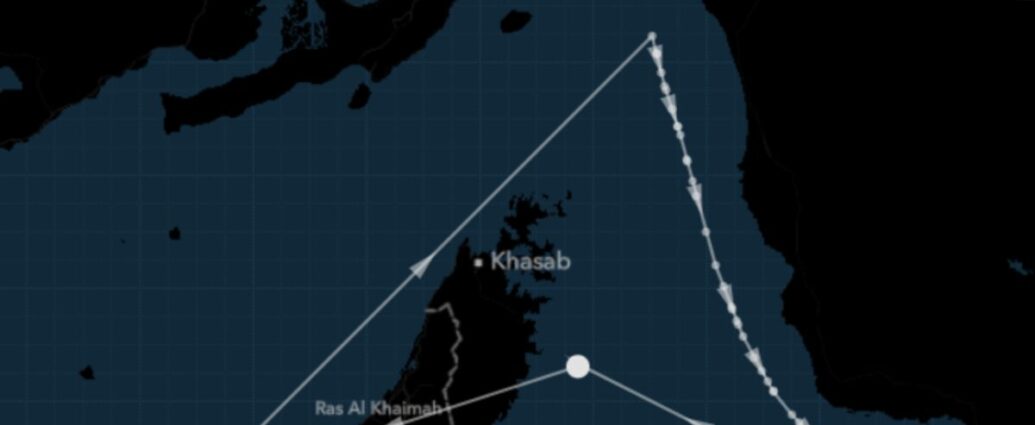
Kuwait’s state oil firm KPC said its Mina Al-Ahmadi refinery was hit by multiple drone attacks early on Friday, causing a fire in some units, with no initial casualties reported, the state news agency said.
Firefighters responded immediately, with several units shut down as a precaution to ensure workers’ safety.
This post was originally published here





The Anti-War Democrat Courting MAGA Voters
Trump claims strict voter ID act should be ‘easy pass’ but says ‘we need Democrat votes’ – as it happened
This live blog is now closed.
The US military is deploying thousands of additional marines and sailors to the Middle East, three US officials told Reuters on Friday.
One of the officials, speaking on the condition of anonymity, said that the USS Boxer, along with the marine expeditionary unit onboard, were departing the west coast of the US about three weeks ahead of schedule.
This post was originally published here
Nicholas Brendon, Buffy the Vampire Slayer actor, dies at 54
Family says actor, who played Xander in hit TV series, died on Friday ‘in his sleep of natural causes’
Nicholas Brendon, the actor best known for playing Xander in Buffy the Vampire Slayer, has died. He was 54.
Brendon’s family issued a statement saying that he died on Friday “in his sleep of natural causes”.
This post was originally published here













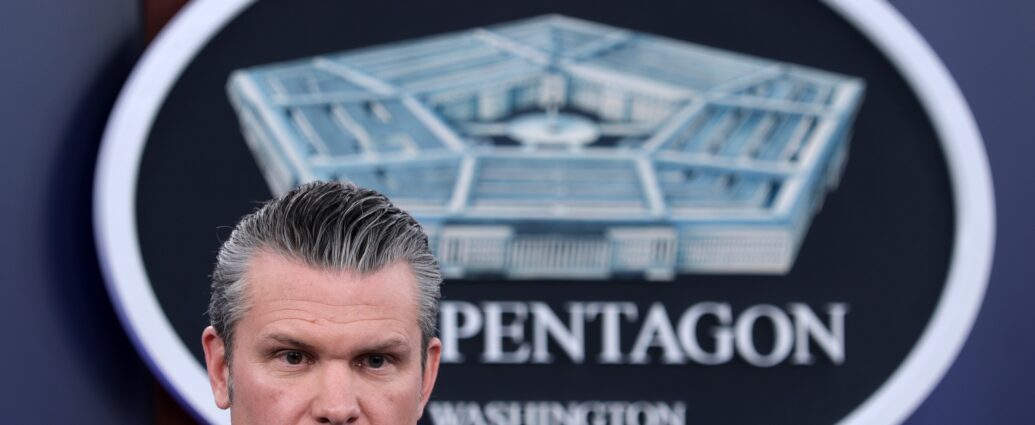
U.S. judge rules against Pentagon restrictions on press coverage
The policy required media organizations to pledge not to gather information unless Defense officials formally authorized its release. A U.S. judge said the rules are at odds with the First Amendment.
(Image credit: Alex Wong)

This post was originally published here
U.S. issues 30-day sanctions waiver for sale of Iranian oil at sea
The Trump administration on Friday issued a 30-day sanctions waiver for the purchase of Iranian oil at sea to ease energy supply pressures since the start of the U.S.-Israeli war on Iran, U.S. Treasury Secretary Scott Bessent said.
This post was originally published here
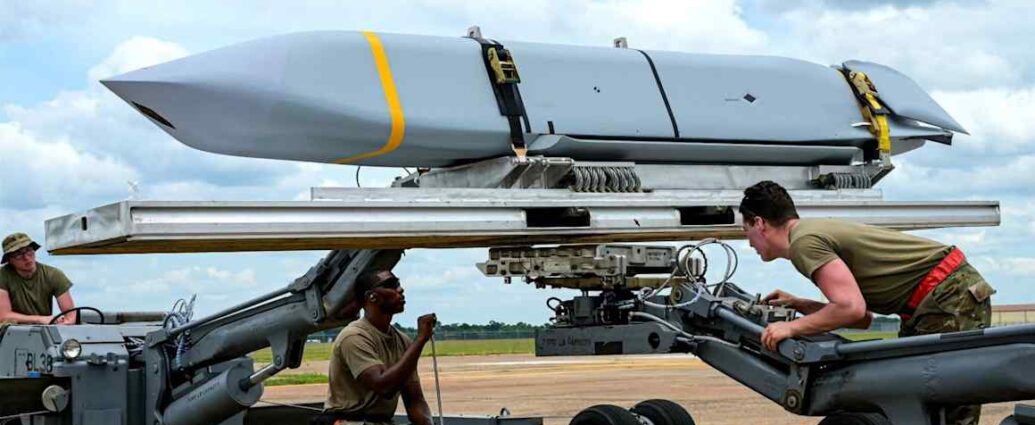
Taiwan concerned by depletion of US missile stocks during Iran war
This post was originally published here

Musk responsible for Twitter investors’ stock dropping when he bought company, jury rules
California jurors hand win to investors who sued billionaire saying he publicly disparaged social media platform in 2022
A California jury has ruled that Elon Musk is responsible for Twitter investors’ stock plummeting when he sought to buy the social media platform for $44bn in 2022. Jurors handed the win to a group of investors who sued the billionaire saying he publicly disparaged the company with the aim of bringing down Twitter’s stock price to get a better bargain.
The trial, which began earlier this month in federal court in San Francisco, focused on whether Musk intended to move the market with his comments. During a six-month period in 2022, after his offer to buy Twitter, he posted constantly to his millions of followers that the social network was rife with bots that produced spam and created fake accounts.
This post was originally published here
Amazon developing new AI-driven smartphone years after Fire Phone flop: report
Amazon is reportedly developing a new smartphone more than a decade after scrapping its Fire Phone, with plans for an AI-driven device integrated with Alexa and its broader services ecosystem.
The tech giant’s new effort is called “Transformer” and is being developed within the company’s devices and services unit, according to Reuters, citing four people familiar with the project.
The outlet said the new phone could be a mobile personalization device able to sync with the voice assistant platform Alexa.
Details about the anticipated price of the phone, along with Amazon’s financial commitment to the project and revenue projections, were not immediately clear.
AMAZON LAUNCHES 1-HOUR AND 3-HOUR DELIVERY OPTIONS WITH NEW TIERED PRICING STRUCTURE FOR CUSTOMERS
Sources told Reuters the project’s timeline is also unclear, noting it could still be scrapped.
An Amazon spokesperson declined to comment to Reuters. Fox Business has reached out to Amazon for comment.
Amazon introduced the Fire Phone in 2014, packaging the product with a free year of Amazon Prime.
HSBC WEIGHS DEEP JOB CUTS AS AI OVERHAUL UNFOLDS: REPORT
While the smartphone was launched with a lot of hype, it received mixed reviews with complaints ranging from a lackluster operating system to its high price, which was initially $649.
The company canceled the smartphone after just 14 months, taking a $170 million charge for unsold inventory, Reuters reported.
Apple and Samsung together commanded about 40% of global smartphone sales last year, according to Counterpoint Research, a market Amazon would now be reentering with its reported new device.
CLICK HERE TO GET FOX BUSINESS ON THE GO
According to Reuters, the new smartphone would include personalization features that would allow users to easily access Amazon.com, Prime Video and food delivery apps like Grubhub.
The project is focused on integrating artificial intelligence into the device, which could eliminate the need for traditional app stores, the outlet added.
Reuters contributed to this report.
One Nation dumps South Australian election candidate after reports claiming warrant for his arrest in UK
Aoi Baxter was the party’s candidate for the state seat of Adelaide in Saturday’s election
Former South Australian One Nation candidate, Aoi Baxter, has been dumped by the rightwing party, after media reports claiming there is a warrant for his arrest in the UK.
Baxter, who was reportedly previously known as Trent Baxter, had allegedly failed to appear at a court hearing, according to reporting by the ABC. A UK court confirmed to the ABC a warrant had been issued for the arrest of a man named Trent Baxter.
This post was originally published here
Bill to fund US homeland security fails again as concern grows about airport lines
Proposal fails to advance in Senate amid growing concerns about long lines to get through screening at some airports
A bill to fund the Department of Homeland Security failed to advance on Friday in the Senate amid growing concerns about long lines to get through screening at some of the country’s biggest airports.
Democrats declined to provide the support needed to move the funding measure toward final passage. Senate Democratic leader, Chuck Schumer, said he would offer an alternative measure on Saturday to fund just the Transportation Security Administration, which screens passengers and luggage for hazardous items. That too is likely to fail as lawmakers hold a rare weekend session.
This post was originally published here
US lifts sanctions on Iranian oil at sea in bid to ease supply pressures
Treasury secretary Scott Bessent says move will bring 140m barrels to market but insists Tehran will not benefit
The Trump administration has issued a 30-day sanctions waiver for the purchase of Iranian oil at sea to ease energy supply pressures since the start of the US-Israeli war on Iran, US treasury secretary Scott Bessent said.
It is the third time the US has temporarily waived sanctions in about two weeks.
This post was originally published here


Territorians in path of Tropical Cyclone Narelle told to take cover in bathrooms as storm intensifies
Very destructive winds gusting up to 195km/h are forecasted, with major flooding expected in Katherine by Monday
-
Get our breaking news email, free app or daily news podcast
An emergency warning has been issued and thousands are bracing for Tropical Cyclone Narelle ahead of its landfall in the Northern Territory, with winds of up to 195km/h expected.
The highest-level warning had been issued around midday on Saturday and extends to Nhulunbuy to Port MacArthur, including Borroloola, Numbulwar, Alyangula and Gapuwiyak, the NT fire and emergency services commissioner, Andrew Wharton, said.
This post was originally published here
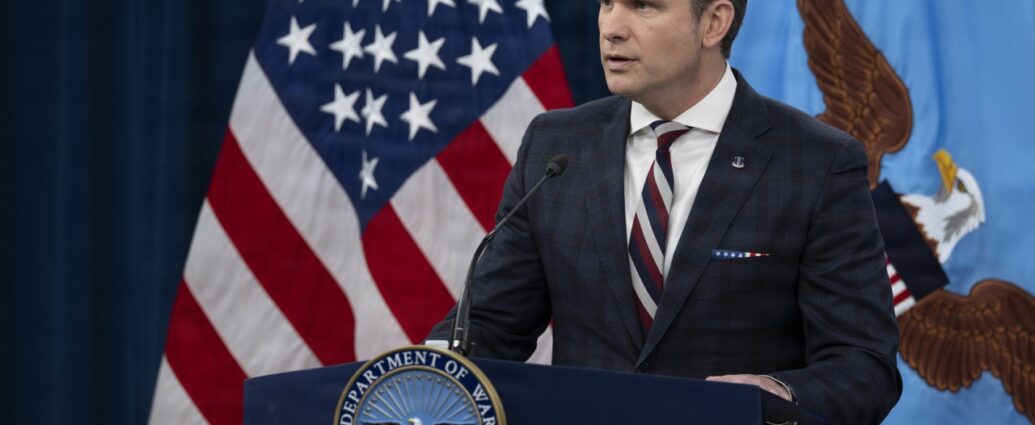

Musk misled Twitter investors before 2022 buyout, jury says
Elon Musk defrauded Twitter Inc. investors when he disparaged the company in 2022 in an effort to buy the social media platform for a lower price than his original $44 billion bid, a jury concluded.
Jurors in federal court in San Francisco found Friday that Musk intentionally misled Twitter shareholders when he tweeted that the social network — now called X — had too many fake accounts and tried to back out of the deal. The jury rejected two of the four fraud claims.
The eight-member panel calculated how much Musk’s statements drove down the company’s stock price for each trading day over a period of about five months. The amount of damages he must pay to individual investors — which could total hundreds of millions or even billions of dollars — will be determined at a later date when shareholders submit claims.
The verdict, following about three days of deliberations, marks a rare defeat in court for the world’s richest person, who has been dubbed “Teflon Elon” for his track record of winning high-stakes legal battles that many expected him to lose.
He prevailed in a 2023 trial over Tesla Inc. investors’ allegations that he misled them in a tweet five years earlier saying he had “funding secured” to take the electric car-maker private. Musk is a co-founder of Tesla and its chief executive officer.
Mark Molumphy, a lawyer for the investors, said after the verdict he thinks the damages will amount to $2.6 billion. But even an award that high wouldn’t dent Musk’s net worth, which was $661.1 billion on Friday, according to the Bloomberg Billionaires Index.
“This case is much bigger than Twitter, this case goes right to the heart of Wall Street and what’s been going on in recent years,” said Joseph Cotchett, Molumphy’s partner at Cotchett, Pitre & McCarthy LLP. “It’s a great example of what you cannot do to the average investor.”
Musk’s lawyers declined to comment in the courtroom. Musk didn’t immediately respond to a request for comment.
In federal court, the losing side can appeal.
The jurors heard about two weeks of live testimony from Musk and top Twitter executives at the time, who recalled the turbulent six-month period in 2022 when the serial entrepreneur flip-flopped over whether he would buy the platform, resulting in hard-fought litigation with Twitter’s board of directors to force him to follow through.
The investors claimed that Musk’s social media posts and public statements — including a May 13, 2022, tweet stating the deal was “temporarily on hold” pending a review of the number of bots counted as Twitter users — was actually part of a deliberate plan to drive down the company’s stock price so he could renegotiate at a better price.
Molumphy told the jury in his closing argument Tuesday that Musk’s tweets “were not some innocent mistakes, some stupid tweet that he didn’t consider.”
“They were intentional, deliberate, and devised to convey to investors that Twitter was overrun with spam,” Molumphy said.
Musk took the stand for a whole day, and part of a second, and largely stayed on script in telling the jury he believed that the ex-Twitter executives, including Chief Executive Officer Parag Agrawal and Chief Financial Officer Ned Segal, lied to him and in public financial statements about the prevalence on the platform of spam and fake accounts, known as bots.
“Of course people were talking about a renegotiation once this bot issue came up,” Musk’s attorney, Michael Lifrak of Quinn Emanuel Urquhart & Sullivan LLP, told the jury in his closing argument. “There was no secret about that.”
The stock remained volatile for several months while Musk waffled on following through with the deal, wiping away billions of dollars in Twitter’s market value. When Twitter sued Musk in Delaware for reneging on the purchase in July 2022, the shares reached a low of $32.52, 40% less than Musk’s buyout price.
Musk testified that he only agreed to do the deal at the original price of $54.20 per share because he believed the Delaware judge overseeing Twitter’s lawsuit was biased against him.
The billionaire argued that his tweet at the center of the lawsuit was very different from walking away from the deal entirely. “I’m not saying I’m not going to do the deal,” he told the jury. “At no point did I say the deal was canceled.”
But Musk acknowledged under questioning from a lawyer for investors that the “temporarily on hold” post was a mistake. “It may not be my wisest tweet,” he said. “I don’t know if I would call it my stupidest. But if it led to this trial it probably qualifies as such.”
The case is Pampena v. Musk, 22-cv-05937, US District Court, Northern District of California (San Francisco).
This story was originally featured on Fortune.com
New Orleans attorneys found guilty in plot to stage vehicle accidents for payouts
Prosecutors say they paid ‘slammers’ to intentionally crash into tractor-trailers and file fraudulent lawsuits
A federal jury in New Orleans has found two personal injury attorneys guilty of involving themselves in a scheme to stage collisions with 18-wheelers and then collect settlement payouts.
The lawyers, Jason Giles and former Hollywood stuntwoman Vanessa Motta, were found guilty on Friday of fraud, obstruction of justice and witness tampering, local news outlets WVUE and WWL Louisiana – a Guardian reporting partner – reported. Their law firms were convicted of related charges.
This post was originally published here
Jim Cramer says to prepare for further stock declines but be open to opportunities
CNBC’s Jim Cramer said on “Mad Money” on Friday that a tough market can also present an opportune time to selectively buy.
This post was originally published here



Elon Musk misled Twitter investors ahead of $44 billion acquisition, jury says
Elon Musk was sued in late 2022 after completing his acquisition of Twitter, which he later renamed X.
This post was originally published here


Artificial intelligence helps unlock geothermal potential
Geothermal energy has been around since earth’s creation and exists almost everywhere, yet harnessing its full potential has proven difficult since viable sources are often difficult to find.
“The U.S. has a lot of it, and most of it in the U.S. is untapped. It’s a tremendous sort of resource base that’s waiting for us to go after it,” Zanskar co-founder Joel Edwards said.
Geothermal energy is generated by the Earth’s formation and ongoing radioactive decay. It is stored beneath the surface and accessed by drilling thousands of feet underground.
“The great thing about geothermal energy is there’s heat underground everywhere. The deeper you go into the earth, the hotter it gets. But there are some parts, certain regions, that just have hotter rocks,” Edwards said.
ARTIFICIAL INTELLIGENCE HELPS FUEL NEW ENERGY SOURCES
Geothermal energy makes its way to the Earth’s surface through volcanoes, hot springs and geysers. It has been otherwise difficult to detect above ground until now.
“We have made more discoveries in three years than the industry found in 30,” Edwards said.
Zanskar, a geothermal company, is making the search for hot sources more accurate. The company has built artificial intelligence models that are able to detect geothermal resources and target them with deeper drilling.
AMERICA MUST POWER AI WITH SPEED AND DISCIPLINE — OR CHINA WILL DOMINATE
“We have found dozens of sites, and they were either overlooked or they were just in areas where nobody had ever looked,” Edwards said. “Once we find these systems, we’re having much more success drilling into them because those models are better at sort of simulating all the possible orientations of a geothermal system.”
Historically, geothermal production has carried risks of drilling into inefficient wells. There are safety risks in geothermal production and environmental concerns over air and water pollution. The uncertainty has caused delays in permitting and operational challenges.
“What happens is you drill moderately productive wells, marginal wells, or you drill unproductive wells. All of those failures, they get rolled up into the total cost of a project, and that drives the cost of the project up,” Edwards said.
NUCLEAR FUSION ADVANCES, BUT CHALLENGES REMAIN FOR POWER GRID
The best geothermal resources in the U.S. are located in the west, where much of the land is owned by the federal government. The Interior Department has implemented emergency permitting procedures to accelerate reviews of geothermal projects as part of President Trump’s energy agenda.
“It takes typically like three to six, three to seven years to get these projects permitted. Luckily, in the last few years, there’s been an urgency to cut red tape,” Edwards said. “And that’s already having a material benefit for some of these earlier stage projects.”
Artificial intelligence could also help streamline the regulatory process.
TRUMP SAYS EVERY AI PLANT BEING BUILT IN US WILL BE SELF-SUSTAINING WITH THEIR OWN ELECTRICITY
“What we have to do is work with our federal, state and local partners to drive those solutions that you’re talking about. We cannot think of this technology as it’s happening to us. We have to partner and utilize it just like everyone else,” Exelon CEO Calvin Butler said. “AI should help us all become more efficient at what we do and get better at.”
The geothermal industry has similar challenges and risks as oil and gas. The Society of Petroleum Engineers began promoting the use of AI as early as 2009. It has helped improve exploration, drilling and development. Studies show some of the same techniques could help geothermal production.
“It sort of feels like where oil and gas was maybe 100-plus years ago,” Edwards said. “We didn’t know how much of it was out there and so forth. That’s what geothermal feels like.
“Like, it just feels like we’ve barely explored for it. We’ve got a little bit of it going right now. We kind of understand it. But now the market is out there, and the market’s like, ‘We want this stuff.’”
As artificial intelligence helps fast-track new resources, there are still concerns over its immediate effect on the electric grid.
“It’s a challenge, but it’s a huge opportunity. And that is what we are most excited about, the opportunity to be part of this journey, this next wave of the energy transformation, because we can’t just look at it as a challenge and say, ‘We don’t know what to do,'” Butler said.
“We’re partnering with our technology partners and saying, ‘What can we do to make this a win-win for everyone?’”
Donald Trump ‘very surprised’ Australia declined to send troops to strait of Hormuz amid fuel crisis
US president claims he ‘always says yes’ to Australia, Japan and South Korea, after saying he didn’t need help from trio of countries earlier this week
Donald Trump says he is “very surprised” Australia has not sent warships to aid in opening the strait of Hormuz as the blockade of the key strategic route for global oil supply continues to impact fuel prices.
“I was very surprised,” the US president said in Washington on Friday when asked what he took issue with regarding Japan, South Korea and Australia.
This post was originally published here
Tariffs were already squeezing small businesses. Now the Iran conflict is pushing them to the brink as rising oil prices boost shipping costs
Three weeks into the Iran war, small businesses are starting to feel the pressure of the conflict, and experts say the worst may still be yet to come.
Following the initial strikes on Iran in late February, U.S. businesses have been directly affected by the war in the form of shipping disruptions and skyrocketing oil prices, which have led to higher gas prices.
These obstacles come as small businesses have over the past year dealt with the whipsaw of President Trump’s tariff policies. Sweeping tariffs on goods from China, Canada, Mexico, and the European Union, among others, have driven up input costs and squeezed profit margins for small business owners who often lack the purchasing power and legal resources of large corporations.
Unlike larger corporations who, at least in the short term, can absorb higher costs and shipping upheaval caused by the Iran war, smaller businesses are especially at risk, said Brett Massimino, an associate professor at Virginia Commonwealth University’s business school and chair of the department of supply chain management and analytics.
“Small businesses, they don’t have the margins or the reserves to really absorb those kinds of cost increases,” he told Fortune. “They’re faced with a dilemma of, do they try to expedite some of the shipments that might be delayed right now, or do they deal with the shortages.”
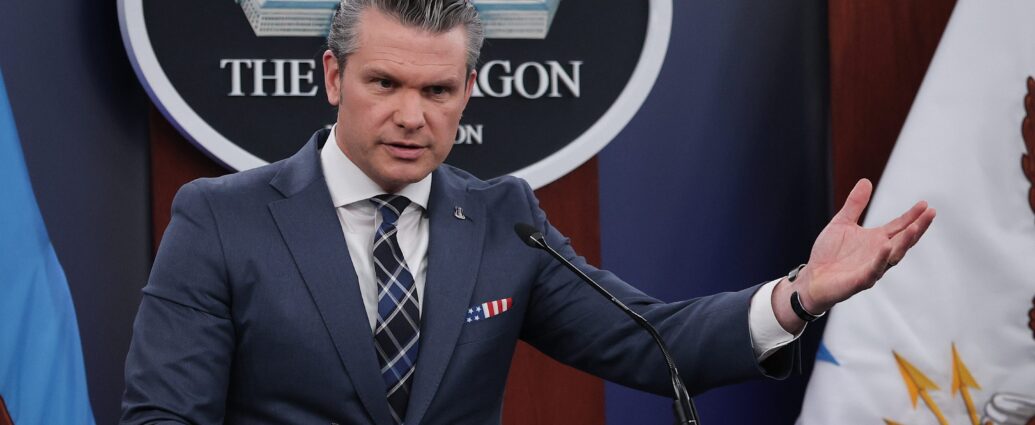
If the Iran war stretches on, small businesses could start to feel the effects in as soon as two months as they run out of reserves or look to renew contracts at potentially higher prices. Trump has repeatedly insisted he could stop the war “right now” having seen Iran’s military crippled, as he told MS Now Friday. Still, Defense Secretary Pete Hegseth earlier this week requested an extra $200 billion for the war effort.
The price of Brent crude hit a brief high of $119 a barrel Thursday, before retreating Friday, as Iran continued to threaten, and at times strike, ships passing through the Hormuz Strait, through which 20% of the world’s oil supply flows.
At the same time, the threat of attacks has also led shipping company Maersk to halt all vessel crossings through the strait. In early March about 147 container ships in the area also had to take refuge after getting stuck in the Persian Gulf.
‘Everything has gone up’
Yet, while these events may feel half a world away for Americans, they have already translated into real price increases at home for many homegrown small businesses.
Travis Maderia, a fourth generation lobster fisherman and cofounder of the direct-to-consumer seafood company Lobster Boys, told Fortune the fishermen that catch lobster for the business in the cold North Atlantic water near Nova Scotia, Canada, are facing rising costs. On Friday, he said one fisherman told him gas prices have increased 60 cents per liter, or more than $2 per gallon.
The result? Maderia has needed to shell out more per pound of lobster to the fishermen than he would during the same season any other year—$17 per pound, compared to $13 or $14 per pound normally—which raises his operating costs.
Jet fuel price increase and more demand for air freight thanks to the shift from risky cargo ships have also led airlines to raise their prices and increase shipping costs.
For Lobster Boys, these increases have meant higher prices for shipping their products to the continental U.S.—increases that Maderia said the company has had to pass on to the restaurants and grocery stores they sell to. And yet, when these restaurants pass the higher prices onto their own customers, they also see a slump in demand, which means fewer orders for Maderia’s company.
“Everything has gone up, unfortunately, and customers are not liking it,” he said.
This story was originally featured on Fortune.com

Musk defrauded Twitter investors during buyout, jury finds
This post was originally published here


Woman, 80, receives probation and no jail time over San Francisco crash that killed four
Mary Fong Lau crashed into bus shelter in 2024, causing deaths of two parents and two infant children
The 80-year-old woman that prosecutors found responsible for a car crash that killed a family of four in San Francisco has been sentenced to two years of probation and will have her driver’s license suspended.
Lau will receive no jail time and will not be subject to home confinement. As part of her sentence, she must complete 200 hours of community service.
This post was originally published here
Coroner ‘cannot be satisfied’ that Ricky Hatton intended to take his own life
Former boxing world champion’s cause of death was hanging but his intention was unclear, inquest concludes
A coroner has said she “cannot be satisfied” that British former boxing world champion Ricky Hattonintended to take his own life.
Hatton, 46, was found dead in his home on 14 September, with the inquest concluding that the official cause of his death was hanging.
In the UK and Ireland, Samaritans can be contacted on freephone 116 123, or email jo@samaritans.org or jo@samaritans.ie. In the US, you can call or text the National Suicide Prevention Lifeline on 988, chat on 988lifeline.org, or text HOME to 741741 to connect with a crisis counselor. In Australia, the crisis support service Lifeline is 13 11 14. Other international helplines can be found at befrienders.org
This post was originally published here





US judge blocks Pentagon’s restrictions on press after New York Times lawsuit
Lawsuit alleged changes gave DoD free rein to punish reporters and outlets over coverage it did not like
A federal judge on Friday blocked the Trump administration’s restrictive Pentagon press access policy, which threatens journalists with being branded security risks if they seek information not authorized for public release.
“Those who drafted the first amendment believed that the nation’s security requires a free press and an informed people and that such security is endangered by governmental suppression of political speech,” US district court judge Paul Friedman wrote in his opinion. “That principle has preserved the nation’s security for almost 250 years. It must not be abandoned now.”
This post was originally published here

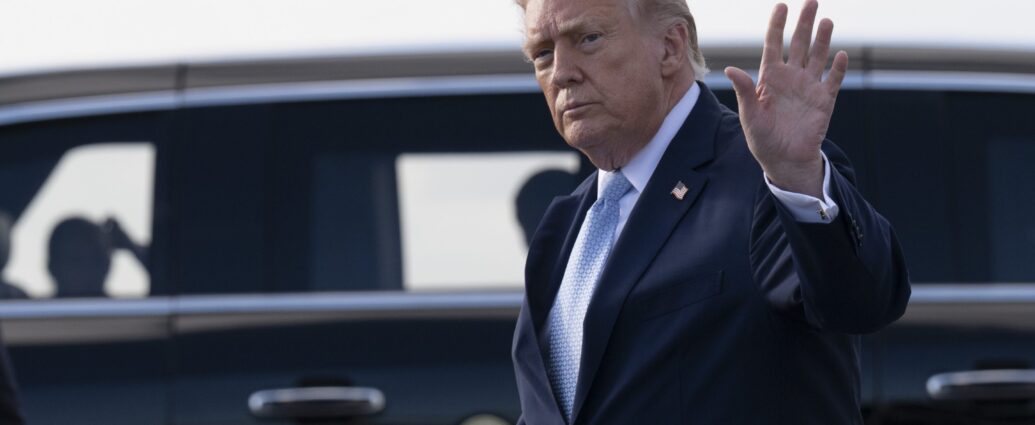
Trump says U.S. considers ‘winding down’ Iran military effort
President Donald Trump said he was considering “winding down” US military efforts against Iran, saying that the US was close to achieving its objectives as the conflict, which has roiled financial markets and the region, nears a fourth week.
“We are getting very close to meeting our objectives as we consider winding down our great Military efforts in the Middle East,” Trump said in a social-media post on Friday. He cast those objectives as “Completely degrading” Iran’s missile capabilities, “destroying” the country’s defense industrial base, eliminating their navy and air force, never allowing Tehran to get close to “Nuclear Capability” and protecting Middle Eastern allies.
Trump’s comments came shortly after he ruled out a ceasefire and kept the door open to deploying ground troops, highlighting how the president continues to send wildly divergent signals about his objectives and plans for the US and Israeli war on Iran.
It is also unclear how Iran would respond to any unilateral decision by the US to pause strikes after recent attacks that targeted the country’s energy infrastructure and killed more high-profile officials, including security chief Ali Larijani. Iranian officials have become reluctant to even discuss reopening the Strait of Hormuz as Tehran continues to launch retaliatory strikes at Gulf Arab neighbors.
Trump also addressed the strait, a critical waterway that carries roughly a fifth of global oil and natural gas flows and has been all but closed since hostilities began. Trump has been pressuring allies to help the US secure the strait militarily but indicated Friday that he will leave that effort to other nations.
“The Hormuz Strait will have to be guarded and policed, as necessary, by other Nations who use it — The United States does not!” Trump said. “If asked, we will help these Countries in their Hormuz efforts, but it shouldn’t be necessary once Iran’s threat is eradicated. Importantly, it will be an easy Military Operation for them.”
Trump’s comments capped a tumultuous Friday in financial markets following a Bloomberg News report that an increasingly dug-in Iranian regime was refusing to negotiate over Hormuz and with reports the US is preparing options to deploy ground troops.
Earlier: Iran Unwilling to Talk About Hormuz as Regime Digs In
Oil prices surged again Friday with global benchmark Brent closing above $112 a barrel, the highest since mid-2022. Prices eased to trade near $108 a barrel in thin post-settlement trading on Trump’s comments about possibly winding down the conflict.
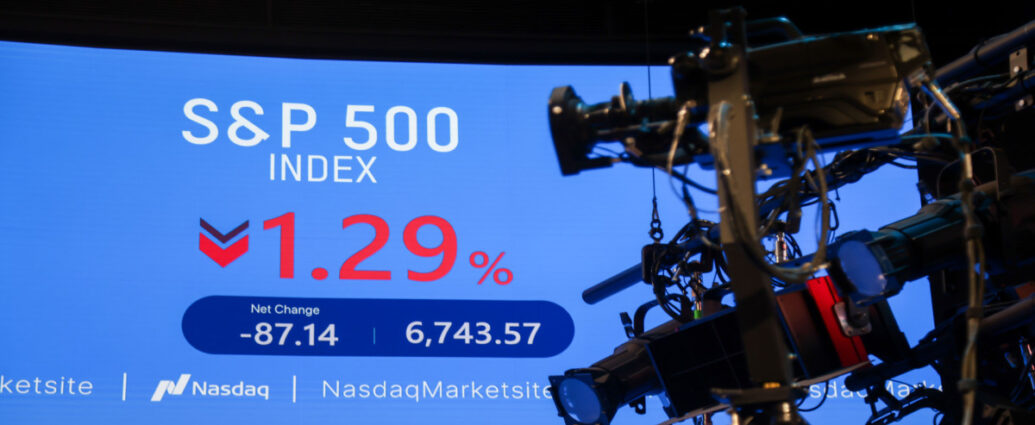
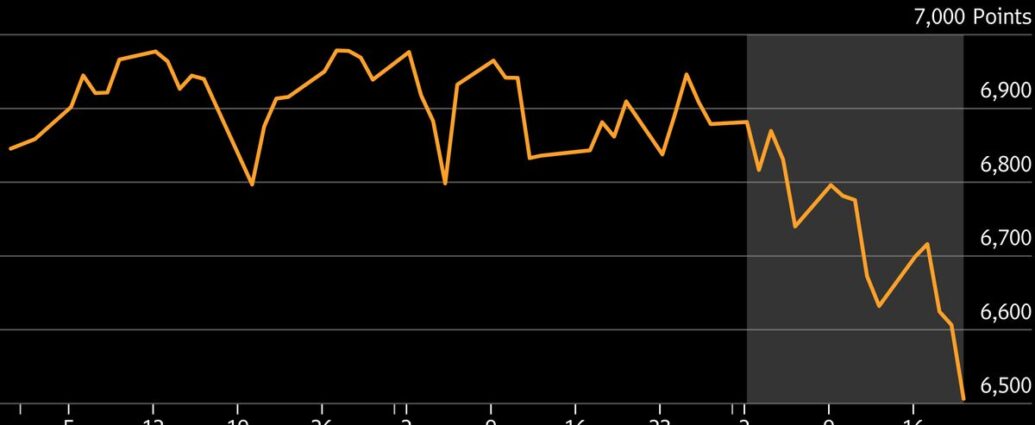
Global stocks extended their losses, with the US equity benchmark falling steeply to end the weekly nearly 2% lower. Treasury yields climbed, as traders priced in a 50% chance of a Federal Reserve hike by October. Meanwhile gold saw its worst week in four decades.
Trump, a little over an hour before his social media post, had rejected the idea of declaring a halt to hostilities and expressed confidence Hormuz would reopen “itself” despite allies’ reluctance to offer assistance.
“I don’t want to do a ceasefire. You know, you don’t do a ceasefire when you’re literally obliterating the other side,” the president had said at the White House. “We’re not looking to do that.”
Trump had expressed growing frustration in recent days after his calls for allies to help vessels transit the waterway were rebuffed, lashing out at US partners, including the North Atlantic Treaty Organization as well as China.
“NATO could help us, but they so far haven’t had the courage to do so. And others could help us, but we don’t use it,” the president said of the strait. “At a certain point, it’ll open itself.”
Read more: Trump Fans Iran Quagmire Fears With Debate on Seizing Kharg
Adding to the market turmoil was the administration’s consideration of a ground operation. Trump was evasive when asked by reporters about his plans for Kharg Island, Iran’s major oil export hub. US officials have said the White House is ordering hundreds of Marines to be deployed to the Middle East as it weighs a plan to seize the outpost.
“I may have a plan or I may not, but how would I ever say that to a reporter?” Trump said.
Any move to use ground troops to seize control of Iran’s energy facilities would pose risks for Trump, including by putting American forces at greater danger than they’ve already been exposed to in the conflict and adding to the cost and scope of the campaign.
The Pentagon has asked for an additional $200 billion from Congress to pay for the war, sending another mixed signal on how long the administration expects the conflict to last. The regime in Tehran isn’t close to falling and Iranian officials are coalescing around the remaining leaders, according to western intelligence assessments and people familiar with the matter.
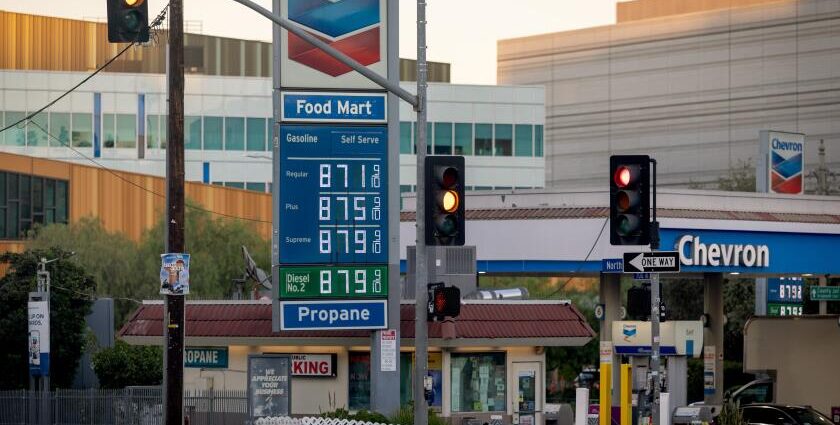
Higher gas prices are another challenge for Trump and his Republican Party ahead of November midterm elections. Retail gasoline and diesel prices in the US have jumped to the highest levels since 2022, with California’s energy regulator already warning against price gouging as some gas stations are charging as much as $8 a gallon.
This story was originally featured on Fortune.com



Jury finds Elon Musk misled investors during Twitter purchase
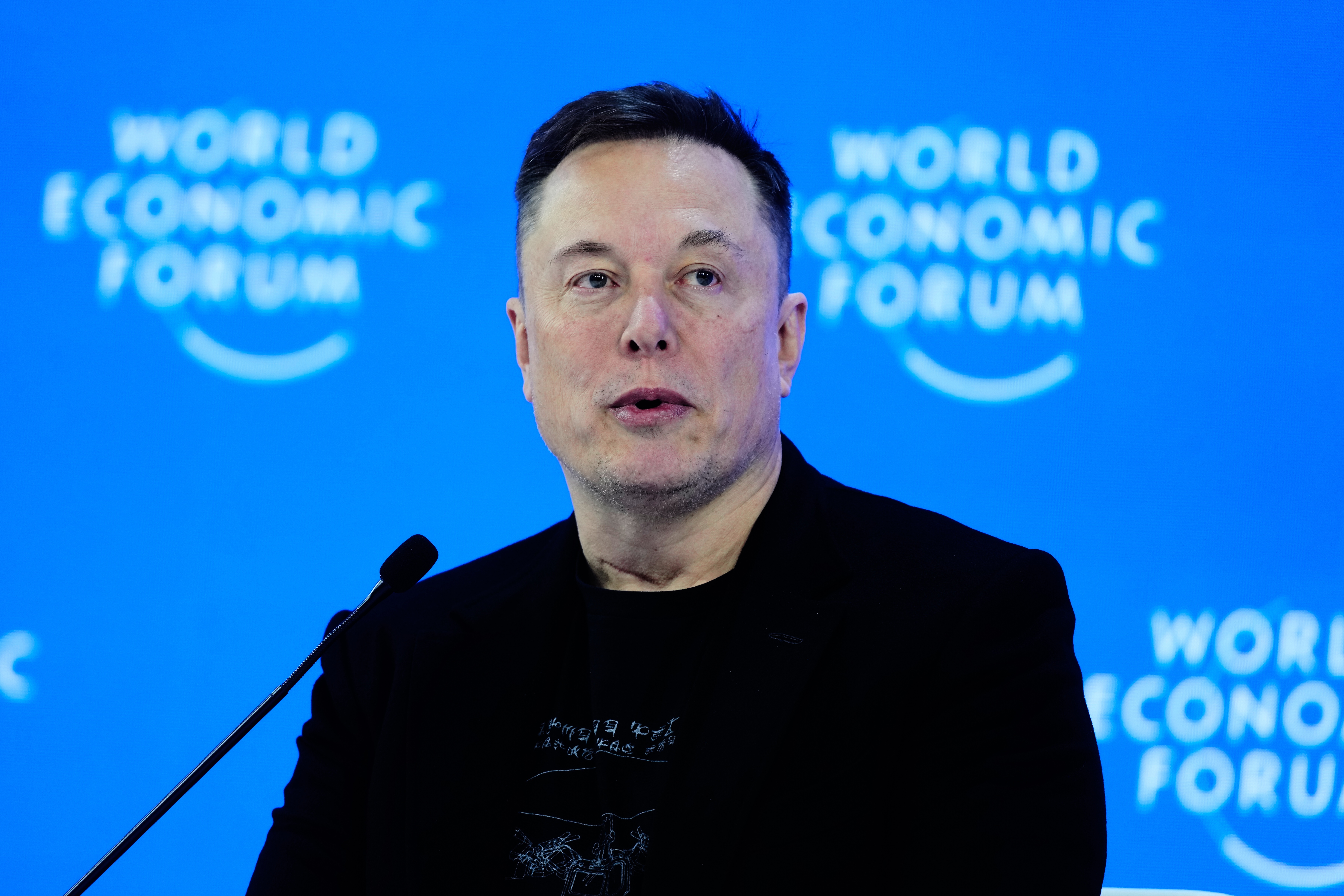
A jury has found Elon Musk liable for misleading investors by deliberately driving down Twitter’s stock price in the tumultuous months leading up to his 2022 acquisition of the social media company for $44 billion. But it absolved him of some fraud allegations.
(Image credit: Markus Schreiber)

This post was originally published here






Trump says he doesn’t want Iran war ceasefire, but is considering ‘winding down’ military ops
President Donald Trump also said the Strait of Hormuz, “will have to be guarded and policed, as necessary, by other Nations who use it.”
This post was originally published here



























Ray Dalio Says ‘The Winners of Wars Lose’ Too — The Ones Who Do Best Stay Neutral, That’s Why ‘Geographic Diversification’ Matters
Bridgewater Associates billionaire founder Ray Dalio warned that global monetary and geopolitical systems are breaking down.
Speaking at the 2026 World Government Summit in Dubai last month, Dalio outlined a world “on the brink” of a capital war, where money and financial systems are weaponized through sanctions, capital controls and debt leverage. In a world like that, deciding how much to keep in domestic markets, foreign assets and safer havens is the kind of allocation choice a financial advisor is trained to make with clients every day.
The only way for investors to survive the shift is to look beyond traditional borders, Dalio said.
The Five Forces of History
Dalio said the world is repeating a cycle last seen in the 1930s. He built his opinion on the
“five big forces,” a framework he developed by studying the last 500 years of history:
- Debt and money: Central banks printing money to cover massive debt burdens.
- Internal conflict: Growing wealth and values gaps leading to irreconcilable political differences.
- Geopolitical shifts: The transition …
This post was originally published here


US has struck another alleged drug-smuggling boat, US Southern Command says
One person survived and two were killed, the military said, who were turned over to Costa Rican coast guard
US Southern Command announced on Friday that US forces carried out another “lethal kinetic strike” on a suspected drug-smuggling boat in the eastern Pacific which left one survivor and two people dead.
After the strike, the military said that it “immediately notified US Coast Guard to activate the Search and Rescue system” for three people who survived the strike. The coast guard said in a statement that one of its ships recovered two dead bodies and one survivor and turned them over to the Costa Rican coast guard.
This post was originally published here

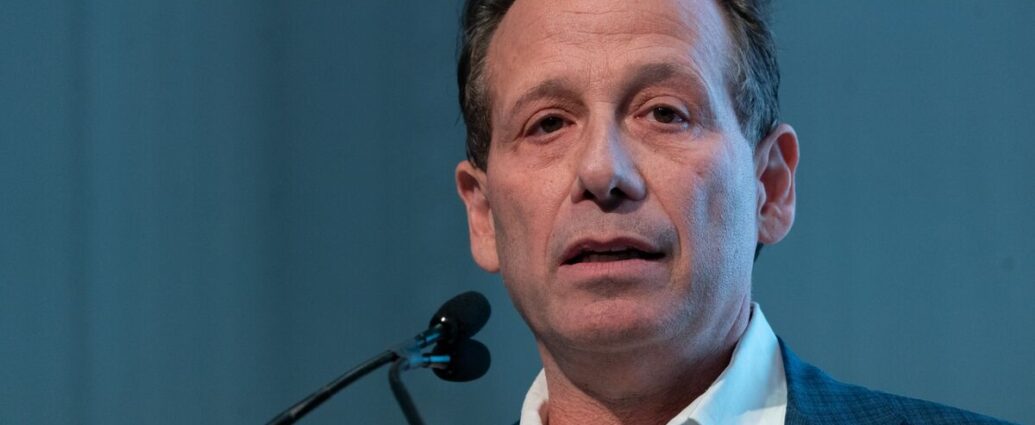

Judge blocks restrictive Pentagon press access policy
A federal judge blocked the Department of Defense press access policy in a lawsuit by the New York Times.
This post was originally published here



LARRY KUDLOW: A Reconciliation Bill Is the Only Way To Keep Our Military Great & Our Democracy Indestructible
The next fight in the Iran war is likely going to be the Pentagon’s request for $200 billion to keep our military in tip-top shape, not only to complete the mission in Iran, but also to maintain President Trump’s policy of peace through strength. We want the best for our men and women in the services. Soldiers, sailors, airmen. They must have everything they need, today, tomorrow, and frankly forever.
Yet you can bet the Democrats will use this war financing request for their anti-war propaganda and will seek to block this crucial funding bill. I want to pause here before talking about Ways and Means to get the money for our military. We should not forget the chilling narrative brought back by the special envoy to the Middle East, Steve Witkoff, after the last set of talks with Iran. Essentially, they bragged to Mr. Witkoff and his partner Mr. Jared Kushner that they had 460 kilograms of 60 percent-enriched uranium. Right there, that ended the talks because they would never give it up.
But here’s the point: when you’re at 60 percent enrichment, you can bring it to 90 percent in seven to 10 days, according to Mr. Witkoff and many other analysts. And the 460 kilograms of enriched uranium would be enough to create 11 nuclear bombs. That’s how close Iran is. And that’s because so many presidents before Mr. Trump neglected to do anything about Iran’s nuclear advances.
Now Democrats might say the Iranians don’t have the delivery system. Really? Well, they can deliver that nuclear bomb to neighboring Israel, very quickly. Or to our allies throughout the Middle East. Or to the underbelly of Europe. Whether they are capable of producing an intercontinental ballistic missile is unknown, but there are a lot of estimates out there that it will be much shorter than generally assumed. Why risk any of that?
And of course, we are seeing Iran using shorter term missiles against oil and gas-producing countries right next door. Or bottling up the Strait of Hormuz and threatening the global economy. And since the early 1980s, let’s not forget, our State Department has classified Iran as the largest state sponsor of terrorism. And of course Iran has been waging war against the United States for 47 years, death to America, remember that? Not to speak of death to Israel. The little Satan and the big Satan. That’s how they see us. Let’s not forget that either.
This Democratic argument that there was no imminent threat has always been a bunch of phony balderdash. And we must not deny funding that may well be necessary to complete the mission in Iran.
Now, as important as this Pentagon request is, because the anti-war Democrats will probably all vote against it in the Senate with perhaps Senator John Fetterman’s exception, the GOP is not going to get 60 votes for the appropriation. And that’s why I believe it must be done as a reconciliation bill which will require only 50 votes, plus the vice president.
Speaker Mike Johnson and the House Budget Chairman, Jodey Arrington, have already moved to prepare a reconciliation bill. So far, Senate leadership has shown no enthusiasm for it. But I’m here to tell you it is the only way you’re going to get the necessary military spending. And the GOP will have to put its nose to the grindstone just like it did about a year ago, and put together a great reconciliation bill. There will be spending offsets, waste, fraud, and abuse cutbacks, plenty of room for some entitlement reforms. Perhaps even some supply side pro-growth tax reforms, but the most important issue will be our national security, completing the mission in Iran, and maintaining peace through strength.
One more point, the all-important SAVE America voting rights bill, which frankly will not get 60 votes in the Senate for passage, can be inserted into a reconciliation package. Or at least we should try. Because proof of citizenship, photo ID cards, and other aspects will lay down national rules that must be enforced, and that will require money.
My guess is the Department of Homeland Security would be the appropriate election monitoring agency, just as securing the border required a significant fiscal expansion, so will enforcing the voting rights bill. So I’m here to tell you that the cleverest minds in Congress should put their heads together and generate a strong reconciliation package that will keep our military might and maintain proper voting laws to uphold the greatest democracy in the history of history.
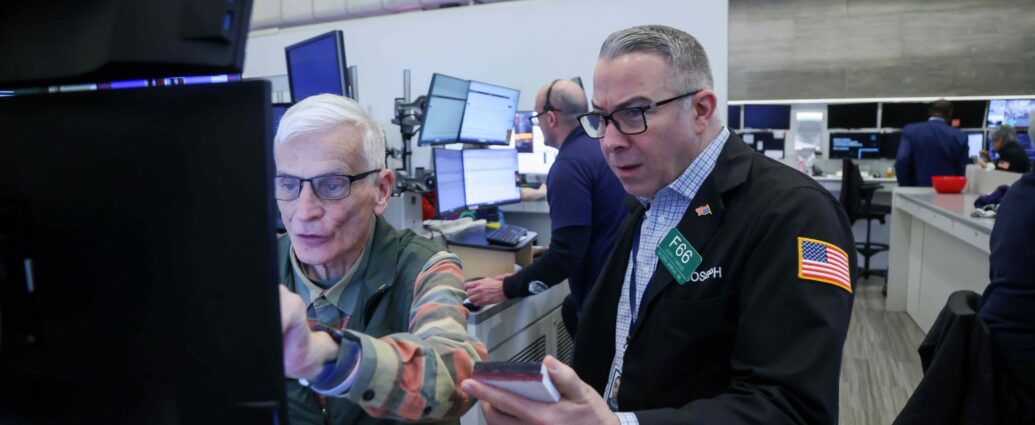
Markets News, March 20, 2026: Stocks Plunge, Sending Major Indexes to Their 4th Straight Week of Losses; Oil Rises Further
This post was originally published here
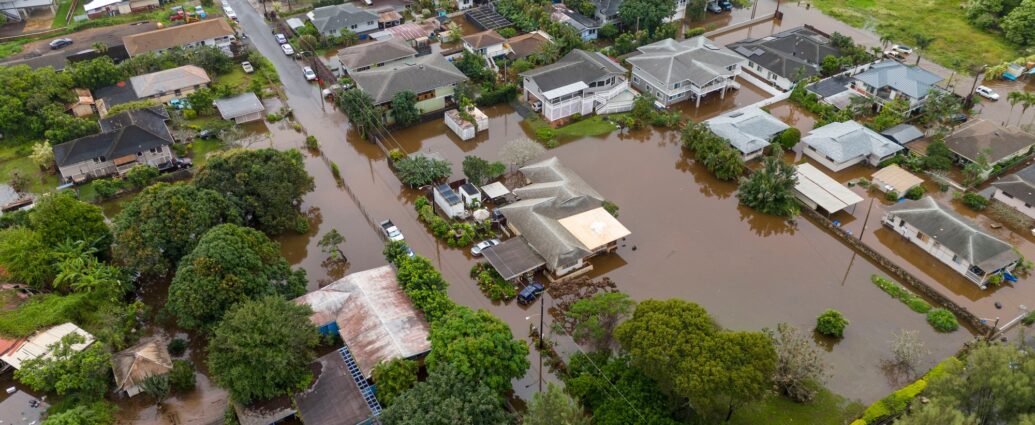
Over 4,000 told to evacuate flooding in Hawaii as officials warn 120-year-old dam could fail
Muddy floodwaters from severe rains have inundated streets, swallowed vehicles and prompted evacuation orders for more than 4,000 people in towns north of Honolulu. Officials are warning about the possible failure of a a 120-year-old dam.
(Image credit: Mengshin Lin)

This post was originally published here

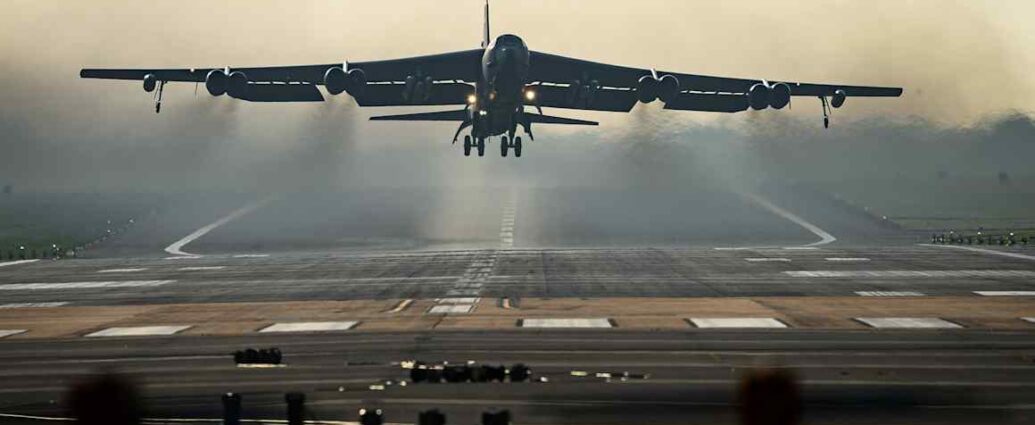
UK lets US use British bases to strike Iranian missile sites targeting Strait of Hormuz
This post was originally published here
Opinion | Trump’s Lina Khan Impersonator


ChatGPT’s ad pilot has the industry excited, but some insiders are frustrated with the slow rollout
AI search ads are seen as having massive potential by ad industry insiders and analysts, but OpenAI rival Anthropic has pledged to not have them.
This post was originally published here



Kalshi locks in $22 billion valuation, gaining slight edge over its rival Polymarket
Kalshi, the largest prediction market in the U.S., now boasts a $22 billion valuation, as it jumps ahead of its main competitor Polymarket. The investment firm Coatue Management is leading a $1 billion investment round at the new valuation, according to the Wall Street Journal. A spokesperson for Kalshi declined to comment on the raise.
Kalshi’s valuation comes as the company trades punches with Polymarket in a heavyweight duel for the top spot in the prediction market industry. Earlier in March, both companies were reportedly eyeing valuations of $20 billion each. On Thursday, Polymarket made news by announcing an exclusive partnership with the MLB just in time for the new baseball season.
The intense rivalry has also resulted in novel promotions such as Kalshi announcing in February that it would be providing free groceries to New Yorkers, leading Polymarket, a week later, to open a pop-up grocery store of its own.
Kalshi is the U.S.’s biggest prediction market in large part thanks to a 2020 Commodity Futures Trading Commission decision to give it approval. The company reached a new level of popularity in January of 2025, when it introduced wagers on sports.
Polymarket, on the other hand, had been banned from operating in the U.S. in 2022 after the CFTC found it was offering event contracts without the agency’s approval. Two years later, the FBI raided CEO Shayne Coplan’s New York City apartment. In 2025, the CFTC gave Polymarket approval and the company announced that it would be making a comeback in the U.S.
The rise of prediction markets has not occurred without its share of controversies. On Tuesday, Arizona filed criminal charges against Kalshi for operating an illegal gambling operation in the state, and the company is facing more than 20 lawsuits about its legal status. There have also been concerns about insider trading on both platforms, most notably when a trader on Polymarket made more than $400,000 on Nicolás Maduro’s ouster.
This story was originally featured on Fortune.com

Big drugmakers saved at least $5bn on US taxes shifting income overseas
This post was originally published here
It’s looking like Trump’s war created a private oil lane for China and other countries willing to play ball with Iran
Iran is asserting control over the Strait of Hormuz even as the U.S. and Israel continue to bombard the country, first by bringing traffic to a near standstill with attacks on ships and then by choosing who can travel through the narrow waterway.
According to the maritime news and intelligence journal Lloyd’s List, Tehran has carved out a de facto “safe” shipping corridor through Iranian territorial waters via Iran’s Larak Island, where the Islamic Revolutionary Guard Corps and the port authority can make visual confirmation of “approved” vessels.
Passage through the corridor is negotiated on a case-by-case basis, and the governments of India, Pakistan, Iraq, Malaysia and China have discussed transit plans directly with Tehran, Lloyd’s reported on Wednesday. One tanker even paid about $2 million as part of its agreement with Iran.
“Ships hoping to use the pre-approved route are expected to have communicated extensive details regarding both the ownership of the vessel and destination of the cargo to the IRGC in advance of the transit,” Lloyd’s added. “Those details are being communicated via a series of Iran-affiliated individuals operating outside of Iran.”
Despite U.S. and Israeli forces decimating Iran’s military, including its navy, the Islamic republic retains enough combat power to scare away commercial shipping from the Strait of Hormuz, keeping 20% of the world’s oil and liquified natural gas bottled up.
That’s created supply nightmares across the global economy. But at the same time, Iran’s control over the strait means it is able to deliver oil to top customer China and continue generating vital revenues.
Now, the alternate corridor through the strait represents a nascent ship registration system, and the IRGC is expected to establish a more formalized approval process, Lloyd’s said.
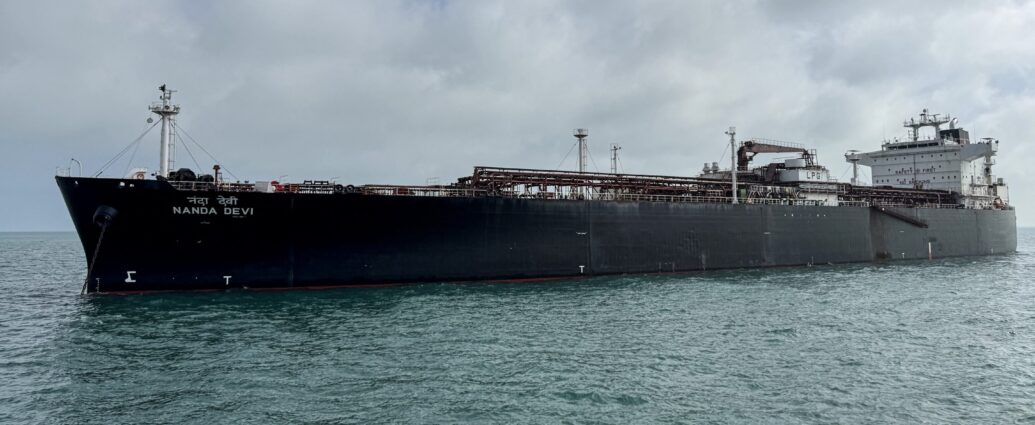
At least nine ships have exited the strait by way of Iran’s alternate route, including India-flagged gas tankers Shivalik and Nanda Devi.
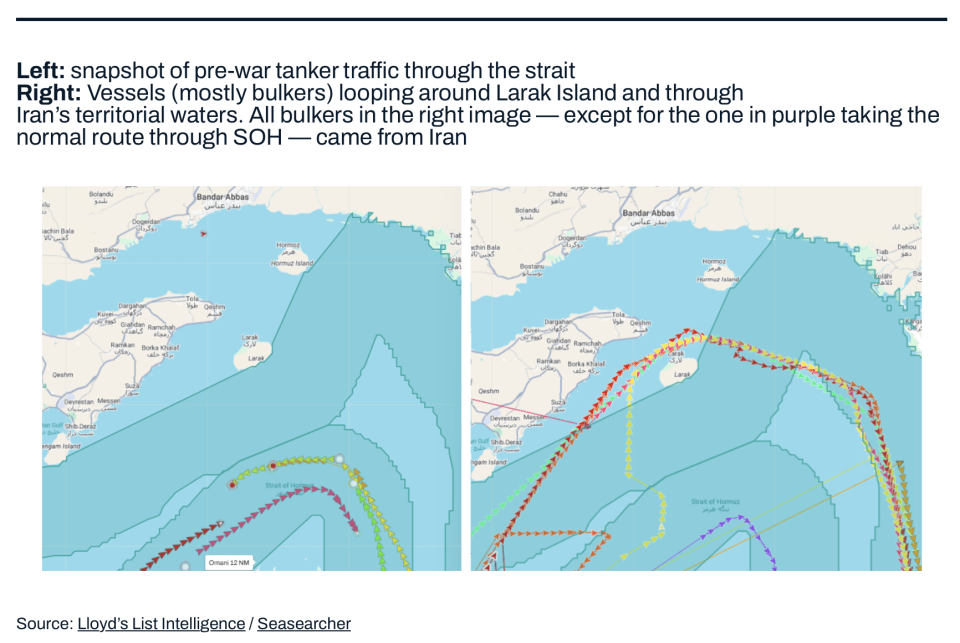
That’s still just a trickle compared to normal prewar traffic, which topped 100 oil and cargo ships everyday. Meanwhile, President Donald Trump is sending thousands of Marines to the Middle East amid reports he is considering deploying ground troops to reopen the strait.
Sources told Axios on Friday that Trump is mulling an operation to occupy or blockade Iran’s Kharg Island, which processes 90% of Iran’s crude oil exports.
With control of the island and leverage over Iran’s economy, the U.S. could pressure Tehran to relinquish its chokehold over the Strait of Hormuz, according to the report, easing the energy crunch that’s sent oil and gas prices soaring.
But the Marines may not arrive for a few more weeks, and Navy officials have said the Strait of Hormuz is a “kill box” filled with Iranian threats that make it too dangerous for warships to enter. Neutralizing the risks may require landing troops on Iran’s coast near the strait.
U.S. allies in the Persian Gulf have reportedly warned that if Trump ends the Iran war without restoring free navigation in the strait, then Tehran will continue to have the power to hold the regional and global economy hostage.
So although the White House signaled that Trump has no plans to send ground troops into Iran, the outcome of his war may depend on it.
“He wants Hormuz open. If he has to take Kharg Island to make it happen, that’s going to happen. If he decides to have a coastal invasion, that’s going to happen. But that decision hasn’t been made,” a senior administration official told Axios.
This story was originally featured on Fortune.com