


Opinion | In the End, a Good Greenland Deal






Opinion | A Quiet Summit Should Alarm Taiwan

Opinion | Where’s the Beef? Down Under


Opinion | Trump Scores a Win in Greenland




U.S. Reaches Greenland Security Agreement



Opinion | The Tariff Gift to Abdul El-Sayed







Opinion | The Comrades Take Hong Kong
Opinion | Trump Gets New Power Against Putin



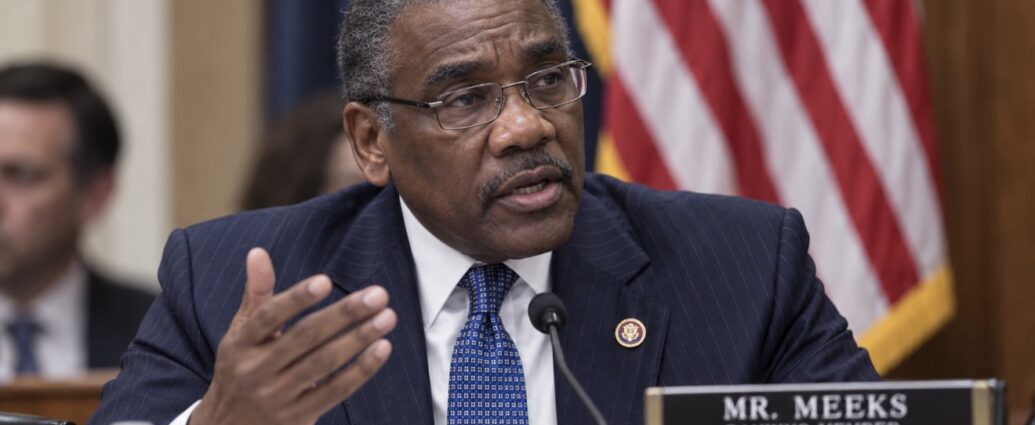
Meeks Places Hold On Trump’s $2.8 Billion Bomb Sale To Israel, But Objection May Not Stop It
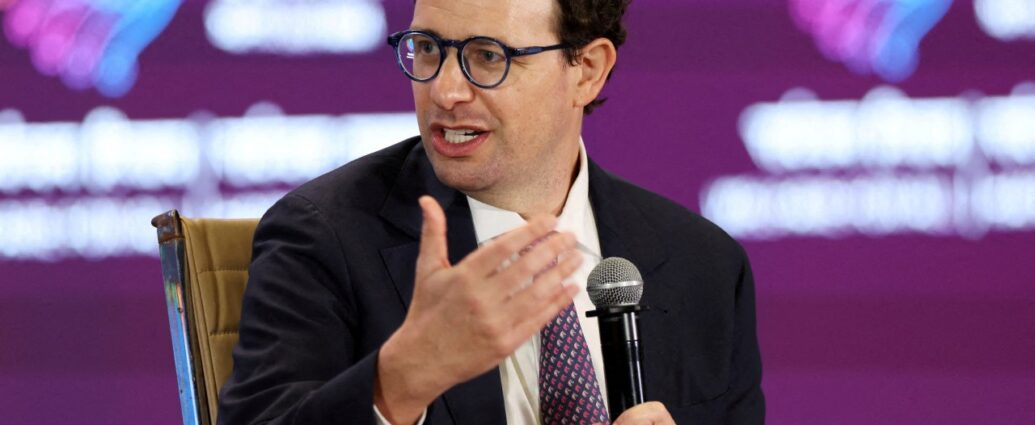
Rep. Gregory Meeks (D-N.Y.), the ranking Democrat on the House Foreign Affairs Committee, announced Wednesday that he is placing a hold on the Trump administration’s proposed $2.8 billion sale of 40,000 heavy bombs to Israel, citing unresolved concerns about how the weapons could be used in Gaza and Lebanon.
The package includes roughly 40,000 of the 2,000-pound bombs whose transfer had been paused under the Biden administration over fears of mass civilian casualties. Meeks said in a statement that he remains committed to Israel’s security but will not clear the sale “at this time,” saying the administration has not provided sufficient assurances the weapons would be used in accordance with U.S. and international law.
The hold comes through an informal review process under the Arms Export Control Act. Before formally notifying Congress of a major arms sale, the State Department gives the chairs and ranking members of the House Foreign Affairs and Senate Foreign Relations Committees an informal heads-up, typically 20 to 40 days ahead of time. During that window, a committee leader can flag concerns, and the department has traditionally paused rather than proceed over an objection. It is not required to.
Once a sale clears that stage and is formally submitted, Congress has a narrow opportunity to block it, 30 days for most countries, only 15 for Israel, by passing a joint resolution of disapproval. Such resolutions rarely pass both chambers, and would still need to survive a presidential veto.
The Trump administration has moved around a Meeks hold before. In February 2025, it proceeded with an arms package despite his objection. It also bypassed the formal notification process on other Israel arms sales by invoking emergency authority, and cleared a separate $6.67 billion round of sales to Israel in January.
The State Department did not respond to requests for comment on the new sale or on Meeks’ objection.
JBizNews Desk | Washington, D.C.
© JBizNews.com All Rights Reserved. Reproduction or distribution without written permission is prohibited.