Opinion | They Forget Who Started the War
2026-08-31

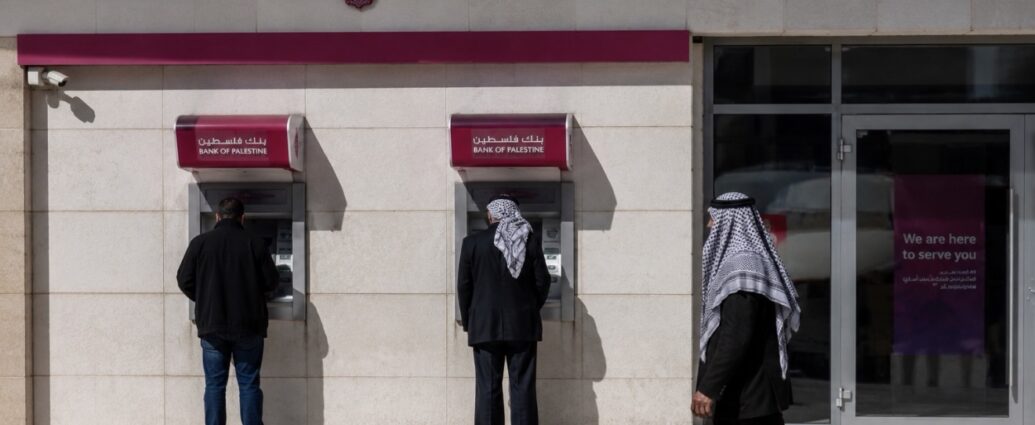
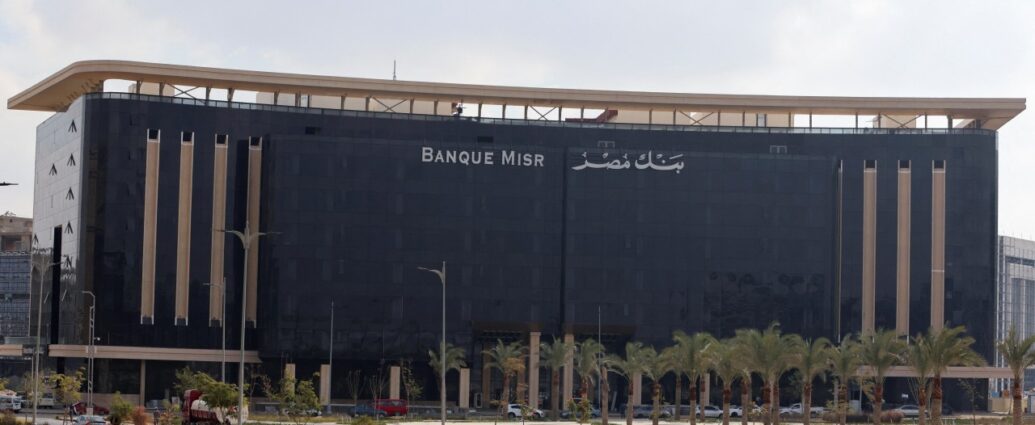
JERUSALEM — Israeli banks are approaching a Sept. 1 deadline that could sharply disrupt financial ties with the Palestinian Authority, threatening billions of shekels in trade and potentially creating economic fallout for businesses on both sides.
Bank Hapoalim and Israel Discount Bank have for decades served as correspondent banks connecting Israel’s financial system with Palestinian banks.
Those relationships allow payments to move between Israeli and Palestinian businesses and support more than NIS 20 billion in annual trade involving goods and services.
But the banking arrangements have become increasingly difficult to maintain because of legal exposure involving money laundering, terrorist financing and other compliance risks.
The Israeli government has provided the banks with indemnity and legal protections allowing them to continue operating, but those protections have repeatedly been temporary.
Without continued protection, the banks have warned they could sever their relationships with Palestinian financial institutions.
The Sept. 1 deadline now brings that question directly into focus.
The Bank of Israel has asked the banks to continue providing services in order to prevent a potentially severe economic disruption, and discussions have been underway over postponing the cutoff.
No final long-term solution had been reached when those discussions were reported.
The economic stakes are significant.
A complete break in correspondent banking ties would make it much more difficult for Palestinian businesses to pay Israeli suppliers and for Israeli companies to collect payments from Palestinian customers.
It could also interfere with salary transfers, commercial transactions and the movement of shekels through the Palestinian banking system.
Israeli officials have previously approved the creation of a government company that could eventually take over the correspondent-banking role from commercial banks and shield them from the legal exposure they say has become increasingly difficult to accept.
That system, however, has not yet become operational because of legislative and bureaucratic delays.
For now, Bank Hapoalim and Israel Discount Bank remain the financial bridge.
The issue has also drawn international attention because of concerns that a sudden banking cutoff could destabilize the Palestinian economy and create wider economic and security consequences in the West Bank.
The Palestinian economy is heavily dependent on the Israeli shekel and on access to Israeli financial institutions.
Any disruption therefore extends well beyond banking.
Israeli manufacturers, wholesalers, food suppliers, construction companies and other businesses that sell into Palestinian markets could also be affected if payments are interrupted.
The Bank of Israel’s intervention reflects those broader concerns.
The immediate question entering Sept. 1 is whether another temporary arrangement will be reached or whether the banking relationship will begin moving toward an actual cutoff.
Either way, the deadline highlights a larger unresolved problem Israel has been trying to address for years: how to maintain necessary commercial activity with Palestinian financial institutions while protecting Israeli banks from legal and regulatory exposure.
Until a permanent mechanism is established, each extension simply pushes that decision further down the road.
JBizNews Desk | Jerusalem
© JBizNews.com All Rights Reserved. Reproduction or distribution without written permission is prohibited.

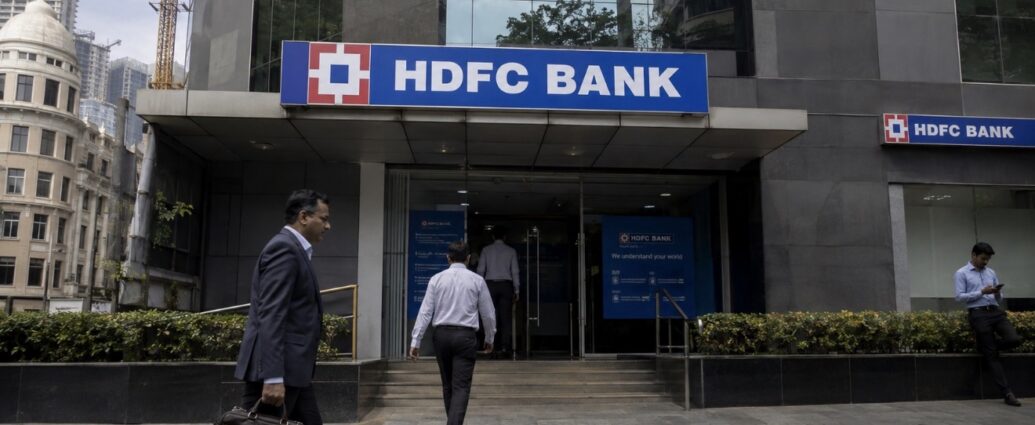
A new global bank designed specifically to finance defense spending is moving closer to reality — and Canada wants to put itself at the center of it.
The proposed Defence, Security and Resilience Bank, or DSRB, is seeking to raise roughly €100 billion, about $116 billion, to provide lower-cost financing and loan guarantees for governments and defense contractors.
Canada, Belgium, Greece, Latvia, Luxembourg, Romania, Turkey, Ukraine and Albania have already backed the concept.
So far, however, the project has secured only about €5 billion in commitments, according to officials involved in the effort.
The bank’s broader target is approximately €20 billion in paid-in capital, with another €80 billion available to support future lending.
The idea is simple.
Governments across Europe and NATO are being asked to spend dramatically more on defense.
Large contractors can usually finance themselves.
Smaller suppliers often cannot.
That creates a bottleneck.
A company capable of manufacturing drones, missile components, ammunition, radar systems or military electronics may have government demand waiting for it but still struggle to borrow enough money to expand a factory, hire workers or build inventory.
The proposed bank is designed to solve that problem.
It would lend to governments and defense companies while also providing guarantees that could encourage commercial banks to finance smaller or riskier suppliers.
That could create an entirely new financing system around the defense industry.
And that matters because the global rearmament push increasingly depends not only on military budgets, but on whether companies can actually raise the capital needed to produce what governments are ordering.
Canadian Prime Minister Mark Carney has strongly backed the project and wants the institution headquartered in Canada.
But there is a major obstacle.
Several of the world’s largest economies have not joined.
Germany and Britain remain outside the project, while Japan has not committed.
That matters because the DSRB wants a triple-A credit rating.
A high rating would allow it to borrow money cheaply in global bond markets and then pass those lower financing costs on to governments and defense companies.
Without major sovereign backers, obtaining that rating could become more difficult.
There are also questions about duplication.
The European Union already has its €150 billion SAFE defense-financing program, while Britain is developing a separate Multilateral Defence Mechanism with several European partners.
Some governments are asking why another institution is necessary.
Supporters argue that the DSRB would be different because it would become a permanent multilateral financial institution rather than a temporary government program.
It could also finance companies outside the European Union.
That is particularly important for countries such as Canada, Turkey and Ukraine.
Major financial institutions are already paying attention.
Around a dozen banks, including JPMorgan and Deutsche Bank, have provided approximately $10 million in funding or services to help establish the institution.
Those banks could eventually earn substantial fees arranging defense projects financed through the DSRB.
For investors and businesses, the significance is bigger than the bank itself.
Defense spending is increasingly becoming an industrial-policy story.
Governments are not simply buying more weapons.
They are trying to rebuild factories, expand supply chains, increase ammunition production and create domestic manufacturing capacity that has been allowed to shrink for decades.
That requires enormous amounts of private capital.
If the DSRB succeeds in raising €100 billion and leveraging that money into even larger amounts of lending, smaller defense companies could gain access to financing previously available mainly to the largest contractors.
That could create new factories, new suppliers and new investment opportunities throughout the defense economy.
But the project still has to prove that it can attract enough large governments to make the economics work.
Canada is prepared to move ahead with the countries already committed.
The real test now is whether Britain, Germany and other major economies decide that joining is worth the cost.
If they do, the DSRB could become something much larger than another international institution.
It could become a permanent global financing engine for the defense industry.
JBizNews Desk | Ottawa / London
© JBizNews.com All Rights Reserved. Reproduction or distribution without written permission is prohibited.
A new global bank designed specifically to finance defense spending is moving closer to reality — and Canada wants to put itself at the center of it.
The proposed Defence, Security and Resilience Bank, or DSRB, is seeking to raise roughly €100 billion, about $116 billion, to provide lower-cost financing and loan guarantees for governments and defense contractors.
Canada, Belgium, Greece, Latvia, Luxembourg, Romania, Turkey, Ukraine and Albania have already backed the concept.
So far, however, the project has secured only about €5 billion in commitments, according to officials involved in the effort.
The bank’s broader target is approximately €20 billion in paid-in capital, with another €80 billion available to support future lending.
The idea is simple.
Governments across Europe and NATO are being asked to spend dramatically more on defense.
Large contractors can usually finance themselves.
Smaller suppliers often cannot.
That creates a bottleneck.
A company capable of manufacturing drones, missile components, ammunition, radar systems or military electronics may have government demand waiting for it but still struggle to borrow enough money to expand a factory, hire workers or build inventory.
The proposed bank is designed to solve that problem.
It would lend to governments and defense companies while also providing guarantees that could encourage commercial banks to finance smaller or riskier suppliers.
That could create an entirely new financing system around the defense industry.
And that matters because the global rearmament push increasingly depends not only on military budgets, but on whether companies can actually raise the capital needed to produce what governments are ordering.
Canadian Prime Minister Mark Carney has strongly backed the project and wants the institution headquartered in Canada.
But there is a major obstacle.
Several of the world’s largest economies have not joined.
Germany and Britain remain outside the project, while Japan has not committed.
That matters because the DSRB wants a triple-A credit rating.
A high rating would allow it to borrow money cheaply in global bond markets and then pass those lower financing costs on to governments and defense companies.
Without major sovereign backers, obtaining that rating could become more difficult.
There are also questions about duplication.
The European Union already has its €150 billion SAFE defense-financing program, while Britain is developing a separate Multilateral Defence Mechanism with several European partners.
Some governments are asking why another institution is necessary.
Supporters argue that the DSRB would be different because it would become a permanent multilateral financial institution rather than a temporary government program.
It could also finance companies outside the European Union.
That is particularly important for countries such as Canada, Turkey and Ukraine.
Major financial institutions are already paying attention.
Around a dozen banks, including JPMorgan and Deutsche Bank, have provided approximately $10 million in funding or services to help establish the institution.
Those banks could eventually earn substantial fees arranging defense projects financed through the DSRB.
For investors and businesses, the significance is bigger than the bank itself.
Defense spending is increasingly becoming an industrial-policy story.
Governments are not simply buying more weapons.
They are trying to rebuild factories, expand supply chains, increase ammunition production and create domestic manufacturing capacity that has been allowed to shrink for decades.
That requires enormous amounts of private capital.
If the DSRB succeeds in raising €100 billion and leveraging that money into even larger amounts of lending, smaller defense companies could gain access to financing previously available mainly to the largest contractors.
That could create new factories, new suppliers and new investment opportunities throughout the defense economy.
But the project still has to prove that it can attract enough large governments to make the economics work.
Canada is prepared to move ahead with the countries already committed.
The real test now is whether Britain, Germany and other major economies decide that joining is worth the cost.
If they do, the DSRB could become something much larger than another international institution.
It could become a permanent global financing engine for the defense industry.
JBizNews Desk | Ottawa / London
© JBizNews.com All Rights Reserved. Reproduction or distribution without written permission is prohibited.
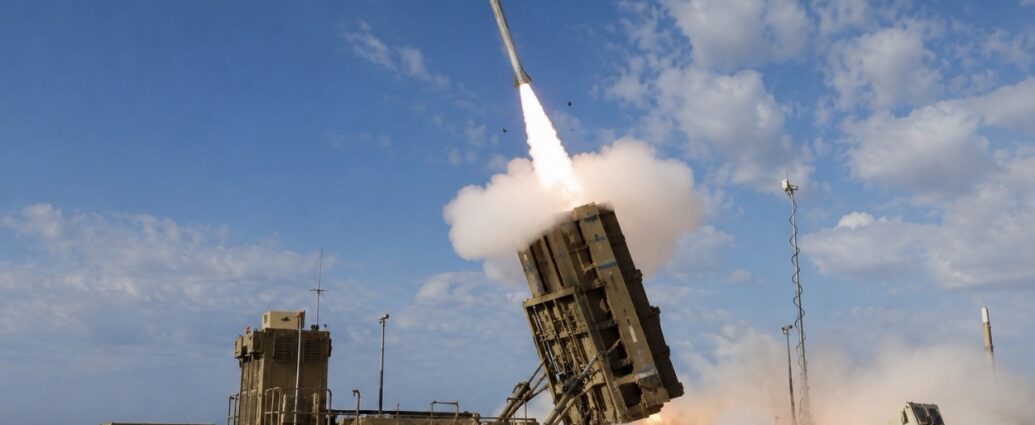
Israel and Greece signed the largest defense agreement in the history of their relationship Monday, putting Israeli missile-defense technology at the center of Greece’s military buildup as tensions with Turkey continue to intensify across the eastern Mediterranean.
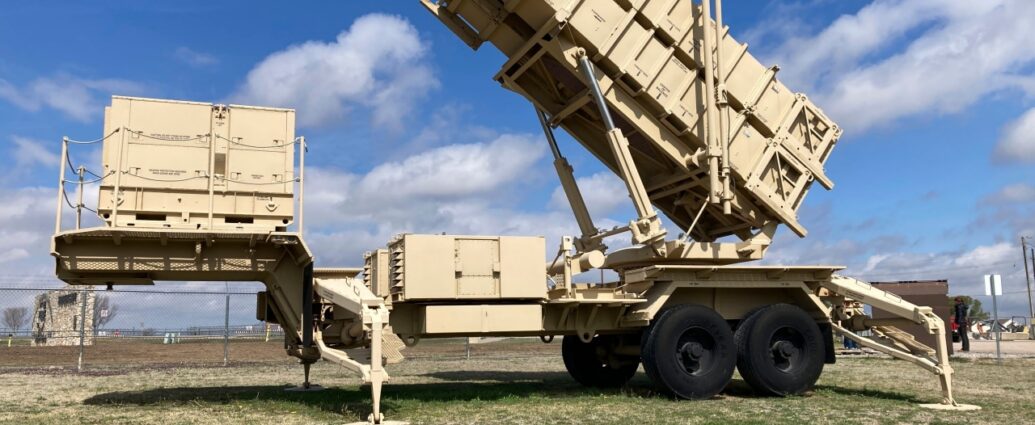
The agreement, valued at approximately €3 billion, or roughly $3.5 billion, will give Greece a comprehensive multi-layered air-defense network built around three Israeli systems: Rafael’s David’s Sling and SPYDER systems and Israel Aerospace Industries’ BARAK MX.
The project, known as the “Achilles Shield,” represents one of the largest defense export agreements ever signed by Israel.
Israel’s Ministry of Defense Director General Maj. Gen. (Res.) Amir Baram and his Greek counterpart Ioannis Bouras signed the agreement Monday at Israeli Defense Ministry headquarters.
For Israel, the deal is much bigger than another weapons sale.
It establishes Israeli technology as the backbone of the air defenses of a NATO member and strengthens an emerging strategic relationship among Israel, Greece and Cyprus at a time when all three are increasingly concerned about Turkey’s regional ambitions.
Greece has accelerated its military modernization as tensions with Ankara grow over islands, maritime boundaries and control of the Aegean Sea.
Those tensions were again visible in recent days when Greek F-16 fighter jets were reportedly scrambled after a Turkish drone operated near the Greek islands of Samothraki and Lemnos.
Turkey and Greece are both NATO members, yet their longstanding disputes over territorial waters, airspace and islands have repeatedly pushed the two countries toward confrontation.
Israel’s relationship with Turkey has also deteriorated sharply under President Recep Tayyip Erdogan, making Greece increasingly important to Jerusalem both strategically and economically.
The new defense system will give Greece multiple layers of protection against aircraft, drones, cruise missiles and ballistic threats.
David’s Sling provides the longer-range layer. BARAK MX covers medium-range threats, while SPYDER can defend against aircraft, helicopters, drones and missiles at shorter ranges.
Together, the systems are designed to operate as one integrated defensive network.
Delivery is expected within approximately 35 months.
Greek companies will also receive a significant share of the work, with approximately €700 million expected to be carried out by Greece’s domestic defense industry.
That provision is particularly important as European countries increasingly seek not only to purchase weapons but also to develop their own manufacturing capabilities and secure their supply chains.
For Israel’s defense industry, the implications are enormous.
Rafael and Israel Aerospace Industries are already seeing surging global demand as governments across Europe dramatically increase defense spending and seek air-defense systems proven under real combat conditions.
Israel’s systems have gained particular attention because of their repeated operational use against missiles, drones and rockets during recent conflicts.
The Greece agreement follows Israel’s record Arrow 3 sale to Germany and a growing list of major European defense contracts.
It also comes only months after Greece signed a separate approximately $750 million agreement for Elbit Systems’ PULS rocket artillery system.
Together, the agreements are turning Greece into one of Israel’s most important defense customers.
But the larger story may be geopolitical.
Israel increasingly views Greece as a strategic gateway into Europe and as part of a broader network of countries whose security and economic interests overlap with its own.
That relationship could eventually extend beyond the purchase of individual missile-defense systems.
Closer integration among Israel, Greece and Cyprus could allow the countries to share radar information, sensors and command-and-control capabilities, creating a much broader picture of aerial threats across the eastern Mediterranean.
For Greece, the objective is deterrence.
For Israel, it is exports, alliances and strategic depth.
And for Israel’s defense industry, the agreement is another sign that air defense has become one of the country’s most valuable exports.
A technology developed primarily to protect Israel is rapidly becoming part of the defense architecture of Europe.
JBizNews Desk | Israel
© JBizNews.com All Rights Reserved. Reproduction or distribution without written permission is prohibited.
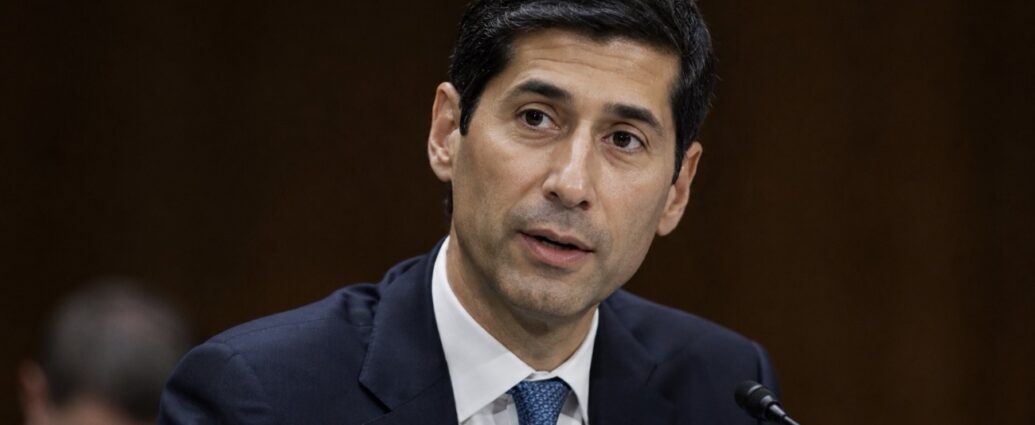
The Federal Reserve spent much of the summer trying to convince markets that patience would be enough.
Kevin Warsh just changed that conversation.
In his first Jackson Hole address as Fed chair, Warsh made clear that the central bank’s 2% inflation target is not negotiable and that policymakers may still need to raise interest rates again if inflation does not move convincingly lower.
That was enough to immediately reset expectations across global markets.
Before the speech, traders saw roughly a 35% chance of a September rate increase.
After Warsh spoke, that probability jumped to around 60%.
The two-year Treasury yield climbed, the dollar strengthened, gold fell sharply and stocks struggled as investors adjusted to the possibility that the next major Fed move may not be a cut.
That matters because only weeks ago, much of Wall Street was focused on when rates could begin moving lower.
Now the question is different:
Will the Fed have to raise them again?
Warsh did not promise a September hike.
He deliberately avoided that kind of guidance.
Instead, he laid out the conditions that would force the Fed to act.
Inflation remains well above target.
The labor market remains relatively strong.
And Warsh said financial conditions do not appear broadly restrictive enough to guarantee inflation will return to 2%.
That combination gives the Fed room to tighten further if upcoming data do not improve.
For businesses, this matters immediately.
A higher Fed rate increases the cost of short-term borrowing, credit lines, floating-rate debt and business loans.
For consumers, it can keep pressure on credit cards, auto loans and eventually mortgages.
For investors, it changes how stocks are valued.
Growth companies — particularly expensive technology names — become harder to justify when safer government bonds offer higher returns.
That is why the market reaction went far beyond the Fed funds futures market.
Gold dropped sharply after the speech.
The dollar strengthened.
U.S. stocks finished Friday lower.
And global markets are now entering the new week with the possibility of tighter U.S. monetary policy firmly back in the conversation.
Warsh’s message is especially important because he appears determined to run the Fed differently from his predecessors.
He has criticized excessive forward guidance and suggested that markets should rely less on carefully choreographed hints from the central bank.
That means investors may receive fewer promises about what the Fed will do next and more pressure to react directly to inflation, employment and financial conditions.
In practical terms, that could make markets more volatile.
Every major inflation report now matters more.
Every employment report matters more.
And the September Fed meeting is no longer being treated as a routine hold.
The next major test comes as policymakers review the latest inflation and employment data before their September decision.
If inflation remains near current levels, the argument for another increase becomes stronger.
If price pressures cool meaningfully, the Fed can wait.
But the important shift has already happened.
Rate hikes are no longer a remote possibility sitting somewhere in the background. They are back at the center of the conversation.
And that means businesses, borrowers and investors need to start planning for a world in which money may become more expensive before it becomes cheaper.
JBizNews Desk | Jackson Hole, Wyoming
© JBizNews.com All Rights Reserved. Reproduction or distribution without written permission is prohibited.
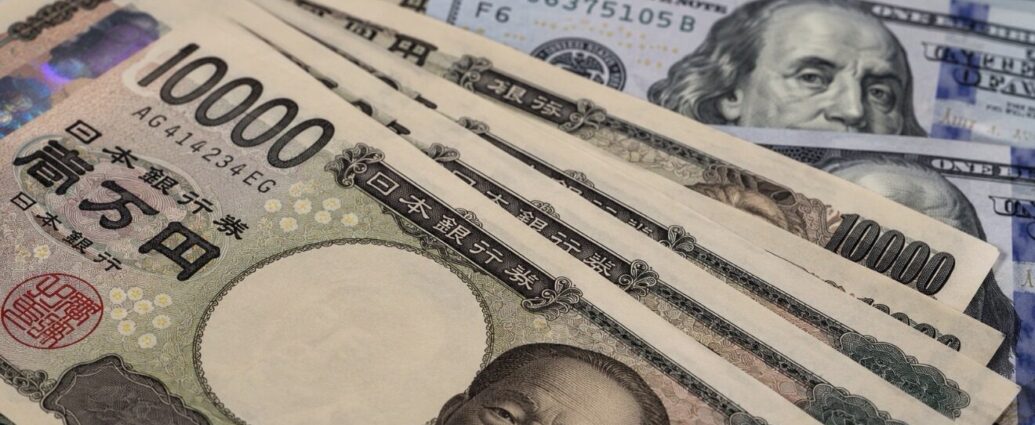
Japan has spent more money defending its currency in the past month than ever before.
The country’s Finance Ministry says it used 15.3993 trillion yen — roughly $96.5 billion — between July 30 and August 26 to support the yen after it fell to its weakest levels in roughly four decades.
That would already be a major story for Japan.
But the reason global markets are paying attention is that the consequences do not stop in Tokyo.
Treasury Secretary Scott Bessent warned that a disorderly collapse in the yen could force investors around the world to unwind large financial positions, disrupt bond markets and ultimately raise borrowing costs for American households and businesses.
That is because the yen has spent years at the center of one of the most important trades in global finance.
Japan kept interest rates extremely low for decades.
Investors could borrow cheaply in yen and use that money to buy higher-yielding assets elsewhere — including U.S. Treasuries, corporate bonds and stocks.
That strategy is commonly known as the yen carry trade.
It works well when the yen is stable.
It becomes dangerous when the currency begins moving violently.
If the yen suddenly strengthens, investors who borrowed in yen can face rapidly growing losses and may be forced to sell other assets to repay those loans.
If the yen collapses instead, Japan faces higher import costs, more inflation and pressure on households and businesses.
That puts Tokyo in a difficult position.
Japan cannot simply allow the yen to fall indefinitely.
But defending it on this scale also has consequences.
The July intervention was particularly unusual because the United States joined Japan in buying yen, a rare example of coordinated currency intervention between the two governments.
Japan’s Finance Ministry later confirmed that the July 31 action was carried out together with the U.S. Treasury.
The government has also said it is prepared to intervene again if markets become disorderly.
The yen had weakened to around 164 per dollar before the intervention, its lowest level in about 40 years. The operation temporarily strengthened it, but the currency has since drifted back toward the 160 level.
That is why the pressure has not disappeared.
Japan is also increasingly expected to raise interest rates again.
The Bank of Japan lifted its benchmark rate to 1% in June, and economists now expect another increase could come as soon as September.
Higher Japanese rates would help support the yen.
But they could also encourage Japanese investors to keep more money at home instead of buying U.S. bonds.
That creates another potential problem for Washington.
Japan is one of the largest foreign holders of U.S. Treasury securities.
If Japanese investors find domestic bonds increasingly attractive, demand for U.S. government debt could weaken at exactly the moment Washington needs enormous amounts of financing for a federal debt load that has already surpassed $40 trillion.
Less demand generally means Treasury must offer higher yields to attract buyers.
And higher Treasury yields eventually filter through to mortgages, corporate loans, commercial real estate and other borrowing costs.
That is the connection Bessent is warning about.
A currency problem in Japan can become a financing problem in the United States.
For businesses and investors, the bigger lesson is that currencies are no longer moving quietly in the background.
Governments are intervening directly.
Central banks are changing rates.
And enormous pools of capital can move from one country to another very quickly when the economics change.
Japan has already spent nearly $100 billion trying to stabilize the yen.
If the currency remains under pressure, the next intervention could be even larger.
And the biggest question for Americans may ultimately not be what happens to the yen itself.
It may be what happens to U.S. borrowing costs if one of the world’s largest sources of capital begins bringing more of its money home.
JBizNews Desk | Tokyo / Washington
© JBizNews.com All Rights Reserved. Reproduction or distribution without written permission is prohibited.
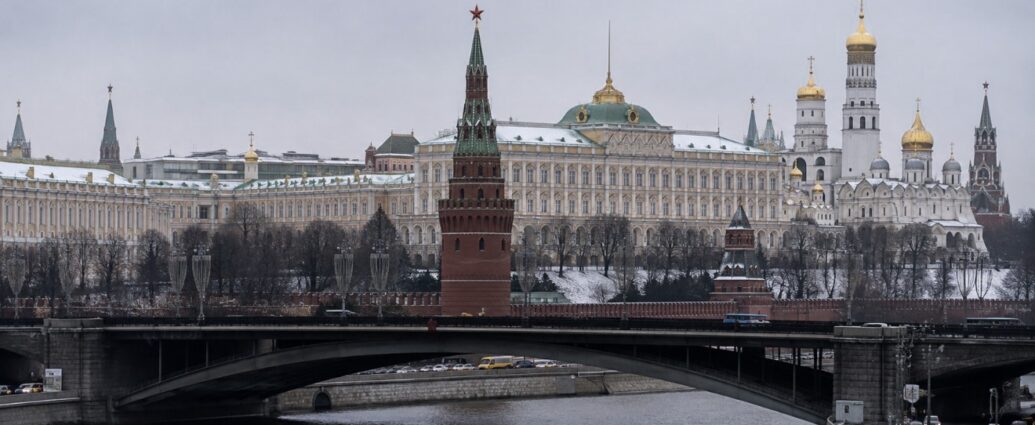
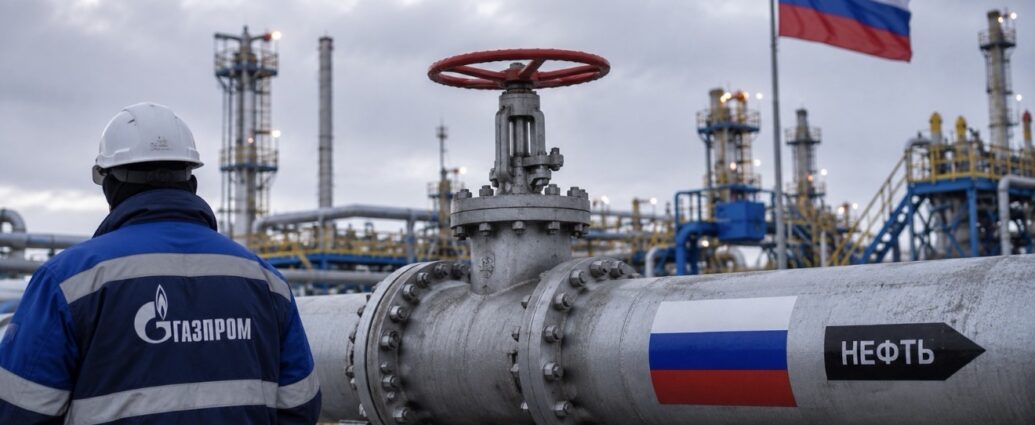
Russia is keeping more of its diesel at home.
Moscow has extended its ban on diesel exports through September 30, as repeated attacks and refinery disruptions continue to tighten domestic fuel supply and reduce the amount available to foreign buyers.
The restriction covers diesel, marine fuel and gas oils exported by Russian producers.
That matters far beyond Russia.
Russia is one of the world’s largest diesel exporters, and when those barrels disappear from the global market, buyers in Europe, Turkey, Africa and Asia have to compete more aggressively for supply from the United States, India, the Middle East and other refiners.
The result can be higher prices even when crude oil itself is not surging.
That distinction is important.
A trucking company does not buy crude oil.
It buys diesel.
An airline does not buy crude oil.
It buys jet fuel.
A construction company does not care what Brent crude is trading at if the refined fuel it actually needs remains expensive.
That is why refinery outages can create a different kind of energy shock.
Russia may still have crude oil available, but if damaged refineries cannot turn that crude into diesel, gasoline and other usable fuels, the global market can look adequately supplied on paper while the products businesses actually need remain tight.
The pressure has already forced buyers to change trade routes.
Turkey has sharply increased diesel purchases from the United States and India as Russian supply has become less dependable.
That means fuel is traveling farther, shipping costs are rising, and buyers are becoming more exposed to international freight and insurance costs.
For businesses, the impact can spread quickly.
Higher diesel prices raise the cost of trucking.
That pushes up freight bills.
Retailers, manufacturers and food distributors then have to decide whether to absorb those costs or pass them on to customers.
The result can be another layer of inflation even if headline oil prices are easing.
For Russia, the export ban is an attempt to stabilize its own domestic market.
Refinery disruptions have tightened supplies at home, and Moscow is prioritizing Russian consumers and businesses over foreign buyers.
But every barrel kept inside Russia is one less barrel available elsewhere.
That makes the ban part of a broader problem now affecting global energy markets:
the world may have enough crude oil, but it does not always have enough functioning refining capacity in the right place.
That is becoming especially important as the Iran conflict, shipping disruptions and geopolitical sanctions already complicate the movement of fuel around the world.
For investors, the lesson is straightforward.
Do not look only at crude prices.
Watch refinery outages, diesel inventories, export restrictions and shipping routes.
Those are the numbers that can determine what businesses actually pay to keep trucks moving, factories operating and goods delivered.
Russia’s latest move is another reminder that energy inflation does not always begin at the oil well.
Sometimes it begins at the refinery.
JBizNews Desk | Moscow
© JBizNews.com All Rights Reserved. Reproduction or distribution without written permission is prohibited.


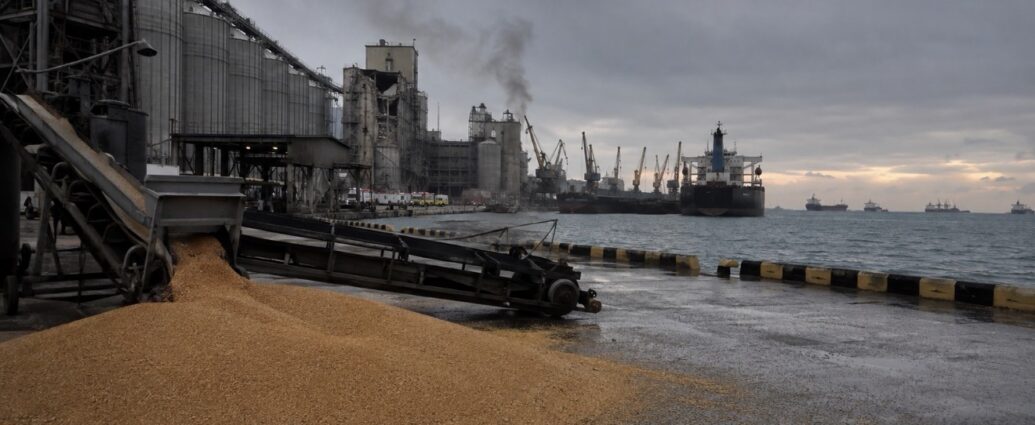
Attacks are disrupting the ports that load a major share of the world’s wheat, and prices are responding.
Chicago wheat futures closed Thursday at $7.60¾ a bushel, up 1.7% and their highest level since July 2023. The contract had surged to its daily trading limit Wednesday and has gained approximately 18% since the beginning of August.
The reason is straightforward. Russia and Ukraine normally account for nearly 30% of globally traded wheat, making the Black Sea one of the most important corridors in the international food system. Both countries are now struggling to move grain through that corridor.
Ukrainian attacks damaged two major grain terminals at Novorossiysk, Russia’s largest Black Sea grain-export port. The affected facilities have combined annual capacity exceeding 14 million metric tons.
Russian strikes have meanwhile sharply curtailed operations at Ukraine’s principal Black Sea ports, forcing exporters toward smaller Danube River routes. As many as 70 ships were recently waiting near the Sulina Canal, where air-raid interruptions, pilot shortages and limited capacity have slowed vessel movements.
The effect on Ukrainian shipments could be severe. Ukraine’s Agriculture Ministry reduced its projected agricultural exports for the 2026-27 marketing year to approximately 29.6 million metric tons—54% below its previous forecast. Its wheat-export projection was cut 53% to 8.3 million tons.
Russian shipments have also slowed, although estimates vary as analysts assess terminal damage and possible alternative routes. Agricultural consultancy SovEcon recently projected approximately 2.2 million tons of Russian wheat exports in August, compared with 4.5 million tons one year earlier.
American farmers are receiving the benefit of higher market prices, but that has not yet translated into stronger export volumes.
U.S. wheat export inspections totaled 425,668 metric tons during the week ended Aug. 20, down from 514,363 tons the previous week and approximately 1.05 million tons during the comparable week last year. Marketing-year inspections also remain well below last season’s pace.
For shoppers, the effect will be slower and less dramatic than the futures chart. Raw wheat accounts for only part of the cost of a loaf of bread, with labor, packaging, transportation and retail expenses making up much of the final price. A jump in wheat therefore reaches supermarket shelves gradually rather than overnight.
The wider concern is that wheat is not rising alone. The United Nations food-price index reached its highest level in more than three years in July, while its cereal component climbed 3.4% from June. Global wheat prices rose 5.8% during that month as Black Sea disruptions and difficult growing weather tightened expectations.
A restoration of safe shipping lanes or stronger harvests elsewhere could interrupt the rally. Ukraine has proposed an agreement protecting civilian grain vessels in the Black Sea, but Russia has demanded that any arrangement also restrict Ukrainian attacks on Russian energy infrastructure.
Until the ports and shipping routes become more dependable, grain buyers are likely to keep paying a premium for supplies that may not arrive on schedule.
JBizNews Desk | Chicago
© JBizNews.com All Rights Reserved. Reproduction or distribution without written permission is prohibited.

The court that issued arrest warrants for Vladimir Putin and Benjamin Netanyahu can no longer get its own officials into a bank.
On Aug. 18 the United States sanctioned the International Criminal Court’s president, Japanese judge Tomoko Akane, along with senior trial lawyer Abdoulaye Seye of Senegal. The measures freeze any assets they hold in U.S. jurisdictions or that touch the American financial system, and bar Americans from doing business with them. Secretary of State Marco Rubio said the two had worked to investigate or prosecute officials of governments that never accepted the court’s jurisdiction.
Nine of the court’s 18 judges are now under U.S. sanctions, along with both deputy prosecutors and the former chief prosecutor. The practical effect is closer to a commercial blacklisting than a diplomatic protest. One sanctioned Canadian judge lost the use of her credit cards. Fearing that Microsoft would cut ties, the court dropped Microsoft Office for a German open-source system that has slowed its daily work, officials told The Wall Street Journal.
The pressure campaign is doing what it was designed to do. Washington opened a diplomatic offensive in July urging partner countries to quit the court, and Chad and Venezuela have already announced they are leaving. That brings to five the number of countries pulling out within the past year, though each withdrawal takes a year to become final.
The institution was also gutted from the inside. On July 24, member states voted 82-to-13 with 15 abstentions to remove chief prosecutor Karim Khan for serious misconduct and a serious breach of duty — the first removal of a sitting chief prosecutor in the court’s 24-year history. Khan, who denies wrongdoing, is the prosecutor who sought the Netanyahu warrant.
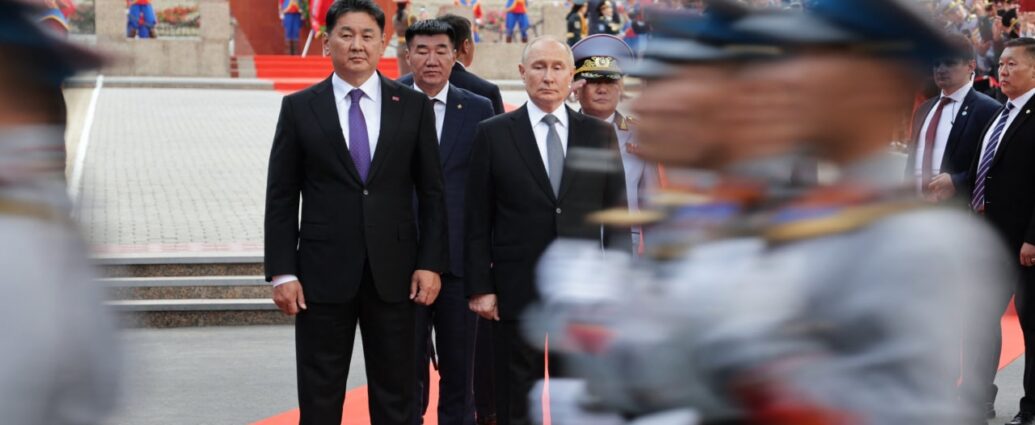
Enforcement was thin even before the sanctions. The court has taken 23 people into custody under its warrants while 35 remain at large. Putin has since visited two member states, Mongolia and Tajikistan, and neither arrested him. European governments have signaled they may not act on the Netanyahu warrant either.
Built in The Hague in 1998 as the heir to Nuremberg, the court was always missing the biggest players. The United States, Russia, China and India never ratified the treaty, and neither did Israel.
The court says it is not folding. It called the latest sanctions an attack on judicial independence, Akane has said judges are replaceable and the work is not, and human rights groups have gone to U.S. courts to challenge the sanctions program. Member states must now elect a new chief prosecutor — the choice that will decide whether the court keeps pursuing great-power cases or retreats to the ones nobody contests.
JBizNews Desk | New York
© JBizNews.com All Rights Reserved. Reproduction or distribution without written permission is prohibited.


Israel’s largest bus operator is going into business with a Chinese state-owned manufacturer designated by the Pentagon as a Chinese military company and restricted under separate U.S. transit-procurement legislation.
Egged Group and Auto Chen Mobility, part of the Belilios Group, announced Thursday that they are forming a joint venture with CRRC to import, market and sell the Chinese manufacturer’s buses. Egged said the goal is to build a full, long-term operation around CRRC products in Israel while working with the company to enter additional European markets.
Despite how the agreement has been described, this is a distribution and service venture—not a bus-manufacturing operation, at least for now.
The scale of the Chinese partner is the headline. CRRC was created in 2015 through the merger of CNR and CSR and now operates in more than 100 countries through 46 subsidiaries, employing more than 150,000 people.
The state-owned company generated approximately $38 billion in revenue last year, earned about $2 billion in profit and invested roughly $3 billion in research and development. It has sold more than 85,000 buses since entering the segment in 2006 and produced approximately 6,000 during 2025 alone.
Each partner brings a specific advantage. Auto Chen has delivered more than 4,000 Golden Dragon buses in Israel over the past decade and understands the country’s import, sales and service infrastructure.
Egged contributes experience operating large transportation fleets in Israel and Europe. Its European holdings include Mobilis in Poland, EBS in the Netherlands and a majority stake in Lithuania’s TOKS, giving the new venture an existing operational base from which to pursue European contracts.
CRRC vehicles are already beginning to reach Israel. Its electric-vehicle division has shipped minibuses to the country, while a 26-meter bi-articulated bus is expected to arrive under a Transportation Ministry tender. The vehicle is scheduled to be operated by Superbus on the Haifa Metronit system.
Executives involved in the partnership have also identified autonomous vehicles as a longer-term opportunity.
The complication is CRRC’s ownership and status in Washington.
The company is owned by the Chinese government and appears on the Pentagon’s list of Chinese military companies. Under Section 805 of the 2024 National Defense Authorization Act, the Defense Department is prohibited from entering into, renewing or extending certain contracts with companies on that list.
Congress separately enacted the Transportation Infrastructure Vehicle Security Act in 2019, restricting the use of federal transit funding to purchase buses and rail cars from Chinese state-owned or controlled manufacturers.
CRRC’s growing role in Israeli transportation has previously drawn scrutiny. In 2022, Chinese companies lost a major Tel Aviv light-rail contract amid reported American pressure and security concerns raised in both Israel and the United States. CRRC later became involved in a separate controversy surrounding the procurement of trains for Jerusalem’s Blue Line.
This agreement is different because it is being formed by commercial transportation operators and initially involves buses rather than the construction of a government rail network. U.S. transit-procurement restrictions do not govern purchases made for Israeli fleets without American federal funding.
Nevertheless, modern electric buses contain connected systems—including cameras, telematics and remotely updated software—that Israeli regulators may examine as the venture expands.
For Egged, the commercial calculation is straightforward: Chinese electric buses are competitively priced, readily available and increasingly capable, while European transportation tenders are often decided heavily on cost.
The unanswered question is whether Israeli regulators—and American officials monitoring the transportation infrastructure of a close ally—will view the partnership strictly as a commercial venture or as part of a broader strategic concern surrounding Chinese technology.
JBizNews Desk | Tel Aviv
© JBizNews.com All Rights Reserved. Reproduction or distribution without written permission is prohibited.