
FDA Expands Mounjaro Approval to Reduce Heart Attack and Stroke Risk
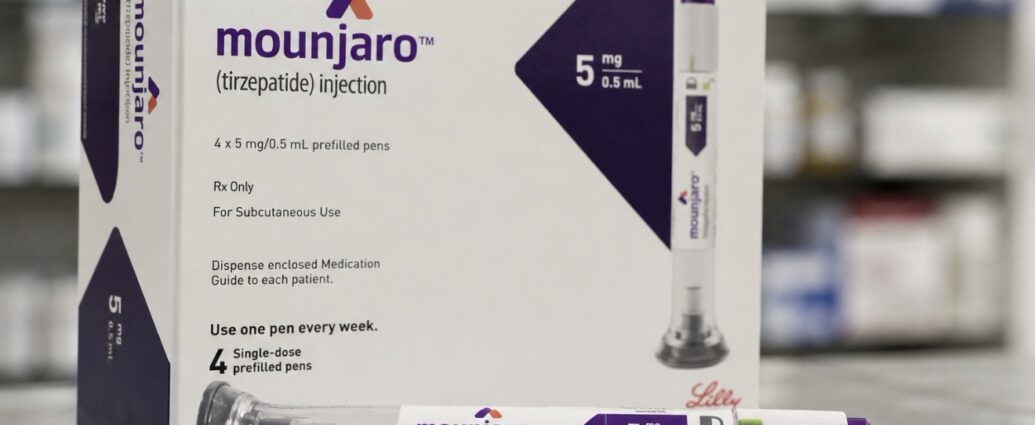
INDIANAPOLIS — The FDA has expanded approval of Eli Lilly’s Mounjaro, allowing the diabetes drug to be used to reduce the risk of heart attack, stroke or cardiovascular death in adults with type 2 diabetes who are at high cardiovascular risk.
The decision gives one of the country’s fastest-growing diabetes drugs a major new use beyond controlling blood sugar.
Mounjaro, whose active ingredient is tirzepatide, is already widely prescribed for type 2 diabetes and is also sold under the Zepbound brand for obesity treatment.
The expanded approval is based on a large head-to-head cardiovascular trial involving more than 13,000 patients with type 2 diabetes and elevated heart risk.
In that study, patients taking Mounjaro experienced an 8% lower rate of major cardiovascular events compared with patients taking Lilly’s older diabetes drug Trulicity.
Those events included heart attack, stroke and cardiovascular death.
The result is important because people with type 2 diabetes face a substantially higher risk of cardiovascular disease, making heart protection an increasingly important part of diabetes treatment.
The approval could also influence which drugs physicians choose for higher-risk patients.
Until now, Mounjaro’s primary role was improving blood sugar control. The new cardiovascular indication gives doctors another reason to prescribe the drug to patients who are already at elevated risk of heart attack or stroke.
It could also affect insurance coverage.
Health plans often make coverage decisions based partly on a drug’s FDA-approved uses. A formal cardiovascular indication gives Lilly another argument for broader access to Mounjaro among patients with diabetes and heart disease.
Mounjaro has become one of Lilly’s biggest products.
Sales reached approximately $9.9 billion in the second quarter, up 91% from a year earlier as global demand for GLP-1 and related metabolic drugs continues to surge.
The approval also intensifies competition with Novo Nordisk, whose Wegovy and other diabetes and obesity medicines have received cardiovascular-related indications.
For patients, the significance goes beyond weight loss or blood sugar.
The competition among the major GLP-1 drugmakers is increasingly shifting toward whether these medicines can prevent some of the most serious and costly complications associated with diabetes and obesity.
With Friday’s FDA decision, Mounjaro can now officially make that claim for high-risk adults with type 2 diabetes.
JBizNews Desk | Indianapolis
© JBizNews.com All Rights Reserved. Reproduction or distribution without written permission is prohibited.



Korea’s $1.35 Trillion Pension Posts 27% First-Half Return — Then the Market Fell Apart
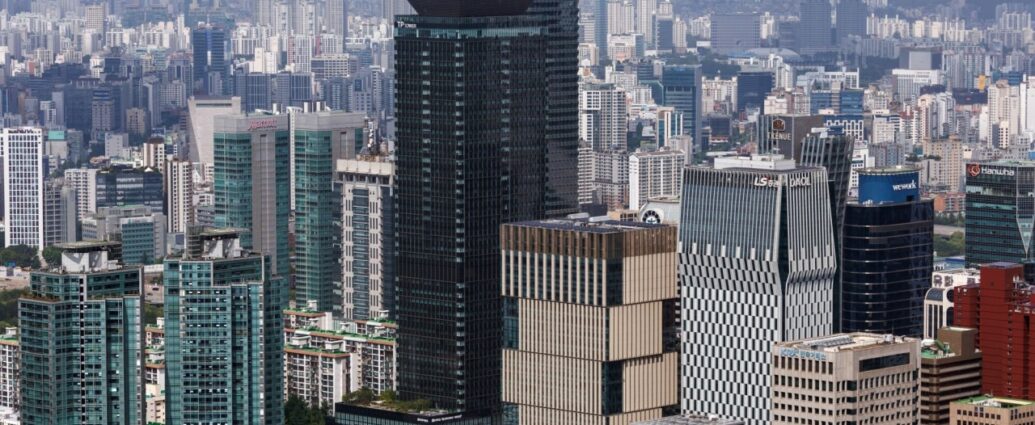
South Korea’s National Pension Service reported a first-half investment return on Friday that would be extraordinary in any year, and largely irrelevant to where the fund stands today.
The NPS returned 27.22% in the six months through June, well ahead of the 18.82% it posted for all of 2025 — itself the best annual result since the fund was founded in 1988. Assets reached 1,866 trillion won, or about $1.35 trillion, at the end of June, up from 1,458 trillion won at the close of last year.
The driver was almost entirely domestic. Korean equities returned 107.37% over the half. Overseas equities returned 17.81%, helped by the AI investment cycle and strong results at large technology companies. The fund credited easing Middle East tensions and solid corporate earnings, particularly in semiconductors.
Then came July.
The KOSPI peaked at an all-time high of 9,385.59 on June 19 — three trading sessions before the reporting period closed. By July 8 it had fallen more than 20% below that high, entering bear territory as global investors soured on AI plays and the market’s extreme concentration showed itself. On July 29 the index closed down 5.98% at 5,663.24, following a 10.84% collapse the previous session — roughly 40% below the June peak, with sidecars and circuit breakers triggered on consecutive days. It was still sliding this week, dropping more than 4% intraday Tuesday on heavy foreign selling.
NPS Chair and CEO Kim Sung-joo acknowledged the gap directly, saying second-half volatility has moved returns around while performance remains solid.
The policy question underneath. At the start of the year the government temporarily suspended the ceiling on the fund’s domestic stock holdings. The NPS had effectively hit its limit as the KOSPI climbed and was facing mechanical selling. Critics argued at the time that the public’s retirement savings were being used to prop up the market; as the fund ballooned past 1,700 trillion won in four months, the decision was recast as prescient.
That debate is now reopening on less favorable terms. The suspension is what made a 107% domestic equity return possible. It is also what left the country’s retirement system unusually exposed to a single trade. Samsung Electronics and SK Hynix together account for roughly half the KOSPI’s market capitalization, and SK Hynix passed Samsung as Korea’s most valuable company on June 22, the first time in more than 25 years that the top spot changed hands.
The volatility has been historic in its own right. By late June the exchange had logged close to 30 sidecar activations and five circuit breakers for the year, both exceeding the full-year records set during the 2008 financial crisis.
Why it matters beyond Seoul. The NPS is the world’s third-largest pension fund and a meaningful allocator into U.S. equities, private credit and real estate. More than half its financial assets sit overseas. A drawdown of this scale at home changes its rebalancing math, and Korean institutional flows are large enough that American managers notice when they turn.
It also lands against a demographic clock. Contribution rates began rising this year, climbing half a point annually toward 13% by 2033 under reforms meant to extend the fund’s solvency. Investment returns were supposed to buy time. Returns this volatile buy less of it than the headline suggests.
JBizNews Desk | Seoul
© JBizNews.com All Rights Reserved. Reproduction or distribution without written permission is prohibited.

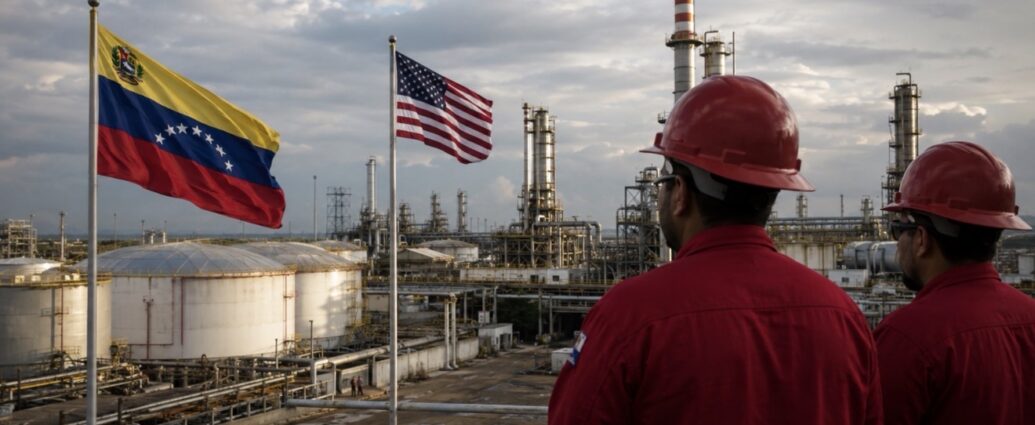
Venezuela Weighs Quitting OPEC As Washington Bids For Its Oil Fields
The country that helped build OPEC is now thinking about walking out, and the reason is sitting in Washington.
The Trump administration is negotiating with Venezuela’s interim government for an ownership stake in the country’s oil fields, two U.S. officials told Axios. The talks cover a set of high-yield producing fields holding roughly 90 billion barrels of proven crude — about one of every three barrels in Venezuela’s 300-billion-barrel reserve base, the largest of any country on earth. One official called the deal massive and said it would more than double American oil reserves.
OPEC is the obstacle. The cartel exists to set production ceilings for its members, and a country that has just handed drilling rights to American companies does not want a committee in Vienna telling it how fast it can pump. Venezuela is currently exempt from OPEC+ quotas — a courtesy extended because sanctions and broken infrastructure had already crushed its output — but any real ramp-up would run straight into those limits. Leaving solves the problem before it starts.
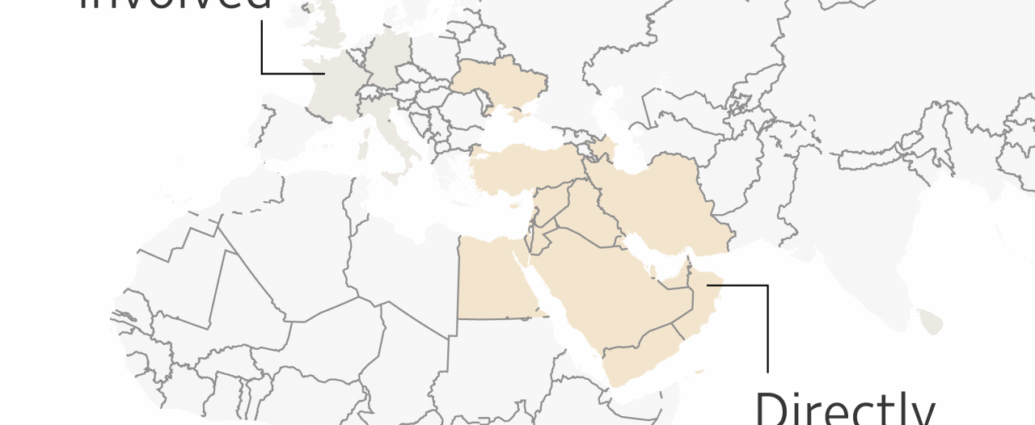
It would be a remarkable exit. Venezuela was one of the five countries that founded OPEC in 1960, alongside Saudi Arabia, Iran, Iraq and Kuwait. The United Arab Emirates already walked out effective May 1, and a second departure inside four months, this one by a founding member, would leave the group visibly weaker.
Washington’s urgency is easy to read. The wars in Iran and Ukraine have disrupted global supply and pushed prices up, and the U.S. Strategic Petroleum Reserve has fallen to a 40-year low. Heavy crude in the Western Hemisphere, under American control, is a hedge against both.
Getting the oil out is another matter. Venezuelan production has been stuck near 1.1 million barrels a day for three months, after climbing from about 920,000 at the start of the year, and early talk of a fast jump to 1.5 million has quieted as investment fails to show up. Analysts at Rystad Energy put the cost of meaningfully rebuilding capacity at around $180 billion over the next decade. Decades of neglect under PDVSA left pipelines, terminals and refineries in poor shape.
The politics shifted fast. Trump authorized the January 3 capture of Nicolas Maduro, who now faces narco-terrorism charges in New York, and said that same month that Venezuela was probably better off staying inside OPEC. That view has clearly moved.
Secretary of State Marco Rubio and Venezuelan acting president Delcy Rodriguez are leading the talks, with deputy White House chief of staff Stephen Miller heavily involved. Energy Secretary Chris Wright has discussed traveling to Caracas as soon as next week. No agreement has been reached and no timetable is set.
For American drivers, none of this changes the price at the pump this month. It is a bet on the next decade, and on who controls the barrels.
JBizNews Desk | Washington
© JBizNews.com All Rights Reserved. Reproduction or distribution without written permission is prohibited.

Opinion | The Man Who Stared Into Oblivion





More Than 1,300 Missing, 362 Dead In Nepal-China Glacier Floods
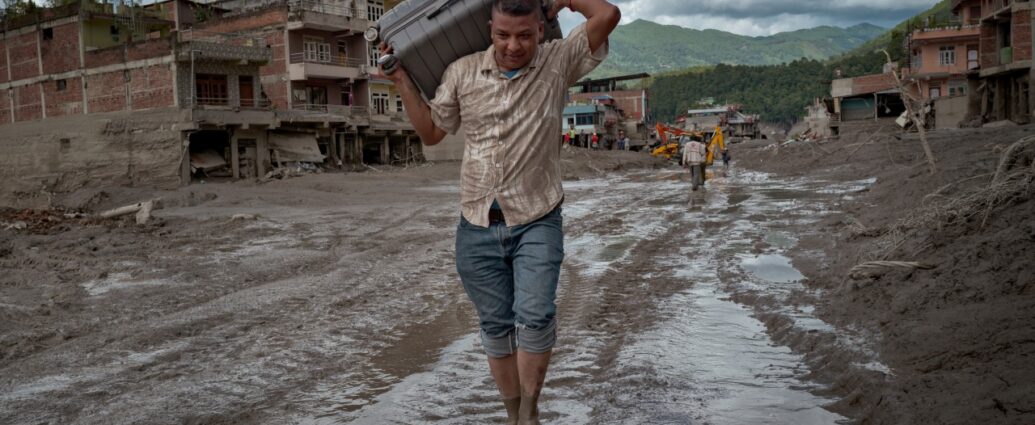
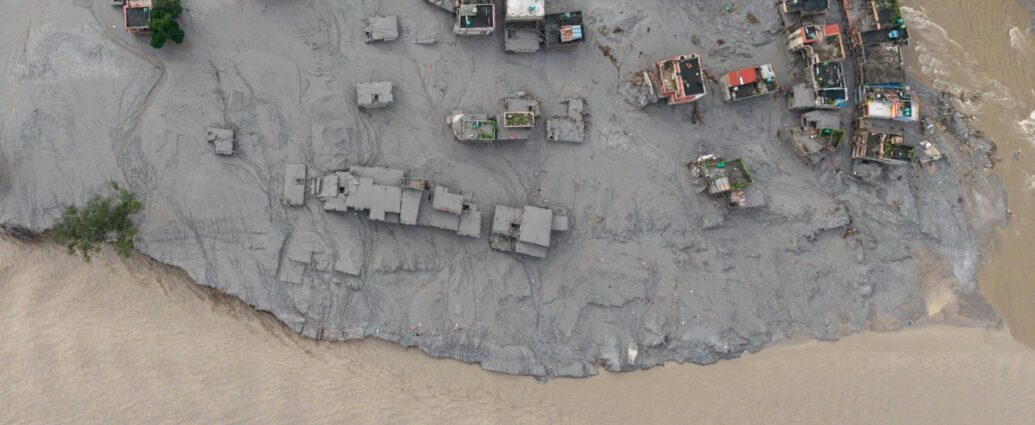
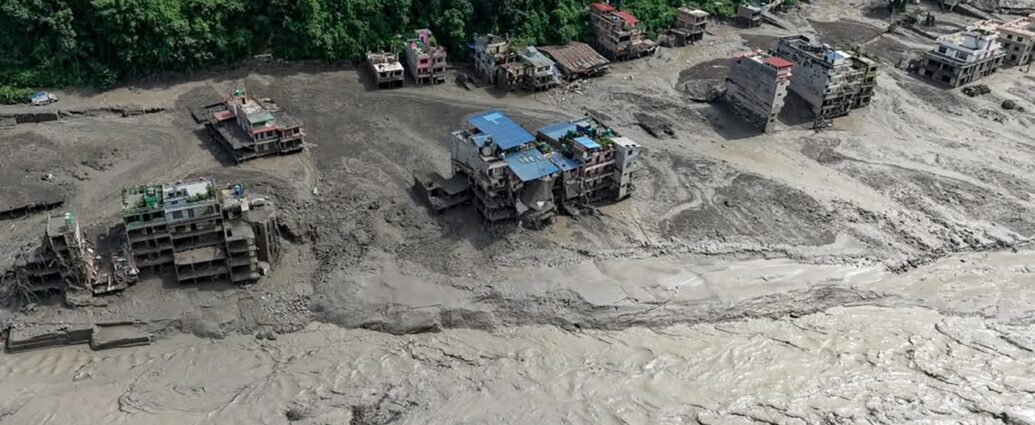
A chunk of Himalayan glacier broke loose Wednesday morning and, within roughly half an hour, killed at least 362 people and wiped out Nepal’s main overland gateway to China.
There was no rain and no warning. At about 8:40 a.m. local time, a section of the lower glacier sheared off at around 17,000 feet and fell some 3,900 feet onto the valley floor, picking up rock and sediment as it went. The resulting ice-and-rock avalanche slammed into the Lhende River in Tibet, about 12 miles northeast of the Nepal-China border crossing, sending a wall of mud and water down the Bhotekoshi into Nepal’s Rasuwa and Nuwakot districts. The U.S. Geological Survey later determined that a tremor first logged as a magnitude 4.4 earthquake was in fact the energy released by the collapse itself.
Nepal Police put the death toll at 359 as of 5 p.m. Thursday, with three more reported dead in Tibet by Chinese state media. More than 1,300 people are still missing across both sides of the border, over 700 of them foreign nationals — better than one in two of the missing. Among them are 177 Indians, 63 Americans, 34 Australians, 33 Britons and 25 Canadians.
The commercial damage runs the length of the corridor. At Rasuwagadhi-Timure, the flood swept away the customs yard along with the vehicles and imported goods parked there awaiting clearance. More than 500 vehicles are feared lost, many of them Chinese-brand cars — BYD, MG, Wuling and others — brought in through the Kerung route for upcoming auto shows. Power generation stopped at more than ten hydropower projects, including the 111-megawatt Rasuwagadhi plant, Chilime and Trishuli-3A, knocking roughly 430 megawatts offline. Two bridges are gone and stretches of the Pasang Lhamu Highway, the road linking Kathmandu to the region, are closed. With the Dashain festival weeks away, Nepal expects goods shortages, and Finance Minister Swarnim Wagle is running a response team out of the Timure customs office.
This is the second time in fourteen months the same river has done this. A July 2025 flood out of Tibet killed nine people, took out the Friendship Bridge and damaged the same dry port and power plants.
The fix is not engineering, it’s information. Nepali analysts are pressing for joint hazard mapping of the corridor with China, formal cross-border rescue protocols and a shared alert platform linking agencies on both sides — built before the next collapse rather than improvised during one. With ice loss across the Hindu Kush Himalaya running at twice its 2000 rate, communities downstream may get only minutes of notice.
JBizNews Desk | Kathmandu
© JBizNews.com All Rights Reserved. Reproduction or distribution without written permission is prohibited.

Dubai Airport Traffic Plunges 31% as Iran War Hits Global Aviation Hub
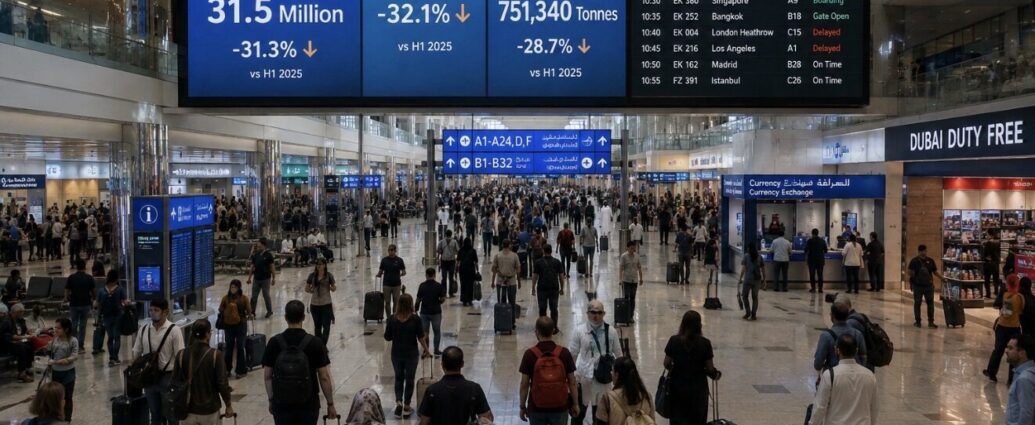
DUBAI — Passenger traffic at Dubai International Airport fell sharply in the first half of 2026 as the Iran war disrupted one of the world’s most important aviation and cargo hubs.
Dubai Airports said the airport handled 31.5 million passengers during the first six months of the year, down 31.3% from a year earlier.
Aircraft movements dropped 32.1%, while cargo volume fell 28.7% to 751,340 tonnes.
The numbers show how quickly a regional war can become a global business problem.
Dubai International is one of the world’s busiest international airports and a major connecting point between Europe, Asia, Africa and the Middle East. When flights are canceled, rerouted or reduced, the impact spreads far beyond travelers.
Airlines lose connecting traffic. Cargo shipments take longer or become more expensive. Hotels, restaurants, retailers and tourism businesses lose customers. Companies moving high-value goods through the region can also face delays and higher transportation costs.
The airport’s weakness was most severe earlier in the year, although passenger traffic improved during the second quarter as airlines gradually restored capacity.
That recovery is important, but the first-half decline remains enormous.
A 31% drop in passengers means millions fewer travelers moving through Dubai, while the nearly 29% decline in cargo highlights the wider effect on international trade.
For Emirates and other carriers using Dubai as a global transfer hub, continued geopolitical instability could make scheduling and fleet planning more difficult even if demand remains strong.
The broader lesson is that the economic impact of the Iran war is not limited to oil prices or shipping through the Strait of Hormuz.
It is also being felt in air travel, tourism, freight, logistics and international commerce.
Dubai’s traffic numbers provide one of the clearest measurements yet of just how large that disruption has become.
JBizNews Desk | Dubai
© JBizNews.com All Rights Reserved. Reproduction or distribution without written permission is prohibited.


Justice Department Revives 1800s Prize Law To Take Iranian Oil
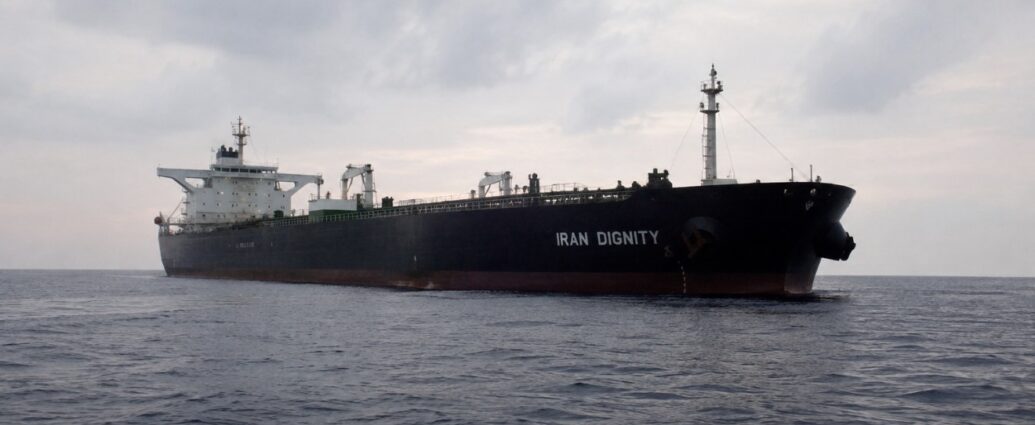
Capture an Iranian tanker at sea, sell the crude, and send the money to the U.S. Treasury.
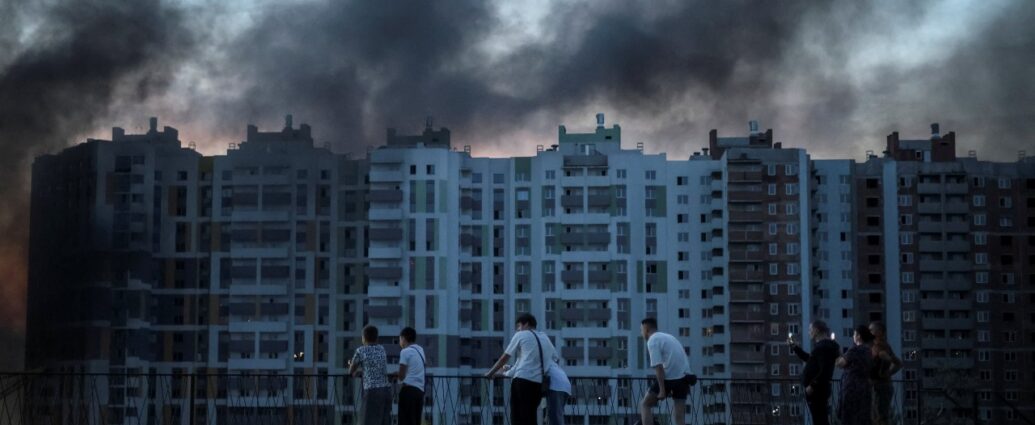
That is what the Justice Department is preparing to make routine. According to three people familiar with the plans, the department is moving to activate a wartime court that has sat unused since World War II, so oil and cargo taken from ships running the American blockade of Iran can be declared U.S. property outright.
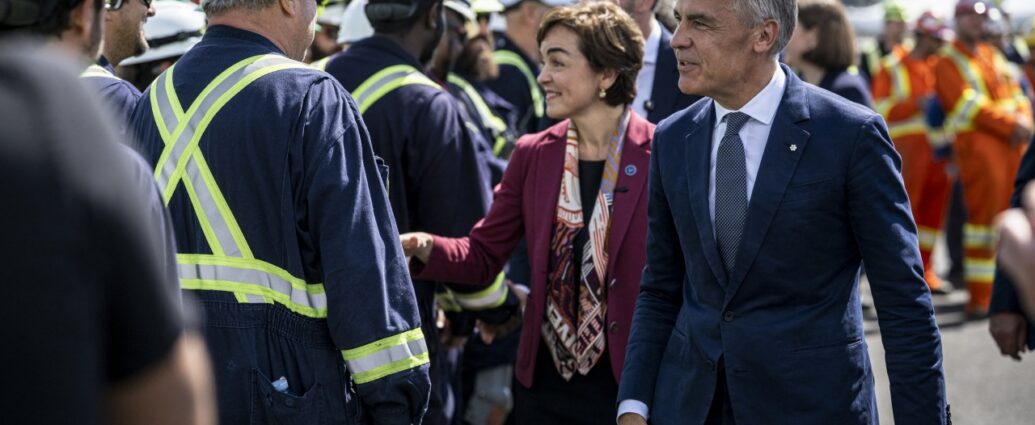
The court is called a prize court, and the word is literal. In 18th and 19th century naval warfare, a ship or its cargo captured from an enemy was a prize, and a judge ruled on whether the capture was lawful and who owned the goods afterward. Aaron Reitz, the U.S. attorney in Houston whose office is working with department headquarters on the initiative, confirmed the department is “now reviving” prize courts, which he described as an “ancient body of maritime law.”
“Our national security interests may require the United States military to seize vessels or cargo supporting the enemy during military conflict,” Reitz said in a statement. “If that happens, our federal courts must be ready to adjudicate the disposition of these captured vessels and cargo.”
The plans are not finalized. The venue under consideration is the federal trial court for the Southern District of Texas, and Houston is the practical pick: its 50-mile port serves the largest petrochemical complex in the country and can store large volumes of crude while a case runs.
The point of the change is speed. Washington currently takes captured ships through civil forfeiture, the same route used against sanctions violators, and it drags because anyone with a claim can step in. In the pending case of a supertanker seized in December carrying Venezuelan crude that supported Iran, the shipping company and families of Iranian terrorism victims holding court judgments have all intervened, bogging the sale down. Under prize law, shipowners could still appear and object, but on far narrower grounds, according to Holland & Knight maritime attorneys Allison Luzwick and Michael Frevola.
Supporters see two payoffs — cash and a signal. “It helps offset the price of the war,” said Eugene Kontorovich, an international law professor at George Mason’s Antonin Scalia School of Law. “It also shows Iran that America is really treating this as a serious international blockade and is willing to use all the tools at its disposal.”
The legal ground is untested. Prize courts have gone largely unused since the Spanish-American War in 1898, and challenges are expected over whether the conflict qualifies under the Prize Act at all and whether captures are lawful without congressional authorization of the war. Jill Goldenziel, a law professor at the National Defense University, warned in April that the same doctrine could be turned around, opening the door for China to apply prize law against American and neutral merchant ships in a future conflict.
For owners, charterers and insurers moving cargo anywhere near the Strait of Hormuz, the practical read is simpler: a ship stopped by the U.S. Navy may no longer be tied up in years of litigation before its oil is sold — it may just be gone.
JBizNews Desk | Washington, D.C.
© JBizNews.com All Rights Reserved. Reproduction or distribution without written permission is prohibited.


Opinion | India’s Global Image Problem

Trump Threatens New Action Against Canada After Tariff Retaliation
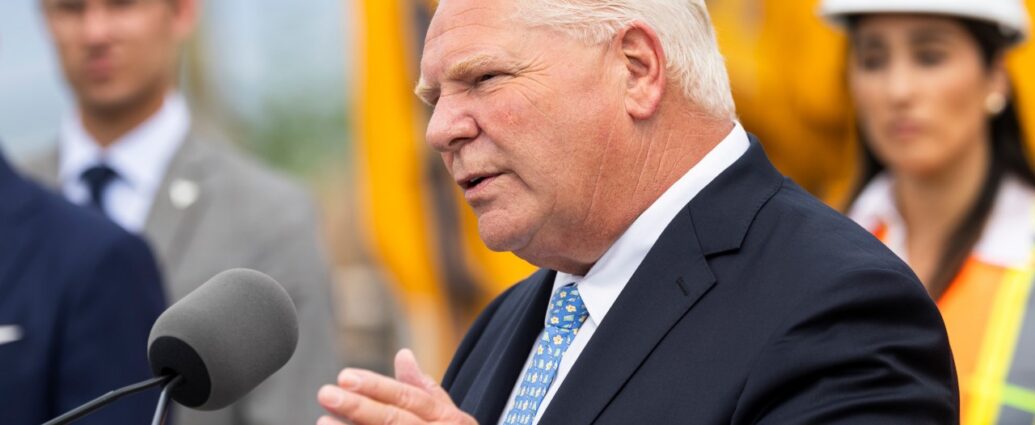
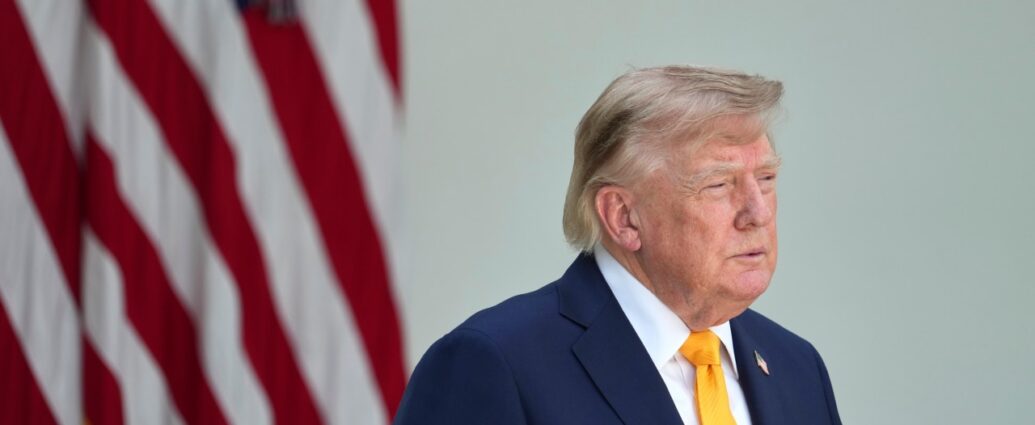
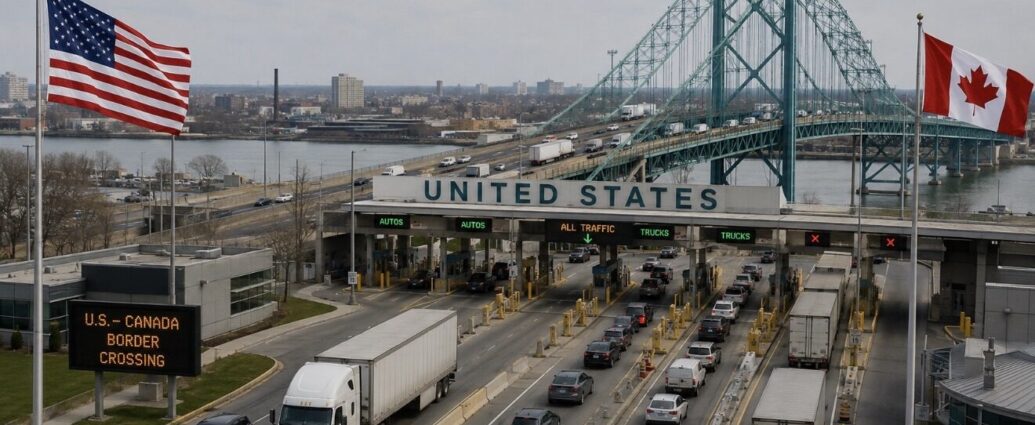
President Trump is preparing to retaliate against Canada after Ottawa announced new tariffs on nearly $20 billion in American goods.
The United States could respond with higher tariffs and other trade measures, according to a White House official. The administration has not yet disclosed what products could be targeted or when Trump will act.
The danger is a rapidly escalating cycle: Washington taxes Canadian products, Canada taxes American products, and Trump responds with still more tariffs. Businesses pay those charges at the border, but much of the cost can eventually reach families through higher prices.
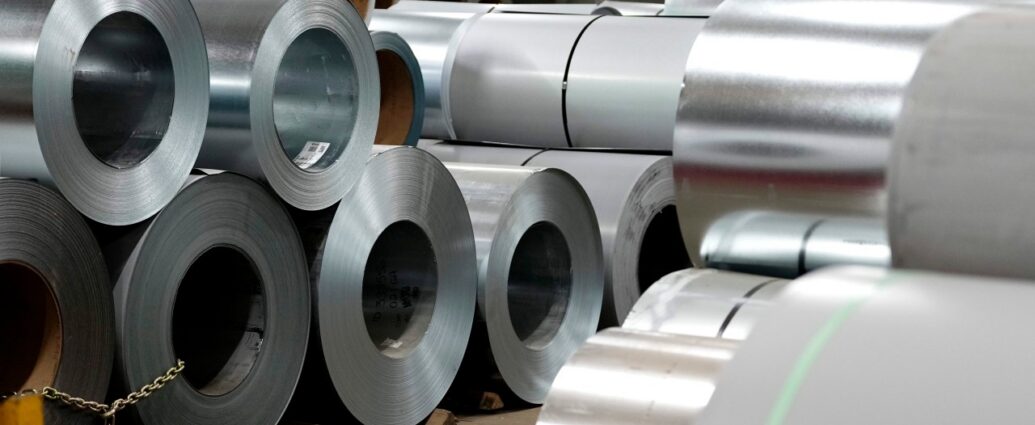
Canada’s retaliation begins Sept. 8. Its new tariffs range from 15% to 50% and cover more than 700 American-made products, including steel, aluminum, milk, furniture, clothing, smartphones and video-game consoles.
Ottawa is also providing $7.5 billion in assistance to Canadian businesses and workers affected by the trade fight.
Trump already has another major escalation planned for Jan. 1, when he says tariffs on Canadian cars, trucks and automobile parts will double from 25% to 50%.
That could add thousands of dollars to the cost of some vehicles.
Take a $40,000 Canadian-built car containing $20,000 in American parts. If only its $20,000 in non-American content is taxed, the current 25% tariff equals $5,000. At 50%, it becomes $10,000.
The buyer may not pay that entire amount directly. Automakers, suppliers and dealerships could absorb portions of it. But the cost will still appear somewhere — through higher prices, smaller discounts, reduced production or lost jobs.
Trump announced the planned increase after accusing Canada of imposing excessive tariffs on American farmers and pointing to what he described as a $60 billion trade deficit.
“Not sustainable, and NOT ANYMORE!” Trump wrote, urging automakers to move production into the United States.
But North American manufacturing is deeply connected. Vehicle parts can cross the U.S.-Canada border several times before a car is completed. An American factory may therefore pay more for Canadian components even when the finished vehicle is assembled in the United States.
The two countries had been close to an agreement. Washington offered to reduce tariffs on Canadian steel, aluminum, automobiles and lumber. In return, it demanded greater access to Canada’s protected dairy market, the reopening of provincial liquor shelves to American products and changes to Canadian trade and media rules.
The negotiations collapsed after Canada said the United States introduced last-minute demands affecting Canadian sovereignty. U.S. Trade Representative Jamieson Greer said Canada simply demanded more than Washington would accept.
Now both governments are increasing the pressure.
For Trump, the tariffs are leverage intended to protect American farmers and bring manufacturing into the United States. For consumers and businesses, however, the immediate reality is simpler: everything from vehicles and building materials to electronics and groceries could become more expensive.
Canada’s tariffs take effect Sept. 8. Trump’s doubled auto tariffs are scheduled for Jan. 1. His next move could come much sooner.
JBizNews Desk | Washington, D.C.
© JBizNews.com All Rights Reserved. Reproduction or distribution without written permission is prohibited.