Opinion | How Canada Should Fight Trump
Opinion | France Keeps Digging a Hole


Raphaël Glucksmann Wins France’s Center-Left Presidential Primary—Can the Jewish Politician and His 9/11 Survivor Partner Offer France New Hope?
Raphaël Glucksmann won France’s center-left presidential primary Sunday, securing a platform to challenge the country’s economic direction as mounting debt and school unrest put pressure on businesses, households and public services.
The European Parliament member and leader of Place Publique received roughly 66% of the primary vote. His nomination gives the Socialists and their allies a candidate promising higher wages, renewed investment in education and stronger European defense. The financial challenge is substantial: France’s public debt reached €3.5955 trillion, or 119% of its annual economic output, at the end of June, according to national statistics agency INSEE.
Glucksmann also brings a distinctive personal history to the campaign. His Jewish paternal grandparents fled Nazi Germany. His partner, prominent French journalist Léa Salamé, survived the September 11 attacks near the World Trade Center.
Their experiences add a human dimension to questions about terrorism, antisemitism and democratic leadership. But the election will also test whether Glucksmann can offer a credible answer to France’s financial troubles—and attract enough voters to govern.
His primary victory must be understood in context. The 66% came from voters participating in the center-left nomination contest, rather than the French electorate as a whole. He won the backing of one political coalition, not the presidency or leadership of the entire left.
France elects its president through a two-round national vote. A candidate wins outright by receiving more than 50% of valid votes in the first round. Otherwise, the two highest finishers advance to a runoff, where the majority winner takes office. There is no fixed percentage needed to qualify for that final round; finishing among the top two is what matters.
Glucksmann would be seeking to succeed Emmanuel Macron, who cannot serve a third consecutive presidential term. He would compete against candidates from Macron’s political camp as well as rivals across the left and right.
Unlike America’s largely two-party presidential contest, France’s election features several competing political blocs. Glucksmann’s Place Publique and Socialist allies face Jean-Luc Mélenchon’s La France Insoumise on the radical left. Greens and Communists maintain separate organizations. Macron’s centrists, Édouard Philippe’s Horizons movement, the traditional right and National Rally compete for other parts of the electorate.
That fragmentation makes coalition-building essential. The Financial Times reported Glucksmann polling around 11% nationally, compared with 32% for Marine Le Pen, with Mélenchon and Philippe also ahead. Those figures are a snapshot, but they show how much further he must reach beyond his primary supporters.
His family history helps explain the convictions he brings to that effort. His father, philosopher André Glucksmann, was the son of Jewish refugees from Nazi Germany and became an influential critic of totalitarianism. Raphaël grew up around refugees and dissidents. He later described watching his father warn political leaders about Vladimir Putin and the frustration of seeing those warnings go unanswered.
Salamé encountered terror firsthand while studying in New York. A Le Monde profile reported that she lived three blocks from the World Trade Center and had gone out to buy a pastry on September 11, 2001. Caught in the dust and shock of the first tower’s collapse, she was knocked down, injured in the arm and ran north through Chinatown toward NYU at Washington Square.
That survival should not be presented as proof of her political views. It does establish that terrorism’s consequences are part of her lived experience.
France’s own security concerns remain acute. A government response published by the National Assembly recorded 1,320 antisemitic acts in 2025. The figure fell from 2024 but remained historically elevated.
Glucksmann has criticized failures to counter Islamist influence in neglected neighborhoods. His Jewish heritage does not mean blanket support for Israeli policy: he advocated suspending the EU’s association agreement with Israel over its conduct in Gaza in May 2025.
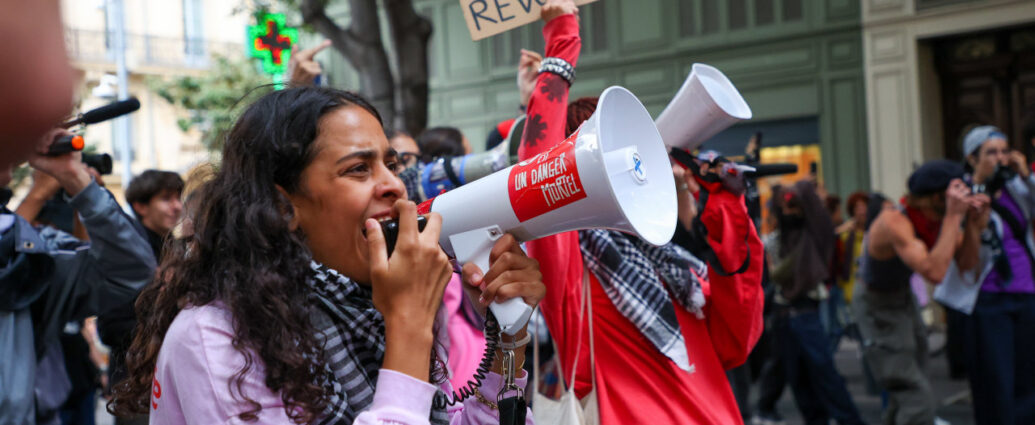
For employers and families, security and economic confidence intersect. Reuters reported that three Paris storefronts were damaged during October 6 school protests. Students’ complaints included deteriorating buildings and teacher shortages. Rights groups accused authorities of disproportionate force; the government said outsiders had hijacked parts of the movement.
Such disruption creates immediate costs, while interrupted education threatens the future workforce. Addressing those problems requires spending at a time when France’s debt burden limits its room to maneuver.
Glucksmann’s agenda includes higher workers’ pay, taxes on large inheritances, education investment and stronger European defense. Businesses will need to assess the eventual proposals for their effects on labor costs, taxation and investment. Households will judge whether wage gains and better services outweigh any additional burdens.
His primary victory opens a path to the presidency, but does not establish that France has found its economic or political answer. The next test is whether he can assemble a broader coalition and explain how his promises will be financed. Meanwhile, the government has ordered initial proposals to address students’ demands by the end of October—a nearer deadline for a country seeking tangible results.
JBizNews Desk | Paris
© JBizNews.com. All rights reserved. This article is original reporting by JBizNews Desk. Unauthorized reproduction or redistribution is strictly prohibited.

The Welfare State Is Crushing Britain
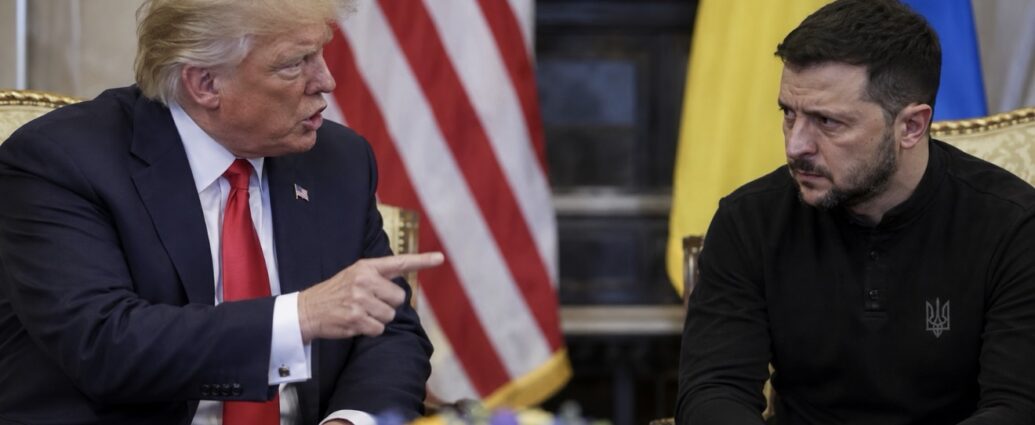
Trump Announces Russia-Ukraine Ceasefire After Explosive Clash With Zelenskyy, but Questions Remain Over Agreement
Trump declares an immediate halt to attacks on energy infrastructure as tensions with Ukraine intensify over Russian oil, American fuel prices and a controversial diesel deal with Moscow.
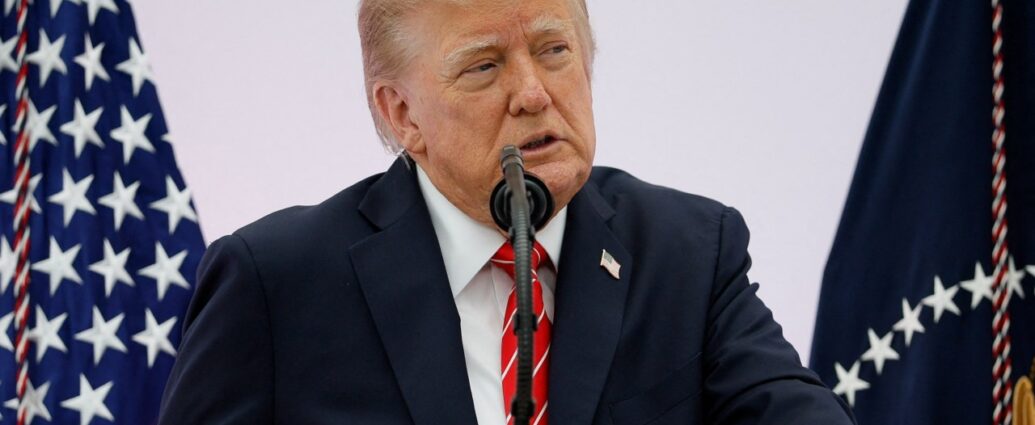
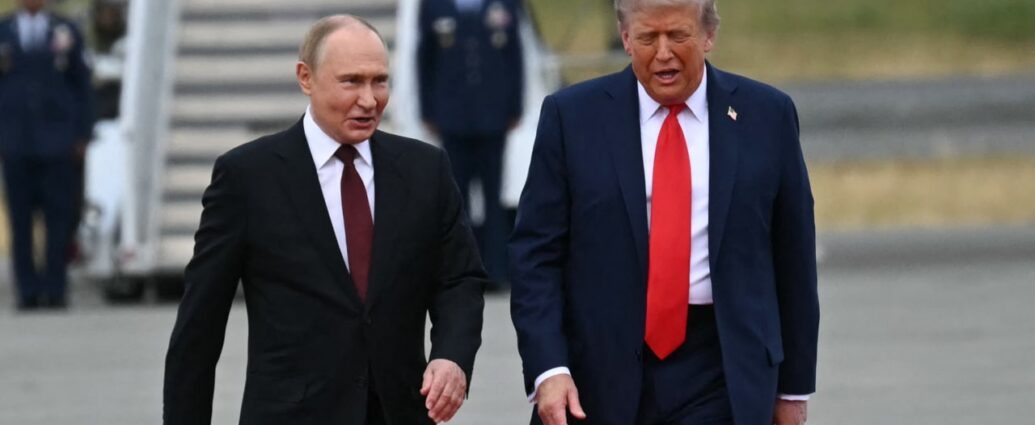
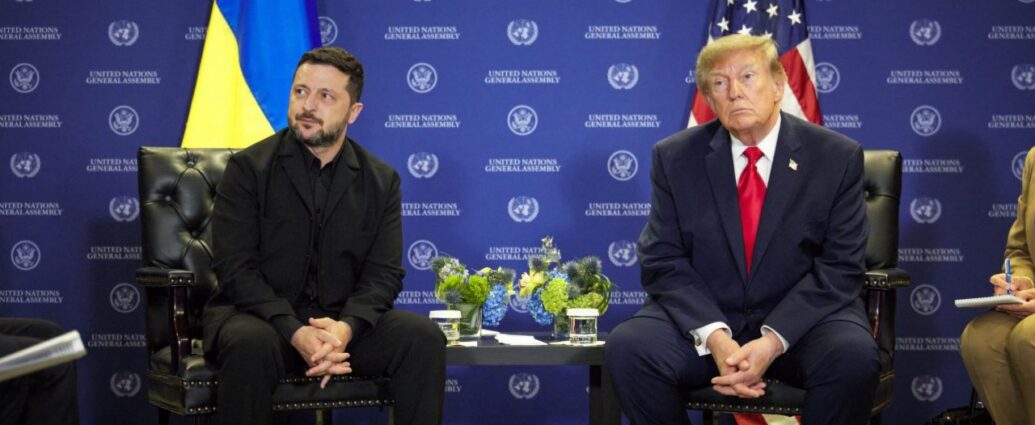
President Donald Trump announced Sunday that Russia and Ukraine had agreed to an immediate ceasefire targeting energy infrastructure, a potentially significant diplomatic breakthrough following a sharp confrontation with Ukrainian President Volodymyr Zelenskyy.
But hours after Trump’s announcement, uncertainty remained over whether the agreement had actually been finalized.
“Effective immediately, there is an ENERGY CEASEFIRE in the War between Russia and Ukraine. Both parties have agreed. Do not break it!” Trump wrote on Truth Social.
Zelenskyy, however, said the announcement came as news to him. Ukraine expressed willingness to participate, provided Russia also stopped attacking Ukrainian energy facilities. Moscow had not publicly confirmed the agreement.
Trump and Zelenskyy Clash Over Russian Oil
The ceasefire announcement followed an increasingly heated dispute between Washington and Kyiv over Ukraine’s continued attacks on Russian oil refineries.
Trump accused Zelenskyy of contributing to rising global fuel prices and suggested Ukraine needed a new leader capable of negotiating with Russian President Vladimir Putin.
The confrontation intensified after Washington reached a controversial agreement allowing Russian diesel supplies to enter global markets through temporary sanctions relief.
Zelenskyy criticized the arrangement, warning that easing economic pressure on Moscow could provide Russia with additional revenue to continue financing its war.
Trump, meanwhile, has been seeking ways to lower American fuel prices, which have climbed amid the ongoing conflict involving Iran and disruptions to international energy supplies.
Why the Ceasefire Matters for Global Energy Markets
The proposed ceasefire would not end the war or require Russian and Ukrainian forces to withdraw from their positions.
Instead, it would halt attacks on energy facilities, including oil refineries and electricity infrastructure.
Ukraine has increasingly targeted Russian refineries to disrupt fuel production and weaken Moscow’s ability to finance military operations.
Russia has repeatedly struck Ukraine’s electricity and heating infrastructure, leaving millions vulnerable to power outages, particularly during winter.
A sustained halt to these attacks could reduce pressure on energy supplies, ease some disruption to refining operations and lower the risk of further damage to Ukraine’s power grid.
For businesses, transportation companies and consumers, the potential implications extend well beyond Eastern Europe.
Energy prices affect shipping expenses, manufacturing costs, agricultural operations and ultimately the prices Americans pay for everyday goods.
However, the announcement alone does not guarantee lower fuel prices. Any meaningful market impact would depend on whether the ceasefire holds and whether energy production and distribution stabilize.
Zelenskyy Demands Guarantees as Trump Pushes for Results
Zelenskyy has indicated that Ukraine is prepared to stop attacking Russian oil refineries if Moscow ends its strikes against Ukrainian energy infrastructure.
He has also insisted that any arrangement must be reciprocal and supported by credible guarantees.
The Ukrainian president separately offered to organize national elections if Russia agreed to a 60-day ceasefire, responding to Trump’s criticism of his continued leadership during wartime.
For Trump, the announcement represents another attempt to use American diplomatic and economic leverage to bring the conflict toward a negotiated settlement.
For Ukraine, the central concern remains whether Russia will honor its commitments without receiving concessions that strengthen Moscow’s position.
The Agreement Now Faces Its First Test
The immediate question is whether Russian and Ukrainian attacks on energy infrastructure actually stop.
Previous attempts to establish limited ceasefires have failed to produce lasting results, and Trump’s announcement did not include details about enforcement, monitoring or consequences for violations.
Until both governments confirm the terms and demonstrate compliance, the ceasefire remains an American presidential announcement rather than a fully verified agreement.
The stakes are significant: A successful energy ceasefire could protect critical infrastructure, ease pressure on fuel markets and create an opening for broader peace negotiations. A failed agreement would leave the war—and its economic consequences—largely unchanged.
For now, the world is waiting to see whether Trump’s announcement translates into action on the ground.
JBizNews Desk | Washington, D.C.
© 2026 JBizNews. All Rights Reserved.
What Changed in Business. Why It Matters. What It Means for You.
Saudi Airport Attacks Expose Air-Defense Gaps as Interceptor Supplies Run Low
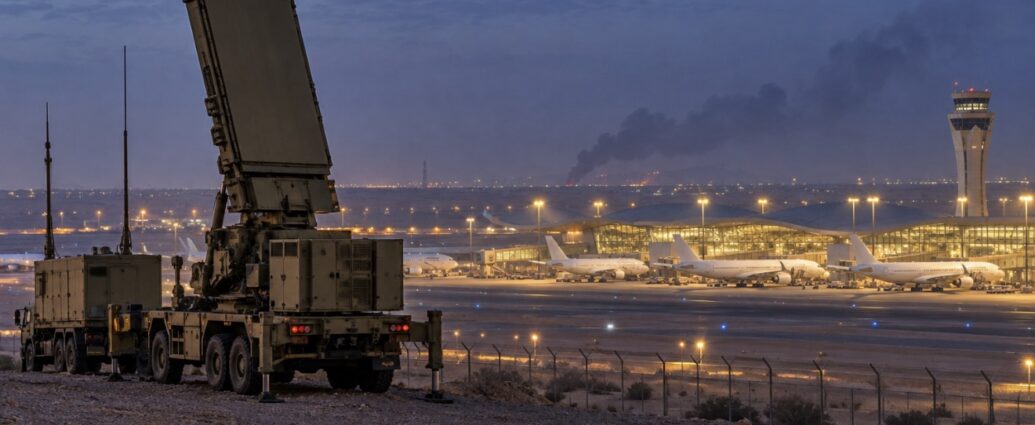
Repeated attacks on Riyadh’s international airport are disrupting flights and a major energy gathering while exposing a critical question: how are incoming weapons reaching civilian infrastructure despite Saudi Arabia’s sophisticated air defenses?
The kingdom is facing a broader campaign involving missiles and drones. Saudi Arabia has not been confirmed to have exhausted its interceptor missiles, but the Associated Press reports that supplies are running low and that Riyadh has requested additional air-defense support from allies.
The distinction matters. Saudi defenses are still intercepting weapons. They are also failing to prevent damaging airport impacts.
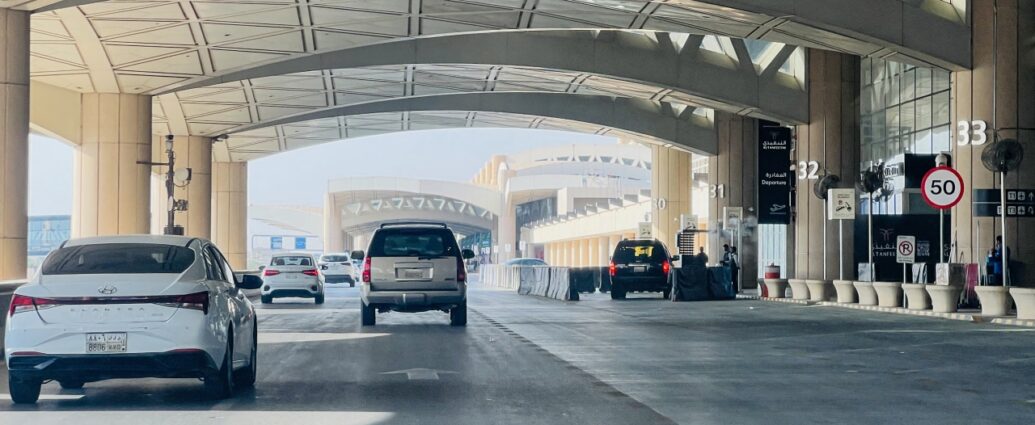
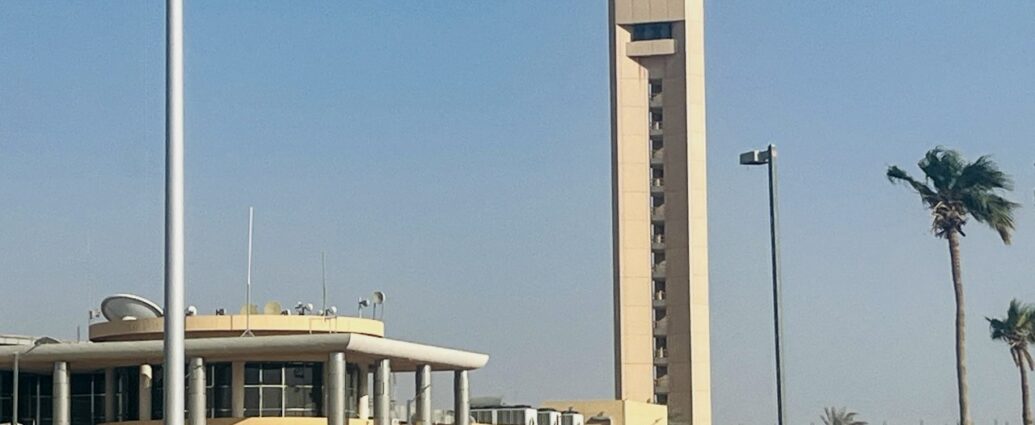
On Sunday, October 11, Saudi authorities reported an unidentified projectile striking Terminal 4 at King Khalid International Airport, causing a fire and injuries. The Saudi-led coalition separately announced that a cruise missile had been intercepted nearby.
Authorities have not publicly established whether the terminal was hit by an intact weapon or debris from an interception. Saturday’s deadly airport attack was reported as a missile strike. It killed 13 people and wounded more than 300.
The airport remained closed Sunday, complicating travel as the WPC Energy Congress began its October 11–15 gathering. Some international oil executives canceled attendance, while other participants switched to remote appearances.
The attacks illustrate why possessing advanced interceptors does not guarantee protection. A defense must detect a threat, identify it, track its flight and destroy it before it reaches a vulnerable target. A failure at any stage can allow damage.
Different weapons challenge different parts of that process. Ballistic missiles climb high before descending rapidly. Cruise missiles use powered flight and can approach at low altitude. Attack drones are unmanned aircraft carrying explosives, often presenting smaller targets.
Low altitude is especially difficult for ground-based radar. The curvature of the Earth and intervening terrain limit what a radar can see. A cruise missile can remain outside its line of sight until relatively close, shortening the time available for an interception.
CSIS research identifies elevated sensors—including aircraft and tethered radar platforms—as a way to extend detection range. Earlier warning gives defenders more time to engage and civilians more time to take protective action.
But an airport impact does not prove that the weapon flew entirely undetected. It could have been detected late, unsuccessfully engaged or intercepted without eliminating the danger below. Saudi authorities have not released enough technical evidence to determine which happened in the latest attacks.
Multiple simultaneous threats create another problem. Combined missile and drone attacks can strain radar tracking and interception capacity. That is a documented vulnerability of air defenses, rather than a verified explanation for Sunday’s strike.
Ammunition availability adds pressure during prolonged attacks. Interceptor stocks must be replenished while defenders protect airports, cities, military facilities and energy infrastructure. The reported Saudi shortage is therefore significant, but no verified public inventory establishes how many interceptors remain or whether a particular battery ran out.
Israel’s defenses differ in their architecture. Arrow forms the upper layer against ballistic missiles. David’s Sling covers threats including missiles, cruise missiles, aircraft and drones. Iron Dome provides another layer against shorter-range threats.
Saudi Arabia also possesses advanced capabilities. The U.S. Missile Defense Agency describes Patriot as capable of engaging short-range ballistic missiles and cruise missiles, while THAAD is designed for ballistic-missile interception. THAAD’s high-altitude role does not make it a substitute for protection against low-flying drones.
The comparison is therefore about the combination of sensors, weapons, command systems and coverage—not simply whether one country has an “Iron Dome.” Israel’s layered approach provides different interception options, but it does not establish that Saudi Arabia’s latest failures resulted from inferior equipment. Nor does any layered system guarantee that every threat will be stopped.
Strengthening airport protection requires earlier detection, overlapping defensive coverage, reliable interceptor replenishment and systems suited to the incoming weapons. Saudi requests for allied support address part of that need.
Civilian protection remains essential while those measures are assessed. Airport closures, timely warnings and sheltered areas reduce exposure. EASA also warns that interception activity and falling debris can endanger aircraft, meaning a successful shootdown does not automatically make operations safe.
The immediate task is to establish what struck the airport and where the defensive chain failed. Until that assessment is available, claims that Saudi Arabia has no ammunition left—or that a single additional weapon system would solve the problem—go beyond the evidence.
JBizNews Desk | Riyadh
© JBizNews.com. All rights reserved. This article is original reporting by JBizNews Desk. Unauthorized reproduction or redistribution is strictly prohibited.
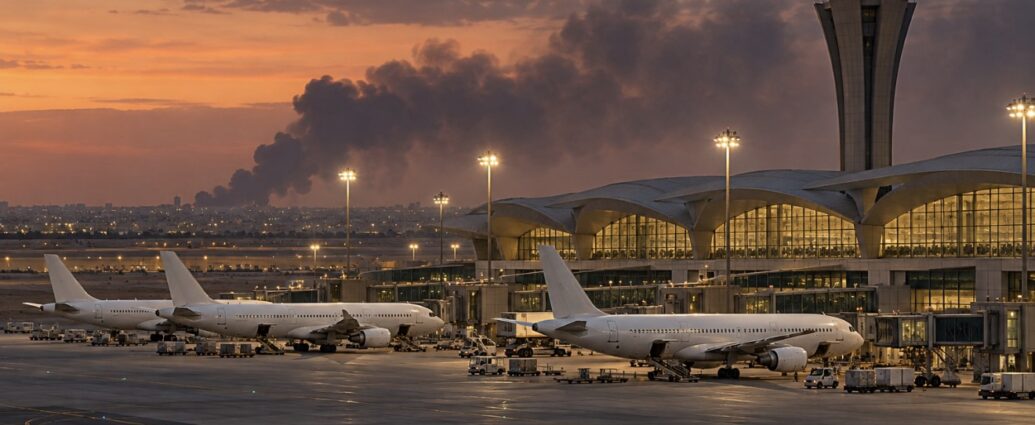
Riyadh Airport Hit Again as Major Energy Congress Begins and Oil Chiefs Cancel Trips
Saudi Arabia’s major energy gathering began Sunday, October 11, with Riyadh’s main airport closed, another attack striking its passenger terminal and senior international oil executives canceling their trips. The WPC Energy Congress is proceeding through October 15, but the attacks are already disrupting the attendance it was built around.
Executives from ExxonMobil, Shell, BP and TotalEnergies were among those withdrawing, according to Financial Times reporting. Italy’s energy minister switched to video participation in a related ministerial meeting. Other officials reached Riyadh, but now face uncertainty over how they will leave.
The gathering has not been canceled. Its formal inauguration, main conference sessions and exhibition are scheduled to begin Monday, October 12, at the Riyadh Front Exhibition and Conference Center. Sunday’s program includes ministerial meetings and a welcome reception.
The airport crisis reaches directly into the congress’s purpose: bringing energy decision-makers together to discuss investment, production and the reliability of global supplies. With flights suspended and executives withdrawing, organizers are trying to preserve those discussions while access to the Saudi capital remains disrupted.
The Saudi-led coalition said an unidentified projectile struck Terminal 4 at King Khalid International Airport on Sunday, causing a fire. Saudi aviation authorities reported injuries but had not released a number. Air defenses separately intercepted a cruise missile near the airport.
The renewed attack followed Saturday’s strike, which killed 13 people and wounded more than 300. The death toll increased Sunday after India’s embassy announced that an injured Indian citizen had died.
King Khalid remained closed Sunday. For incoming delegates, that means a conference registration and a scheduled speaking slot offer no assurance of reaching the venue.
Flight suspensions were already extending into the conference week. Reuters reported that Lufthansa had suspended Riyadh services through October 16—covering the entire congress. Etihad and flydubai had also canceled services scheduled for October 10.
Some international participation is continuing. Saudi Energy Minister Prince Abdulaziz bin Salman addressed the gathering Sunday, while the 17th International Energy Forum ministerial meeting proceeded at the Ritz-Carlton Riyadh. Saudi Arabia is hosting that meeting, with Italy and Nigeria as co-hosts.
Italian Energy Minister Gilberto Pichetto Fratin chose to participate remotely. German Economy Minister Katherina Reiche was in Riyadh, but officials were examining alternatives for her planned Monday return to Berlin because the airport closure threatened her departure.
Those examples show the practical divide facing organizers: some participants are present, some have switched to remote attendance and others have abandoned their trips.
The 25th WPC Energy Congress anchors a broader Riyadh Energy Week. Its official program covers energy security, resilient supplies, production and the integration of lower-carbon technologies. It brings together government officials, company leaders, engineers and researchers alongside an industry exhibition.
Organizers had promoted attendance of more than 25,000 participants. No updated turnout or total cancellation figure has been verified. That advertised number cannot be presented as the crowd that actually arrived.
Alternative travel arrangements are also under pressure. Organizers previously suggested flying to Dammam and completing an approximately four-hour drive to Riyadh. The Houthis subsequently claimed an attack on Dammam’s airport; Reuters reported no immediate Saudi confirmation. Delegates considering that route face another changing security picture.
European aviation guidance reinforces the operational difficulty. EASA’s October 9 bulletin advises covered airlines to avoid specified portions of Saudi airspace and exercise caution elsewhere, citing missiles, drones, interception activity and falling debris.
Saudi Arabia is maintaining its event calendar, including the separate Future Investment Initiative scheduled for October 26–29. But this week’s congress is already proceeding with prominent withdrawals and disrupted travel.
Monday’s inauguration is the next immediate test. The sessions remain scheduled; the unresolved question is how many of the international leaders expected to shape them can reach Riyadh—and whether those already there can depart safely.
JBizNews Desk | Riyadh
© JBizNews.com. All rights reserved. This article is original reporting by JBizNews Desk. Unauthorized reproduction or redistribution is strictly prohibited.
Flydubai Passengers Plan Massive Lawsuit Against Airline, Israel and UAE
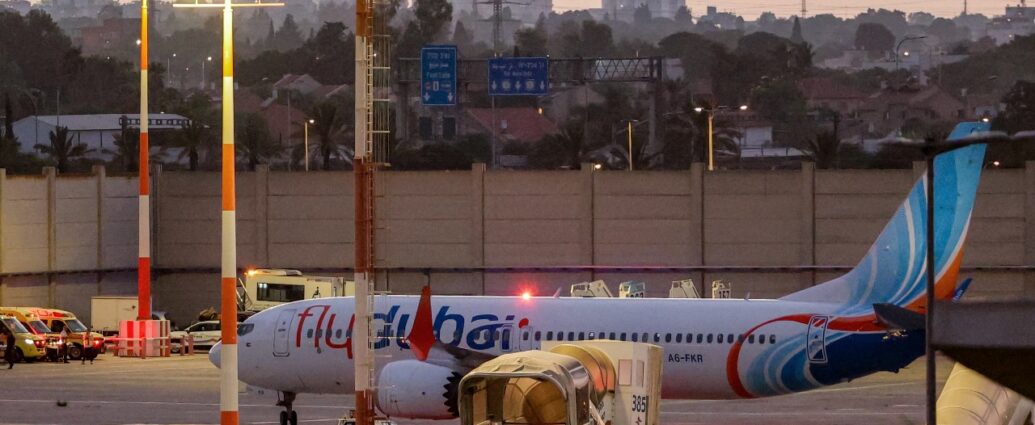
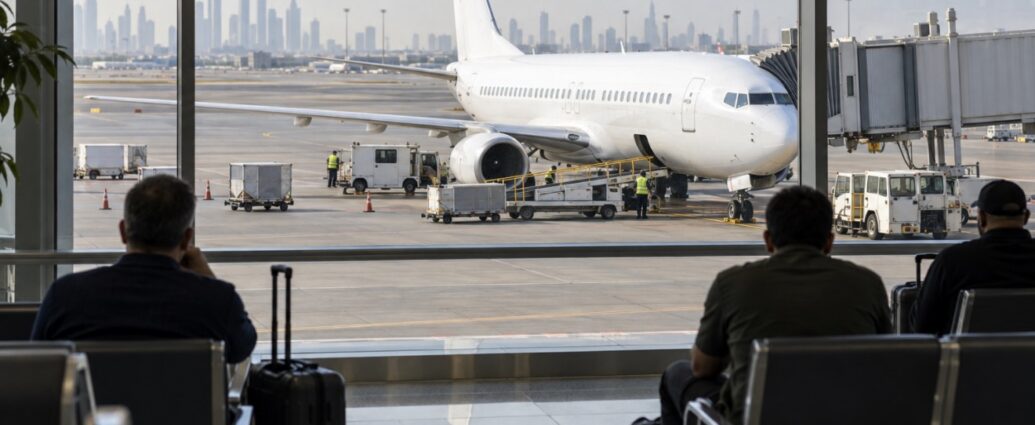
About 100 passengers aboard the flydubai flight attacked by its copilot on September 30 are preparing a proposed class action seeking hundreds of millions of dollars from the airline and the transportation ministries of Israel and the United Arab Emirates, according to Calcalist, cited Sunday by The Times of Israel.
The effort would bring a financial claim alongside the criminal investigation into Flight FZ1073, turning questions about pilot screening and aviation oversight into a potential legal battle over responsibility and compensation.
The passengers have formed a committee led by Tzvika Manes, a banking executive who helped restrain the attacker. The committee is seeking legal representation. Approximately 100 of the flight’s 174 passengers have joined the effort, according to the report.
The legal action remains in preparation. The report does not identify a filed complaint, a court or a hearing date.
Earlier estimates cited by Israeli media suggested compensation of $200,000 to $250,000 per passenger. Across 174 passengers, that would amount to $34.8 million to $43.5 million. Those estimates are separate from the reported intention to seek hundreds of millions, and neither represents an award or settlement.
The distinction matters: a proposed demand establishes what claimants intend to seek, while the amount recoverable depends on the claims, evidence and applicable law.
The UAE’s attorney general provided a detailed account of the attack on October 9. Prosecutors said the Omani copilot intended to seize the aircraft and crash it into the passenger terminal at Ben Gurion Airport, aiming to cause mass casualties.
According to the official statement, the suspect used two earlier flights to familiarize himself with the route and airport before carrying out the attack during his third flight to Tel Aviv.
Prosecutors said he assaulted the captain with an emergency axe. Another pilot aboard the aircraft intervened with assistance from a cabin crew member and passengers. Reserve pilots regained control and landed the aircraft at Tabuk Airport in Saudi Arabia.
The investigation also examined his recruitment. UAE prosecutors said he had met flydubai’s professional and security requirements, including licensing, a good-conduct certificate and required checks. Those procedures, they said, had revealed no indication of extremist views or an intended attack.
That finding sets out the authorities’ account of the screening process. It does not resolve the passengers’ proposed civil claims.
International aviation rules provide a framework for certain passenger claims against airlines. The International Civil Aviation Organization explains that Article 17 of the Montreal Convention addresses carrier liability for death or bodily injury caused by an accident aboard an aircraft or during boarding or disembarkation.
That framework does not establish an automatic payment for everyone aboard this flight. Any eventual claim would require assessment of the injuries, evidence and legal requirements. The convention’s provisions on airline liability also do not, by themselves, establish government liability.
The potential dispute involves a substantial international carrier. Reuters reported that flydubai transported 15.7 million passengers in 2025, generating approximately $3.7 billion in revenue and $531 million in after-tax profit. Any eventual financial exposure remains uncertain until claims are filed and assessed.
The next steps are the appointment of lawyers and the submission of a complaint setting out the defendants, damages sought and legal basis. Separately, UAE prosecutors say they continue to examine evidence and possible accomplices, despite the suspect’s statement that he acted alone.
JBizNews Desk | Jerusalem
© JBizNews.com. All rights reserved. This article is original reporting by JBizNews Desk. Unauthorized reproduction or redistribution is strictly prohibited.
Opinion | The ICC Is a Threat to America