If America Cannot Stop Iran and the Houthis, How Will It Stop China, Russia and North Korea?
By Duvi Honig, Founder & CEO, Orthodox Jewish Chamber of Commerce
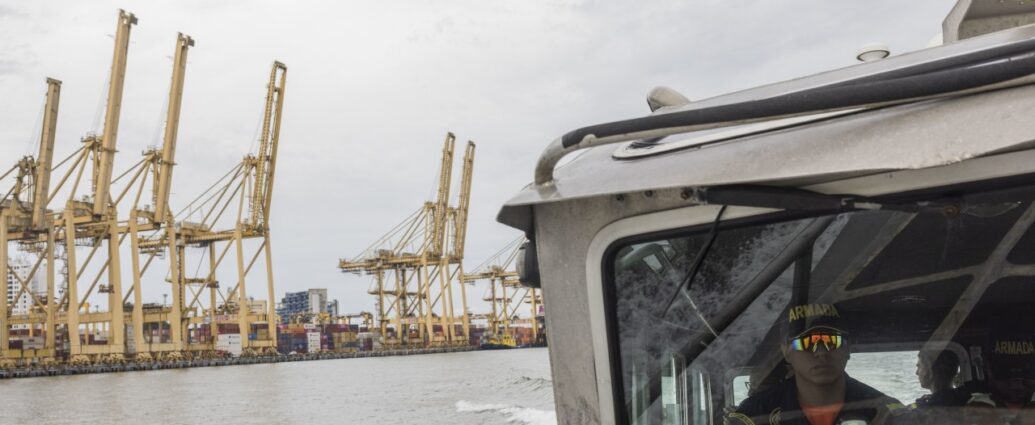
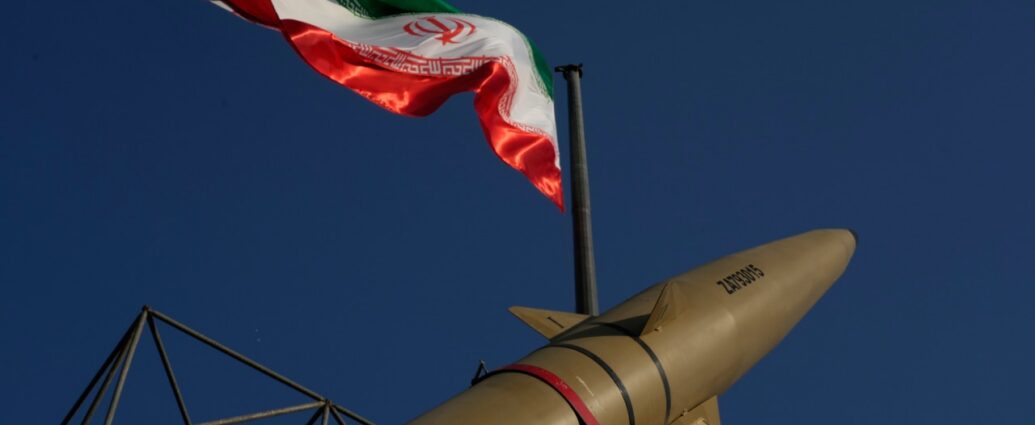
The United States has the most powerful military in the world. Yet Iran and the Houthis continue threatening international shipping, launching missiles and drones, and disrupting global commerce.
If America is struggling to stop these threats, what happens when it faces China, Russia or nuclear-armed North Korea?
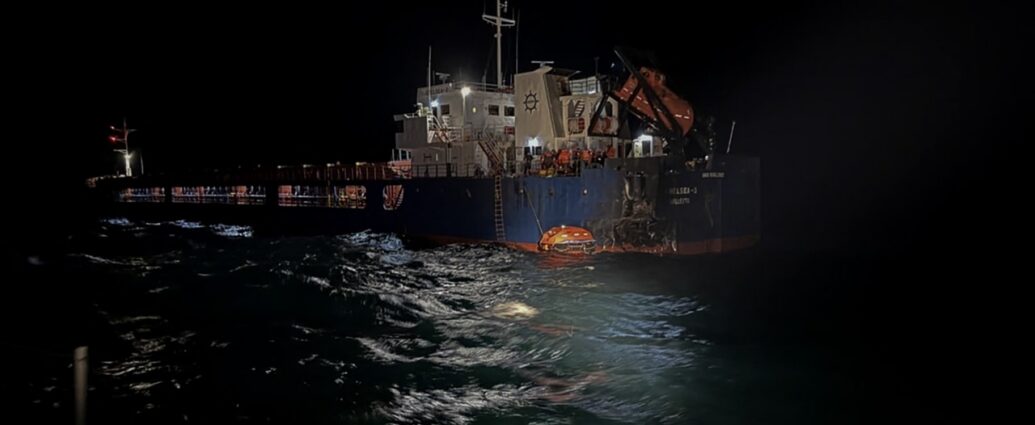
Iran and the Houthis are not military superpowers. Yet their attacks threaten oil supplies, disrupt aviation, increase shipping costs and place pressure on businesses and consumers worldwide.
The concern goes beyond military strength. It is about America’s ability to sustain that strength.
A relatively inexpensive drone can force the use of an interceptor costing millions of dollars. Every missile fired must eventually be replaced, sometimes through a manufacturing process that takes years.
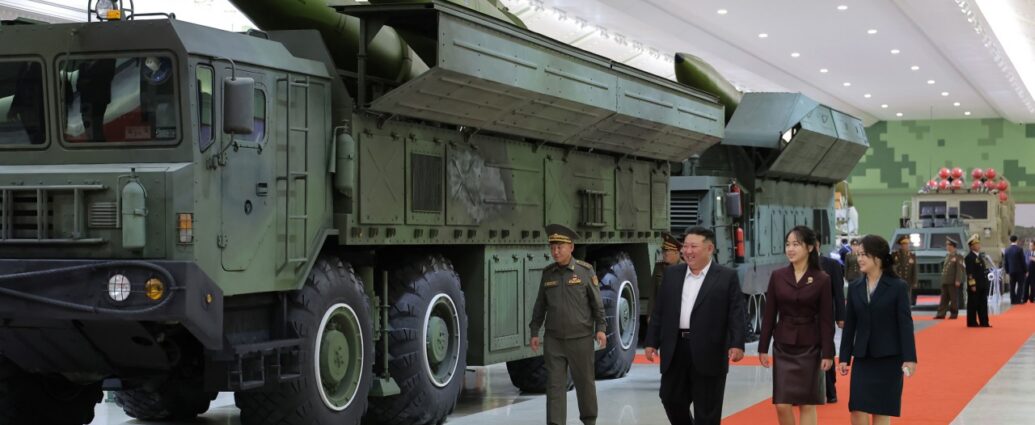
Meanwhile, China is expanding its military, Russia continues challenging European security, and North Korea is strengthening its nuclear capabilities.
What happens if several of these adversaries act at the same time?
Imagine China moving against Taiwan, Russia escalating in Europe, North Korea threatening South Korea, and Iran and the Houthis disrupting Middle Eastern shipping.
Can America defend all these fronts simultaneously without exhausting its weapons, stretching its military and damaging its economy?
And what happens to global commerce when major shipping routes, energy supplies and semiconductor production are threatened at once?
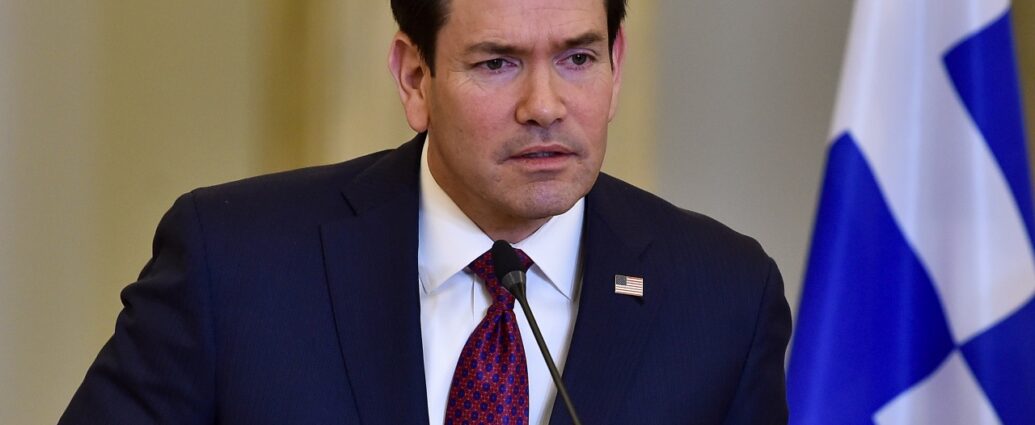
President Trump has emphasized peace through strength. But strength must deliver results, not simply demonstrate the ability to launch powerful attacks.
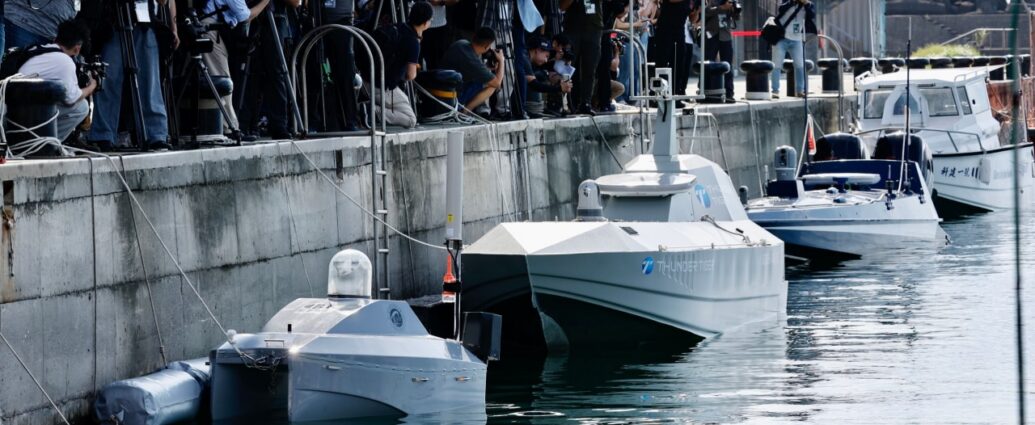
America needs greater weapons production, stronger missile defenses, more affordable technology to stop drones and allies capable of carrying more of the burden.
Most importantly, military success must be measured by whether threats are actually stopped, not simply by how many targets are destroyed.
If smaller adversaries can repeatedly disrupt international commerce despite America’s military superiority, what message does that send to the world’s major powers?
China, Russia and North Korea are watching. They are measuring America’s capabilities, its weapons stockpiles and its ability to sustain prolonged conflicts.
The question is no longer whether America has the strongest military in the world.
The question is whether America has the strategy, resources and staying power to confront multiple threats before its enemies discover the limits of that strength.
JBizNews | Opinion
© 2026 JBizNews. All rights reserved.


Apple Hits $5 Trillion Valuation, Joining Nvidia in Historic Milestone as New CEO Faces AI Challenge
Apple shares rise to a record closing high despite a major technology selloff, placing new CEO John Ternus under pressure to deliver the company’s next generation of innovation.
CUPERTINO, Calif. — Apple became only the second company in history to close above a $5 trillion market valuation Wednesday, joining Nvidia in an exclusive club as investors bet that the iPhone maker can maintain its extraordinary growth under newly appointed Chief Executive John Ternus.
Apple shares rose 0.5% to a record closing price of $342.96, pushing the company’s market capitalization to approximately $5.005 trillion.
The milestone came during a difficult session for Wall Street. The Nasdaq Composite fell 1.88%, Nvidia declined more than 3%, and several major artificial intelligence companies suffered sharp losses as investors reacted to hotter-than-expected inflation and renewed concerns about interest rates.
Apple stood out as one of the few major technology stocks to finish higher.
The achievement also marks a significant moment in the company’s leadership transition. Ternus, who succeeded Tim Cook on September 1, inherits a business transformed into one of the most valuable enterprises in history, but faces questions about whether Apple can lead the next technological revolution rather than follow its competitors.
Apple Reaches $5 Trillion — The Numbers
Market capitalization
$5.005T
First closing valuation above $5 trillion
AAPL closing share price
$342.96
+0.5%
2026 year-to-date gain
~26%
Nvidia valuation
~$5.3T
October 14, 2026, closing market data.
Apple had briefly surpassed $5 trillion during trading sessions earlier this year, including in July. Wednesday marked the first time it maintained that valuation through the closing bell.
The distinction matters to investors because a closing valuation provides a more established benchmark than a temporary intraday move.
Tim Cook Leaves Behind a $5 Trillion Enterprise
Cook’s 15-year tenure reshaped Apple from a company largely dependent on the success of individual hardware products into a global consumer technology business with enormous recurring services revenue.
During his leadership, Apple’s market value increased approximately thirteenfold, annual iPhone sales expanded substantially, and services revenue climbed from approximately $10 billion to more than $100 billion annually.
Apple also returned more than $1 trillion to shareholders through dividends and share repurchases.
Cook’s operational discipline, global supply chain management and emphasis on profitability helped Apple generate enormous cash flow without adopting the same level of artificial intelligence infrastructure spending as some competitors.
That approach has become particularly relevant as investors question whether the enormous capital commitments made by AI-focused technology companies will produce sufficient returns.
Cook now serves as Apple’s executive chairman, leaving Ternus responsible for the next phase of the company’s development.
Can John Ternus Deliver Apple’s Next Major Breakthrough?
Ternus inherits a company with extraordinary financial strength, worldwide brand recognition and a customer base deeply integrated into Apple’s products and services.
But maintaining that position will require more than releasing updated versions of existing devices.
Apple has faced criticism for moving more slowly than competitors in generative artificial intelligence, particularly as Microsoft, Google, Nvidia, OpenAI and other companies invest aggressively in new AI products and services.
Apple recently introduced an upgraded Siri assistant developed with assistance from Google’s AI technology, while expanding its product portfolio with the foldable iPhone Duo and new smart-home devices.
The company this week unveiled HomeView, a $299 smart-home hub designed to connect household devices and place its AI-powered Siri at the center of customers’ homes.
These products are part of Apple’s effort to develop new sources of revenue beyond its traditional smartphone business.
Yet the challenge remains substantial: Apple must demonstrate that its next generation of products can create new consumer demand rather than simply encourage existing customers to upgrade their devices.
Why Apple’s Valuation Matters to Investors
At $5 trillion, even modest percentage changes in Apple’s share price represent enormous shifts in market value.
A 1% movement is equivalent to roughly $50 billion, demonstrating the scale at which Apple now operates.
For investors, Apple’s valuation reflects expectations that the company can maintain strong profit margins, generate dependable cash flow and persuade consumers to continue paying premium prices for its products.
However, higher valuations also mean greater expectations.
New products must generate meaningful revenue, while continued share repurchases and strong earnings growth will be important in supporting shareholder returns.
That challenge has become more pronounced as rising interest rates place pressure on technology stock valuations.
Apple’s performance Wednesday suggests investors continue to distinguish its established profitability and disciplined spending from companies financing enormous AI infrastructure projects.
November Earnings Will Provide the Next Test
Apple is scheduled to report its fiscal fourth-quarter earnings on November 2.
Investors will closely examine iPhone demand, profit margins, services revenue and management’s outlook for its newest products.
Particular attention will focus on whether higher device prices and rising component costs are affecting consumer demand.
The company will also face questions about the commercial prospects of its AI-enabled devices and whether the new product lineup can justify the market’s expectations.
For Ternus, the challenge is unusually large.
He has inherited one of the most successful businesses ever built, with a valuation greater than the annual economic output of most countries.
But Apple’s historic market capitalization is also a measure of the expectations now confronting its leadership.
The company has proved that it can manufacture, distribute and sell consumer technology on an extraordinary scale. Its next test is whether it can deliver the kind of innovation that built that success in the first place.
JBizNews Desk | Cupertino, California
© 2026 JBizNews. All Rights Reserved.


Musk Points to Trump Administration as SpaceX Satellite Restrictions Disrupt Ukraine’s Drone Defenses
Ukraine says sudden restrictions on U.S.-supplied satellite communications have forced military missions to be canceled, raising questions about who controls battlefield technology and whether government contracts can be changed without warning.
WASHINGTON — Elon Musk says the Trump administration and U.S. military, not SpaceX alone, are responsible for restrictions that have disrupted Ukraine’s military satellite communications, limiting the country’s ability to operate high-speed drones and defend against Russian attacks.
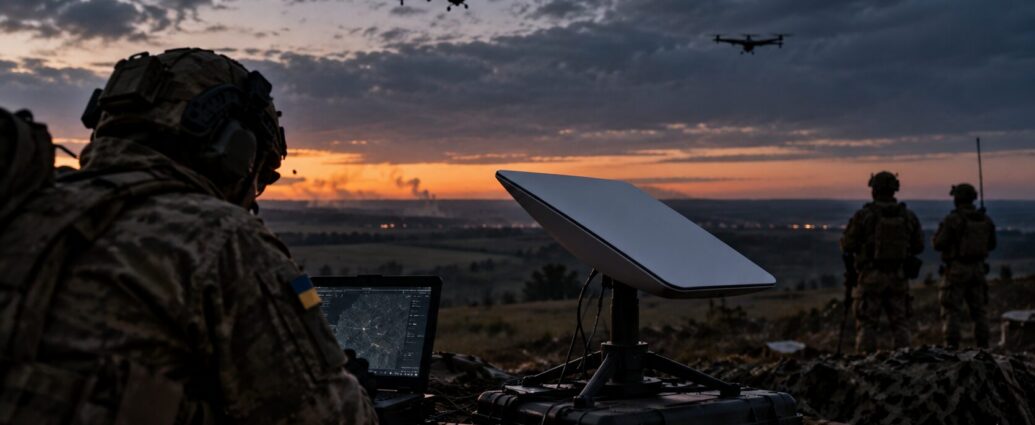
The restrictions, introduced overnight without advance notice to Ukrainian forces, affect Starshield, a military satellite communications system developed by SpaceX using technology from its commercial Starlink network.
According to Ukrainian officials, terminals installed on platforms traveling approximately 100 miles per hour (160 kilometers per hour) or faster began losing connectivity. Some units reported interruptions even below that speed, forcing them to cancel missions.
The development immediately raised concerns in Kyiv about the reliability of American defense technology and the consequences of becoming dependent on communications infrastructure controlled by a foreign government and private contractor.
Musk Says Washington Controls the Restrictions
As criticism mounted Wednesday, Musk publicly attributed responsibility for Starshield’s operating restrictions to the U.S. government.
He said the U.S. military ultimately determines limitations on the system’s speed and usage, with final authority resting with the president.
Starshield is built and operated by SpaceX, but the U.S. government controls specific national-security capabilities through contracts administered by the Pentagon and U.S. Space Force.
Musk’s remarks did not establish whether President Donald Trump personally approved the restrictions or whether they originated with military officials.
The Pentagon and White House had not publicly explained the decision or its military purpose as of Wednesday afternoon.
For Ukraine, the uncertainty over who authorized the change is nearly as consequential as the technical restriction itself.
Why the 100-MPH Limit Matters
Ukraine relies heavily on satellite-connected drones for reconnaissance, battlefield coordination and intercepting Russian aerial attacks.
A drone traveling at 100 mph covers almost 150 feet every second. Even a brief interruption in communications can interfere with its ability to navigate, transmit intelligence or respond to changing conditions.
Ukraine’s 7th Rapid Response Corps reported that one of its unmanned systems units operating near Huliaipole had canceled missions because of connectivity problems.
Ukrainian defense adviser Serhiy Beskrestnov warned that the restrictions could significantly undermine the country’s ability to counter newer Russian jet-powered Shahed attack drones.
The concern is particularly serious because interceptor drones must be able to pursue fast-moving targets. A speed restriction on satellite terminals could limit operations precisely when those aircraft need reliable communications.
Not all Ukrainian drones depend on Starshield, and the restrictions do not mean the country’s entire drone fleet has stopped operating. But affected units have reported immediate operational consequences.
Ukraine Says Its Contract Runs Through May 2027
The restrictions also raise questions about contract reliability.
A source familiar with the arrangement told Fox News that Ukrainian forces use the satellite services through a U.S. government agreement scheduled to remain in effect until May 15, 2027.
The source said the restrictions had not previously applied to the affected terminals and that Ukrainian forces received no advance warning of the change.
Ukrainian personnel reportedly discovered the new limitations after contacting SpaceX customer support about unexplained connection failures.
It remains unclear whether the contract guarantees unrestricted high-speed operation or allows the U.S. government to modify service conditions for national-security reasons.
That distinction could determine whether Ukraine has any contractual recourse.
By Wednesday afternoon, Ukrainian Defense Minister Mykhailo Fedorov said connectivity at speeds below 160 kilometers per hour was being restored. Ukraine continued to seek removal of the speed restriction itself.
Tensions Over Russian Oil Strikes
The timing comes amid growing disagreements between Washington and Kyiv over Ukraine’s attacks on Russian energy infrastructure.
The Trump administration has pressed Ukraine to limit strikes on Russian oil refineries as global energy prices remain elevated during the broader Middle East conflict.
Musk publicly criticized Ukrainian President Volodymyr Zelenskyy earlier this week over attacks on Russian energy facilities.
The satellite restrictions followed that exchange, prompting questions about whether they were intended to influence Ukraine’s military decisions.
However, no public evidence has established that the communications change was ordered in retaliation for refinery attacks.
There is also an important technical distinction: the drones Ukraine uses for some long-range attacks on Russian refineries do not necessarily depend on the same satellite communications systems affected by the new restrictions.
A Business Risk for SpaceX and the Defense Industry
Beyond the immediate battlefield consequences, the controversy highlights a growing issue in modern defense contracting.
Governments increasingly depend on private companies for satellite communications, cloud computing, artificial intelligence and other infrastructure essential to national security.
SpaceX has become a major supplier of space-based communications to the U.S. military and allied countries.
Starshield was developed to meet national-security requirements, while Starlink primarily serves commercial customers, although its terminals have also become important military communications tools.
The episode raises questions about operational control, service guarantees, customer protections and what happens when political or military decisions alter access to critical technology.
For defense contractors, the implications extend beyond Ukraine.
Countries purchasing American technology must assess not only equipment performance and cost but also whether access can be restricted during an emergency.
For SpaceX, the situation demonstrates the complexity of operating a commercially developed system that is also deeply integrated into government military operations.
European Allies Demand Answers
Poland, which finances thousands of Starlink terminals for Ukraine, has expressed concern about the restrictions.
Polish Foreign Minister Radosław Sikorski publicly questioned Musk about the changes, warning that European customers were watching how the company handled the situation.
The response underscores the international dimension of the dispute. Although Ukraine is the immediate customer affected, European governments that depend on U.S. defense technology have a direct interest in how service decisions are made.
For American defense companies seeking to expand internationally, customer confidence depends partly on predictable access, clearly defined contractual obligations and transparent government oversight.
Who Controls the Technology When Lives Depend on It?
The immediate question is whether the affected satellite services will be fully restored and whether Ukrainian forces can resume the operations interrupted Wednesday.
The larger issue is who ultimately controls technology that has become indispensable to modern warfare.
Musk says the responsibility lies with Washington. Ukrainian officials say they received no warning and are seeking restoration of service they were already using.
The Pentagon has not publicly provided an explanation resolving those questions.
For the global defense industry, the controversy illustrates how a decision involving satellite software and operating permissions can have consequences far beyond the technology itself.
When military operations depend on privately developed communications systems, control over access can become as strategically important as the weapons those systems support.
JBizNews Desk | Washington, D.C.
© 2026 JBizNews. All Rights Reserved.
Saudi Crown Prince Faces Major Crisis as Houthi Attacks Strike Airports, Oil Giant Aramco and His Economic Vision
With at least 18 people killed, hundreds of flights disrupted and international investors preparing to gather in Riyadh, Mohammed bin Salman faces a growing security crisis despite billions spent on defense and diplomatic alliances.
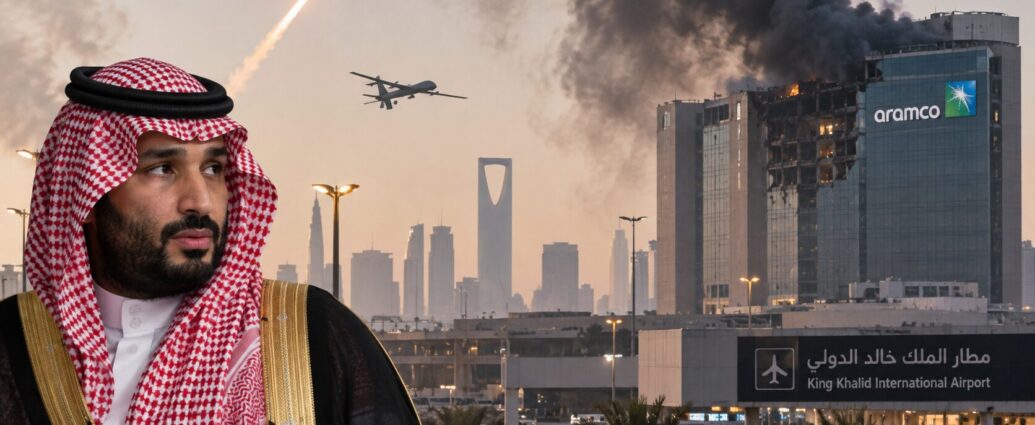
RIYADH, Saudi Arabia — Saudi Crown Prince Mohammed bin Salman is facing one of the most serious challenges of his rule as Iran-backed Houthi forces strike deep inside Saudi Arabia, damaging the headquarters of state oil giant Aramco, disrupting the kingdom’s main airport and threatening the multibillion-dollar economic transformation he has spent nearly a decade building.
The crisis is unfolding less than two weeks before Riyadh’s major international investment conference, raising new concerns about the kingdom’s ability to protect business travelers, energy infrastructure and foreign investment.
The Houthi missile and drone campaign has killed at least 18 people, according to Bloomberg, while hundreds of flights remain grounded and businesses have shifted employees to remote work.
For a country seeking to establish itself as a global center for tourism, financial services, advanced technology and international investment, the attacks strike directly at its economic ambitions.
Aramco Headquarters Hit as Houthis Threaten Further Strikes
The latest escalation reached the heart of Saudi Arabia’s oil industry Tuesday when an attack damaged an administrative tower at Saudi Aramco’s headquarters in Dhahran.
The strike caused a fire and damaged approximately three floors of the building, which houses important corporate and operations-management functions.
Employees were instructed to work remotely. Saudi officials reported no casualties at the facility, and initial accounts indicated that oil-production operations had not been disrupted.
On Wednesday, the Houthis threatened additional attacks on Saudi airports and oil installations, describing them as retaliation for Saudi military operations in Yemen.
The threats create a new challenge for Aramco, which remains central to Saudi government revenues, global petroleum supply and the financing of the crown prince’s Vision 2030 program.
Riyadh Airport Attacks Expose Saudi Arabia’s Vulnerability
King Khalid International Airport, the main international gateway to the Saudi capital, has suffered repeated strikes.
A particularly deadly attack on Saturday killed 13 people and injured more than 300, according to subsequent reporting.
The airport disruption has forced airlines to cancel flights, ground aircraft and reconsider operations, causing uncertainty for international travelers and businesses.
Other effects have reached daily life in the capital. Schools shifted to online classes, while parts of Riyadh’s financial district adopted remote-working arrangements.
The disruption comes as the government has been investing heavily in Riyadh Air, airport development, tourism infrastructure and projects intended to turn the Saudi capital into an international business hub.
The challenge is not simply repairing damaged facilities. Saudi Arabia must convince airlines, insurers and investors that its airports and commercial districts can operate safely despite continuing missile and drone threats.
Billions Spent on Defense, Yet Drones and Missiles Get Through
Saudi Arabia possesses some of the region’s most sophisticated American-made defensive equipment, including Patriot missile systems.
Yet repeated Houthi strikes have exposed the difficulty of protecting a vast country against relatively inexpensive drones and missiles.
Defense analysts point to several challenges: Saudi Arabia must protect widely separated airports, oil facilities, cities and military bases, while defending against attacks involving different types of weapons approaching from multiple directions.
Interceptors also cost substantially more than many of the drones they are designed to destroy, creating an expensive imbalance during prolonged attacks.
According to the Associated Press, concerns about interceptor availability and the effectiveness of Saudi early-warning systems have grown as the frequency and sophistication of Houthi attacks increase.
This raises a fundamental question for Riyadh: Can additional weapons purchases provide the protection needed, or will the kingdom require a different military and diplomatic strategy?
Trump Relationship and New Defense Alliances Face a Test
For years, Mohammed bin Salman has invested heavily in building relationships with international leaders, particularly President Donald Trump.
Those relationships have helped Saudi Arabia pursue military purchases, foreign investment, technology partnerships and greater international influence.
But the latest crisis has demonstrated the limitations of those connections.
Bloomberg reported Wednesday that the crown prince has not secured direct U.S. military intervention against the Houthis, while a newer defense arrangement involving Turkey and Pakistan has so far provided limited practical assistance.
Regional governments remain wary of becoming involved in another prolonged conflict in Yemen.
Saudi Arabia therefore faces a difficult choice between expanding military operations, seeking stronger international assistance or pursuing negotiations with an adversary it has been unable to decisively defeat.
The Houthis, meanwhile, retain the ability to attack strategic Saudi targets despite years of military pressure.
Vision 2030 Faces a New Investor Confidence Test
The crown prince’s Vision 2030 strategy depends on transforming Saudi Arabia from an economy overwhelmingly reliant on oil into a major destination for international capital.
Its priorities include tourism, entertainment, financial services, artificial intelligence, logistics and technology.
The latest attacks introduce a security cost into those plans.
Foreign investors evaluating Saudi projects must consider not only projected financial returns but also the risks of business interruption, higher insurance costs, flight cancellations and threats to personnel.
Riyadh’s upcoming investment conference is particularly important because it is intended to showcase the kingdom as a stable destination for international business.
Although the conference has not been confirmed canceled, the current security environment creates uncertainty for organizers, speakers and international attendees.
A successful conference could provide an opportunity for Saudi officials to reassure investors. Continued attacks, however, could undermine that message regardless of how many investment agreements are announced.
The Oil Market Is Also Watching
The attack on Aramco’s headquarters did not initially disrupt reported oil production, but further strikes could place actual production facilities, export terminals or energy transportation routes at risk.
That distinction matters.
An attack on an office building can damage business confidence without reducing the world’s immediate oil supply. A successful strike on major processing facilities or export infrastructure could have much more direct consequences for global energy prices.
The Houthis have also expanded their influence near the Bab el-Mandeb Strait, a critical passage linking the Red Sea with international shipping routes.
Any prolonged disruption to Saudi energy exports or commercial shipping could increase transportation expenses and put additional pressure on oil markets already affected by the broader U.S.-Iran conflict.
A Defining Test for Mohammed bin Salman
The crisis reaches beyond Saudi Arabia’s military response.
Mohammed bin Salman has built his international reputation around the promise of transforming the kingdom into a modern economic powerhouse capable of competing for global investment.
The return of large-scale Houthi attacks threatens that vision at precisely the moment Saudi Arabia is attempting to demonstrate its financial and diplomatic strength.
A military escalation could draw the country deeper into Yemen’s conflict. A diplomatic agreement could reduce immediate pressure but might require difficult concessions. Continuing under attack risks damaging investor confidence and increasing the cost of doing business.
For Saudi Arabia, the coming weeks will test whether its enormous investments in defense, infrastructure and international relationships can deliver something essential to economic growth: reliable security.
JBizNews Desk | Riyadh, Saudi Arabia
© 2026 JBizNews. All Rights Reserved.
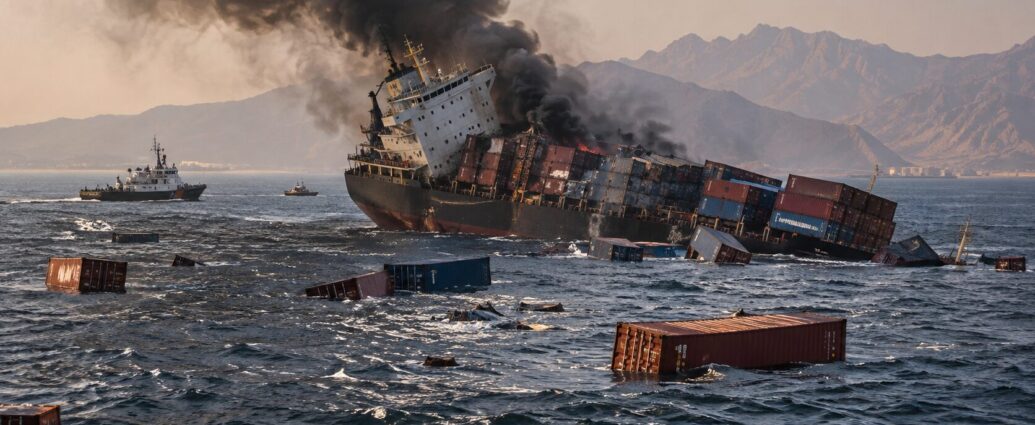
Container Ship Sinks in Strait of Hormuz as Iran Seeks to Keep Oil Prices High and Pressure U.S. Ahead of Midterms
A second cargo vessel has also sunk, while escalating Iranian shipping attacks push U.S. oil to a three-week high just 20 days before the November 3 elections.
NEW YORK — A Singapore-flagged container ship capable of carrying 2,824 twenty-foot shipping containers has sunk in the Strait of Hormuz after being struck by an unidentified projectile and catching fire, as Iran intensifies attacks on commercial shipping in an effort to keep global oil prices elevated and increase pressure on the United States ahead of the midterm elections.
The vessel, GFS Pride, sank after Tuesday’s attack. All 21 crew members were evacuated safely, according to Singapore’s Maritime and Port Authority. Containers were subsequently reported floating in the waterway, creating an additional navigation hazard for commercial vessels.
In a separate development, the Cape Dao, a dry bulk cargo ship damaged in a September 23 attack, also sank near the strait. One crew member was killed in the earlier strike.
The losses come as two senior Iranian officials told Reuters that Tehran is changing its maritime attack tactics partly to maintain elevated oil prices and influence the political environment ahead of the November 3 U.S. congressional elections.
Oil Prices: Where They Stand
Brent crude · Global benchmark
$106.06
+$0.37 (+0.35%)
WTI · U.S. crude
$95.09
+$0.95 (+1.01%)
Wednesday, October 14 settlement prices. U.S. crude reached its highest settlement in three weeks.
Wednesday’s gains reflect several simultaneous threats to Middle Eastern energy supplies, including attacks near the Strait of Hormuz and a Houthi strike on Saudi Aramco’s administrative facilities in Dhahran.
Oil traders are pricing in the risk that continued attacks could interrupt recovering Gulf exports, raise shipping insurance costs and force vessels to avoid critical routes.
Although neither GFS Pride nor Cape Dao was an oil tanker, their loss demonstrates that the danger now extends beyond energy vessels to ordinary commercial shipping.
What Type of Ship Was GFS Pride, and How Much Cargo Was Lost?
GFS Pride was a 2008-built container ship registered in Singapore and managed by United Arab Emirates-based GFS Ship Management FZE.
Its stated carrying capacity was 2,824 TEU, or twenty-foot equivalent units, making it a relatively small container ship used for regional and international freight transportation.
A TEU is the industry’s standard measure of container capacity. One 40-foot shipping container generally counts as two TEUs.
That distinction is important: 2,824 TEU represents the ship’s maximum rated capacity, not a confirmed count of containers aboard when it sank.
Iran’s Revolutionary Guard Navy separately claimed that a container ship carrying more than 2,500 containers struck a naval mine while navigating what Tehran described as an unauthorized route.
Independent maritime authorities reported that GFS Pride was struck by an unidentified projectile. It has not been conclusively established that Iran’s mine account describes the same incident or that its container count is accurate.
The precise number of loaded containers lost, their contents, cargo value and insurance exposure have not been publicly established.
For cargo owners, the financial exposure could extend from the loss of individual shipments to salvage expenses, disrupted deliveries and insurance claims.
A Second Ship Sinks as Another Container Vessel Escapes
The Cape Dao, registered in Antigua and Barbuda, was a dry bulk carrier rather than a container ship. Bulk carriers transport unpackaged commodities such as grain, minerals, coal and other raw materials.
It was damaged on September 23 and remained in distress before sinking Wednesday following an unsuccessful rescue effort.
The loss of GFS Pride and Cape Dao brings the number of confirmed vessels sunk since the U.S.-Iran war began February 28 to three, according to International Maritime Organization data reviewed by Reuters.
A third container ship involved in the latest incidents, GFS Giselle, survived an attack.
The 4,350-TEU Singapore-flagged vessel sustained hull damage but remained operational and reached a safe anchorage under its own power. All 22 crew members were reported safe.
The different outcomes illustrate the growing danger to vessels using the strait: ships may suffer limited damage, become disabled, catch fire or be lost entirely.
Iran’s Strategy: Keep Oil Expensive Before November 3
The maritime escalation has a political dimension that extends directly to Washington.
According to Reuters, two senior Iranian officials acknowledged that Tehran has adopted new methods for attacking commercial shipping, with the aim of sustaining higher oil prices and influencing the U.S. midterm elections.
Iran has restricted passage through the Strait of Hormuz since U.S. and Israeli strikes began in February. Washington has responded with a blockade of Iranian ports and additional sanctions targeting the country’s energy trade.
Iranian crude exports have effectively fallen to zero under the U.S. blockade, according to shipping data, increasing Tehran’s incentive to exert pressure on international energy markets.
Rather than rely exclusively on oil tankers as targets, Iranian operations have expanded to container ships, bulk carriers and other commercial vessels.
Reuters reported that Iranian forces have increasingly used small boats to identify potential targets after damage to their radar infrastructure.
The strategy creates a difficult economic challenge for the United States: disrupting enough shipping traffic can increase global oil costs even without destroying a major oil-production facility.
Why the Strait of Hormuz Matters to Every Business
Before the conflict, approximately one-fifth of global oil and liquefied natural gas trade moved through the Strait of Hormuz, connecting major Gulf energy producers with international customers.
Attacks on ships in the strait can affect businesses in several ways.
First, higher crude prices feed into gasoline, diesel and transportation costs. Trucking companies, airlines, manufacturers and logistics operators can face increased expenses.
Second, threats to commercial vessels increase insurance premiums and security costs, potentially raising the price of shipping ordinary merchandise.
Third, uncertainty about delivery schedules can force importers to hold more inventory, find alternative routes or pay more for freight capacity.
The International Energy Agency reported Wednesday that Middle Eastern Gulf crude exports had recovered to roughly 75% of prewar levels in September.
That recovery provides some relief to global energy markets, but the latest attacks threaten to reverse the progress.
Will Iran Keep Oil Above $100 Until the Midterms?
Brent crude is currently above $106 per barrel, while U.S. WTI remains above $95.
Those prices are elevated, but the latest trading activity does not establish that Iran can maintain them through November 3.
Oil prices also depend on production, global demand, inventories, alternative supplies and the ability of Gulf exporters to keep shipments moving.
The Trump administration has taken steps to increase supply, including temporarily easing restrictions on certain Russian diesel exports.
However, additional attacks on tankers, export terminals or energy infrastructure could introduce new risk premiums into oil prices.
The political implications are significant. Higher gasoline and diesel costs can increase financial pressure on American households and businesses, especially when voters are already concerned about inflation.
Iranian officials have explicitly identified the election period as part of their strategy. Whether the campaign changes voter behavior is uncertain, but the attempt to use oil markets for political leverage is itself a consequential development.
For global commerce, the sinking of GFS Pride sends a warning well beyond the loss of one vessel.
Iran does not need to shut down every oil tanker to disrupt trade. By extending attacks to container ships and bulk carriers, it can make one of the world’s most important shipping corridors more dangerous and expensive for nearly every industry.
As the November 3 midterms approach, the immediate question is whether international efforts to restore shipping security can bring oil prices down—or whether further attacks will keep global energy markets under pressure.
JBizNews Desk | New York
© 2026 JBizNews. All Rights Reserved.

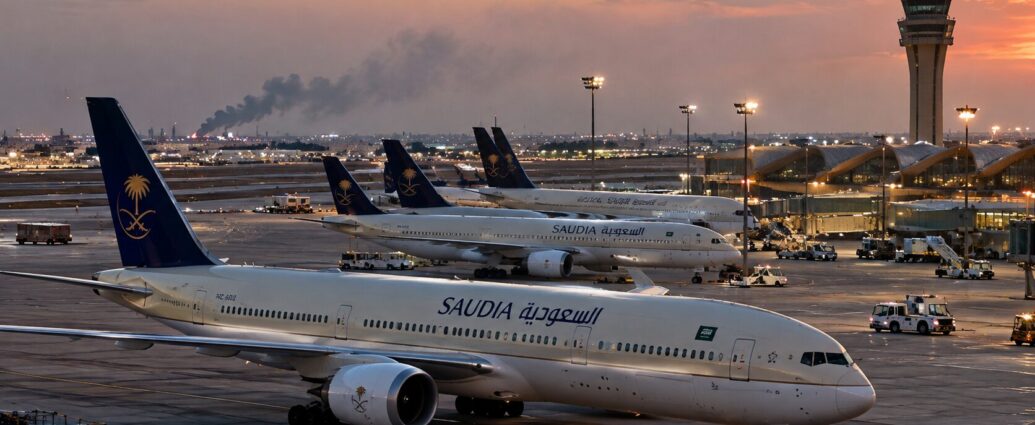
Saudi Airlines Race to Evacuate $4 Billion in Aircraft After Deadly Houthi Strikes on Riyadh Airport
JBIZNEWS | AVIATION & GLOBAL BUSINESS | OCTOBER 14, 2026
RIYADH, Saudi Arabia — Saudi Arabian airlines are scrambling to move billions of dollars worth of passenger aircraft out of danger after deadly Houthi missile and drone strikes on Riyadh’s main airport damaged commercial jets, killed civilians and forced airlines to suspend operations.
The emergency effort involves aircraft valued at approximately $4 billion, with the number remaining at King Khalid International Airport falling from 134 to just 38 since the attacks began.
Six aircraft have reportedly sustained damage valued at approximately $375 million, including a Saudia Airbus A320 that was destroyed and a Boeing 787 belonging to the kingdom’s new national carrier, Riyadh Air.
The evacuation represents an extraordinary challenge for Saudi Arabia’s aviation industry, which has invested billions of dollars in expanding its international airline network and transforming the kingdom into a major global transportation hub.
A $4 Billion Fleet at Risk
The attacks have forced Saudi airlines to make urgent decisions about where to relocate their most valuable assets.
Saudia, Riyadh Air and Flyadeal are among the carriers exposed to the escalating conflict.
Riyadh Air, which began operating in June, has already suffered damage to one Boeing 787 and evacuated four additional aircraft.
Moving aircraft away from Riyadh could protect them from further destruction, but it creates new operational challenges. Airlines must arrange parking, maintenance, staffing and aircraft positioning while dealing with restrictions on Saudi airspace.
Unlike aircraft that can be moved on short notice, commercial jets require safe departure corridors, flight crews, fuel, maintenance clearance and permission to enter other countries’ airspace.
The logistical difficulty increases when the airport itself has been struck repeatedly.
Deadly Strikes Shut Down Riyadh’s Main Airport
The crisis escalated following Houthi attacks on October 8 and October 10.
The earlier attack killed three people and damaged five aircraft. A subsequent strike devastated parts of the airport, killing at least 13 people and injuring more than 300.
Saudi authorities have suspended operations at King Khalid International Airport, with the closure currently expected to continue until at least October 17.
The Houthis, an Iran-aligned armed movement based in Yemen, have threatened additional attacks on Saudi airports and oil infrastructure.
The disruption has spread beyond Saudi carriers. International airlines including Lufthansa, Air France-KLM, Etihad Airways and Qatar Airways have suspended or adjusted flights, while travelers face cancellations and alternative routings.
Aviation Insurance Faces a Major Test
Beyond physical damage, the attacks threaten to increase the cost of operating commercial aircraft in Saudi Arabia.
War-risk aviation insurance protects airlines and aircraft owners against certain losses involving armed conflict, missiles and other hostile acts, subject to policy terms and exclusions.
Saudi Arabia’s major carriers face insurance renewals next month, placing the timing of the attacks under particular scrutiny.
Insurers must now reassess the possibility that several aircraft could be damaged or destroyed in a single attack, especially when large numbers of jets are parked at one airport.
Higher premiums, restricted coverage or additional security requirements could increase operating costs even after flights resume.
For aircraft leasing companies and lenders, the situation also raises questions about where valuable aircraft can safely be based.
Why Saudi Arabia’s Air Defenses Are Struggling
Saudi Arabia has invested heavily in sophisticated air defense systems, including American-made equipment. Yet the Houthis have demonstrated an ability to penetrate defenses using combinations of drones, cruise missiles and ballistic missiles.
Low-flying drones and cruise missiles can exploit limitations in radar coverage, while simultaneous threats force defensive systems to identify, prioritize and intercept multiple incoming weapons.
Saudi Arabia’s vast territory complicates the challenge. Protecting major cities, military installations, oil facilities and airports requires extensive radar coverage and sufficient interceptor supplies.
The sustained attacks have also raised concerns about depleted interceptor stocks and the cost of defending against relatively inexpensive weapons.
Saudi authorities are investigating how missiles and drones managed to reach the airport despite the kingdom’s substantial defense investments.
A Threat to Saudi Arabia’s Economic Transformation
The damage extends far beyond airline balance sheets.
Crown Prince Mohammed bin Salman’s Vision 2030 economic diversification strategy depends heavily on aviation, tourism, international business and logistics.
Saudi Arabia has invested heavily in new airports, airlines, hotels and tourism destinations to reduce its dependence on petroleum revenues.
Repeated attacks on major aviation infrastructure threaten those ambitions.
International businesses considering conferences, investments or regional offices must now weigh transportation reliability and employee safety.
The attacks also threaten cargo operations, business travel and the kingdom’s ability to position Riyadh as a reliable international connection point.
For Saudi airlines, the immediate priority is protecting aircraft and personnel. For the government, the greater challenge is restoring confidence that its airports can operate safely despite the continuing conflict.
With tens of aircraft already relocated and the Houthis threatening further strikes, the crisis underscores a costly reality for modern aviation: billions of dollars in aircraft and infrastructure can remain vulnerable even in countries equipped with advanced military defenses.
JBizNews Desk | Riyadh, Saudi Arabia
© 2026 JBizNews. All Rights Reserved.


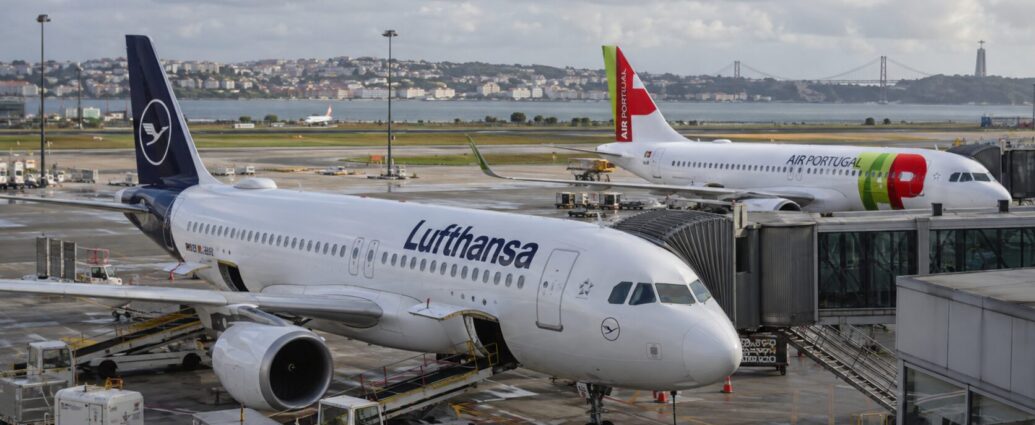
Lufthansa Beats Air France-KLM in $1.3 Billion Deal for Portugal’s National Airline TAP
AVIATION & GLOBAL BUSINESS | OCTOBER 14, 2026
LISBON, Portugal — Germany’s Lufthansa has won a $1.3 billion battle for a major stake in TAP Air Portugal, defeating rival Air France-KLM in a deal that will reshape European aviation and give the German airline group a stronger foothold in the lucrative transatlantic travel market.
Portugal’s government announced Wednesday that it selected Lufthansa to acquire an initial 44.9% stake in the national carrier, with the possibility of increasing its ownership to 49.9%. The agreement values TAP at approximately €2.55 billion ($2.85 billion), while the Portuguese government will retain a controlling 50.1% stake.
Lufthansa’s offer was 16% higher than Air France-KLM’s competing bid, according to Portuguese Prime Minister Luís Montenegro, who said the German company’s proposal also carried less financial uncertainty.
Why Lufthansa Wanted TAP
The acquisition gives Lufthansa something difficult to build from scratch: an established airline with a strong position linking Europe to Brazil, Africa and North America.
Lisbon’s location makes it a strategic gateway for flights between Europe and South America, particularly Brazil, where TAP has an extensive network.
For Lufthansa, which already controls SWISS, Austrian Airlines, Brussels Airlines and Italy’s ITA Airways, TAP represents another significant step in consolidating Europe’s airline industry.
The deal also keeps TAP within the Star Alliance network, strengthening Lufthansa’s ability to connect passengers across its existing international operations.
Portugal Secures Investment and Jobs
The agreement extends beyond purchasing airline shares.
Lufthansa’s proposal calls for expanding TAP’s fleet from approximately 101 aircraft to 117 by 2035 and eventually to 130. Plans also include the introduction of up to eight Airbus A350-900 aircraft beginning in 2030.
Portugal expects the airline’s expansion and associated aviation investments to support approximately 5,500 direct and indirect jobs.
Additional commitments include a pilot training school, an aviation innovation center and investments in airport infrastructure.
For the Portuguese economy, the government sees the partnership as an opportunity to increase tourism, strengthen international connectivity and attract further investment in aviation-related industries.
What Happens Next?
Despite Wednesday’s announcement, Lufthansa will not immediately take ownership.
The transaction still requires European regulatory approval, with completion expected in 2028.
Portugal has also left open the possibility of further privatization, potentially allowing Lufthansa to increase its ownership beyond the initial minority stake.
TAP transported 16.7 million passengers in 2025, operating a network spanning Europe, the Americas and Africa. However, the airline recorded a net profit of only €4.1 million that year, underscoring the challenge of converting passenger traffic into sustained profitability.
For Lufthansa, the opportunity comes with financial and operational responsibilities, including integrating another major European airline while improving returns across its existing businesses.
The decision is a setback for Air France-KLM, which had sought to establish Lisbon as a major southern European hub within its own international network.
For travelers and businesses, the longer-term consequences could include expanded flight connections, more capacity between Europe and the Americas, and increasingly concentrated competition among Europe’s largest aviation groups.
JBizNews Desk | Lisbon, Portugal
© 2026 JBizNews. All Rights Reserved.
AI-generated editorial illustration for JBizNews showing Lufthansa and TAP Air Portugal aircraft. Not an actual photograph of the transaction.





Ukraine Says Starlink Limits Disrupt Drone Missions as European Satellite Stocks Jump
Ukraine said Wednesday that unexpected restrictions on SpaceX’s satellite communications service disrupted military drone missions, exposing its dependence on a commercial network and sending investors toward European satellite providers.
Ukrainian officials said the changes affected connections used by equipment traveling at speed, forcing some missions to be canceled. The reports concern military connectivity while moving, rather than a confirmed nationwide shutdown of ordinary Starlink internet service.
The commercial reaction was immediate. Eutelsat shares rose 13.1% and Luxembourg-based SES gained 3.9% by 11:36 a.m. GMT, according to Reuters, as investors bet that uncertainty surrounding American satellite services could increase demand for European alternatives.
Serhii Beskrestnov, a Ukrainian presidential adviser and radio-technology specialist, said the restrictions appeared overnight without advance warning. According to his comments reported by Ukrainska Pravda, the affected service was the military Starshield package, with a stated limit of approximately 100 miles per hour.
That refers to the movement of the connected equipment—not an internet download speed. A terminal could remain connected while stationary yet lose service when the aircraft or vehicle carrying it exceeds an operating limit.
Reports from military units suggested the interruptions were not confined to one consistent threshold. Ukraine’s 7th Rapid Reaction Corps told Reuters that connections could disappear for 10 to 20 seconds at approximately 110–120 kilometers per hour, making drones harder to control and prompting cancellations.
The distinction matters because communications equipment is part of the operating system of modern warfare. Losing a connection can interrupt coordination, reconnaissance or supply deliveries even when the aircraft itself remains operational.
Ukrainian Defense Ministry sources told Kyiv Post that the problems affected interceptor and medium-range drone operations, alongside frontline logistics and communications relay. Officials were gathering reports from units, checking backup channels and communicating with SpaceX, the United States and NATO partners.
SpaceX had not responded to Reuters’ initial request for comment. The reason for the reported restrictions remained unconfirmed.
Beskrestnov suggested a political connection, but Ukrainian ministry sources cited by Kyiv Post did not confirm that assessment. The timing alone does not establish who authorized the change or why.
The Wall Street Journal reported that the disruption came amid pressure from President Donald Trump for Ukraine to stop attacking Russian oil refineries. However, Reuters reported that Ukrainian drones striking Russia’s oil industry use other communications systems because Starlink does not operate inside Russia. The reported restrictions therefore should not be described as directly switching off those refinery missions.
For satellite companies and government customers, the episode raises a broader procurement question: how much operational dependence should rest on a single service provider?
Ukraine’s own government has previously worked with SpaceX to control access to the network. In February, its Defense Ministry announced an authorization system intended to disconnect unverified terminals and counter Russian drone use. That initiative had a different stated purpose and does not explain Wednesday’s reported changes, but it demonstrates how service-access decisions can affect battlefield capability.
Replacing a network involves more than choosing another subscription. Reuters reported that moving users to Eutelsat’s OneWeb would require different terminals and supporting infrastructure, with operational constraints limiting its suitability for some military applications.
The rally in European satellite stocks consequently reflects expectations of future business, rather than confirmation that those companies can immediately take over Ukraine’s affected operations.
For defense buyers, the commercial implications extend beyond the price of connectivity. Contracts, service continuity, advance notice of restrictions and the availability of compatible backup systems can all determine whether equipment remains useful when it is needed.
Ukraine’s immediate task is to establish which services and terminals are affected and restore reliable connections. The larger unresolved question is whether the reported limits will be removed, adjusted or left in place—and what explanation SpaceX provides.
JBizNews Desk | Kyiv
© JBizNews.com. All rights reserved. This article is original reporting by JBizNews Desk. Unauthorized reproduction or redistribution is strictly prohibited.


Canada Building Permits Rebound in August

More Than a Dozen U.S. Companies Eye Malaysia Rare Earths as Washington Moves to Break China’s Grip on Critical Minerals
GLOBAL BUSINESS | TRADE & NATIONAL SECURITY
October 14, 2026 | Kuala Lumpur, Malaysia
More than a dozen American companies are exploring investments in Malaysia’s rare earth industry, marking another step in Washington’s effort to reduce China’s control over critical minerals used in military equipment, electric vehicles, advanced electronics and industrial manufacturing.
The companies are considering mining partnerships with Malaysian businesses and investments in processing facilities, the U.S. Embassy in Kuala Lumpur announced Wednesday.
The embassy did not identify the companies or disclose potential investment amounts, indicating that the discussions remain exploratory rather than finalized commercial agreements.
The announcement follows an investment forum hosted by the U.S. Embassy Wednesday, bringing together government officials, business executives and investors to examine opportunities in Malaysia’s growing rare earth sector.
The initiative comes as China continues to dominate global rare earth processing, giving Beijing significant influence over industries essential to America’s economy and national security.
Why Malaysia Matters
Malaysia holds substantial rare earth deposits and is already home to one of the world’s most important processing facilities outside China.
Australian mining company Lynas Rare Earths operates a major refinery in Malaysia that processes minerals used in high-performance magnets, electronics and defense applications.
The country is estimated to have approximately 16.1 million metric tons of rare earth deposits, creating opportunities for mining, refining and manufacturing investments.
Malaysia has also restricted exports of unprocessed rare earth materials to encourage companies to build local processing operations rather than simply extract minerals for shipment overseas.
For American businesses, that creates opportunities to invest throughout the supply chain, from mineral extraction to advanced manufacturing.
Trump Administration Accelerates Push Away From China
The latest investment interest builds on a critical minerals cooperation agreement signed by President Donald Trump and Malaysian Prime Minister Anwar Ibrahim in October 2025.
The agreement aims to promote American investment, improve access to critical minerals and develop alternative supply chains less vulnerable to Chinese export restrictions.
China’s dominance extends beyond mining. Its processing capacity and specialized manufacturing expertise give Beijing leverage over the global production of permanent magnets used in fighter jets, missile systems, electric vehicles and industrial equipment.
Beijing has previously restricted exports of certain rare earth products during trade disputes, demonstrating how mineral supplies can become a strategic bargaining tool.
The United States is now seeking to build relationships with resource-rich countries while simultaneously expanding domestic processing capabilities.
David H. Gamble Jr., the U.S. Embassy’s chargé d’affaires in Kuala Lumpur, said Malaysia is seeking international partners capable of supplying the technology and capital needed to establish a competitive rare earth industry.
American companies, he said, are prepared to help develop that capacity.
The Challenge: Mining Is Only Half the Battle
Finding new mineral deposits does not automatically eliminate dependence on China.
Rare earth materials must undergo complex separation, refining and processing before they can be used in industrial components.
China spent decades developing that expertise, leaving competing nations struggling to establish comparable operations at commercially viable costs.
Malaysia offers an important advantage because it already hosts major rare earth processing infrastructure.
However, developing additional facilities will require substantial capital, specialized technology, regulatory approvals and reliable long-term customers.
Even successful new mining projects could take years to reach commercial production.
What’s at Stake for American Businesses
For American manufacturers, access to reliable rare earth supplies has become an increasingly important business consideration.
Automakers require powerful magnets for electric motors. Technology companies depend on specialized mineral components for electronics. Defense contractors need rare earth materials for radar systems, aircraft and precision-guided weapons.
Supply disruptions can delay production, increase manufacturing costs and expose companies to geopolitical risks beyond their control.
Expanding alternative supply chains could also create opportunities for American engineering companies, equipment manufacturers, mining technology providers and financial institutions.
But investors face considerable risks, including fluctuating mineral prices, high development costs and competition from China’s established producers.
Can Washington Break China’s Dominance?
The American push into Malaysia is part of a broader international effort involving Australia, Japan and other strategic partners to reduce dependence on Chinese-controlled mineral supplies.
The challenge is not simply securing more rare earth resources. It is building an entire industrial network capable of extracting, refining and manufacturing critical materials without relying on Chinese facilities.
Wednesday’s announcement represents commercial interest, not yet a breakthrough in production capacity.
The next test will be whether the American companies exploring opportunities in Malaysia commit capital, build processing facilities and establish dependable supply agreements.
For Washington, success would mean more than expanding international trade. It would reduce China’s ability to disrupt American manufacturing and defense production through control of essential minerals.
JBizNews Desk | Kuala Lumpur, Malaysia
© 2026 JBizNews. All Rights Reserved.

Dublin Hotel Cancels 70 Rooms for International Antisemitism Conference, Questions Guests About Israeli Military Ties
WORLD BUSINESS | HOSPITALITY & DISCRIMINATION
October 14, 2026 | Dublin, Ireland
A prominent Dublin hotel is facing accusations of discrimination after reportedly canceling a reservation for 70 rooms intended for international delegates attending a European conference dedicated to combating antisemitism.
The Herbert Park Hotel, located in Dublin’s upscale Ballsbridge neighborhood, initially accepted the group booking but subsequently withdrew it after learning the purpose of the gathering, according to Maurice Cohen, chairman of the Jewish Representative Council of Ireland.
Hotel management also allegedly questioned whether the conference was connected to the Israel Defense Forces, despite the event being a civilian diplomatic gathering with no military involvement.
The reported cancellation forced organizers to arrange alternative accommodations for the delegates, who were ultimately housed at another Dublin hotel.
The allegations were first disclosed by Cohen during a reception at Ireland’s Department of Foreign Affairs and subsequently reported by Ynet and other news organizations.
An International Conference Against Antisemitism
The incident occurred as Dublin hosted the 15th meeting of the Special Envoys and Coordinators Combating Antisemitism, held October 12–14.
The conference brought together representatives from European governments, Jewish organizations, technology companies and international institutions to address rising antisemitism, particularly online.
The gathering was supported by the European Commission and World Jewish Congress and formed part of Ireland’s European Union Council presidency.
Its agenda included artificial intelligence, social media platforms and cooperation between governments and private businesses to combat discrimination and hate.
Yet delegates arriving to discuss protecting Jewish communities reportedly encountered precisely the type of exclusion the conference was organized to confront.
Cohen questioned how quickly an event identified as Jewish could become associated with the Israeli military, despite having no connection to it.
Hotel Faces Questions About Its Business Practices
The allegations raise questions about the responsibilities of hospitality businesses serving international guests.
Hotels routinely accommodate diplomatic delegations, religious organizations, business conferences and political gatherings. Canceling an accepted group reservation because of its perceived religious or national associations can expose operators to reputational damage and potentially legal scrutiny, depending on the circumstances and applicable law.
A 70-room group reservation also represents a substantial commercial booking, although the nightly rates, length of stay and financial value of the canceled agreement have not been disclosed.
The circumstances of the cancellation remain disputed in the sense that the hotel’s explanation has not been made public.
According to Ynet, a hotel manager declined to comment Tuesday evening, while a request for a response was forwarded to corporate management.
No independent finding of unlawful discrimination has been established.
Jewish Community Leaders Demand Accountability
The World Jewish Congress called on the hotel to explain its decision, describing the allegations as particularly troubling because the affected guests were attending an international gathering dedicated to fighting antisemitism.
The organization stressed that Jewish groups and those working against hatred should not face exclusion because of their activities.
The incident also comes amid heightened concerns about antisemitism in Ireland.
According to Cohen, the country’s Jewish community, numbering approximately 2,200 people, recorded 143 antisemitic incidents between July 2025 and January 2026.
A Wider Test for International Business
The controversy extends beyond one hotel reservation.
International conferences generate revenue for hotels, restaurants, transportation providers and local businesses. Organizers depend on assurances that accepted bookings will be honored and that participants will not face discrimination.
For Ireland, which regularly hosts international technology, business and diplomatic gatherings, the allegations present a reputational challenge.
For the hospitality industry, the case raises a fundamental question: Can international organizations confidently reserve accommodations without concern that a hotel’s perception of their identity or mission could jeopardize their bookings?
The Herbert Park Hotel has yet to provide a public explanation of the reported cancellation. Until it does, the allegations leave unresolved questions about its decision and the treatment of delegates who traveled to Dublin to confront antisemitism.
JBizNews Desk | Dublin, Ireland
© 2026 JBizNews. All Rights Reserved.
AI-generated editorial illustration of a hotel entrance in Dublin. Not a photograph of the Herbert Park Hotel or the reported incident.




Chinese Exports Soar in September
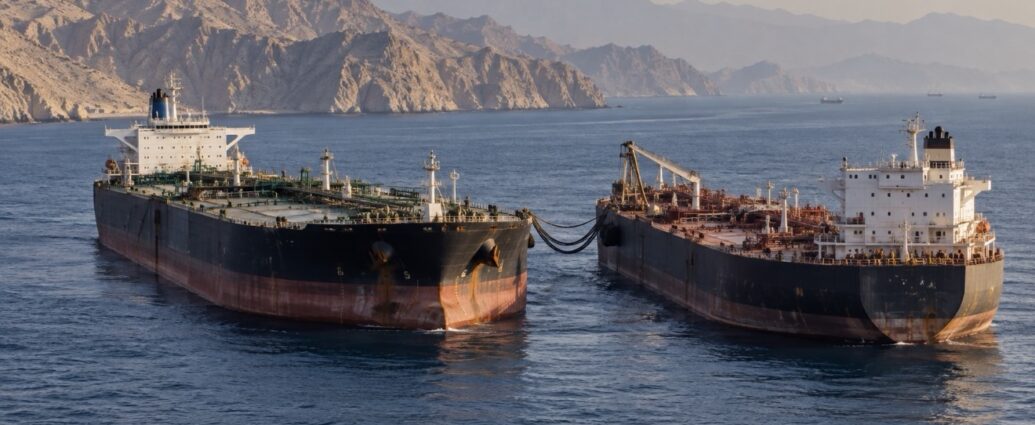
Iran Escalates Attacks on Ships, Threatening Oil Export Recovery
Tanker operators turn back near Hormuz as renewed attacks threaten recovering Gulf shipments and raise the cost of getting oil to market.
October 13, 2026
Iran’s escalating attacks on commercial shipping are threatening the Persian Gulf’s oil-export recovery, with tanker operators showing growing reluctance to approach the Strait of Hormuz. Bloomberg reported that more than a dozen supertankers and several smaller Suezmax vessels reversed course near Fujairah, the United Arab Emirates shipping hub outside the strait.
The danger is immediate. European maritime security officials reported that an outbound tanker was struck by an unidentified projectile on October 11, damaging its port side. A separate attack the previous evening caused a fire aboard another outbound tanker. Crews on both vessels were reported safe. Those alerts did not identify the attackers.
The attacks come just as producers were restoring supply. OPEC’s latest figures showed September production by OPEC+ rising approximately 900,000 barrels a day to 39.07 million. Saudi Arabia reported output of 8.372 million barrels a day, an increase of more than 2 million from August, Reuters reported.
Getting that oil to buyers depends partly on a shuttle system: tankers cross Hormuz, then transfer their cargoes to other ships for onward delivery. Bloomberg reported longer waits for some transfers, although operators offered differing accounts and available loading observations did not establish a broad export slowdown. Brent crude exceeded $106 a barrel Monday before easing Tuesday.
That distinction matters. Oil can continue leaving export terminals while delays build farther along the delivery route. A loaded tanker waiting for another vessel ties up both cargo and shipping capacity. If owners increasingly decline the voyage, higher production alone cannot ensure that refineries receive the barrels on schedule.
The financial burden is already substantial. In an October 12 statement, OPEC and participating non-OPEC ministers said disrupted energy flows had driven shipping and insurance costs above one-third of the commodity’s value. They warned that those costs were adding inflationary pressure and burdening both producing and consuming countries. The statement did not provide a route-by-route breakdown.
For businesses, the exposure extends beyond gasoline. More expensive crude transportation can raise refinery input costs and put pressure on diesel, aviation fuel and freight bills. The eventual effect depends on how long the disruption lasts, available inventories and whether buyers can secure alternative supplies.
The next test is whether vessel turnarounds become sustained reductions in deliveries. Terminal loadings, completed Hormuz crossings and transfer waiting times will show whether the recovery is holding—or whether attacks are again preventing increased production from reaching the market.
Image: AI-generated editorial illustration of tanker transfers near Hormuz.
JBizNews Desk | Dubai
© 2026 JBizNews. All rights reserved.


Britain’s Wealthy Rush to Sell Assets Before Possible Capital Gains Tax Increase
Investors seek to secure the current 24% rate ahead of the October 28 Budget, even as the Treasury reportedly rejects matching income-tax rates.
October 13, 2026
Wealthy Britons are rushing to complete asset sales before the October 28 Budget, seeking to avoid a possible increase in capital gains tax that could take a larger share of their investment profits.
Multiple wealth advisers told Bloomberg that clients are trying to realize gains under the current 24% higher rate before Chancellor John Healey announces his tax plans. The prospect of an increase has become a leading concern among wealthy investors, the news agency reported Tuesday.
The uncertainty is already influencing transactions, even though a new increase has not been announced. Sellers face a choice between completing deals under known tax rules and waiting for a potentially higher bill.
Capital gains tax generally applies to the taxable profit from disposing of an asset, rather than its entire selling price. Current main rates are 18% for gains falling within the basic-rate band and 24% above it. Certain qualifying business gains receive different treatment.
The sums explain the urgency. A £1 million taxable gain charged entirely at 24% produces a £240,000 bill. Each additional percentage point would add £10,000. A hypothetical increase to 30% would cost that seller another £60,000; that rate has not been announced.
Tuesday brought some reassurance. The Financial Times reported that Healey had ruled out raising capital gains tax to match income-tax rates, citing four sources. Reuters reported that a smaller increase remained possible.
The Treasury faces pressure to raise revenue as borrowing costs climb and spending commitments grow. Capital gains tax generated approximately £24 billion in the 2025–26 tax year, according to Reuters. But higher rates can change behavior: investors may postpone sales, reducing the gains available to tax.
For business owners negotiating an exit, tax uncertainty adds another variable to price and timing. Bringing a sale forward may preserve a known tax rate, but accepting a lower offer could erase the saving.
The immediate effect is clear: the possibility of a tax increase is moving decisions before the government delivers its Budget. The final rates, effective dates and any relief provisions will determine whether that rush pays off.
JBizNews Desk | London
© 2026 JBizNews. All rights reserved.