Missouri Attorney General Catherine Hanaway has directed Eli Lilly to stop conditioning certain hospitals’ access to federal drug discounts on the submission of claims data, escalating a dispute over how much information drugmakers can demand from providers using the 340B program.
In an October 26 cease-and-desist letter, Hanaway’s office accused Lilly of violating Missouri consumer-protection law and asked the company to confirm within 30 days that it had stopped its January 2026 data policy in Missouri and stopped using the information. The letter warns that noncompliance could lead to legal action, an injunction, civil penalties and litigation costs.
Those are allegations and threatened remedies, not a court ruling. The letter does not establish that a judge has found Lilly’s policy unlawful or ordered damages.
Why the data fight matters to hospitals
The federal 340B Drug Pricing Program allows eligible health care organizations to buy outpatient medicines at significantly reduced prices. The Health Resources and Services Administration, which oversees the program, says it is intended to help providers stretch limited resources, reach more eligible patients and provide more services.
Missouri’s dispute concerns what hospitals must do to obtain those prices. According to the attorney general’s letter, Lilly announced in January that covered organizations would have to submit claims data for all dispensations of its drugs, regardless of setting. The state’s demand specifically calls for Lilly to stop conditioning 340B pricing in Missouri on claims data from in-house pharmacies.
The letter identifies University of Missouri Health Care as an affected provider. It says Lilly cut off the health system’s 340B pricing in July and that the system subsequently agreed to provide the requested data to avoid further harm while reserving its right to challenge the conditions. The attorney general says that compliance itself imposes costs and administrative burdens.
The letter does not quantify the health system’s losses or describe a final financial settlement. Its central claim is that Lilly represented that eligible providers could buy medicines at program prices while withholding those prices from organizations that did not meet additional data requirements.
Lilly has defended the policy as an anti-abuse measure
Lilly laid out a different view in a January 29 statement responding to the American Hospital Association, months before Missouri’s new letter. The company said claims data helps identify fraud, program abuse and unlawful duplicate discounts. It argued that collecting information already routinely maintained by providers does not impose a new burden and is consistent with agency guidance and federal appellate rulings.
That January statement is Lilly’s earlier defense of the policy, not a new response to Hanaway’s October letter. The statements reviewed for this article do not include a fresh company reply to Missouri.
The disagreement has practical consequences for hospital purchasing and compliance teams. Missouri argues that the data condition unlawfully blocks access to discounted medicines. Lilly argues that the information is necessary to protect the program’s integrity. The letter gives the company an opportunity to respond before the state pursues the remedies it has threatened.
For now, Missouri has made a demand under its own consumer-protection law. The letter’s 30-day response request does not itself settle the broader legal dispute over the limits of manufacturers’ 340B data policies.
JBizNews Desk | Jefferson City
© JBizNews.com. All rights reserved. Unauthorized reproduction or redistribution is strictly prohibited.
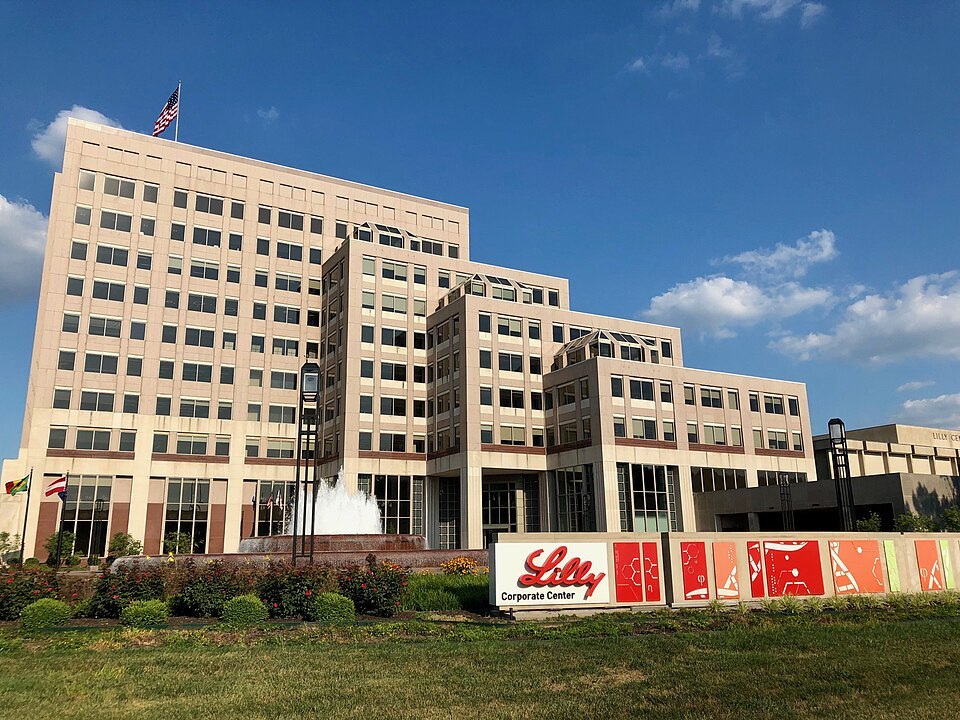
Sources: Missouri attorney general’s October 26 letter; Lilly’s January 29 policy statement; HRSA’s 340B program overview. Photo: Lilly Corporate Center in Indianapolis, 2019, by Momoneymoproblemz via Wikimedia Commons, CC BY-SA 4.0; resized and recompressed.