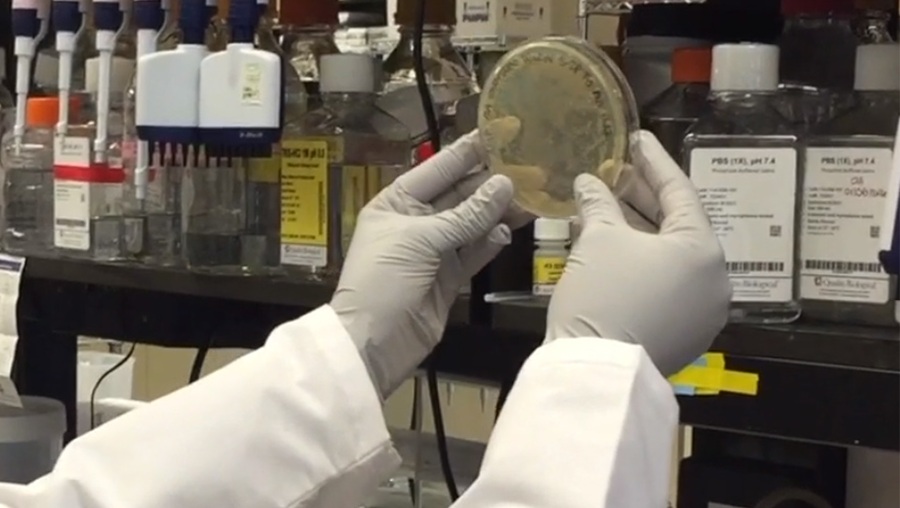
Photo: NIAID / NIH (archive, 2020; detail)
Servier said on November 3 that its late-stage trial of sevasemten in Becker muscular dystrophy did not meet its main goal or its secondary goals, a setback for the experimental treatment.
The 18-month, international GRAND CANYON study compared the drug with a placebo. It found no statistically significant benefit on the North Star Ambulatory Assessment, or NSAA, the primary measure used to judge the treatment’s effect, according to the company’s announcement.
Servier also said the trial continued to show a favorable safety and tolerability profile. The company did not release the full results, numerical treatment comparisons or a detailed safety breakdown in its initial statement.
Full data still to come
The findings were not aligned with some observations from earlier studies, including the Phase 2 CANYON trial, Servier said. The company is reviewing the GRAND CANYON dataset alongside relevant earlier clinical data to better understand the difference.
Servier said it would present full results in the future, without giving a date. Its statement did not set out the next development steps.
The reported safety finding and the missed treatment goals address different questions. A favorable safety and tolerability profile does not establish that a treatment works; the latest study did not demonstrate a statistically significant benefit on its primary measure.
Patient group acknowledges setback
CureDuchenne confirmed the news in a November 3 research update, noting that both primary and secondary endpoints were missed. The patient organization called the result disappointing and said it would share more information as it became available from the company.
For now, the public account is limited to those initial findings. The fuller dataset and Servier’s ongoing review are still needed to explain why this larger study differed from earlier observations.
The accompanying archive photograph shows a cropped detail of NIAID research in January 2020, not a Servier facility or this trial. Credit: NIAID / NIH, CC BY 2.0.
JBizNews Desk | New York
© JBizNews.com. All rights reserved. Unauthorized reproduction or redistribution is strictly prohibited.