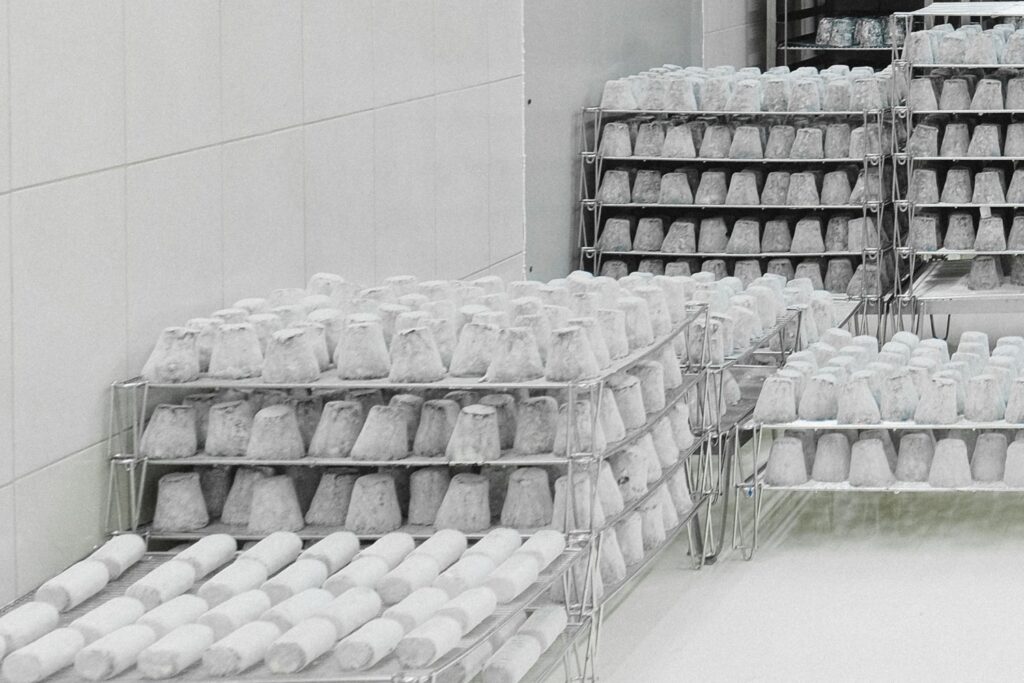
Photo: Anna Shvets / Pexels
WASHINGTON, Nov. 5, 2026 – U.S. agencies warned Thursday that malicious cyber activity is targeting industrial refrigeration and cold-chain monitoring systems globally, putting temperature-sensitive operations at grocers, healthcare facilities and transport businesses at potential risk.
The joint advisory from CISA, the FBI and the departments of Health and Human Services, Agriculture and Transportation urges owners to remove unnecessary internet access, secure remote connections and update the systems that control and monitor refrigeration.
The agencies described possible consequences of successful attacks, including temperature changes, inventory loss, equipment damage and fire hazards.
Why refrigeration controls matter
The systems are used for automated temperature monitoring, continuous temperature records, defrost management and energy use. They are common in healthcare and public health, chemicals, food and agriculture, and transportation, including refrigerated transport services, the advisory said.
That makes the issue broader than a retailer’s computer system. A disruption to equipment controls or monitoring can affect the physical conditions in which temperature-sensitive inventory is held and moved.
The agencies warned that attackers could alter temperature settings or prevent operators from seeing current temperatures. The latter can make it harder for staff to identify a problem even when they rely on automated monitoring.
Possible physical effects, not confirmed loss totals
Unsafe temperature changes could reduce equipment life, create a fire hazard or cause inventory losses, the advisory said. It also warned of possible indirect harm to consumers if products were consumed after unsafe storage.
CISA official Chris Butera said every organization dependent on refrigeration and monitoring should assume it could be a target. FBI official Brett Leatherman said systems were being targeted across critical-infrastructure sectors globally.
What owners and operators can do
The agencies’ first recommendation is to eliminate public internet exposure for control equipment. Where remote access is necessary, they advise protecting it through appropriately secured and updated network equipment rather than leaving controller panels openly reachable.
They also recommend separating operational equipment from business networks, changing default passwords, using strong passwords and deploying phishing-resistant multifactor authentication wherever feasible. Access to make changes should be limited to authorized devices and users.
Keeping firmware current is another priority. Owners should identify equipment that is no longer supported by its manufacturer and plan to retire or replace it, rather than assuming an old controller can be made safe through a password change alone.
Reliable backups should be kept offline and offsite and tested, the advisory said. Operators should also enable and review logs for unexpected activity, define safe temperature-setting limits and establish alerts when equipment moves outside expected ranges.
A business-continuity issue across the cold chain
For grocery operators, cold-storage companies, healthcare businesses and refrigerated transport providers, the immediate task is to know which controls are exposed, who can change them and how staff will detect an unsafe change.
The advice is aimed at system owners and operators.
The agencies urge organizations to report suspicious or criminal activity to CISA, the FBI’s Internet Crime Complaint Center or a local FBI field office. Healthcare operators facing possible medical-supply-chain disruption can also seek assistance from HHS.
JBizNews Desk | Washington
© JBizNews.com. All rights reserved. Unauthorized reproduction or redistribution is strictly prohibited.