Crypto Companies Put $233 Million Into Midterm Political Committees as Senate Rules Fight Stalls
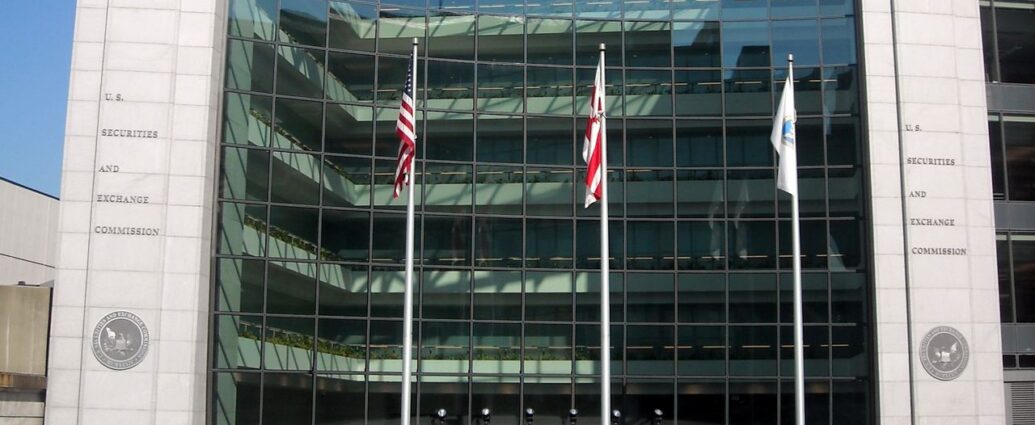
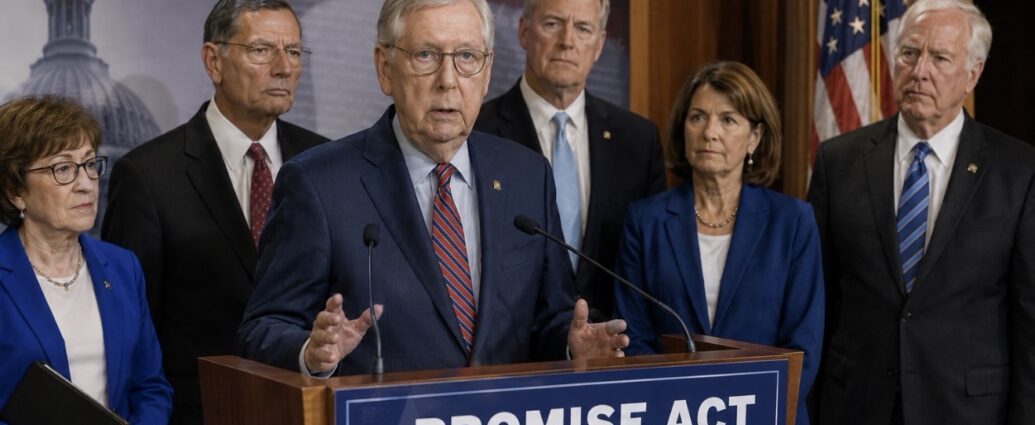
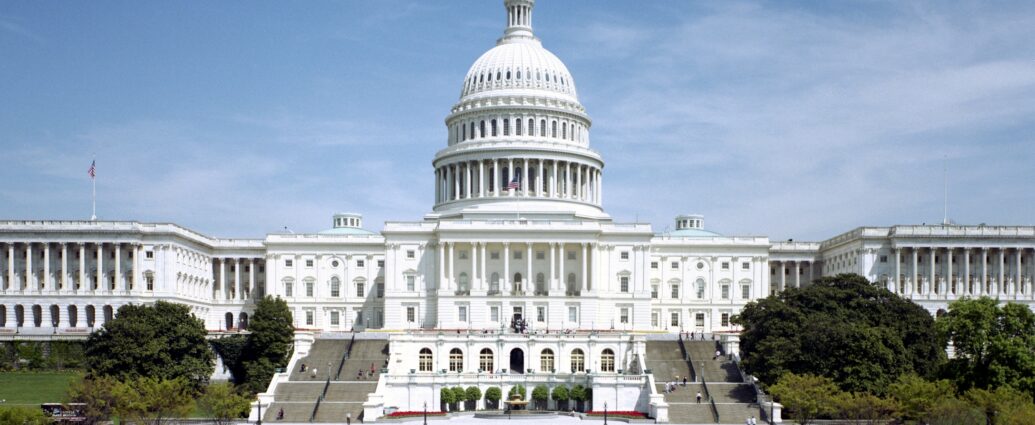
Architect of the Capitol / Wikimedia Commons (1997 archive; public domain; crop).
Cryptocurrency companies head into Tuesday’s congressional elections having contributed $233 million to super PACs and similar political committees this cycle, according to an October 29 analysis of federal filings by Public Citizen. The money gives the industry a large financial stake in who writes the next set of U.S. digital-asset rules, with a major market-structure bill still stalled in the Senate.
The watchdog’s analysis, covering Federal Election Commission data through October 23, puts crypto ahead of online betting and the technology businesses it groups with artificial intelligence and data-center development. Those sectors contributed $85.2 million and $73.1 million, respectively. Together with crypto, they account for more than half of the $737.3 million in corporate contributions Public Citizen identified for the 2026 midterms.
These are contributions to political committees, not a count of advertising already bought or money given directly to candidates. Public Citizen counted contributions of $5,000 or more from for-profit companies to super PACs and hybrid PACs. Its $233 million figure describes that defined corporate category, rather than every donation by a person who works in crypto.
Fairshake is a central vehicle for the industry’s effort. The committee says it supports candidates committed to making the United States a home for blockchain innovators and argues that clearer legal and regulatory rules are needed for that business to grow. It is an independent-expenditure-only committee, meaning its candidate support takes place through independent political activity rather than contributions to a candidate’s campaign.
Fairshake’s FEC summary shows $138.2 million in receipts and $169.5 million in disbursements from January 1, 2025, through October 14, 2026. Of those disbursements, $139 million was transferred to affiliated committees. That distinction matters: adding those transfers to the recipients’ later advertising spending would count the same money twice.
The FEC’s summaries for the same reporting period list $19.4 million in independent expenditures by Fairshake, $88.3 million by Defend American Jobs and $29.2 million by Protect Progress. Those figures are a separate measure of candidate-related spending, not additional amounts to stack on top of the industry’s corporate contributions. They also stop short of Election Day: the FEC says these summary totals exclude the separate 24- and 48-hour independent-expenditure reports.
The companies supplying the money are not all sending it to one organization. Public Citizen’s detailed table lists $37.2 million in corporate contributions from Coinbase, including $33.1 million to Fairshake, and $49.6 million from Ripple Labs, including $48.5 million to Fairshake and affiliates. It lists $39 million from Crypto.com, including $35 million to President Donald Trump’s MAGA Inc. The different recipients show why the broader industry total and Fairshake’s own accounts are not interchangeable.
The unfinished legislative fight helps explain the stakes. The Digital Asset Market Clarity Act would create a regulatory system involving the Securities and Exchange Commission and Commodity Futures Trading Commission. But a September 15 Senate vote to end debate on the motion to take up the bill failed, with 49 senators voting yes and 50 voting no, short of the required three-fifths. Congress’s bill record still lists it as having passed the House, not become law.
That leaves voters choosing a Congress that will inherit an unresolved argument over how crypto markets should be supervised. The industry’s money can finance an electoral push. It cannot itself supply the Senate votes needed to move the legislation or determine the rules a future Congress will ultimately accept.
JBizNews Desk | New York
© JBizNews.com. All rights reserved. Unauthorized reproduction or redistribution is strictly prohibited.