


Opinion | The Trouble in Trump’s Venezuela


Trump’s Fears on the Iran War

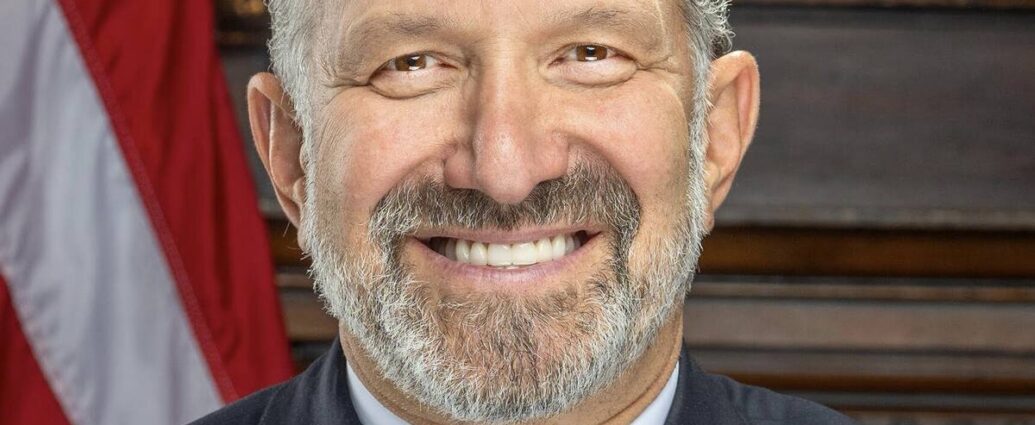
Howard Lutnick Calls for Review of Trade Deal With Canada and Mexico
WASHINGTON / OTTAWA — U.S. Commerce Secretary Howard Lutnick said Friday that the Trump administration is preparing to revisit the United States–Mexico–Canada Agreement (USMCA), warning that the current trade deal “needs to be reconsidered and reimagined” as it approaches its formal review in the coming months.
Speaking at a Semafor-hosted conference, Lutnick delivered a blunt assessment of the pact that governs more than $1.5 trillion in annual North American trade, signaling that President Donald Trump views the agreement as structurally imbalanced despite preserving duty-free access for most goods across the region.
“Making Mexico and Canada be treated like Georgia and Alabama without them being committed…it’s a bad trade deal,” Lutnick said. “There’s plenty of good in it, but there’s a huge amount of bad in it, and it needs to be reconsidered for the benefit of America.”
The USMCA, which replaced NAFTA in 2020, includes a built-in six-year review mechanism designed to assess performance and determine whether the agreement should be extended or revised. That review is now drawing heightened attention from policymakers and business leaders alike, as early signals from Washington point to potential changes that could ripple across integrated supply chains in manufacturing, agriculture and energy.
The remarks have injected fresh uncertainty into corporate planning across North America, where companies have long relied on predictable trade rules to guide investment and hiring decisions. The agreement has been especially critical for Canada and Mexico, whose exports to the United States largely flow tariff-free under its provisions.
Canadian Prime Minister Mark Carney has emphasized the importance of stability in cross-border trade, framing the agreement as essential to economic growth and job creation. “Canada’s prosperity is built on strong and reliable trade relationships,” Carney said in recent remarks, adding that his government would “defend the interests of Canadian workers and businesses” as the review process unfolds.
Canada’s Minister of Export Promotion, International Trade and Economic Development, Mary Ng, struck a similar tone, signaling openness to discussions while underscoring Ottawa’s position that the agreement remains fundamentally sound. “USMCA is a modern, high-standard agreement that benefits all three countries,” Ng said. “We will approach the review constructively while firmly defending Canada’s interests.”
In Mexico, President Claudia Sheinbaum has also stressed the importance of maintaining North America’s economic integration, particularly at a time of intensifying global competition. “Trade integration in North America has been fundamental to our shared prosperity,” Sheinbaum said, noting that Mexico would work with its partners to strengthen the agreement while safeguarding national priorities.
Mexico’s Economy Secretary Marcelo Ebrard indicated that Mexico is preparing for negotiations but expects any revisions to remain balanced. “We are ready for the review process,” Ebrard said. “The agreement has delivered results, and any modernization should reinforce regional competitiveness—not weaken it.”
While the administration has yet to outline specific proposals, trade analysts expect the review to focus on tightening rules of origin, particularly in the automotive sector, strengthening enforcement of labor and environmental provisions, and updating digital trade rules to reflect evolving technologies. Officials are also expected to push for measures that encourage more production within the United States, a central theme of the administration’s broader economic agenda.
Lutnick’s comments reflect a deeper concern within the administration that the current framework provides broad market access without sufficient alignment on economic and regulatory commitments. That view is likely to shape the U.S. negotiating posture as talks begin.
Any move to significantly alter the agreement carries high stakes. The USMCA underpins decades of economic integration, with supply chains that often cross borders multiple times before goods reach consumers. For U.S. companies, changes could create new domestic opportunities but also introduce cost pressures and operational disruptions. For Canada and Mexico, whose economies are more dependent on U.S. trade, the risks are even more pronounced.
As the review approaches, the tone set by Lutnick suggests that negotiations may extend beyond routine updates, setting the stage for a consequential test of North America’s economic partnership and the future direction of regional trade.
—JBiz News Desk
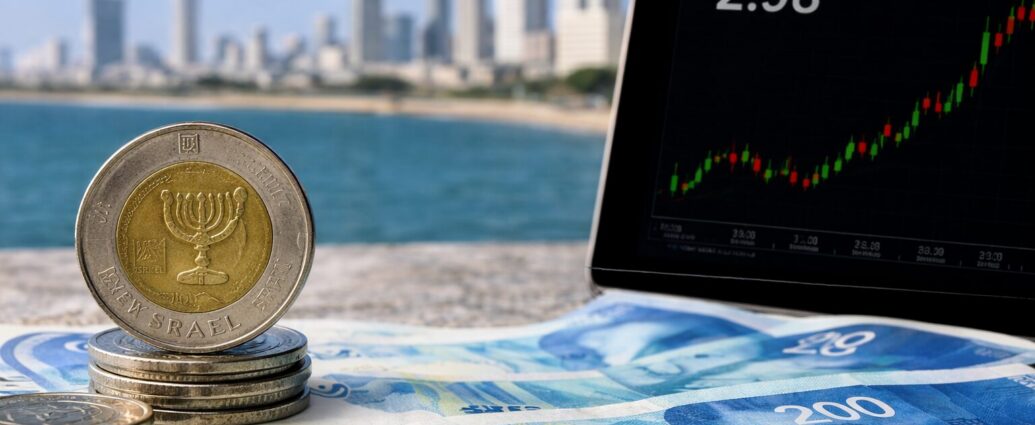
Shekel’s Strength Boosts Israelis’ Buying Power While Hitting Israelis Investing in U.S. Markets
The Israeli shekel is again pressing against historic highs, trading just below the NIS 3-per-dollar threshold after briefly breaking through the level for the first time since the mid-1990s, a move that is reshaping both household purchasing power and investment returns. Bank of Israel data and interbank market pricing on Sunday showed the currency hovering near NIS 2.98 per dollar, capping an appreciation of more than 20% over the past 18 months, even as the U.S. dollar has weakened broadly across global markets.
For Israeli consumers, the stronger currency is translating into tangible gains in purchasing power. Imported goods—from electronics and vehicles to raw materials and energy inputs—are becoming cheaper in shekel terms, easing inflationary pressures and lowering costs for businesses reliant on global supply chains. Travel abroad has also become more affordable, with Israelis effectively getting more value per dollar or euro spent overseas.
“A stronger shekel increases real purchasing power for households and reduces the cost of imports across the economy,” said Ofer Klein, chief economist at Harel Insurance and Finance. “It has a moderating effect on inflation, particularly in categories tied to global pricing such as fuel, consumer goods, and durable imports.”
Yet that same strength is creating a very different reality for investors. While the S&P 500 delivered gains approaching 30% over the past year, Israeli savers invested in unhedged, dollar-denominated vehicles—such as passive ETFs, pension tracks, and retirement funds linked to U.S. indices—have seen those returns significantly reduced once converted back into shekels. Institutional performance data through early 2026 show returns in the low single digits for fully dollar-exposed strategies, compared with roughly 25%–30% in domestically managed equity tracks.
“For many years, I have said this is a problematic path for Israeli savers,” said Tamir Hershkovitz, senior vice president and head of investments at Ayalon Insurance and Finance. “Investing in the S&P 500 is excellent—but linking it fully to the dollar, without managing currency exposure, creates a mismatch. The saver earns and spends in shekels, so currency movements can erase a large portion of the gains.”
He added, “A balanced portfolio with limited foreign-exchange exposure is increasingly necessary in this environment.”
The divergence highlights how currency dynamics have become a dominant factor in portfolio performance. Israeli institutional investors—including pension funds and insurance companies—have been actively rebalancing portfolios by selling dollars after strong gains in overseas markets and reallocating into shekel-denominated assets. These transactions, including spot conversions and hedging strategies, are adding further upward pressure on the currency.
“In the last 12 months, U.S. equities rose by around 30%, but the dollar weakened by roughly 20%, cutting the effective return for Israeli investors dramatically,” said Idit Moskovich, manager of the trading room at First International Bank of Israel. “Investors fully exposed to foreign currency—especially through passive U.S. index products—must factor this in. Currency hedging is becoming essential, not optional.”
Beyond financial flows, structural drivers are reinforcing the shekel’s strength. Israel’s export engine—particularly in technology, defense, and natural gas—continues to generate substantial foreign currency inflows. These revenues are routinely converted into shekels for domestic use, creating sustained demand for the local currency.
“We are seeing a combination of strong export inflows and institutional activity all supporting the shekel,” said Klein. “When you add global dollar weakness and improving geopolitical expectations, you get a powerful alignment of forces.”
Geopolitical sentiment is also influencing the currency’s trajectory. Markets are increasingly pricing in a more stable regional outlook, which has supported continued capital inflows into Israeli assets. Even amid intermittent tensions, analysts note that global investors have maintained exposure to Israel, signaling confidence in the country’s economic resilience.
“Even in periods of uncertainty, capital continues to flow into Israel,” said Hershkovitz. “That reflects long-term confidence in the economy and helps explain why the shekel remains strong despite external challenges.”
At the corporate level, multinational activity is further contributing to demand. Global firms operating in Israel convert foreign earnings into shekels for payroll and local investment, while exporters continue to repatriate revenues. At the same time, importers benefit from lower costs, which can feed through into consumer pricing and corporate margins.
Still, the rapid pace of appreciation is raising concerns, particularly among exporters. A stronger shekel makes Israeli goods more expensive abroad, reducing competitiveness and squeezing profit margins.
“The speed of appreciation is critical,” said Klein. “If a company operates with a 10%–15% margin and the currency strengthens by more than 20%, that margin can effectively be wiped out. That creates real pressure on exporters and could eventually impact growth.”
Despite these concerns, economists do not expect immediate direct intervention from the Bank of Israel. The central bank, led by Governor Amir Yaron, holds more than $200 billion in foreign exchange reserves but has shifted away from frequent currency market intervention.
“The Bank of Israel is more likely to act through interest rate policy rather than direct foreign exchange intervention,” said Klein. “Currency intervention is typically reserved for extreme market conditions, which we are not seeing right now.”
Looking ahead, the outlook for the shekel remains tied to both domestic fundamentals and global developments. Continued export strength, stable geopolitical conditions, and a weaker dollar could sustain the current trend. However, shifts in U.S. monetary policy, global market corrections, or renewed regional tensions could quickly reverse the currency’s trajectory.
“Currency markets can change direction very quickly,” Klein added. “If global markets turn or geopolitical risks increase, the shekel could weaken just as fast as it strengthened. The current levels are not guaranteed.”
For Israeli households, the story is one of mixed outcomes: stronger purchasing power at home and abroad, but diminished returns on global investments. For investors and policymakers alike, the shekel’s rise underscores a broader shift—currency exposure is no longer a secondary consideration but a central factor in economic and financial decision-making.
As the shekel hovers near historic highs, the question is no longer just how strong it can get—but how long the forces behind its rise can remain in place before the cycle turns.
—JBizNews Desk- Tel Aviv

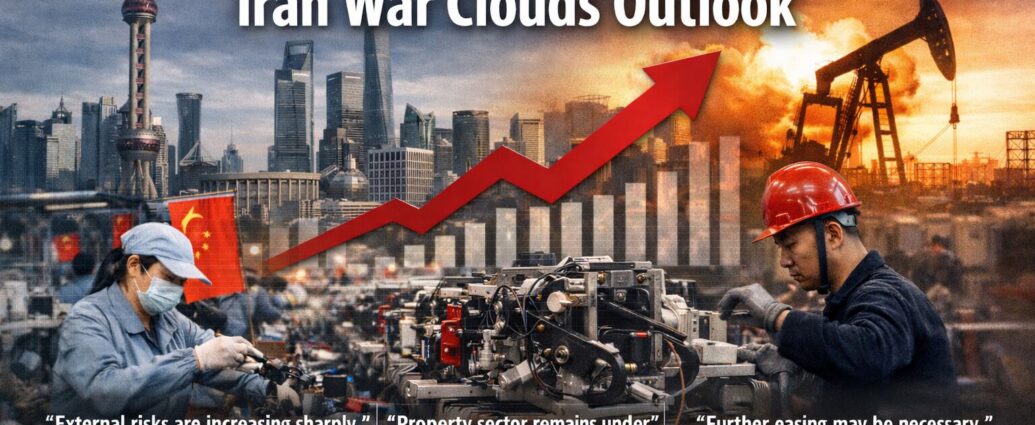
China Q1 Growth Hits 5% as Rising Middle East Tensions Cloud Outlook
BEIJING — China’s economy expanded 5.0% year-over-year in the first quarter of 2026, matching Beijing’s annual growth target, according to official data released by the National Bureau of Statistics (NBS), as policymakers point to steady industrial output and consumption while warning of mounting external risks.
“The national economy got off to a stable start and maintained steady growth momentum,” NBS spokesperson Liu Aihua said at a press briefing in Beijing, adding that “the external environment is becoming more complex and severe,” with global uncertainties weighing on the outlook.
The headline figure was supported by stronger-than-expected industrial production and retail sales. Industrial output rose 6.1% year-over-year in March, while retail sales climbed 4.8%, signaling improving domestic demand, according to NBS data. Fixed-asset investment also expanded 4.2% in the first quarter, led by infrastructure spending as Beijing continues to lean on state-led investment to stabilize growth.
Still, economists caution that the apparent resilience masks underlying fragility. Tao Wang, Chief China Economist at UBS, said in a note that “while headline GDP met expectations, the recovery remains uneven, with the property sector continuing to drag on overall momentum.” China’s real estate investment remains under pressure, with developers facing liquidity constraints despite targeted policy support.
External risks are also rising sharply. Escalating tensions tied to an Iran-related conflict scenario in global markets have pushed oil price volatility higher and raised concerns about supply chain disruptions. Zhiwei Zhang, Chief Economist at Pinpoint Asset Management, warned that “geopolitical tensions in the Middle East could feed into higher energy prices, which would add pressure to China’s manufacturing sector and margins.”
That concern is echoed by global institutions. The International Monetary Fund (IMF) recently noted that while China’s near-term growth is stabilizing, “geopolitical fragmentation and trade disruptions remain key downside risks to global and Chinese growth.” Higher energy costs, in particular, could complicate Beijing’s efforts to support industrial activity while keeping inflation contained.
On the policy front, Chinese authorities signaled readiness to act if conditions deteriorate. The People’s Bank of China (PBOC) has maintained an accommodative stance, and analysts expect further targeted easing. “We anticipate additional fiscal and monetary support in coming months, especially if external shocks intensify,” said Robin Xing, Chief China Economist at Morgan Stanley, pointing to potential reserve requirement ratio (RRR) cuts and expanded infrastructure funding.
Despite meeting its growth benchmark, Beijing faces a narrowing path forward. The combination of a still-weak property sector, fragile private-sector confidence, and rising geopolitical tensions leaves the sustainability of China’s recovery in question.
What comes next will largely depend on whether policymakers can successfully offset external shocks while reigniting domestic demand—a balancing act that is becoming increasingly difficult as global uncertainty deepens.
— JBIZnews Desk –Asia


U.S. and Iran Signal Easing of Tensions


Bank of Canada to Track Longer-Term CPI Expectations For Guidance on Rates, Macklem Says


Opinion | Correction


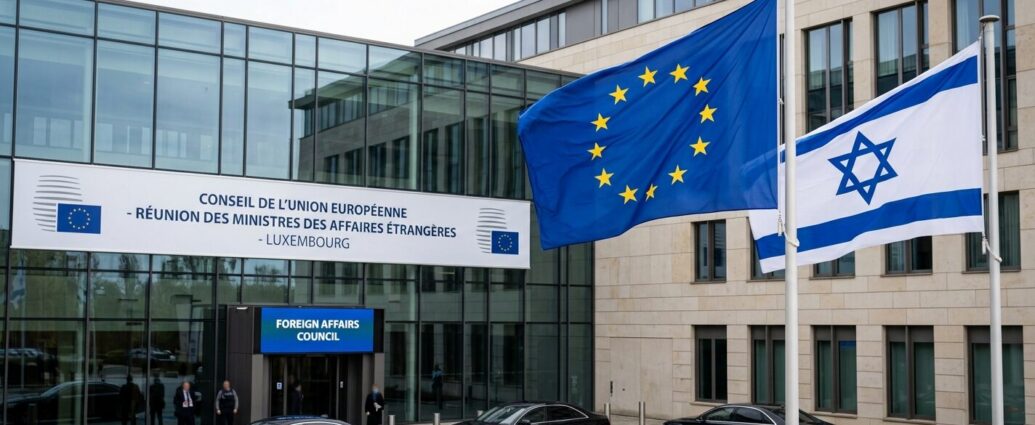
EU Foreign Ministers to Revive Israel Sanctions Debate After Orban Setback
LUXEMBOURG — A coalition of European Union member states is moving to reintroduce a contentious proposal for sanctions against Israel at a high-level foreign ministers’ meeting in Luxembourg next week. The diplomatic maneuver follows a significant setback orchestrated by Hungarian Prime Minister Viktor Orban, whose government recently utilized its veto power to stall a unified European response to the ongoing conflict in Gaza and settlement expansion in the West Bank.
The upcoming summit represents a critical test of the EU’s ability to project a cohesive foreign policy. While the bloc remains Israel’s largest trading partner, internal fractures have deepened as member states debate the balance between strategic security interests and humanitarian obligations.
The “Orban Blockade” and Legal Workarounds
The push for restrictive measures was temporarily derailed earlier this month when Hungary, Israel’s most consistent ally within the 27-nation bloc, blocked a joint statement and proposed penalties. Under the EU’s current framework, significant foreign policy shifts generally require unanimous consent—a rule that Orban has frequently used to shield Jerusalem from Brussels’ ire.
However, diplomatic sources indicate that a “coalition of the willing,” led by Ireland, Spain, and Belgium, is no longer content with the stalemate. These nations are reportedly exploring legal avenues to bypass the unanimity requirement, potentially through “targeted measures” that focus on specific individuals or entities rather than broad state-level sanctions.
“The status quo is increasingly untenable for several capitals,” said a senior EU diplomat familiar with the preparations for the Luxembourg summit. “The Orban veto may have slowed the process, but it has also galvanized those who believe the EU’s credibility is at risk if it remains silent.”
Economic Stakes and the Association Agreement
For the business community, the most significant risk involves potential changes to the EU-Israel Association Agreement. This legal pillar governs the preferential trade terms that have allowed Israeli tech and agricultural sectors to flourish within the European market.
While a full suspension of the agreement remains unlikely, several member states have called for a “human rights review” of the treaty. Any formal shift in this direction could introduce volatility for investors and disrupt supply chains that have become integral to both economies.
A Fragmented Continent
The debate highlights a sharp geographic and ideological divide within Europe:
- The Hardliners: Ireland, Spain, and Slovenia continue to push for immediate sanctions, citing international law and the deteriorating humanitarian situation in Gaza.
- The Mediators: Germany, Austria, and the Czech Republic remain wary of alienating a key security partner, emphasizing Israel’s right to self-defense against regional threats.
- The Outlier: Hungary continues to view any talk of sanctions as a “red line,” arguing that such measures only serve to embolden extremist elements in the Middle East.
The View from Jerusalem
The Israeli Ministry of Foreign Affairs has remained firm, characterizing the renewed talk of sanctions as a distraction from the broader regional threat posed by Iran and its proxies. In a brief statement, Israeli officials suggested that European pressure would not alter their security mandates, emphasizing that “sanctions are not the language of partners.”
Outlook for Luxembourg
As High Representative Josep Borrell prepares to chair next week’s session, the focus will be on whether the bloc can find a “middle way”—likely a list of targeted sanctions against specific individuals involved in West Bank violence—that even the most hesitant states can support.
JbizNews Desk

Israel-Lebanon Ceasefire Takes Effect as Trump Calls for Calm and ‘No More Killing’
JERUSALEM / BEIRUT — April 16, 2026 —
Israel and Lebanon have agreed to a 10-day ceasefire that took effect at 5 p.m. ET on Thursday, marking a significant step toward de-escalation after weeks of fighting between Israel and the Iran-backed militant group Hezbollah, with both sides signaling cautious compliance as the region watches closely to see whether the pause in hostilities can hold.
The agreement, reached following sustained international mediation efforts, appears to have resulted in an immediate reduction in cross-border fire along the northern frontier, offering a temporary reprieve in one of the region’s most volatile flashpoints. Israeli officials emphasized that security remains the top priority and that any violation of the ceasefire would be met with a firm response, while Lebanese officials described the truce as a necessary step to prevent further escalation amid ongoing economic and political strain.
Former President Donald Trump weighed in on the development, expressing hope that Hezbollah would respect the ceasefire and contribute to stability during the temporary halt in fighting. He said he hopes Hezbollah “acts nicely and well during this important period of time,” adding in a public statement that it would be a “GREAT moment for them if they do,” and calling for an end to the violence, stating, “No more killing. Must finally have PEACE!”
The ceasefire reflects broader international efforts to contain tensions and avoid a wider regional conflict, particularly as geopolitical instability continues to influence global markets and energy security. Diplomatic pressure from multiple actors was widely seen as instrumental in bringing about the temporary halt, underscoring the high stakes tied not only to regional security but also to global economic stability.
Financial markets responded with cautious optimism, as easing tensions in the Middle East typically reduce geopolitical risk premiums and support investor sentiment, particularly in energy markets sensitive to regional disruptions. Analysts note that while the immediate economic impact may be limited, a sustained ceasefire could help stabilize conditions and improve confidence across global markets.
Despite the initial calm, the situation remains fragile, with ceasefires in the region historically dependent on strict adherence by all parties. The coming days are expected to be critical in determining whether the agreement holds or gives way to renewed tensions. For now, the ceasefire provides a narrow window for de-escalation and potential diplomatic progress, even as underlying challenges remain unresolved and the region stays on alert.
JBizNews Desk- Middle East

Cuba Explores Backchannel Outreach to Trump Amid Deepening Economic Strain
WASHINGTON / HAVANA — April 16, 2026 —
Cuba appears to have pursued an unusual backchannel effort to reach former President Donald Trump, signaling growing urgency in Havana as the island faces one of its most severe economic crises in decades.
According to officials familiar with the matter, the outreach involved an attempt to deliver a message outside traditional diplomatic channels, reflecting a possible effort to bypass established U.S. foreign policy structures and engage directly at the presidential level. The initiative has been linked to Raúl Rodríguez Castro, a senior aide and grandson of former Cuban leader Raúl Castro, who at 94 remains the most influential figure in Cuba’s political system.
Analysts and officials say the move may have been designed to circumvent Secretary of State Marco Rubio, a longtime advocate for increasing pressure on Cuba’s Communist government. Rubio, the son of Cuban immigrants, has consistently supported policies aimed at forcing political change on the island, making him a central figure in shaping Washington’s approach to Havana.
“A backchannel effort like this suggests a desire to engage at the highest level while avoiding established policy constraints,” a U.S. official said. “It reflects both urgency and a recognition of where decisions are ultimately made.”
Outside experts also view the reported outreach as a sign of shifting dynamics within Cuba’s diplomatic approach. One U.S.-Cuba policy specialist noted that the effort appears aimed at delivering a direct message to Trump, reflecting diminished confidence in traditional intermediaries and a preference to engage the president directly in an effort to stabilize the situation.
The White House did not respond directly to questions about whether any such communication was received, instead referring to the president’s recent public remarks on Cuba. The State Department similarly declined to comment, directing inquiries to the White House. It also could not be determined why the individual attempting to deliver the message was stopped at the airport, leaving key aspects of the episode unclear.
The reported outreach comes as Cuba confronts mounting economic pressure, including currency instability, shortages, and declining access to foreign capital. Officials say the message was broadly aimed at opening a dialogue around economic cooperation, potential investment pathways, and possible sanctions relief.
“Cuba’s economic situation is driving a search for alternatives,” said a former U.S. official familiar with regional policy. “Efforts like this are about testing whether there is any flexibility on the U.S. side.”
In recent public remarks, Trump signaled a willingness to engage, describing Cuba as a struggling economy and suggesting the United States could play a role in assisting its recovery—comments that analysts say may further encourage outreach efforts from Havana.
Some policy analysts suggest that Trump could be open to a more transactional economic arrangement with Cuba, potentially allowing targeted engagement while leaving much of the existing political structure in place—an approach that would echo elements of past U.S. dealings with countries such as Venezuela.
“That kind of framework is not unprecedented, but it would be highly sensitive politically,” a government-affiliated analyst noted. “It would raise immediate questions about long-term strategy versus short-term economic considerations.”
Such a scenario would likely face strong opposition from segments of the Cuban-American community, where there is longstanding support for maintaining pressure until meaningful political reforms are achieved.
While it remains unclear whether the outreach will lead to any concrete developments, officials say the episode highlights the continued reliance on informal diplomatic channels when formal engagement remains limited.
“When traditional pathways stall, alternative ones tend to emerge,” the U.S. official added. “But those efforts don’t always translate into policy change.”
For now, the situation underscores both the complexity of U.S.-Cuba relations and the increasing urgency driving Havana’s outreach efforts at a pivotal moment.
JBizNews Desk
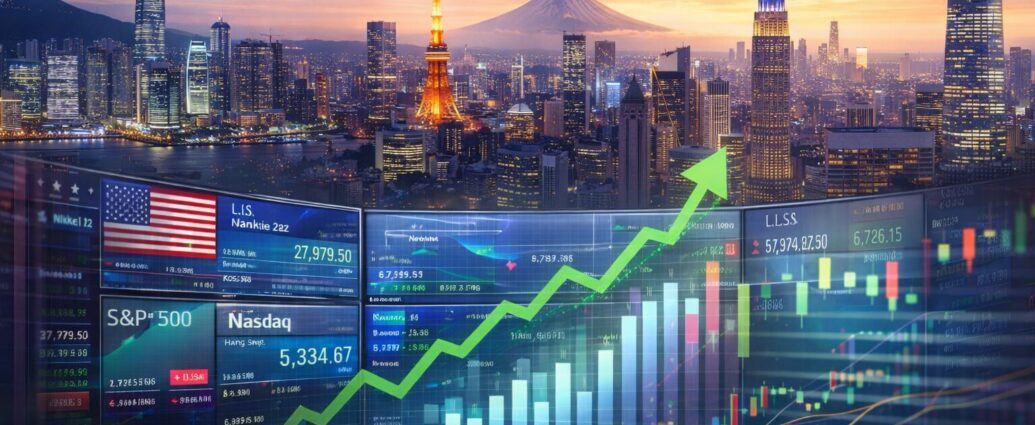
Asian Markets Rise in Sync With Wall Street as Tech and Policy Signals Drive Global Momentum
HONG KONG / SEOUL / TOKYO / NEW YORK —
Asian markets advanced in Thursday trading, extending gains from Wall Street as investors responded to improving U.S. economic signals, moderating inflation expectations, and renewed strength in global technology stocks.
Major regional indices—including Japan’s Nikkei 225, South Korea’s Kospi, and Hong Kong’s Hang Seng Index—moved higher, reflecting a coordinated global rally driven by shifting expectations around U.S. monetary policy and strengthening investor sentiment.
Wall Street Sets the Global Tone
The rally follows a strong U.S. session, where the S&P 500 and Nasdaq Composite were lifted by gains in large-cap technology stocks and growing expectations that the Federal Reserve may be nearing the end of its tightening cycle.
This shift has fueled global risk appetite, with markets increasingly positioning for a more accommodative policy environment later in 2026.
“U.S. market direction remains the anchor for global equities,” said a Seoul-based strategist. “When Wall Street gains traction, Asia responds quickly—and that’s exactly what we’re seeing now.”
South Korea Emerges as a Key Driver
South Korea played a central role in the regional advance, with the Kospi index rising on strong performance in semiconductor and technology shares.
Major chipmakers benefited from improving demand forecasts tied to artificial intelligence and memory recovery, reinforcing South Korea’s position at the core of the global tech supply chain.
Technology Stocks Lead a Broad-Based Rally
Across Asia, technology shares drove gains, closely mirroring U.S. market trends:
South Korean semiconductor firms advanced on AI-driven demand Japanese robotics and chip companies gained on export optimism Hong Kong-listed Chinese tech stocks rebounded after recent pressure
The synchronized performance highlights the deep integration between U.S. and Asian tech ecosystems, particularly in semiconductors, AI infrastructure, and global supply chains.
Currency Moves and Capital Flows Support Gains
The U.S. dollar weakened modestly, providing additional support to Asian equities and currencies. A softer dollar typically enhances export competitiveness—particularly for economies like South Korea and Japan—while also encouraging capital inflows into regional markets.
Investors are increasingly reallocating toward Asia, where valuations remain attractive relative to U.S. equities.
China Policy Outlook Remains in Focus
Market participants continue to monitor Beijing for further economic support measures. While China’s recovery remains uneven, expectations of targeted stimulus are contributing to improved sentiment across the region.
Any policy action from China is likely to have ripple effects across Asia and global markets, particularly those tied to U.S. demand and supply chain dynamics.
Outlook: Global Markets Moving in Lockstep
Analysts say the current environment reflects an increasingly synchronized global financial system, where U.S. economic signals drive market behavior across Asia and beyond.
“As long as U.S. growth remains stable and inflation trends continue to ease, Asian markets are likely to remain supported,” one strategist noted.
Still, risks remain, including geopolitical tensions, policy uncertainty, and potential shifts in central bank direction.
For now, the alignment between Wall Street and Asian markets underscores a defining trend of modern finance: global markets are moving in lockstep, with technology and policy expectations leading the way.
JBizNews Desk – Asia


Republicans’ Anxiety Over Iran War Grows


