The top Democrat on the Senate Finance Committee launched an inquiry into the Trump administration’s recent actions on flavored vapes and kratom products, alleging a pattern of quid pro quos after the tobacco and kratom industries made large donations to the presidential campaigns of Donald Trump and Robert F. Kennedy Jr.

“Both industries will flood gas stations and convenience stores with products that pique the curiosity of kids and teens and launch them into addiction,” Sen. Ron Wyden (D-Ore.) writes in an Aug. 3 letter to Kennedy, who is now President Trump’s health secretary. Wyden adds, “You have yet to draw a line in the sand and buck corporate interests to Make America Healthy Again.”

The Senate investigation includes Kennedy as well as the heads of Reynolds American and kratom company Botanic Tonics, asking for written responses and documentation by Aug. 31.


Continue to STAT+ to read the full story…

This post was originally published here. 

With more than 333,000 new cases every year, prostate cancer is the most frequently diagnosed cancer in the U.S., and by far the most common among men. It is also the least deadly: Only about 4% of prostate cancers end up being lethal, and the 5-year survival rate is about 99%. 

This paradox is in no small part due to the way it is diagnosed. A routine blood test checking for levels of a biomarker called prostate-specific antigen (PSA) is followed, if this protein is elevated, by a systematic biopsy to find cancerous tissue. This two-step process is effective at detecting cancer, even in its earliest stages. It may be too effective, in fact: Up to 70% of new prostate cancer diagnoses are low grade and in no need of treatment, as the risk of the disease turning deadly is negligible. 

Read the rest…

This post was originally published here. 

By the time a patient arrives in an emergency room with chest pain, nobody asks whether the physician caring for them trained in an allopathic (M.D.) or osteopathic (D.O.) medical school. Both physicians prescribe medications, perform procedures, lead hospital teams, and practice under the same state licenses.

The credential on the wall does not change the care provided at the bedside.

Read the rest…

This post was originally published here. 

On Wednesday, legislation that allows terminally ill New Yorkers to opt for an assisted suicide is set to come into effect. The state’s Medical Aid in Dying Act is the culmination of work by many — and a work of art may have paved the way.

Released in the U.S. in 2025, Pedro Almodóvar’s film “The Room Next Door” tells the story of how Martha (Tilda Swinton), who has terminal cancer, enlists her friend Ingrid (Julianne Moore) to help her die. Set in a fictional New York prior to the legalization of medical aid in dying, assisted death is framed positively, with Martha’s decision to die an act of dignity and self-determination. Ingrid is an honorable and moral friend who facilitates her death while staying in a neighboring room.

Read the rest…

This post was originally published here. 

You’re reading the web edition of STAT’s Health Tech newsletter, our guide to how technology is transforming the life sciences. Sign up to get it delivered in your inbox every Tuesday and Thursday.

Good morning, health tech readers!

Today, controversy over a regulator’s decision on AI scribes. Plus, a little more detail on Dexcom’s FDA pilot and an enlightening look at how scribes are working their way into medical education.

Continue to STAT+ to read the full story…

This post was originally published here. 

BUNIA, Congo — Ebola has killed more than 1,700 people in eastern Congo in what has become the fastest-growing outbreak of the disease, according to data — spreading faster than health officials can track and with patient zero still unidentified.

As of Tuesday, 3,802 cases had been recorded, with 1,707 deaths, the latest government update showed.

Read the rest…

This post was originally published here. 

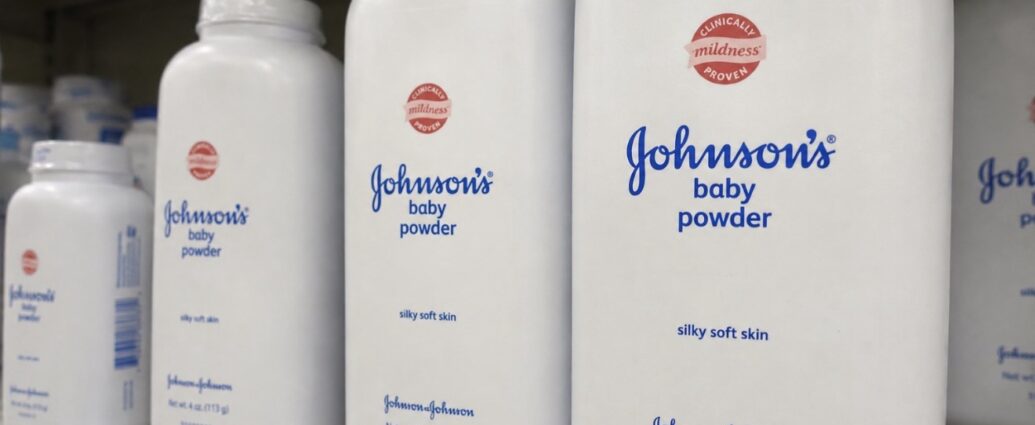
Johnson & Johnson is attempting to do what three bankruptcy courts refused to let it do—put a predictable price on one of the largest product-liability battles in corporate America. Its proposed $5.5 billion settlement is more than another legal agreement; it represents a new strategy for resolving mass tort litigation that could influence how large companies handle similar crises for years to come.

The company announced the proposal on July 27, offering to resolve approximately 76,000 lawsuits alleging its talc-based baby powder caused ovarian cancer. The agreement would cover nearly all remaining ovarian cancer claims pending in federal multidistrict litigation in New Jersey and related state courts. To become effective, law firms representing at least 95 percent of eligible plaintiffs must agree to participate.

Unlike the company’s previous efforts, this proposal avoids bankruptcy altogether.

A Different Path Than Bankruptcy

That distinction is the real business story.

Johnson & Johnson spent years trying to resolve its talc litigation through bankruptcy by placing the liabilities into a subsidiary, arguing that the process would create a faster and more equitable outcome for claimants. Courts rejected that strategy three separate times, concluding the company was not in the kind of financial distress bankruptcy law requires.

Rather than continue appealing those decisions, the company changed course. The new proposal was negotiated directly with plaintiffs’ attorneys under the supervision of a court-appointed mediator, eliminating the legal uncertainty that ultimately doomed the earlier $9 billion bankruptcy settlement.

Although the new agreement carries a smaller headline number, it offers plaintiffs faster access to compensation. Johnson & Johnson expects to distribute roughly $3 billion in 2027, with remaining payments scheduled for 2028, compressing what could have been years of litigation into a significantly shorter timetable.

Why the Timing Changed

The negotiations were not driven solely by settlement fatigue.

Only days before the agreement was announced, the federal judge overseeing the multidistrict litigation ordered plaintiffs to explain why many remaining claims should not be dismissed after key expert witnesses withdrew testimony linking talc products to specific ovarian cancer cases. The development significantly strengthened Johnson & Johnson’s legal position and altered the balance of negotiations.

Company executives continue to maintain that decades of scientific research do not support claims that cosmetic talc causes ovarian cancer. Johnson & Johnson says it has prevailed in the majority of ovarian cancer cases tried to verdict and believes it would have continued winning had the litigation proceeded.

The courtroom record, however, remains mixed. While some juries have ruled in the company’s favor, others have awarded substantial damages to plaintiffs, illustrating the uncertainty that accompanies large-scale product liability litigation.

Why Investors Are Paying Attention

Financial markets are focused less on the settlement amount than on what it replaces.

For years, the talc litigation represented an open-ended financial liability with no clear endpoint. The proposed agreement converts that uncertainty into a defined payment schedule, giving investors greater visibility into future cash requirements while allowing management to concentrate on the company’s pharmaceutical and medical technology businesses instead of one of the most expensive legal disputes in its history.

Shares of Johnson & Johnson rose following the announcement, reflecting investor confidence that even an expensive settlement may ultimately be preferable to years of unpredictable courtroom outcomes.

What It Means for Business

The proposal carries implications far beyond Johnson & Johnson.

First, it signals that the so-called Texas Two-Step bankruptcy strategy has now been tested repeatedly against a financially healthy corporation and has failed each time. Companies facing mass tort litigation may become less willing to rely on bankruptcy courts as a primary resolution strategy.

Second, it demonstrates how quickly litigation economics can shift when courts challenge the scientific evidence supporting thousands of claims. A change in expert testimony helped reshape negotiations far more than years of courtroom arguments.

Finally, the agreement underscores the value investors place on certainty. Businesses can often absorb a large one-time financial obligation more easily than years of unpredictable legal exposure. Converting uncertain liabilities into scheduled payments allows companies to plan capital allocation, investment and growth with greater confidence.

The proposal is ultimately about more than baby powder. It is a test of whether negotiated certainty can replace prolonged litigation as the preferred strategy for resolving America’s largest corporate liability disputes. If Johnson & Johnson succeeds outside bankruptcy, boardrooms across corporate America are likely to study the model closely.

JBizNews Desk | New Brunswick, New Jersey

© JBizNews.com All Rights Reserved.
Reproduction or distribution without written permission is prohibited.

Moderna has dosed its first volunteers in an early-stage trial of an mRNA vaccine targeting the Bundibugyo species of Ebola, the strain driving the outbreak that has swept through the Democratic Republic of the Congo since mid-May.

The Cambridge, Massachusetts-based company said Tuesday that Health Canada cleared the study and that initial participants have already received the shot, designated mRNA-1469. The trial will run at three sites in Canada and aims to enroll roughly 80 healthy adults to evaluate safety and immune response.

The authorization makes Canada the second country to launch a Phase 1 study of a Bundibugyo vaccine candidate, after the United Kingdom.

The candidate uses the same messenger RNA platform Moderna built its COVID-19 franchise on, repurposed to carry genetic instructions for a Bundibugyo virus protein. The work falls under an expanded partnership with the Coalition for Epidemic Preparedness Innovations, which has committed up to $50 million toward early testing and manufacturing.

A commercial test of the platform thesis

For Moderna, the trial is more than a humanitarian exercise. The company has spent the post-pandemic period arguing that its mRNA platform can be pointed at a new pathogen and moved into humans in months rather than years — a claim central to the valuation case for a business that has watched COVID revenue collapse. Moderna said the program was designed to move with urgency and that it was working to accelerate the candidate into a Phase 1 study within months, subject to regulatory review. It has now delivered on that timeline.

The CEPI arrangement also reflects how outbreak-response vaccine economics now work. Rather than a pharmaceutical company absorbing full development cost for a product with no commercial market, a publicly and philanthropically funded body underwrites the early stages. CEPI has struck parallel collaborations with Merck & Co. and the International AIDS Vaccine Initiative to advance additional candidates, alongside an $8.6 million partnership with the University of Oxford and the Serum Institute of India.

That structure spreads the risk across multiple technology platforms. The IAVI candidate uses the rVSV platform already prequalified by the World Health Organization for a different Ebola strain, while Moderna’s builds on prior mRNA research on Ebola viruses.

The competitive field

Moderna is not first out of the gate. A Bundibugyo-specific vaccine from Oxford University and the Serum Institute entered Phase 1 testing in Britain on July 24. That candidate, ChAdOx1 BDBV, uses the viral vector platform behind the Oxford/AstraZeneca COVID-19 vaccine and is being tested in 50 healthy adults aged 18 to 55.

The Serum Institute has already committed manufacturing capacity. It supplied 4,000 investigational doses for the trial and has 620,000 additional doses in storage. If Phase 1 succeeds, CEPI plans to back Oxford through late-stage trials aimed at emergency approval and licensure.

That stockpile matters. Whichever candidate clears safety and immunogenicity hurdles first, the constraint on deployment will be doses in a warehouse, not regulatory paperwork — a lesson from the 2014 West Africa epidemic that the current response has clearly absorbed.

Scale of the outbreak

The Congo outbreak is the second-deadliest on record, with more than 1,700 known deaths and over 3,800 infections since mid-May, as health teams have struggled to contain its spread. The WHO has described the epidemic as both the second-largest and fastest-spreading ever documented. Roughly 17,000 contacts of confirmed cases are under monitoring, with more than 80 percent receiving daily check-ups.

Bundibugyo was long treated as a rare variant, which is precisely why no approved vaccine or treatment exists for it. The licensed Ebola vaccines target the Zaire species.

Treatment research is running in parallel. A WHO-sponsored trial is operating at three clinical management facilities in Ituri province with ALIMA and Doctors Without Borders, enrolling more than 50 confirmed patients randomly assigned to experimental treatment options. A separate prophylaxis study led by Congo’s National Institute for Biomedical Research has enrolled more than 25 high-risk contacts to test whether a 10-day course of the oral antiviral Obeldesivir can prevent disease after exposure.

Vasee Moorthy, acting head of the WHO’s R&D Blueprint program, credited protocols drawn up before the epidemic began, telling reporters in Geneva that trials have started faster than in past Ebola outbreaks.

What comes next

Phase 1 results establish only safety and immune response in healthy volunteers, not protection against infection. A successful readout would move the candidate into larger studies to determine optimal dosing, monitor for rare side effects, and confirm real-world efficacy.

The commercial upside for Moderna is limited in the conventional sense — outbreak vaccines rarely generate meaningful sales. The strategic value lies in proving the platform can be redirected at speed, a capability that underpins the company’s pitch to government preparedness buyers and its argument for the broader pipeline.

JBizNews Desk | Cambridge, Mass.

© JBizNews.com All Rights Reserved. Reproduction or distribution without written permission is prohibited.

Aurora Therapeutics, a startup focused on building personalized gene-editing drugs, has scrapped its lead program and slashed staff, just seven months after it launched, STAT has learned. 

A company spokesperson declined to say how many employees were laid off, or whether any of the startup’s three-person leadership team would stay on. Aurora’s chief scientific officer left the company earlier this year. 

The company appears to have been undercut by Beam Therapeutics, a larger and more established competitor. Just a month after Aurora launched, Beam announced it was already advancing its own set of custom gene editors for the exact same disease. 

Continue to STAT+ to read the full story…

This post was originally published here. 

Israeli researchers have identified a biological mechanism by which a widely prescribed, decades-old medication appears to block cancer from spreading to other organs — a finding the team says could open the door to a low-cost treatment built entirely from drugs already sitting on pharmacy shelves.

The peer-reviewed research, conducted at the Weizmann Institute of Science in Rehovot and published in July in the journal Cancer Research, shows that sildenafil interferes with the cholesterol supply that cancer cells depend on when they migrate to new tissue. Deprived of that cholesterol, the cells lost the ability to metastasize.

Dr. Yarden Ariav led the work in the laboratory of Prof. Ayelet Erez, a practicing physician who also serves as dean of Weizmann’s Miriam and Aaron Gutwirth Medical School. The project brought in researchers from Prof. Eytan Ruppin’s lab at the U.S. National Cancer Institute, the Innovation Division of Clalit Health Services — Israel’s largest health provider — and clinicians and scientists at Rabin Medical Center.

Sildenafil was originally developed as a cardiovascular medication because of its effect on blood vessels, and it remains in use for conditions including pulmonary hypertension. It is off-patent, inexpensive and available worldwide, which is a central part of why the Israeli team believes the finding can move quickly from the laboratory toward patients.

How the mechanism works

Using high-resolution cellular imaging, the researchers tracked what happened inside tumor cells in real time. The drug rapidly blocked an enzyme called phosphodiesterase type 5, which in turn produced a surge in a chemical messenger known as cyclic GMP. That messenger trapped the protein responsible for ferrying cholesterol through the cell — effectively cutting off the fuel line metastatic cancer cells rely on to invade other organs. The result was a significant drop in the number of metastases.

The cancer cells did not surrender easily. Once the transported cholesterol was locked away, the tumor cells switched on their own internal production line to manufacture more of it. That is when the researchers added statins, the cholesterol-lowering drugs taken by more than 200 million people globally according to Johns Hopkins University. The two medications worked in tandem, holding cholesterol down and keeping the cancer from spreading.

Laboratory testing concentrated on triple-negative breast cancer, melanoma and lung cancer, using mouse models alongside cultures of cancer cells taken from human patients.

Confirmed against 20 years of patient records

The laboratory results were then tested against real-world data covering roughly five million Clalit members over two decades — an unusual advantage of Israel’s centralized digital health records, which have made the country a repeated testing ground for population-scale medical research.

Dr. Samah Hayek, senior epidemiologist at Clalit Health Services and a senior lecturer in Tel Aviv University’s Department of Epidemiology and Preventive Medicine, examined outcomes for cancer patients who had been taking these medications in the six months before their diagnosis. Survival rates were highest among patients who had been on both sildenafil and statins during that window. Hayek said the epidemiological analysis adjusted for a wide range of confounding factors and still matched what the Weizmann team had observed in the laboratory.

The patient data confirmed the mouse findings for lung, colon and prostate cancer, Erez said.

Dr. Ido Wolf, head of the oncology division at Tel Aviv Medical Center and head of Tel Aviv University’s medical school, who was not involved in the research, said the study identifies a previously unrecognized vulnerability in metastatic disease — the dependence of migrating cancer cells on cholesterol, and the possibility of disrupting how that cholesterol moves inside the cell. He noted that the authors backed the mechanism with population-scale clinical data, and said the findings demonstrate the potential for “rapid drug repurposing” using well-established, widely available medications.

What comes next

Erez said the priority now is a clinical trial testing the approach in women with triple-negative breast cancer, an aggressive form of the disease with limited treatment options. Because both medications are already approved and long established in clinical use, the regulatory path is considerably shorter than for a newly developed compound — the difference between a trial that can begin in the near term and a drug development cycle that typically runs a decade or more and costs billions.

Erez also drew a broader conclusion from the work: that oncology research focused narrowly on tumor mutations and the tumor’s immediate environment is missing part of the picture. Diet, physical activity and the other medications a patient is already taking all belong in the equation, she said, and patients should be evaluated as whole organisms rather than as isolated tumors.

JBizNews Desk | Rehovot, Israel

© JBizNews.com All Rights Reserved. Reproduction or distribution without written permission is prohibited.

Want to stay on top of the science and politics driving biotech today? Sign up to get our biotech newsletter in your inbox.

Good morning. I’ve decided to paint the walls in one of my rooms a dark brown. I may deeply regret this decision. Please send any painting tips!

The need-to-know this morning

Lilly will review applications for special access to experimental drug

Over a month ago, STAT reported that Eli Lilly had granted a single 79-year-old patient special access to its next-gen obesity drug retatrutide. Now, the pharma company says it will allow other patients to apply for early access to the therapy as well.  

Continue to STAT+ to read the full story…

This post was originally published here. 

Regulators also finalized the first nationwide, mandatory payment model to reduce the cost of joint replacements starting in 2028. Hospitals said the pay raise was inadequate, and chafed at the mandatory nature of the new model.

This post was originally published here. 

Rise and shine, everyone, another busy day is on the way. And it is getting off to a pleasant start here on the Pharmalot campus, where clear blue skies and comfy breezes are greeting us. As for the official mascots, they are happily snoozing in their respective corners. As for us, we are firing up the trusty kettle for another cuppa stimulation. Our choice today is ginger peach. And here is a helpful tip — a teaspoon of honey enhances the flavors splendidly. Of course, you are invited to join us. For the full experience, we are now hawking replicas — take a look. Meanwhile, here are a few items of interest. As always, do keep in touch. We appreciate feedback, criticism, and tips. …

After Eli Lilly granted an apparently well-connected 79-year-old patient special access to retatrutide, an unapproved obesity drug, the company confirmed that it will allow other patients to apply for early access, STAT tells us. The move comes six weeks after STAT reported the expanded access and followed up this week about further requests from a handful of doctors who had not yet received a reply from the drugmaker. It marks a striking change in the public posture of the company, which had previously offered little information about the special access program. The initial patient accessed the drug in April via the U.S. Food and Drug Administration’s “compassionate use” program.

The California Supreme Court sided with Gilead Sciences in a closely watched case brought by thousands of patients who argued the company was negligent for slow-walking development of an HIV medicine that was safer than another drug it was already selling, STAT writes. In a 6-to-1 decision, the court overturned a state appeals court ruling two years ago that Gilead could be held liable, raising alarm in the pharmaceutical industry that drug development decisions could be influenced by the fear of legal liability and dissuade innovation.

Continue to STAT+ to read the full story…

This post was originally published here. 

A controversial provision in the One Big Beautiful Bill Act, which exempts more so-called orphan drugs from Medicare pricing negotiations in order to encourage further development, may not warrant that protection, according to a new analysis.

At issue is a portion of the Inflation Reduction Act that went into effect three years ago and allows Medicare to negotiate prices for certain drugs. Under that law, orphan drugs, which are used to treat rare diseases, were exempt in the case of drugs granted just one orphan designation and approved by the Food and Drug Administration.

However, the Orphan Cures Act, which was part of the Big Beautiful Bill Act that became law last year, broadened the exception by allowing medicines with multiple orphan indications to remain exempt. The law also delayed the timelines for which an otherwise eligible orphan drug may be considered for price negotiations.

Continue to STAT+ to read the full story…

This post was originally published here. 

The Trump administration is ending a temporary Medicare Part D subsidy program after 2026, a move expected to increase prescription drug plan premiums for many of the roughly 25 million Americans enrolled in standalone Medicare drug plans beginning in 2027. Federal officials say most beneficiaries will see monthly premium increases of less than $10, while some plans could become cheaper, but many seniors are expected to pay more than they do today. 

The subsidy program was introduced to stabilize premiums after major changes to Medicare’s prescription drug benefit. The Centers for Medicare & Medicaid Services (CMS) now says insurers have had enough time to adjust to the new system and that taxpayers should no longer fund the temporary payments. CMS will instead rely on the Inflation Reduction Act’s provision limiting the national base Part D premium increase to 6% annually through 2029. 

For 2027, CMS has set the base beneficiary premium at $41.33 per month, up 6% from 2026. However, actual premiums vary widely by insurer and plan, with final prices scheduled for release during Medicare’s annual open enrollment season this September. CMS also announced the national average monthly bid amount will be $296.05, a key benchmark used to calculate government payments to prescription drug plans. 

The changes could reshape competition across the Medicare market. Higher standalone drug plan premiums may encourage more retirees to move into Medicare Advantage plans, many of which include prescription drug coverage as part of a broader package. Insurers with strong Medicare Advantage businesses could benefit if enrollment shifts accelerate. 

For seniors, the most important takeaway is that premiums are only one part of the equation. Drug formularies, pharmacy networks and out-of-pocket costs can vary significantly between plans, making this year’s open enrollment especially important for anyone taking regular prescription medications. Final plan pricing and benefits will be released before enrollment begins on October 15. 

JBizNews Desk | Washington

© 2026 JBizNews. All Rights Reserved.
Reproduction or distribution without written permission is prohibited.

WASHINGTON — Health secretary Robert F. Kennedy Jr. was talking about healthy eating on a farm in Michigan, as part of a national tour he’s taking to promote his Make America Healthy Again agenda, when two hecklers demanded to know why the Trump administration was cutting Medicaid. 

We aren’t cutting Medicaid, he responded. That’s just a “myth people believe,” he said. 

But in Michigan and other battleground states the administration hopes to win over come the November midterms, state officials and Medicaid advocates are bracing for changes to Medicaid that will significantly alter enrollment rates and eligibility. And despite what the administration says, health policy experts say those changes will force people off the program and slow growth in Medicaid over time.

Continue to STAT+ to read the full story…

This post was originally published here. 

In the last three decades, as involuntary outpatient treatment for people with serious mental health conditions like schizophrenia have expanded to almost every state, the evidence for these programs’ efficacy has remained murky. 

A new evaluation of New York’s involuntary outpatient treatment program adds another wrinkle to the complex existing scientific literature on this type of care. Assisted outpatient treatment (AOT) reduced hospitalizations, arrests, and more. So did voluntary treatment. The independent authors concluded that the state should funnel more money toward voluntary services, especially after hearing about the coercion and harms that people experienced under AOT orders.

“When people are engaged in services, they have better outcomes,” said Bevin Croft, director of Human Services Research Institute’s Behavioral Health team and one of the study’s authors. “Whether or not that engagement is voluntary doesn’t seem to make a huge difference.”

Continue to STAT+ to read the full story…

This post was originally published here. 

On Sept. 11, 1984, Céline Dion found God. At Montreal’s Olympic Stadium, she sang “Une Colombe” (“A Dove”) for 65,000 young people and Pope John Paul II. When the song ended, real doves were released. One landed on the pope’s shoulder and stayed there: a miracle, Céline claimed, that made her a believer.

Josée Lamère was 20 that day. She had helped organize the visit as a youth adviser to the archbishop of Montreal, in a province that had spent 20 years dismantling the church’s grip on its hospitals, schools, and public life. Josée wasn’t watching the doves at Olympic Stadium that day. Instead, she was live broadcasting at Radio-Canada’s Montreal studios, telling the province’s young Catholics they owed the church no automatic loyalty, that their own values had to be part of any new contract with the institution. The dove had landed for Céline. For Josée, it never quite would.

Read the rest…

This post was originally published here. 

I have had type 1 diabetes for more than 30 years, which I manage using a glucose monitor connected to an insulin pump. About every five years, I would get upgraded pumps and sensors that were approved by the Food and Drug Administration and covered by my insurance. Still, my glucose control slowly deteriorated.

One day, my physician encouraged me to explore new, open-source software that better manages the sensor and pump system. This new code — written by people who were dissatisfied with the existing, FDA-regulated app — is a revelation. It fine-tunes my insulin delivery in a manner no FDA-approved systems could. I am now meeting guidelines that had previously eluded me, and I’m feeling great. All of this is free and runs on my iPhone.

Read the rest…

This post was originally published here. 

DETROIT — Two people have died in the cyclospora outbreak in Michigan, state health officials announced Monday, the first deaths confirmed in the U.S. related to the microscopic parasite.

The Michigan Department of Health and Human Services said both people had underlying health conditions that may have been impacted by the intestinal illness and dehydration. The department said it would not provide additional information about the deaths.

Read the rest…

This post was originally published here. 

The California Supreme Court sided with Gilead Sciences in a closely watched case brought by thousands of patients who argued the company was negligent for slow-walking development of an HIV medicine that was safer than another drug it was already selling.

In a 6-to-1 decision, the court overturned a state appeals court ruling two years ago that Gilead could be held liable, raising alarm in the pharmaceutical industry that drug development decisions could be influenced by the fear of legal liability.

The case began after more than 24,000 people claimed in federal and state court lawsuits that they unnecessarily suffered kidney injury and bone loss from the older drug. They maintained that Gilead cynically managed its product pipeline at the expense of people who should have been treated with a safer medicine.

Continue to STAT+ to read the full story…

This post was originally published here. 

Six weeks after STAT reported that Eli Lilly granted a single 79-year-old patient special access to retatrutide, an unapproved obesity drug, the company confirmed on Monday that it will allow other patients to apply for early access. 

The announcement comes after STAT asked Lilly about the requests for expanded access from a handful of doctors who had not yet received a reply from the drugmaker.  It marks a striking change in the public posture of the pharmaceutical giant, which had previously offered little information about the special access program. 

“For a limited number of patients who meet specific medical criteria and cannot enroll in a clinical trial, we believe it is medically appropriate to make authentic retatrutide available before FDA approval, consistent with FDA’s guidance,” a Lilly spokesperson told STAT. The company said it is actively reviewing requests from health care providers. 

Continue to STAT+ to read the full story…

This post was originally published here. 

Medicare is removing flexibilities that have allowed medical devices designated as “breakthroughs” by the Food and Drug Administration to leapfrog qualifications for extra payments.  

Until now, alternative pathways have allowed authorized breakthrough devices to qualify for supplemental payments without proving their novelty or substantial clinical improvement over alternatives. In its rule for inpatient hospital payments, the Centers for Medicare and Medicaid Services finalized a proposal to repeal those pathways for both inpatient and outpatient settings, starting in fiscal year 2028. 

Such payments are meant to incentivize hospitals to use new, transformative technology while it’s still expensive, and give its makers time to prove their value. Requiring breakthrough devices to demonstrate substantial clinical improvement, the rule reads, “ensures that additional Medicare payments are used to support Medicare beneficiaries’ access to innovations that are demonstrated to improve outcomes compared to the currently available treatment.” 

Continue to STAT+ to read the full story…

This post was originally published here. 

Good morning, everyone, and welcome to another working week. We hope the weekend respite was relaxing and invigorating because that oh-too-familiar routine of meetings, deadlines, and the like has returned with a vengeance. You knew this would happen, yes? To cope, we are relying, as always, on a cuppa stimulation. Our choice today is oolong. Please feel free to join us. Meanwhile, here is the latest menu of tidbits for you to peruse. We hope that your day is absolutely smashing and that you conquer the world. And of course, do keep in touch. We treasure your feedback and insights. …

AstraZeneca stock fell as investors balked at reports of merger talks with Bristol Myers Squibb about forming what would become one of ​the world’s biggest drugmakers, with a combined value of nearly $400 billion, Reuters explains. Shares in AstraZeneca were down 5.5% so far on Monday as ‌investors and analysts noted the U.K.’s biggest drugmaker had little obvious need for a transformative acquisition despite potential financial benefits. Meanwhile, Bristol Myers shares were up about 5% in U.S. premarket trading. Jefferies analyst Michael Leuchten wrote in an investor note that a deal “would be more than a head scratcher.”

Amgen disclosed that hackers stole company data and patient health information in a ​cybersecurity incident involving cloud storage systems run by third-party ‌providers, becoming the latest health care firm to disclose a breach, Reuters writes. On July 29, Amgen determined the incident was material, based on its evaluation of how ​many files appeared to be affected and the possibility that ​the information in those files could be sensitive, according to a regulatory filing. To date, Amgen has not found any impact on its products, manufacturing operations, financial reporting systems, or its ability to ​meet patient needs.

Continue to STAT+ to read the full story…

This post was originally published here. 

Want to stay on top of the science and politics driving biotech today? Sign up to get our biotech newsletter in your inbox.

Hiya, and welcome back to The Readout. 

Today, we’re getting ready for the FDA’s upcoming decision on Moderna’s mRNA flu shot, and see both a revived fight over 340B rebates and fresh legal scrutiny for Lilly’s insulin pricing.

Continue to STAT+ to read the full story…

This post was originally published here. 

The COVID-19 pandemic heightened vaccine skepticism. Six years later, CVS’ chief medical officer talks about building trust with patients — and the surprising benefits of many vaccines.

This post was originally published here. 

Get your daily dose of health and medicine every weekday with STAT’s free newsletter Morning Rounds. Sign up here.

Good morning, and happy August. I hope you’ve been enjoying the summer, because we’re rounding that last corner. The Senate, on its own way to August recess, made news relevant to scientists over the weekend. More matters of interest below. 

Read the rest…

This post was originally published here. 

Sandoz agreed to pay $478.5 million to settle allegations by dozens of states and resellers of medicines that the company engaged in a widespread conspiracy to artificially inflate and manipulate prices of generic drugs and harmed consumers by reducing competition.

Under one settlement, the company agreed to pay $400 million over seven years starting in 2027 to resolve all remaining claims by U.S. states in three pending cases and make an additional payment of about $50 million to states that settled earlier. Another $28.5 million will be paid to resolve all remaining class-action litigation brought by indirect resellers. Sandoz did not admit to any wrongdoing.

The agreement marks the latest settlement in a long-running battle between numerous states and many of the largest players in the generic drug industry, which were accused of fixing prices for their medicines. Previously, Glenmark Pharmaceuticals, Lannett, Bausch, Apotex, and Heritage Pharmaceuticals collectively settled lawsuits for nearly $98 million.

Continue to STAT+ to read the full story…

This post was originally published here. 

BioNTech on Monday named Guido Oelkers, formerly the leader of the Swedish biopharma company Sobi, as its new CEO, as the Covid-19 vaccine developer continues its shift to oncology.

Oelkers will replace Ugur Sahin as CEO. In March, BioNTech announced that Sahin and his cofounder and wife Özlem Türeci, the company’s chief medical officer, would depart the company to lead a new biotech focused on developing mRNA medicines. 

Oelkers, who has worked in biopharma for more than 30 years, will start by Feb. 1, 2027, the company said. He said that he would continue BioNTech’s work to be a global company with multiple approved medicines by 2030. 

Continue to STAT+ to read the full story…

This post was originally published here. 

Top of the morning to you, and a fine one it is. Skies are gray but rain is not expected on the Pharmalot campus today, making it possible for the official mascots to eat breakfast on the deck and take long, luxurious naps. As for us, we are firing up the trusty kettle to make another cuppa stimulation. Our choice today is English breakfast, another old standby from the pantry. Please feel free to join us. Meanwhile, here are a few items of interest. Hope you have a meaningful and productive day and, of course, do stay in touch. …

A U.S. Food and Drug Administration advisory panel voted 9-to-3 against effectiveness data for a Capricor Therapeutics treatment for Duchenne muscular dystrophy, STAT tells us. The key question centered on whether the drug had shown it could treat Duchenne-related cardiomyopathy. Last year, the agency declined to approve ​the therapy ⁠and sought additional data after saying the treatment did not meet efficacy requirements. During the meeting, the FDA spent a good deal of time calling out Capricor, saying it made major changes to the study’s statistical analysis plan that degraded the robustness of the data and made even seemingly positive outcomes hard to interpret.

The U.S. Federal Trade Commission sued Hims & Hers, continuing a pattern of action against the business practices and use of consumer health data by digital health companies, STAT notes. The agency, along with Utah and California, alleged that Hims misled consumers about sharing sensitive health information with third parties, and that the company is not clear when consumers fill out medical histories and are signing up for a subscription that continually renews and bills them for medicine. Patients also are not given an opportunity to review a provider’s recommended treatment or provide consent. The FTC also alleges the site makes it difficult for users to cancel their subscriptions. 

Continue to STAT+ to read the full story…

This post was originally published here. 

Cardiologists see this happen all too often: A patient is waiting in the hospital for a heart transplant, only to be disqualified because their fitness has fallen with each day in bed. 

Dismayed by such cases, Radha Gopalan, a heart transplant cardiologist at Banner–University Medical Center Phoenix, decided to try a twist on other rehabilitation programs.

Read the rest…

This post was originally published here. 

Hospitals have been quick to adopt artificial intelligence tools for automating note-taking during patient visits, saying they help lower physician burnout and increase revenues. Medical schools, though, are facing a vexing quandary over AI scribes.

As much as educators want future physicians to be well-versed in the technology, they worry that letting students off-load the struggle of thinking through differential diagnoses to AI could do irreparable harm during the formative years of their medical training.

“The process of deliberately crafting the note forces us to use our brains to really wrestle with what’s happening,” said Jaideep Talwalkar, associate dean of educational technology and innovation at Yale School of Medicine. “There’s an importance in doing that with great repetition.” 

Continue to STAT+ to read the full story…

This post was originally published here. 

I have delivered ALS diagnoses. I know the exact weight of those words, the way the room changes when a person hears them, and the composure and presence a physician is trained to maintain. I spent nearly a decade in medical training learning how to sit across from someone and explain, gently but honestly, what their future might look like with a progressive, fatal disease that today has no cure.

Then I found myself where I never expected to be: on the other side of that conversation.

Read the rest…

This post was originally published here. 

Artificial intelligence is moving fast — so fast that old questions about whether AI should be licensed to practice medicine, in whole or in part, have become pressing ones. These questions are arriving everywhere, in policy debates, pilot programs, and draft legislation, particularly at the state level.

The safest and most sensible answer today is that AI is not ready to be independently licensed like a physician. Medicine rests on a social contract: Society grants physicians unique privileges because they promise extraordinary duties of competence, ethics, and accountability in return. A medical license, therefore, isn’t just a permit to generate thoughtful and informed answers. It’s a legal and ethical grant of authority tied to human judgment, professional accountability, discipline, transparency, and a duty to put patients first.​

Read the rest…

This post was originally published here. 

WASHINGTON — Senate leadership on Sunday released the text  of a bipartisan government funding stopgap measure that would block the White House’s proposal to give political appointees control over federal research grants. 

The continuing resolution  would fund the government until Dec. 11. It would only block the Trump administration’s new grants proposal until that time, but it will be more difficult for Republicans to allow the White House’s plan to take effect now that they’ve agreed to blocking it, even if temporarily. 


The provision emerged from bipartisan discussions in the appropriations committee, to which Republican leadership agreed. The Senate is expected to consider the funding bill this week, after which it will break for August recess. The government funding bill that the House passed two weeks ago does not include a similar provision blocking the grant rule. The House already is in recess. Once they’re back, the two chambers will need to work out their differences before government funding expires at the end of September, and the president would need to sign it.

Continue to STAT+ to read the full story…

This post was originally published here. 

A divided Michigan Supreme Court ruled on Friday that the state’s attorney general may investigate Eli Lilly over its pricing practices for insulin.

In its 4-to-3 decision, the court rejected a lower court decision that prevented Michigan Attorney General Dana Nesel from proceeding with a probe that began four years ago. At the time, Nessel cited state consumer protection laws, alleging the drug maker had artificially increased the price of its insulin medication.

Lilly was accused of charging “grossly” excessive prices for three different insulin products — Lispro, Humalog and Basaglar — that forced some patients to ration or forego  insulin, restrict their diets or buy less-effective alternatives. These practices led to “serious disability and even death in some patients,” the state wrote in court documents at the time.

Continue to STAT+ to read the full story…

This post was originally published here. 

The weight-loss drug boom is quietly changing hands. As employer health plans retreat from covering Wegovy and Zepbound, a growing share of American patients is paying cash through manufacturer and retailer programs — and the biggest beneficiaries may prove to be the companies that own the pharmacy counter rather than the ones that make the drug. Employers are dropping GLP-1 coverage in greater numbers, pushing more patients toward direct-to-consumer prescription programs and handing Walmart, Costco, CVS and Amazon a shot at a larger slice of the market.

The pullback is measurable. A Mercer study found employers scaled back GLP-1 weight-loss coverage in 2026, with 6% of employers with 500 or more workers dropping it outright and another 5% planning or actively weighing the same move for 2027. Several regional insurers ended obesity-indication coverage at the start of the year, and HCA Healthcare, one of the country’s largest hospital operators, told employees its GLP-1 benefit was ending after utilization jumped 90% in a single year, steering workers toward manufacturer cash-pay programs instead.

Those programs have gotten aggressive on price. Eli Lilly cut Zepbound to $299 a month for starter doses on LillyDirect, with the next dose step at $399 and higher doses at $449. The better pricing is tied to refilling within 45 days, while Novo Nordisk’s NovoCare runs $199 for introductory months before stepping up to $349, and Costco’s partnership with Sesame prices Wegovy at roughly $349 on top of a paid membership.

For retailers, the appeal is not the margin on the vial. It is the calendar. A patient on maintenance therapy comes back every month, indefinitely, and each visit is a trip into the store. Walmart’s role as the retail pickup point for LillyDirect matters because the customer collecting a prescription has to walk the aisles to reach the pharmacy — creating a recurring relationship that retailers spend billions trying to build. Industry analysts say the tiered refill pricing functions much like a loyalty program, rewarding repeat business while encouraging patients to stay within the same ecosystem.

Amazon has moved on the same logic from a different direction. Its primary care arm, Amazon One Medical, launched a GLP-1 management program folding obesity treatment into routine care, combining virtual and in-person visits with prescription management and pharmacy fulfillment, while the company expands same-day prescription delivery to thousands of cities. Walmart has broadened its Better Care Services platform with nutrition, coaching and weight-management support around the prescriptions its pharmacies already fill. CVS has also integrated GLP-1 prescribing through MinuteClinic, pairing evaluation visits with prescriptions filled at its own pharmacies.

The squeeze falls on independent pharmacies. The race among the major chains to fill the coverage gap could leave smaller operators at a disadvantage because they lack the scale to offset lower prescription margins with grocery, general merchandise, memberships and other higher-margin purchases that often accompany a pharmacy visit.

There is also a second-order effect inside many of the same stores. Research has found GLP-1 users generally spend less on restaurants and takeout while trimming grocery purchases more modestly, prompting retailers to introduce higher-protein and portion-focused food offerings. As patients lose weight, many also refresh their wardrobes, creating additional opportunities in apparel and other retail categories.

The open question is how far the cash-pay market can stretch. Survey data show GLP-1 use continues to climb, but most consumers say they can afford only about $100 a month, well below today’s typical cash prices of roughly $299 to $449. That affordability gap could determine how quickly the market expands.

The winners in the GLP-1 boom may not ultimately be the pharmaceutical companies. As more Americans pay cash instead of relying on employer health plans, retailers are positioning the pharmacy as the start of a broader customer relationship. Every monthly refill becomes another store visit, another opportunity to sell groceries, clothing, health services and everyday essentials. In the next phase of the weight-loss market, the company that owns the refill may end up owning far more than the prescription.

JBizNews Desk | New York

© JBizNews.com All Rights Reserved. Reproduction or distribution without written permission is prohibited.

The Health Resources and Services Administration is again pushing to include rebates in the drug discount program after a failed attempt earlier this year. Hospitals railed against the announcement, saying it would burden already strapped providers.

This post was originally published here. 

The Trump administration has revised the terms of a pilot effort that allows some drugmakers to offer rebates to certain hospitals and clinics for purchased medicines, a controversial move that may transform a key tenet of a federal drug discount program.

The anticipated pilot for the 340B Drug Pricing Program, which is slated to go into effect on Jan. 1, 2027, will allow pharmaceutical companies to provide “timely” rebates, rather than offering upfront discounts. The program targets specific drugs and pharmaceutical companies that are involved in the first two rounds of the Medicare Drug Price Negotiation Program.

“This revised pilot helps modernize program oversight by improving visibility into 340B transactions while helping preserve the program’s long-term sustainability for the patients and communities it was created to serve,” said Tom Engels, who heads the Health Resources and Services Administration, the government agency that oversees the program, in a statement.

Continue to STAT+ to read the full story…

This post was originally published here. 

The deal to provide a range of imaging and therapeutic technologies to Cleveland Clinic extends the partners’ longtime relationship and follows a recent 10-year pact between Siemens Healthineers and Mayo Clinic.

This post was originally published here.