Medical experts are divided on Defense Secretary Pete Hegseth’s announcement that U.S. service members will undergo testosterone deficiency screenings with their annual physical exams. 

“War fighters aged 30 and older are going to be tested annually as part of their periodic health assessment,” said Hegseth in a video, posted with the caption “The High-T Department of War.” Elective testosterone testing will be available to younger service members, too, and if recommended, testosterone replacement therapy would be at the individual’s discretion. 

Read the rest…

This post was originally published here. 

UnitedHealth Group smashed through investors’ earnings expectations in the second quarter, with executives confidently saying this new level of profit is durable for the foreseeable future.

The numbers lifted the company’s stock about 3% as it attempts to return to financial dominance under CEO Stephen Hemsley. But a string of comments made during the company’s earnings call on Thursday signals a more ominous path ahead for America’s businesses and workers.

More than 150 million Americans get their health coverage from a job. A new series from STAT chronicles how the costs of that insurance are stretching employers like never before. An increasing number of America’s small businesses are abandoning traditional health benefits completely, forcing workers to find alternative options.

Continue to STAT+ to read the full story…

This post was originally published here. 

The government of Uganda has gone quiet on an outbreak of the deadly Marburg virus that it reported late last month, with the World Health Organization acknowledging Thursday it has made repeated requests for updated information on the status of the investigation into how it started and how far it may have spread.

“We’ve sent several additional requests for information, and we’re still waiting to hear from them specifically on the outcomes of the investigation that we know that they’re carrying out,” Chikwe Ihekweazu⁩, executive director of the Geneva-based agency’s Health Emergencies Program, said during a new conference. 

Read the rest…

This post was originally published here. 

WASHINGTON, July 16 — As the White House Office of Management and Budget’s proposed overhaul of the federal grantmaking process continues to generate widespread opposition, the U.S. Department of Health and Human Services has entered the evaluation phase of a separate artificial intelligence initiative built on a different model—one that HHS says is designed to complement traditional federal research through a public-private partnership.

The broader grantmaking proposal drew 496,769 public comments before the deadline. Researchers who analyzed the 52,322 comments publicly available at the time found that approximately 95% opposed the proposal, while roughly 1% supported it. The most common concerns centered on reducing the role of independent scientific peer review, expanding the influence of political appointees over funding decisions, allowing grants to be terminated before completion, and creating uncertainty for universities, hospitals, research institutions, biotechnology companies, nonprofits, and patient advocacy organizations that rely on federal research funding.

Those comments, however, were directed at the Administration’s proposed government-wide grantmaking rule—not at HHS’s LymeX innovation initiative.

At the same time, HHS has officially closed applications for its TOPx AI & Invisible Illness Challenge, moving the competition into the evaluation phase following the July 15 deadline. The challenge seeks breakthrough artificial intelligence solutions for Lyme disease, Long COVID, Myalgic Encephalomyelitis/Chronic Fatigue Syndrome (ME/CFS), Alpha-gal syndrome, and other invisible illnesses by bringing together innovators from healthcare, academia, technology, entrepreneurship, and patient advocacy.

According to HHS, the initiative builds upon the LymeX Innovation Accelerator, a public-private partnership between the Department of Health and Human Services and the Steven & Alexandra Cohen Foundation, originally launched during President Donald Trump’s first term. HHS’s multi-year Lyme disease strategy states that the partnership was established through a $25 million commitment from the Foundation and was designed to complement—not replace—traditional federally funded scientific research. HHS has also previously stated that more than $10 million in LymeX cash prizes have been underwritten by the Foundation as part of the initiative’s innovation prize competitions.

The current TOPx AI & Invisible Illness Challenge, which offers up to $2 million in prizes, is one of the latest initiatives developed under that broader LymeX framework.

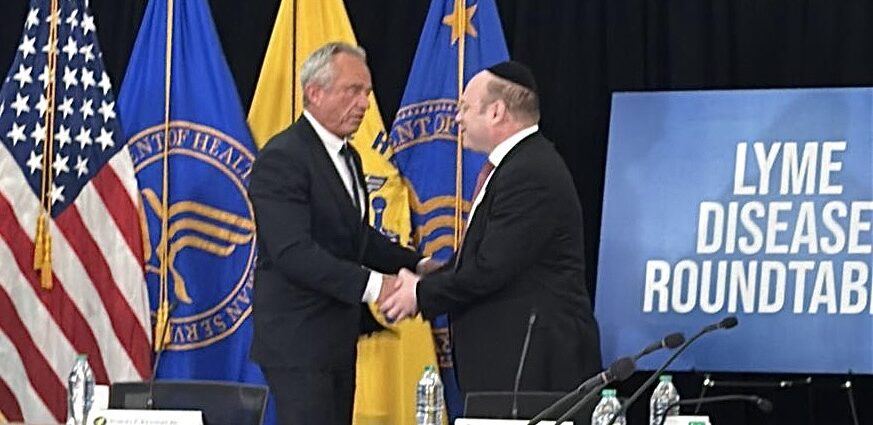
Among those participating in the evaluation process is Duvi Honig, Founder and CEO of the Orthodox Jewish Chamber of Commerce, who was appointed to serve on the HHS evaluation panel for the AI & Invisible Illness Challenge.

Honig said the ongoing public debate surrounding federal grantmaking demonstrates the importance of distinguishing between traditional government grant programs and innovation challenges built through public-private collaboration.

“The concerns being raised about the broader federal grantmaking proposal deserve to be heard and debated on their own merits,” Honig said. “At the same time, I respectfully ask whether many people realize the HHS AI & Invisible Illness Challenge follows a different model. HHS has made clear that LymeX is a public-private partnership with the Steven & Alexandra Cohen Foundation that was specifically created to complement traditional federally funded research while accelerating innovation through prize competitions.”

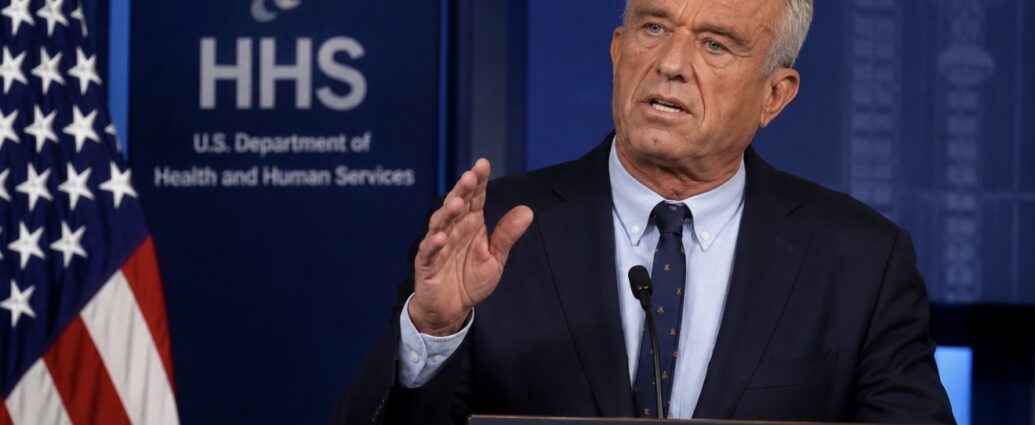
Honig praised HHS Secretary Robert F. Kennedy Jr. for embracing what he described as a collaborative approach to solving some of healthcare’s most difficult challenges.

“I applaud Secretary Kennedy’s leadership for recognizing that government does not have to work alone,” Honig said. “By bringing together federal leadership, private philanthropy, researchers, entrepreneurs, clinicians, artificial intelligence developers, universities, hospitals, nonprofit organizations, industry leaders, and patient advocates, HHS is creating another pathway to identify breakthrough solutions for patients living with invisible illnesses. Public-private partnerships like LymeX expand the innovation ecosystem and encourage the best minds from across the country to compete to solve problems that have challenged patients and physicians for decades.”

Honig said he believes innovation challenges should be viewed as complementary to traditional research funding rather than a replacement for it.

“Patients suffering from Lyme disease, Long COVID, ME/CFS, Alpha-gal syndrome and other invisible illnesses have waited far too long for answers. Every credible pathway that accelerates scientific discovery, responsible artificial intelligence, earlier diagnosis, and better treatments deserves serious consideration. When government, philanthropy, academia and the private sector work together, patients are the ultimate beneficiaries.”

HHS has not yet announced how many applications were submitted for the challenge. The Department is expected to complete the evaluation process in the coming months before selecting finalists and ultimately announcing the winning teams.

JBizNews Desk | Washington

© JBizNews.com All Rights Reserved. Reproduction or distribution without written permission is prohibited.

You’re reading the web edition of STAT’s Health Tech newsletter, our guide to how technology is transforming the life sciences. Sign up to get it delivered in your inbox every Tuesday and Thursday.

Good morning health tech readers!

We’re conducting a reader survey that will inform the direction of our coverage and product. I would appreciate it if you’d take a few minutes to help improve STAT. 

Continue to STAT+ to read the full story…

This post was originally published here. 

Keith Thomas just wanted to pet his dog. 

A diving accident in 2020 damaged Thomas’ spinal cord and left him with virtually no ability to move or feel his limbs below his neck, so when Bow, his malshipoo, grazed his legs or nuzzled in his lap, Thomas couldn’t feel it or return the affection. 

His family got Bow right as Thomas received a brain implant in 2023 as part of an experimental study. The device changed his life. When it zapped his brain and spinal cord with tiny jolts of electricity at the same time, he could lift his arms and shoulders — even stroke and feel Bow’s fur again. 

Continue to STAT+ to read the full story…

This post was originally published here. 

Want to stay on top of the science and politics driving biotech today? Sign up to get our biotech newsletter in your inbox.

Kalshi is unveiling new biopharma betting markets, we have a deeper understanding of the link between Epstein-Barr virus and multiple sclerosis, and Merck gets an FDA approval on its oral PCSK9.

Kalshi will launch bets on biotech

Prediction market giant Kalshi announced this morning that it will now start taking bets on clinical trial outcomes and FDA approvals, STAT’s Elaine Chen writes. It’s starting with a small number of markets selected alongside partner AppliedXL, a tech company that already monitors and predicts clinical trial outcomes.

Continue to STAT+ to read the full story…

This post was originally published here. 

Top of the morning to you, and a fine one it is. Well, sort of. The skies in these parts are decidedly hazy thanks to smoky conditions to the north. Nonetheless, we are doing our best to take a deep breath and focus on the matters at hand. To that end, we are firing up the trusty kettle to make another cuppa stimulation. Our choice today is English breakfast, an old standby. Please feel free to join us. Meanwhile, here are a few items of interest. Hope you have a meaningful and productive day and, of course, do stay in touch. …

Prediction markets have permeated the worlds of sports, politics, and reality television shows. Now, the biopharma industry could be next as Kalshi, one of the world’s largest prediction market exchanges, plans to take bets on clinical trials and regulatory approvals, STAT reports. The company is starting with a small number of markets chosen in collaboration with its partner, AppliedXL, a tech firm that monitors and predicts study outcomes. Initially, Kalshi will take a conservative approach, allowing people to bet only on Phase 3 trial outcomes run by established drug companies and with full approval decisions by the U.S. Food and Drug Administration.

The U.S. Food and Drug Administration approved a first-of-its kind pill from Merck that is designed to help lower cholesterol levels beyond what statins alone can achieve, The Wall Street Journal says. The agency cleared Lipfendra to treat high cholesterol, which is a major risk factor for heart attacks and strokes.  The approval was based on studies showing that Merck’s once-daily pill reduced bad, or LDL, cholesterol levels by up to 60% over six months in adults with or at risk for atherosclerotic cardiovascular disease. Analysts expect the new Merck pill to be a big seller, generating peak annual sales of more than $5 billion.

Continue to STAT+ to read the full story…

This post was originally published here. 

Prediction markets have permeated the worlds of sports, politics, and reality television shows. Now, the biopharma industry could be next.

On Thursday, Kalshi, one of the world’s largest prediction market exchanges, said it will start taking bets on clinical trials and regulatory approvals.

It’s starting with a small number of markets chosen in collaboration with its partner, AppliedXL, a tech company that monitors and predicts the outcomes of clinical trials.

Continue to STAT+ to read the full story…

This post was originally published here. 

Get your daily dose of health and medicine every weekday with STAT’s free newsletter Morning Rounds. Sign up here.

Good morning. Who are you rooting for in the World Cup final? Personally, I’m hoping for more drama and heartbreak, plus a good seat wherever I’m watching. 

Trump health nominees face fire at Senate hearing

The Senate health committee held a hearing yesterday, and STAT’s Chelsea Cirruzzo was there in person following along:

Continue to STAT+ to read the full story…

This post was originally published here. 

Eli Lilly is acquiring AtaiBeckley, the developer of psychedelic treatments for mental health conditions, to expand its portfolio of neuroscience medicines, the company said Thursday.

The AtaiBeckley deal is just the latest in a string of acquisitions by the pharma giant, flush with cash from its booming GLP-1 business. 

Lilly is paying $2.8 billion in cash upfront for AtaiBeckley, with the potential for another $1 billion payout contingent on certain development and regulatory milestones.

Continue to STAT+ to read the full story…

This post was originally published here. 

This story first appeared in Adam’s Biotech Scorecard, a subscriber-only newsletter. STAT+ subscribers can sign up here to get it delivered to their inbox.

Later this quarter, Amylyx Pharmaceuticals will read out results from a study evaluating a new treatment for a rare endocrine disorder. It’s a pivotal moment that could support the drug’s approval and comes two years after Amylyx was rocked — and lauded — for voluntarily pulling a drug for ALS off the market because a follow-on study showed it wasn’t helping patients.

The Amylyx drug, avexitide, is being developed to halt severe, uncontrolled drops in blood sugar that some people experience after undergoing stomach-reducing surgery for weight loss.

Continue to STAT+ to read the full story…

This post was originally published here. 

For years, Medicare has been wrestling with how to pay for artificial intelligence and other software-based clinical tools. The Centers for Medicare and Medicaid Services is good at calculating the costs of physical items, from a cotton swab to the wear and tear on a CT scanner. But an algorithm to predict cardiac risk from a CT scan, or an AI-based map to visualize prostate cancer’s spread? Less so.

This month, in its proposed rules for hospital outpatient payments and physician fees for 2027, CMS has signaled that it’s ready to build a more consistent payment structure for clinical software and AI that factors in their impact on patient outcomes. It’s starting — as an interim step, just for 2027 — by proposing a practical change to the way it labels and pays for several clinical software and AI services. 

After requesting feedback several times on AI and software payment structures, “it’s really the first time that we’ve heard the agency say that they are planning a different policy moving forward,” said Cybil Roehrenbeck, executive director of industry group the AI Healthcare Coalition. Medicare payment — and its influence on private insurers’ coverage of emerging technologies — has a significant impact on what clinical software and AI gets commercialized and reaches patients.

Continue to STAT+ to read the full story…

This post was originally published here. 

The patient had come in for suicidal ideation. When I asked about his eating habits beforehand and access to food — routine for a psychiatric nutrition consult — he told me he’d lost his SNAP eligibility a few weeks earlier. It was something about a documentation deadline he hadn’t been notified about, or just another thing lost in the mix of making ends meet. Since then, he’d been getting by on what he could. He spent the last of his cash on a motel and dry cereal, which was all he ate for a few weeks. After his money and food ran out, he said, pretty simply, that the hospital made sense. He was hungry, thought through his options, and figured this was better than “Plan B”: ending his life due to hopelessness and a lack of food.

As a clinical dietitian at a large urban hospital, part of my job is coordinating with social work and physicians of all stripes on nutrition support and food access: figuring out what patients need to eat, and occasionally what they’re going to eat after discharge. (Sidebar: We could all do worse than the Mediterranean diet.) Meals on Wheels referrals, pantry connections, SNAP enrollment support — the clinical and the logistical blur into each other because food insecurity doesn’t really stop at the point of discharge. Prior to my current role, I spent several years in public health dedicated to ending hunger and food insecurity for families. I’ve spent my career like the ferryman on the river: navigating hunger’s effects upstream, downstream, and working people across to something better.

Read the rest…

This post was originally published here. 

After a deep breath, the auto-injector pen dumps its dose into a patch of pinched stomach with barely a sting. For many, it has become a mindless nonevent. The hormone collects in a bolus in fat tissue, where it binds to albumin and, over several days, trickles into the bloodstream to do its work. Weight loss and blood sugar control were promised, yet the benefits are still surprising doctors and patients. We are in our peptides era, and this feels like just the beginning. 

This all started with a venomous lizard from the Desert Southwest.

Read the rest…

This post was originally published here. 

Sen. Lindsey Graham’s death Saturday at age 71 following an aortic dissection has focused attention on the life-threatening condition. Details about his diagnosis and treatment are not available while a final death certificate is pending, but experts agree on both how serious it is and how suddenly it erupts after a long prelude.

One cardiothoracic surgeon had questions about the South Carolina senator’s care. 

Read the rest…

This post was originally published here. 

An analysis of a torrent of public comments submitted on a White House proposal to change the way federal contracts and grants are doled out shows a widespread rebuke of the potential change by scientists and others. 

The analysis, done by researchers at the University of North Carolina at Chapel Hill in partnership with STAT, used a large language model to classify whether a comment was supportive or in opposition and to identify themes mentioned in comments. It found that about 95% were in opposition and just 1% supported the proposed changes to the “Uniform Guidance.” A total of 496,769 public comments were submitted before the deadline of Monday at midnight, and an analysis of the 52,322 comments that have been posted in full show an overwhelming rebuke of the proposal. 

Read the rest…

This post was originally published here. 

Swing Therapeutics, developer of a Food and Drug Administration-cleared digital treatment for fibromyalgia, has been acquired by medical virtual reality company XR Health.

Swing is XR Health’s sixth acquisition in the last two years and finds the VR developer taking a new business direction as it aims to be a go-to source of digital treatments for disease. The terms of the deal were not disclosed because, as XR Health CEO Eran Orr explained, “it won’t be the last” acquisition for the company. 

XR Health, Orr claimed, has dozens of different apps on its platform currently and delivered a million user sessions in 2025. Offerings include a range of meditation and cognitive behavioral therapy-based VR experiences targeted at mental health issues, pain, hot flashes, and more. XR Health’s large packages of VR treatments are registered with the FDA but not cleared.

Continue to STAT+ to read the full story…

This post was originally published here. 

As of Tuesday, a parasite called cyclospora has sickened nearly 7,000 people in 34 states so far this summer. On Monday, Michigan health officials announced their first potential source: lettuce and salad greens. Their advice was sound: Buy whole heads, discard the outer leaves, wash what’s left. But it landed after vinegar rinses and peeling rituals had circulated online for weeks.

Michigan’s announcement was careful: Lettuce keeps surfacing in interviews, other foods cannot be ruled out, and no grower or supplier has been named. That is what a “potential source” is — a hypothesis strong enough to keep pulling on. Weeks into one of the largest cyclosporiasis surges on record, we still cannot answer the question people need answered: Which food is making us sick? The Centers for Disease Control and Prevention cannot yet say whether this is one outbreak with a common source or several unconnected clusters.

Read the rest…

This post was originally published here. 

A new startup is making a bold move in the world of obesity drug development: It’s not working with the GLP-1 target that has taken the world by storm.

Just a few years ago, the term “GLP-1” would have been a foreign concept to most Americans. Now, it’s everywhere — on billboards, TV advertisements, and magazine articles. Most startups hoping to edge their way into the multibillion-dollar weight loss market have their own GLP-1 drug candidate. But not Mwyngil Therapeutics. 

Mwyngil — pronounced “mwin-gull” — is studying ways to spur weight loss without targeting the GLP-1 receptor. That’s what attracted CEO Luba Greenwood, a biotech veteran, to the company. “I was not interested in another ‘me too’ GLP-1, or GLP-1 plus something. … That’s not very interesting science,” she told STAT, in her first interview about the company. 

Continue to STAT+ to read the full story…

This post was originally published here. 

In a recent town hall meeting, Karim Mikhail told Food and Drug Administration staff that he was normal. 

“I am with you on planet Earth,” he said in June. “I understand very well what everybody is going through.” 

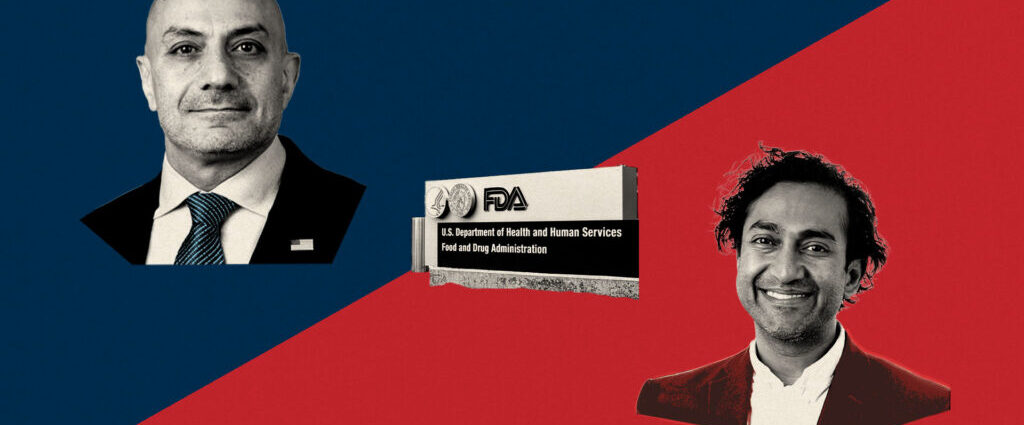
Typically, such an acknowledgment would be unremarkable. But Mikhail is acting director of the FDA’s Center for Biologics Evaluation and Research, where the previous leader, Vinay Prasad, was decidedly outside the norm.

Continue to STAT+ to read the full story…

This post was originally published here. 

Sens. Richard Blumenthal (D-Conn.) and Josh Hawley (R-Mo.) are calling on the nation’s largest Medicare Advantage insurers to provide internal records and detailed information on their use of artificial intelligence to block rehabilitative care.

The lawmakers’ request — a moment of bipartisan scrutiny on a controversial federal health care program — comes just one month after a government investigation unearthed a continuing pattern of denials within Medicare Advantage.

In letters provided to STAT, Blumenthal and Hawley told executives at UnitedHealth Group, Humana, and CVS Health that recent findings by the Office of the Inspector General for the Health and Human Services Department undercut their companies’ claims to have reduced barriers to crucial medical services.

Continue to STAT+ to read the full story…

This post was originally published here. 

Get your daily dose of health and medicine every weekday with STAT’s free newsletter Morning Rounds. Sign up here.

Good morning. I dedicate the first item in today’s newsletter to a friend who is suffering from what she suspects to be cyclosporiasis. Feel free to forward this email to your friends who need information but are scared to wade through online discussions on the outbreak. 

Read the rest…

This post was originally published here. 

Good morning, everyone, and welcome to the middle of the week. Congratulations on making it this far, and remember there are only a few more days until the weekend arrives. So keep plugging away. After all, what are the alternatives? While you ponder the possibilities, we invite you to join us for a needed cup of stimulation. Our choice today is ginseng honey, a favorite from our pantry. Meanwhile, here is the latest menu of tidbits to help you on your way. We hope you conquer the world and have a wonderful day. And as always, please do stay in touch. …

An experimental Alzheimer’s drug from Biogen, designed with a novel approach, slowed cognitive decline in a mid-stage trial at roughly comparable rates as approved medicines, new data that bolstered the company’s case to move the treatment into a Phase 3 trial, STAT says. Although experts will wait to see the pivotal trial data before making their final assessments of the drug, called diranersen, the results from the Phase 2 trial, if backed up in the larger study, could rekindle the debate about how strong trial results have to be to signify that a drug can offer meaningful benefits for patients and caregivers. 

Potential signs of frailty in older adults taking Eli Lilly’s GLP-1 obesity drug Zepbound ​may signal relatively high risks for adverse outcomes, Reuters writes, citing a large study that underscores concerns about how best to monitor seniors as U.S. Medicare expands access to obesity therapies. In general, frailty-associated conditions such as malnutrition, dehydration and loss of muscle mass and strength developed only rarely and the results should not discourage appropriate use of Zepbound or Novo Nordisk’s GLP-1 drug Wegovy in older adults, the researchers said. Instead, they encouraged closer follow-up of older patients taking the medicines.

Continue to STAT+ to read the full story…

This post was originally published here. 

BUNIA, Congo — The number of confirmed cases of Ebola in Congo has reached 2,011, including 754 deaths, according to government data released overnight in what authorities say is the fastest-growing outbreak on record.

Health workers at Bunia General Hospital, the region’s largest medical center, went on strike Wednesday and are the latest group to walk off the job at the epicenter over payment issues. Health professionals and other front-line workers barricaded the entrance to the hospital, claiming they have not received pay despite working under difficult conditions.

Read the rest…

This post was originally published here. 

Here’s the good news: Deaths due to ischemic heart disease — when coronary arteries are blocked — fell by more than half from 1990 to 2023 in the United States, thanks to better control of up to a dozen risk factors. What’s still on the table: Almost 9 out of 10 of the most recent deaths could have been prevented by better managing those risk factors. 

Much of the progress recorded since the start of the Global Burden of Disease study, published Wednesday in JAMA Cardiology, stemmed from drops in deaths from smoking (down 33.3%) and particulate air pollution (down 74.9%). But in the last year of the study, 419,000 of the estimated 473,000 coronary artery disease deaths — or 88.8% — were still linked to modifiable risk factors. 

Read the rest…

This post was originally published here. 

Want to stay on top of the science and politics driving biotech today? Sign up to get our biotech newsletter in your inbox.

Good morning. Wash your lettuce extra thoroughly! There’s never been a better reason to get a salad spinner.

The need-to-know this morning

  • Johnson & Johnson reported second-quarter earnings. 
  • Another Phase 3 study win for sac-TMT, the targeted chemotherapy drug from China-based Kelun Biotech and partner Merck. In the OptiTROP-Lung05 study conducted in China, sac-TMT plus Keytruda significantly delayed tumor progression compared to chemotherapy plus Keytruda in patients with first-line, PDL1-negative, non-squamous lung cancer. A preliminary survival benefit favoring the sac-TMT arm was also reported. This is the second China-run Phase 3 study of sac-TMT to show superiority over standard treatments in patients with lung cancer. 
  • Veradermics said its oral, extended-release formulation of minoxidil induced hair growth in women with mild-to-moderate pattern hair loss, achieving the goal of a single-arm midstage study. The company is enrolling female participants in a Phase 2/3 study with results expected next year.

FDA’s new CBER chief is seeking a return to normalcy

After the FDA’s former biologics chief, Vinay Prasad, pushed out several subordinates, overruled career scientists, and earned the ire of the rare disease community, his acting replacement is now tasked with calming the waters.

Continue to STAT+ to read the full story…

This post was originally published here. 

Medicare regulators on Tuesday proposed to ban vendors from providing remote patient monitoring services on behalf of doctors, a major policy change for a rapidly growing care model that’s been the subject of increasing scrutiny.

Medicare has covered remote patient monitoring since 2018, and payments ballooned to over $500 million in 2024. The proposed change follows widespread concern from the health department’s watchdog, academics, and insurers that the current remote monitoring system is paying for low-value services. If finalized, the rule would impact a large percentage of remote monitoring care as it’s delivered today. 

The update comes as the Trump administration moves to rein in fraud and wasteful spending in the Medicare program. The Centers for Medicare and Medicaid Services also recently launched an alternative model to pay for digital health services. 

Continue to STAT+ to read the full story…

This post was originally published here. 

Glenmark Pharmaceuticals agreed to pay $29.6 million to settle allegations by dozens of states that the company engaged in a widespread conspiracy to artificially inflate and manipulate prices of generic medicines and harmed consumers by reducing competition.

The agreement marks the latest settlement in a long-running battle between numerous states and many of the largest players in the generic drug industry, which were accused of fixing prices for their medicines. Previously, Lannett, Bausch, Apotex, and Heritage Pharmaceuticals collectively settled lawsuits for $67 million.

The litigation began a decade ago amid heightened concern over the cost of prescription medicines, including some generics. The drugs, which have traditionally been lower-cost alternatives to expensive brand-name treatment, account for approximately 90% of all prescriptions written in the U.S. each year.

Continue to STAT+ to read the full story…

This post was originally published here. 

You’re reading the web edition of STAT’s AI Prognosis newsletter, our subscriber-exclusive guide to artificial intelligence in health care and medicine. Sign up to get it delivered in your inbox every Wednesday.

I just finished watching the Amazon Prime series “Every Year After.” I’ve got notes on the acting, pacing, and some changes they made from the book, but the needle drops? Incredible. No notes.

Speaking of: Have you got feedback for STAT? We’re doing a reader survey and would love to hear what you like/dislike, what you want more of, and what special features you’d be interested in.

If you have notes for me, I’d also love to hear why you continue to read AI Prognosis (or why you sometimes skip it), what topics you wish I’d cover more, etc. Just reply to this email!

Mayo whistleblower alleges bad AI, consent, privacy practices

One of the most aggressive deployers of AI in health care is Mayo Clinic. However, a whistleblower from Mayo says in a recent lawsuit that she was forced out of her job because she pushed back on unethical practices in Mayo’s deployment of technology and AI.

Continue to STAT+ to read the full story…

This post was originally published here. 

The country’s second-biggest health insurer said Wednesday it plans to further shrink its Medicaid portfolio in the coming year, just as states roll out requirements for the program that covers low-income Americans. 

Elevance Health made the announcement on its second-quarter earnings call, in which the company raised its profit outlook and surpassed analysts’ expectations for both profit and revenue. The company posted about $50 billion in revenue in the quarter, which ended June 30, and $1.5 billion in profit to shareholders, down 16% year over year. 

The details were slim, despite several analysts’ prodding on the call: only that the company will exit Medicaid markets it deems unsustainable over the next 12 to 18 months, much like it just did in Washington, D.C. 

Continue to STAT+ to read the full story…

This post was originally published here. 

A trio of bipartisan lawmakers on Wednesday reintroduced a bill requiring the Federal Trade Commission and the Department of Treasury to investigate whether the U.S. relies too heavily on foreign countries for prescription drug production, including whether those risks are increased by relocating domestic manufacturing facilities to foreign countries.

The legislation arrives amid increasing concern over the extent to which the U.S. pharmaceutical supply chain is vulnerable to disruption that could cause a national security issue. In particular, the anxiety reflects China’s dominant role in producing many essential materials that are needed for medicines taken by Americans.

Five years ago, for instance, a Department of Defense watchdog found that an overreliance on foreign suppliers of medicines could harm national security and that the Pentagon failed to assess the risks of shortages or develop strategies to mitigate disruptions.

Continue to STAT+ to read the full story…

This post was originally published here. 

WASHINGTON — Senate health leader Bill Cassidy (R-La.) grilled a Trump nominee for a key pandemic preparedness role over past comments in which he questioned vaccines, in a heated Senate confirmation hearing on Wednesday. 

“Why would you repeat those damn lies? Because that destroys trust,” Cassidy said at one point to the nominee, Sean Kaufman, rapping his hand on the dais.

Read the rest…

This post was originally published here. 

This is the web edition of STAT’s AAIC in 30 newsletter.

Hello there from the final day of the Alzheimer’s Association International Conference. This is our last edition of this pop-up newsletter, but if you somehow haven’t tired of me, you can join me as well as my colleagues Damian Garde and Katherine MacPhail tomorrow to recap AAIC and discuss how the research presented here fits into the broader direction of the field. You can register for the virtual event here. It’s at 10 a.m. Eastern, 3 p.m. here in the U.K.

With next year’s AAIC set for Chicago, and as this nation descends into full World Cup mania in the coming hours, I’ll end by saying thanks for following along with me here in London.

How blood tests could reshape the future of identifying dementia

Traditionally, an Alzheimer’s diagnosis comes after a brain scan or spinal tap, or perhaps some cognitive tests administered by a behavioral neurologist. The tests can be burdensome, and specialist capacity is limited.

But research presented throughout the conference indicated how the field is moving in new directions, finding ways to make testing much more accessible, and offering more nuanced results that go beyond saying whether someone has Alzheimer’s or not.

In particular, blood-based biomarker tests that can help with diagnoses have started to come onto the market. The Alzheimer’s Association has also started to issue guidelines for how doctors should use them.

One study detailed here looked at whether these tests could be used in the primary care setting. Alzheimer’s experts say it’s crucial for more doctors to be able to diagnose the condition, particularly with the availability of new treatments that are more beneficial the earlier they can be used. Wait times for neurologists can extend for months, if not over a year.

Continue to STAT+ to read the full story…

This post was originally published here. 

In a new study published in Science Translational Medicine on Wednesday, researchers say they have uncovered how Epstein-Barr virus launches immune responses that lead to the inflammation and nervous system damage seen in people with multiple sclerosis. 

“It’s very nice now to be able to understand more about the underlying mechanisms of how EBV likely causes MS,” said lead author Kjetil Bjornevik, an assistant professor of epidemiology and nutrition at the Harvard T.H. Chan School of Public Health. The findings, researchers hope, could help with the development of EBV vaccines or antiviral medications that could prevent or manage MS symptoms without the major side effects of commonly used immunosuppressants. 

Syed Rizvi, the director of the Multiple Sclerosis Center of Rhode Island, who was not involved in this study, said the new findings help advance MS research toward more precise approaches. “When you’re developing drugs, targeted drugs, every little step, every little molecule, every little antigen is a game changer,” he said. 

Continue to STAT+ to read the full story…

This post was originally published here. 

The fates of two top health officials — Robert F. Kennedy Jr. and Susan Monarez — loomed over a Wednesday Senate hearing, though neither of them was in the room.

Almost a year after Kennedy ousted Monarez as director of the Centers for Disease Control and Prevention over vaccine policy, senators pressed the administration’s new pick to run the CDC on whether she’d face a similar fate, and how she’d deal with what many of them characterized as Kennedy’s political interference in the agency. 

The nominee, Erica Schwartz, repeatedly demurred on the question, never quite saying whether she would stand up to the health secretary.

Continue to STAT+ to read the full story…

This post was originally published here. 

Amanda Chawla comes to the Washington-based nonprofit giant from Stanford Medicine. Providence is hoping her appointment will bolster its supply chain capabilities during a time of elevated spend.

This post was originally published here. 

Terms of the deal announced Tuesday are very similar to those the FTC reached with Express Scripts earlier this year, including requiring the PBM to stop preferring higher cost versions of drugs on standard formularies.

This post was originally published here. 

A federal judge dismissed another lawsuit brought by an Elevance health plan alleging the billings intermediary was gaming the arbitration process set up by the No Surprises Act.

This post was originally published here. 

The Centers for Disease Control and Prevention told reporters on Tuesday that cases of cyclosporiasis — an intestinal illness caused by a microscopic parasite spread through contaminated food and water — will keep rising through the summer, even as investigators still cannot name the food behind the worst outbreak year in recent memory. Gwen Biggerstaff, deputy director of the agency’s Division of Foodborne, Waterborne, and Environmental Diseases, said in the July 14 briefing that the number of reported cases is unusually high for this point in the season, and that these investigations are slow and difficult by nature. The agency issued a health alert to doctors the same day.

The scale is the story. In its alert, the CDC reported 1,645 laboratory-confirmed cases across 34 states since May 1, with 141 hospitalizations and no deaths. Another 5,100 probable cases are still being sorted out, pushing the national tally above 6,700 confirmed or probable infections. Dianna Blau, acting chief of the CDC’s Parasitic Disease Branch, said the entire year of 2025 produced roughly 2,700 cases. At this same point last year, the country had recorded 249.

Michigan is carrying the heaviest load by far. The Michigan Department of Health and Human Services reported 3,309 cases as of Tuesday, against a normal year of about 40 to 50. Dr. Natasha Bagdasarian, the state’s chief medical executive, called the climb highly unusual and said in a statement Monday that lettuce keeps surfacing as a common item in patient interviews — though she cautioned that no grower, supplier or specific product has been identified, and other foods have not been ruled out. Ohio has logged 361 cases since June 1 with 46 hospitalizations. West Virginia reported 69 cases and at least eight hospitalizations. Kentucky is near 100, in a state that typically sees 35 a year. The CDC now believes more than 400 cases across those four states are linked to a single source.

What businesses are doing about it

The commercial fallout is landing on restaurants first. Detroit-area Taco Bell locations posted signs saying they could not sell lettuce, cilantro onion, pico de gallo or guacamole. The chain, owned by Yum! Brands, told Bloomberg it had temporarily and voluntarily pulled certain ingredients at select restaurants while officials review the outbreak. Federal and state health officials are examining whether lettuce served at the chain played a role. No cases have been publicly tied to the company.

Independent operators moved on their own. Dipisa’s Pizza in Stevensville, Michigan pulled lettuce, tomatoes and onions from its menu entirely rather than take the risk. Those decisions are voluntary — Bagdasarian confirmed no state order has been issued.

Wall Street is treating the damage as contained for now. Peter Saleh, an analyst at BTIG, wrote in a July 10 research note that he is not aware of anyone getting sick from Taco Bell, and that indications from other operators point to a localized problem rather than an industry-wide one. Saleh said BTIG contacted Wendy’s and Chipotle, and neither reported trouble with lettuce or the other flagged items. Chipotle’s chief corporate affairs and food safety officer said the company is watching closely and does not believe its ingredients are involved.

History suggests the market reaction depends on whether a name gets attached. McDonald’s absorbed a one-quarter dip in same-store sales after the 2024 E. coli outbreak tied to slivered onions and moved on. Chipotle spent years and a $25 million settlement recovering from its 2015–2018 illness outbreaks.

Why nobody can find it

Cyclospora is harder to trace than the bacteria food-safety labs are built to chase. Craig Hedberg, a food-safety researcher, explained that the parasite cannot be grown in a laboratory, so the subtyping that quickly links cases in a salmonella or E. coli outbreak is not available. The CDC is relying on partial genotyping. Symptoms take up to 14 days to appear, so patients often cannot recall what they ate — and contaminated produce is usually buried inside something else, like bagged greens in a salad or cilantro in salsa.

Testing capacity is another bottleneck. Standard stool panels miss the parasite unless a doctor specifically orders the test. Axios reported the surge is outpacing lab capacity, delaying diagnoses. The FDA has begun traceback work on cilantro, scallions and cucumbers tied to a separate cluster in Illinois, New York, Pennsylvania and Texas — evidence that more than one outbreak is running at once. No recalls have been issued.

The surveillance question is now political. In July 2025, the CDC made cyclospora reporting optional through its Foodborne Diseases Active Surveillance Network. Former CDC Director Dr. Robert Redfield told CNN that cutting those programs does not serve the country’s interest, calling surveillance the key to early detection. Blau said reporting practices at the agency have not changed.

For growers, distributors and restaurant operators, the practical risk is the vacuum. Until the CDC names a product, every leafy green in the country carries the suspicion — and consumers make their own recalls.

JBizNews Desk | New York © JBizNews.com All Rights Reserved. Reproduction or distribution without written permission is prohibited.

The U.S. Food and Drug Administration approved a new bladder cancer treatment from Pfizer and Astellas Pharma on Friday, clearing the way for the first therapy of its kind and handing the two drugmakers a fresh growth driver in one of oncology’s most competitive markets.

According to the FDA and a joint announcement from the companies dated Friday, July 10, the agency approved Padcev (enfortumab vedotin) together with Merck’s Keytruda, or its newer under-the-skin version Keytruda Qlex, as treatment given both before and after surgery for adults with muscle-invasive bladder cancer. The approval covers use as neoadjuvant therapy before surgery followed by adjuvant treatment after cystectomy, the operation to remove the bladder.

What makes the decision notable is that it is the first platinum-free regimen approved for these patients regardless of whether they can tolerate cisplatin-based chemotherapy. Cisplatin, a decades-old platinum chemotherapy, remains an effective treatment but is too toxic for many patients. The latest approval expands an earlier November 2025 authorization that had been limited to cisplatin-ineligible patients, extending the regimen to all eligible surgical patients with muscle-invasive bladder cancer.

Padcev is an antibody-drug conjugate designed to target the Nectin-4 protein found on bladder cancer cells while delivering chemotherapy directly into the tumor. Keytruda, meanwhile, is an immune checkpoint inhibitor that helps the body’s immune system recognize and attack cancer cells. Together, the drugs offer physicians an alternative approach aimed at reducing the chance the disease returns after surgery.

The FDA based its decision on results from the Phase 3 EV-304, also known as KEYNOTE-B15, clinical trial. According to the companies, patients receiving the combination therapy experienced nearly a 50 percent reduction in the risk of recurrence, progression or death, while the risk of death declined by approximately 35 percent compared with patients receiving the previous standard of care.

Executives at both companies described the approval as a significant milestone for bladder cancer treatment.

Aamir Malik, Pfizer’s Chief U.S. Commercial Officer, said the decision marks an important advance for patients facing one of the most difficult forms of bladder cancer, noting that the regimen has already become an established standard for advanced disease and can now move into earlier-stage treatment where physicians are aiming for a cure.

Moitreyee Chatterjee-Kishore, Senior Vice President and Head of Oncology Development at Astellas, said the approval broadens access to a therapy that has already demonstrated meaningful clinical benefit and now offers physicians another option during the critical treatment period surrounding surgery.

Beyond its medical importance, the approval carries major commercial significance.

Pfizer acquired Padcev through its $43 billion acquisition of Seagen, completed in late 2023. At the time, the company described antibody-drug conjugates as one of the fastest-growing areas in cancer treatment and viewed Padcev as one of Seagen’s crown jewels. Expanding the medicine into earlier-stage bladder cancer substantially enlarges its potential patient population and helps Pfizer replace revenue lost from declining COVID-related products and expiring patents.

For Merck, the decision extends the reach of Keytruda, the world’s best-selling prescription medicine, while simultaneously introducing physicians to the company’s newer Keytruda Qlex formulation ahead of Keytruda’s eventual patent expiration later this decade.

Muscle-invasive bladder cancer remains among the deadliest forms of bladder cancer, with recurrence rates remaining high even after surgery. Until now, many patients unable to receive cisplatin chemotherapy had limited treatment alternatives before and after surgery. The new approval gives physicians another evidence-based option designed to improve long-term outcomes without requiring platinum chemotherapy.

For investors, the decision highlights the continued value of major pharmaceutical acquisitions and the industry’s strategy of expanding existing blockbuster medicines into additional indications rather than relying solely on entirely new drug discoveries. Every successful label expansion potentially extends billions of dollars in future revenue while improving patient care.

The approval also reinforces the growing role antibody-drug conjugates are expected to play across oncology over the coming decade, with many analysts viewing the technology as one of the industry’s most promising areas for future cancer treatment.

JBizNews Desk | New York

© JBizNews.com All Rights Reserved. Reproduction or distribution without written permission is prohibited.

After more than a year of squabbling, a group of AIDS activists obtained an R&D agreement that was at the heart of a settlement between the U.S. government and Gilead Sciences over patents for HIV prevention drugs. But in their view, the deal shows the Biden administration missed a “historic” opportunity to invest in — and expand access to — HIV prevention tools.

As noted previously, the settlement resolved a lawsuit that was filed six years ago by the previous Trump administration after the Centers for Disease Control and Prevention maintained that Gilead infringed on its patent rights. The agency had helped fund academic research that later formed the basis for two Gilead HIV pills, Truvada and Descovy.

The administration had alleged that Gilead ignored the contributions by CDC scientists, exaggerated its own role in developing HIV prevention drugs, and refused to sign a licensing agreement despite “multiple attempts” at reaching a deal after unfairly reaping hundreds of millions of dollars from research funded by taxpayers.

Continue to STAT+ to read the full story…

This post was originally published here. 

The Ebola outbreak in eastern Congo “continues to outpace the response efforts,” the World Health Organization’s emergencies chief said on Tuesday after returning from a trip to Bunia, in Ituri province, which is one of the worst hit areas.

“Perhaps the most alarming finding is that many of the newly reported deaths are people who died in their communities without ever reaching a health facility and without receiving care,” Chikwe Ihekweazu said. “And as of today, 80% of new cases are outside our contact lists and so are coming to us from unknown chains of transmission.”

Read the rest…

This post was originally published here. 

This is the year artificial intelligence has emerged in the public square as a full-fledged bogeyman.

College grads boo commencement speakers who invoke AI as the modern equivalent of “plastics,” the career advice given to Dustin Hoffman’s character in the 1967 film “The Graduate.” Workers recoil when companies wield it as a cost-cutting, job-slashing sword. Even a wary Pope Leo XIV warns against the fusion of AI into nuclear war-fighting systems.

So this month’s low-key unveiling of Claude Science, an app that adapts Anthropic’s large language model for biopharma research labs, was a timely reminder that AI still has the potential to do more than reduce corporate head counts and endanger civilization.

Continue to STAT+ to read the full story…

This post was originally published here. 

WASHINGTON — July 13, 2026 — The U.S. Department of Health and Human Services (HHS) has launched a sweeping national initiative to accelerate artificial intelligence innovation for Lyme disease, Alpha-gal syndrome (AGS), Long COVID, and other invisible illnesses, committing up to $2.5 million across multiple innovation challenges and a nationwide call to action designed to speed diagnosis, improve care, and transform federal open data into real-world healthcare solutions for millions of Americans.

At the center of the initiative is the TOPx HHS Tech Sprint for AI and Invisible Illness, a national innovation challenge offering up to $2 million in cash prizes, including a $1 million grand prize, in collaboration with the National Institutes of Health (NIH), the LymeX Innovation Accelerator, and the Federal CDO Council. Team Mobilization (Phase 1) submissions are due July 15, 2026.

As part of the initiative, HHS has appointed Duvi Honig, Founder and Chief Executive Officer of the Orthodox Jewish Chamber of Commerce, to serve on the competition’s evaluation panel, joining leaders from government, healthcare, technology, academia, research, and innovation to help evaluate submissions and advance the next generation of AI-powered healthcare solutions.

“It is an extraordinary honor to be appointed by Secretary Robert F. Kennedy Jr. to serve on the evaluation panel for this groundbreaking national initiative,” Honig said. “I look forward to working closely with Secretary Kennedy, HHS, NIH and leaders across government, academia, healthcare and technology to help usher in a new era of AI-driven innovation for American healthcare. Together, we have an opportunity to help shape the future of health technology in the United States, modernize our healthcare system, and advance innovations that improve patient outcomes across the Department of Health and Human Services. This includes accelerating earlier diagnoses, improving care for Lyme disease and other invisible illnesses, and developing solutions that will improve—and save—lives for generations to come.”


A National Call to Innovate

The U.S. Department of Health and Human Services (HHS) unveiled a sweeping plan to combat Lyme disease and advance treatment for millions of Americans living with Lyme disease, Alpha-gal syndrome (AGS, the “meat allergy”), Long COVID, and other complex chronic conditions that are often invisible illnesses.

As part of this effort, HHS launched up to $2.5 million across three TOPx and LymeX innovation challenges and a national call to action. Together, these digital innovation efforts will accelerate diagnosis, improve care, and transform federal open data into real-world solutions that improve health outcomes.


The TOPx Challenge

The TOPx HHS Tech Sprint for AI and Invisible Illness is a national innovation challenge and prize competition offering up to $2,000,000 in cash prizes, conducted in collaboration with the National Institutes of Health (NIH), the LymeX Innovation Accelerator, and the Federal CDO Council.

Challenge Question

How might we use U.S. Open Data and AI to turn fragmented signals into trusted insights, so people living with Lyme disease, Long COVID, and other complex chronic conditions are believed earlier, diagnosed faster, and supported with care that works?


How It Works

Inspired by the U.S. Census Bureau’s Opportunity Project (TOP) model, TOPx is a fast-paced technology sprint that brings together government, industry, academia, nonprofits, and the public to build digital-first solutions using open data and artificial intelligence.

The effort advances the President’s Management Agenda priority to deliver secure, digital-first services built for real people while eliminating data silos across government and advancing HHS priorities.

Participants will compete for up to $2,000,000 in prizes by using U.S. Open Data and AI to develop tools and insights that address the following focus areas.


TOPx Focus Areas

Lyme Innovation

No one should suffer years of uncertainty from a preventable tick-borne infection. How might we use U.S. Open Data and AI to detect Lyme disease earlier, diagnose faster, coordinate care, and improve patient outcomes?

Invisible Illness

What we don’t measure, we don’t treat—and women are disproportionately affected. How might we use U.S. Open Data and AI to make invisible illness visible, accelerate diagnosis, improve care, and create meaningful real-world impact?

Cost of Illness

Patients and families carry the burden in silence. How might we use U.S. Open Data and AI to quantify the full healthcare, economic, workplace, and family impact of chronic illness, making those costs visible, measurable, and impossible to ignore?


Who Should Participate

The competition is open to eligible U.S.-based:

  • AI developers
  • Software engineers
  • Researchers
  • Designers
  • Physicians and clinicians
  • Entrepreneurs
  • Students
  • Universities
  • Patient advocates
  • Innovators across the public and private sectors

Team Mobilization (Phase 1) submissions are due July 15, 2026.


Expected Impact

HHS expects the sprint to catalyze dozens of practical tools, prototypes, and AI-enabled solutions within months—not years.

Participants may develop solutions that:

  • Improve recognition of invisible illnesses, including Long COVID and other infection-associated chronic conditions and illnesses (IACCIs).
  • Detect Lyme disease and other tick-borne diseases earlier.
  • Support faster diagnosis, improved care coordination, and more informed clinical decision-making.
  • Make the human and economic burden of chronic illness more visible, measurable, and actionable.

Learn More and Participate

Enter the Challenge:
https://invisibleillness.crowdicity.com/hubbub/communitypage/23464

HHS Evaluation Panel Appointees:
https://invisibleillness.crowdicity.com/hubbub/communitypage/23498

Official HHS Announcement:
https://www.hhs.gov/press-room/hhs-unveils-plan-to-combat-lyme-disease.html

The TOPx HHS Tech Sprint is led by the U.S. Department of Health and Human Services, in collaboration with the NIH Office of Research on Women’s Health, the LymeX Innovation Accelerator, and the Federal CDO Council’s Data-Driven Government Working Group.

For additional information about the challenge, contact:

LymeInnovation@hhs.gov