SAVANNAH, Ga. — For Nikolas Indigo, the road to freedom was lined with warnings against a life of sin. Neither the road nor the message was a metaphor. Along nearly 250 miles of highway from Savannah to Atlanta, billboards preached: “turn from sin,” “Jesus is the way,” “repent.”

It’s a common pilgrimage for transgender people, who often need to travel for affirming procedures. Indigo, 25, made appointments with four different surgeons before he was finally able to get masculinizing chest surgery in Atlanta in September. Despite Savannah’s reputation for being young, hip, and at least a little queer, few local physicians perform the basic procedure.


Read the rest…

This post was originally published here. 

You’re reading the web version of STAT’s popup newsletter, AACR in 30 seconds, your guide to what’s happening at the American Association of Cancer Researchers’ annual meeting. Sign up here.

We’re here in San Diego, on the ground at AACR — one of the best places to spot early cancer research that will turn out to be important later on. This year? Everything is coming up KRAS. And, STAT is here in force: Cancer reporter Angus Chen, reporter-at-large Damian Garde, and senior writer Matt Herper are all contributing, and we’ll be hosting an in-person event Tuesday and a virtual one Thursday. Sign up!

AACR leaders thank Congress for standing up for science

Last year, President Trump’s budgets included dramatic cuts to the National Institutes of Health, giving NIH funded scientists a scare and prompting outcry from scientific leaders including those at AACR. Congress firmly rejected those cuts last year, and increased the NIH budget for fiscal year 2026. In response, at this year’s AACR opening ceremony, AACR CEO Margaret Foti thanked Congress for standing up for science, with a callout for members of the Senate Appropriations Committee.

Earlier this month, Trump proposed a $5 billion cut to the NIH for 2027, which Foti called unacceptable during her opening remarks. “Our purpose is clear. Our mission is urgent. And our commitment is unwavering. We cannot allow our lifesaving mission to be adversely affected by the Administration’s plan to cut NIH funding by 20% for fiscal year 27,” she said.

Continue to STAT+ to read the full story…

This post was originally published here. 

Leanna Stokes had gotten into the habit of asking her oncologist what might be next for her treatment, and for good reason. Stokes, a 36-year-old gymnastics manager from New Rochelle, New York, had received one of the most difficult diagnoses in oncology: metastatic pancreatic cancer. Her oncologist kept mentioning two syllables, KAY-ras, referring to her cancer’s mutation on the KRAS gene. Mutations in this gene can make cancers more aggressive. But for Stokes, it was a possible key to extending her life.

“She always mentioned this — KRAS, KRAS, KRAS,” Stokes said of her oncologist. As Stokes proceeded to receive line after line of chemotherapy, she would remind herself, “It’s there. It’s there. It’s there. Then finally, it was my turn.”

Just a few years ago, such a refrain might have sounded odd to pancreatic cancer experts. For most of the nearly 50 years since KRAS was first discovered, scientists struggled to effectively drug the cancer protein. When Kevan Shokat, a biochemist at University of California, San Francisco, finally discovered how to drug a rare subset of KRAS mutant cancers, the first-generation drugs were a clinical disappointment. For the roughly 1% of pancreatic cancer patients who could receive them, the drugs improved outcomes only marginally, with resistance forming rapidly.

“We did not have a home run on the first effort,” said Channing Der, a pancreatic cancer researcher at the University of North Carolina, Chapel Hill. “It’s fair to say we’ve been disappointed by the durability of the responses.”

But once Shokat had shown it could be done at all, more and more companies jumped into developing drugs for KRAS, with new agents now regularly moving into clinical trials. The company leading the field has been Revolution Medicines, with the drug daraxonrasib, which targets KRAS and related proteins.

This was the drug that Stokes got on her clinical trial. It transformed her life, she said, enabling her to live far longer than most patients with her diagnosis. It’s also generating immense excitement among oncologists and drug developers, who say it heralds a new era for pancreatic cancer medicine and could bring new treatments for other cancer types with KRAS mutations including lung, colorectal, endometrial, and more. Beyond Revolution Medicines, dozens of other companies are also testing promising KRAS inhibitors in the clinic.

Continue to STAT+ to read the full story…

This post was originally published here. 

WASHINGTON — President Trump moved on Saturday to “reverse the crisis of serious mental illness in America” by boosting access to psychedelic drugs in clinical settings. In an executive order, he directed the federal government to rush access to treatments and reevaluate their status as controlled substances.

The order directs the Food and Drug Administration to expedite some psychedelics as breakthrough drugs, as well as allowing them to be used through right-to-try legislation, which allow terminally ill patients to try experimental drugs outside of usual regulatory pathways.

Read the rest…

This post was originally published here. 

The nomination of a new leader for the Centers for Disease Control and Prevention — one who has scientific credentials and no public ties to the anti-vaccine movement — has generated sighs of relief in the public health world. 

As one CDC employee, who asked not to be named, put it on Friday, among staff “the general vibe is guarded but hopeful.”

Read the rest…

This post was originally published here. 

Below is a lightly edited, AI-generated transcript of the “First Opinion Podcast” interview with Brinda Adhikari and Tom W. Johnson, hosts of the podcast “Why Should I Trust You?” Be sure to sign up for the weekly “First Opinion Podcast” on Apple Podcasts, Spotify, or wherever you get your podcasts. Get alerts about each new episode by signing up for the “First Opinion Podcast” newsletter. And don’t forget to sign up for the First Opinion newsletter, delivered every Sunday.

Torie Bosch: In 2025, the well-known emergency physician Craig Spencer found himself in an unexpected place: the Children’s Health Defense Conference in Austin, Texas. There, he chatted with anti-vaccine activists, MAHA supporters, and others with deep distrust of doctors and mainstream medicine. As he wrote in an essay for STAT about the experience, “I didn’t change any minds, nor did my convictions waver. But every conversation was honest and respectful.”

Read the rest…

This post was originally published here. 

Revolution Medicines announced a stunning survival benefit for its experimental drug in a Phase 3 pancreatic cancer study this week. 

Patients with advanced pancreatic adenocarcinoma who were treated with the company’s daily pill called daraxonrasib lived a median of 13.2 months compared to 6.7 months for patients who received standard chemotherapy. 

Revolution said it plans to use the data to apply for Food and Drug Administration approval, although it did not say when. When it does submit the data, approval might come fast. 

STAT spoke with Paul Oberstein of NYU Langone’s Perlmutter Cancer Center, an investigator in the trial, on its biotech podcast “The Readout Loud.”  

This transcript has been lightly edited for length and clarity.

Let’s start by talking about pancreatic cancer generally. Why is it so challenging to treat it and what are the current survival rates? 

Continue to STAT+ to read the full story…

This post was originally published here. 

Want to stay on top of the science and politics driving biotech today? Sign up to get our biotech newsletter in your inbox.

Hellooooo, friends. Psychedelics and testosterone are front and center today, but also we note that GLP-1’s dominance in obesity may not be as inevitable as it looks. Early animal data from GLP-1 pioneers suggest that pathways like GIP-glucagon offer effectiveness and better overall tolerability. 

The need-to-know this morning

  • Kailera Therapeutics raised $625 million in an initial public offering — the largest-ever Wall Street debut for a drug company. Kailera is developing obesity drugs licensed from China. 

Do we even need GLP-1 anymore? 

The scientists whose work helped spur the development of GLP-1-based obesity drugs are now questioning whether that target is necessary at all. Instead, they’re proposing that using GIP-glucagon as a dual target could deliver comparable — or even superior — weight loss, without the nausea and dosing limitations that come with current therapies.

Continue to STAT+ to read the full story…

This post was originally published here. 

And so, another working week will soon draw to a close. Not a moment too soon, yes? This is, you may recall, our treasured signal to daydream about weekend plans. Our agenda is, so far, rather modest. We expect to tidy up around the castle, promenade with the official mascots, and stop in at a favorite dive bar. We also hope to hold another listening party, where the rotation might just include this, this, this, this and this. And what about you? Spring is here, so this may be an opportunity to rifle through closets and garages for unwanted items or plan a summer getaway. You could enjoy the great outdoors or sample an eatery or two. Or simply plan the rest of your life. The possibilities are endless, yes? Well, whatever you do, have a grand time. But be safe. Enjoy, and see you soon. …

The scientists whose work spurred the development of powerful obesity drugs like Eli Lilly’s Zepbound are now raising a provocative hypothesis — perhaps targeting the GLP-1 hormone is actually not necessary to achieve effective weight loss, STAT explains. A group of researchers led by Richard DiMarchi and Matthias Tschöp has created an experimental drug that activates receptors of the GIP and glucagon hormones. They propose, based on rodent and monkey studies, that this kind of molecule, when administered at high enough doses, may result in weight loss comparable to the weight loss seen with drugs that include GLP-1 as a target, and without the tolerability issues like nausea and vomiting that often come with the approved treatments, according to a peer-reviewed draft paper.

Eli Lilly released results of a clinical trial that may ease concerns about the safety of its new weight loss pill Foundayo, which seeks to rival a similar offering from the maker of Wegovy, The Wall Street Journal notes. The new study showed Foundayo reduced the risk of heart attacks and other cardiovascular problems in overweight patients with type 2 diabetes who were at increased risk of heart disease, compared with a common treatment. Lilly also said there was no liver safety signal in the study. The findings are notable because earlier this week, the U.S. Food and Drug Administration revealed that when it approved Foundayo on April 1, it also required Lilly to conduct additional testing to assess the risks of cardiovascular events and drug-induced liver injury. That raised the specter that safety concerns could limit the market potential for the new pill, which is in a competitive battle with the Wegovy weight loss pill launched by Novo Nordisk this year.

Continue to STAT+ to read the full story…

This post was originally published here. 

On April 6, cancer patients at Brockton Hospital in Massachusetts showed up for chemotherapy infusions and were told to go home. The hospital’s information systems had been hit by a cyberattack. The ER closed. Ambulances were diverted. Staff switched to paper records. Patients were told to call back later to reschedule their treatment.

This wasn’t the first time that this kind of incident has happened. In May 2024, the Ascension ransomware attack took down systems across 136 hospitals for six weeks. That same year, the Change Healthcare breach compromised the personal health information of 100 million Americans, roughly one in three people in the country, and disrupted billing and authorization systems so severely that physician practices warned they might have to close their doors. After the Change breach, an AHA survey of nearly 1,000 hospitals found that 74% reported direct impact on patient care.

Read the rest…

This post was originally published here. 

Two years ago, I wrote in the New England Journal of Medicine that one of the greatest threats to childhood vaccination is the normalization of skepticism, even though it isn’t actually the norm. When credible outlets, trusted voices, and social media algorithms tell the public that most Americans doubt vaccines, some may start to wonder if they should, too. I watched that play out this week.

On Monday, Politico published a poll on vaccine attitudes titled, “More Americans doubt vaccine safety than trust it, Politico Poll finds,” followed by the subhead, “Health Secretary Robert F. Kennedy Jr.’s views are commonplace across the land.” I consider Politico a reputable news outlet, so this headline stopped me in my tracks.

Read the rest…

This post was originally published here. 

Immune tolerance has long been the holy grail in transplant medicine, a hoped-for end to the downsides of anti-rejection regimens for patients after they receive lifesaving organ transplants. A small, early-stage study now shows promise in taking cells from living donors — people giving a portion of their livers — to teach recipients’ immune systems to accept the foreign organs as their own and achieve the ultimate healthy outcome. 

Living donations take advantage of the liver’s ability to regenerate, meaning donors can part with a piece of their liver and later see it grow back. Recipients can regain enough liver function from the partial organs that also grow, replacing livers damaged by alcohol-associated liver disease, metabolic-associated liver disease, liver cancer, or other causes. Immunosuppression keeps their bodies from rejecting the new organs, but it also raises their vulnerability to infectious diseases and certain cancers. Serious side effects from the drugs include developing diabetes and kidney damage.

Cell therapy has been tried before to disarm the immune system’s attack by recruiting regulatory T immune cells taken from the donor. In the new study, whose results were published Friday in Nature Communications, different immune cells known as regulatory dendritic cells were obtained from donors’ white blood cells and generated in a lab. The idea behind both cell therapies is the same: to teach immune cells in the recipient’s body to treat the donated liver fragment as familiar tissue, not an invader be attacked.

Continue to STAT+ to read the full story…

This post was originally published here. 

A batch of Xanax XR is being recalled nationwide after the manufacturer found it may not release the medication in the body as intended.

Viatris, Inc. initiated the voluntary recall for ALPRAZolam extended-release tablets, 3 mg, distributed in 60-count bottles under lot number 8177156 with an expiration date of Feb. 28, 2027, according to the U.S. Food and Drug Administration.

Xanax XR is a benzodiazepine used to treat panic disorder and anxiety in adults.

The issue was classified as a Class II recall, meaning it may cause temporary or medically reversible health effects but is unlikely to result in serious harm.

350K SUPPLEMENTS RECALLED FOR PACKAGING FLAW THAT POSES ‘SERIOUS INJURY OR DEATH’ RISK TO CHILDREN

“Failed dissolution specifications” indicate the tablets may not dissolve and release the medication at the intended rate. Because Xanax XR is designed to release gradually over time, any variation could affect how the drug is delivered in the body — and how well it works.

The affected product was distributed nationwide in the United States, though the recall applies only to the specific lot identified. The FDA lists the recall as ongoing, with no termination date yet announced.

TOYOTA RECALLS 73K HYBRID VEHICLES OVER PEDESTRIAN WARNING SOUND ISSUE

A spokesperson for Viatris told FOX Business the recall is limited in scope and does not pose a significant risk to patients.

“The voluntary recall of Xanax XR in the U.S. is specific to one lot of one strength (3mg) of the brand product only, and 51 bottles were distributed to U.S. wholesalers between Aug. 27, 2024, and May 29, 2025,” the spokesperson said. “No other batches of the Xanax XR brand product, or its generics, are impacted.”

EINSTEIN BAGELS CREAM CHEESE SPREAD RECALLED OVER ALMONDS THAT COULD CAUSE LIFE-THREATENING ALLERGIC REACTION

The spokesperson added that most patients in the U.S. are prescribed generic ALPRAZolam, which is not affected by the recall.

“The risk to the patient associated with this event is considered to be negligible. To date, no reports of adverse reactions associated with this lot have been received,” the spokesperson said.

Viatris said the recall is being conducted at the retail level, meaning pharmacies and wholesalers have been instructed to return the affected product.

 CLICK HERE TO GET FOX BUSINESS ON THE GO

“Patients do not need to take any action,” the spokesperson said.

This post was originally published here. 

Arbitration decisions, it turns out, are like cockroaches. They’re very hard to kill. 

It’s a long held truism in the legal world, and it was underscored this week when a federal judge shot down a health insurer’s lawsuit challenging No Surprises Act arbitration decisions. The ruling doesn’t bode well for other pending lawsuits challenging awards doled out under the 2020 law’s arbitration process, known as independent dispute resolution.  

“You can’t second guess the arbitrators,” said Chris Deacon, a health policy consultant and former lawyer. “That’s the whole point of arbitration.”

Continue to STAT+ to read the full story…

This post was originally published here. 

WASHINGTON — Health Secretary Robert F. Kennedy Jr. returned to Capitol Hill Thursday, where he defended the administration’s efforts to fight health care fraud and improve affordability — and worked to avoid discussions about vaccine policy.

An hours-long Ways and Means hearing Thursday morning covered a wide range of topics related to Kennedy’s Department of Health and Human Services and kicked off a marathon series of testimonies about the president’s proposed budget.

Later, during a hearing with the House Appropriations health subcommittee, Kennedy said the president would release the name of the nominee to lead the Centers for Disease Control and Prevention before the end of the week. (Soon after, Trump announced the nominee.)

Continue to STAT+ to read the full story…

This post was originally published here. 

By JBizNews Desk

Trump selects Erica Schwartz to lead the CDC Move signals shift toward operational and crisis-response leadership Public health policy and federal coordination expected to be key focus areas

President Donald Trump has tapped public health official Erica Schwartz to lead the Centers for Disease Control and Prevention (CDC), marking a significant leadership move that could reshape the agency’s direction amid ongoing debates over public health policy and federal response strategy.

Schwartz, who previously served in senior federal public health roles and has been involved in emergency preparedness and response initiatives, is expected to bring an operationally focused approach to the agency. Her background includes leadership positions within federal health systems and advisory roles tied to national emergency response coordination.

The appointment comes at a time when the CDC continues to face scrutiny over its handling of past public health crises, as well as ongoing challenges related to disease surveillance, pandemic preparedness, and coordination with state and local health authorities.

Policy analysts note that Schwartz’s selection suggests an emphasis on strengthening execution and restoring confidence in the agency’s ability to respond quickly and effectively to emerging health threats. “This is a pick that points toward management and operational discipline,” one health policy expert said.

The CDC, one of the nation’s leading public health institutions, plays a central role in monitoring disease outbreaks, issuing guidance to healthcare providers, and coordinating national responses to health emergencies. Leadership at the agency is closely watched by both policymakers and the healthcare industry.

Schwartz’s experience in crisis response and public health infrastructure is expected to be a key asset as the agency navigates an increasingly complex landscape that includes global health risks, evolving pathogens, and the need for rapid data-driven decision-making.

The move also carries broader implications for federal health policy. Observers expect that leadership changes at the CDC could influence how the agency approaches communication, interagency coordination, and partnerships with private-sector stakeholders.

Healthcare organizations, pharmaceutical companies, and hospital systems often rely on CDC guidance for operational planning and compliance, making the agency’s leadership direction particularly relevant for the broader healthcare economy.

In recent years, the CDC has faced challenges in balancing scientific guidance with public messaging, particularly during high-pressure situations. Analysts suggest that a renewed focus on clarity, transparency, and coordination could be central to Schwartz’s agenda.

The appointment may also have implications for funding priorities and program direction within the agency. Areas such as infectious disease research, vaccine distribution infrastructure, and public health data systems are likely to remain central to the CDC’s mission.

From a business perspective, leadership changes at major federal health agencies can have ripple effects across multiple sectors. Companies involved in healthcare delivery, medical technology, pharmaceuticals, and insurance often adjust strategies based on shifts in policy direction and regulatory guidance.

Investors and industry stakeholders will be watching closely for signals on how the CDC under Schwartz’s leadership may approach key issues, including preparedness initiatives, partnerships with private entities, and responses to emerging health threats.

At the same time, public trust remains a critical factor. Restoring confidence in public health institutions has been a recurring theme in policy discussions, and leadership transitions are often viewed as an opportunity to reset priorities and messaging.

While the nomination process and confirmation dynamics—if applicable—may still unfold, the announcement itself signals a clear intent to bring experienced leadership to one of the country’s most important health agencies.

As the CDC prepares for its next chapter, the focus will likely remain on strengthening readiness, improving coordination, and ensuring that the agency is equipped to respond to both current and future public health challenges.

— JBizNews Desk

On this week’s episode of the Readout LOUD: a pancreatic cancer breakthrough and new hope for an off-the-shelf CAR-T treatment in lymphoma. 

Your favorite biotech podcasting crew is back to full strength this week, and we’re bringing you two newsy guest interviews. First, we’ll talk with Allogene Therapeutics Chief Medical Officer Zach Roberts about new study results that bolster the company’s efforts to develop an off-the-shelf CAR-T therapy for B-cell lymphoma, a type of blood cancer.

Read the rest…

This post was originally published here. 

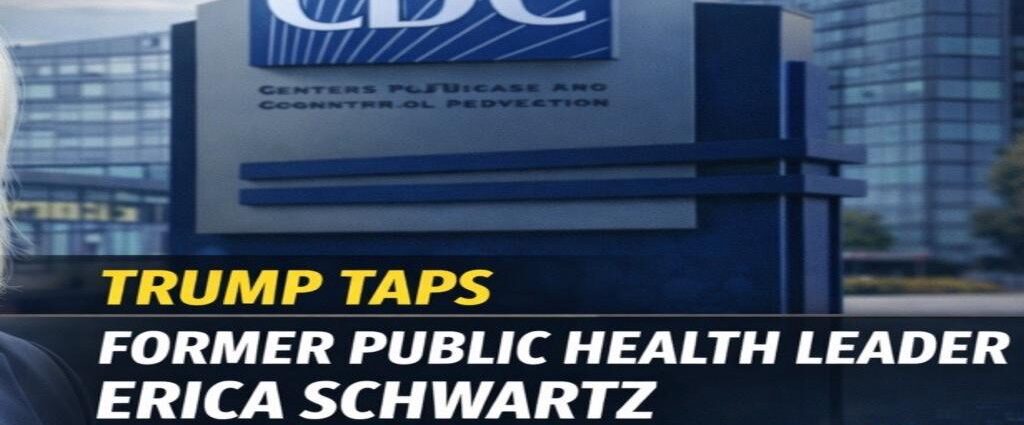
President Trump nominated Erica Schwartz on Thursday to be director of the Centers for Disease Control and Prevention, tapping a former public health leader for a position that has been filled mostly on a part-time or interim basis during the second Trump administration.

Schwartz was deputy surgeon general during the first Trump administration and spent much of her career in health roles in the U.S. military.

Read the rest…

This post was originally published here. 

The agency’s decision to hold an advisory committee meeting on the topic comes after HHS Secretary Robert F. Kennedy Jr. told podcaster Joe Rogan he’s a “big fan” of peptides.

This post was originally published here. 

Want to stay on top of the science and politics driving biotech today? Sign up to get our biotech newsletter in your inbox.

The FDA is revisiting its stance on compounded peptides with plans for advisory panel meetings. Also, a sweeping Cochrane review is fueling fresh debate over amyloid-targeting Alzheimer’s drugs. And more. 

The need-to-know this morning

  • Roche said it will run another trial of Elevidys, the Duchenne muscular dystrophy gene therapy developed by Sarepta Therapeutics, in an attempt to win European approval. Sarepta markets the drug in the U.S., while Roche has rights to the therapy outside the U.S.
  • Eli Lilly said its GLP-1 pill Foundayo showed non-inferiority compared with insulin glargine in a cardiovascular outcomes trial of people with diabetes and obesity. The company said it will submit Foundayo to the FDA as a treatment for type 2 diabetes by the end of the second quarter under the Commissioner’s National Priority Review Voucher.

FDA reopens door to compounded peptides

The Food and Drug Administration is calling for an outside advisory panel to reconsider whether compounding pharmacies should be allowed to make a spate of controversial peptides it previously moved to restrict. The first meetings will be in July, and a later one will be held before February 2027, STAT’s Lizzy Lawrence and Sarah Todd write.

Continue to STAT+ to read the full story…

This post was originally published here. 

The scientists whose work spurred the development of powerful obesity drugs like Eli Lilly’s Zepbound are now raising a provocative hypothesis: Perhaps targeting the GLP-1 hormone is actually not necessary to achieve effective weight loss.

A group of researchers led by Richard DiMarchi and Matthias Tschöp has created an experimental drug that activates receptors of the GIP and glucagon hormones. They propose — based on rodent and monkey studies — that this kind of molecule, when administered at high enough doses, may result in weight loss comparable to the weight loss seen with drugs that include GLP-1 as a target, and without the tolerability issues like nausea and vomiting that often come with the approved treatments, according to a peer-reviewed draft paper published this week.

The research, funded by a biotech called BlueWater Biosciences, would still need to be confirmed in humans; oftentimes results seen in animals don’t translate in the clinic. But the proposed approach, outlined in the journal Molecular Metabolism by some of the most well-known scientists in the field, is likely to stir controversy, as it challenges a central notion underpinning not just the development of approved obesity products but also next-generation versions. 

Continue to STAT+ to read the full story…

This post was originally published here. 

You’re reading the web edition of D.C. Diagnosis, STAT’s twice-weekly newsletter about the politics and policy of health and medicine. Sign up here to receive it in your inbox on Tuesdays and Thursdays.

By the time this newsletter hits inboxes, I’ll be in New Orleans for the French Quarter Festival. I’ll be back on Monday. In the meantime, send news tips and your favorite sounds and flavors from the birthplace of jazz and Louisiana Creole cooking to John.Wilkerson@statnews.com or John_Wilkerson.07 on Signal.

Can Kennedy stay on message?

Health secretary Robert F. Kennedy Jr. will have to walk a careful line between touting his Make America Healthy Again “wins” and avoiding talking about his politically divisive vaccine policy this week and next as he heads to Capitol Hill to testify about his department’s fiscal 2027 budget request.

Continue to STAT+ to read the full story…

This post was originally published here. 

Top of the morning to you. And a fine one it is here at the Pharmalot campus, where the official mascots are snoozing away thanks to the unusual heat for this time of year. Summer fun? Why not? To celebrate, yes, we are downing a cup of stimulation — blueberry cobbler is our preference today. Feel free to join us. As always, here are your tidbits. Hope your day goes well and you conquer the world. And of course, do stay in touch. …

President Trump has repeatedly said his deals with drugmakers would bring down prescription drug prices in the U.S., but a report released by Senate Democrats finds prices have continued to climb — in some cases, sharply, NBC News says. The report — released Thursday by Sen. Bernie Sanders, I-Vt., the ranking member on the Senate Health, Education, Labor and Pensions Committee, ahead of a hearing focused on drug prices — found that companies that signed drug pricing deals with Trump have raised the cost of hundreds of medications and launched new ones at an average price of $353,000 a year. The price hikes include expensive gene therapies, cancer medications, and multiple sclerosis drugs. The report also said the companies that signed deals with Trump have made huge profits during his second term in office — a combined $177 billion, up from $107 billion the year before.

A review of research spanning a decade concluded the clinical benefit of new Alzheimer’s drugs is negligible, The New York Times reports. But the way the review was conducted spurred heated criticism from many Alzheimer’s experts, including some who had been skeptical of some of the drugs. The review evaluated studies that were conducted on seven monoclonal antibody drugs developed over the last two decades to target amyloids, proteins that form plaques in the brains of people who have Alzheimer’s disease. Some experts said the conclusions were meaningless because the review swept under one umbrella drugs that had shown very dissimilar results and worked differently. The experts noted that data from the two most recent drugs studied — Leqembi and Kisunla — showed they could slow cognitive decline, which led to U.S. regulatory approval and made them the only anti-amyloid drugs available to patients.

Continue to STAT+ to read the full story…

This post was originally published here. 

Get your daily dose of health and medicine every weekday with STAT’s free newsletter Morning Rounds. Sign up here.

Good morning. What do you eat in the last days of cooler weather, as spring is about to kick in? I want one more good soup or stew before moving on to greener, more seasonal pastures. 

Read the rest…

This post was originally published here. 

This is the online version of Adam’s Biotech Scorecard, a subscriber-only newsletter. STAT+ subscribers can sign up here to get it delivered to their inbox.

Most of the recent conversations about the Food and Drug Administration have centered around the rejection of drugs for rare diseases that might have been approved had regulatory flexibility been applied.

This week, the FDA flexed its regulatory authority to approve the first medicine to treat focal segmental glomerulosclerosis, or FSGS, a rare disease in which scar tissue builds up in the filtering units of the kidneys, eventually leading to organ dysfunction and failure.

Continue to STAT+ to read the full story…

This post was originally published here. 

In an attempt to win European approval for the controversial medicine, Roche said Thursday it would run another trial of the Duchenne muscular dystrophy gene therapy Elevidys. 

The Swiss company’s move comes after European regulators last year gave a negative review to the therapy, saying it had failed to demonstrate long-term benefits for patients with the degenerative muscle condition. Roche has rights to the therapy outside the U.S., where it is marketed by its developer, Sarepta Therapeutics.

Roche said the Phase 3 trial will generate the type of evidence that could lead to a resubmission with European officials and to applications with regulatory agencies in other parts of the world. The study will evaluate the safety and efficacy of Elevidys versus placebo over 72 weeks in roughly 100 boys at the early stages of the disease. 

Continue to STAT+ to read the full story…

This post was originally published here. 

WASHINGTON — Health secretary Robert F. Kennedy Jr. has a delicate task ahead of him as he heads to Capitol Hill to testify about the fiscal 2027 budget request: Stick to the White House’s script on Make America Healthy Again “wins” while avoiding politically divisive topics like vaccines. 

How he navigates lawmakers’ questions over at least seven hearings will test whether the secretary can stay on message before he embarks on a midterms tour to shore up support for the MAHA movement and the White House’s agenda. 

Thursday’s hearings are Kennedy’s first since a heated Senate health committee appearance in September, where tempers rose as Kennedy defended his firing of Centers for Disease Control and Prevention Director Susan Monarez. 

Continue to STAT+ to read the full story…

This post was originally published here. 

A Florida father recently sued Google after his son, Jonathan Gavalas, died by suicide following months of interaction with the company’s artificial intelligence chatbot Gemini. The case has rightly focused attention on how chatbots apparently reinforce delusions and foster emotional dependency.

Yet, there is a critical detail easy to dismiss. Jonathan Gavalas was not just typing to Gemini. He was talking to it using Gemini Live, Google’s voice-based conversational mode. That distinction matters far more than the current debate acknowledges.

Read the rest…

This post was originally published here. 

There is a kind of labor at the center of medicine that rarely appears in a chart. It does not sit in the problem list or the billing code. It unfolds in conversation, often quietly, as a patient tries to give shape to something real but not yet defined. They reach for words that are approximate — tired, off, not quite right. The words are not false; they are insufficient. What is being described is not a diagnosis but an experience, and experience resists compression.

In clinical practice, this work lives in a specific place: the history of present illness, or HPI. The HPI reconstructs what has happened to a person over time — how symptoms emerged, evolved, interacted with the physical world, and were perceived. It precedes examination. It precedes testing. It is where medicine begins.

The physician’s task in the HPI is not transcription but interpretation. We ask what was happening when the symptom appeared, whether it arose with exertion or at rest, whether recovery changed, whether confidence shifted before function did. We test meanings against timelines and refine language against physiology, gradually aligning what was said with what can be understood clinically, because the lived details of onset, progression, and functional change materially alter the pre-test probability of disease. A laboratory value or imaging finding does not carry the same meaning in every patient; its significance is conditioned by the story that precedes it.

Continue to STAT+ to read the full story…

This post was originally published here. 

The Centers for Medicare and Medicaid Services is proposing to repeal a pathway that currently allows breakthrough devices to qualify for supplementary payments without proving they provide a substantial clinical improvement over alternatives.

Access to lifesaving new technologies can be stymied when hospitals don’t get paid enough to cover their costs. So since 2001, Medicare has given innovative devices a chance at extra payments when they meet three criteria: they’re new and different from what’s currently available, they offer a clinical improvement over existing options, and they’re especially costly.

Since 2021, devices that receive breakthrough designation from the Food and Drug and Administration have gotten an even sweeter deal: In order to qualify for the extra payments, they only have to demonstrate they’re expensive. 

Continue to STAT+ to read the full story…

This post was originally published here. 

Dr. Janice Nevin will step down in September after more than 12 years in the health system’s top role. ChristianaCare’s former chief legal counsel will take her place.

This post was originally published here. 

The rollout marks the first deployment of the records system at a VA medical center in years after technical problems plagued the project. In total, 13 medical centers are scheduled to receive the Oracle EHR in 2026.

This post was originally published here. 

You’re reading the web edition of STAT’s AI Prognosis newsletter, our subscriber-exclusive guide to artificial intelligence in health care and medicine. Sign up to get it delivered in your inbox every Wednesday. 

This newsletter will be taking a break next week as I head to the Grand Canyon. Please send must-see northern Arizona sights, and — you know the drill — Phoenix ice cream recommendations: aiprognosis@statnews.com

There are so many important things going on that we’re bringing you a big ol’ roundup this week.

Continue to STAT+ to read the full story…

This post was originally published here. 

WASHINGTON — The Food and Drug Administration will convene an outside panel of advisers to discuss whether to allow compounding pharmacies to manufacture certain peptides, the agency announced on Wednesday. The meeting will take place July 23 and 24. 

In 2023, the FDA removed 19 peptides from a list of drugs the agency allows compounding pharmacies to produce. The July panel will discuss whether to add back seven peptides. There is limited data on the effectiveness and safety of many of these products, but they have become increasingly popular, promoted by online influencers and health secretary Robert F. Kennedy Jr. The move comes after Kennedy told podcaster Joe Rogan in February that he wanted to make those peptides more accessible. 

“I’m a big fan of peptides,” Kennedy said. “I’ve used them myself to really good effect with a couple of injuries.”

Continue to STAT+ to read the full story…

This post was originally published here. 

Want to stay on top of the science and politics driving biotech today? Sign up to get our biotech newsletter in your inbox.

Good morning. A reminder that if you’re ever feeling down about a mistake you made, there is always a way to turn it around — like how this delivery robot company has turned the issue of its robot crashing into my local bus stop into a marketing opportunity.

The need-to-know this morning

  • Revolution Medicines raised $2 billion in concurrent stock and debt offerings. The mammoth financings — double what the company intended to raise — come just days after daraxonrasib, its experimental treatment for advanced pancreatic cancer, was shown to double the median overall survival of patients in a Phase 3 clinical trial.

Bain Capital again creates a startup with older pharma drugs

After Bain Capital last summer said it licensed five immunology drugs from Bristol Myers Squibb, it’s now unveiling the company to take those treatments forward: a startup called Beeline Medicines.

Continue to STAT+ to read the full story…

This post was originally published here. 

Top of the morning to you. The middle of the week is upon us and, since you made it this far, why not forge ahead? After all, there is always light at the end of the proverbial tunnel. You never know what you may accomplish. So please join us as we celebrate this notion with a cup or three of delicious stimulation. Our choice today is chocolate raspberry. Meanwhile, we have assembled the latest menu of tidbits to help you along. So please dig in. Have a smashing day, and please feel free to forward any secrets you come across. Our “in basket” is always open. …

The U.S. Food and Drug Administration asked Eli Lilly for more data on liver injury linked to its newly approved ​obesity pill, Reuters says, citing a letter posted on the agency website. The April 1 letter also said Lilly must conduct post-marketing trials to assess risks related to cardiovascular events and delayed gastric emptying. The drugmaker is required to also conduct a milk-only lactation study in ​lactating women who have received a dose of the pill to assess concentrations of the drug ​in breast milk using a validated assay. The weight loss pill, ‌branded Foundayo, a once-daily oral medication that targets the GLP-1 hormone, won approval earlier this month under the Commissioner’s National Priority voucher program, which aims to speed FDA decisions on drugs deemed critical to public health or ​national security.

AbbVie, Novartis, AstraZeneca, and the Pharmaceutical Research & Manufacturers of America, the industry trade group, notched a victory after a U.S. appeals court vacated an order rejecting their request to block a Maryland drug discount law, remanding the decision for review, Bloomberg Law reports. The U.S. Court of Appeals for the Fourth Circuit ruled that a lower court erred when it denied a motion filed by the companies and the trade group for a preliminary injunction against a Maryland law. H.B. 1056, currently in effect, requires manufacturers to distribute discounted drugs to an unlimited number of pharmacies that contract with health providers under the 340B Drug Discount Program. They argued the law improperly forces drug companies to supply so-called contract pharmacies as part of the program, and that the law is illegal because it is preempted by federal law and also violates the U.S. Constitution.

Continue to STAT+ to read the full story…

This post was originally published here. 

Get your daily dose of health and medicine every weekday with STAT’s free newsletter Morning Rounds. Sign up here.

Good morning. I was nearly late for a meeting yesterday because I was engrossed in this Caity Weaver piece detailing her epic search for the country’s best free restaurant bread. For the other Massachusetts millenials out there, Bertucci’s (and those of us who proselytize it) did get a shoutout. 

Read the rest…

This post was originally published here. 

Last summer, Bain Capital Life Sciences announced that it would form a new biotech startup, created with $300 million and five drugs licensed from Bristol Myers Squibb.

Now that company has a name, a CEO, and a mission.

The venture, Beeline Medicines, will continue development of five inflammatory and immune disorder drugs, starting with a potential daily pill for lupus. Beeline plans to report data from a Phase 2 trial of that drug later this year. 

Continue to STAT+ to read the full story…

This post was originally published here. 

In a CT scan, coronary artery calcium shows up as distinct, bright pixels. It looks like salt in the pepper of the heart. The more calcium, the higher a patient’s risk of a heart attack. 

Often, a cardiologist looks for those bright spots on purpose: They’ll grab snapshots of the heart between beats, to get the clearest possible view of the coronary arteries. But calcium is also visible on zoomed-out chest CTs that aren’t synchronized with the heart. Every year, patients receive 19 million of those more general scans — to screen for lung cancer, or investigate a persistent cough — and an eagle-eyed radiologist can report any incidental calcium they spot.

But even as heart disease remains the top cause of death in the United States, an estimated 20% to 40% of that incidental calcium goes unreported. “We need to find more of these patients,” said Ami Bhatt, chair of the Food and Drug Administration’s Digital Health Advisory Committee and chief innovation officer of the American College of Cardiology. 

Continue to STAT+ to read the full story…

This post was originally published here.