Good morning, everyone, and welcome to the middle of the week. Congratulations on making it this far, and remember there are only a few more days until the weekend arrives. So keep plugging away. After all, what are the alternatives? While you ponder the possibilities, we invite you to join us for a delightful cup of stimulation. Our choice today is maple cinnamon French toast. Remember that no prescription is required — so no co-pay or rebate is involved. Meanwhile, here is the latest menu of tidbits to help you on your way. Have a wonderful day and please do stay in touch. …

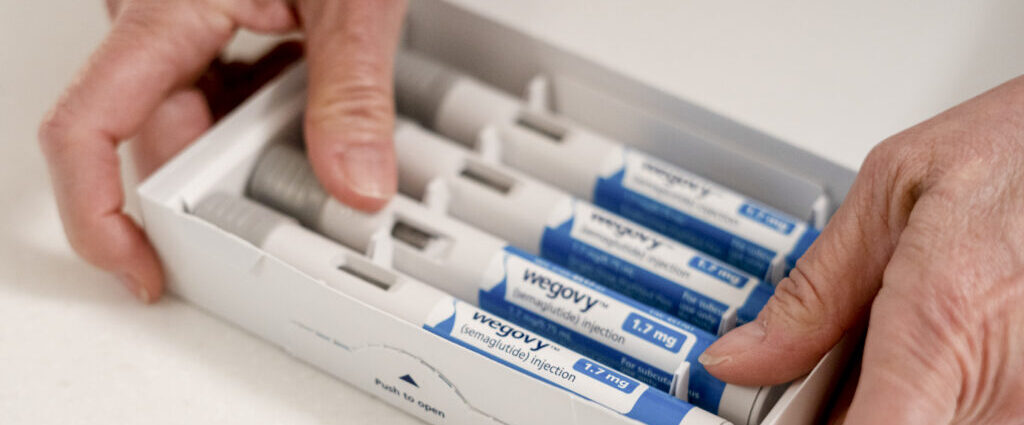
The Trump administration had planned for insurers to provide cheap weight loss drugs to seniors through a Medicare pilot program, but insurers said no, so the government will instead cover the drugs outside of the Medicare Part D drug benefit, STAT explains. Last year, the Trump administration struck a deal with Eli Lilly and Novo Nordisk to lower the prices of their popular obesity drugs in exchange for expanding access to those drugs in Medicare and Medicaid. The hitch was that insurers had to agree to participate in the pilot, called BALANCE, even though they would likely have faced a financial strain by doing so. The drugmakers agreed to sell the treatments for $245 a month in Medicare and Medicaid, but Medicare promised that  beneficiaries would only pay $50 each month. And the pilot could only proceed if Medicare Part D drug plans covering at least 80% of enrollees agreed to participate.

Amazon is launching a program that provides access to GLP-1 treatments through its One Medical primary care arm, The Wall Street Journal notes. The program is designed to provide continuing medical supervision — allowing clinicians to monitor progress, adjust treatments, and address related health conditions — compared with one-off weight-management solutions from other providers. With the program, customers can get Novo Nordisk’s Wegovy and Eli Lilly’s Foundayo weight loss pills starting at $25 a month with insurance coverage, or $149 a month for cash-pay options. The cash-pay price for a starter dose aligns with those offered through programs from Hims & Hers Health, Walgreens, and Weight Watchers. Several companies in the weight loss market saw their stocks pull back after Amazon’s announcement. Shares of Hims & Hers closed down 4% at $29.76 on Tuesday. Weight Watchers declined 8.8%, and Novo Nordisk fell 2.6%.


Continue to STAT+ to read the full story…

This post was originally published here. 

Get your daily dose of health and medicine every weekday with STAT’s free newsletter Morning Rounds. Sign up here.

Good morning. Big news: I’ve convinced at least one other STAT staffer to re-read “The Odyssey” with me ahead of the movie this summer. Starting today, that means we’ll read three books (chapters), or about 1,500 lines, per week for the next eight weeks. Care to join us? 

Read the rest…

This post was originally published here. 

Have you ever wondered how many drugs are behind the counter at your local pharmacy?

According to Thomas Goetz — a journalist, entrepreneur, and host of the new podcast “Drug Story” —  “there are over 3,000 drugs behind a typical pharmacist counter.” And behind each drug is a story.

Read the rest…

This post was originally published here. 

Vani Hari has 2.3 million followers on Instagram, and about as many ideas for healthy food swaps. An entrepreneur and influential food activist in the Make America Healthy Again movement, Hari gives regular shout-outs to substitutes for snacks that contain corn syrup, seed oils, and other ingredients on health-conscious Americans’ blacklist.

For Valentine’s Day, YumEarth choco yums instead of artificially dyed M&Ms. (“Let me say these treats are BETTER, but they are still candy,” Hari writes.) For Super Bowl parties, Jackson’s avocado oil potato chips rather than Lay’s. Looking for a less processed alternative to Chick-fil-A’s frosted lemonade? Why not make your own with lemon-flavored protein powder from Hari’s own brand, Truvani. At least one attempt at a healthy food swap struck out with Hari: PepsiCo’s recently debuted dye-free line of Cheetos and Doritos. “This is dumb,” she wrote on Instagram. “Creating a whole NEW product, instead of FIXING their old product.” 

Though the vast majority — 84% — of Americans said eating healthfully was at least moderately important to them in a recent Deloitte survey, most admit their own habits fall short of their aspirations. The $156 billion packaged snack industry has spotted a business opportunity in catering to people seeking a more enlightened way of noshing. 

Read the rest…

This post was originally published here. 

In the aftermath of the successful Artemis II mission, NASA is moving forward with the next steps of its plans to establish a base on the moon. According to NASA Administrator Jared Isaacman, crews will be operating at the lunar base within the next decade with an even more ambitious long-term goal: Mars. 

Human health in the space environment will be an important factor in these efforts. Among the concerns NASA should consider is the potential impacts of immunology and infectious disease. 

Read the rest…

This post was originally published here. 

You’re reading the web version of STAT’s popup newsletter, AACR in 30 seconds, your guide to what’s happening at the American Association of Cancer Researchers’ annual meeting. Sign up here.

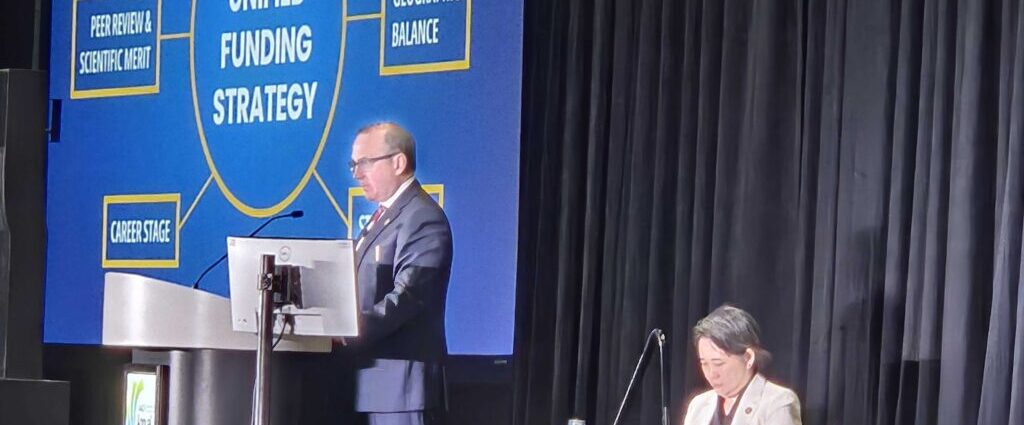
We’re nearing the end of a big AACR. We hope to see everyone at our live event on Tuesday night. Clearly, Revolution Medicines and KRAS have been the big topic of the meeting. Last year, AACR was dominated by big concerns over what cancer research funding would look like in the Trump administration. This year, the new head of the NCI tried to allay researchers’ fears. Read on!

Strong results for Revolution Medicines’ KRAS drug 

Last week, researchers working with the biotechnology firm Revolution Medicines presented stunning news: the experimental drug daraxonrasib more than doubled survival in second-line pancreatic cancer compared to chemo — although that only meant increasing median survival in this terrible disease by six months.

Continue to STAT+ to read the full story…

This post was originally published here. 

A one-time, personalized cell therapy from Kyverna Therapeutics improved mobility and reduced disabilities in patients with stiff person syndrome, a rare, neurological autoimmune disorder, according to study results presented Tuesday.

Kyverna intends to submit the treatment to the Food and Drug Administration by the middle of the year. If approved, it would become the first treatment for stiff person syndrome and the first personalized CAR-T therapy for an autoimmune disease of any kind to reach the market. 

Currently, CAR-T treatments are approved only for blood cancers, but using engineered T cells to deplete B cells — essentially performing an immune system reset inside a patient — has pushed a growing number of biotech companies to shift their CAR-T focus to autoimmune diseases. 

Continue to STAT+ to read the full story…

This post was originally published here. 

SAN DIEGO — Revolution Medicines is already cooking up the next iteration of RAS inhibiting drugs.

At the American Association of Cancer Research annual meeting here, the company is the talk of the town for the clinical trial success of daraxonrasib, its next generation targeted therapy, in advanced pancreatic cancer. And while the company presented more data on that drug Tuesday, showing promising first line and combination data on daraxonrasib, scientists also showed in another session intriguing preclinical data on a completely new compound that may represent what comes after the current lineup.

That drug, currently called RM-055, is what RevMed CEO Mark Goldsmith is calling an entirely “novel class of catalytic inhibitors.” These are targeted therapies that not only block the RAS signaling that drives cancer, but molecularly turn the cancer protein off.  

Continue to STAT+ to read the full story…

This post was originally published here. 

The Swiss drugmaker Roche on Tuesday presented the latest data for its experimental multiple sclerosis drug, setting the stage for the company to seek approval for a medicine that it believes can cut relapse rates and slow the progressive disability the disease causes.  

Now the test is whether the drug, called fenebrutinib, can win the regulatory green light.

While three late-stage trials of the drug have shown it to be effective, analysts have homed in on some potentially worrying liver safety signals, an issue that previously prompted the Food and Drug Administration to reject an MS therapy developed by Sanofi. In data released Tuesday, researchers also disclosed that there were two drug-related deaths among patients who took fenebrutinib.  

Continue to STAT+ to read the full story…

This post was originally published here. 

A judge on Tuesday delayed the criminal sentencing of OxyContin maker Purdue Pharma in order to allow victims to attend the court proceeding in person.

U.S. District Judge Madeline Cox Arleo originally planned to hand down the sentence Tuesday during a court hearing conducted only by videoconferencing. But she said she changed her mind after seeing some victims of the opioid crisis protesting outside her courthouse in Newark, New Jersey. She said they should be allowed to attend in person, too, and moved the hearing to next Tuesday.

Read the rest…

This post was originally published here. 

WASHINGTON — The Trump administration had planned for insurers to provide cheap weight loss drugs to seniors through a Medicare pilot program. Insurers said no, so the government will instead cover the drugs outside of the Medicare Part D drug benefit.

Last year, the Trump administration struck a deal with Eli Lilly and Novo Nordisk to lower the prices of their popular obesity drugs in exchange for expanding access to those drugs in Medicare and Medicaid. Medicare is prohibited from covering weight loss drugs, but the administration proposed waiving that restriction to test whether covering the medications would save tmoney or improve health outcomes at no additional cost.

The hitch was that insurers had to agree to participate in the pilot, called BALANCE, even though they would likely have faced a financial strain from doing so. The drugmakers agreed to sell the treatments for $245 a month in Medicare and Medicaid, but Medicare promised that  beneficiaries would only pay $50 each month. 

Continue to STAT+ to read the full story…

This post was originally published here. 

WASHINGTON — Both Democratic and Republican senators who oversee federal spending seemed skeptical of proposed cuts to health research and public health in the White House’s budget, potentially teeing up a congressional package that ignores many of the administration’s most dramatic proposals for a second year. 

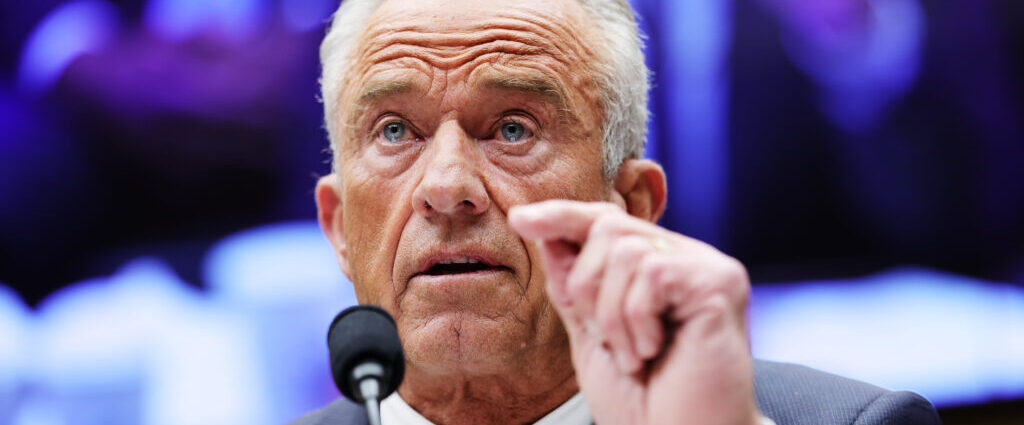
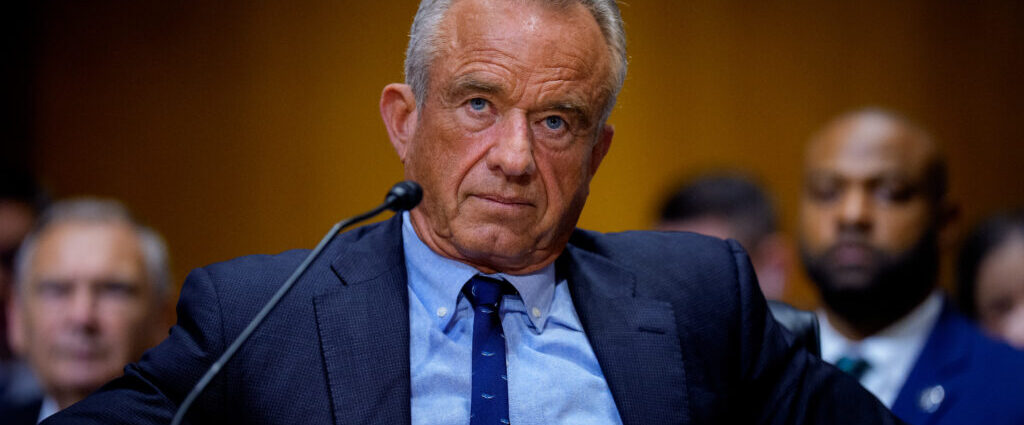
During a Senate appropriations health subcommittee hearing Tuesday, lawmakers questioned health secretary Robert F. Kennedy Jr. on how his department could tackle chronic disease, smoking cessation, and cancer research with a proposed 2027 fiscal budget that would cut the department by 12%. 
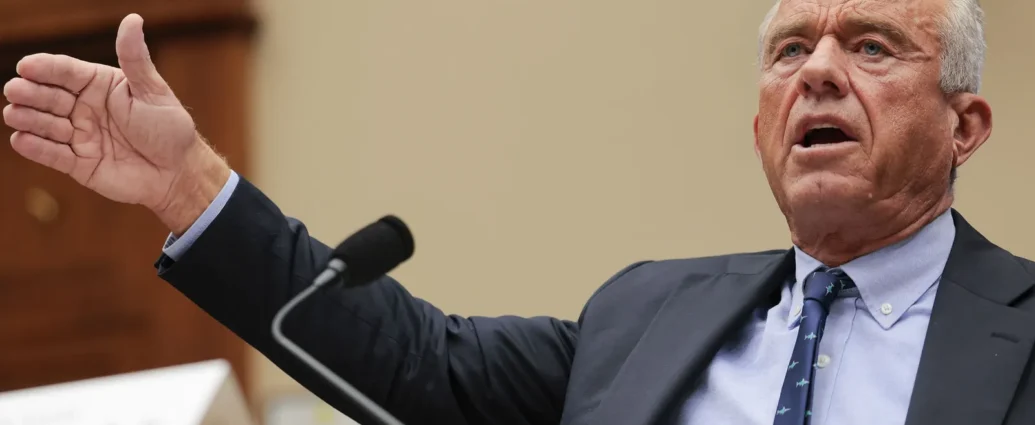
The request, which is broadly similar to what was proposed last year, includes deep cuts to the National Institutes of Health, the elimination of a health research agency, and the creation of a new agency devoted to chronic diseases called the Administration for a Healthy America.

Continue to STAT+ to read the full story…

This post was originally published here. 

WASHINGTON — Both Democratic and Republican senators who oversee federal spending seemed skeptical of proposed cuts to health research and public health in the White House’s budget, potentially teeing up a congressional package that ignores many of the administration’s most dramatic proposals for a second year. 

During a Senate appropriations health subcommittee hearing Tuesday, lawmakers questioned health secretary Robert F. Kennedy Jr. on how his department could tackle chronic disease, smoking cessation, and cancer research with a proposed 2027 fiscal budget that would cut the department by 12%. 

The request, which is broadly similar to what was proposed last year, includes deep cuts to the National Institutes of Health, the elimination of a health research agency, and the creation of a new agency devoted to chronic diseases called the Administration for a Healthy America.

Continue to STAT+ to read the full story…

This post was originally published here. 

WASHINGTON — The Trump administration will ask states to create new plans to verify medical providers paid by federally funded health care programs as part of a broad effort to combat fraud in government programs, Mehmet Oz, the administrator of the Centers for Medicare and Medicaid Services, said Tuesday.

The administration will ask states to develop plans in the next month to revalidate providers in “high-risk” areas to determine whether they exist and have the right to provide services, Oz said at Politico’s health care summit.

The announcement is another step from the administration in its aggressive — and highly publicized — attacks on alleged waste, fraud, and abuse in federal health care programs. The administration has targeted certain programs and providers primarily in Democrat-led states such as Minnesota and California, though the administration’s claims have been disputed at times by state leaders. 

Continue to STAT+ to read the full story…

This post was originally published here. 

Noting President Trump’s recent erratic public behavior, scores of legislators and political commentators have urged invoking the 25th Amendment to replace him with Vice President JD Vance. These individuals, largely Democrats, have questioned the president’s mental health, calling him “insane,” “deranged,” “unhinged,” and “batshit crazy,” among other terms. In response, the White House continues to defend Trump’s behavior as keeping his perceived opponents on edge.

Those calling for Trump’s removal under the 25th Amendment are misguided. Here’s why.

The 25th Amendment, which became law in 1967, is designed to ensure a prompt, orderly transfer of power if the president dies or becomes ill. Under the amendment’s terms, the vice president is indispensable in activating it, and involuntarily removing the president would need the support of a majority of the Cabinet and a two-thirds vote of both houses of Congress.

Continue to STAT+ to read the full story…

This post was originally published here. 

You’re reading the web edition of D.C. Diagnosis, STAT’s twice-weekly newsletter about the politics and policy of health and medicine. Sign up here to receive it in your inbox on Tuesdays and Thursdays.

For National Library Week, STAT is offering 60% off subscriptions. Send news tips and fiction suggestions to John.Wilkerson@statnews.com or John_Wilkerson.07 on Signal.

The Senate GOP doctors who will question RFK Jr.

There are four Republican doctors on two of the Senate committees at which health secretary Robert F. Kennedy Jr. will testify this week. Two have been critical of Kennedy’s anti-vaccine policies, and we’ll be watching how they question the secretary, especially because the Republican party is trying its best to avoid talking about vaccines in the lead-up to the midterm elections.

Continue to STAT+ to read the full story…

This post was originally published here. 

UnitedHealth Group, a company defined by growth, is systematically paring back parts of its business it spent years building up: Medicare Advantage and its sprawling provider network. That retreat is now paying off. 

UnitedHealth’s financial performance in the first quarter, released Tuesday, far exceeded analysts’ expectations in both its Optum and UnitedHealthcare divisions. As a result, the company raised its full-year adjusted earnings outlook by 2.8% to $18.25 per share. Analysts praised the company’s performance in their notes, and UnitedHealth’s stock climbed as much as 10% mid-morning, even giving its competitors a lift. 

Leaders who spoke on the company’s earnings call Tuesday morning sounded celebratory yet cautious, noting that both its insurance division, UnitedHealthcare, and its provider division, Optum Health, accrue most of their earnings in the first half of the year. 

Continue to STAT+ to read the full story…

This post was originally published here. 

WASHINGTON — Defense Secretary Pete Hegseth announced Tuesday that the U.S. military will no longer require all American troops to get the flu vaccine, citing “medical autonomy” and religious freedom.

“The notion that a flu vaccine must be mandatory for every service member, everywhere, in every circumstance at all times is just overly broad and not rational,” Hegseth said in a video posted on social media.

Read the rest…

This post was originally published here. 

Hospitals and clinics told regulators that switching to rebates in the 340B drug discount program would impose costs that would outweigh the program’s benefits.

This post was originally published here. 

UnitedHealth Group delivered stronger-than-expected first-quarter results and lifted its full-year guidance, signaling momentum in its turnaround strategy and boosting investor confidence following last year’s earnings disappointment.

The healthcare giant reported adjusted earnings of $7.23 per share, surpassing analyst expectations of $6.58, according to FactSet data. Net income came in at $6.48 billion, or $6.90 per share, compared with $6.47 billion, or $6.85 per share, in the same period a year earlier. Revenue rose to $111.7 billion, up from $109.6 billion, reflecting steady growth across its insurance and healthcare services businesses.

“The results suggest meaningful progress in execution,” said Kevin Fischbeck, Managing Director and Senior Healthcare Analyst at Bank of America, noting that margin discipline and operational improvements are beginning to translate into earnings upside.

The company also raised its full-year adjusted earnings guidance by 50 cents to more than $18.25 per share, exceeding the FactSet consensus estimate of $17.86. The upgraded outlook points to improving visibility into cost management and underlying demand trends.

“Guidance increases of this magnitude typically indicate confidence in both cost control and revenue stability,” said Lisa Gill, Healthcare Services Analyst at JPMorgan, adding that the company appears to be regaining footing after a volatile prior year.

The performance marks a notable shift from last year, when an unexpected earnings shortfall triggered a sharp selloff in UnitedHealth shares. The company has since undergone significant leadership and operational changes under Chief Executive Stephen Hemsley, who returned to the role in May with a mandate to reset the business.

Hemsley has focused on restructuring operations, tightening cost controls, and improving margins. “Turnarounds of this scale require both leadership change and execution discipline,” said Ricky Goldwasser, Healthcare Analyst at Morgan Stanley, highlighting that management actions are now beginning to show measurable impact.

As part of its strategic overhaul, UnitedHealth said it has replaced nearly half of its top 100 executives and accelerated investments in artificial intelligence to improve efficiency and healthcare cost management. The company also announced an agreement to acquire Alegeus Technologies, a benefits administration firm, though financial terms were not disclosed.

“Technology investment, particularly in AI, is becoming central to managing medical costs,” said David Windley, Healthcare Analyst at Jefferies, noting that digital tools are increasingly driving competitive advantage in managed care.

A key metric for investors—the medical-loss ratio (MLR)—came in at 83.9%, significantly below analyst expectations of 85.5%. The ratio, which measures the percentage of premium revenue spent on healthcare costs, is closely watched as an indicator of profitability.

“The lower MLR is a strong positive signal,” said Sarah James, Healthcare Analyst at Cantor Fitzgerald, adding that improved cost management and reserve development played a critical role in the outperformance.

UnitedHealth said the lower ratio was driven by “strong medical cost management and favorable reserve development,” even as overall healthcare costs remain elevated across the industry.

The results come amid a more supportive backdrop for insurers, following a recent announcement that Medicare reimbursement rates for 2027 would come in higher than initially proposed. The development has lifted sentiment across the managed-care sector.

“Rate visibility is critical for the group,” said Josh Raskin, Senior Healthcare Analyst at Nephron Research, noting that improved reimbursement outlooks provide a clearer earnings runway.

UnitedHealth, the parent of the largest U.S. health insurer, continues to benefit from its diversified model, which includes insurance, healthcare services, and physician networks. That structure allows it to manage costs more effectively than peers during periods of volatility.

Looking ahead, investors will be watching whether the company can sustain its margin improvements and continue executing on its restructuring plan. With stronger guidance, improved cost metrics, and leadership stability, UnitedHealth appears to be regaining momentum—but the durability of the turnaround will remain the key question for markets.

JBizNews Desk

Top of the morning to you, and a fine one it is. Sunny skies and mild breezes are enveloping the Pharmalot campus once again. And to celebrate, we are brewing another cuppa stimulation and inviting you to join us. Our choice today is blackberry hibiscus. Remember, a prescription is not required. So no need to mess with rebates or even TrumpRx. Meanwhile, here are a few items of interest. Hope you have a meaningful and productive day and, of course, do stay in touch. …

Pfizer executive Andrew Baum, a former analyst at Citibank who joined the drugmaker in June 2024 to redirect its strategic approach, has left his role as an executive vice president and chief strategy and innovation officer, STAT writes. He will continue as an adviser to Pfizer chief executive officer Albert Bourla until the end of the year. Baum was part of a mini-trend of large pharmaceutical companies hiring former analysts at investment banks, who closely track multiple companies in order to help investors understand their businesses, as strategic leaders. Ronny Gal, a longtime analyst at Bernstein, became chief strategy and growth officer at Novartis in 2022. Christopher Shibutani joined Bristol Myers Squibb as chief strategy officer last year.

A U.S. judge is expected to sentence OxyContin maker Purdue Pharma to forfeit $225 million to the U.S. Department of Justice on Tuesday, clearing the way for the company to finalize a settlement of thousands of lawsuits it faces over its role in the opioid crisis, the Associated Press tells us. The penalty was agreed to in a 2020 pact to resolve federal civil and criminal probes it was facing. If the judge signs off, other penalties will not be collected in return for Purdue settling the other lawsuits. The settlement was approved by another judge last year and could take effect on May 1. It requires members of the Sackler family who own the company to pay up to $7 billion to state, local, and Native American tribal governments, some individual victims, and others.

Continue to STAT+ to read the full story…

This post was originally published here. 

Want to stay on top of the science and politics driving biotech today? Sign up to get our biotech newsletter in your inbox.

Good morning. Starting and sustaining a biotech company is never easy. If you need a reminder on that, read to the end of today’s newsletter.

BioAge’s bet on inflammation shows early promise

BioAge is making its way into the race among drug companies to target inflammation as a way to treat chronic conditions.

Continue to STAT+ to read the full story…

This post was originally published here. 

Get your daily dose of health and medicine every weekday with STAT’s free newsletter Morning Rounds. Sign up here.

Good morning. I have a confession: Yesterday was the first time I ever logged into my patient portal to check my medical records. Seeing this in a clinical note from a few years ago made me chuckle: “Lives alone with cat.”

Read the rest…

This post was originally published here. 

You’re reading the web edition of STAT’s Health Tech newsletter, our guide to how technology is transforming the life sciences. Sign up to get it delivered in your inbox every Tuesday and Thursday.

Good morning health tech readers!

Maybe the Trump administration has grand plans to cover breakthrough devices after all?

Continue to STAT+ to read the full story…

This post was originally published here. 

BioAge Labs said Tuesday that its investigational pill for cardiovascular risk prevention significantly reduced inflammation in an early study, as more drug companies target inflammation as a way to treat a range of chronic conditions.

In a Phase 1 study of people with obesity and elevated inflammation levels, patients taking a 60-milligram dose of the drug, called BGE-102, experienced an 86% reduction in a measure of inflammation called high-sensitivity C-reactive protein (hs-CRP) after three weeks. That’s a similar level of reduction seen in patients who took a higher 120-mg dose in the study, which the company previously reported. 

Additionally, 87% of patients taking the 60-mg dose achieved hs-CRP levels of less than 2 mg/liter, the threshold thought to be associated with a lower risk of cardiovascular complications.

Continue to STAT+ to read the full story…

This post was originally published here. 

A new startup has found that the Chinese biotech industry is good for more than obesity drugs and cancer therapies. 

The company, Tortugas Neuroscience, launched Tuesday with plans to develop two schizophrenia and tinnitus drugs licensed from Chinese drugmaker Jiangsu Hansoh Pharmaceutical Group. The startup will also test two other medicines for focal epilepsy and encephalopathies that were originally created by Japanese pharmaceutical company Eisai Co. Ltd. 

Tortugas has $106 million from Cure Ventures, The Column Group, and AN Ventures to begin testing the drugs in mid-stage trials in the U.S. 

Continue to STAT+ to read the full story…

This post was originally published here. 

Circa 1970, the renowned Russian neuropsychologist Alexander Luria together with Karl Pribram from Stanford University and other neuroscientists of that era introduced the term “executive functions” into the scientific lexicon to denote complex behaviors such as attention and awareness. They identified the frontal lobe — the front of the brain — as the “executive of the brain” responsible for these behaviors based on their experiments with primates and patients with specific brain injuries.

Over time, the concept evolved to include mental processes needed to focus, concentrate, and pay attention when challenged by multiple simultaneous sources of information to weigh options and make informed decisions as opposed to impulsive ones.

Read the rest…

This post was originally published here. 

The Trump administration on Monday moved to impose a new round of tariffs on imported pharmaceutical products, marking one of the most aggressive steps yet to pressure drugmakers to relocate manufacturing operations to the United States, according to senior administration officials familiar with the policy. President Donald Trump said at a White House briefing the move is designed to end what he called “dangerous dependence” on foreign drug supply chains, particularly from China and India, which together account for a significant share of active pharmaceutical ingredient (API) production used by U.S. manufacturers.

Commerce Secretary Howard Lutnick said the tariffs will apply to a range of finished drugs and key ingredients, with rollout expected in phases over the coming months. “The United States cannot remain reliant on overseas production for critical medicines,” Lutnick said in a statement issued by the Department of Commerce. “This is about national security, supply chain resilience, and restoring high-value manufacturing jobs.” The department pointed to lessons from COVID-era shortages, when overseas disruptions exposed vulnerabilities in essential drug supplies.

The action is being structured under authorities similar to Section 232 of the Trade Expansion Act, which allows tariffs on imports deemed a national security risk. U.S. Trade Representative Jamieson Greer said the administration is aligning trade policy with industrial strategy. “We are sending a clear message to global manufacturers: access to the U.S. market comes with expectations around supply chain security,” Greer said during a policy briefing, according to an official transcript released by the Office of the USTR.

Industry groups pushed back, warning the policy could raise costs and strain already fragile supply chains. Stephen J. Ubl, President and CEO of the Pharmaceutical Research and Manufacturers of America (PhRMA), said “while strengthening domestic manufacturing is a shared goal, tariffs risk increasing costs for patients and could lead to unintended supply disruptions.” PhRMA has consistently advocated for tax incentives and regulatory streamlining as more effective tools to drive U.S.-based production.

Health policy experts say the impact may be most acute in the generic drug market. Dr. Marta Wosińska, Senior Fellow at the Brookings Institution and former FDA chief economist, noted that many generic manufacturers operate on razor-thin margins. “Even modest tariffs could push some suppliers out of the market, increasing the risk of shortages,” she said in a recent Brookings analysis, emphasizing that domestic capacity cannot be scaled overnight.

The administration argues the long-term strategic benefits outweigh near-term disruption. National Security Advisor Robert O’Brien said the policy is part of a broader effort to secure critical industries. “We cannot afford to rely on geopolitical competitors for lifesaving medications,” O’Brien said in a televised interview. “This is about ensuring supply continuity in times of crisis.”

Data from the U.S. Food and Drug Administration (FDA) shows a large share of APIs used in U.S. drugs are manufactured abroad, with China and India dominating production. The agency has repeatedly highlighted challenges in monitoring overseas facilities, reinforcing concerns among lawmakers about quality control and supply chain concentration risks.

On Capitol Hill, reaction has split along strategic and economic lines. Sen. Marco Rubio (R-Fla.) said in a statement that reshoring pharmaceutical manufacturing is “essential to America’s national and economic security.” Meanwhile, Sen. Ron Wyden (D-Ore.), Chairman of the Senate Finance Committee, warned that “any tariff policy must include safeguards to prevent higher prescription drug costs for American families,” according to remarks released by his office.

Major pharmaceutical companies including Pfizer, Merck, and Johnson & Johnson have already begun expanding U.S.-based manufacturing in recent years, though industry analysts note global supply chains remain deeply embedded overseas due to cost advantages and existing infrastructure.

What comes next will depend on execution. Analysts say the success of the policy will hinge on whether tariffs are paired with incentives, workforce investment, and regulatory reforms to make domestic production economically viable at scale. Without that, higher costs could ripple through insurers, hospitals, and ultimately consumers, even as supply chains adjust.

As the policy moves toward implementation, the global pharmaceutical industry is bracing for a significant realignment—one that could reshape where and how critical medicines are produced, with lasting implications for trade, healthcare costs, and national security.

— JBizNews Desk

You’re reading the web version of STAT’s popup newsletter, AACR in 30 seconds, your guide to what’s happening at the American Association of Cancer Researchers’ annual meeting. Sign up here.

We’re back with more data from the AACR meeting! Among the highlights today: a first look at a drug Merck acquired from China, a fascinating but potentially controversial use for CAR-T, and American oncology’s geography problem. Don’t forget: Tuesday night we will host a live event in San Diego, and we also have a virtual recap of the AACR conference on Thursday.

CAR-T shows deep response in smoldering myeloma

In an early phase trial, investigators at Dana-Farber Cancer Institute treated 20 high risk smoldering multiple myeloma patients with Carvykti, a BCMA directed CAR-T therapy. The idea was to use the immunotherapy on patients with the multiple myeloma precursor condition, hoping to prevent the active cancer in patients at high risk of progression.

Continue to STAT+ to read the full story…

This post was originally published here. 

Pfizer executive Andrew Baum, a former analyst at the investment bank Citi who joined the company in June 2024 to redirect its strategic approach, has left his role as an executive vice president and as chief strategy and innovation officer, the company confirmed Monday. He will continue as an adviser to Pfizer CEO Albert Bourla until the end of the year.

Pfizer and sources familiar with the matter described the move as stemming from both a sense that Baum had accomplished what he set out to do and a streamlining of Pfizer’s operations.

“Pfizer regularly evaluates its operations to ensure it is best positioned to deliver on the company’s business in the near-term and beyond,” the company said in a statement. It said that organizational and leadership changes would “position Pfizer to move faster, make clearer decisions, and advance innovation across the enterprise.”

Continue to STAT+ to read the full story…

This post was originally published here. 

SAN DIEGO — Alison Cameron spent close to a decade fighting to keep myeloma under control. She’d been diagnosed with smoldering multiple myeloma, a precursor to cancer, and spent years receiving infusions to keep it from progressing to active multiple myeloma. Now, after receiving CAR-T therapy, an aggressive immunotherapy, while on a trial, the 54-year old anesthesiologist is hoping the risk of cancer is gone for good.

It’s a reasonable hope, given the results of that trial, which researchers presented at the American Association for Cancer Research meeting here on Monday. All 20 patients who received the trial treatment no longer had any detectable myeloma cells in their body. That’s a far deeper and more complete response than scientists typically expect when it comes to multiple myeloma, and it’s prompting some experts to consider the possibility these patients have truly had active cancer permanently averted.

Currently, there is only one approved therapy for high risk smoldering myeloma, an antibody therapy called Darzalex. Patients can remain on treatment for years, but without achieving these kinds of deep molecular responses, and many still progress within 5 years, said Ecaterina Dumbrava, a cancer researcher at MD Anderson Cancer Center who did not work on the study. “The results raise a very important question whether early immune interception can not only delay progression but redefine treatment goals. Can we talk about the word we always avoid, which is cure,” she said.

Continue to STAT+ to read the full story…

This post was originally published here. 

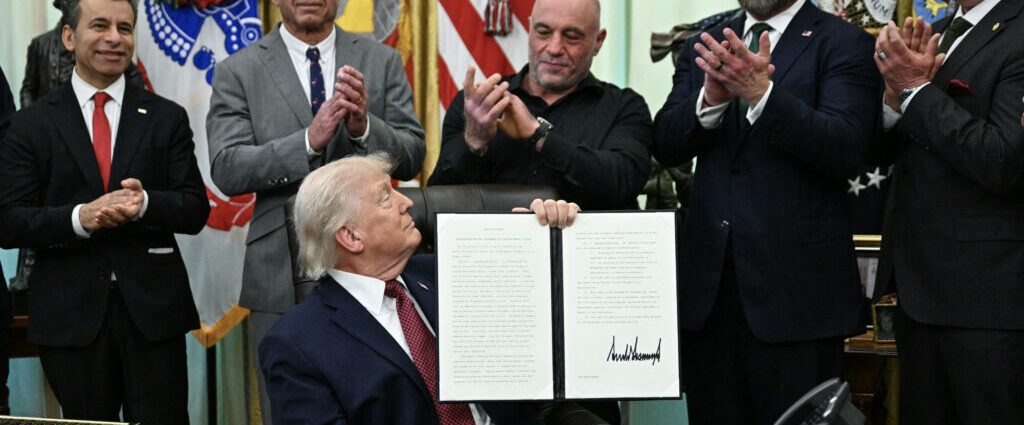
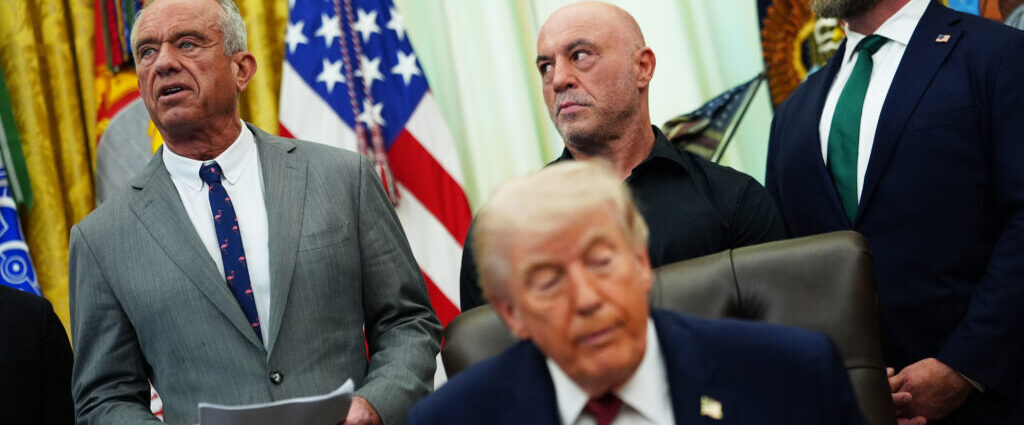
On Saturday, with podcaster and psychedelics fan Joe Rogan standing over his shoulder, President Trump signed an executive order intended to expand access to psychedelics for mental health treatment.

For some, it may come as a surprise to see a Republican president embrace psychedelics. But he’s only the most recent member of the GOP to hop on the psychedelics bandwagon.

Read the rest…

This post was originally published here. 

President Trump’s executive order aimed at loosening restrictions on psychedelics as mental health treatments was largely applauded by advocates. But some also quietly worry the White House’s role in trying to bolster the field risks politicizing it and undermining the credibility of research.

The order, which Trump said originated with a text from podcaster Joe Rogan about psychedelics research, directs the Food and Drug Administration to expedite the review of some compounds and calls for the establishment of a new regulatory pathway for experimental psychedelics to be tried by terminally ill patients. It also allocates funding to states developing research programs.

While the order does not actually reschedule any drugs or change legislation, many advocates and researchers welcomed the move, saying it signals the administration’s interest in advancing psychedelics as treatments and could help ease bottlenecks in expanding access.

Continue to STAT+ to read the full story…

This post was originally published here. 

Eli Lilly is spending $3.25 billion to acquire Kelonia Therapeutics, a small biotech company developing cell therapies for cancer and autoimmune diseases, the companies announced Monday. 

Lilly could pay more if Kelonia achieves specified clinical, regulatory, and commercial milestones. 

The acquisition is a boon for the small startup, which has subsisted on just $60 million over the last five years and previously struggled to stay afloat. Three times, the company came within a week of running out of cash, according to Bryan Roberts, a partner at the venture capital firm Venrock, which incubated the biotech. 

Continue to STAT+ to read the full story…

This post was originally published here. 

The influential physician association surveyed thousands of doctors and found that burnout last year was lower than in 2024 or 2023. Still, certain specialties, especially those on the front lines of care, face an elevated risk of burning out.

This post was originally published here. 

This is the online version of STAT’s weekly email newsletter Health Care Inc. Sign up here.

Did you know it’s National Library Week? Of course you did, you look so studious. To honor the thrill of reading and learning, STAT is offering 60% off our subscription for your first year. Check it out, visit a library, and as always, say hello: bob.herman@statnews.com.

A contentious fight over drug price transparency

Anna Yeo/STAT

The phalanx of lobbyists representing pharmacy benefit managers and health insurers has mounted stiff opposition to a federal proposal that attempts to pry open the black box of prescription drug prices.

Continue to STAT+ to read the full story…

This post was originally published here. 

Republicans largely praised the HHS secretary’s track record during a marathon of House hearings last week, but some GOP lawmakers raised concerns about proposed budget cuts to the National Institutes of Health.

This post was originally published here. 

Want to stay on top of the science and politics driving biotech today? Sign up to get our biotech newsletter in your inbox.

Hiya. Today, we see a proliferation of KRAS, as new data validate a once-undruggable space. Also, a double-edged push for PBM transparency, and the Breakthrough Prize was awarded to researchers for advances in gene therapy and ALS genetics.

The need-to-know this morning

  • Novo Nordisk said its experimental oral drug, called etavopivat, reduced the risk of pain crises and improved hemoglobin response in patients with sickle cell disease, achieving the goals of a Phase 3 clinical trial. 
  • Eli Lilly is reportedly nearing a deal to acquire Kelonia Therapeutics for more than $2 billion, according to the Wall Street Journal. Kelonia is a privately held developer of so-called in-vivo CAR-T therapies that make engineered cancer-killing cells inside the body. Its lead therapy is being investigated in an early stage study in multiple myeloma.
  • Helus Pharma, developer of psychedelics-based therapies for depression, said CEO Michael Cola has resigned “at the request of the board of directors.” Chairman Eric So was appointed interim CEO.

Finally cracking KRAS as a druggable target

When Revolution Medicines released results for its drug daraxonrasib in pancreatic cancer patients last week, it finally seemed like there was hope in a condition that has long proven intractable for researchers. But as STAT’s Angus Chen reports, it was the product of years of effort — and could be just the start of a wave of new RAS inhibitors. 

Continue to STAT+ to read the full story…

This post was originally published here. 

Good morning, everyone, and welcome to another working week. We hope the weekend respite was relaxing and rewarding, because that oh-so-familiar routine of meetings, online calls, and deadlines has predictably returned. But what can you do? The world keeps spinning no matter how much we push back. So time to get on with it. Please join us for a cup of stimulation — hot buttered rum is our choice today — as we cast about for items of interest. Speaking of which, here are some tidbits. Hope your day goes well…

Weight-loss drugs may eventually reach only about 50% of the overweight ‌and obese people who could benefit from them due to complexities of health care systems and financial constraints, Reuters writes, citing comments made by Eli Lilly chief executive officer David Ricks said at a conference. Lilly and Novo Nordisk are competing for share in the global market for ​GLP-1 drugs, which analysts see topping $100 billion per year in the next decade. But ​just one in 10 people who are overweight or obese are using GLP-1s. “It’s never going to be a hundred,” Ricks said. “For institutional reasons ​in health care and some other complexities in managing health, it’s never going to be that high.” He pointed to low-cost statins, ​the most commonly prescribed cholesterol drugs, as a comparable example. “Between 40 and 50% of people who should be on them, are on them. I think of that as maybe a ceiling,” he said.

The Trump administration’s desire to pry open the black box of prescription drug prices is facing stiff opposition from the phalanx of lobbyists representing pharmacy benefit managers and health insurers, STAT notes. In January, the U.S. Department of Labor proposed a rule that would mandate PBMs disclose a wide range of drug pricing information to employers and make it easier to be audited. The public had until last week to submit comments. A review of the more than 500 letters reflects varying interests: predictable resistance from PBMs and health insurers; enthusiasm from Mark Cuban’s pharmacy and others in the business community who want middlemen to face more accountability; and drug companies cheered PBMs being in the regulatory crosshairs but wanted pullback on disclosure of drug pricing data. 

Continue to STAT+ to read the full story…

This post was originally published here. 

Nektar Therapeutics said Monday that extended treatment with its experimental drug, called rezpeg, promoted greater hair growth in people with severe alopecia areata, an autoimmune condition that attacks hair follicles. 

After one year, 27% of participants treated with either a low or high dose of rezpeg achieved a clinically meaningful hair-growth outcome, Nektar said. The response, formally known as SALT Score 20, is defined as 80% or more of the scalp covered by hair.

The rezpeg results are equal or better to those from a low dose of Olumiant, a daily pill made by Eli Lilly that is currently approved for severe alopecia areata, albeit with physician use constrained by safety concerns. The two drugs have not been tested head to head. 

Continue to STAT+ to read the full story…

This post was originally published here. 

Get your daily dose of health and medicine every weekday with STAT’s free newsletter Morning Rounds. Sign up here.

Good morning and happy Marathon Monday from Boston! If you’ve been waiting for the right deal to finally sign up for STAT+, then you’re in luck. This week, we’re running what STAT newsletter strategist Alexa Lee calls “one of the fattest discounts we’ve done in a while!” Get it while the getting is good. 

Read the rest…

This post was originally published here.