

STAT+: Lilly wins approval for once-weekly insulin shot
Want to stay on top of the science and politics driving biotech today? Sign up to get our biotech newsletter in your inbox.
My delightful coworker, Jason Mast, is in Shanghai reporting for STAT. And that, my darling readers, is how you get access to the best biotech news anywhere.
The need-to-know this morning
- Following a trial in a California federal court, a jury yesterday found that Eli Lilly breached a contract with Nektar Therapeutics to co-develop in good faith the autoimmune disease drug rezpeg. The jury awarded Nektar $90 million in damages plus interest, an amount far less than the company was seeking.
Overton dodges senators on vaccines, abortion, China
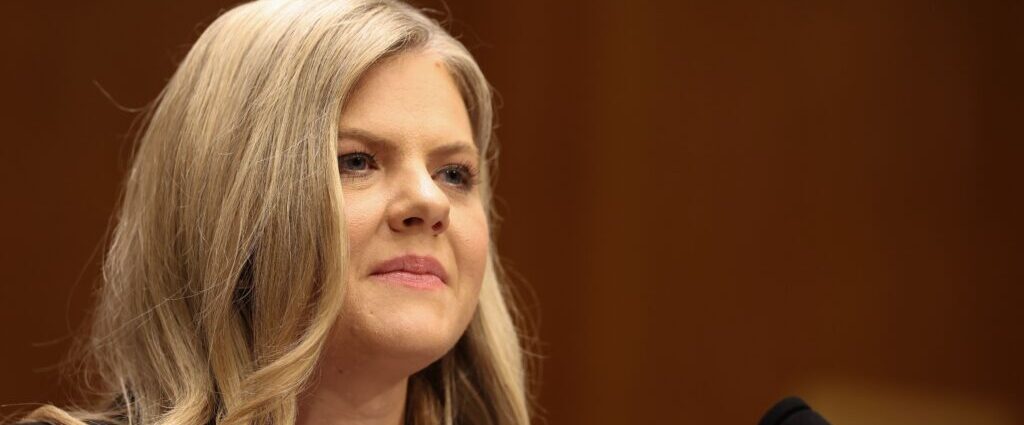
FDA commissioner nominee Heidi Overton largely avoided declaring her stance on several issues during a contentious Senate confirmation hearing yesterday, STAT’s Margaret Manto writes. She repeatedly pointed to existing law and agency policy when pressed on vaccines, abortion, and whether she would resist political pressure from President Trump or health secretary Robert F. Kennedy Jr.
Opinion: FDA commissioner nominee Heidi Overton is ignoring the science on abortion drug
On Thursday, the Senate health committee met with Heidi Overton, nominee for commissioner of the Food and Drug Administration. When asked about her views on mifepristone, a key abortion medication, Overton danced around the issue.
As the CEO of Reproductive Futures, a legal organization advocating for reproductive rights, I am deeply concerned. Overton’s anti-abortion views are crystal clear. As FDA commissioner, she would have a chance to implement them and do serious harm.

STAT+: Pharmalittle: We’re reading about a reticent FDA commish nominee, a Novo deal, and more
And so, another working week will soon draw to a close. Not a moment too soon, yes? This is, you may recall, our treasured signal to daydream about weekend plans. Our agenda is, so far, rather modest. We plan to tidy up around the castle, catch up on our reading, and promenade with the official mascots. We also expect to hold another listening party, where the rotation will likely include this, this, this, this, this and this. And what about you? Some distraction from the world at large may be in order and there is nothing like a romp through an apple orchard or pumpkin patch to lift the spirits. If the weather does not cooperate, though, you could always binge-watch something on the telly or cook up an exotic meal. Or perhaps make time to see someone special. Well, whatever you do, have a grand time. But be safe. Enjoy, and see you soon. …
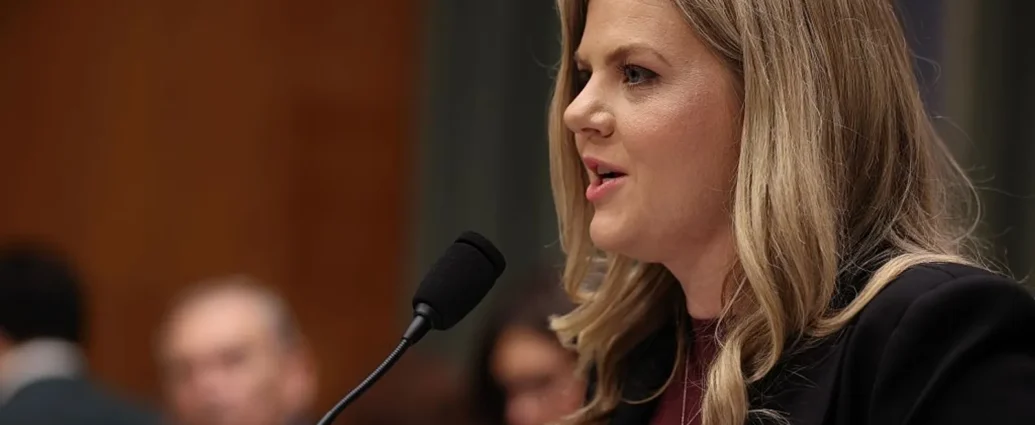
Heidi Overton, President Trump’s nominee to lead the U.S. Food and Drug Administration, was grilled by senators on hot button topics like China, vaccines, and abortion access in her hearing before the committee that will decide whether to send her nomination for a vote of the full Senate, but revealed very little of her own feelings on top issues facing the agency, STAT writes. Instead, she referred repeatedly to existing agency guidance and approvals for products like childhood vaccines and the abortion drug mifepristone — without saying whether she would endorse updating those guidances or altering approvals to satisfy the desires of Trump or health secretary Robert F. Kennedy Jr.
Novo Nordisk agreed to pay up to $1.3 billion to license and develop Nanexa’s drug delivery technology in a deal that could cut the frequency that patients need to inject its obesity and diabetes drugs, The Wall Street Journal writes. The deal covers Nanexa’s PharmaShell technology, which is designed to enable controlled and sustained release of active pharmaceutical ingredients through an ultra-thin coating applied to individual drug particles. Under the exclusive deal, Novo licensed Nanexa’s technology in up to five development programs covering different drug administration frequencies, with the companies targeting monthly and quarterly administration.
STAT+: The head of Kennedy’s new autism project has roots in Iraq War, Sesame Street
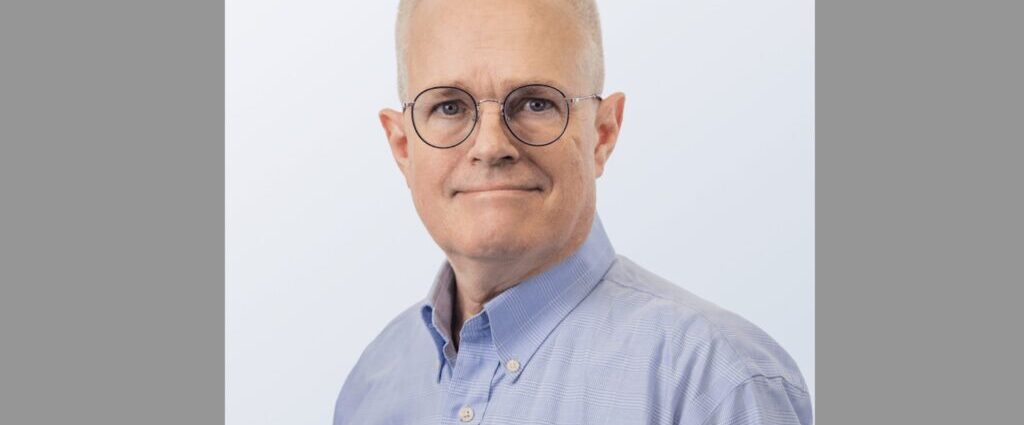
If you want to understand the federal government’s new initiative to improve autism care and diagnosis, it’s helpful to understand its leader, Russell Shilling.
Sitting in his Fairfax, Va., office, Shilling is flanked by a colorful tableau: a coterie of medals from his time in the armed forces and a sky blue puppet from his six years working with Sesame Street. He shares his felt doppelganger’s glasses and close-cropped hair, though not its hue.
An experimental psychologist, Shilling has led many lives. During his time in the Navy and at the Defense Advanced Research Projects Agency, he developed virtual reality therapy to help Iraq War veterans with PTSD and constructed early versions of chatbots to destigmatize mental health issues, bringing them into clinics.

Federal judge rolls back landmark disability protections
Get your daily dose of health and medicine every weekday with STAT’s free newsletter Morning Rounds. Sign up here.
Good morning. Chelsea Cirruzzo filling in here today from D.C., where another fox has been spotted out and about around Capitol Hill. Unfortunately, I’m old enough to remember the last time a fox galavanted around the neighborhood. Let’s hope this one is not rabid.

How Big Tobacco flooded the FDA with public comments to kill a menthol cigarette ban
(This story is published in partnership with The Examination. Sign up to get The Examination’s reporting in your inbox.)
Sometimes you can win an argument just by repeating yourself over and over.

At least five candidates vie to become the next WHO leader, as questions over U.S. role loom
At least five candidates are in the running to become the next director-general of the World Health Organization, a job that will come with extraordinary challenges.
The withdrawal of the WHO’s largest funder — the United States — and an overall contraction of international spending on global health has raised crucial questions about how the Geneva-based agency will respond once a successor to Director-General Tedros Adhanom Ghebreyesus takes office. Among many significant issues awaiting this individual will be deciding whether or how to entice the U.S. to either return to the fold, or at least interact more frequently and collaboratively with the WHO.

Opinion: RFK Jr.’s use of the National Center for Health Statistics will add confusion to measles deaths count
By mid-September, the Pennsylvania Department of Health had reported four confirmed measles-associated deaths, surpassing the highest annual number of measles-associated deaths in the United States since 1992. Pennsylvania public health professionals are sounding the alarm as the number of measles cases statewide exceeds 800, with cases clustering among communities with a history of vaccine hesitancy.
But if you look at the Centers for Disease Control and Prevention’s measles dashboard page, it shows just one measles-related death so far this year, with an asterisk.

Opinion: The ‘died with’ vs. ‘died of’ measles discussion misses something very important
During the pandemic, we all heard some variation of “they died with Covid, not from it.”
The phrase is back, this time attached to measles. On Aug. 25, Pennsylvania reported two measles-associated deaths in Lancaster. That day, a county commissioner relayed the coroner’s office’s position that one person had died “WITH measles, but not FROM measles.” (The coroner has attributed that death, an infant’s, to a ruptured spleen; without the medical records or full autopsy, the public can only go on what the coroner has shared with reporters.)
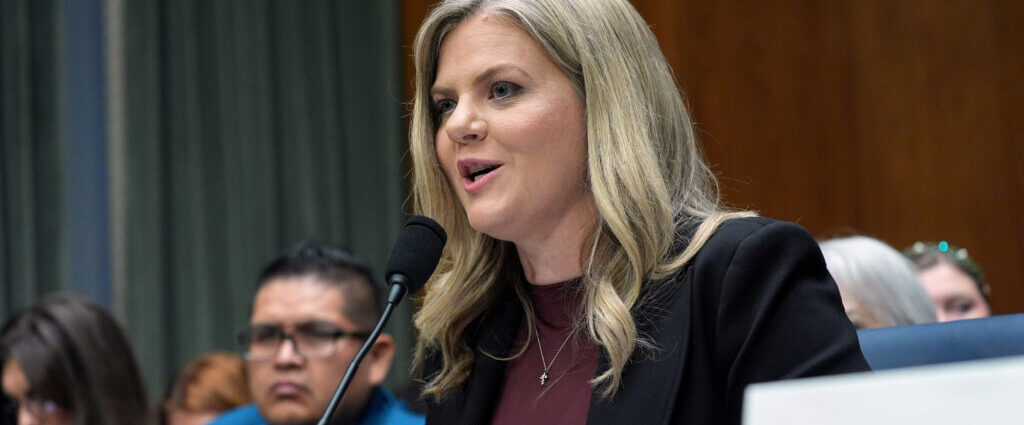
STAT+: FDA commissioner nominee Heidi Overton keeps opinions to herself in Senate hearing
WASHINGTON — Heidi Overton, President Trump’s nominee to lead the Food and Drug Administration, was grilled by senators on hot button topics like China, vaccines, and abortion access in her hearing before the committee that will decide whether to send her nomination for a vote of the full Senate.
Throughout the two-hour hearing, Overton, a preventive medicine physician from rural New Mexico who worked in the White House during both Trump terms, revealed very little of her own feelings on top issues facing the FDA. Instead, she referred repeatedly to existing agency guidance and approvals for products like childhood vaccines and the abortion drug mifepristone — without saying whether she would endorse updating those guidance or altering approvals to satisfy the desires of Trump or health secretary Robert F. Kennedy Jr.
“You’ve done a pretty good job of avoiding answering questions so far,” Sen. Chris Murphy (D-Conn.) observed during his questioning.

The FDA’s Overton era, and dispatches from Shanghai
“The Readout LOUD” is going international this week.
STAT’s Jason Mast joins the podcast from Shanghai, where he’s digging into what the rise of Chinese drug development means for the biotech industry. The hosts also speak to colleague Margaret Manto about Heidi Overton, the president’s pick to be commissioner of the Food and Drug Administration. Will the new nominee bring some needed stability or controversy to the troubled agency?

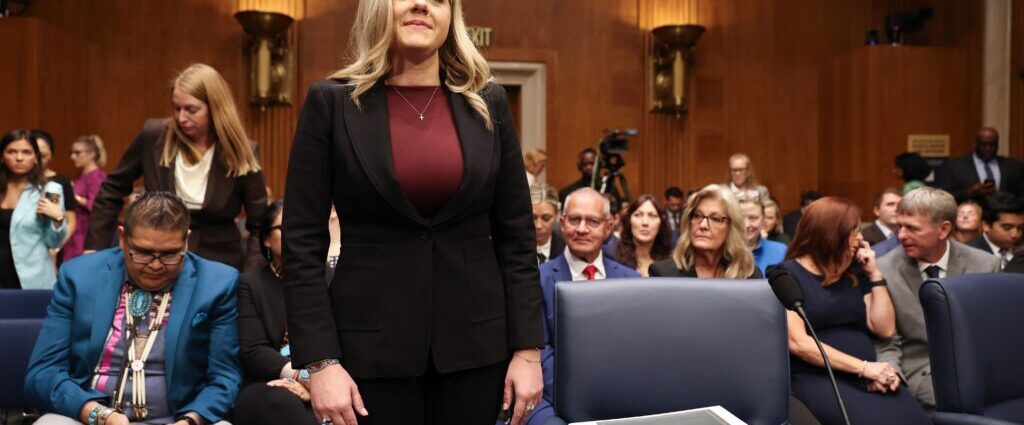
STAT+: Heidi Overton, Trump’s pick for FDA head, faced questions at Senate hearing
Heidi Overton, the Trump administration’s pick to lead the Food and Drug Administration, appeared before a Senate committee today in a highly anticipated hearing that promises to shed some light on the nominee’s views.
If confirmed, Overton, at 37, would be the youngest FDA commissioner ever. A preventive medicine physician who worked in both Trump administrations, she would take the helm of an agency that’s weathered a turbulent 18 months of politicized decisions and staff departures, and is still trying to claw back its brain trust after the 2025 reductions-in-force cut its numbers by nearly 20%.
Overton has drawn scrutiny from lawmakers and industry leaders for her relative lack of managerial experience, and also for her adherence to policies pushed by health secretary Robert F. Kennedy Jr. Her role shaping the administration’s efforts to upend the childhood vaccine schedule has drawn criticism from Sen. Bill Cassidy (R-La.), chairman of the Senate Committee on Health, Education, Labor and Pensions.

Senate Finance committee backs Chris Klomp, advancing him to full Senate vote
WASHINGTON — A key Senate committee on Thursday approved the nomination of top federal health official Chris Klomp to be deputy secretary of health and human services, clearing the way for him to be confirmed by the full Senate.
Klomp is currently senior adviser to HHS Secretary Robert F. Kennedy Jr. He was advanced by the Senate Finance committee in an 15-12 vote. Sen. Sheldon Whitehouse (D-R.I.) joined all Republicans in supporting Klomp.


STAT+: Indonesian ruling against ‘patent evergreening’ by pharma industry sends critical message, patient advocates say
In the latest battle over access to medicines, an Indonesian court recently struck down a provision in a law that allowed so-called patent evergreening, a tactic used by drugmakers to file additional patents containing minor tweaks to existing medicines and, ultimately, forestall competition.
The decision, patient advocates say, sends an important message to other countries to challenge the industry practice.
The Constitutional Court ruled that a two-year-old amendment to a law, which had removed a prohibition on evergreening, was unconstitutional after deciding the original restriction is needed to balance the rights of patent holders with the broader public interest, particularly public health. The case had been brought by several patients and advocacy groups.




STAT+: Kyverna’s cell therapy shows lasting autoimmune benefit
Want to stay on top of the science and politics driving biotech today? Sign up to get our biotech newsletter in your inbox.
The full A24 trailer about the new Elizabeth Holmes documentary dropped yesterday, as did a single glassy tear from the Theranos founder’s eye. “It took me a really long time to be okay with.… letting someone see me cry,” she says.
And speaking of Holmes, she be be leaving prison early.

STAT+: The rise of the AI-native radiology practice
Good morning health tech readers!
It’s gonna be a great day.
Reach me: mario.aguilar@statnews.com
The Medicare RPM backlash
Medicare’s plan to rein in spending on remote patient monitoring has prompted surprising pushback from insurers. Under these billing codes, Medicare pays health care providers to track and manage the health of their patients using connected devices like blood pressure cuffs.
As I report in a new story, UnitedHealth Group, CVS Health, and Kaiser Permanente all wrote letters opposing a medicare proposal that such remote-monitoring services be rendered directly by employees of the provider billing for it. Currently much of RPM is delivered by vendors working under the supervision of the billing providers.
STAT+: Pharmalittle: We’re reading about the FDA commissioner nominee, a Lilly partnership in China, and more
Rise and shine, another busy day is on the way. We can tell because the official mascots got an early start chasing down cats, squirrels, and other creatures darting about the Pharmalot campus. And then there is the noisy parade of vehicles passing nearby on their way to who knows what? As for us, we are firing up the trusty coffee kettle to brew another cup of stimulation. Our choice today is witch’s potion. Sounds interesting, yes? If curious, please feel free to join us. Meanwhile, the time has come to get cracking. So here is the latest laundry list of interesting items for you to peruse. We hope you have a smashing day and, of course, do keep in touch. Best of luck, everyone. …
Trump administration officials last week touted the success of their drug pricing policy, saying every U.S. state had agreed to participate in a federal initiative designed to provide lower prices to state Medicaid programs. But STAT explains that officials in several states say they are still undecided on whether to participate — even if they did technically apply — and others are still trying to determine whether the federal initiative, called the GENEROUS model, offers a better deal than what they get through existing rebates from drugmakers. The pricing details on what states would get through GENEROUS, if they do participate, are not publicly available.
Heidi Overton, the Trump administration pick to lead the U.S. Food and Drug Administration, will appear before a Senate committee this morning at 10:30 a.m. in a highly anticipated hearing that promises to shed some light on the nominee, STAT says. During her opening statement, Overton plans to emphasize the need for speed and efficiency at the FDA to compete with China’s accelerating biotechnology industry. If confirmed, Overton, at 37, will be the youngest FDA commissioner ever. You can read more about her rise from being a young doctor in rural New Mexico to FDA commish nominee here.
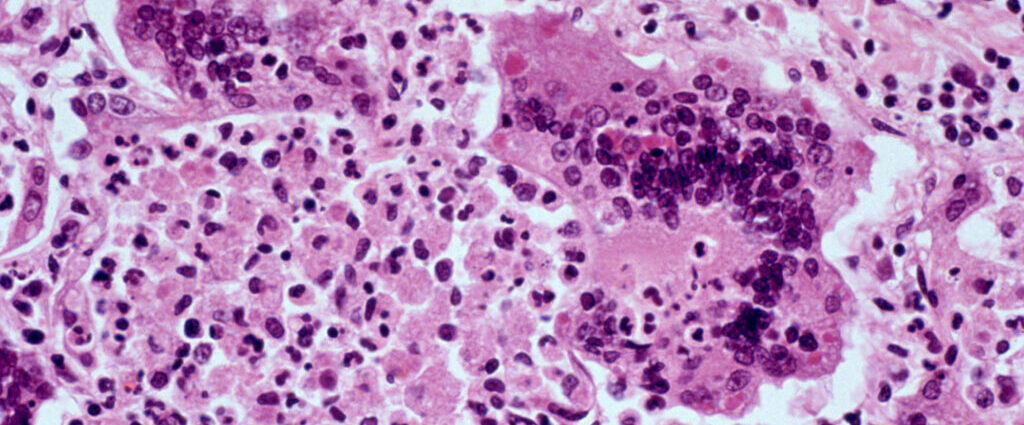
One of the most contagious diseases on the planet is having its worst U.S. outbreak since 1991
Get your daily dose of health and medicine every weekday with STAT’s free newsletter Morning Rounds. Sign up here.
Stay tuned for our live coverage today as Heidi Overton appears before senators in her bid to become the next commissioner of the Food and Drug Administration.

STAT+: Why Gilead can’t stop talking about its ambitions in immunology
This story first appeared in Adam’s Biotech Scorecard, a STAT newsletter. Sign up here to get it delivered to your inbox. And subscribe to STAT+ to get an unabridged version, with exclusive content.
Speaking at recent investor conferences, Gilead Sciences’ top executives have been emphatically bullish about the biotech’s years-long push to develop drugs for inflammatory and autoimmune diseases.
“It’s one of the three scientific areas that are our core focus,” Gilead Chief Financial Officer Andy Dickinson told investors at the Cantor Global Healthcare Conference earlier this month. “We’re the largest virology company. We’ve built a robust oncology business. The third leg of the stool, so to speak, is the I&I [inflammation and immunology] business that we’re growing.”

STAT+: How a young doctor rose from rural New Mexico to FDA commissioner nominee
WASHINGTON — In 2007, a freshman at the University of New Mexico told a journalist her dream was to become a doctor and return to her small hometown to practice medicine.
“I would love to go back to Gallup,” Heidi Overton said in a story about a new program allowing undergraduates like her to apply to the university’s medical school early.
Nearly 20 years later, Overton has not returned to Gallup, the city of 20,000 nestled along Route 66 where her father still leads a charismatic church. Instead, she’s leveraged her medical degree, rural background, and “calm, reasoned” work style into becoming the youngest-ever nominee to lead the Food and Drug Administration.

STAT+: In radiology, AI is blurring the line between technology development and clinical practice
A decade ago, machine learning scientist and Nobel laureate Geoffrey Hinton made a proclamation that still puts radiologists on edge.
“If you work as a radiologist,” the so-called godfather of artificial intelligence said at a conference, “you’re like a coyote that’s already over the edge of the cliff, but hasn’t yet looked down.” Deep learning was getting so good, so fast, said Hinton, that “people should stop training radiologists now.” In five years — ten, max — AI would do better than radiologists, he predicted.
The clock has run out on that prediction. But the field of radiology isn’t just staring at its shoes, waiting to see how technology upends the profession. Instead, a growing number of radiology practices, in particular outpatient and teleradiology groups, are aggressively embracing AI: developing and acquiring their own tech, deploying it in-house, and marketing their “AI-native” capabilities to radiologist employees and hospital customers alike.

STAT+: Momentum is building for a big change to how doctors get paid
WASHINGTON — Congress is considering the first major overhaul of how Medicare pays doctors in more than a decade, and both Democrats and Republicans appear to agree on the outlines of an approach.
The main policy under consideration would link Medicare’s doctor pay rates to a medical inflation measure, giving doctors guaranteed pay boosts, as hospitals and other parts of the health care system have long received.
In doing so, Congress would be retreating from the notion that Medicare can control how many services physicians provide on a national basis, an idea that has undergirded Medicare’s doctor payments for decades. And it would reduce the government’s push to get clinicians to engage in value-based care, where they get paid more to keep patients healthy.

STAT+: Trump boast on drug pricing policy overstated state-level interest in federal program
WASHINGTON — Trump administration officials last Friday touted the success of their drug pricing policy, saying every U.S. state had agreed to participate in a federal initiative designed to provide lower prices to state Medicaid programs.
“It’s such a good deal that every state realized they need to take it,” Mehmet Oz, administrator of the Centers for Medicare and Medicaid Services, said at a White House event.
But officials in several states told STAT they’re actually still undecided on whether to participate — even if they did technically apply — and others are still trying to determine whether the federal initiative, called the GENEROUS model, actually offers a better deal than what they get through existing rebates from drugmakers.

Opinion: STAT+: A moment of reckoning for preventive cardiology and the precision medicine revolution
Earlier this month, Novartis released the top-line results of Lp(a) HORIZON, its highly anticipated Phase 3 trial of pelacarsen. Pelacarsen held promise as potentially the first approved therapeutic targeting lipoprotein(a), a genetically determined cholesterol particle strongly associated with heart attack and stroke risk.
The study did show that pelacarsen successfully worked in lowering lipoprotein(a) levels. It didn’t, however, move the needle when it came to reducing cardiovascular events.
The announcement also comes just weeks after the letdown of ZEUS, a Phase 3 trial evaluating Novo Nordisk’s ziltivekimab, a monoclonal antibody targeting IL-6 as an anti-inflammatory agent. It too was successful in impacting its biological target, without making a difference in clinical outcomes.
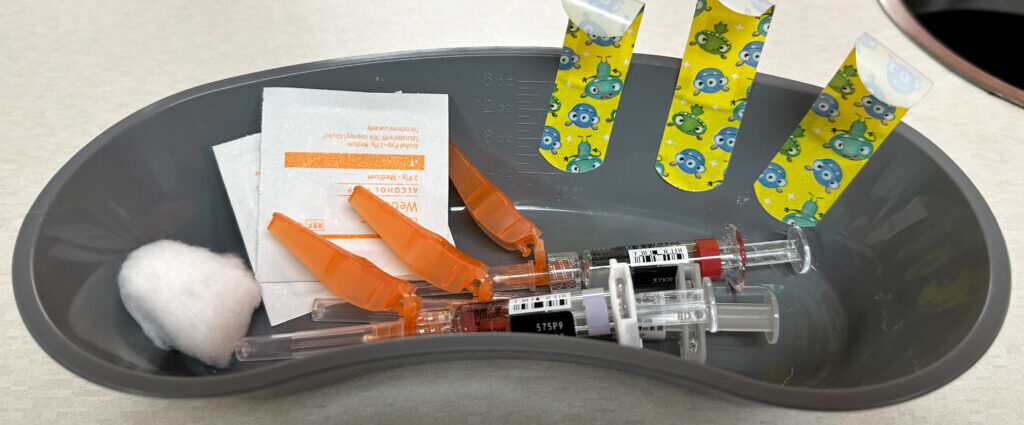
Opinion: Measles almost killed me. Now I’m a doctor — and I’m scared of what’s happening
When I was in kindergarten in 1961, I survived a near-fatal case of measles.
One of my siblings caught it, then another, and then me. They recovered quickly, but my clearest memory of that period is my father carrying me to our station wagon and rushing me to the hospital. I stayed for a month, part of it in a coma, my blood pressure dangerously unstable.
White House plan to increase control of NIH grants appears ‘dead’
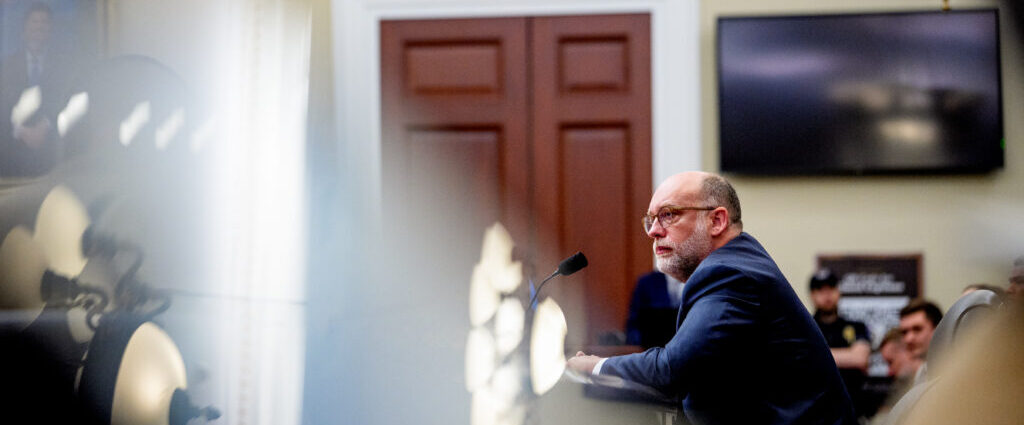
A planned executive order that would have greatly enhanced White House influence over grants at the National Institutes of Health is “looking dead,” according to one person familiar with the decision, who was not authorized to speak with the media, and Sen. Susan Collins (R-Maine), the Appropriations Committee chair who had been pushing federal officials to drop the matter.
On Tuesday, Collins sent a letter to Office of Management and Budget Director Russell Vought and NIH Director Jay Bhattacharya, decrying the White House plan to establish a commission of political appointees, including Vought, with veto power over grant awards. The tempering of the executive order was first reported by Semafor.
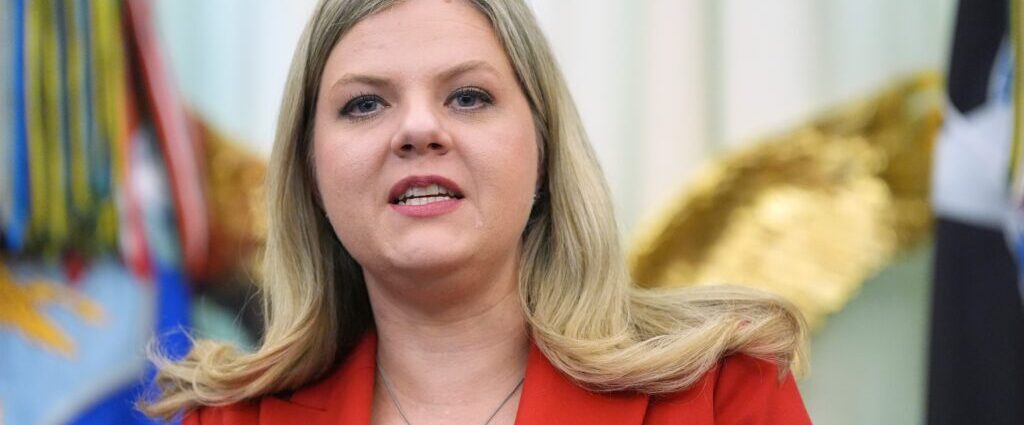
STAT+: Nominee to lead FDA aims to speed up medical research, combat China’s rise
WASHINGTON – In her opening statement for tomorrow’s hearing before a key Senate committee, Trump’s pick to lead the Food and Drug Administration, Heidi Overton, plans to emphasize the need for speed and efficiency at the FDA to compete with China’s accelerating biotechnology industry.
“President Trump’s direction for me in this role, should I be confirmed, is to ‘go fast.’” Overton says in the statement, an advance copy of which was obtained by STAT. “Slow and prohibitive requirements for cutting edge therapies at the FDA means investment is increasingly flowing to China who has found ways to do things faster and cheaper.”
Overton says she is committed to continuing the work the administration began earlier this year to speed up the clinical trial process through Operation Trailblazer, and says that she will “work with the dedicated career professionals to make sure every aspect of clinical trials and drug development is optimized to get cures to patients faster and that every person at FDA shares those goals.”

STAT+: FDA advisory panel endorses Grail blood test for cancer, saying benefits outweigh risks
A Food and Drug Administration advisory panel on Wednesday endorsed Galleri, a blood test designed by the biotech firm Grail to screen for multiple types of cancer, concluding that the benefits of the test outweighed its risks.
The panel voted 10 to 0 that it believed there is “reasonable assurance” the test is safe.The panel voted 6 to 4 that there was reasonable assurance the test is effective. And it voted 7 to 2 with one abstention that it believed “the benefits of Galleri outweigh the risk for use in patients who meet the criteria specified in the proposed indication.”
The FDA is not obliged to follow the advice of these panels, but it often does.
STAT+: Pharmalittle: We’re reading about a closing loophole for importing meds, European competitiveness, and more
Good morning, everyone, and welcome to the middle of the week. Congratulations on making it this far, and remember there are only a couple of more days until the weekend arrives. So keep plugging away. After all, what are the alternatives? While you ponder the possibilities, we invite you to join us for a needed cup of stimulation. Our choice today is hot buttered rum. A shot of salvation, if you will. Meanwhile, here is the latest menu of tidbits to help you on your way. We hope you conquer the world and have a wonderful day. And as always, please do stay in touch. We appreciate feedback, tips,and criticism. …
As of next month, a loophole that allows Americans to personally import their medications is closing, The Wall Street Journal tells us. On Oct. 22, a rule goes into effect requiring medications mailed from abroad to go through a customs process requiring a licensed customs broker and a financial guarantee — a bar few individual mail-order prescriptions have ever had to clear. The U.S. government is trying to crack down on illegal contraband that it says comes into the country through low-value foreign shipments that do not pay tariffs or submit data for tracking.
A sizable number of people taking drugs like Ozempic have no medical reason to do so, The New York Times points out, citing a new study. The analysis of the medical records of more than 92 million U.S. adults identified more than 1.1 million who were taking GLP-1 medications without any record of an issue that would make them eligible, like obesity or diabetes. While the researchers did not examine why people took these medications, doctors said many people are probably using them simply to shed some pounds or in the hope they might deliver other benefits.

STAT+: AI doomerism: Here’s how to make sense of it
This is the web edition of STAT’s AI Prognosis newsletter, our subscriber-exclusive guide to artificial intelligence in health care and medicine. Sign up to get it delivered in your inbox every Wednesday.
*Bernie Sanders voice* I am once again asking you to … forward this email to a friend! Non-subscribers can now sign up to get (a truncated version of) AI Prognosis. Tell ya buddies and coworkers!
Also, tell your buddies about this essay from our new trust-in-science reporter, Nick Florko. Faced with health problems, he’s tried diets, supplements, and peptides — he understands the allure of non-scientifically backed treatments, and wants to listen to skeptics as he writes about doubt, misinformation, and distrust.
Making sense of AI doomerism
Over the last couple weeks, the fervor about whether AI will kill us all and needs to be slowed has continued on at a rolling boil.
At STAT, we’ve discussed whether we need to write about it. But I have qualms: Firstly, the kind of nefarious AI that could potentially lead to human extinction is so far removed from still-error-prone health care AI that it’s almost impossible to talk about both at the same time.
Then: Is this all marketing, as Anthropic and OpenAI prepare to go public? Are all of the recently disclosed AI safety incidents actually just examples of AI companies’ basic incompetence at cybersecurity and infrastructure skills, packaged to make the AI look impossibly smart?
And then there’s the matter of finding someone who knows enough about AI to talk about it knowledgeably, but who also doesn’t have any incentive to frame it one way or another. (More on that in the next section.)
In today’s issue, I’ll refer you to a few good reads in a few different areas (general AI, health care, and biology) to help make sense of this.

STAT+: Flagship gets a Pentagon contract
Want to stay on top of the science and politics driving biotech today? Sign up to get our biotech newsletter in your inbox.
Good morning. STAT is hosting a virtual event tomorrow on the future of biosimilars. Check it out here.
VCs rush to invest in osteoporosis drugs
Developing drugs for brittle bones has long been a difficult endeavor, due to safety concerns and regulatory barriers. But now with new guidance from the FDA, pharma companies are returning to osteoporosis research, and investors are getting interested.

The latest in the legal saga for youth gender-affirming care in the U.S.
Get your daily dose of health and medicine every weekday with STAT’s free newsletter Morning Rounds. Sign up here.
Good morning. Yesterday was the first official day of autumn. “Fall, leaves, fall; die, flowers, away,” Brontë wrote for those of you who have been thinking about pumpkin spice lattes since July.

STAT+: UnitedHealth, CVS push back on Medicare plan to curb remote patient monitoring
Major insurers are pushing back on a Medicare proposal that would significantly disrupt how many doctors bill for tracking the health of patients using devices like connected blood pressure cuffs, scales, and blood glucose meters. These remote monitoring services help patients manage a range of medical conditions, including hypertension, diabetes, and heart failure.
UnitedHealth Group, CVS Health, and Kaiser Permanente all wrote letters to the Centers for Medicare and Medicaid Services opposing a proposal that would require that remote patient monitoring care be delivered by direct employees of the practice that is billing for them — effectively banning providers from using contractors for the care. All of these groups operate both insurers and care organizations.
The opposition from UnitedHealth Group is notable in particular because the company’s insurance subsidiary, UnitedHealthcare, recently attempted to stop paying for most remote patient monitoring “due to insufficient evidence of efficacy.”

STAT+: Drugmakers, biotech VCs show ‘reinvigorated’ interest in osteoporosis treatments
Medicines for brittle bones and breakages are grabbing the attention of the pharma industry, which has been incentivized by a long-awaited regulatory change.
Osteoporosis, a condition affecting older adults that causes bones to become thin and fragile, used to be a top priority for pharmaceutical companies. Eli Lilly, Merck, Novartis, and GSK each had their own treatment designed to stop bones from weakening. But the cumbersome requirements for taking the drugs, as well as a series of safety concerns, stifled their use. Many patients who are eligible for osteoporosis therapies don’t take any of the drugs available today.
Several companies hope to fill that void. Eli Lilly is recruiting scientists to work on osteoporosis therapies, according to Bloomberg. Other pharmaceutical companies are rumored to be following suit. Venture capitalists, having taken notice, are now making bone health one of their priorities.

Opinion: Mentally ill women deserve more support to have children
A friend once told me approvingly that someone she knew had talked his schizophrenic adult son into having a vasectomy. Though I read “talked into” as “coerced,” I didn’t say anything.
Oh my god, I thought instead, maybe I shouldn’t be a mother. I’d had a break with reality after stopping my antipsychotic 10 years before, frustrated with weight gain. I had returned to taking medication and my mental health had stabilized long before this conversation. But I was now pursuing pregnancy.

STAT+: A private equity-owned hospital chain is becoming a nonprofit. Is it just a bailout for investors?
When Greg Kiser gave the mayor and county judge a heads up about a change underway at his hospital, they responded with sighs of relief. One of the town’s biggest employers wasn’t closing.
“They said, ‘Greg, we can’t make it without this hospital in our little town,’” said Kiser, who’s been CEO of Three Rivers Medical Center in Louisa, Kentucky — population less than 3,000 — for 32 years.
It wasn’t an unreasonable fear. The hospital is part of Quorum Health, a private equity-owned chain of mostly rural hospitals that filed for bankruptcy in 2020 after years of funneling hefty payments to its investors. Now, it’s back on the brink of insolvency.
Kiser’s news was good news, as he saw it. Quorum is in the process of converting to a nonprofit organization, bringing all 11 of its hospitals along with it. Individual private equity-owned hospitals have transitioned to nonprofit status before, but it’s unheard of for an entire chain to do so. The change promises tax advantages, discounted drugs through the 340B program, and the ability to apply for grants. Most importantly, cash generated would go to patient care instead of private equity investors.

STAT+: HHS unveils new initiatives to reduce animal testing in drug development
For the second time this year, the Department of Health and Human Services announced a new set of strategies to speed a shift toward human-based research methods and reduce the use of animals in medical testing.
The Food and Drug Administration issued a final rule stating that research methods other than animal testing can be used when “appropriate” for determining the safety of drugs and biologics. Specifically, the rule replaces terms like “animal tests” and “animal studies” with “nonclinical tests” and “nonclinical studies.”
“We are moving HHS toward a new era of biomedical research that puts human biology at the center of science,” health secretary Robert F. Kennedy Jr. said in a statement. “We are modernizing outdated regulations, investing in human-based technologies, and breaking down barriers that have kept researchers dependent on animal models when better tools are available.”

Opinion: Former FDA commissioners: Heidi Overton has an opportunity to strengthen the FDA
Heidi Overton has been nominated to lead the Food and Drug Administration at a moment of significant opportunity, but also big challenges. Innovation in medicine has never moved faster, providing more ways for Americans to improve their health and for the United States to advance the health of its population. But the institutions that carry that progress forward are under strain.
Overton has a chance to help bridge that divide — and the experience to do it. She has the opportunity to demonstrate these goals at Thursday’s confirmation hearing in front of the Senate health committee.