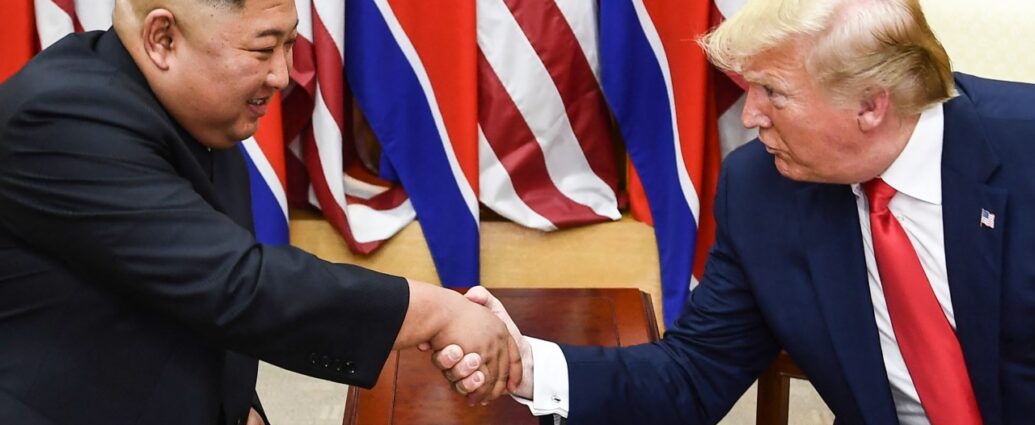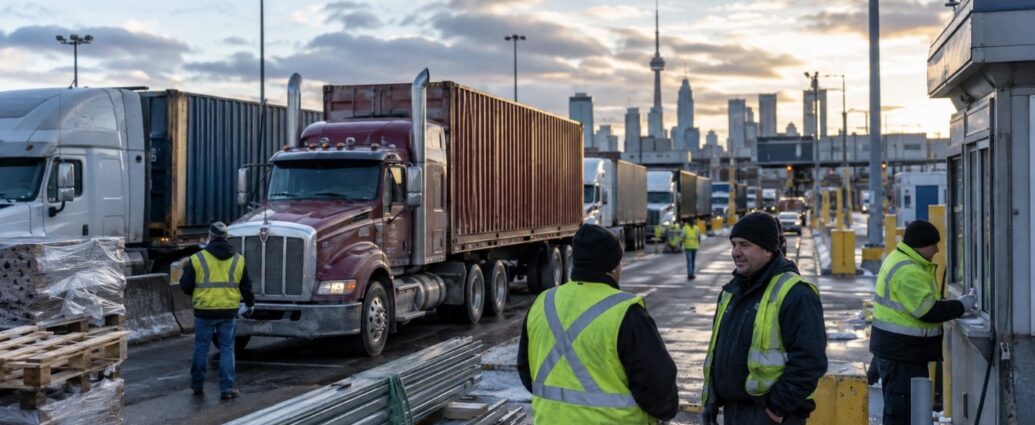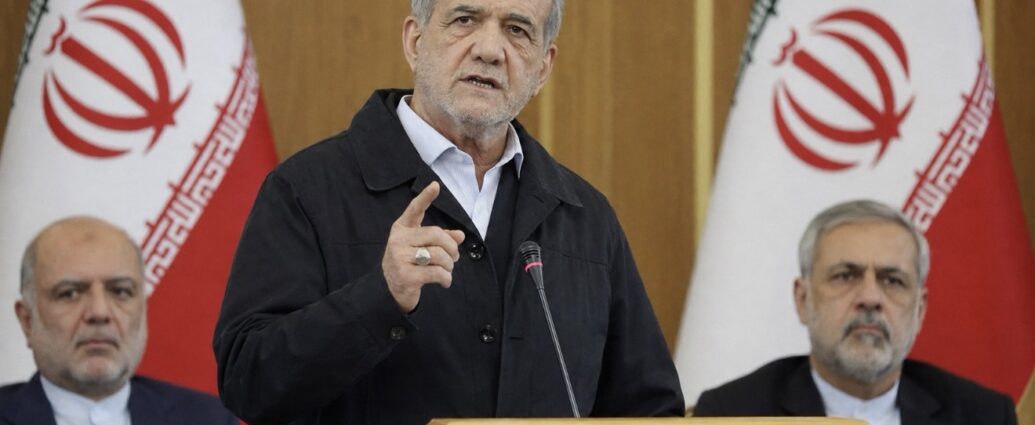
Iranian President Masoud Pezeshkian is publicly pressing Tehran to end its war with the United States, arguing that Iran should pursue an agreement now while it can still claim it is negotiating from a position of strength.

“We should end the war now, when we are in a position of power and dignity,” Pezeshkian said, claiming that the world recognizes what he characterized as Iran’s success against the United States.

The message was directed as much toward Iran’s own political establishment as toward Washington.

Powerful hard-line factions inside the Islamic Republic have resisted concessions and continue to portray prolonged confrontation as proof of revolutionary strength. Pezeshkian’s argument is that extending the conflict could squander whatever leverage Iran believes it still possesses while deepening the economic damage at home.

Vice President JD Vance recently described the division inside Tehran bluntly, saying some Iranian officials want the war to end while “crazy radicals” want it to continue. Pezeshkian’s latest remarks appear to confirm that a real internal struggle remains over whether Iran should accept a negotiated settlement or continue fighting.

The timing is critical. President Donald Trump’s administration is preparing what Treasury Secretary Scott Bessent has called the toughest sanctions ever imposed on Iran. The measures, expected to be detailed Monday, are designed to isolate Tehran from oil revenue, foreign trade and international financial channels while reducing the need for another major American military escalation.

Iran is already facing a U.S. naval blockade, restricted oil shipments and the loss of important regional commercial connections. The United Arab Emirates, historically one of Iran’s most important trading gateways, has suspended trade following Iranian missile attacks.

Pezeshkian is therefore attempting to present diplomacy not as surrender, but as a way to preserve Iran’s remaining leverage before the country’s economic position deteriorates further.

Hard-liners are offering the opposite message. Parliament Speaker Mohammad Baqer Qalibaf said Friday that Iran must develop ways to overcome what he called “unjust sanctions,” urging deeper trade with Iraq and greater use of national currencies to reduce dependence on the U.S. dollar.

The competing statements expose Tehran’s central choice: negotiate while claiming victory, or continue a confrontation that Washington is increasingly shifting from the battlefield to Iran’s economic lifelines.

JBizNews Desk | Tehran

© JBizNews.com All Rights Reserved. Reproduction or distribution without written permission is prohibited.
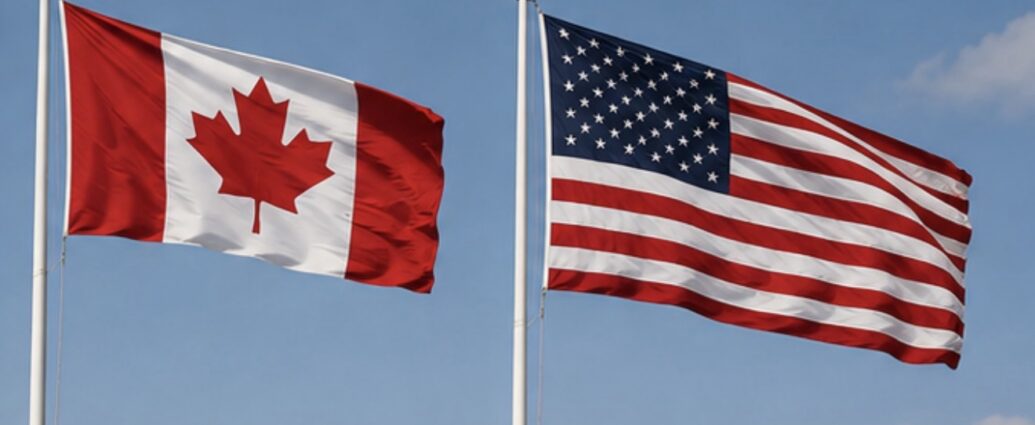

The United States and Canada are heading into the final hours of a high-stakes trade negotiation that could determine whether a new 50% U.S. tariff on roughly $20 billion of Canadian goods takes effect just after midnight.

Canadian Trade Minister Dominic LeBlanc said the two sides were “very close” after lengthy negotiations in Washington, but no final agreement had been announced as of Friday morning.

Negotiators are meeting again Friday as they try to resolve the remaining issues before the 12:01 a.m. ET Saturday deadline.

The agreement under discussion could materially reduce tariffs in two of the most important cross-border industries.

U.S. tariffs on Canadian-built vehicles could fall to 15% from 25%, while tariffs on Canadian steel and aluminum could be cut to 25% from 50%.

Those percentages matter because the U.S. and Canadian manufacturing systems are deeply intertwined. A vehicle assembled in Canada can contain engines, electronics, steel and other components produced on both sides of the border. Some parts cross the border multiple times before a finished vehicle reaches a dealership.

A 25% or 50% tariff therefore does not simply hit a foreign exporter. It can raise costs for American automakers, manufacturers, builders and consumers that depend on Canadian materials and components.

There are still unresolved details, including how Canadian content will be calculated and how exemptions for auto parts would work.

The negotiations have moved rapidly. Earlier this week, President Donald Trump temporarily delayed the new tariffs for three days while the two governments continued negotiating. Canada has said important work remains even as both sides report significant progress.

For businesses operating across the northern border, Friday is therefore more than another trade-policy deadline. A deal could lower costs almost immediately in autos and metals. Failure could force companies to reconsider sourcing, pricing and production decisions beginning Saturday morning.

JBizNews Desk | Washington

© JBizNews.com All Rights Reserved. Reproduction or distribution without written permission is prohibited.

Canadian consumers continued spending in June, but the country’s longest retail-sales growth streak in years may have ended one month later.

Retail sales increased 0.6% in June to a seasonally adjusted C$74.28 billion, according to Statistics Canada. That exceeded economists’ expectations for a 0.4% gain and marked the sixth consecutive monthly increase.

The growth was also broader than in some earlier months. Sales advanced in seven of the nine retail categories tracked by the agency, led by general merchandise stores and clothing, clothing accessories, shoes, jewelry, luggage and leather-goods retailers.

Spending excluding gasoline stations and motor-vehicle dealers—the measure that more closely reflects everyday purchases—rose for a third consecutive month. That suggests June’s strength was not simply the result of consumers paying more for fuel or purchasing expensive vehicles.

The warning came in Statistics Canada’s preliminary estimate for July, which indicated that total retail sales fell approximately 0.8%. If confirmed, it would be the first monthly decline since late 2025 and would end the six-month expansion.

The timing matters because household spending has been one of the Canadian economy’s strongest supports. A recovering housing market and improving labor conditions helped consumers continue purchasing goods despite U.S. trade tensions, higher energy costs and slower wage growth.

Some economists believe households may have maintained that spending by saving less or taking on additional debt. That becomes harder to sustain if wage growth remains weak while essential expenses absorb a greater share of household income.

The June increase points to solid consumer activity during the second quarter and supports estimates that Canada’s economy expanded at its fastest pace in roughly three years. The preliminary July decline, however, suggests that momentum may not carry fully into the third quarter.

For retailers, the question is whether July was a temporary pause after six unusually strong months or the beginning of a broader consumer pullback. Statistics Canada will revise the preliminary estimate when it publishes the complete July report.

JBizNews Desk | Ottawa

© JBizNews.com All Rights Reserved. Reproduction or distribution without written permission is prohibited.
A university lab nurtured the computer scientists who are using ingenuity and imitation to chase down Anthropic and OpenAI. “They know perfectly how to monetize their work.”

This post was originally published here. 

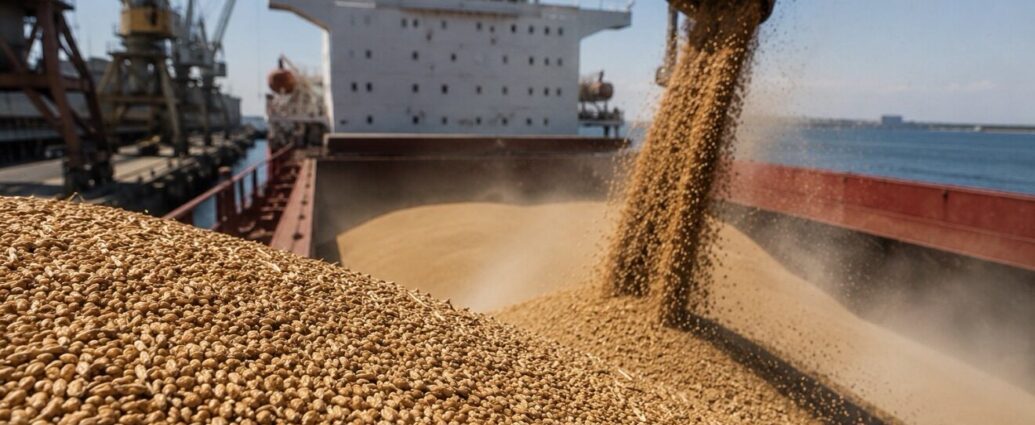
Wheat prices are climbing again as escalating attacks on Russian and Ukrainian Black Sea ports begin choking one of the world’s most important grain-export routes.

Chicago wheat futures have risen more than 17% since early July, as attacks on ports, ships and grain infrastructure delay cargoes during the peak export season. Russia and Ukraine are among the world’s largest wheat suppliers, which means disruption in the Black Sea can quickly reach food markets far beyond the region.

The pressure is already showing up in shipping.

Ukraine has lost roughly one-third of its Black Sea grain-export capacity, while attacks around Russia’s Novorossiysk port have disrupted another major outlet. Importers expecting cargoes this summer are now facing delays, cancellations or the need to buy grain elsewhere.

That replacement wheat is often more expensive.

Black Sea wheat has recently been offered around $260 to $280 a metric ton, while some Australian supplies have been quoted as high as $320. Buyers in Asia, the Middle East and North Africa are among the most exposed because many rely heavily on Russian and Ukrainian grain.

Egypt illustrates the dependence. More than 82% of its wheat imports in the first half of 2026 came from Russia and Ukraine.

For American consumers, the impact is less immediate but still important.

Wheat is not only flour. It sits inside bread, pasta, cereal, crackers, baked goods and animal feed. When the commodity rises sharply, food manufacturers eventually face higher input costs. Whether those costs reach supermarket shelves depends on how long the disruption lasts and how much cheaper grain can be sourced elsewhere.

The United States, Canada, Argentina and Australia can replace some lost Black Sea supply, but rerouting millions of tons of wheat across longer distances increases freight costs and puts additional demand on alternative exporters.

Global inventories provide some protection, so a 17% increase in wheat futures does not translate into a 17% increase in a loaf of bread. Wheat itself is only one part of the retail price; labor, packaging, transportation and store margins often matter more.

But the direction matters.

Consumers are already dealing with elevated energy and transportation costs. If Black Sea grain disruptions persist into the fall, another major commodity could begin pushing in the same inflationary direction.

The Black Sea has therefore become more than a battlefield.

It is again becoming a pressure point for the global grocery bill.

JBizNews Desk | Chicago

© JBizNews.com All Rights Reserved. Reproduction or distribution without written permission is prohibited.
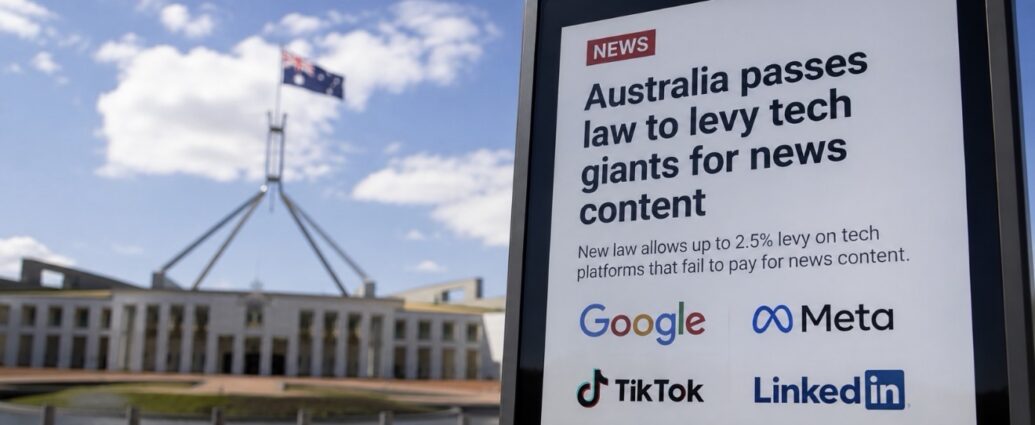
Australia has passed a sweeping new law that can impose a levy of up to 2.5% of Australian advertising revenue on major technology platforms that fail to strike enough commercial agreements with local news publishers.

The legislation applies to digital platforms generating more than A$250 million, or about $178 million, in Australian advertising revenue, putting companies such as Google, Meta, TikTok and Microsoft’s LinkedIn directly in scope. 

The structure is designed less as a tax than as a pressure mechanism.

Platforms can reduce or eliminate the levy by reaching qualifying deals with Australian news organizations. To avoid the charge entirely, companies generally must reach agreements with at least eight publishers by the end of their financial reporting period. 

That is what makes the law important.

Australia is not simply ordering technology companies to write checks to media organizations. It is creating a financial penalty large enough to make negotiating those deals more attractive than refusing them.

The government says the policy is intended to preserve public-interest journalism at a time when much of the advertising revenue that once supported newspapers and broadcasters has migrated to large digital platforms.

The underlying economics have changed dramatically over the past two decades.

A local newspaper can spend money reporting a story, but much of the audience may ultimately encounter that journalism through search engines, social networks or other digital platforms. Those platforms can then sell advertising around the attention generated by the content without necessarily paying the publisher that produced it.

Australia has been trying to rebalance that relationship for years.

Its earlier News Media Bargaining Code pushed Google and Meta into more than 30 commercial agreements with Australian media companies. But officials concluded that the system had a major weakness: a platform could threaten to remove news rather than negotiate.

The new levy is intended to make that strategy much less attractive.

Even if a company stops displaying news, it could still face the charge because the liability is tied to Australian advertising revenue rather than simply to whether the platform carries news content. 

The law also gives platforms stronger incentives to deal with smaller publishers.

Commercial agreements with large publishers can receive a credit equal to 150% of their value against the levy, while deals with small and medium-sized publishers receive a 200% credit, although individual agreements are subject to caps. 

That detail matters because one criticism of earlier bargaining systems was that the biggest media companies had the negotiating power to capture most of the money.

Australia is now deliberately trying to push more of it toward smaller outlets.

For Google, Meta and other platforms, the immediate decision becomes financial.

They can negotiate with publishers and direct money toward journalism, or potentially surrender as much as 2.5% of their Australian advertising revenue to the government.

For publishers, the law could create a more predictable stream of revenue at a time when traditional advertising and subscription models remain under pressure.

The bigger question is whether other countries copy it.

Governments around the world have struggled with the same problem: how to support the companies paying reporters, editors and photographers when much of the advertising market has migrated to technology platforms.

Australia is now testing one of the most aggressive answers yet.

Instead of asking Big Tech to support journalism, it is putting a price on refusing to do so.

JBizNews Desk | Canberra

© JBizNews.com All Rights Reserved. Reproduction or distribution without written permission is prohibited.
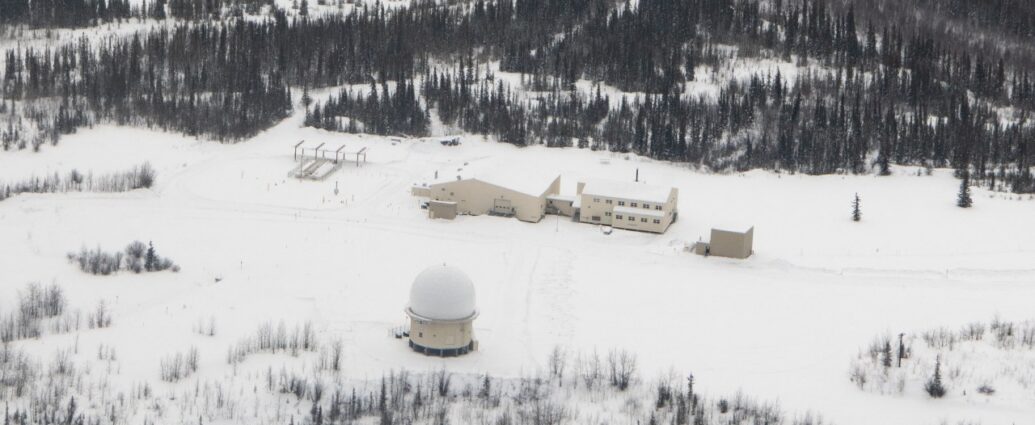
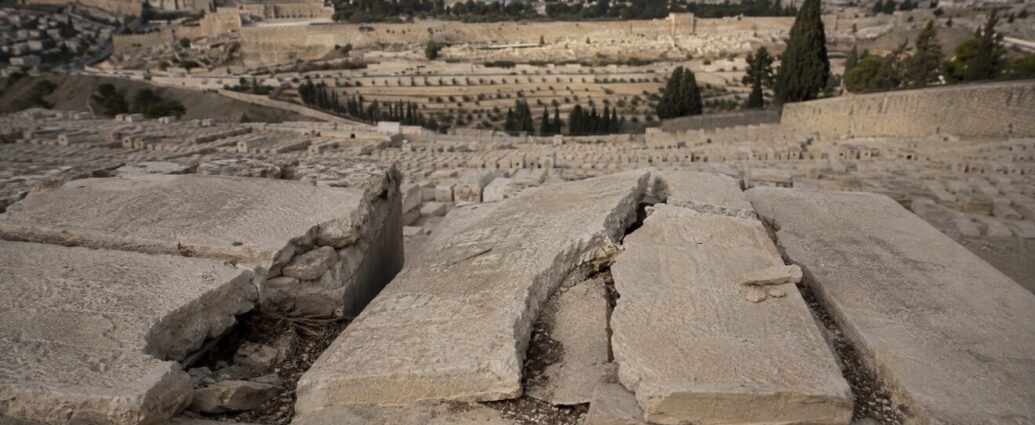
Jerusalem Deputy Mayor Aryeh King is calling for Israel’s Shin Bet security agency to investigate severe damage to Jewish graves at the Mount of Olives cemetery, warning that the vandalism could represent more than an isolated criminal act.

Photographs published by King on X Thursday show multiple stone grave markers broken and cracked at the ancient cemetery overlooking Jerusalem’s Old City. King said the damage was documented three days earlier and described the images as unlike anything recorded there in decades.

“I very much hope that the Shin Bet investigated the matter thoroughly,” King wrote.

King said similar attacks against the cemetery 25 to 28 years ago were used as “entry tests” for terror cells that later carried out attacks against Jews. He did not present evidence connecting the latest vandalism to a terrorist organization, and no suspect or motive has been publicly identified.

His warning places pressure on Israeli authorities to determine whether the graves were targeted as an act of antisemitic vandalism, organized nationalist violence or ordinary criminal damage.

The Mount of Olives contains one of the world’s oldest and most sacred Jewish cemeteries, with graves dating back thousands of years. Prominent Jewish religious leaders and national figures are buried there, including former Prime Minister Menachem Begin, Nobel laureate S.Y. Agnon and Rabbi Abraham Isaac Kook.

The cemetery has endured repeated desecration throughout its history. During Jordanian control of eastern Jerusalem between 1948 and 1967, tens of thousands of gravestones were damaged, destroyed or removed. More recent decades have brought recurring incidents of smashed headstones, theft and attacks against visitors.

The latest images raise renewed questions about security at a location that carries exceptional religious and national importance. As of Thursday evening, neither the Shin Bet nor Israel Police had publicly announced an investigation or identified those responsible.

JBizNews Desk | Jerusalem

© JBizNews.com All Rights Reserved. Reproduction or distribution without written permission is prohibited.
WASHINGTON — President Donald Trump has personally put Iran’s trading partners on notice, using Truth Social to warn that countries continuing to provide Tehran with an economic lifeline could face serious economic consequences from the United States.

The warning was followed Thursday by Treasury Secretary Scott Bessent, who said Washington is preparing what he described as the toughest sanctions campaign in history against Iran and specifically urged China to cooperate.

China is the critical target.

More than 80% of Iran’s exported oil goes to China, making Beijing by far Tehran’s most important remaining energy customer and one of the biggest reasons Iran has been able to continue generating oil revenue despite years of U.S. sanctions.

Trump’s message broadens the pressure campaign beyond Iran itself.

Rather than focusing only on Iranian banks, oil companies and government entities, Washington is increasingly threatening the foreign companies, financial institutions, refiners, shipping networks and governments that help Iran move money and goods.

That is what makes the strategy potentially far more powerful.

Sanctions against Iran can be circumvented by companies willing to operate outside the U.S. financial system. Secondary sanctions create a different calculation by threatening those companies with consequences in the American market.

A refinery may be willing to buy discounted Iranian crude.

It may be far less willing to do so if that transaction jeopardizes access to U.S. banks, dollar clearing, insurance markets, American suppliers or customers.

China has built substantial infrastructure around Iranian energy trade.

Iranian crude has moved through networks of intermediaries and shipping companies, while some transactions are conducted outside the dollar-based financial system. Independent Chinese refiners have also played a major role in buying Iranian oil.

That makes Beijing the most difficult test of Trump’s new strategy.

China is large enough to absorb economic pressure in ways smaller countries cannot, and many of the Chinese companies involved in Iranian oil purchases have limited exposure to the United States.

But China also has enormous interests tied to the American and global financial systems.

That gives Washington leverage.

Asked Thursday whether Chinese companies or institutions could face additional sanctions if Beijing continues purchasing Iranian oil, Bessent did not rule out further action, saying some discussions were better conducted privately.

The message itself was unmistakable.

Washington wants countries doing business with Tehran to decide which commercial relationship matters more.

Iran’s exposure extends beyond China.

Turkey maintains billions of dollars in annual trade with Iran and receives natural gas from the country.

Iraq remains deeply dependent on Iranian gas and electricity-related imports while maintaining significant cross-border commerce.

Pakistan has been seeking to expand bilateral trade with Tehran, while Oman and other regional economies retain commercial connections to Iran.

The United Arab Emirates has historically served as one of Iran’s most important commercial gateways, particularly through Dubai’s banking, shipping and re-export networks. But the UAE has recently moved to suspend financial dealings with Iran amid escalating regional tensions.

That is exactly the kind of response Washington hopes to replicate elsewhere.

The objective is not simply to prevent Tehran from selling oil.

It is to make every bank, refinery, insurer, shipowner, exchange house and trading company involved in Iranian commerce reconsider whether the revenue is worth the potential cost.

That calculation becomes especially powerful for multinational companies.

A business earning millions of dollars from Iran-linked trade may have billions of dollars of business tied to the United States or the dollar-based financial system.

Secondary sanctions force that company to choose.

The pressure campaign also carries risks for Washington.

China is one of the world’s largest energy importers and a major supplier of manufactured goods, industrial components and strategically important materials to the United States.

If Washington aggressively targets large Chinese financial institutions or major companies over Iranian commerce, Beijing could retaliate.

That could turn an Iran sanctions campaign into a wider U.S.-China economic confrontation.

Energy markets are already paying attention.

Oil prices climbed sharply Thursday after Trump’s warning, with Brent crude settling near $93.78 a barrel and U.S. crude near $87.83, reflecting concern that tougher sanctions could further restrict Iranian supply or complicate flows through the Strait of Hormuz.

For businesses and consumers, that means Trump’s economic offensive has consequences far beyond Tehran.

Stronger sanctions could squeeze Iranian revenue.

They could also raise oil prices, increase transportation and manufacturing costs and deepen tensions with countries that continue buying Iranian energy.

Bessent is expected to provide additional details on the sanctions strategy Monday.

The central question is no longer whether the United States can impose more sanctions on Iran.

It is whether Trump is prepared to impose enough pressure on China and Iran’s other trading partners to make continued commerce with Tehran more expensive than walking away from it.

JBizNews Desk | Washington

© JBizNews.com All Rights Reserved. Reproduction or distribution without written permission is prohibited.

The West African nation recently entered an agreement with the Trump administration to accept up to 1,200 people in the next year.

This post was originally published here. 

European stocks slipped for a seventh consecutive session Thursday, their longest losing streak since September 2023, as rising oil prices revived inflation concerns and placed fresh pressure on travel, retail and other fuel-sensitive businesses.

The pan-European Stoxx 600 closed 0.12% lower at 650.35. The daily decline was small, but the uninterrupted run of losses points to a broader change in investor confidence after European shares approached record highs earlier this month.

Brent crude climbed more than 2% and moved above $90 a barrel as stalled U.S.-Iran negotiations and continued Middle East instability raised concerns about energy supplies. Higher oil prices benefit producers, but they also increase transportation, manufacturing and heating costs across a European economy that remains especially exposed to imported energy.

Energy stocks gained about 0.9%, while travel and leisure shares fell 0.7%. France’s CAC 40 declined 0.6%, hurt by weakness in luxury companies including LVMH and Kering. Germany’s DAX also finished lower, while Britain’s FTSE 100 was roughly flat.

Fresh German data added to the concern, showing producer prices rising at their fastest pace in more than three years as energy and goods costs increased. That creates a difficult calculation for the European Central Bank: slowing economic activity would normally support lower interest rates, but another inflation wave could prevent policymakers from providing relief.

JD Sports Fashion became one of the day’s largest corporate casualties, plunging more than 14% after cutting its profit outlook because of weaker North American sales. Danish biotechnology company Novonesis moved sharply in the opposite direction, gaining nearly 10% following strong results and a share-buyback announcement.

Europe’s decline remains modest in percentage terms, and the Stoxx 600 is still up for the year. The warning is in the consistency: investors have now sold the market for seven straight sessions as expensive energy, elevated borrowing costs and weaker corporate guidance begin pressing against the continent’s previously resilient earnings outlook.

JBizNews Desk | London

© JBizNews.com All Rights Reserved. Reproduction or distribution without written permission is prohibited.
Five Americans were among seven people killed Wednesday when a helicopter carrying guests on a luxury safari crashed in the remote mountains of northern Kenya, turning a short flight between wildlife destinations into an international aviation investigation.

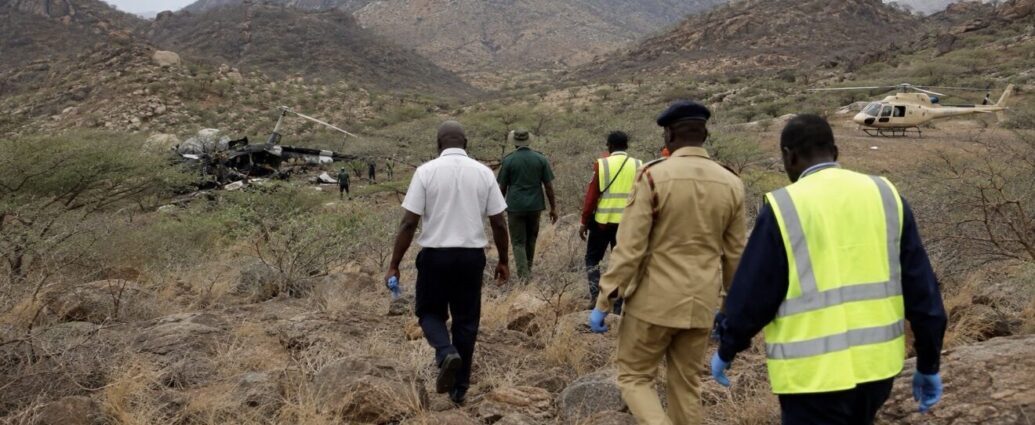
The Eurocopter EC130 B4 went down at approximately 9:13 a.m. near Mount Ololokwe in Samburu County, according to the Kenya Civil Aviation Authority. All six passengers and the pilot died.

The aircraft was flying from the Loisaba Conservancy toward the Ewaso Nyiro area, a route across one of Kenya’s most celebrated—and geographically isolated—safari regions. The excursion had been arranged for guests of luxury travel company &Beyond, while the flight itself was operated by Lady Lori Kenya.

That distinction will become important to the investigation. Safari companies often assemble a trip using independent aviation operators, lodges, guides and ground-transportation providers. Investigators will need to determine not only what happened in the air, but who controlled the aircraft, maintained it, approved the flight and assessed the conditions along the route.

Among those killed was José Alberto Suárez, a longtime Telemundo executive who served as president and general manager of the network’s stations in Orlando, Tampa and Fort Myers-Naples. NBCUniversal said Suárez had spent nearly two decades within its television operations and remembered him as a deeply respected leader.

Miami businessman Roger Edward Duarte was also killed. Duarte built George Stone Crab and later co-founded My Ceviche, developing a food business that earned him recognition on Forbes’ 30 Under 30 list.

The other American victims were identified as Adam Martin Hlavaty, Henry Parra and Stephany Maria Hollihan Vásconez.

Hollihan Vásconez was traveling with her husband, Michele Sensi-Contugi Ycaza, the director general of Ecuador’s Strategic Intelligence Center. Ecuador’s government confirmed his death, adding a national-security dimension to an accident that had initially been reported as a tourist aviation disaster.

The pilot, Josh Outram, also died.

The crash occurred in rocky, difficult-to-reach terrain, and a fire at the site complicated the initial recovery operation. Images from the region show why helicopters are used there: wildlife conservancies and river destinations can be separated by mountains, unpaved roads and hours of ground travel. Aircraft can turn that journey into a short transfer, but they also place passengers over areas where emergency crews cannot arrive quickly.

The EC130 B4 is a single-engine light helicopter commonly used for sightseeing and passenger transport because of its wide cabin and panoramic visibility. The aircraft type alone does not indicate what caused the crash, and Kenyan authorities have not reported evidence of a mechanical failure, pilot error or weather-related problem.

The Kenya Air Accident Investigation Department is leading the inquiry. Investigators are expected to examine the helicopter’s maintenance history, pilot records, weather conditions, flight planning and any recoverable aircraft data. The wreckage pattern and evidence of fire will also be analyzed to determine whether the aircraft experienced trouble before impact or whether the fire began afterward.

Lady Lori said it was cooperating with authorities. &Beyond said the cause remained unknown and that it was supporting those affected by the disaster. The U.S. State Department confirmed the deaths of five American citizens and said the U.S. Embassy was working with Kenyan authorities and assisting their families.

The crash strikes directly at Kenya’s high-end safari industry, where private aviation is not simply an attraction but part of the transportation system. Luxury itineraries frequently connect remote conservancies by helicopter or small aircraft, allowing travelers to reach wilderness areas that would otherwise require long and difficult drives.

That system depends heavily on confidence: confidence in operators, maintenance standards, pilots and the local regulators overseeing them. Until investigators determine why this helicopter went down, the most consequential question for Kenya’s safari business will remain unanswered—whether this was an isolated tragedy or a warning about a broader weakness in the aviation network carrying tourists into its most remote destinations.

JBizNews Desk | Samburu County, Kenya

© JBizNews.com All Rights Reserved. Reproduction or distribution without written permission is prohibited.

A dollar wired to Israel today buys less than it did a month ago. The Bank of Israel set the representative rate on Monday, Aug. 17, at NIS 2.95 to the dollar, and over the past month the shekel has gained about 2.5% against the American currency — enough to make it the best-performing currency in the world over that stretch, according to Meitav.

The arithmetic is easy to follow. Send $1,000 to Israel in mid-July and it converted to roughly 3,020 shekels. The same $1,000 today comes out around 2,950 — about 70 shekels less. A family covering NIS 8,000 a month in Jerusalem rent for a child in school is now paying close to $66 more each month for the identical apartment. Nothing about the rent changed. The exchange rate did.

Two things are pushing in the same direction. The dollar itself has sagged to its weakest level in roughly two months, after softer American economic data cooled expectations for another Federal Reserve rate increase. Traders now put the odds of a hike at the Fed’s next meeting near one in three, down from about three in four at the end of July. At the same time, a strong run on Wall Street — the S&P 500 has added more than 3% in a month — tends to pull money toward the shekel, a pattern Israeli strategists have tracked for years.

The shekel is also simply outrunning its peers. The euro gained 1.5% against the dollar over the same month and the British pound 1.8%. Israel’s currency did better than both.

Inside Israel, the strong shekel is doing quiet work on prices. Imported goods, fuel and anything priced in dollars cost less in shekel terms, and annual inflation has drifted down to 1.5%, below the midpoint of the Bank of Israel’s 1% to 3% target range. IBI chief economist Rafi Gozlan cautions that the relief is temporary: much of the recent moderation came from the currency itself, and as that effect fades against a tight labor market with more demand for workers than supply, inflation is likely to pick back up later this year.

The pain sits with Israeli exporters and manufacturers, who collect revenue in dollars and pay wages and rent in shekels. Every point of appreciation shaves their margins. Their trade groups have spent months pressing the central bank for deeper interest rate cuts and for dollar buying to slow the climb — a tool the Bank of Israel used sparingly in June and has otherwise kept holstered.

That is the decision in front of Governor Amir Yaron. Cutting rates or buying dollars would ease the squeeze on factories and tech firms but risks reigniting the inflation that the strong shekel has been suppressing. For American families and businesses sending money to Israel, the practical takeaway is narrower: the cost of doing so has been rising for a year, and nothing in this month’s numbers suggests it is about to reverse.

JBizNews Desk | New York

© JBizNews.com All Rights Reserved. Reproduction or distribution without written permission is prohibited.

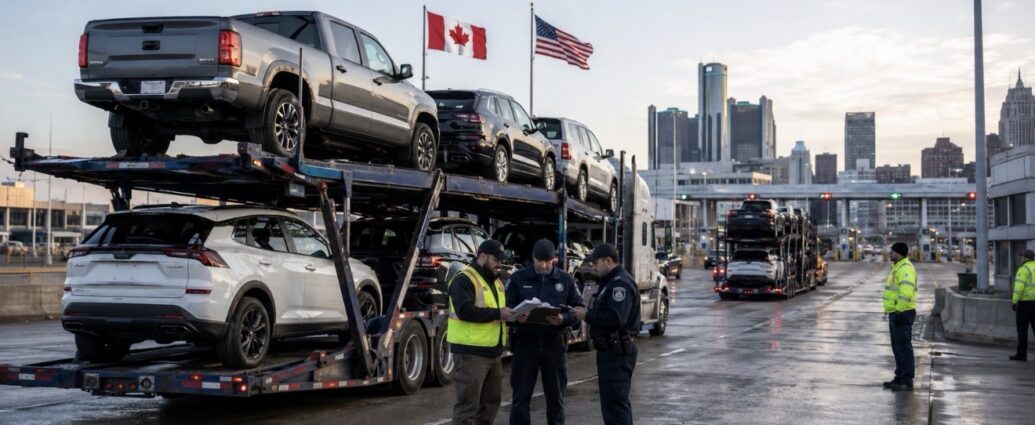
The Trump administration is preparing to reduce tariffs on Canadian-made cars and trucks from 25% to 15% as part of a broader trade agreement aimed at ending the escalating economic fight between the United States and Canada.

The White House imposed a 25% tariff on foreign-made vehicles last year as part of President Donald Trump’s effort to move automotive manufacturing into the United States. Under the proposed Canadian deal, vehicles assembled in Canada would receive the lower 15% rate, with additional reductions possible based on how much of each vehicle was produced in the United States.

Canada is pressing for a 10% tariff, meaning the final automotive terms remain under negotiation. Officials could also postpone the issue until the wider review of the U.S.-Mexico-Canada Agreement if the two sides cannot settle the details now.

The distinction matters because the North American auto industry does not operate neatly within national borders. Engines, transmissions and other components can cross between the United States and Canada several times before a completed vehicle reaches a dealership. A tariff imposed at the border can therefore raise costs throughout the supply chain, including for vehicles carrying American-made parts.

The proposed agreement could also reduce U.S. tariffs on Canadian steel and aluminum from 50% to 25%, although the lower rate would reportedly apply only within an annual quota. Canada, in return, would remove or reduce retaliatory measures affecting American products.

For consumers, a 15% tariff would still add substantial cost compared with the largely tariff-free North American market that existed previously. But it would reduce the risk of even steeper vehicle price increases and provide automakers with greater certainty over where to build and source parts.

The agreement has not yet been finalized. Trump temporarily suspended a new round of 50% tariffs covering approximately $20 billion in Canadian goods, but that pause expires Saturday unless the two governments complete the deal or extend negotiations again.

JBizNews Desk | Washington

© JBizNews.com All Rights Reserved. Reproduction or distribution without written permission is prohibited.
President Trump’s sudden decision to reduce military exercises with South Korea ignores the danger posed by North Korea.

This post was originally published here. 

Traders in Toronto spent Tuesday bracing for a punch that never landed.

The market had been sliding for three straight sessions, and Tuesday was the worst day of the month — everyone watching the clock tick toward midnight, when a 50% tariff on a long list of Canadian goods was supposed to take effect. Wine, hockey equipment, cement, furniture, building materials. Around $28 billion worth of merchandise that suddenly wouldn’t make sense to ship.

Then, a couple of hours before the deadline, Trump posted that he was pausing the tariffs for three days because the two countries have a deal, subject to finalizing the documents.

Wednesday morning, the mood flipped. The Toronto index climbed nearly 200 points and the Canadian dollar firmed up. Miners led the way, with gold up almost 3%. The companies that actually live off cross-border trade moved too — auto parts maker Magna and fertilizer producer Nutrien both gained, along with the railways and pipeline operators that haul the freight. New York went along for the ride, with all three major U.S. indexes higher.

Relief, in other words. But look at what it’s built on.

Three days. No signed agreement. Prime Minister Mark Carney was noticeably more careful than Trump, saying real progress had been made but important work is still left. Alcohol and autos remain the fights that haven’t been settled, and Trump says he expects the whole thing done within 48 to 72 hours.

Until Friday, nothing changes at the border. A load of Ontario wine or Quebec cement clears the same way it did last week, at the same price. Canada’s retaliation is frozen on the same clock. That’s the whole reprieve — three days for lawyers to turn a Truth Social post into a signed document. If they don’t get there, the 50% is sitting exactly where it was, and Wednesday’s good mood goes away faster than it arrived.

JBizNews Desk | Wall Street

© JBizNews.com All Rights Reserved. Reproduction or distribution without written permission is prohibited.

TJX Companies raised its annual profit forecast Wednesday even as growth slowed sharply at T.J. Maxx and Marshalls—a result that appears contradictory but reveals why the retailer’s broader business remains strong.

Comparable sales at Marmaxx, which includes T.J. Maxx, Marshalls and Sierra, increased 1% during the quarter, down from 6% in the previous three months. That does not mean sales declined. Customers still spent more than a year earlier, but growth moderated as shoppers became more cautious about clothing and other discretionary purchases.

The slowdown was also concentrated in one part of a much larger company. Comparable sales rose 6% at HomeGoods and 7% in both Canada and TJX’s international division. Those gains helped lift total quarterly revenue to $15.18 billion and net income to $1.52 billion.

For TJX, cautious consumers can still be good for business. When household budgets tighten, more shoppers trade down from department stores and full-price retailers to chains offering recognizable brands at steep discounts. At the same time, weaker sales elsewhere can leave manufacturers and competing retailers with excess inventory, giving TJX more merchandise to purchase cheaply and resell at attractive margins.

That is the arithmetic behind the higher forecast: T.J. Maxx and Marshalls are growing more slowly, but they are not shrinking, while HomeGoods and international operations are expanding much faster. TJX now expects adjusted full-year earnings of $5.15 to $5.20 a share, excluding tariff-related benefits.

The quarter therefore signals consumer caution, not a collapse in demand. Shoppers may be buying fewer nonessential items, but their growing focus on value continues to strengthen the off-price model—and gives TJX an opportunity to capture business from more expensive competitors.

JBizNews Desk | Framingham

© JBizNews.com All Rights Reserved. Reproduction or distribution without written permission is prohibited.