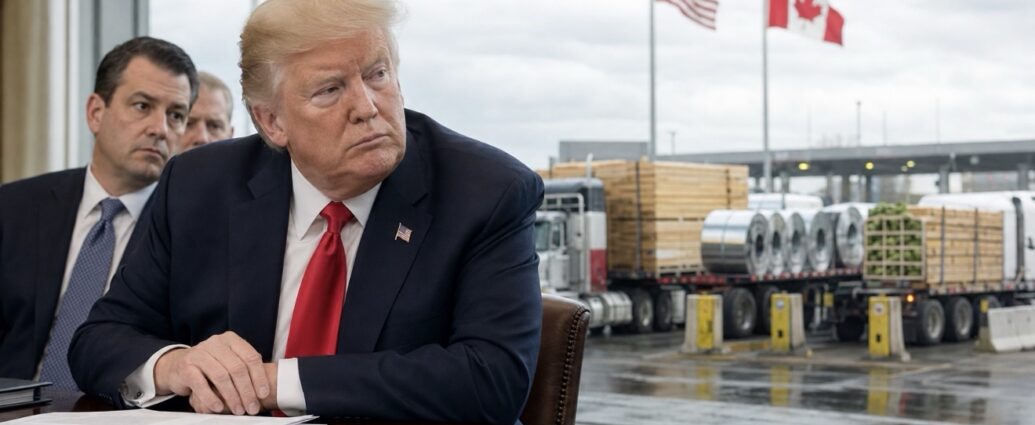
Trump Freezes 50% Canada Tariffs, Says Deal Is Done
President Trump called off a 50% tariff on a long list of Canadian goods late Tuesday, roughly two hours before the duties were set to take effect at 12:01 a.m. Wednesday. The pause runs three days, and Trump said on Truth Social that it was granted because the two countries, subject to the finalization of documents, have a deal. He did not release terms.
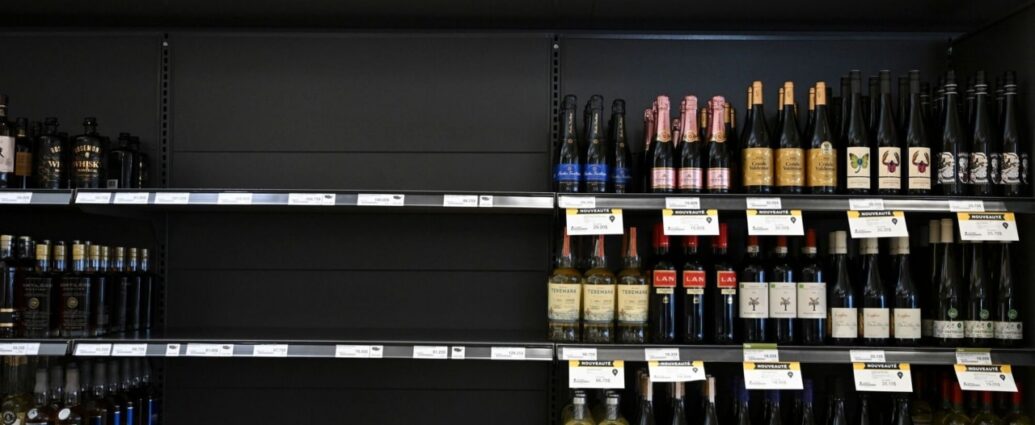
What was about to hit is the part American buyers would have felt. The tariffs covered alcohol, hockey equipment, cement and dairy products, and also reached building materials and certain clothing. The targeted goods add up to about $20 billion a year, roughly 5% of everything Canada ships to the United States — about one dollar in twenty. A 50% duty is paid by the U.S. importer at the border, and at that rate the math usually stops working. Dan Kelly, president of the Canadian Federation of Independent Business, told CNBC that a tariff that size makes a product uneconomic to sell into a market, and that some members were already seeing American buyers hold off on orders in anticipation.
The legal route was unusual. The duties would have been the first use ever of Section 338 of the Tariff Act of 1930, which lets the White House impose tariffs of up to 50% on a trading partner it determines discriminates against U.S. commerce. The administration said the goal was to counter Canadian policies it argues shut out American auto and dairy exports, along with earlier Canadian retaliation including provincial bans on American alcohol. Energy, potash and critical minerals were carved out — the inputs American refiners and farmers cannot easily replace.
The U.S. Chamber of Commerce warned Tuesday that higher tariffs would damage both economies, raise costs for American families, disrupt supply chains and put at risk the 13 million American jobs tied to the North American trade pact.
Prime Minister Mark Carney spoke with Trump on Monday and again Tuesday. Carney told reporters the negotiations were intense and delicate, and not something to conduct in public. Canadian and U.S. negotiators had met repeatedly over the previous three weeks.
The three-day clock is the story now. Sources have said the two sides remain apart on finer points, including what tariff, if any, applies to Canadian autos headed south. Canadian officials have been pushing not only to kill the Section 338 tariffs outright but to lower the separate Section 232 duties on steel and aluminum. Dairy remains the hardest room. American dairy groups want Canada to hand tariff-rate quotas directly to Canadian grocery retailers instead of restricting them to domestic processors, which would make it easier to move U.S. milk and cheese onto Canadian shelves — and David Wiens, president of Dairy Farmers of Canada, said his members have told Ottawa they do not want any further concessions on dairy.Trump added that the Keystone XL pipeline may be revived as part of the arrangement.
For American importers, distributors and retailers carrying Canadian wine, cement, sporting goods and cheese, nothing changes at the border through Friday. If the paperwork is not signed by then, the same 50% is sitting there waiting.
JBizNews Desk | Washington, D.C.
© JBizNews.com All Rights Reserved. Reproduction or distribution without written permission is prohibited.
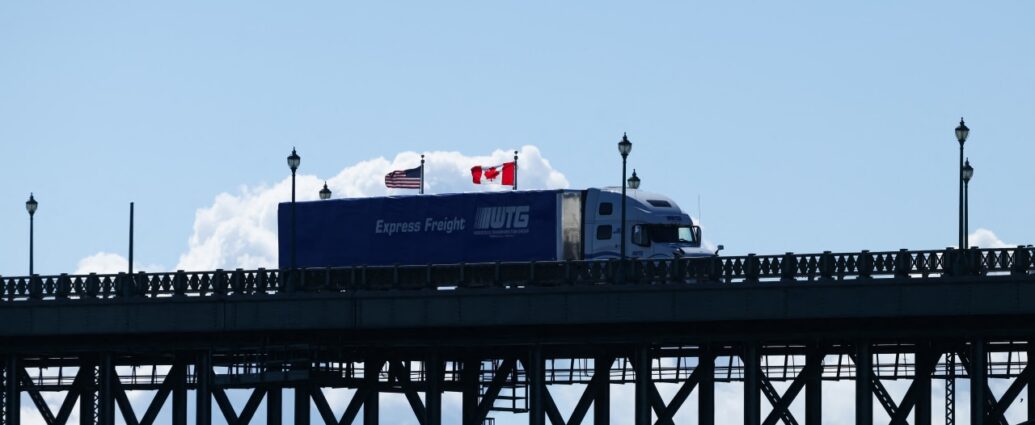
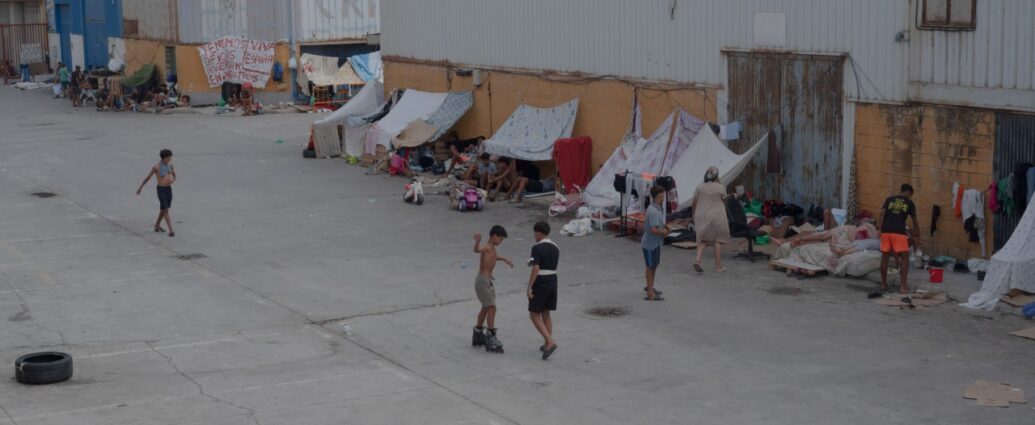



Iran No Longer Controls Much of the Strait of Hormuz
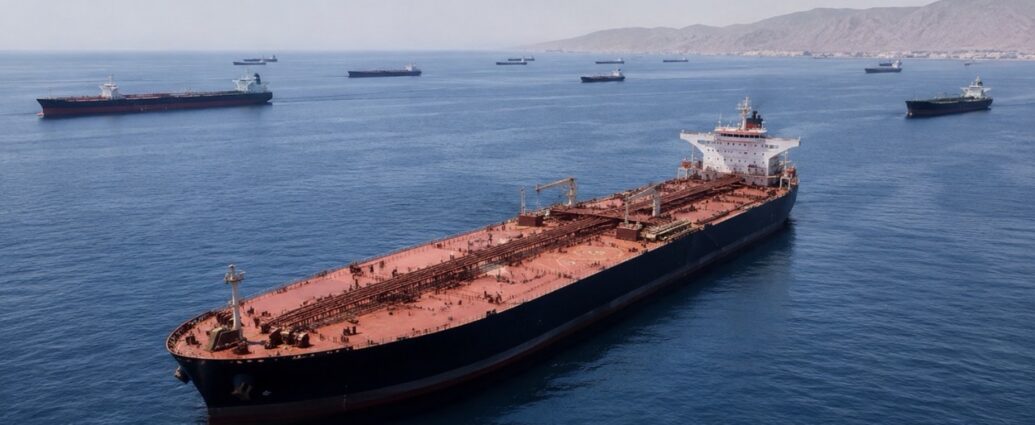
Iran has lost its hold on the waterway it shut down six months ago. More than 80% of the vessels that crossed the Strait of Hormuz over the past two weeks used the Omani route — a United Nations-authorized channel along Oman’s coast that Iran refuses to recognize — according to Kpler, which tracks ships by transponder signals and satellite imagery. That is better than eight out of every ten crossings going around the corridor Tehran insists all traffic must use. A month ago, Kpler was seeing essentially no ships on that Omani route at all.
“It increasingly looks like Iran has at least partially lost control of the strait,” said Homayoun Falakshahi, head of crude oil analysis at Kpler.
The shift costs Iran money. Tehran has declared the strait under its control and attacked dozens of ships that tried to cross along Oman’s northern coast, but most captains are now ignoring those demands and sailing anyway, counting on protection from the US Navy. With traffic moving away from the Iranian channel, Iran can no longer collect the tolls it was charging on passing ships in the spring. Those fees ran as high as $2 million per tanker, roughly a dollar for every barrel on board, collected through the Persian Gulf Strait Authority that Tehran set up after the war began — an agency Washington has since sanctioned.
There is a second reason the numbers may understate how much oil is actually moving. Kuwait, Saudi Arabia and the United Arab Emirates have been hiring the largest class of oil tanker to run out of the Persian Gulf and hand their cargo off to customers’ ships in the Gulf of Oman, past the danger zone, according to Andy Lipow of Lipow Oil Associates. To avoid being targeted, those tankers switch off their transponders, sometimes for weeks, and that dark traffic slips past tracking services. US Energy Secretary Chris Wright has said the seven-day average of oil leaving the strait has climbed to about 9 million barrels a day, well above what the trackers show.
None of this means the waterway is working normally. Before the war, roughly 130 ships a day passed through Hormuz carrying about a fifth of the world’s oil and liquefied natural gas. Kpler’s daily average for August so far is twelve. That is fewer than one ship for every ten that used to make the run.
For American households, the price is still being paid at the pump. The national average for regular gasoline was $4.06 a gallon on Monday, up 36% since the fighting started on February 28. Brent crude traded at $91.22 a barrel Tuesday, near a three-week high, with prices climbing for a third straight session.
What would actually settle the shipping lanes has not moved. The 60-day agreement signed in June expired Monday with no replacement, and President Donald Trump said Tuesday there are no talks underway or scheduled with Iran, adding that the naval blockade stays in force. Iran has been working with Oman on a joint mechanism to manage transits and says the two are close — and Trump has threatened to bomb Oman if it interferes.
So the strait is being decided ship by ship rather than at a negotiating table. Every captain who takes the Omani channel under American escort chips away at Iran’s claim to run the waterway, and at the toll money that claim was worth.
JBizNews Desk | New York
© JBizNews.com All Rights Reserved. Reproduction or distribution without written permission is prohibited.


Anthropic’s $6 Billion Israel Deal Mints Three Billionaires
Anthropic, the American company behind Claude, is in the final stages of buying Israeli AI startup Decart, a deal expected to create at least two new billionaires and bring one of the world’s largest AI developers into Israel for the first time.
The reason the payday is so large comes down to one number: the founders never gave away control. Dean Leitersdorf and his team still hold about 64% of Decart — roughly two-thirds of the company — worth about $4 billion on paper. With Dean’s brother Orian joining last year as chief scientist, each of the three founders stands to collect an estimated $1 billion to $1.5 billion, just below the roughly $2 billion apiece taken home by the founders of Wiz when Google bought it in March.
They could have had more. Nvidia offered $7 billion to $8 billion, more than Anthropic put on the table. Anthropic capped its bid at $6 billion and paid mostly in stock — only a few hundred million in actual cash, with the rest handed over as Anthropic shares. Decart’s shareholders took the smaller number because they expect the paper to be worth more later: Anthropic is preparing what would be the largest public offering in history, at a $2 trillion valuation, with annual revenue projected to reach $100 billion to $120 billion by year end, according to Fortune.
That choice creates a tax puzzle in Israel. The founders’ stake is valued at about NIS 12 billion, which points to roughly NIS 4.2 billion for the state at a 30% capital gains rate plus a 5% surtax. But shares are not cash. “Receiving shares in lieu of cash is subject to tax, even though the founders receive an illiquid asset,” said Racheli Guz-Lavi, head of the tax department at law firm Amit Pollak Matalon, noting that the tax event can be deferred until the shares are actually sold if certain conditions are met. If Anthropic goes public and the stock climbs, Israel eventually collects on a bigger gain; if it falls, the state collects less.Most of the investors are American — Benchmark, Sequoia, Radical Ventures and Zeev Ventures, with Michael Eisenberg’s Aleph fund holding a small Israeli piece. Those backers are expected to split more than $2 billion.
For Anthropic, the point is engineering, not just talent. Decart is expected to run as an R&D center focused on making Anthropic’s models run more efficiently across different chips — Nvidia’s graphics processors, Google’s TPUs and Amazon’s Inferentia. The company has 89 employees in Israel and 17 in the United States, and the acquisition would mark Anthropic’s first operation on Israeli soil after years of covering the market through salespeople based in Ireland. It would become the company’s second research site outside the U.S., alongside a 15,000-square-meter London center staffed by 200 people.Rival OpenAI is expanding on its own track toward a Wall Street listing, hiring senior salespeople away from Amazon’s cloud unit in the U.S. and Europe, but sources close to that company say it has no plans to open in Israel or hire anyone to run operations there.
JBizNews Desk | New York
© JBizNews.com All Rights Reserved. Reproduction or distribution without written permission is prohibited.



Colombian Growth Hits 3.5%, a Lift for the New President
Colombia’s economy grew 3.5% in the second quarter compared with the same three months a year earlier, the national statistics agency DANE reported Aug. 18 — a sharp pickup from the 1.9% recorded in that period of 2025, and faster than most banks had penciled in. Against the first quarter, output rose 1.3%, and growth for the first half of the year came in at 2.9%. Banco de la República had projected 3.2% and Bancolombia 3.1%; only Banco de Bogotá called it exactly right at 3.5%.
The number lands eleven days into the presidency of Abelardo De La Espriella, who was sworn in Aug. 7 in Cali for a four-year term after defeating Iván Cepeda by roughly 250,000 votes, about one percentage point.
Here is the part that complicates the celebration: most of the growth was paid for by the government he inherited. The fastest-expanding piece of the economy was public administration, defense, education and health, up 10% on the year, with public administration and defense alone rising 15.1%. Government consumption spending jumped 12.2%. Household spending helped too — final consumption was up 4.4% — but the state did the heavy lifting. De La Espriella campaigned on shrinking that state by as much as 40%, and his finance minister, Miguel Gomez, has said the fiscal deficit is running at 7% to 8% of national output, higher than the outgoing government acknowledged. Cutting spending that hard would remove the engine that just produced the 3.5%.
The farms tell a different story. Agriculture shrank 2.1%, with crop output down 4.4% — bananas, plantains, flowers and cassava leading the decline. Information and communications slipped 0.1%. Exports fell 1.0% while imports climbed 7.5%.
That matters at American checkout counters. Colombia supplies about 20% of the coffee shipped to the United States, second only to Brazil, and its growers provide roughly 60% of the cut flowers sold here, sending nearly 80% of their production to the American market. Since July 24, an additional U.S. duty on Colombian flowers, apparel and manufactured goods has stood at 12.5%, up from 10%, though coffee, bananas, oil and coal remain excluded. Shrinking farm output plus a higher border tax is the arithmetic behind more expensive roses next Valentine’s Day.
The new administration’s answer is to change what drives the economy rather than keep funding it from the treasury. Gomez has said the government will bring a growth-focused tax overhaul, and De La Espriella has pledged austerity alongside a revival of the oil and gas sector. Vice President José Manuel Restrepo, a former finance minister, is leading a push to deepen trade, investment and security ties with Washington after years of friction between Bogotá and the Trump administration.
For now the numbers give the new president room he did not have to earn. The test comes when the spending that produced them starts getting cut.
JBizNews Desk | Bogotá
© JBizNews.com All Rights Reserved. Reproduction or distribution without written permission is prohibited.



Israel Sets Rules to Put Driverless Taxis on Roads by 2027
Israel expects to allow self-driving vehicles on public roads in the second half of 2027, after a United Nations standards body cleared the last obstacle that had kept the country’s own rules stuck in draft form for more than five years.
The holdup was never the technology. Israeli ministries had been writing autonomous-vehicle regulations since the start of the decade, but there was no agreed international standard to write them against and no settled answer on who is legally responsible when a car with no driver makes a mistake. At the end of June, the UN’s vehicle standardization body approved the first comprehensive international rulebook for fully autonomous systems, and officials at Israel’s Ministry of Transport describe it as the breakthrough that speeds everything up.
The new rulebook covers what the industry calls Level 4 autonomy — vehicles that drive themselves in a defined area with almost no human involvement. It sets a single benchmark for safety: the manufacturer must show the system drives at least as safely as a skilled human driver. It also requires a data recorder in every vehicle, continuous fault monitoring and mandatory reporting of safety incidents, and it creates a licensing path for vehicles built without a steering wheel or pedals at all.
For Israel, the practical effect is that the standard arrives ready-made. Because the country adopts European vehicle standards automatically, the Transport Ministry does not have to build its own approval regime from scratch. It gets a basis for issuing import permits for Level 4 vehicles without waiting on further legislation. What remains unresolved is insurance — it is still unclear how Israeli insurers will price or write policies for a car that drives itself.
The first vehicles on the road are unlikely to be private cars. Industry expectations point to commercial fleets running fixed, marked routes: robotaxis, autonomous cranes moving cargo at ports and dedicated bus lines. Cross Israel is already advancing a tender for a trial run of autonomous shuttles serving communities in the Golan Heights, starting with a safety driver on board and moving to no driver at all in a later phase.
For American readers, the sequence is the reverse of what has happened here. U.S. robotaxi services in cities including Phoenix, San Francisco and Austin were built city by city under state rules and company-by-company permits, with no national standard behind them. Israel is skipping that stage and importing a finished international framework, which means its rollout is likely to arrive later but on firmer legal footing — and it gives European and Israeli manufacturers a single approval to build toward rather than a patchwork.
The commercial stakes for Israeli companies are substantial. Mobileye, the Jerusalem-based self-driving unit spun out of Intel, has been supplying the technology for robotaxi programs abroad while its home market had no rules permitting the vehicles at all. A 2027 opening would let it operate on the roads where it does its engineering.
JBizNews Desk | Jerusalem
© JBizNews.com All Rights Reserved. Reproduction or distribution without written permission is prohibited.


Shein Targets $25 Billion Hong Kong IPO Valuation After $100 Billion Peak
Fast-fashion giant Shein is preparing to go public in Hong Kong at a valuation of roughly $25 billion, a dramatic comedown from the nearly $100 billion valuation investors assigned the company during the height of the pandemic-era e-commerce boom.
The Singapore-headquartered retailer is expected to sell as much as 8% of the company, potentially raising about $2 billion. That would still make the listing one of Hong Kong’s largest recent IPOs, but the valuation represents only about one-quarter of Shein’s reported $98 billion private-market valuation in 2022.
The lower target reflects a much tougher business environment. Shein’s revenue growth slowed from more than 40% in 2023 to about 8% in 2025, while net income fell 39% last year to roughly $2.06 billion. In the first quarter of 2026, the company swung to a $99 million loss.
Regulatory changes have also hit the business model that helped Shein dominate ultra-cheap online fashion. The loss of favorable U.S. import treatment for low-value packages, higher trade costs in Europe and tougher scrutiny of its supply chain have made direct shipping from Chinese factories more expensive and complicated. Competition from Temu and other low-cost platforms has added further pressure.
The valuation has fallen rapidly even during the IPO process itself. Shein had previously been considering a $40 billion to $50 billion valuation, then lowered expectations to roughly $30 billion to $40 billion as investors pushed back. Interest has since centered in the mid-to-high $20 billion range.
For investors, the IPO will be an important test of how public markets now value global e-commerce companies built around extremely fast growth and low-cost cross-border shipping. Shein remains enormous, generating more than $40 billion in annual revenue, but investors are increasingly focused on whether that scale can translate into durable profits under higher tariffs, slower growth and tighter regulation.
The company is expected to move toward launching the Hong Kong offering as early as this week, though the final valuation, number of shares sold and proceeds could still change depending on investor demand.
JBizNews Desk | Hong Kong
© JBizNews.com All Rights Reserved. Reproduction or distribution without written permission is prohibited.



ECB Researchers Warn an AI Stock Correction Is Likely
European Central Bank researchers are warning that the extraordinary rise in artificial-intelligence stocks is likely to produce a market correction — even if AI ultimately delivers the productivity and profits investors expect.
In a research post published Monday, ECB economists said U.S. technology valuations have climbed to levels last seen around the dot-com era and argued that history suggests the current boom will not move higher indefinitely.
The warning is unusual because it does not depend on AI turning out to be a failure.
The researchers argue that transformative technologies often produce an early surge in valuations because investors place enormous value on the possibility that a small number of companies could dominate the new industry.
That happened with railroads, electricity, radio and the internet.
As the technology matures and spreads throughout the economy, however, the nature of the risk changes.
Investors are no longer betting on a handful of companies succeeding or failing. They become exposed to the technology across the economy, making the risk harder to diversify and increasing the return investors demand for owning stocks.
That can push valuations lower even while corporate profits continue growing.
Investor psychology could make the adjustment more severe.
The ECB researchers said excessive optimism can push prices beyond what fundamentals justify. When that confidence breaks, markets can fall much more sharply than they would under a purely rational repricing.
The concern is particularly important because U.S. technology companies have become a huge part of global investment portfolios.
Euro-area households have approximately €440 billion invested in U.S. technology stocks, much of it through investment funds. European insurers and pension funds also carry substantial exposure to the largest American technology companies.
That means a major decline in Nvidia, Microsoft, Alphabet, Amazon, Meta and other AI-linked stocks would not remain confined to Wall Street.
European markets have historically moved closely with U.S. equities, giving a sharp American technology correction the potential to reduce household wealth, pressure investment funds and tighten financial conditions across Europe.
There is another difference from the dot-com crash.
Governments and central banks today have less room to respond aggressively.
Interest rates are already constrained by persistent inflation, while government debt and deficits limit the ability of many countries to launch massive fiscal rescue programs without increasing borrowing costs.
That could make a future technology selloff more economically damaging than investors expect.
The researchers stopped short of saying AI is a bubble or predicting when a correction will occur.
They also acknowledged that AI stocks could eventually reach valuations substantially above today’s levels if the technology proves transformative enough.
The message is more nuanced — and potentially more important.
AI can change the world.
AI companies can generate enormous profits.
And investors can still lose substantial amounts of money along the way.
JBizNews Desk | Frankfurt
© JBizNews.com All Rights Reserved. Reproduction or distribution without written permission is prohibited.

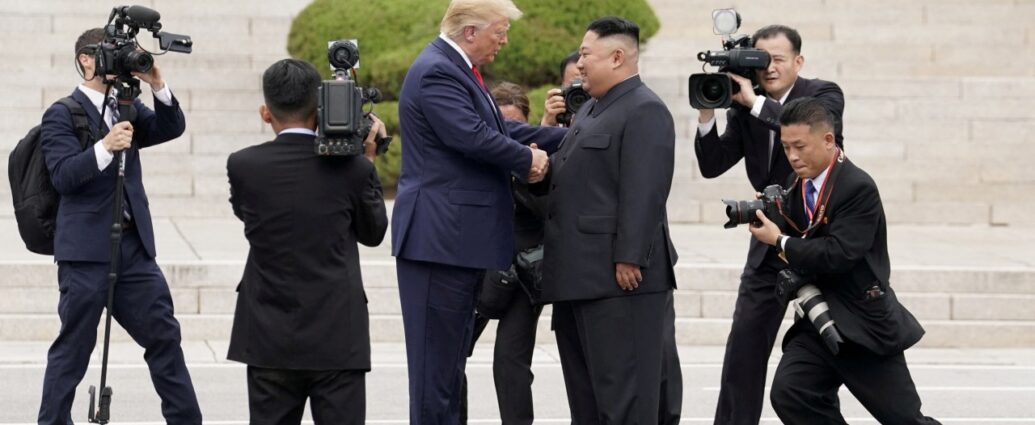
Opinion | Trump Romances Kim Jong Un Again

Opinion | Constantine’s Example for China
Opinion | Trump’s Iran War Gordian Knot
Bank Leumi Books $940 Million Quarter, an Israeli Banking Record
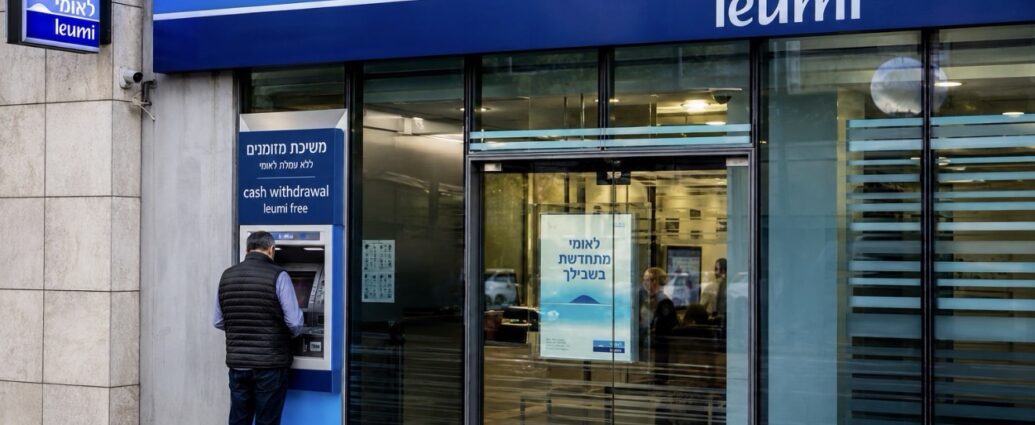
Bank Leumi earned more money in three months than any Israeli bank ever has. The lender reported net profit of NIS 2.83 billion, roughly $940 million, for the second quarter, up 8.5% from a year earlier, when it released results on Aug. 12.
The reason is simple: Leumi is lending much more money while spending very little to run itself. Its loan book grew 9% since the start of the year to about NIS 566 billion, with corporate lending up 14% — enough that the bank has already hit its full-year growth target of 8% to 10% with half the year left. At the same time, its efficiency ratio, which measures how much of every shekel of income is eaten up by salaries, branches and technology, fell to 24.7% from 29.1% in the prior quarter. In plain terms, about 25 cents of every dollar the bank takes in goes to running the business, and the other 75 cents flows toward profit. That is among the lowest figures of any major bank in the world, and the bank credits its use of artificial intelligence for much of the improvement.
The record came despite a government surtax on Israel’s five largest banks totaling NIS 3 billion this year, of which Leumi absorbed NIS 293 million in the quarter. Without it, profit would have been about NIS 3.1 billion and return on equity 17.9% rather than the reported 16.3%.
Shareholders are getting a large share of the money back. Leumi is returning NIS 1.4 billion, about $470 million, split between a cash dividend of roughly NIS 1.1 billion and share buybacks — half of quarterly net income, and an annual dividend yield of about 5.5% at current prices.
Loan quality held up as the portfolio grew. Non-performing loans stood at 0.45% of credit, meaning fewer than one shekel in 200 is in trouble, against 0.43% a year ago. The bank set aside NIS 291 million for possible credit losses in the quarter, but said the entire provision was a general reserve tied to the pace of lending growth rather than any specific borrower going bad — the tenth consecutive quarter that has been the case. On individual problem loans, the bank actually recovered more than it wrote off.
For the first half, profit reached NIS 5.18 billion and return on equity 14.9%, at the top of the 13.75% to 15.25% band the bank set in its strategic plan. Capital remains well above regulatory minimums, with a core capital ratio of 11.65%.
The backdrop is an Israeli economy the Bank of Israel expects to grow 4% this year and 5.5% next, with interest rates easing and business borrowing picking up after two difficult years. Rival Bank Hapoalim posted a NIS 2.5 billion quarter, with credit growth of 6.6%, slower than Leumi’s.
Investors have noticed. Leumi shares are up 24% over the past year, giving the bank a market value of about NIS 110 billion and making it the largest bank in Israel by that measure.
JBizNews Desk | Tel Aviv
© JBizNews.com All Rights Reserved. Reproduction or distribution without written permission is prohibited.
Trump Warns He’ll Bomb Oman Over Hormuz Blockade
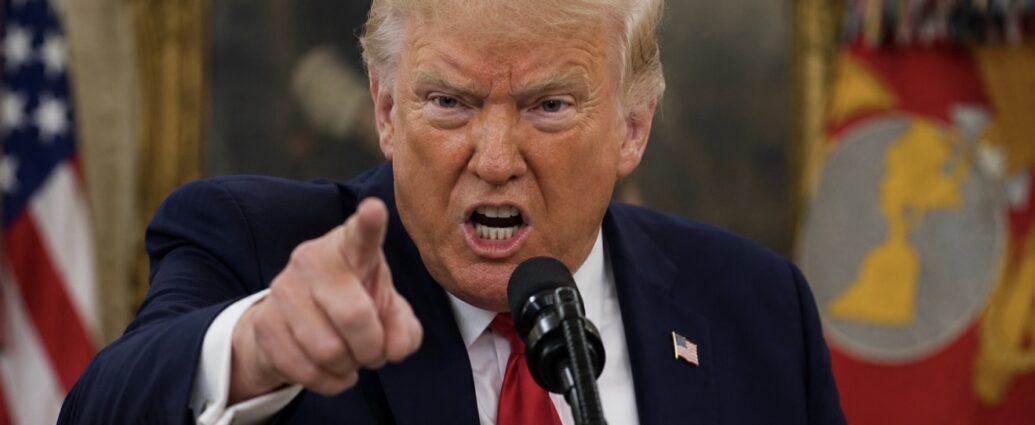
Oman is quietly working out a deal with Iran on how ships will move through the Strait of Hormuz. Washington, which has been blockading Iranian ports for months, does not want anyone but the United States deciding who sails through. On Monday, Aug. 17, President Trump said that if Oman gets in the way, American forces will bomb it.
Trump made the threat in a phone interview with Fox News, saying the blockade is squeezing Iran and that he has set no timeline for ending the conflict because he is in no hurry. He used an expletive. Speaking of informal contacts with Iran’s Revolutionary Guard, he said they are good poker players who are dying anyway.
Oman matters here for one reason: geography. Iran owns the northern shore of the strait, Oman owns the southern shore, and every tanker leaving the Gulf sails between the two. Oman is a Gulf Cooperation Council member that has kept close ties to Washington while preserving relations with Tehran, and has served for years as the back channel between them. This is the first time Trump has aimed that kind of language at a longtime American partner in the region.
What set it off is a shipping arrangement. Iranian foreign ministry spokesman Esmail Baghaei said Monday that Tehran and Muscat had reached an understanding on the map of a transit route, with the two sides finalizing a joint statement. Ships would enter along the Iranian coast and exit along a lane off Oman, and during the interim period vessels would pass without paying tolls. The threat landed as that understanding was being announced. The 60-day interim agreement between Washington and Tehran expires Monday, with talks to reopen the waterway deadlocked.
The money side is where American households feel it. Brent settled around $88 a barrel Monday, roughly flat on the day and about 33 percent higher than a year ago. West Texas Intermediate also traded near flat. Hormuz normally carries about a quarter of the world’s seaborne oil — roughly one barrel in four — and Iran has restricted navigation there since Feb. 28.
At the pump, the national average for regular gasoline was $4.07 on Aug. 13, the highest August average AAA has ever recorded, against $3.16 a year earlier. That is about 90 cents more per gallon, or close to one dollar in four added to every fill-up. California drivers averaged $5.58 and Hawaii $5.43, while Louisiana was cheapest at $3.57. AAA attributes the gap to crude prices rather than demand, which is actually down.
For shippers, the practical fix on the table is the Iran-Oman route itself, which would give tanker owners a marked lane and a known cost instead of guesswork. American officials say the Navy is expanding its ability to escort vessels through the strait, though owners still consider the passage risky and some tankers have been switching off their transponders. Meanwhile, Middle Eastern producers have been moving millions of barrels through the waterway quietly, which has kept prices from climbing further, and additional Gulf crude is expected to reach American refiners.
The pressure track runs alongside the military one. Treasury Secretary Scott Bessent said Washington would impose unprecedented economic measures on Iran while keeping the naval blockade in place, with more announcements expected. Israel struck Lebanon over the weekend, killing 11 people including a senior Hezbollah commander, and the International Energy Agency has warned of the widest global supply shortfall in five years.
For American businesses running trucks, planes or freight contracts, the question is not whether Oman gets bombed. It is whether a working transit lane opens before the fall shipping season locks in fuel costs at these levels.
JBizNews Desk | New York
© JBizNews.com All Rights Reserved. Reproduction or distribution without written permission is prohibited.


Trump Says Israel Should Stop Striking Gaza
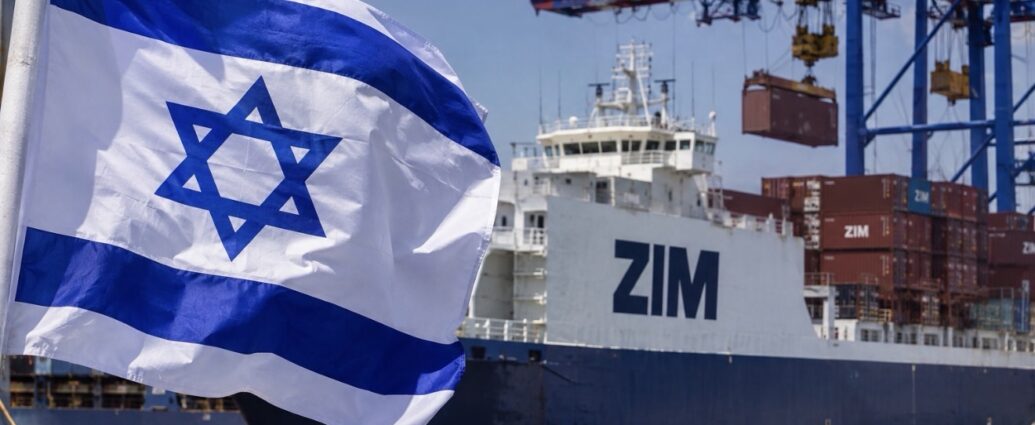
67% of Israeli Jews Oppose Zim Sale to Qatari-Backed Buyer, Poll Finds
Israel’s largest shipping company is being sold to a German carrier whose shareholders include the sovereign wealth funds of Qatar and Saudi Arabia, and a new poll finds that about two out of every three Israeli Jews want the government to stop it.
The survey, conducted this month by Midgam Consulting and Research and commissioned by the Zim workers’ committee, found that 67.1% of Israel’s Jewish public opposes approving the sale to a buyer with Qatari shareholders. Roughly 57% object specifically because of the Qatari stake, while another 10% oppose the deal under any circumstances. About 30% would approve it only after security reviews, and just 2.4% — fewer than one in 40 — would sign off on it regardless.
What stands out is how little the answer changed from group to group. Opposition ran at 77.2% among religious respondents, 70.2% among secular respondents, 66% among haredi respondents and 60.2% among traditional respondents. Men and women, higher earners and lower earners all landed within a few points of one another. On a subject that usually splits Israeli opinion down predictable lines, this one does not.
The deal behind the numbers was signed in February. Germany’s Hapag-Lloyd agreed to acquire Zim Integrated Shipping Services for about $4.2 billion in cash. Qatar’s sovereign wealth fund holds 12.3% of the German carrier and Saudi Arabia’s Public Investment Fund holds 10.2%. Zim was founded in 1945, is headquartered in Haifa, and was fully government-owned until it was privatized in the early 2000s.
The structure splits the company in two. Hapag-Lloyd takes Zim’s international business — the Asia-to-America routes and the bulk of its chartered fleet. What stays in Israel is a smaller carrier, backed by Israeli private equity firm FIMI, holding 16 vessels, the Haifa headquarters and the shipping lines running to and from Israel.
That smaller company is meant to satisfy a condition the state has held for years. The government’s golden share lets it call up the fleet in an emergency to bring in essential goods such as wheat and fuel, requires a minimum of 11 ships, and blocks any foreign entity from taking sole control.
That is the heart of the objection. Israel imports nearly everything it eats, burns and builds with by sea. In a war, a blockade or a closed shipping lane, the question is not who owns the vessels on paper but who picks up the phone when Jerusalem calls. Zim kept sailing to Israel during periods when foreign carriers rerouted around the region, and that record is why the company is treated as infrastructure rather than as a stock.
Senior officials have already said the current terms do not clear that bar. Defense Minister Israel Katz sided with Defense Ministry officials who reviewed the acquisition and concluded it does not protect Israel’s national security interests, particularly in emergencies. Deputy Minister Almog Cohen separately warned Prime Minister Benjamin Netanyahu against handing over the country’s maritime gateway to a buyer with Qatari and Saudi shareholders.
There is a second worry that gets less attention: whether the Israeli remnant is strong enough to matter. The Israeli Administration of Shipping and Ports has cautioned that without state support, the slimmed-down carrier could be too weak to survive an industry downturn — which would leave Israel with no independent fleet at all.
Zim workers’ committee chairman Oren Caspi said the poll shows the public grasps what is at stake, calling it a struggle over a national interest rather than a labor dispute, and urging the government to block the sale.
The decision now sits with the state. The transaction is expected to close by late 2026 and remains subject to approval by Zim shareholders and regulators, including the State of Israel itself. Jerusalem can approve it, kill it, or approve it only with hard security conditions attached — a bigger guaranteed fleet, firmer emergency call-up rights, and state backing to keep the Israeli carrier solvent. The poll says the public wants the third option at minimum. The government has until the end of the year to answer.
JBizNews Desk | Tel Aviv
© JBizNews.com All Rights Reserved. Reproduction or distribution without written permission is prohibited.
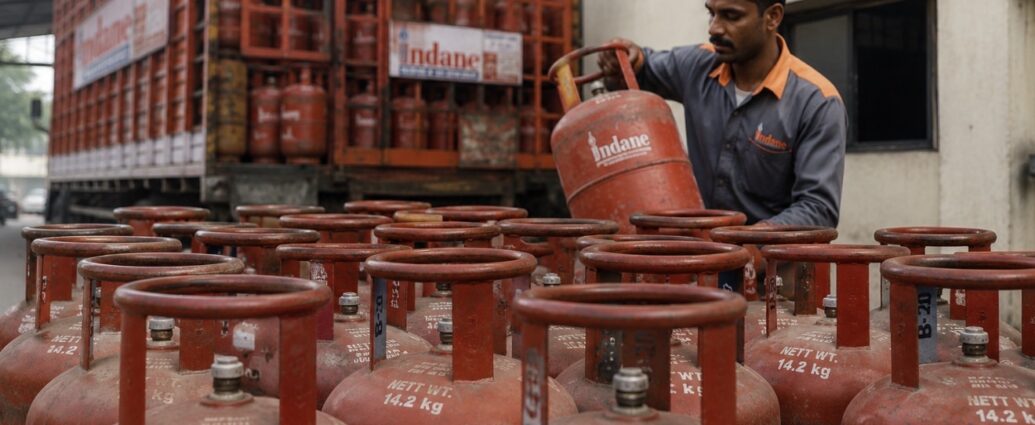
India Orders Refiners to Build Bigger LPG Buffer After Hormuz Disruptions Expose Supply Risk
India is ordering its oil industry to dramatically increase the amount of cooking gas it can produce at home, a major energy-security shift after disruptions around the Strait of Hormuz exposed how vulnerable the country remains to imported fuel.
Under an Aug. 13 government order, state-run and private refiners have been assigned the capacity to produce as much as 63,810 metric tons of liquefied petroleum gas a day when supplies are constrained.
That is significant because India currently consumes roughly 91,000 tons of LPG each day. The new production ceiling could therefore cover about 70% of daily demand domestically during an emergency.
India produced only about 35,900 tons a day domestically during the fiscal year ended March 2026, meaning the new targets would require refiners to be capable of pushing output far above normal levels when needed.
The government is also requiring companies to strengthen storage and transportation infrastructure so the additional LPG can actually reach consumers during a disruption.
The largest assignment goes to Reliance Industries, whose Jamnagar refining operation could be required to produce as much as 18,000 tons a day.
For India, LPG is not a niche petroleum product.
It is the cooking fuel used by hundreds of millions of households, restaurants and businesses. India consumed about 33.2 million metric tons during the 2025-26 fiscal year, while domestic production totaled only about 13.1 million tons.
Imports filled most of the gap.
And before the latest Middle East disruptions, roughly 90% of India’s imported LPG came from the Middle East, leaving the country heavily exposed to shipping through and around the Strait of Hormuz.
That vulnerability became impossible to ignore earlier this year when conflict involving Iran disrupted Gulf shipping and produced India’s worst LPG shortage in years.
The government was forced to take emergency measures, including redirecting fuel supplies and asking refiners to maximize domestic LPG production.
India has since moved aggressively to diversify.
State refiners are planning to obtain as much as 25% of the country’s LPG imports from the United States in 2027, while crude buyers have also sought supplies from Africa, Latin America and other routes that avoid Hormuz.
The latest order goes one step further.
Instead of relying only on finding alternative foreign suppliers after a crisis begins, India is trying to build enough domestic production capacity to absorb a much larger portion of demand itself.
That could have consequences across global energy markets.
If Indian refiners divert more refinery output toward LPG, it can affect the amount of other petroleum products they produce. Higher domestic LPG output could also reduce India’s need for some Middle Eastern cargoes while increasing competition for alternative supplies from the United States and elsewhere.
India is separately considering an even larger strategic-fuel programme that would create dedicated national reserves for LPG and liquefied natural gas for the first time.
The proposed plan could eventually cost about $42 billion and include enough LPG storage to cover roughly six weeks of demand.
Taken together, the policies show how the Strait of Hormuz crisis is beginning to permanently reshape energy planning far beyond the Middle East.
Countries that once optimized their supply chains around the cheapest available fuel are increasingly asking a different question:
What does it cost if that fuel suddenly cannot arrive at all?
For India, the answer is now leading to more domestic production, larger reserves and a more geographically diverse supply chain.
The new LPG targets are therefore not simply an emergency response.
They are an acknowledgment that energy security now requires paying for spare capacity before the next crisis arrives.
JBizNews Desk | New Delhi
© JBizNews.com All Rights Reserved. Reproduction or distribution without written permission is prohibited.

Extreme Heat Is Costing Businesses Billions — and Insurance Often Won’t Pay
Businesses across Europe are discovering an expensive gap in their insurance coverage: extreme heat can devastate revenue without damaging a single piece of property.
Last summer’s European heatwaves caused an estimated €43 billion, or roughly $50 billion, in lost economic output, according to Moody’s. Yet insured payouts totaled only about €500 million — meaning barely more than 1% of the estimated economic losses were covered.
The reason lies in how traditional business-interruption insurance works.
Most policies are built around physical damage. A fire destroys a restaurant kitchen, a storm damages a roof or flooding forces a factory to close. The property damage triggers the business-interruption coverage that can reimburse lost income while the company recovers.
Extreme heat can hurt a business very differently.
Customers stay home. Outdoor tables sit empty. Construction crews work fewer hours. Factory workers become less productive. Cooling expenses rise. Trains slow down. Agricultural output falls.
The business may lose substantial money while its building remains completely intact.
And that can leave the owner with no traditional insurance claim at all.
The problem is becoming particularly visible in Italy.
In Padua, a northern Italian city known for its early-evening aperitivo culture, extreme temperatures have pushed customers indoors or caused them to arrive much later.
A survey of roughly 600 restaurants, bars and other hospitality businesses in Padua and the surrounding province found that more than 80% experienced sales declines of about 20% during the recent heatwave.
For a restaurant operating on thin margins, losing one-fifth of revenue can turn a profitable month into a losing one even though nothing inside the restaurant was physically damaged.
That distinction is becoming a much larger issue for insurers and businesses.
Only 28% of small and midsize European companies surveyed for the region’s insurance regulator had business-interruption protection attached to their property coverage. Just 17% carried non-damage business-interruption coverage, which can respond to disruptions even when property remains intact.
And even specialized policies may not automatically cover extreme temperatures.
Insurers traditionally find heat difficult to underwrite because there is no single obvious event comparable with a hurricane making landfall or a building catching fire. Heat can instead trigger several problems simultaneously — drought, wildfire, water shortages, lower worker productivity and reduced consumer activity.
Companies are already reporting the consequences.
Manufacturers can face higher cooling costs and slower production. Restaurants lose outdoor customers. Construction companies may need to shorten working hours. Farmers can lose crop yields. Transportation companies can encounter infrastructure restrictions.
The potential solution receiving more attention is parametric insurance.
Unlike a conventional policy that reimburses a company after investigators establish physical damage, parametric insurance can be structured around a predetermined trigger.
For example, a business could purchase coverage that automatically pays if temperatures remain above an agreed level for a specified number of days.
The thermometer effectively becomes the claims adjuster.
That could be particularly useful for hotels, restaurants, construction companies, farms and other businesses where revenue or productivity is closely tied to weather but physical property may remain undamaged.
The lesson for business owners extends well beyond Europe.
A company that carries business-interruption insurance should not automatically assume it is protected whenever weather interrupts business.
Owners need to understand what actually triggers the policy.
If coverage requires physical property damage, a week of extreme temperatures that empties a restaurant, slows a warehouse or forces employees to stop working could produce a major financial loss without producing an insurance payment.
That makes a previously obscure insurance question increasingly important:
What happens when the weather damages the business — but not the building?
For a growing number of companies, the answer today may be that the owner absorbs the loss.
JBizNews Desk | London
© JBizNews.com All Rights Reserved. Reproduction or distribution without written permission is prohibited.



Iran’s Secret Plan to Escalate the War





Brazil’s Right Has a New Bolsonaro


Cold-Calling in France Now Costs $87,000 a Call
France banned telemarketing calls made without prior consent as of Tuesday, Aug. 11, with penalties of up to €75,000 — about $87,000 — for each illegal call placed by an individual, and up to €375,000, roughly $435,000, for each one placed by a company. The fines are assessed per call rather than per campaign, which is the provision that actually matters. A single afternoon of dialing a purchased list is now an existential number rather than a cost of doing business.
The rule is simple: businesses may not contact consumers without prior consent, according to Alice Vilcot, chief of staff at the Directorate-General for Competition, Consumer Affairs and Fraud Control. Consent can be withdrawn at any moment. If a consumer objects during a call, the call must stop and the caller may not make contact for that purpose again.
The change is structural, not incremental. France has moved from an opt-out system to mandatory opt-in — from a world where the burden sat on the person being called to one where it sits on the company doing the calling. Under the old arrangement, anyone who wanted to avoid sales calls had to register with a government service, and consumer groups said some call centers simply ignored the list. Bloctel, that registry, launched in 2016; a survey by the consumer group UFC-Que Choisir later found nearly half of registered users still receiving calls. An Ireland-based company was fined €6 million last year for calling numbers on it.
Two exceptions keep normal commerce intact. A company may call if it already has the customer’s agreement — obtained at a purchase, in a shop or through a form — and it may call about a contract the customer has already signed. That preserves service calls, renewals and follow-ups on existing accounts. What it eliminates is the cold list.
The scale of the problem explains the severity of the response. Government estimates put about three-quarters of people in France receiving at least one unsolicited sales call every week, many receiving several. In 2024, eleven consumer organizations jointly demanded a ban, describing relentless harassment across landlines and mobiles. Fifteen years of narrower measures had preceded it — bans on calling from certain mobile prefixes, restrictions on times of day and weekends, and sector-specific rules covering training accounts, home adaptations for disability or old age, and energy-efficiency renovation. Those covered a handful of industries. The new rule covers nearly all of them.
The law was framed officially as an anti-fraud measure tied to public assistance programs, aimed at the high-pressure sales scripts common in energy renovation and financial services rather than at annoyance alone.
Businesses had time to prepare. The legislation was promulgated on June 30, 2025 and published the following day, taking effect more than thirteen months later. The practical work is unglamorous: auditing call lists, deleting every number without documented consent, and building consent capture and withdrawal into whatever system the sales team runs on. That applies to any contact center, CRM platform or sales operation dialing French numbers, wherever it sits.
The employment consequence lands outside France. Morocco has warned that between 40,000 and 50,000 call center jobs are at risk — an offshore industry built substantially on serving French consumers by telephone, now facing the removal of its largest use case. Those centers will either convert to inbound service work or shrink.
France is not the first mover, but it is the strictest. Germany has required consent for telemarketing since 2009, while the United Kingdom and United States still run opt-out systems. British companies that call people who have opted out face fines up to £500,000, about $670,000, per call. The British number is larger, but it applies only to calls placed to numbers on the preference list. France’s smaller per-call figure applies to every call without documented consent, which is a far wider base. The exposure is the fine multiplied by the number of calls that qualify, and France has enlarged the multiplier enormously.
For American companies, the reach is the thing to check. The obligation attaches to calling a French consumer, not to being a French company. Any firm with a French customer base, an outsourced dialing operation or a lead list that includes French numbers is inside the rule as of this week. Consumers can report violations through a government website, which means enforcement does not depend on regulators discovering the calls themselves.
The broader signal for anyone building a sales operation is that the telephone is losing its status as an open channel in Europe. Consent is becoming the asset, and a list of numbers without it is becoming a liability priced at €375,000 apiece.
JBizNews Desk | Paris
© JBizNews.com All Rights Reserved. Reproduction or distribution without written permission is prohibited.
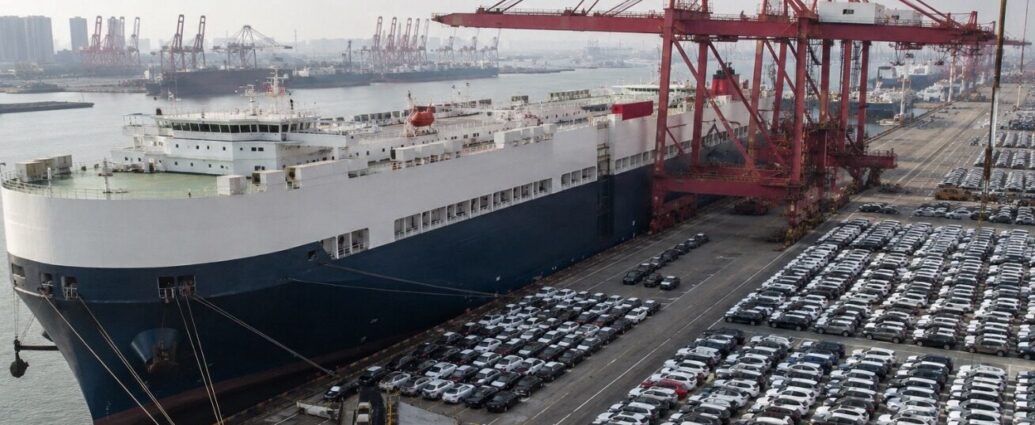
China’s Car Exports Outrun the World’s Ships
China is now building and selling so many cars abroad that the world has run out of boats to move them. The ships that carry vehicles across oceans are a specialized type — floating parking garages with ramps, known in the trade as car carriers — and there are only so many of them afloat. Chinese factories are turning out export vehicles faster than that fleet can haul them, so the ships are booked years ahead, the cost of hiring one has jumped 65% this year, and carmakers are resorting to stuffing cars into ordinary steel shipping containers to get them overseas.
The numbers explain the squeeze. In 2019, China shipped just under 600,000 cars and vans to foreign buyers. This year, research group Mobility Global expects the figure to reach as high as 10 million — roughly 16 times as many vehicles in seven years. The global car-carrier fleet, meanwhile, has grown by about 40%. Cars up sixteenfold, ships up four-tenths: that gap is the entire bottleneck.
Prices moved the way prices always move when demand overwhelms supply. Hiring a large car carrier on an annual contract averaged $42,500 a day at the end of last year, according to shipbroker Clarksons. By June it averaged $70,000 a day — about two-thirds more in half a year. Lasse Kristoffersen, chief executive of Norwegian carrier operator Wallenius Wilhelmsen, said the enlarged fleet still cannot keep up with what Chinese exporters want to move. Andreas Enger, chief executive of Höegh Autoliners, said ocean freight rates for automobiles now run at double their pre-pandemic level, and pointed out that China went from a minor exporter to the world’s biggest in about five years.
The workaround is already at sea. Rather than wait for a berth on a dedicated car carrier, exporters are loading vehicles into the same 40-foot containers used for furniture and televisions, and sending them on regular container ships. Kristoffersen estimates up to four million vehicles a year now leave China this way or by similar improvised means — close to four out of every ten cars China exports. The practice has grown large enough that container giants including A.P. Moller-Maersk and Mediterranean Shipping Co. are selling shipping services straight to automakers, a customer they once left to the specialists.
Chinese manufacturers are also solving the problem by buying their way into the shipping business. BYD launched its first dedicated car carrier in 2024 and now runs a fleet of eight. Shipyards, most of them Chinese, are working through order books that stretch out for years, which is why relief on charter rates is unlikely to arrive quickly. A ship ordered today does not carry a car until the end of the decade.
Behind the export push sits a problem at home. Chinese car sales inside China fell more than 20% in the first half of 2026 against the same stretch last year, according to International Energy Agency figures. More than 100 domestic brands are fighting over a shrinking home market, and the factories keep running. Tu Le, managing director of Sino Auto Insights, described exports as a pressure release valve for a market with far more brands than it can support. Cars that cannot be sold in Shanghai get sold in São Paulo instead.
Europe is where the displacement shows up most clearly. In the first half of this year, SAIC Motor’s registrations across the European Union rose 19% and BYD’s more than doubled, according to the European Automobile Manufacturers’ Association. Over the same period, Stellantis gained 6%, Volkswagen 2.6%, and Renault slipped 4.2%. Chinese brands are also taking share in the United Kingdom, Germany and Brazil.
American driveways are largely untouched, for now. Tariffs and federal restrictions on Chinese vehicle software, imposed on national security grounds, keep those cars off U.S. lots almost entirely. But American buyers still feel the shipping squeeze indirectly, because the same fleet that moves Chinese cars to Europe also moves German, Japanese and Korean cars to Baltimore, Brunswick and Long Beach. When the cost of an ocean crossing doubles, that expense reaches the sticker on an imported sedan in Newark the same way it reaches one in Rotterdam.
The fix, such as it is, comes in three parts and all three are already underway: more ships being built, more cars traveling in containers, and carmakers buying their own vessels rather than renting. None of it is fast. Until the new hulls arrive, the constraint on how many cars China sells to the world is not how many it can build. It is how many it can float.
JBizNews Desk | New York
© JBizNews.com All Rights Reserved. Reproduction or distribution without written permission is prohibited.