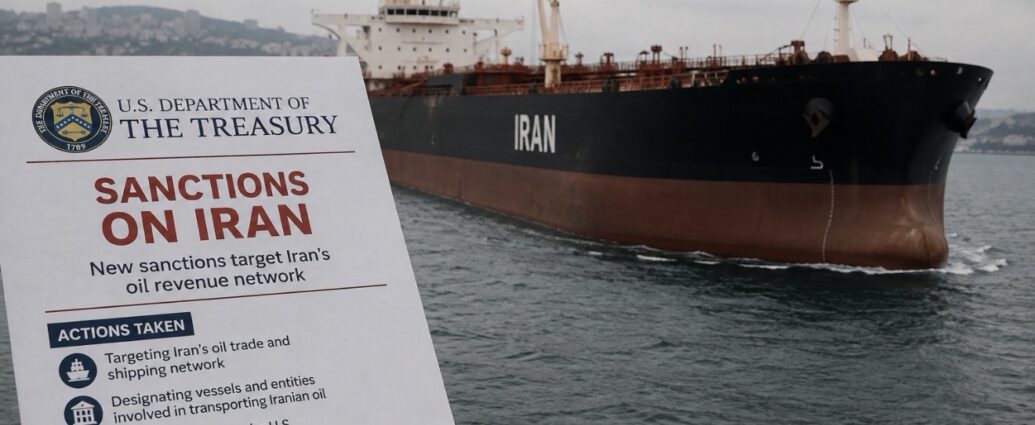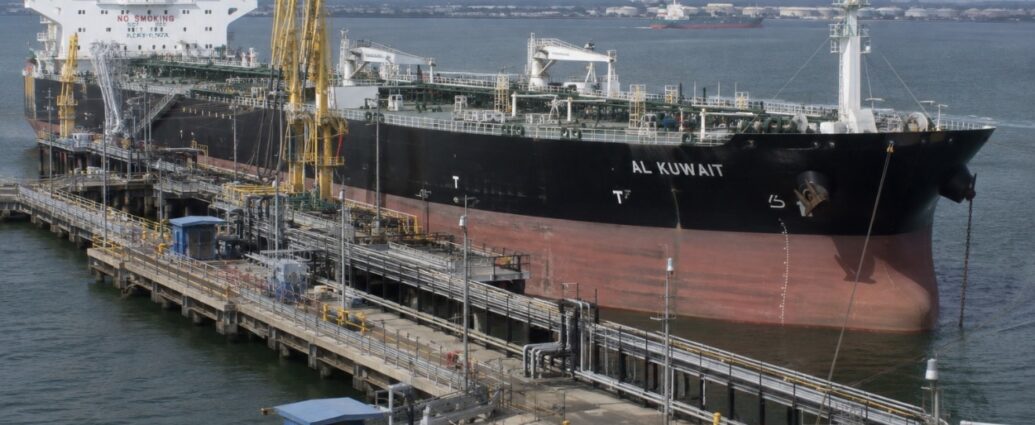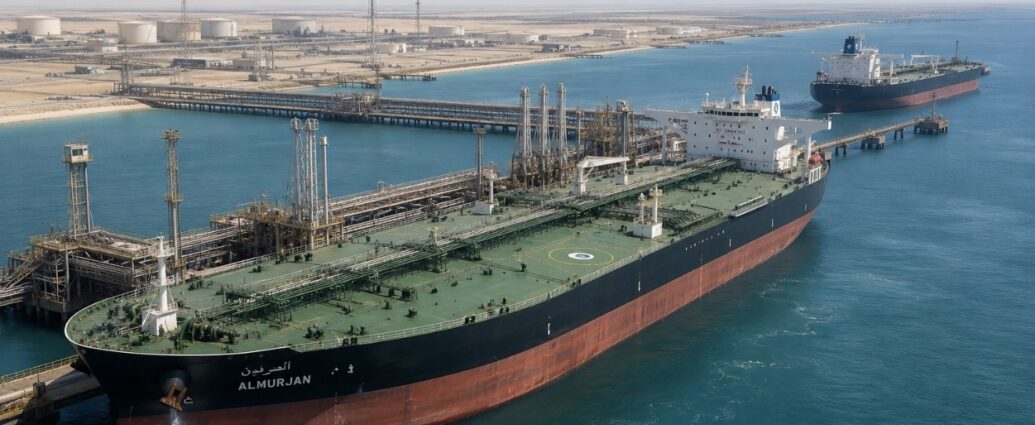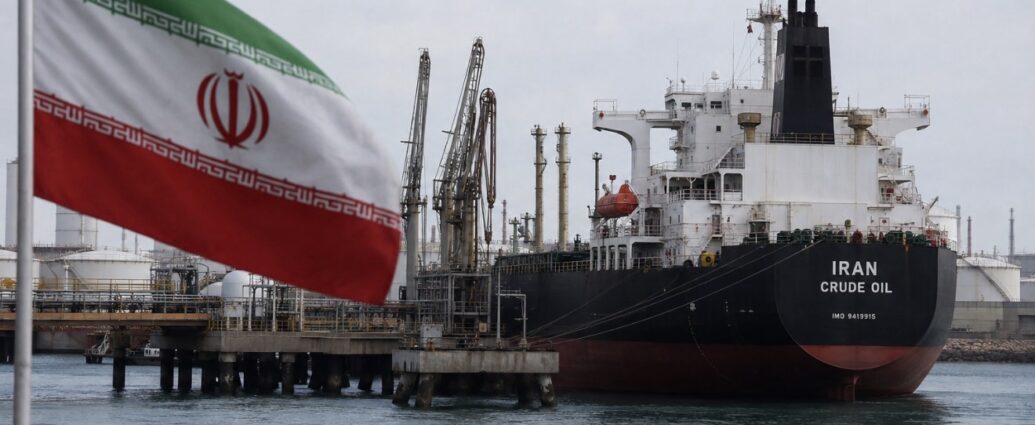
Hengli is accused by the U.S. of being a major importer of illicit Iranian crude; the Chinese petrochemical company denies trading with Iran.

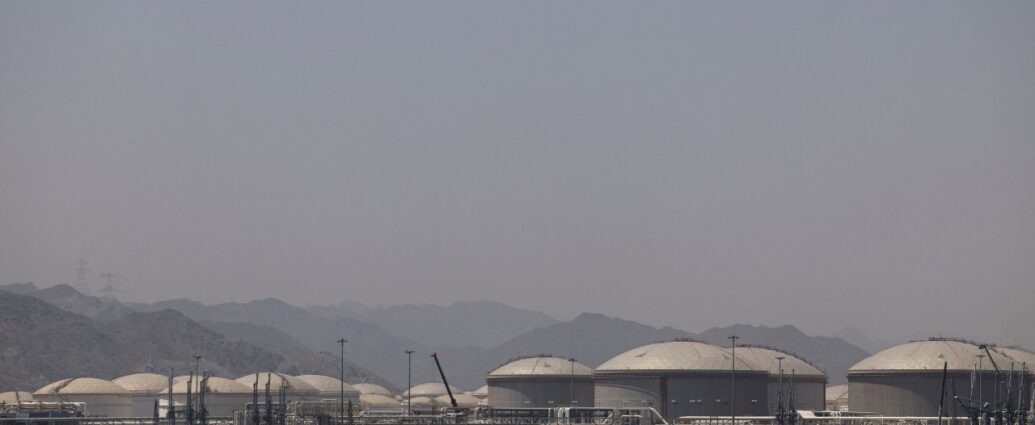
On Changxing Island outside Dalian sits one of China’s largest independent refineries, a sprawling complex capable of processing about 400,000 barrels of oil a day.

Washington says some of the crude flowing into that plant came from Iran — and that the money ultimately helped finance Tehran’s military.

The U.S. Treasury Department sanctioned Hengli Petrochemical’s Dalian refinery in April, accusing it of purchasing billions of dollars’ worth of Iranian petroleum and describing it as one of Iran’s largest customers.

Hengli denies the allegation.

Treasury says three sanctioned tankers alone delivered more than five million barrels of Iranian crude to the refinery since 2023. The shipments were allegedly overseen by Sepehr Energy, the oil-sales arm of Iran’s Armed Forces General Staff, generating hundreds of millions of dollars for the Iranian military.

That is what makes Hengli different from a routine sanctions case.

Washington is not simply accusing a Chinese refinery of buying discounted oil. It is accusing one of China’s largest private industrial companies of helping convert Iranian crude into revenue for Tehran’s armed forces.

The oil trade is difficult to police because sanctioned cargoes can become harder to trace once they reach international waters. Tankers can switch off tracking signals, move crude through ship-to-ship transfers and rely on traders and paperwork that obscure where the petroleum originated.

Iranian crude is often sold at a discount precisely because buyers take on that risk.

China is central to the trade. Its independent refiners buy the majority of Iran’s exported crude, giving Tehran access to a huge market despite U.S. sanctions.

Hengli says Washington’s case is wrong. The company said it has never conducted oil trade with Iran and that its suppliers guaranteed the crude it purchased complied with sanctions requirements. It also said it would seek removal from the U.S. blacklist.

The sanctions nevertheless had an immediate impact.

Hengli’s Shanghai-listed shares fell 10 percent. Its Singapore trading operation was disrupted as international counterparties pulled back, and Chinese chemical giant Wanhua suspended a benzene supply agreement with the company.

Hengli also said it had enough crude inventories to operate for more than three months and could continue paying for oil in yuan.

Beijing then stepped in, using its anti-sanctions framework to shield Chinese companies from complying with the U.S. restrictions.

That put Hengli directly in the middle of a larger confrontation between Washington and Beijing.

For the U.S., the strategy is to make Iranian crude financially toxic even if the oil itself keeps moving.

Banks, shipping companies, insurers, traders and refineries all have to decide whether discounted Iranian oil is still worth the risk of losing access to Western markets and the U.S. financial system.

Treasury Secretary Scott Bessent had already warned Chinese buyers that Washington was prepared to target them. The department also sent warning letters to Chinese banks before the Hengli sanctions were announced.

The same day Hengli was blacklisted, Treasury sanctioned roughly 40 shipping firms and vessels tied to Iran’s shadow fleet.

For Tehran, the stakes are straightforward. Oil exports provide hard currency, and Washington says some of the revenue flowing through Hengli directly benefited Iran’s military.

For American consumers, there is a second concern.

Washington wants to choke off Iran’s oil income without removing so much crude from the market that global energy prices jump. With shipping through the Strait of Hormuz already under pressure, any major disruption to supply can eventually reach gasoline prices, freight costs and consumer goods.

That makes Hengli a major test of the sanctions strategy.

If a refinery this large decides Iranian crude is no longer worth the risk, other buyers may follow.

If the oil simply changes ships, paperwork and intermediaries again, Washington will have made the trade harder without stopping it.

The real measure of success is therefore not how many companies land on a blacklist.

It is whether the oil stops moving — or simply becomes harder to see.

JBizNews Desk | Washington, D.C.

© JBizNews.com All Rights Reserved. Reproduction or distribution without written permission is prohibited.
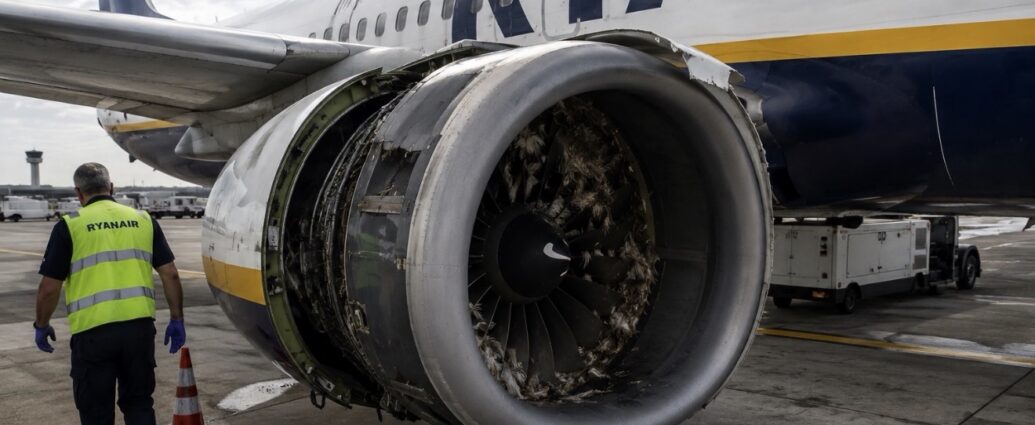

Federal accident investigators said Thursday that they recovered bird remains from the engine of a Ryanair Boeing 737 that lost cabin pressure over Greece last month, after a chunk of that engine tore off in flight and smashed a passenger window with a man sitting next to it.

The finding came in a preliminary report from the National Transportation Safety Board, the independent U.S. agency leading the investigation. Preliminary means exactly that: the agency has laid out what it found, not what caused it. But the discovery points the inquiry toward a scenario the industry has spent eight years and hundreds of millions of dollars trying to design out of the world’s most widely flown jet.

Here is what happened in plain terms. On the morning of July 10, Ryanair Flight 1879 lifted off from Thessaloniki, Greece, bound for Memmingen, Germany. Minutes into the climb, one of the fan blades in the right engine broke off. The blade and the debris behind it were supposed to stay inside the engine casing. They didn’t. Fragments cut into the side of the aircraft in several places and blew out a window in row 11. The passenger in that seat, a 61-year-old Serbian man, was partially pulled through the opening and seriously injured. The cabin lost pressure and the crew turned back for an emergency landing. Of the 155 people aboard, he was the only one hurt.

The bird evidence is what makes the report notable. Investigators found remains, including feathers, on the oil cooler at the front of the engine, on one of the thrust reverser linkages, and at the bottom of the fan case. The material was sent to the Smithsonian Institution’s Feather Identification Lab in Washington, D.C., for analysis. Investigators cautioned that some of what they pulled out was lodged deep inside the engine, and they cannot yet say whether it came from July 10 or from an earlier strike.

That caution matters, because this particular engine had a history. Flight crews reported four suspected bird strikes to the same engine in the 12 months before the accident, and remains were found in two of those cases, though maintenance turned up no damage afterward. The engine, a CFM56-7B built by the joint venture between General Electric of the United States and France’s Safran, had been inspected in May with nothing flagged.

For American readers, the business stakes run through three U.S.-linked names: Boeing, which built the aircraft; GE Aerospace, which is half of the engine venture; and the Federal Aviation Administration, which wrote the rules meant to prevent this outcome. The template is the April 2018 Southwest Airlines accident, in which a fan blade separated on a 737-700, the engine inlet came apart, and a passenger was killed after being partially pulled out a broken window. A similar but non-fatal failure hit another Southwest jet in 2016.

The regulatory response to those two accidents split into two tracks. The first was inspections: repeated ultrasonic and eddy-current checks of fan blade roots, because the fatigue cracks that cause these failures are invisible to the naked eye and can take years to grow. The second was hardware. In March 2025 the agency issued a final rule requiring operators to modify the engine housing on every Boeing 737 NG variant, the 737-800 included, so that a broken blade’s debris stays contained. Airlines were given until July 31, 2028, to finish the work.

Three years of runway on a safety fix is not unusual — the parts have to be manufactured, and jets have to come out of service to receive them. But it means a large share of the global 737 NG fleet is still flying today with the older housing, and the Greek accident is the scenario that retrofit was written to stop.

The fix now moving is on the inspection side. A draft directive published July 31 would expand the fan blade inspection program, adding improved ultrasonic procedures and widening the area of the blade that gets checked, based on updated instructions CFM issued in mid-July. The agency was careful to note that while the Ryanair failure involved this engine model, it has received no information tying that failure to the problem the new inspection rule addresses.Boeing and Ryanair declined to comment Thursday.

A CFM spokesperson said the company is assisting the investigation, and Boeing pointed to the safety board, citing the rules governing crash inquiries. Investigators are still weighing how closely this accident resembles the 2018 Southwest failure, and said that determination remains open.

JBizNews Desk | New York

© JBizNews.com All Rights Reserved. Reproduction or distribution without written permission is prohibited.
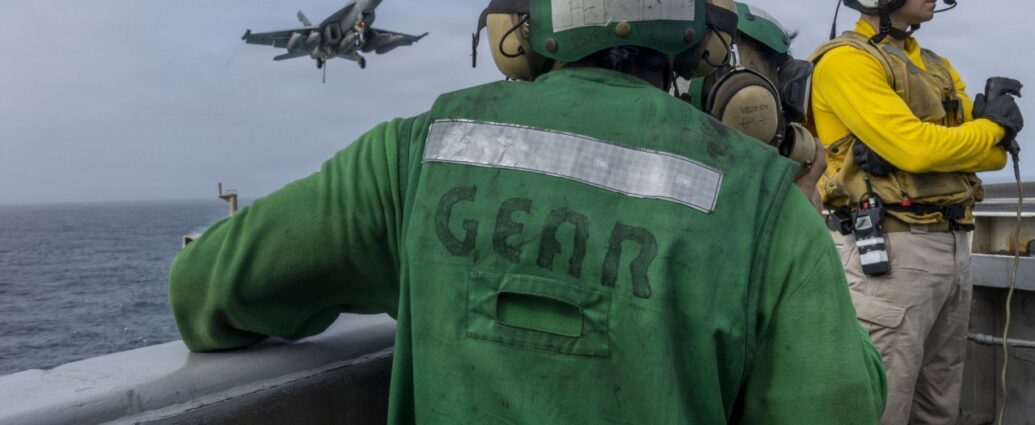
Adm. Brad Cooper, whose stop comes amid reports of poor living conditions, says history will record the deployment as among “the most operationally intense and consequential of the modern era.”

This post was originally published here. 

A severe heatwave is forcing France to cut nuclear power output, with six reactors expected to be fully offline Friday and heat-related curtailments reaching about 9.4 gigawatts, roughly 15% of the country’s nuclear generating capacity.

The reductions are being driven by unusually high river temperatures, which limit how much cooling water nuclear plants can safely use and return without violating environmental restrictions.

That is creating an unusual energy-market problem.

The same extreme heat that pushes electricity demand higher for air conditioning is also reducing the amount of power available from France’s nuclear fleet, which normally provides the backbone of the country’s electricity system.

French day-ahead electricity prices have already climbed to their highest summer level since June as traders price in tighter supply.

The impact matters well beyond France.

France is typically one of Europe’s largest electricity exporters, supplying neighboring markets when its nuclear fleet is operating normally. When French output drops sharply, those countries may have to rely more heavily on gas-fired generation, imports from elsewhere or higher-priced wholesale power.

The result can be higher electricity costs across a much wider part of Europe.

Nuclear plants are particularly exposed to prolonged heat because many rely on rivers for cooling. When river temperatures rise too far, operators may have to reduce generation even if the reactors themselves remain fully functional.

That means the constraint is not a shortage of uranium or a mechanical breakdown.

It is the temperature of the water outside the plant.

For businesses, the episode highlights another vulnerability in Europe’s power system: extreme weather can reduce energy supply at the same time it increases demand.

Manufacturers, data centers, retailers and other large electricity users can all feel the impact through higher wholesale prices and increased grid stress.

The issue is especially significant for France because nuclear power supplies the majority of its electricity and has historically given the country an advantage in producing large amounts of relatively low-carbon power.

But hotter summers are making cooling-water restrictions more important.

Utilities can sometimes shift generation between plants or adjust output around the hottest parts of the day, but sustained high temperatures leave fewer options when multiple rivers and nuclear sites are affected simultaneously.

The immediate concern is Friday’s expected reduction.

The longer-term business question is whether European utilities will need to spend more on cooling systems, grid flexibility and backup generation if extreme heat increasingly disrupts plants that were designed around cooler historical conditions.

For now, one of Europe’s most dependable sources of electricity is being constrained by the weather precisely when consumers need power the most.

JBizNews Desk | Paris

© JBizNews.com All Rights Reserved. Reproduction or distribution without written permission is prohibited.

A patch of the Pacific Ocean is warming up, and by next year it will show up in what Americans pay for chocolate, coffee, rice and cooking oil. Federal forecasters said Thursday that El Niño now has better than a 90% chance of becoming a very strong event through the fall and winter of 2026-27, with a 69% chance by autumn of the strongest one recorded since 1950.

The mechanism is simple. Trade winds along the equator normally push warm surface water west toward Asia. When those winds slacken, the warm water slides back east toward South America, and because rain forms over warm water, the world’s storm tracks move with it. For the United States, that means the winter jet stream drops south.

Here is where it lands at home. California, Arizona, New Mexico, Texas, the Gulf Coast states and Florida typically run wetter and stormier from December through March in a strong El Niño — more rain, more flooding risk, more mudslides in Southern California, and a heavier commercial insurance loss year along the Gulf. The northern tier is the opposite: Montana, the Dakotas, Minnesota, Wisconsin, Michigan, upstate New York and New England usually run warmer and drier, which cuts natural gas and heating oil demand and lowers winter utility bills. Washington State and Oregon tend toward a dry winter and a thin mountain snowpack, which matters the following summer for irrigation and hydroelectric output.

One piece of it works in America’s favor. Strong El Niño winters shear apart Atlantic hurricanes, which lowers storm risk for the Gulf and East Coast and takes pressure off property insurers, while pushing storm activity toward Hawaii and Mexico’s Pacific side.

Domestic agriculture comes out mixed. A wet southern winter refills California reservoirs and helps almond, citrus and vegetable growers in the Central Valley, and gives the Southern Plains winter wheat crop in Kansas, Oklahoma and Texas moisture it usually lacks. The Corn Belt sees comparatively weak effects. The American grocery problem is not what the country grows. It is what the country imports.

That is where the trouble sits, and it sits in four aisles. Cocoa, meaning nearly all American chocolate, comes overwhelmingly from Ivory Coast, Ghana, Nigeria and Cameroon, which turn hot and dry in an El Niño. Palm oil, which appears in a large share of packaged baked goods, snacks and shelf products, comes from Malaysia and Indonesia, which dry out on a three-to-nine-month delay. Rice, sugar and robusta coffee — the base of most instant coffee — come out of the same drought-exposed belt. Arabica coffee, grown in Brazil and Colombia, is the exception and can actually improve, since South American growing conditions often get better. The drip coffee may hold. The candy bar will not.

Markets have already started pricing it. New York cocoa futures pushed past $5,000 a tonne in late June, the highest since January, up roughly 19% that month. Societe Generale data showed agricultural commodity prices up 7% in a month in mid-2026, with cocoa, coffee and wheat rising 8% in a single week.

American shoppers feel it on a delay, which is the part worth planning around. Traders move on the forecast; supermarkets move on the harvest. Retail food prices have historically absorbed the full effect six to twelve months after the event peaks — so a fall peak puts it on the shelf across 2027, long after the weather story has gone quiet.

The trillion-dollar figures come from research that changed how economists think about this. The 1982-83 El Niño is estimated at $4.1 trillion in lost global income and the 1997-98 event at about $5.7 trillion, and Dartmouth’s Justin Mankin has said current forecasts imply this could be the costliest on record. The same research found the drag can persist as long as 14 years — economies do not simply take the hit and recover. Mankin, who directs Dartmouth’s Climate Modeling and Impacts Group, laid that out on Bloomberg’s Odd Lots podcast on Friday.

The American concern is therefore twofold and neither half is abstract. Food inflation returns through imported ingredients roughly a year from now, at a moment when household budgets are already carrying record gasoline and diesel prices. And the southern half of the country faces a wet, storm-heavy winter with flood exposure in states that have spent the year in drought.

The lead time is the advantage. Unlike a hurricane, this is visible months ahead, which is why food manufacturers and restaurant chains are hedging cocoa, sugar and palm oil now rather than at the peak, why utilities in the northern states are adjusting winter demand forecasts, and why emergency managers from Los Angeles County to the Florida panhandle have the runway to prepare drainage and floodplain response before the storm track arrives. Fitch’s analysis found the worst damage falls on poorer agricultural economies, but warned that sustained shortages could lift food prices enough to affect inflation even in wealthy countries.

Impacts vary considerably by location and season and none are guaranteed, and NOAA’s own forecast lead said she sees nothing unusual about how this one is developing or how long it should last. The odds are heavily tilted. They are still odds.

JBizNews Desk | New York

© JBizNews.com All Rights Reserved. Reproduction or distribution without written permission is prohibited.

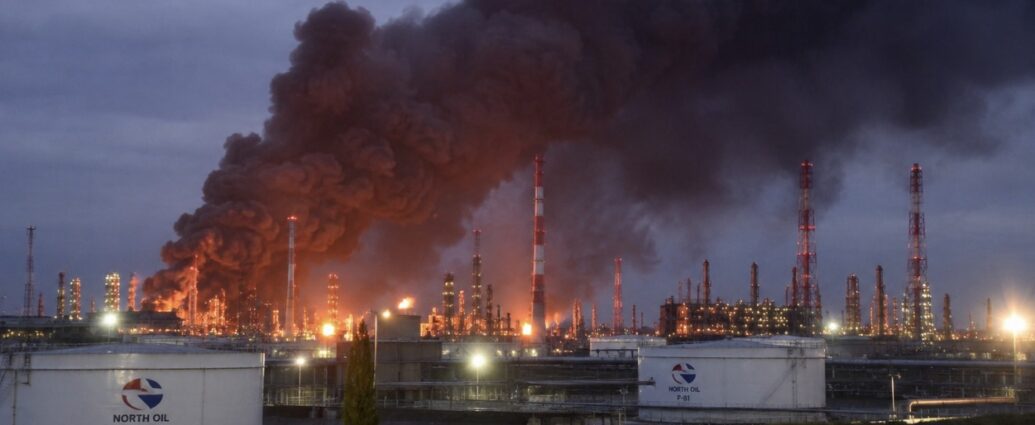
Ukrainian drones struck one of Russia’s biggest fuel-processing plants overnight into Friday, and the damage lands on a global market that already has no spare fuel to give. Ukraine’s General Staff said its forces hit the NOVATEK-Ust-Luga complex at Slobodka in Russia’s Leningrad Oblast, reporting a fire at the site and, on preliminary information, two processing units struck.

What that plant does is simple enough. Gas condensate — a light liquid that comes out of the ground alongside natural gas — arrives by pipeline from Siberia. The complex splits it into naphtha, jet fuel, gasoil and heavy fuel oil, then loads the finished product onto ships bound for foreign buyers. Its capacity runs to nearly 8 million metric tons of raw material a year, split across three processing units of roughly 3 million tons each. Knock out two of the three and roughly two-thirds of the plant’s output stops moving.

Russian officials described a night of heavy drone activity without confirming which building burned. Leningrad Oblast Governor Alexander Drozdenko said air defenses downed 51 drones over the region and that damage was recorded at the port, with firefighters responding; by morning he put the regional tally at 54. Moscow Mayor Sergei Sobyanin said 10 more were downed approaching the capital, with no casualties reported in either place.

This was not a one-off. It marks the sixth strike on Ust-Luga since March, following the first major hit on the NOVATEK complex overnight on 24–25 March and repeat waves on 27, 29 and 31 March, plus a July raid that reached the wider St. Petersburg port area. It also came two days after Ukrainian drones hit the Sheskharis terminal at Novorossiysk on the Black Sea.

The reason a fire in northwest Russia shows up on an American receipt is arithmetic. Ust-Luga is Russia’s largest Baltic port and handled 47.4% of the Baltic basin’s cargo turnover as of January 2026, and together with Primorsk it normally moves about 40% of Russia’s seaborne oil exports. Call it two barrels in every five that Russia ships by sea.

Russia has spent this year losing the ability to turn its own crude into usable fuel. Ukrainian strikes have driven Russian crude processing to its lowest level since 2005, forcing Moscow to halt exports of gasoline, jet fuel and diesel and to start importing fuel to cover its own drivers. The barrels Russia used to sell as finished diesel now have to come from somewhere else, and that somewhere else is already stretched thin by the Iran conflict and the Hormuz bottleneck.

The strain is visible in the data. Global refinery crude runs stood at 80.9 million barrels a day in July, nearly 5 million below a year earlier, and the International Energy Agency reported that tighter light and middle distillate markets pushed Atlantic Basin refining margins to record highs. The agency now projects a 1.8 million barrel-a-day oil deficit for the current quarter. Crude itself has been the calmer part of the story: Brent traded near $87 a barrel on Friday and West Texas Intermediate near $81. The squeeze is in the refined fuel, not the raw material.

American households are already paying for it. Gasoline averaged $4 a gallon and diesel $5.40 in the second week of August, both record seasonal highs, against $3.20 and $3.70 respectively a year ago. Gasoline is up roughly one dollar in four from last summer. Diesel is up close to half again — the fuel that moves groceries to the shelf, packages to the door and produce out of the field. Trucking companies do not absorb that; it arrives later as a slightly higher price on almost everything hauled.

There are offsets in motion. Refiners in the United States, India and the Middle East are picking up export business that Russia can no longer serve. American forces have expanded tanker escort capacity through the Strait of Hormuz, with Washington estimating as much as 9 million barrels a day still transiting the waterway, and US crude inventories jumped 17.4 million barrels last week. Both the IEA and OPEC have trimmed their demand forecasts, with OPEC cutting 2026 growth to 580,000 barrels a day in its fourth straight downward revision — high prices doing their usual work of cooling consumption. The Energy Department expects gasoline and diesel to ease later this year, though it still forecasts levels well above seasonal norms.

Repair timelines are the variable that matters next. After earlier strikes on this same complex, a single damaged unit took weeks to restart and the worst-hit equipment took months. Until those units are running, the barrels Ust-Luga was supposed to send to market simply are not there, and the American diesel pump keeps carrying the difference.

JBizNews Desk | New York

© JBizNews.com All Rights Reserved. Reproduction or distribution without written permission is prohibited.
American investigators are examining whether money tied to a Shanghai-based businessman with longstanding links to pro-Beijing organizations helped finance groups involved in pro-Palestinian demonstrations in Britain, widening a U.S. foreign-influence inquiry that had already reached activist organizations operating inside the United States.

The investigation centers on Neville Roy Singham, an American technology millionaire who lives in Shanghai and has financed a network of nonprofit and activist organizations across several countries. U.S. lawmakers have spent years examining whether that network has acted independently or whether some of its political activity has advanced the interests of the Chinese Communist Party.

The latest scrutiny reaches into Britain.

According to reporting by The Telegraph, a British company connected to the U.S.-based activist organization Code Pink received more than $250,000 in 2020 and 2021 from entities suspected of being part of Singham’s funding network. The same company received another $94,950 in 2024 from a fund also believed by investigators to be connected to that network, with the payment described as compensation for consulting services.

Those financial transfers do not establish that Beijing financed pro-Palestinian demonstrations, and investigators have not publicly produced evidence showing that the Chinese government directly paid organizers of the marches.

That distinction is important.

What authorities are examining is whether money originating within a private funding network closely associated with Singham eventually reached organizations engaged in political activity that aligned with Chinese foreign-policy interests — and whether any of those relationships required disclosure under U.S. foreign-agent laws.

Code Pink has become part of that inquiry because of both its funding relationships and its political activity. The organization has encouraged participation in large pro-Palestinian marches in Britain and has organized demonstrations outside the British Ministry of Defence and the London offices of a weapons manufacturer.

Singham is married to Jodie Evans, one of Code Pink’s founders.

The financial relationship has drawn increasing attention in Washington. Senate Judiciary Committee Chairman Chuck Grassley said last year that evidence suggested Code Pink and The People’s Forum had been “funded and influenced” by Singham and the Chinese government and asked the Justice Department to examine whether the organizations should register under the Foreign Agents Registration Act.

Sen. Tom Cotton separately asked the Justice Department in November 2025 to investigate Code Pink, saying the organization had received more than $1.4 million since 2017 from sources linked to Singham. Cotton said that represented roughly one-quarter of the group’s funding during the period he examined.

Those claims remain allegations, not findings of criminal wrongdoing.

The inquiry surrounding Singham has nevertheless moved beyond congressional letters.

A federal grand jury in New York is investigating Singham and financial activity involving nonprofit organizations associated with his network. CBS News reported in July that investigators were examining possible violations of the Foreign Agents Registration Act as well as tax and nonprofit-financing issues.

The House Ways and Means Committee has also intensified its investigation. Chairman Jason Smith said in June that a federal grand jury had begun issuing subpoenas as part of the Justice Department inquiry, while congressional investigators have separately sought records involving tens of millions of dollars flowing through organizations tied to Singham.

At the center of the legal question is not whether an American citizen may finance controversial political causes. That is generally protected activity. The issue is whether organizations were acting at the direction or under the influence of a foreign government while engaging in political activity in the United States without making disclosures required by federal law.

Foreign Agents Registration Act cases are built around control, direction and transparency, not simply whether a donor lives overseas or holds views favorable to another country.

Singham has denied acting on behalf of China. He has said he is not a member of any political party, does not represent any government and supports the organizations in his network because of his own political beliefs.

Code Pink has likewise denied receiving funding from the Chinese Communist Party. Co-founder Medea Benjamin has said the organization does not take money from the CCP, and the group has rejected congressional allegations that its activism is controlled by Beijing.

That leaves investigators with a difficult financial trail to establish.

Private foundations, donor-advised funds, nonprofit entities and companies can move money through multiple layers before it reaches the organization that ultimately spends it. A payment originating from a Singham-associated organization is not automatically a payment from the Chinese government, which is why investigators are examining the relationships behind the transactions rather than simply following the final bank transfer.

The British connection raises the stakes because it suggests the inquiry may no longer be limited to political activity inside the United States.

If investigators establish that a common funding network supported activist organizations operating in multiple Western democracies, the question becomes broader than Code Pink or any individual protest. Governments would have to determine whether foreign political influence is being exercised through organizations that outwardly operate as domestic grassroots movements.

For pro-Palestinian demonstrators themselves, there is no evidence that ordinary marchers knew of, received or were directed by any foreign funding network. Hundreds of thousands of people have participated in demonstrations for a wide range of personal, political and humanitarian reasons.

The unresolved question sits farther upstream: who financed the organizations helping mobilize parts of that movement, where that money ultimately originated, and whether anyone else was directing how it was used.

That is now what investigators in Washington are trying to find out.

JBizNews Desk | Washington

© JBizNews.com All Rights Reserved. Reproduction or distribution without written permission is prohibited.

A young couple restart their life together in a mountainous corner of Greece, a region of wild beauty facing environmental changes.

This post was originally published here. 

Sicily’s busiest airport has now been shut for five straight days because volcanic ash and jet engines cannot occupy the same sky. Ash from Mount Etna has closed Catania’s airport for a fifth consecutive day, stranding holiday travelers during the biggest travel week of the year, and the airport will stay closed until early Saturday — Ferragosto, the August 15 holiday at the peak of the Italian summer season. Etna sits 30 kilometers, about 20 miles, from the runway, and while its activity interrupts flights there regularly, this is the longest such emergency since 2002.

The hazard is mechanical, not theoretical. Volcanic ash is pulverized rock. Pulled into a jet engine, it melts in the combustion chamber and re-hardens on the turbine blades, which can shut the engine down in flight. So when ash drifts into a flight corridor, aviation authorities close that block of airspace outright rather than let planes pick their way through it. Italian authorities have been shutting the affected sectors around eastern Sicily one at a time as the plume moves, most recently extending the closure to a sector labeled B3, while the National Institute of Geophysics and Volcanology has kept its aviation notice at red, the top level, with vents at roughly 2,750 and 2,360 meters feeding extensive lava fields.

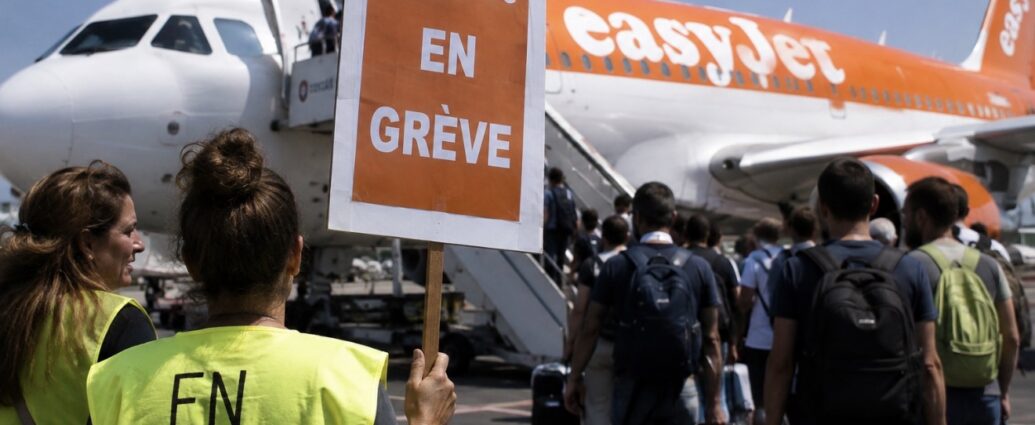
The scale of the disruption is unusual even by Etna’s standards. Between August 6 and 12, roughly 630 flights were diverted to other airports and more than a third of the 1,974 flights scheduled at Catania were canceled. That is better than one flight in three simply erased from the board. Bloomberg put the count at more than 1,350 flights affected over the course of the week. Airport operator SAC’s own figures showed about 400 departures canceled between August 8 and 11 and another 52 on August 12, with roughly 700 flights lost once canceled arrivals are counted. Ryanair, easyJet, ITA Airways and Wizz Air, the four largest carriers at Catania, have absorbed most of the damage.

Passengers have been sleeping in the terminal. Travelers stranded by the prolonged closure have spent days inside the building, bedding down wherever they can and killing time playing cards.

The rest of Sicily is carrying the overflow, and it is showing. On August 12 alone, SAC listed 50 Catania departures leaving instead from Palermo, Trapani and Comiso, with 40 arrivals rerouted to Palermo, 12 to Trapani and five to Comiso; Comiso itself briefly halted flights on the evening of August 11 when ash fell there. Palermo’s mayor said his city’s airport had taken on 190 flights originally booked through Catania, and passengers dumped there complained they got little help getting onward — demand for buses and taxis spiked, and the extra traffic pushed delays at Palermo itself. A traveler landing 130 miles from where the ticket said they were going still has to cross the island, and on Ferragosto weekend that ride is neither cheap nor guaranteed.

The cloud has reached past Italy. A volcanic ash advisory issued Tuesday evening placed the heaviest concentration over Sicily, with thinner ash between eastern Malta and as far south as northern Libya.

For anyone booked through Catania, the practical steps are narrow but they matter. Confirm the flight directly with the airline before leaving for the airport, because the closure has been extended in increments and the terminal has repeatedly filled with people whose flights were already gone. Americans connecting through a European hub should check every leg, not just the transatlantic one — the long-haul segment can operate perfectly while the final hop into Sicily disappears. Under European Union passenger rules, a volcanic eruption counts as an extraordinary circumstance, which means airlines generally do not owe cash compensation for the cancellation. What they do still owe is care and a way out: meals, accommodation where an overnight is forced, and either rerouting or a refund. Passengers should ask for that in writing rather than assume it will be offered.

The repeated shutdowns have also reopened an old argument in Italy about the airport itself. Civil Protection Minister Nello Musumeci has said he flagged the vulnerability of Catania’s Fontanarossa airport back in 1999, when he was president of the Province of Catania and put forward a plan for the site that never won backing. The proposals under discussion run toward hardening Sicily’s secondary fields — Comiso and Trapani in particular — so that eastern Sicily has real capacity to fall back on rather than an overflow arrangement that buckles the moment Etna clears its throat.

Even once the airspace reopens, the airport will not snap back. Aircraft and crews are scattered across four airports and out of position, and clearing a week’s backlog into a holiday weekend takes days, not hours.

JBizNews Desk | Catania, Italy

© JBizNews.com All Rights Reserved. Reproduction or distribution without written permission is prohibited.

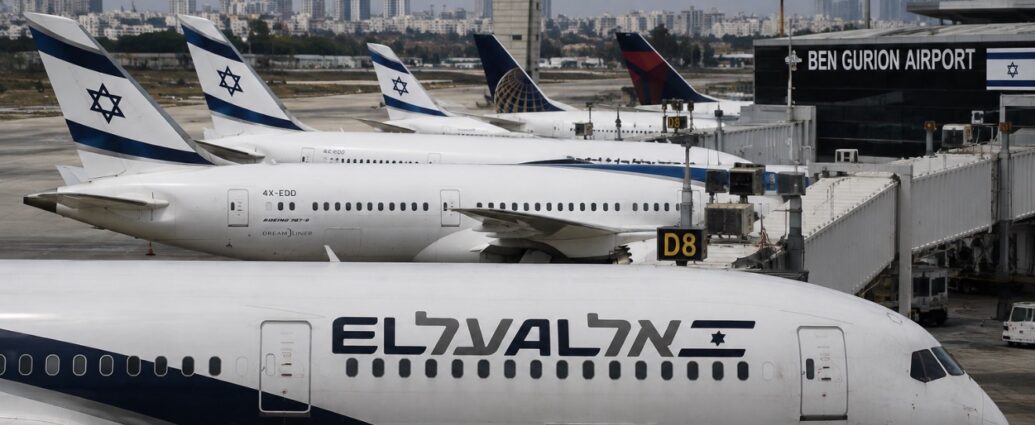
Ben Gurion Airport is pushing through one of its busiest days of the summer with roughly 90,000 passengers and about 600 aircraft movements expected Friday, but the problem is not simply volume. It is timing.

Within a span of just three hours, roughly 90 flights accumulated in a backlog, compressing arrivals and departures into a window the airport’s ground systems were not built to absorb all at once. Passengers were left sitting aboard aircraft after boarding, families waited for hours at baggage claim, and crews struggled to move luggage quickly enough to keep departures on schedule.

The Israel Airports Authority says there is no strike and no shortage of workers. Instead, it describes a traffic-jam problem in the sky that eventually becomes a traffic-jam problem on the ground.

Flights scheduled across an entire day do not necessarily arrive evenly. Restrictions in European airspace, particularly around Greece, can hold aircraft back and then release them in clusters. Add heavy August vacation traffic and continued U.S. aerial-refueling activity consuming airport capacity, and dozens of flights can suddenly arrive or attempt to depart within the same narrow window.

That is what happened Friday.

Once the wave reaches Ben Gurion, the bottleneck spreads quickly. Aircraft need parking stands. Baggage needs to be unloaded. New luggage has to be sorted and loaded. Ground crews must turn planes around, buses have to move passengers where jet bridges are unavailable, and incoming aircraft still need somewhere to go.

When 90 flights stack up in three hours, one delay begins feeding the next.

Passengers reported sitting aboard aircraft for hours after boarding because their luggage had not yet been loaded. Others who had already landed in Israel waited for extended periods beside baggage carousels, including families traveling with children just hours before the start of the Sabbath.

On a Friday in Israel, that timing matters in a way it would not on an ordinary weekday. As the Sabbath approaches, public transportation begins shutting down and observant travelers face a hard deadline to reach their homes, hotels or hosts before sundown. A delay of two or three hours can therefore become more than an inconvenience, leaving passengers without the train or bus they expected to take and forcing last-minute transportation arrangements at the same moment thousands of others are trying to do the same.

For travelers, that distinction matters. A flight can technically be operating and still leave passengers stranded for hours because the aircraft cannot be serviced, parked or cleared quickly enough to depart.

The airport’s congestion also reflects a broader capacity problem that has been building for months.

Israel Airports Authority Director General Sharon Kedmi warned in May that extensive U.S. military aerial-refueling operations at Ben Gurion were consuming a substantial portion of the airport’s available space and operational resources. At the time, he said civilian operations were effectively functioning at about one-third of normal capacity because of the military presence.

Friday’s congestion shows what happens when that reduced flexibility collides with peak summer demand.

European airspace restrictions add another layer. Greece sits directly along major flight paths between Israel and much of Europe, so disruptions there do not have to close Ben Gurion to cause trouble in Tel Aviv. Aircraft held elsewhere can arrive late together, creating precisely the type of concentrated surge that overwhelms baggage handling and parking capacity.

The Airports Authority says reinforced teams have been deployed and that available personnel are working at full capacity despite the summer heat. Transportation Minister Miri Regev described the situation as an unusually complicated combination of normal seasonal congestion, security constraints and wider aviation restrictions.

That does not make the wait shorter for passengers.

The practical lesson for anyone flying through Ben Gurion Friday is that the departure board alone does not tell the whole story. A flight showing as scheduled may still face a lengthy ground delay, while an incoming aircraft arriving late can push the next departure further behind.

For passengers arriving before the Sabbath, there is another clock running. Travelers should not assume that the train, bus or other ground transportation they planned to use will still be operating if their flight or baggage is delayed by several hours. Building extra time into the trip and having a backup transportation plan can make the difference between a difficult arrival and being stranded at the airport as the Sabbath begins.

Travelers connecting through Europe face an additional risk: delays around Greece or elsewhere can distort the entire sequence of aircraft arriving in Israel. Checking the first flight in an itinerary is therefore not enough. Each segment needs to be monitored separately.

The baggage problem can outlast the flight delay itself. When large numbers of aircraft arrive together, bags from one flight can compete for the same handlers, vehicles and carousel capacity as luggage from several others. Passengers who land on time can therefore still spend hours waiting inside the terminal.

And even after the immediate backlog clears, the airport does not simply reset. Aircraft, crews and departure slots are left out of position, meaning delays can continue rippling through the schedule long after the original surge has passed.

Ben Gurion is not closed. It may be something more frustrating for travelers: open, operating and overloaded at the same time — with the Sabbath approaching and far less room for delays than on an ordinary travel day.

JBizNews Desk | Tel Aviv, Israel

© JBizNews.com All Rights Reserved. Reproduction or distribution without written permission is prohibited.
President Donald Trump has imposed tariffs of as much as 100% on imported drones and key components, a sweeping move aimed at reducing U.S. dependence on foreign — particularly Chinese — drone technology and forcing more production onto American soil.

The new tariffs were announced Thursday night and are already moving U.S. drone stocks Friday morning.

The highest rate, 100%, applies to drones considered especially sensitive for national security, including aircraft with a maximum takeoff weight above 25 kilograms, or about 55 pounds, and drones equipped with thermal-imaging capabilities.

Docking stations and certain critical components for those systems will also face the 100% levy.

Smaller and less-sensitive drones will generally face a 25% tariff.

Imports from several U.S. allies will receive lower rates if substantially all of their hardware, software and technology originate within those countries or the United States. Qualifying drones and components from the European Union, Japan, South Korea, Switzerland, Taiwan and Liechtenstein will face a 15% tariff, while qualifying British products will face 10%.

Most of the tariffs take effect 21 days after the proclamation was signed, while tariffs covering some less-sensitive drone components will begin after 180 days.

The administration says the move follows a Commerce Department investigation that concluded the United States is too dependent on foreign suppliers to meet its drone needs, creating vulnerabilities in defense, cybersecurity and critical supply chains.

The White House is also authorizing an onshoring program designed to give companies investing in U.S. drone and component manufacturing preferential treatment.

That could have major consequences beyond the defense industry.

Drones are increasingly used in construction, agriculture, utility inspections, surveying, filmmaking, emergency response, policing, infrastructure maintenance and package delivery.

Companies relying on imported equipment could therefore face significantly higher costs unless suppliers shift production to the United States or qualify for one of the lower tariff rates.

Domestic drone manufacturers immediately benefited.

Shares of Unusual Machines jumped roughly 14% in premarket trading Friday, while Red Cat Holdings rose more than 7% and AeroVironment gained about 3%.

The policy also represents another front in Washington’s effort to reduce Chinese dominance of critical technology supply chains.

China has become the dominant producer of commercial drones and many of the motors, batteries, cameras, communications systems and electronics inside them. Even drones assembled elsewhere can rely heavily on Chinese components.

The new tariffs are designed to attack that dependence at both levels — the finished aircraft and the parts inside them.

For U.S. companies, the calculation now becomes straightforward: continue importing and absorb the tariff, raise prices, change suppliers or manufacture more of the product domestically.

That makes the measure more than another trade dispute.

It is an attempt to rebuild an entire American supply chain around a technology that has rapidly become essential to both modern warfare and everyday business.

JBizNews Desk | Washington

© JBizNews.com All Rights Reserved. Reproduction or distribution without written permission is prohibited.

Commercial shipping through the Strait of Hormuz remained severely restricted Friday morning after two more vessels were attacked, keeping one of the world’s most important energy corridors far below normal traffic levels and renewing pressure on oil prices.

Only nine commercial vessels crossed the strait Thursday, compared with roughly 130 to 140 ships a day before the Iran war.

That means traffic through Hormuz is still running at only a small fraction of normal levels despite limited movement beginning to resume.

The latest disruption followed attacks on two vessels operated by Abu Dhabi National Oil Company while they were transiting the strait. No casualties were reported.

The attacks reinforce the biggest problem facing shipowners: even if a vessel is technically allowed to pass, insurers, crews and operators must decide whether the voyage is worth the physical and financial risk.

That risk is already showing up in energy markets.

Brent crude moved back toward $88 a barrel Friday morning, while West Texas Intermediate also climbed as traders priced in the possibility that Gulf exports could remain constrained longer than expected.

The Strait of Hormuz is one of the most important chokepoints in the global economy.

Before the war, roughly one-fifth of the world’s oil and liquefied natural gas supply moved through the waterway, connecting major producers including Saudi Arabia, the United Arab Emirates, Kuwait, Iraq and Qatar with customers in Asia, Europe and elsewhere.

The disruption is already beginning to redraw global oil flows.

Asian refiners have increased purchases from alternative suppliers, including the United States, as companies try to reduce their dependence on cargoes that must pass through Hormuz.

U.S. crude exports to Asia have risen sharply, giving American producers an unexpected advantage from the disruption.

For businesses that consume fuel, however, the economics move in the opposite direction.

Restricted shipping pushes up tanker rates, marine-insurance premiums, freight expenses and inventory costs even before the higher price of crude itself reaches businesses and consumers.

That means a company does not need to buy oil directly to feel the effect.

Trucking companies pay more for diesel. Airlines pay more for jet fuel. Manufacturers pay more to move raw materials. Retailers eventually absorb higher transportation costs on imported goods.

The important number Friday is therefore not simply the price of Brent crude.

It is nine ships.

Against the roughly 130 to 140 vessels that normally crossed Hormuz every day before the war, the waterway remains effectively operating at emergency levels.

Until commercial traffic begins returning in meaningful volume, Hormuz remains one of the largest unresolved risks hanging over global energy prices, shipping costs and inflation.

JBizNews Desk | Strait of Hormuz

© JBizNews.com All Rights Reserved. Reproduction or distribution without written permission is prohibited.

The yen was hovering around 159.36 per dollar on Thursday, back within sight of the 160 level that has historically signaled Tokyo may step into the market again. That leaves it having given up about half the gains from the rally that followed the record joint yen-buying operation Japan and the United States ran at the end of July. A senior analyst at Gaitame.com Research Institute noted the pair has now completed a 50% retracement of the intervention-driven decline, with the next technical target in the mid-160s.

The reason is not complicated, and it is the same reason the intervention was always going to be a holding action.

American interest rates sit at 3.5% to 3.75%. Japan’s policy rate is 1.0%. Money parked in dollars earns roughly three and a half times what money parked in yen earns. That gap pays a return every single day, to everyone, automatically. An intervention is a one-time purchase — governments spend reserves to buy yen, the price moves, and then the daily arithmetic resumes. Buying a currency once cannot outlast the reason people are selling it.

The scale of what was spent makes the point. Japan’s finance ministry reportedly sold as much as $59 billion to buy yen on July 30, when the currency sat at 40-year lows, and Tokyo and Washington later confirmed they had acted together — the first joint operation since 1998, with Treasury Secretary Scott Bessent and Finance Minister Satsuki Katayama both pledging to repeat it if needed. Other estimates put the Japanese side nearer $75 billion and the much smaller American operation somewhere between $5 billion and $10 billion. The yen began the year at 156 to the dollar, weakened to 163 by late July, strengthened to 157 after the intervention, and was back at 159 by Aug. 11. Tens of billions of dollars bought roughly a week.

Tokyo now appears to be reaching for the tool that actually addresses the gap. Prime Minister Sanae Takaichi’s government supports a near-term rate increase by the Bank of Japan, with September or October the likely timing, according to people familiar with the matter. The central bank is concerned that yen weakness is raising import prices and feeding inflation, and the government sees a rate move as reinforcing the intervention. The prime minister’s office said the choice of tools belongs to the BOJ’s judgment, and that the bank should work with the government toward stable 2% inflation. The BOJ’s summary of opinions from its July meeting flagged growing risks of faster inflation, with one board member suggesting the pace of hikes could quicken.

The yen firmed briefly on that report, to 159.18 from about 159.46, and then went nowhere. There has been little sign of the dollar-selling that a genuinely narrowing rate differential would produce, reflecting persistent underlying dollar demand and a widespread view that a single BOJ hike would not be enough to lift the currency. A quarter-point move against a gap of more than two and a half points does not change the trade.

What Washington got out of helping is worth spelling out, because it is unusual. Japan is the largest foreign holder of U.S. Treasuries, and one economist at Julius Baer wrote that the American motive was likely keeping Treasury yields stable by limiting pressure from Japanese selling. Analysts described the operation as an effort to stop a yen and Japanese government bond selloff from spilling over into already-rising U.S. yields. That makes the yen a borrowing-cost story for American companies, not just an exchange-rate story.

There is also a case that the framing itself is off. One analysis this month argued the yen market is not actually disorderly — volatility is not extreme, spreads are not gapping and business is getting done — and that what markets are really pricing is doubt about Japanese policy: an accommodative central bank fueling the carry trade, a bank that owns half of all Japanese government bonds, and an administration planning to expand spending on technology, defense and consumption. Japan’s dependence on imported energy makes the Iran war a further drag on the currency. Dollar-priced oil bought with a falling yen compounds both problems at once.

For businesses on this side of the Pacific, the practical read is that Japanese-made goods, components and machinery stay cheap in dollar terms, and that anyone selling into Japan keeps facing a customer whose purchasing power is shrinking. The weak yen is squeezing Japanese real incomes and has become a political problem at home.

One currency strategist at MUFG put the bind plainly: recent price action makes it hard for the BOJ to skip a September hike without disappointing the market and inviting more yen selling. The central bank has been maneuvered into raising rates to defend a currency rather than to manage its economy. Whether that is enough depends less on Tokyo than on the Federal Reserve, where market pricing has pointed to the possibility of another hike this year — which would widen the gap again and undo the whole exercise.

JBizNews Desk | Tokyo

© JBizNews.com All Rights Reserved. Reproduction or distribution without written permission is prohibited.

Here is how the scheme works. A software developer sitting in Pyongyang, China or Russia applies for a remote American IT job using the name, Social Security number and date of birth of a real American whose identity was stolen or rented. Artificial intelligence writes the résumé and cover letter, and pastes the applicant’s face onto forged identity documents. When the video interview comes, AI generates a live deepfake so the face on screen matches the stolen paperwork. Once hired, the company ships a laptop to a U.S. address belonging to a paid American accomplice, who plugs it in and installs remote-access software so the login traffic looks like it is coming from Phoenix rather than North Korea. The salary lands in a U.S. bank account, and the bulk of it is wired to the regime.

That pipeline has now reached inside the federal government. Todd Hemmen, deputy assistant director of the FBI’s Cyber Division, disclosed during a July 28 panel at the Digital Government Institute’s conference in Washington that the bureau had identified a North Korean remote IT worker employed by the federal government the week prior. The individual reportedly worked for the agency for several months before being detected. The FBI has not named the agency or described the worker’s duties, and it remains unclear whether sensitive information was accessed or taken. The case marks a rare confirmed instance of a sanctioned North Korean working inside a government agency.

The disclosure landed days after Washington and its allies escalated their warnings to American employers. On July 31, authorities from eleven countries — the United States, Japan, South Korea, the United Kingdom, Australia, Canada, New Zealand, France, Germany, Italy and the Netherlands — issued a joint alert urging companies to strengthen identity verification and hiring controls, warning that the labor was generating foreign currency for Pyongyang’s nuclear weapons program. It was the first time France, Germany, Italy and the Netherlands co-signed a warning on this specific threat, a signal that the targeting has spread well beyond American and South Korean employers.

The dollar figures already established in U.S. courtrooms explain the urgency. An Arizona woman, Christina Chapman, helped North Korean workers obtain jobs at 309 U.S. companies including Fortune 500 corporations, using 68 identities stolen from American victims, and was sentenced to eight and a half years in prison in a scheme that generated more than $17 million for the regime. In a separate case, Kejia Wang of Edison, New Jersey, and Zhenxing Wang were sentenced for placing North Korean workers at more than 100 U.S. companies using the stolen identities of at least 80 Americans, producing over $5 million for the North Korean government. Kejia Wang received 108 months. The cleanup cost businesses in 28 states and the District of Columbia at least $3 million in legal fees and computer remediation. The FBI said eight individuals have been sentenced to prison in 2026 alone.

The exposure is broader than the prosecutions suggest. Security researcher Stykas told WIRED ahead of a Black Hat briefing that he found evidence of 1,640 companies across 57 countries affected by North Korean operations, with roughly 700 to 800 suffering damaging intrusions including root-level access to servers and cloud environments. CrowdStrike reported that the North Korea-linked group it tracks as Famous Chollima accounted for 47% of all state-backed hands-on-keyboard intrusions against the technology sector between April 2025 and March 2026. The workers are not only collecting salaries. They have also stolen proprietary data from U.S. companies and used it for extortion.

For employers, the practical fix starts at the point of hire, not at the firewall. The joint alert recommends rigorous review of identification documents, a preference for in-person interviews or closely scrutinized live video, and monitoring systems that flag anomalous account behavior — frequent changes to names or bank details, payment accounts whose names do not match the employee, multiple accounts sharing an identification document or IP address, altered identity images, unnaturally long login sessions, and profiles full of translation errors. Payment preferences are a recurring tell: applicants who refuse direct deposit and ask instead for money transfer services, cryptocurrency, or wages routed to a third party.

The harder problem is that the one control most hiring managers trusted has been compromised. The alert lists in-person interviews as an example of stronger verification, but also warns that third-party proxies may sit for interviews or make in-person contact on the operative’s behalf — in one documented case, a real American walked into a facility with a genuine government ID and passed screening for someone he had likely never met. Hemmen said AI now runs through the entire operation, from application through employment.The federal case suggests gaps in government hiring and contractor vetting despite years of warnings

, and it moves the question out of the security department and into human resources. Verification of who is actually doing the work — not just who appeared on the call — is now a continuing obligation rather than a one-time check at onboarding.

JBizNews Desk | New York

© JBizNews.com All Rights Reserved. Reproduction or distribution without written permission is prohibited.
Iran makes its money selling oil. Right now it can barely sell any, because American warships are sitting at the only door out.

Treasury Secretary Scott Bessent said this week the United States is preparing economic measures against Iran “that have never been seen.” He described the plan as “economic isolation like the world has never seen,” combined with the ongoing blockade at the Strait of Hormuz that keeps anything from moving in or out of Iranian ports.

Here is why that hurts. Nearly every barrel Iran sells has to travel through the Strait of Hormuz — a narrow neck of water at the mouth of the Persian Gulf, with Iran on one side. There is no back door. No pipeline that gets around it, no land route big enough to matter. When the U.S. Navy stops ships from reaching Iranian ports, Iran’s main source of income simply stops arriving. And it works the other direction too: the goods Iran needs to import can’t get in either.

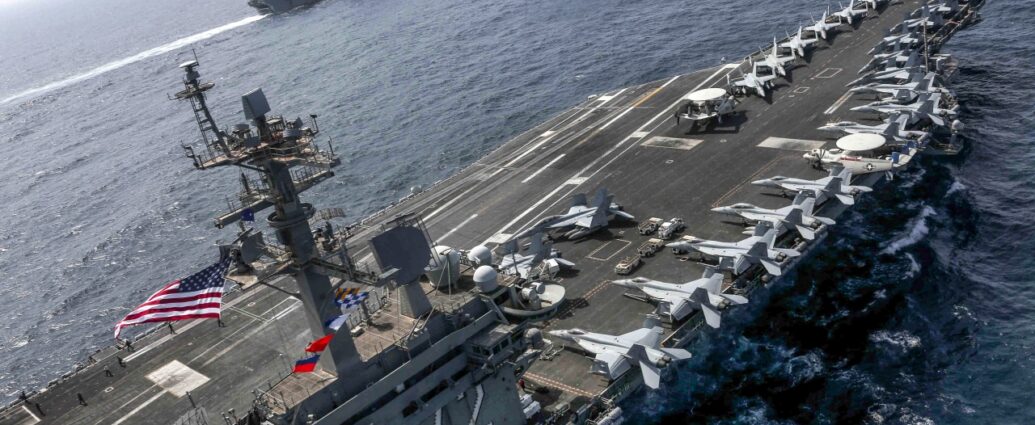
Secretary of War Pete Hegseth said Thursday the military can keep it up indefinitely, because the Navy has enough ships to rotate fresh ones in as tired ones come home. One of those swaps is happening now — the carrier USS George Washington is on its way from the Pacific to relieve the USS Abraham Lincoln, which has been at sea since November. The point is not the ships themselves. The point is that the blockade doesn’t have an expiration date built into it.

You can see the pressure landing by watching what Tehran does. Iran announced Thursday it is joining the BRICS New Development Bank, with its central bank governor saying the country wants monetary cooperation with member states. That is a government looking for a new way to move money because the old ways are shut. Iran’s military command, for its part, has declared that no ship may pass through the strait without Tehran’s permission — a statement, not a fact on the water. Traffic through the waterway stays severely constrained and the world is drawing down its oil stockpiles.

Now the part that matters at your kitchen table, because pinching Iran pinches the shipping lane everybody else uses.

Fertilizer prices paid to manufacturers are up more than 20% from a year ago, and nitrogen fertilizer is up 46%, tied to the disruption in that strait. Fertilizer is what farmers put in the ground now to grow what you buy next year, so that number is a preview of future grocery bills. Diesel has passed $7.50 a gallon in some states, and diesel is what moves every product in America from the port to the shelf. Inflation ran 3.4% in July. Before the war started, it was 2.4%. That extra point is roughly what the conflict is costing an average household.

There is a bright spot, and it’s a real one. Oil prices have been falling — crude traded around $81 a barrel Thursday — because traders long ago factored in the blockade. Only news that changes how long it lasts moves the price now, and the market has stopped fearing a sudden shock.

What comes next is the piece Bessent left blank. He didn’t say what the new economic measures are. In practice, “isolation the world has never seen” means going after the workarounds: the buyers still quietly taking Iranian cargo, the shipping companies that move it, and the banks that settle the payments. That is a slower squeeze than a blockade, but a harder one to escape, because it follows the money instead of the ship.

For American families, the honest bottom line is that the pressure campaign is working on Iran and costing us something too. Iran is scrambling for financial lifelines. Americans are paying about a point of extra inflation. Both those things are true at once, and Thursday’s statements from Treasury and the Pentagon say the arrangement holds for a while yet.

JBizNews Desk | Washington, D.C.

© JBizNews.com All Rights Reserved. Reproduction or distribution without written permission is prohibited.

Crude oil from the Middle East is landing on American docks again for the first time in months, and the barrels have already shown up in the government’s books. U.S. crude imports averaged 7.3 million barrels a day in the week ended Aug. 7, up 1.14 million barrels a day from the week before — enough to push commercial crude inventories 17.4 million barrels higher, to 424.4 million, the largest one-week build since January 2023 against a market that had been looking for a small drawdown.

Put in everyday terms, the country took in roughly an extra day’s worth of refinery feedstock in a single week, after months of running the tanks down.

One of those cargoes came ashore in the tri-state area. The Liberia-flagged tanker Aqualoyalty, chartered by New Jersey refiner PBF Energy, loaded at Egypt’s Sidi Kerir terminal and unloaded about 750,000 barrels at Paulsboro, New Jersey. The supertanker Front Gaula took on Saudi crude at the Red Sea port of Yanbu and sailed for the United States by way of the Suez Canal.

Getting Saudi oil to America now takes a detour that would have made no sense two years ago. Instead of loading on the Persian Gulf side and running the Strait of Hormuz, Saudi Arabia pipes crude across the country on its East-West line to Yanbu on the Red Sea and ships it out from there. A fully loaded supertanker cannot fit through the Suez Canal, so the vessel offloads part of its cargo into Egypt’s SUMED pipeline on the Red Sea side, sails through light, and picks the barrels back up on the Mediterranean side. It is slower and costlier than the old route, and it works.

The other source of the surge was a window that opened and closed. A memorandum signed by Washington and Tehran in June briefly freed vessels that had been penned up at Hormuz, and American refiners and traders bought what came out. Combined with the Yanbu route, that puts U.S. imports of Middle Eastern crude on track for roughly 600,000 barrels a day this month, the most since the war started.

That figure is worth keeping in proportion. The United States averaged 490,000 barrels a day of Middle East Gulf crude in 2025, about 8% of its total crude imports — closer to 1 barrel in 13. Even at this month’s higher pace, Gulf oil is a supporting player in American supply, not the main event. What it does supply is a specific grade: medium sour crude that Gulf Coast and West Coast refineries are built to run, with the West Coast taking nearly half of it because it has little pipeline access to Canadian barrels.

The relief is real but uneven. Gasoline stockpiles fell by about a million barrels in the same week, to 208.7 million, and remain 6% under their five-year average, with distillate — diesel and heating oil — running roughly 12% under. Refineries were operating at 96.2% of capacity, which is close to flat out. Crude is arriving faster than the plants can turn it into fuel, so the surplus is sitting in tanks rather than showing up at the pump.

Prices moved the way the numbers suggest. Brent was near $88.52 a barrel when the inventory report landed and West Texas Intermediate was around $82.76, and crude slipped toward $82 on Thursday, ending a five-day advance. The International Energy Agency still sees the world short about 1.8 million barrels a day this quarter. A full American storage tank does not fix a global shortfall; it buys American refiners time.

The traffic is also running in the other direction. At least two dozen empty supertankers have been signaling U.S. ports as their destination, coming to load American crude for buyers in Asia and Europe who lost their usual Gulf barrels. Redirecting Saudi cargoes to the United States has tightened supply for Asian refiners, who have turned to U.S. oil to fill the hole. U.S. crude exports actually fell 627,000 barrels a day in the same reporting week, which is part of why the domestic build was so large.

Whether the flow holds depends on the strait. Gulf crude and condensate exports were still running about 40% below pre-war levels in July, at roughly 10.7 million barrels a day, with traffic through Hormuz and Bab el-Mandeb well under normal and attacks on vessels increasing. Talks on reopening the waterway remain stuck, and the administration is moving toward tighter sanctions and continued enforcement of the naval blockade on Iranian ports.

For now, the practical answer for American refiners is the one already on the water: buy the barrels that can reach the open sea without passing Iran, pay the extra freight and canal costs to move them the long way around, and keep the tanks full while the window is open. Paulsboro got its cargo. The next one is a longer sail than it used to be.

JBizNews Desk | New York

© JBizNews.com All Rights Reserved. Reproduction or distribution without written permission is prohibited.
Israeli soldiers whose job is to sit and watch the Gaza border said Thursday that they are seeing armed men move freely and plant explosives on the Hamas side of the line — and that nothing is being done with what they report. Several told Channel 12 the feeling is the same one they had in the months before the October 7, 2023, attack, when their warnings went nowhere.

The line they are watching is the Yellow Line, the boundary drawn under the October 2025 ceasefire that splits Gaza between the area Israeli forces hold and the area Hamas still controls. Israeli troops sit on one side of it. The soldiers say armed operatives on the other side have worked out that they will not be fired on, and are testing that boundary a little further each day.

The complaint carries particular weight because of who is making it. The lookouts, known in Hebrew as tatzpitaniyot, are mostly young women serving in IDF Unit 414. Before October 7 they repeatedly flagged Hamas fighters rehearsing an assault, and were dismissed; some of them later said the fact that they were women was part of why. Five of them were killed and seven taken captive when Hamas overran the Nahal Oz base that morning. Noa Marciano was killed in captivity, Ori Megidish was rescued by troops, and the remaining five came home in later ceasefire exchanges.

Their frustration now is the same. One soldier said she feels helpless watching activity she cannot stop. Another questioned the point of monitoring a screen for eight hours a day if nothing follows from what she identifies. Others said their bigger worry is for the combat troops posted only a few hundred meters from the men they are watching.

The restraint they are running into is deliberate, and it is diplomatic rather than military. Israel quietly stopped striking in Gaza for more than a week while the United States pressed a plan to disarm Hamas. That pause ended Wednesday with a strike on a Hamas commander in northern Gaza. Strikes widened Thursday: the IDF said it killed a Hamas company commander, identified in Palestinian media as Hudhaifa Kawarea, in a hit on a motorcycle west of Khan Younis, and a second strike in Gaza City killed Jamal Abu Kamil, head of police for the Gaza City district, whom the army said took part in the October 7 invasion.

What is meant to fix the situation on the border is the disarmament plan itself, and next week it gets its most senior push yet. A Board of Peace official said Jared Kushner, board high representative Nickolay Mladenov and executive board member Tony Blair are due to land in Israel on Sunday, Aug. 16, before traveling to Cairo, where the Palestinian technocratic committee slated to administer Gaza has been meeting for months. The date is not yet locked down.

The trip has two goals. The first is to get Israel to reinstate its halt on strikes and to meet the humanitarian obligations it took on in the October 2025 ceasefire. Once that happens, the Board of Peace believes it can go to Hamas and start collecting weapons.

The obstacle is political. Hamas accepted the 15-point disarmament framework two weeks ago. Netanyahu then rejected it publicly, saying Israeli forces will not pull back any further until Hamas has actually given up its weapons. Board of Peace officials have signaled they are watching Israeli conduct rather than Israeli speeches, noting that the strikes had in fact stopped. An Arab diplomat familiar with the talks doubts real movement is possible until Netanyahu walks the rejection back, which is improbable with Israel’s election set for October 27.

The commercial stakes sit behind all of it, because reconstruction money does not move until the security question is settled. One piece did move Thursday: EU foreign policy chief Kaja Kallas said Israel has extended the mandate for the bloc’s monitoring mission at the Rafah crossing between Gaza and Egypt through the end of June 2027, along with an EU program that trains Palestinian police and advises on rebuilding Gaza’s court system. The mission, staffed by police from Italy, Spain and France, was set up in 2005, shelved for nearly two decades after Hamas seized Gaza in 2007, and restarted in February. More than 10,000 people have crossed since. Israel had let the authorization lapse in late June as relations with Brussels soured over the war.

For the soldiers on the border, none of that changes the view on the screen. They are watching a line that is being probed daily, under orders that keep them from responding — and saying out loud that they have seen this pattern before.

JBizNews Desk | Jerusalem

© JBizNews.com All Rights Reserved. Reproduction or distribution without written permission is prohibited.

Air India began mandatory drug testing for every one of its pilots on Thursday, after the captain of an August 4 Phuket-Delhi flight tested positive for marijuana. More than 5,000 pilots at Air India and Air India Express are covered. Not a sample, not a spot check — 10 out of 10 pilots, one time.

India’s standing rule requires airlines to randomly test at least 10% of flight crew each year. That is 1 pilot in 10. Air India told pilots in a memo that it nevertheless felt it was important to go further. The random program continues under Directorate General of Civil Aviation guidelines, with Thursday’s screening layered on top as a one-time event.

American carriers run at more than double that rate, every year, permanently. The Federal Aviation Administration’s 2026 minimum is 25% of safety-sensitive employees randomly drug-tested annually, plus 10% for alcohol. That is 1 pilot in 4 for drugs and 1 in 10 for alcohol. Selections must be random, unannounced and spread across the calendar, so nobody can predict when the call comes. Board a Delta, United or American flight and there is roughly a 1-in-4 chance the captain was pulled for a surprise test in the past twelve months.

Run the math over a career and the gap widens. A U.S. pilot flying 20 years can expect about 5 random drug tests. An Indian pilot on the 1-in-10 rule can expect about 2.

The American net is also wider than the random pool suggests. Pilots are tested before hiring, after an accident, when a supervisor has reasonable suspicion, and on a follow-up schedule for years after any prior violation. The requirement covers flight attendants, dispatchers, mechanics, flight instructors, security personnel and air traffic controllers, not only the cockpit.

The tests Air India is running screen for substances and medications prohibited under aviation rules, and are being administered alongside training at the airline’s Gurugram academy, at briefing centers after flights, and at locations tied to pilots’ home bases.

The penalties separate the two systems most sharply. In India, a first confirmed positive does not automatically cancel a pilot’s license — the pilot is referred to a rehabilitation program and can return to flying after completing it. In the U.S., a verified positive or a refusal to test can cost the job and the certificate, and a second verified positive permanently bars that person from the safety-sensitive role. Marijuana counts even for pilots in states where it is legal to buy, because the program is federal.

Very little turns up. The FAA may hold the rate at 25% only if the industry-wide positive rate stays under 1%. In 2024 it came in at 0.816% — about 1 positive in every 120 tests. The alcohol violation rate was 0.131%, closer to 1 in every 800.

For U.S. travelers, the practical distinction is which carrier they are on. The federal testing rules apply to airlines certificated in the United States to operate under Part 121 or Part 135. A foreign carrier flying into Newark, Kennedy, Chicago or San Francisco sits outside that pool. Its pilots are tested under their home regulator — for Indian carriers, 1 in 10 a year, and rehabilitation rather than revocation on a first positive.

The incident that triggered the sweep is still open. Both pilots were pulled from the flying roster after mandatory post-flight screening, and India’s Aircraft Accident Investigation Bureau is treating the August 4 flight as a serious incident, with Airbus and France’s air safety investigation bureau assisting.

Air India carries reputational weight into this. The airline is still under scrutiny from the June 2025 Ahmedabad crash, and a marijuana-positive commander on a flight that also suffered a technical fault compounds it. Testing all 5,000-plus pilots at once buys a clean baseline the carrier can show passengers and regulators.

It does not move the standard. The 1-in-10 requirement remains the rule in India. Raising it would take the Directorate General of Civil Aviation, the way the FAA sets and reviews the American rate every December.

JBizNews Desk | New York

© JBizNews.com All Rights Reserved. Reproduction or distribution without written permission is prohibited.

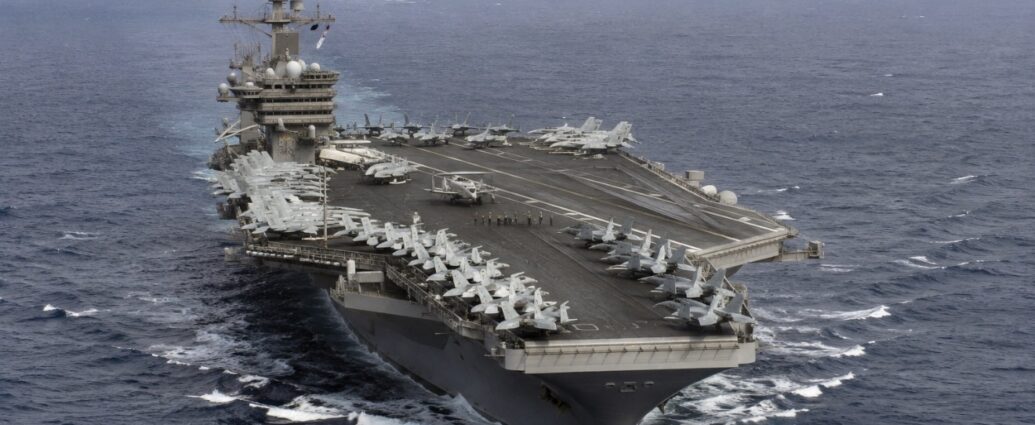
The U.S. Navy is preparing to send a replacement aircraft carrier into the Middle East, moving the USS George Washington in to take over the work the USS Abraham Lincoln has been doing since the winter. The handoff has not happened yet, and officials say it was scheduled before the current round of public complaints about life aboard the Lincoln. Swapping carriers takes several weeks on its own, because the incoming and outgoing ships operate side by side for a stretch before the older one pulls out.

The Lincoln’s numbers explain why a fresh ship is coming. It left on deployment in November and was rerouted to the Middle East in January, just ahead of the U.S. war with Iran. That has put it past 250 days deployed, including roughly 200 days without a single port call. A normal carrier deployment runs about six to seven months and includes regular port stops to resupply food and give crews a break. The Lincoln has run roughly a third longer than that, with none of the pauses.

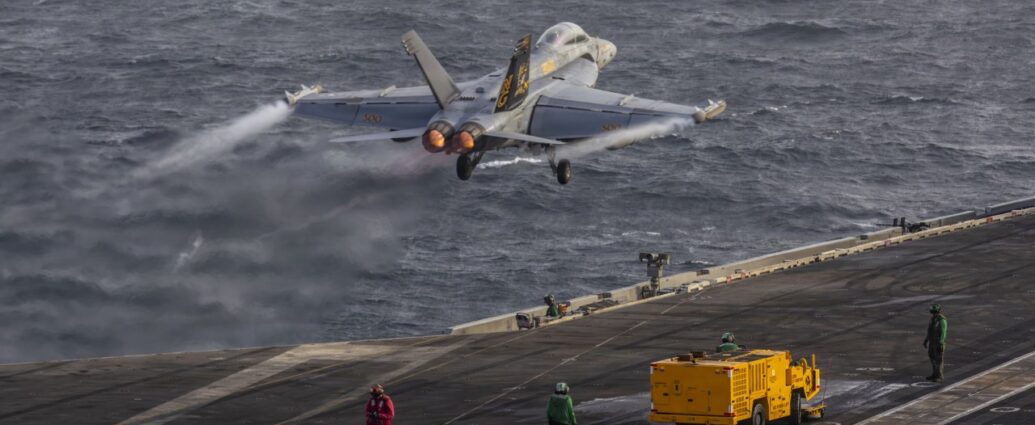
What the ship has been doing is, at bottom, an economic mission. The Lincoln flew a central role in the U.S. bombing campaign against Iran and has since worked the naval blockade of Iranian ports. The USS George H.W. Bush is also in the Arabian Sea as part of the effort to pressure Tehran into reopening the Strait of Hormuz, where hundreds of ships sit stuck. That waterway is the only way in and out of the Persian Gulf, and it normally carries about a fifth of the world’s oil.

Traffic there is a fraction of what it was. Ship-tracking data showed between eight and 15 vessels crossing the strait on each of the first days of August, against roughly 130 transits a day before the war — closer to 1 in 10 than to anything like normal commerce. Every one of those missing transits is cargo that has to go somewhere else, at a longer distance and a higher insurance cost, which is why the war shows up on freight bills and fuel receipts far from the Gulf.

Oil is carrying the strain without panic. Crude slipped toward $82 a barrel Thursday after a five-day run, as traders weighed whether any deal to reopen the strait is close. The International Energy Agency’s latest monthly report put the global market short by 1.8 million barrels a day this quarter, even as U.S. crude inventories jumped 17.4 million barrels in a week, the biggest build since early 2023. Tight supply abroad, unusually full tanks at home.

On the other side of the ledger, the blockade is doing measurable damage to Iran’s revenue. The administration has put the cost to Tehran at roughly $500 million a day, and the Pentagon estimated Iran had lost about $4.8 billion in oil revenue by the start of May. Keeping that pressure on is exactly what requires a carrier parked in the region, which is why the Navy is replacing the Lincoln rather than simply bringing it home.

The replacement comes with a trade-off in Asia. The George Washington is permanently assigned to the Pacific as the Navy’s forward-deployed carrier with the 7th Fleet, and the service describes it as the symbol of the U.S. commitment to a free and open Indo-Pacific. The ship and its strike group were in the Strait of Malacca on Thursday. Moving it west shifts American naval weight out of the shipping lanes that carry most of Asia’s trade at a moment when Washington is trying to watch China, North Korea and Iran at once.

Congress has been pressing on the crew question for weeks. Rep. Marlin Stutzman, an Indiana Republican, said he intends to seek a Pentagon update, saying sailors need to know they are being properly cared for. Rep. Mike Levin, a California Democrat, said personnel in their ninth month of deployment have earned rest. Sailors and their families have described food shortages and the toll of months at sea without a break. Secretary of War Pete Hegseth said Thursday that conditions aboard the ship had been misrepresented, telling reporters in Panama that every crew is given everything the department can provide. The Navy said it takes personnel health seriously and has medical, mental health and religious staff aboard to address concerns.

The clock from here is measured in weeks, not days. Once the two carriers overlap and the swap is finished, the Lincoln faces a trip of at least two weeks back to its home base in San Diego — and then, almost certainly, a long stretch in the yard. Ships run this hard come back needing work, and every extra month at sea today turns into shipyard time and maintenance spending later. That bill lands well after the headlines about this rotation have passed.

JBizNews Desk | Washington

© JBizNews.com All Rights Reserved. Reproduction or distribution without written permission is prohibited.
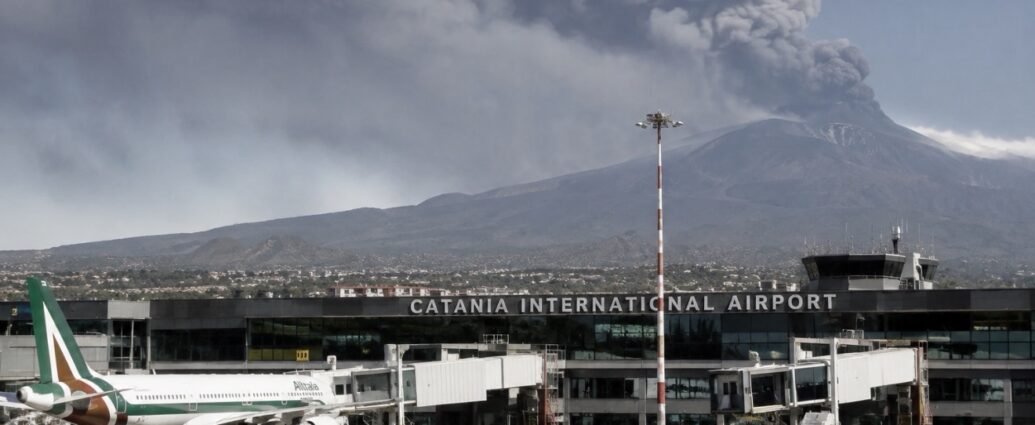
A very large crude carrier capable of loading about 2 million barrels was moored at one of Ju’aymah’s single-point moorings on Tuesday, according to an image from the European Union’s Sentinel 2 satellite. It is the first such sighting at Saudi Arabia’s main Persian Gulf export terminal in almost a month. The last vessel seen there was in mid-July, though the satellite does not pass over every day, so ships may have called without being photographed.

A second tanker appeared in the same images about 20 miles south, at the Ras Tanura sea island. Its dimensions mark it as a Suezmax, good for roughly 1 million barrels — the second ship spotted at that berth this month, after a smaller Aframax a week earlier. Between the two vessels, about 3 million barrels.

The reason this counts as news is that nobody can simply look it up anymore. Since the Iran war began in February, most ships in the region have stopped transmitting automated position signals. Tracking the world’s largest oil exporter now depends on orbital photographs and inference. That is the state of transparency in a market where roughly 1 barrel in every 5 of global supply moves through the Strait of Hormuz.

Saudi Arabia is working two export routes at once and both are under threat. The Persian Gulf side reopened in late June when Aramco resumed loadings at Ras Tanura after a halt of nearly four months, following the March drone attack on the refinery there — a plant that processes more than half a million barrels a day. The Red Sea side, out of Yanbu, became the release valve while Hormuz was effectively shut. Then Houthi forces declared a blockade of Saudi vessels and struck tankers in the Bab el-Mandeb, closing the alternative.

Prices have moved in a range that would once have been a decade’s worth of volatility. Brent hit $115 in late March. It fell to roughly $70 by early July on the interim U.S.-Iran deal. It crossed $100 again in late July after the tanker attacks, a swing of more than 40% in a month. Brent traded near $87.92 on Thursday, down about 1.2% on the day but up roughly 32% from a year ago.

Two forces are pulling against each other. On the supply side, the recovery has been real: shut-in production across the Gulf fell from 11.7 million barrels a day to 9.6 million in about three weeks, and U.S. crude inventories rose 17.4 million barrels last week, the biggest weekly build since early 2023. On the risk side, negotiations over Hormuz remain deadlocked. President Trump said this week that the United States has total control of the strait, while Pakistan’s defense minister described Washington and Tehran as close to some sort of arrangement. Reports place Iran-Oman talks at an advanced stage. Traders are pricing both stories at once.

For American businesses, the exposure is less at the crude level than one step downstream. Refined products — diesel especially — have been rising faster than crude, and diesel is what moves freight. A trucking company, a distributor, a construction firm with equipment in the field pays for the strait through fuel surcharges before it ever shows up as a headline oil price. Refiner margins have been strong precisely because product is tight.

The practical read of Tuesday’s images is modest but real. Two ships loading is not a restored export program; it is evidence that the Gulf route is functioning at some level, on a day when the alternative route is under attack. Ships are still cautious about entering. Inbound ballast traffic — empty tankers heading in to refill — has been thin, and that is the number that actually determines whether exports normalize or bottleneck.

What would change the picture is a Hormuz arrangement that holds long enough for shipowners to believe it. Until then, insurance and charter rates carry a war premium, cargoes route the long way around, and the price of a barrel reflects the odds of a deal as much as the balance of supply.

For anyone budgeting fuel into next year, the planning assumption should be volatility rather than a level. Brent has traded between roughly $70 and $115 inside five months. Companies with the ability to hedge or lock freight rates have a reason to use it; those without should be building a wider band into their numbers than the current spot price suggests.

JBizNews Desk | New York

© JBizNews.com All Rights Reserved. Reproduction or distribution without written permission is prohibited.
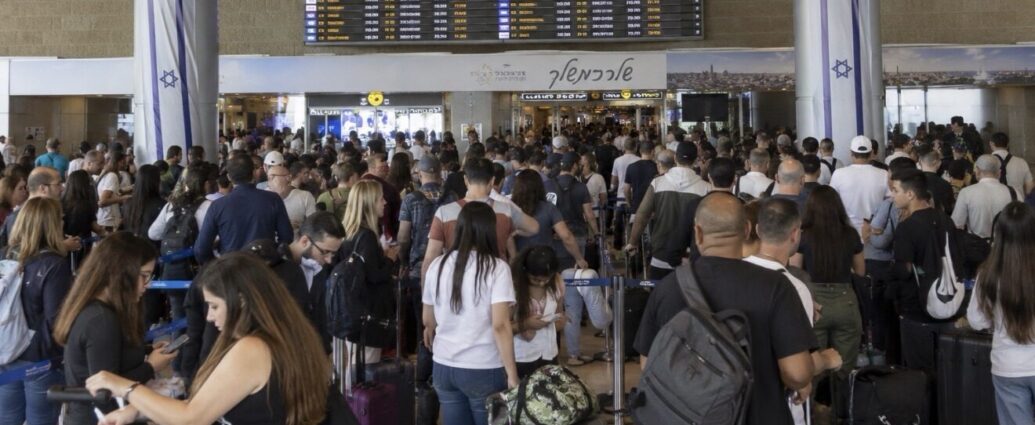
The plan now taking shape across Washington, Jerusalem and Riyadh comes down to a simple piece of geography: build the refineries, ports and pipelines on the far side of the two waterways Iran can shut, so that Gulf oil never has to sail past Iranian guns to reach a buyer.

Those two waterways are the Strait of Hormuz, the single exit from the Persian Gulf, and the Bab el-Mandeb Strait at the mouth of the Red Sea, where Iran-backed Houthi forces in Yemen decide which tankers get through. Since the U.S.-Israeli air campaign against Iran opened on Feb. 28 and Tehran responded by closing Hormuz, both routes have effectively been Iran’s to control. In normal times roughly 20 million barrels of crude, condensate and refined products move through Hormuz every day — about a fifth of global oil consumption and a quarter of all seaborne oil trade — and because the Persian Gulf is an enclosed sea with one exit, producers along its shores cannot simply reroute when that exit is contested.

The first concrete answer is a refinery. MWG Enterprises, a Fort Worth energy development company, has joined with the Patel Family Office and PWS, an affiliate of the long-established Saudi industrial group AHQ, to form MERA Oil, a U.S.-Saudi private consortium now in the final stage of choosing a host country for a $5 billion integrated refinery and energy export corridor. After three years of studying sites around the Gulf, the group has narrowed the field to three locations in Gulf Cooperation Council states positioned outside the Strait of Hormuz, with a preferred host expected to be named before the end of 2026.The complex is designed to refine 200,000 barrels a day, tied to deepwater port berths, large-scale storage for crude and finished fuels, and marine loading facilities

, covering roughly 600 hectares and generating an estimated 3,000 direct and 15,000 indirect jobs. Once the host is confirmed, the project moves into detailed site diligence and engineering, with mechanical completion targeted for late 2029 and commercial operations to follow. The venture was conceived well before the current war — what has changed is that building outside Hormuz has hardened from a hedge into a design specification.

The candidate geography points in one direction. To sit clear of both chokepoints, a site has to front the Gulf of Oman or the Arabian Sea — Fujairah in the United Arab Emirates, or Duqm or Salalah in Oman — where ships load and sail straight into the Indian Ocean with no strait to cross.

That same geography feeds a much larger project Washington has been pushing since the 2023 Group of 20 summit and which stalled once the region went to war: the India–Middle East–Europe Economic Corridor. Its architecture pairs a maritime leg from India’s western ports to the Arabian Peninsula with an overland rail network running north through Saudi Arabia and Jordan to Israel’s Port of Haifa, where short-sea shipping carries goods on to Europe. American planners estimate the corridor could eventually pull roughly 60 percent of container traffic away from Hormuz. The wartime redesign this year anchors the maritime leg in Oman rather than the UAE, so cargo from India comes ashore entirely outside the strait before moving onto the peninsula’s rail grid. Additional links through Egypt and Syria are under discussion, and a bill moving through the U.S. Senate would designate Greece as the corridor’s European entry point.

The more sensitive piece is a pipeline. The concept under discussion would run a crude line overland across the Saudi desert to the Israeli border, where it would tie into the Eilat–Ashkelon pipeline, a 42-inch line laid in 1968 and 1969 to carry oil from the Red Sea to the Mediterranean and bypass the Suez Canal. Israeli Energy Minister Eli Cohen has argued that Gulf producers do not want their export income hostage to Iran or the Houthis, and that an overland route through Israel removes both. Prime Minister Benjamin Netanyahu has publicly backed the idea, framing pipelines running west across the Arabian Peninsula to Israel’s Mediterranean ports as a permanent way around the chokepoints.

The original Eilat–Ashkelon line was built as a joint venture between Israel and Iran under the Shah.

For Washington, the appeal runs past barrels. Infrastructure crossing Saudi and Israeli territory gives American and allied forces a reason and a place to be stationed along it, extends the logic of the Abraham Accords, and shifts control of Gulf energy flows away from Beijing, whose 25-year agreement with Tehran has given China leverage over both straits. It also creates a tripwire: an Iranian strike on a pipeline running through partner territory would be an attack on the alliance itself.

None of it moves a barrel this year. The refinery is a 2029 proposition at the earliest, the corridor needs rail that has not been built, and the pipeline remains a discussion. But the direction is set, and it is the same in every version — permanent infrastructure that makes the Strait of Hormuz optional.

JBizNews Desk | New York

© JBizNews.com All Rights Reserved. Reproduction or distribution without written permission is prohibited.

Turing Inc., a five-year-old Tokyo company building software that drives a car by itself, is setting up an office in the United States and telling investors it intends to go public at a valuation of roughly $10 billion. Neither has happened yet. The U.S. office is a plan the company is now acting on, and the listing is a target its founder has held for years — one the company describes internally in yen terms as a ¥1 trillion debut. What is real today is a startup worth a fraction of that number publicly declaring where it expects to end up, and moving staff toward the market where the money and the customers are.

Turing’s technology is simpler to explain than most in the field. Where Waymo and much of the industry stitch together lidar sensors, radar, and centimeter-accurate digital maps, Turing feeds camera images straight into one large neural network that outputs the steering, braking, and acceleration commands. That is the same “end-to-end” bet Tesla made. Strip out the map-building and the sensor stack and the cost per vehicle falls sharply, which is the entire commercial argument: a system cheap enough to sell to automakers for ordinary consumer cars, not just a robotaxi fleet a single company operates itself.

The founders picked the fight openly. Turing was incorporated in August 2021 by Issei Yamamoto, who built the shogi program Ponanza, and Shunsuke Aoki, who holds an autonomous-driving doctorate from Carnegie Mellon. The company’s public slogan is “We Overtake Tesla.” Its proving ground has been a project called Tokyo30, in which a Turing vehicle drove more than 30 minutes through Tokyo traffic without human intervention, an exercise the company has since repeated in denser areas around the country.

American suppliers are already deep in the story, which is part of why a U.S. presence follows logically. In July, Turing closed an extension to its Series A worth ¥12.62 billion — about ¥6.8 billion in equity and a ¥5.8 billion loan from MUFG Bank — with AMD Ventures, Mitsubishi Corp., Super Micro Computer, Tokyo Electron Device, GMO Internet, BIPROGY, and DataDirect Networks taking shares. Combined with the ¥15.27 billion first close in November, the full round came to ¥27.89 billion, or roughly $180 million. That round left the company valued at about ¥96 billion, in the neighborhood of $600 million. Turing has also committed to AMD graphics processors for the compute that trains and runs its driving model, a deliberate cost decision in a business where training bills run to the hundreds of millions, and it has worked with Nvidia on end-to-end development.

The gap between $600 million and $10 billion is the whole question. Turing plans to put its system in consumer vehicles and driverless taxis as early as 2028, with fully autonomous commercial vehicles targeted around 2029. It has roughly 60 to 85 employees, most of them engineers, and no commercial revenue to speak of. A U.S. office gives it three things it cannot get in Tokyo: access to the engineers who have already built these systems at Waymo, Tesla, and Zoox; proximity to AMD, Nvidia, and Super Micro, on whose hardware the entire product depends; and standing with the American investors who will ultimately decide whether a ten-figure listing is credible.

The domestic clock is the pressure. Nissan, British startup Wayve, and Uber are preparing a self-driving taxi pilot in Tokyo before the end of this year. Waymo has been mapping seven central Tokyo wards with human drivers and running validation with taxi operator Nihon Kotsu, working toward a commercial launch that has no confirmed date. Turing’s executives argue the delay costs them little, since automakers refresh models on three- to five-year cycles and a supplier that wins a design slot in 2028 is locked in through the early 2030s.

Japan’s public markets have already given the sector a reality check. Tier IV, the Nagoya University spinout behind the open-source Autoware software, listed on the Tokyo Stock Exchange Growth Market on July 22 in the country’s first autonomous-driving IPO. It priced at the top of its range, ¥1,085, raising about ¥23.2 billion — then opened at ¥1,009, roughly 7 percent below the offer price, for a market value near ¥64 billion. Tier IV booked ¥6.4 billion of revenue and a ¥4.7 billion loss in its last full fiscal year.

That is the number Turing has to argue past. A company with no product on sale is telling the market it will be worth more than fifteen times what Japan’s first listed autonomous-driving firm fetched on its opening day. The U.S. office is the first visible step toward making that case somewhere other than Tokyo.

JBizNews Desk | Tokyo

© JBizNews.com All Rights Reserved. Reproduction or distribution without written permission is prohibited.
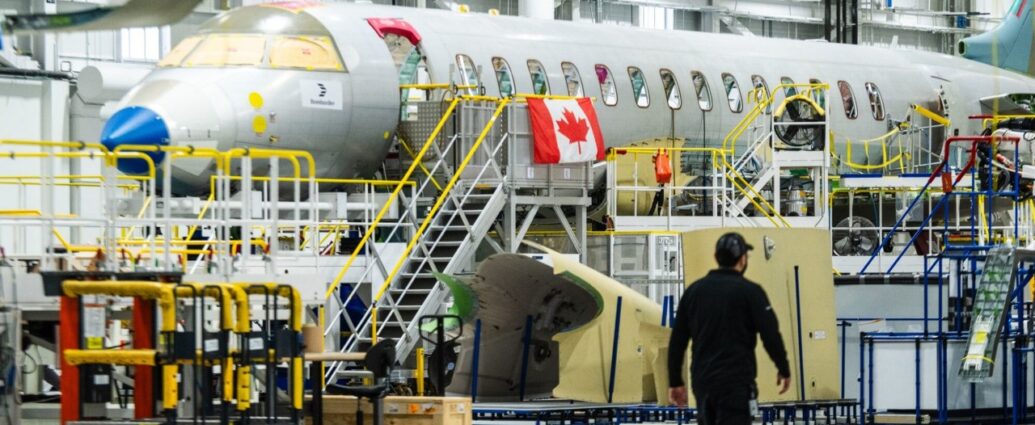
Starting Wednesday, the grease-resistant coating on a pizza box sold anywhere in the European Union has to meet a chemical limit that did not exist the day before — the first piece of a law that will eventually reach every package placed on the EU market, including those shipped in from the United States.

The Packaging and Packaging Waste Regulation takes effect Aug. 12, setting bloc-wide caps on PFAS, the so-called forever chemicals, in food-contact packaging, along with targets to cut waste, particularly oil-derived plastics. Manufacturers must also supply information letting authorities trace packaging back to its source if problems surface.

PFAS are in food packaging for a practical reason. The chemicals repel water and grease, which is why they have been used in takeaway containers, bakery paper and pizza boxes. They also show up in fast-food wrappers and microwave popcorn bags. They do not break down naturally, can contaminate water, air, soil and food, and researchers have linked their accumulation in humans to several cancers, kidney disease, immune disorders, pregnancy complications and developmental problems in infants.

The scale of what the law is trying to fix explains its reach. Packaging waste in the EU has risen more than 20% over the past decade, driven by online shopping and grab-and-go habits, and packaging accounts for roughly 40% of Europe’s plastic consumption — a dependence an EU official described as an economic vulnerability to major oil disruptions such as the Iran war. Europeans generate 180 kilograms of packaging waste per person annually, of which 35.3 kilograms was fossil-fuel-derived plastic, and only 42% was recycled in 2023. Without action, packaging waste was projected to grow 19% by 2030, with plastic packaging waste up as much as 46%.

For American exporters, the important structural point is that this is a regulation rather than a directive. It applies directly in all 27 member states with no national transposition, replacing a framework that let individual countries interpret obligations differently, and it covers any business inside or outside the EU that sells packaged goods into the bloc. A U.S. food manufacturer no longer faces 27 versions of the rules — it faces one, and compliance is not optional for market access.

The heaviest requirements are still ahead. A new EU-wide waste-sorting label arrives in 2028, and the most consequential measures land in 2030. The bloc is targeting a 5% waste cut by 2030 and 15% by 2040 against 2018 levels, with packaging required to be recyclable in an economically viable way, reuse targets, bans on certain single-use formats, a ceiling on empty space inside packages, and mandatory deposit-return schemes for cans and plastic bottles. Minimum recycled-content requirements for plastic packaging also begin Jan. 1, 2030, and member states must collect at least 90% of single-use plastic bottles and metal beverage containers by 2029.

The law progressively bans packaging judged excessive — double-bottom overwraps, boxes inside boxes, individual mini-portions and hard-to-recycle multilayer plastics — and prohibits single-use plastic packaging for fruits and vegetables that can be sold loose.

Brussels is signaling a soft landing on enforcement. The EU official said non-compliant products should not be pulled immediately and that member states should issue warnings rather than penalties, giving companies time to correct problems. The Commission will open a consultation on harmonized sorting labels later this year.

The commercial effect is a supply-chain problem before it is a legal one. Removing PFAS from a grease-resistant container means requalifying the barrier material, which changes how the box performs with hot food, how it runs through converting equipment, and what it costs. Companies selling into Europe need to redesign product lines, validate recyclability and adopt PFAS-free barriers to keep market access. Suppliers of bagasse, molded fiber and coated paperboard alternatives stand to gain; converters running legacy fluorochemical coatings do not.

A separate EU law regulating plastic waste exports took effect in May, aimed at ensuring the material is handled sustainably. Much of Europe’s plastic waste has been shipped to third countries for decades, and often dumped.

The regulation formally entered into force in February 2025, giving industry an 18-month runway before the first obligations bite this week.

JBizNews Desk | Brussels

© JBizNews.com All Rights Reserved. Reproduction or distribution without written permission is prohibited.
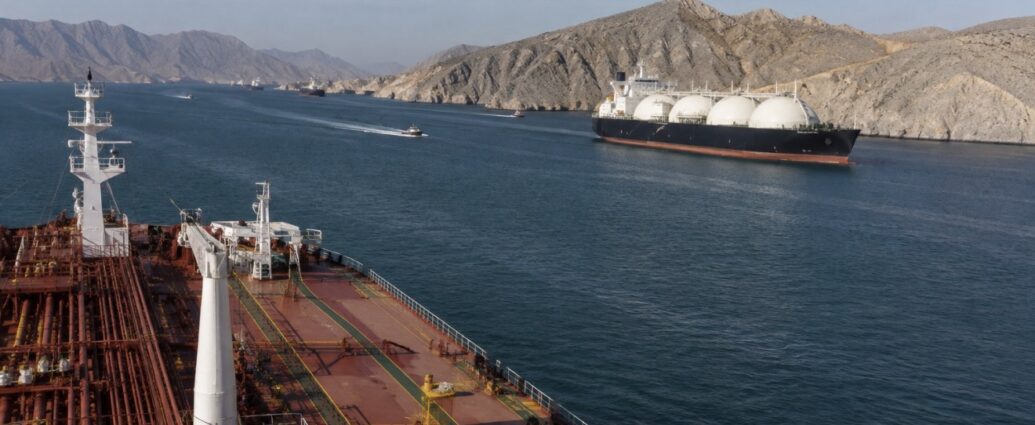
Seats on the Tel Aviv–New York route are about to become much easier to buy, and that is not bringing the price down. Delta Air Lines returns to Ben Gurion Airport in the first week of September with a daily New York flight, and United Airlines follows a day later with two daily flights to Newark on Boeing 787 Dreamliners. Both carriers pulled out of Israel in March at the start of the war with Iran. Their planes come back days before Rosh Hashanah, straight into the one stretch of the calendar when the route is most heavily booked, and the extra capacity is being absorbed by holiday demand rather than translating into cheaper tickets.

That timing is the whole story of the fare picture this fall. Israelis and American Jews travel in a compressed window between Rosh Hashanah, Yom Kippur and Sukkot, and airlines price into it accordingly. A year ago the constraint was inventory: economy seats on the New York run sold out months ahead, and travelers who waited were simply shut out. This year, according to the fare index maintained by Israeli travel-tech firm lastminute.co.il, which tracks nonstop Tel Aviv–New York pricing, seats remain available across the September holidays for buyers shopping close to departure. What has not improved is the number on the ticket.

A single economy fare on the route currently runs anywhere from $1,460 to $3,046, and the cheapest carrier changes depending on the departure date. In early September, a coach ticket was available on Arkia for $1,722, on Delta for $2,176 and on El Al for $2,186. Over Rosh Hashanah the Israeli carriers came down slightly, with Arkia at $1,460 and El Al at $1,722, while Delta held at $2,134. Yom Kippur inverted the pattern: the Israeli airlines were asking roughly $3,000 and Delta had seats near $2,500. United was excluded from the comparison because of availability problems on its inventory.

Business class is where the shortage still bites. Premium cabins on the route remain thin, and thin supply produces violent pricing. In early September, business fares ranged from $5,741 on Arkia to $7,365 on El Al. Around Yom Kippur the spread widened to between $6,122 on Arkia and a peak of $9,994 on United — a gap of nearly $4,000 on the same route in the same week.

For travelers, the practical fix is flexibility rather than patience. Because the price on any given flight is being set as much by how many seats remain in that specific cabin as by overall demand, moving a departure by a day or two, or switching carriers, can change the total cost of a trip by hundreds of dollars in economy and thousands in business. Assaf Greenberg, vice president of marketing at lastminute.co.il, said economy availability has improved after a long stretch of scarcity but that the market is still far from returning to full normality, and that real-time comparison across dates and airlines matters more this season than in a normal year.

The structural fix is more metal on the route, and it is arriving slowly. Israir has purchased an Airbus A330 for $85 million and is awaiting final regulatory approvals to launch its own Tel Aviv–New York service, which would put a fourth Israeli-linked competitor into the market alongside El Al and Arkia. American Airlines, which has not flown regular Tel Aviv service since October 2023, had been scheduled to return in January 2027 and pushed that date back to March 2027 earlier this month. Until those seats show up, the corridor is carried by two American carriers and two Israeli ones during the busiest travel weeks of the Jewish year.

Demand itself is softening at the margins even as prices hold. New York’s share of total Israeli holiday-season flight demand has slipped to 2% this year from 2.4% in 2025, and overall demand for the holiday period is down from last year. Bookings already on the books tell a different story about the month itself: passenger volume from Tel Aviv to New York in September is running 29% above August.

The broader airport picture is strong. Roughly 2.6 million passengers are expected to move through Ben Gurion in August, with 47 airlines operating there. The Israel Airports Authority lists Greece, Cyprus, Italy, the United Arab Emirates, the United States and Germany as the leading destination countries. On weekdays this month the airport is handling between 90,000 and 95,000 arriving and departing passengers a day, and on several days the count is expected to pass 100,000.

JBizNews Desk | New York

© JBizNews.com All Rights Reserved. Reproduction or distribution without written permission is prohibited.

EasyJet cabin crews in France will strike Aug. 15 and 16, creating a weekend disruption risk for American travelers who may successfully cross the Atlantic only to lose the European connection that was supposed to take them to their final destination.

The walkout was announced Wednesday by the SNPC-FO union after negotiations with EasyJet over working conditions failed to produce an agreement. EasyJet said it had made proposals addressing employee concerns, urged the unions to call off the strike and would work to minimize disruption through options including free transfers and refunds.

The important distinction for U.S. travelers is that EasyJet does not operate transatlantic flights to the United States.

Instead, Americans commonly fly into major European cities on United, Delta, American, Air France, British Airways and other long-haul carriers, then use EasyJet for a relatively inexpensive onward flight to destinations across France and elsewhere in Europe.

That means a traveler could leave New York, Newark, Miami, Boston or another U.S. city on schedule, land normally in Europe — and then discover that the EasyJet flight completing the trip has been canceled.

The biggest risk comes when the two flights were purchased separately.

If an American buys a transatlantic ticket to Paris, London, Geneva or another European gateway and separately buys an EasyJet ticket onward, the long-haul airline generally has no obligation to protect that separate EasyJet connection.

The traveler can therefore end up physically in Europe but without a flight to the final destination, potentially having to purchase an expensive last-minute ticket, take a train, book a hotel or rearrange the remainder of the trip.

The strike is scheduled for one of the busiest weekends of the European summer travel season, increasing the potential difficulty of finding replacement seats if cancellations become significant.

EasyJet says it will offer affected customers alternatives including free transfers and refunds, but those remedies apply to the EasyJet booking itself. They do not necessarily cover costs created elsewhere in a separately booked itinerary.

For Americans traveling through Europe this weekend, the practical issue is therefore not whether their U.S. flight is operating.

It is whether the second flight waiting for them after they land still exists.

Travelers with EasyJet segments touching France on Aug. 15 or 16 should monitor their bookings closely before leaving the United States and pay particular attention to how much time and flexibility they have if an onward flight disappears.

JBizNews Desk | Paris

© JBizNews.com⁠ All Rights Reserved. Reproduction or distribution without written permission is prohibited.
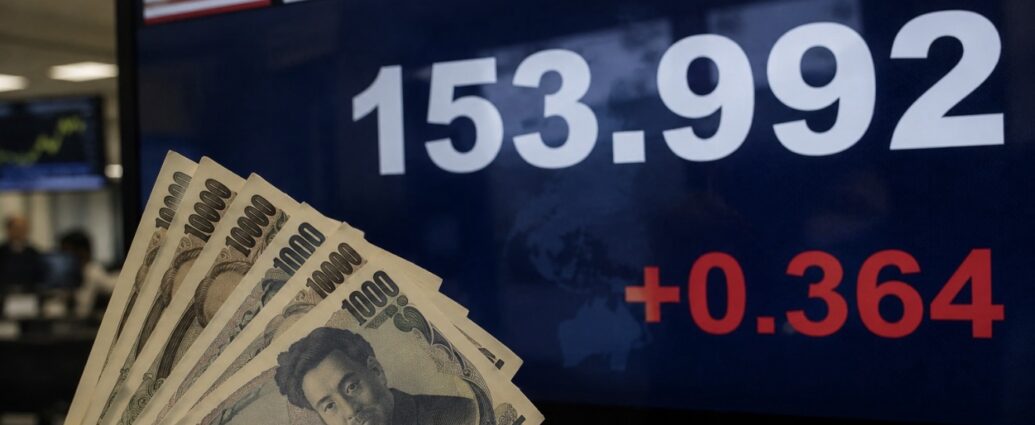
The United States has made permanent a visa-bond program that can require some foreign business travelers to post as much as $20,000 before receiving permission to enter the country, raising the cost and complexity of doing business in the U.S. for applicants from 50 designated countries.

The State Department’s final rule applies to B-1 business visas, B-2 tourist visas and combined B-1/B-2 visas. Consular officers can require applicants from covered countries to post refundable bonds as a condition of issuance, with the maximum now set at $20,000.

The program began as a pilot designed to reduce visa overstays. The administration says the experiment worked: overstays among participants fell sharply, while visa issuance from affected countries also dropped substantially as some applicants chose not to post the bond.

For business travelers, this is no longer simply an immigration-policy story. It is a cash-flow and access-to-market issue.

B-1 visas are commonly used by executives, entrepreneurs, salespeople, investors, conference attendees and employees traveling temporarily to the United States for meetings, negotiations and other permitted business activity.

For a company sending several employees to the U.S., refundable bonds of up to $20,000 per traveler could tie up significant capital before airfare, hotels, conference fees and other travel expenses are even considered.
The 50-country list is concentrated heavily in Africa but also includes countries in Asia, Latin America and the Caribbean.

The U.S. Travel Association warned Wednesday that broader use of the program could further discourage international visitation at a time when overseas travel to the United States remains below expectations.

That concern extends beyond hotels and airlines.

International business travelers spend money at convention centers, restaurants, transportation companies and retailers, but their larger economic importance often comes from the business they conduct while here — sales contracts, investment discussions, trade shows, supplier meetings and corporate partnerships.

The bond is generally refundable when the visitor complies with the terms of the visa and departs the United States on time. But refundable does not mean costless. Applicants still have to make the money available upfront and can lose access to it for the duration of their trip and the government’s refund process.

The program therefore creates a new calculation for companies deciding whether an in-person U.S. meeting is worth the additional burden.

A multinational corporation may absorb that expense relatively easily. A small foreign exporter, entrepreneur or family-owned company may decide that a $10,000 or $20,000 bond makes a U.S. sales trip, trade show or supplier meeting impractical.

That is why the permanent rule matters well beyond tourism. The United States is using a financial guarantee to reduce visa overstays, but the same guarantee could also raise the cost of bringing legitimate business visitors into the American economy.

JBizNews Desk | Washington

© JBizNews.com⁠ All Rights Reserved. Reproduction or distribution without written permission is prohibited.