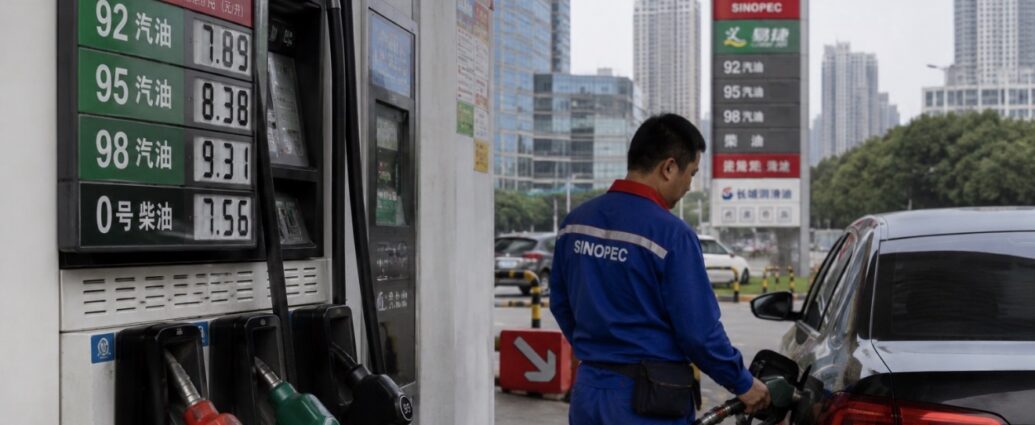
Venezuelan crude and fuel shipments dropped sharply in July as Indian refiners stepped back from the heavy barrels they had been buying all spring, according to tanker-tracking data and shipping documents reviewed by trade reporters. The pullback traces directly to the pause in fighting between Washington and Tehran, which briefly unlocked the Middle Eastern cargoes that had been bottled up inside the Persian Gulf.

The reversal is striking given how fast Venezuela had climbed back. Exports ran at roughly 1.2 million barrels per day in June, easing slightly from 1.24 million bpd in May, with shipments to the United States rising to 630,000 bpd and volumes to India slipping to 277,000 bpd. Chevron moved about 293,000 bpd of Venezuelan crude that month, while trading houses including Vitol and Trafigura handled some 775,000 bpd. Those figures represented the strongest run for the OPEC member in years, well above the 2025 average of 847,000 bpd.

India had been the swing buyer holding that recovery together. When the war shut down Gulf shipping earlier this year, Indian refiners scrambled for replacement grades and turned to Venezuela’s discounted heavy sour crude. That calculus changed once the guns went quiet. A 60-day ceasefire signed in mid-June reopened the strait without tolls and required Iran to clear mines. In the roughly three weeks the Strait of Hormuz stayed open, more than 200 million barrels escaped the Persian Gulf — the equivalent of about 17 weeks of supply hitting the market at once, according to Andy Lipow of Lipow Oil Associates.

For a refiner in Gujarat, that flood of familiar Middle Eastern grades removes most of the reason to pay for a five-week voyage from the Caribbean. Venezuelan Merey 16 is a difficult crude that only a handful of complex refineries can process economically, and its appeal has always rested on the discount. When Gulf barrels are available and moving, the discount has to widen considerably to keep Indian buyers at the table.

The American side of the trade tells a different story. U.S. refiners have been steadily deepening their positions in Venezuela even as Asian demand wobbles. Chevron lifted about 293,000 bpd of Venezuelan crude in the second quarter, up from 223,000 bpd in the first, as part of its push to expand output and exports there. Phillips 66 resumed spot purchases from PDVSA in May after a seven-year gap and was allocated three cargoes of Merey 16 at the Jose terminal in July. Reliance Industries began buying directly from PDVSA in May, and Valero Energy is expected to begin direct purchases in the coming months, though it had not been assigned loading windows as of mid-July.

That shift matters more than the monthly export headline. Refiners signing direct term contracts are less likely to walk away when Gulf supply loosens than traders reselling opportunistically. The more of Venezuela’s output that is locked into contracts with Gulf Coast and European refineries, the less the country’s revenue swings with every turn in the Iran conflict.

The oil market has been swinging violently regardless. Brent closed July at $87.93, up more than 20 percent over the month, after the pause in fighting collapsed, Yemen’s Houthis widened their involvement, and Saudi forces joined U.S. operations against Iran-backed groups in Iraq. Then on Monday, Brent tumbled more than 7 percent in early Asian trading to below $84 a barrel and WTI fell under $81 after President Trump said he had called off a planned large-scale strike on Iran and that fresh negotiations would begin, following appeals from Middle Eastern allies including Saudi Arabia. OPEC+ has also been adding supply, with the group’s seven core members raising output by 188,000 bpd for August, the fifth consecutive monthly increase.

For tri-state businesses, the July drop in Venezuelan flows is less important than what it signals: the market has entered a phase where each diplomatic headline resets fuel costs within hours. Trucking firms, distributors, and building operators across New York and New Jersey have spent the summer trying to budget against a benchmark that moved 20 percent in one direction in July and 7 percent the other way in a single Monday session.

The underlying supply picture is loosening — more Venezuelan barrels under American contracts, more OPEC+ output, and Gulf cargoes moving whenever the strait stays open. What has not loosened is the risk premium’s tendency to snap back the moment talks stall. Venezuela’s July numbers are a reminder that in this market, even a two-week pause in a war rearranges trade routes on the other side of the world.

JBizNews Desk | New York

© JBizNews.com All Rights Reserved. Reproduction or distribution without written permission is prohibited.


Inside Lloyd’s of London, clerks still record major shipping losses by hand in leather-bound ledgers using a swan’s quill—a tradition stretching back more than two centuries. Today, those ledgers are documenting a different kind of crisis as the Strait of Hormuz enters its sixth month as the world’s most expensive shipping corridor.

The real story isn’t the conflict itself. It is how that conflict is being converted into dollars.

War-risk insurance has quietly become one of the biggest variables influencing the cost of moving oil, liquefied natural gas and cargo through the Middle East. Every increase in those premiums eventually finds its way into fuel prices, freight costs, fertilizer, plastics and countless products businesses and consumers buy every day.

Lloyd’s of London sits at the center of that market.

Rather than operating as a traditional insurance company, Lloyd’s functions as a marketplace where syndicates of investors assume portions of shipping risk while brokers negotiate coverage vessel by vessel. For more than three centuries it has been the financial nerve center of global marine insurance, setting prices that often determine whether ships sail, wait—or stay away entirely.

Everything changed after the U.S. and Israeli strikes on Iran on February 28, when Tehran responded by threatening commercial traffic through the Strait of Hormuz.

Marine insurance contracts contain cancellation clauses that allow underwriters to terminate existing war-risk coverage with short notice and immediately reprice policies to reflect changing conditions. That mechanism is what allows premiums to remain negligible during peacetime and rise almost overnight when conflict erupts.

The numbers illustrate how dramatically the market has changed.

Before the conflict, additional war-risk premiums for a Hormuz transit typically hovered around 0.25% of a vessel’s insured value.

Today, brokers report premiums ranging from 3% to 10%, depending on the ship, cargo, ownership and destination.

For a tanker insured for $100 million, that represents a jump from roughly $250,000 per voyage before the conflict to between $3 million and $10 million today. For some modern very large crude carriers carrying politically sensitive cargo, individual voyages have reportedly generated insurance bills exceeding $10 million.

The market has also changed how it prices risk.

David Smith, head of marine at London broker McGill and Partners, has said underwriters increasingly wait until only a few hours before departure to determine pricing rather than issuing policies a day or two in advance. Many policies now remain valid only for several days before requiring renegotiation, reflecting how quickly military conditions can change.

Some insurers have adopted unusual approaches to keep commerce moving.

Marcus Baker, global head of marine, cargo and logistics at Marsh, has described arrangements where underwriters refund as much as half the premium if a vessel completes its voyage without incident—a rare structure intended to preserve shipping traffic while acknowledging extraordinary wartime risks.

The economic consequences extend far beyond the Persian Gulf.

Roughly one-fifth of the world’s seaborne oil and liquefied natural gas normally passes through the Strait of Hormuz, along with chemicals, fertilizers and containerized freight. Every additional dollar paid for insurance becomes part of the delivered cost of energy, transportation and manufacturing around the world.

In response, Washington entered the insurance market itself.

President Donald Trump directed the U.S. International Development Finance Corporation to establish political-risk insurance and maritime guarantees supporting commercial shipping through the Gulf. Working alongside private insurers led by Chubb, the government-backed program was initially structured around $20 billion in reinsurance capacity with the ability to expand substantially if needed.

The initiative also represents something larger.

For generations, Lloyd’s of London has effectively served as the world’s financial backstop for maritime commerce. By creating a government-supported alternative, Washington signaled that maritime insurance has become a strategic national-security issue rather than simply a commercial product.

Lloyd’s disputes suggestions that private markets have failed.

The Lloyd’s Market Association maintains that insurance capacity has remained available throughout the crisis and argues that many vessels avoided Hormuz because of security concerns rather than an inability to obtain coverage. Market leaders continue to insist private insurers remain capable of supporting global shipping even during prolonged geopolitical conflict.

The broader business story reaches far beyond insurance.

Wars do not affect the global economy only through damaged pipelines or disrupted shipping lanes. They also reshape the financial mechanisms that make international trade possible. Insurance is one of those mechanisms.

Every increase in a Hormuz war-risk premium eventually appears somewhere else—in refinery costs, airline fuel bills, trucking expenses, fertilizer prices, manufacturing inputs and consumer goods.

In today’s shipping market, insurers are no longer simply pricing risk.

They are helping determine the cost of global commerce.

JBizNews Desk | London

© JBizNews.com All Rights Reserved.
Reproduction or distribution without written permission is prohibited.

Joe Tsai and Clara Wu Tsai, the owners of the Brooklyn Nets, New York Liberty and Barclays Center, announced Friday that they are divorcing after nearly three decades of marriage, while emphasizing that the separation will not affect ownership of their sports franchises or Tsai’s leadership of Alibaba.

In a joint statement, the couple said Joe Tsai will remain chairman and Clara Wu Tsai vice chair of Brooklyn Sports & Entertainment. Tsai will continue serving as governor of the Nets and Wu Tsai as governor of the Liberty, with both franchises remaining under their existing ownership and professional management. The couple described the divorce as amicable, saying their relationship had evolved into a partnership focused on raising their children and overseeing their businesses. They also said they intend to involve their children in the long-term ownership of the franchises.

The statement also sought to eliminate uncertainty surrounding Alibaba. Joe Tsai will remain chairman of the Chinese technology giant, and the couple said they have no plans to sell their Alibaba holdings. According to the Bloomberg Billionaires Index, the Tsais own approximately 1.4% of Alibaba directly and control another 0.5% through the Joe and Clara Tsai Foundation, with Tsai’s fortune estimated at roughly $9.7 billion.

For investors, that reassurance may prove more significant than the divorce itself. Billionaire divorces often raise questions about whether valuable but illiquid assets—including sports franchises, private businesses and concentrated stock positions—must be sold or restructured to satisfy a settlement. By publicly confirming that governance remains unchanged and ownership will stay in place, the Tsais addressed the issue before it became a source of speculation.

The concern is particularly relevant in professional sports, where ownership transfers require league approval and franchise stakes are among the least liquid assets in the market. A forced sale involving the Nets or Barclays Center would likely have attracted extensive attention from investors, lenders and competing ownership groups. The couple’s statement effectively removes that scenario from immediate consideration.

The Tsais first acquired a 49% stake in the Brooklyn Nets and operating rights to Barclays Center in 2018 before purchasing full control the following year. Since then, BSE Global has grown substantially in value while expanding its influence across New York sports and entertainment. One of the organization’s biggest achievements came in 2024 when the New York Liberty captured its first WNBA championship, a milestone that coincided with soaring franchise valuations across the league as women’s professional basketball entered a period of rapid commercial growth.

Their influence extends well beyond sports. BSE Global anchors a significant portion of downtown Brooklyn’s entertainment economy, generating business for nearby restaurants, hotels and retailers through concerts, sporting events and other large gatherings. Through the Joe and Clara Tsai Foundation, the family has also directed substantial philanthropic funding toward education, economic mobility and community development throughout Brooklyn.

The statement did not address how the couple intends to divide their broader personal assets. Ownership structures can remain publicly unchanged while beneficial interests are redistributed through private settlement agreements, and divorces involving multibillion-dollar estates often take years to resolve. Those details may never become public unless regulatory filings or future transactions require disclosure.

Tsai, 62, was born in Taipei and earned both his undergraduate and law degrees from Yale University before helping build Alibaba alongside founder Jack Ma. He served as executive vice chairman for a decade before becoming chairman in 2023. Under his leadership, Alibaba has accelerated its investment in artificial intelligence, with its Qwen family of open-source AI models becoming an increasingly important part of the company’s strategy. Tsai also chairs the board of the South China Morning Post, which Alibaba acquired in 2015.

For shareholders, the message was straightforward: Alibaba’s leadership remains unchanged, the family’s ownership stake remains intact, and the divorce does not alter the company’s governance or strategic direction. In a market where executive departures and forced asset sales can quickly reshape investor expectations, stability may be the most important announcement of all.

JBizNews Desk | New York

© JBizNews.com All Rights Reserved. Reproduction or distribution without written permission is prohibited.

The Trump administration is signaling that it does not plan another release from the Strategic Petroleum Reserve to push down gasoline and diesel prices as the war with Iran enters a more prolonged and economically disruptive phase.

Energy Secretary Chris Wright has said an additional draw is highly unlikely, even as crude oil, gasoline and diesel remain elevated and households absorb higher transportation, delivery and food costs. The decision leaves consumers more exposed to market prices after Washington already committed 172 million barrels from the reserve earlier this year as part of a coordinated international response.

That distinction is critical. Oil is still moving out of the reserve under the previously announced program, but the administration is not preparing a new release specifically to counter the latest rise in fuel prices.

Washington’s restraint reflects how sharply the country’s emergency stockpile has already fallen. Department of Energy data showed the reserve at roughly 308 million barrels in late July, its lowest level since 1983 and more than 100 million barrels below where it stood when the conflict began in February.

The reserve was created to protect the United States from severe supply interruptions, not to guarantee a particular gasoline price. Continued withdrawals could leave the country with fewer barrels available if the Strait of Hormuz disruption worsens, another producer loses output or a hurricane damages Gulf Coast energy infrastructure.

For drivers, the decision removes one of the government’s fastest tools for adding crude oil to the market. The reserve can nominally release as much as 4.4 million barrels a day, although oil generally takes about 13 days after a presidential decision to begin reaching the commercial system.

Past releases have shown that emergency barrels can reduce oil and gasoline prices, particularly when coordinated with other countries. Their effect is temporary, however, because reserves do not create new production and cannot compensate indefinitely for a prolonged loss of global supply.

Today’s challenge is also larger than crude availability alone. Refiners are operating near capacity, global supplies of finished gasoline and diesel are tight, and unusually high refining margins are keeping pump prices elevated even when crude oil pulls back.

That limits what another crude release could accomplish. Additional barrels from federal caverns would help only if refineries have the capacity and the correct equipment to process them into the fuels consumers actually need.

American refineries are designed to handle specific grades of crude. Much of the oil produced from domestic shale fields is lighter than the heavier barrels many Gulf Coast plants were built to process, while disruptions in overseas trade have made it harder to obtain the optimal mix.

Diesel has become an especially serious pressure point. Trucks, farms, construction equipment, railroads and industrial operations depend on the fuel, allowing higher costs to spread far beyond motorists.

Gasoline directly affects family commuting and travel budgets. Diesel reaches consumers more indirectly through supermarket deliveries, online orders, building materials, manufactured goods and nearly every product transported by road.

The administration is instead focusing on other ways to increase fuel availability, including efforts to improve refinery efficiency and move more diesel into the market. Those measures may help at the margins but cannot quickly replace major refinery capacity or reopen blocked shipping lanes.

Earlier reserve releases were structured largely as exchanges rather than outright sales. Energy companies receiving federal crude must return oil later, along with additional premium barrels, allowing the government to argue that the reserve will eventually emerge larger than before the transaction.

That repayment structure strengthens the reserve over time but does little for consumers facing higher prices today. Returned barrels are scheduled to arrive after the immediate crisis, while households must pay current market prices each time they fill a tank.

A deeper problem is the physical condition of the reserve itself. Repeated withdrawals have placed strain on aging salt caverns, pipelines, pumps and other infrastructure, reducing the system’s practical operating flexibility.

The reserve was designed for occasional national emergencies, not repeated large-scale price interventions. Frequent withdrawals can damage caverns and increase maintenance needs, making officials more cautious about using the system again unless the national-security case becomes overwhelming.

Political pressure is likely to grow if gasoline remains above $4 a gallon in more regions. High fuel prices are among the most visible forms of inflation because drivers see them displayed on roadside signs and must often pay them several times a month.

Unlike other household costs, gasoline changes quickly and can influence consumer confidence before broader inflation reports capture the full effect. Persistent increases can force families to reduce restaurant spending, travel, retail purchases or other discretionary expenses.

Federal and state governments still have several possible responses. Fuel-tax relief could reduce prices temporarily, environmental rules could be adjusted to expand supply flexibility, and regulators could allow additional fuel blends or transportation waivers.

Each option carries tradeoffs. Tax suspensions reduce government revenue, environmental waivers can worsen pollution, and regulatory changes cannot produce large quantities of fuel if refineries and pipelines are already operating near their limits.

Domestic oil producers may increase drilling if higher prices persist, but new wells take time to plan, finance and bring into production. Even greater U.S. crude output would not fully solve the shortage if the bottleneck remains refining capacity or global access to finished fuels.

The decision not to authorize another emergency draw therefore marks a change in the government’s message to consumers. Earlier in the war, Washington used the reserve as a visible shield against the oil shock. In the conflict’s new phase, officials appear determined to preserve what remains.

That leaves households more dependent on the war’s direction, global refinery output and the reopening of major shipping routes. If those conditions do not improve, gasoline and diesel prices may remain elevated without a large federal stockpile release to soften the increase.

JBizNews Desk | Washington, D.C.

© JBizNews.com All Rights Reserved. Reproduction or distribution without written permission is prohibited.

Britain’s Labour government has committed £381 million to the Palestinian territories over the next three years — roughly 50 percent more than the £250 million pledged to protect the country’s Jewish citizens over the same period. The figure surfaced through ministerial questions in Parliament, revealing the £381 million allocation set against the £250 million earmarked for Jewish community protection. The £130 million gap has triggered a political fight over spending priorities at a moment when antisemitic violence in Britain is at record levels.

Chris Elmore MP, who set out the funding in Parliament, framed it as part of a broader overhaul of Britain’s approach to international development, saying the Palestinian territories were being prioritized because humanitarian needs there are most severe. The money is routed through the foreign aid budget, a line item that has come under sustained pressure as successive governments have trimmed overseas commitments to shore up domestic accounts.

Opposition figures moved quickly. Shadow Foreign Secretary Priti Patel, who told the Daily Express that “Labour’s priorities are all wrong,” argued that a portion of the money would likely reach the Palestinian Authority, an institution she described as unaccountable, and that the total exceeds what ministers recently committed to shielding British Jews from violence. She called for the foreign aid budget to be cut and redirected to domestic priorities, and pressed ministers to use British leverage toward dismantling Hamas and forcing reform of the Palestinian Authority.

Reform MP Richard Tice framed the disclosure as “yet another example of Labour prioritising foreign citizens above our own,” pointing to the contrast between attacks on Jews in British streets and a 50 percent larger commitment abroad.

A government spokesperson pushed back, rejecting any linkage between Middle East policy and attacks on British Jews, and pointing to the £250 million invested in street-level policing for Jewish communities alongside broader action against antisemitism.

What the £250 million buys

The domestic security package, announced weeks ago, is the largest of its kind Britain has assembled. It funds more than 500 additional officers across England and Wales, concentrated in Jewish neighborhoods and around schools, synagogues and community centers, with roughly 300 additional officers in London, about 80 in Greater Manchester, and £43 million directed to forces serving other areas with significant Jewish populations. Within that total, £86 million goes to London’s Metropolitan Police and £59 million to counterterrorism policing. Forces in Hertfordshire, Essex, Sussex, Thames Valley, the West Midlands, West Yorkshire and Northumbria are also covered, and the package extends Project Servator, which deploys plain-clothes officers trained to spot suspicious behavior.

The spending followed a sequence of violent incidents. The package was assembled after a series of attacks in London and the raising of the national terror threat level from substantial to severe. That escalation — the first in more than four years — came after two Orthodox Jewish men were stabbed in Golders Green in late April. In May, a German national attacked Jewish worshippers outside a London synagogue on Shavuot; a man whipped a haredi woman with a belt in Stamford Hill; a Jewish child was assaulted outside a school in Amhurst Park; and an Israeli man was attacked by five assailants who heard him speaking Hebrew. An arson attack struck a former synagogue in Whitechapel the same month.

The underlying data is stark. The Community Security Trust logged roughly 3,700 antisemitic incidents in 2025, among the highest annual totals ever recorded in Britain, with more than half involving language or slurs tied to Israel, Palestine or the war. Britain also registered the world’s highest per capita rate of violent antisemitic attacks that year, with 121 severe assaults against a Jewish population of about 300,000.

A new government inherits the fight

The controversy lands on a government barely two weeks old. Andy Burnham took office as prime minister on July 20, replacing Keir Starmer, and named former Labour leader Ed Miliband as Foreign Secretary, with Shabana Mahmood staying on as Home Secretary. John Healey was installed as Chancellor of the Exchequer, an appointment read as a signal toward higher spending. Starmer, who commissioned the security package before stepping down, had said that declarations of solidarity with Jewish communities were not enough without action behind them.

For Burnham’s Treasury, the dispute is less about the merits of humanitarian aid than about optics on a balance sheet. Every foreign commitment now gets measured against a domestic one, and the £130 million spread between the two lines has given the opposition a number simple enough to repeat.

JBizNews Desk | London

© JBizNews.com All Rights Reserved. Reproduction or distribution without written permission is prohibited.

Crude sold off hard in early Monday trading after President Donald Trump said he had canceled a planned military strike on Iran and that negotiations toward a deal reopening the Strait of Hormuz would begin later in the day.West Texas Intermediate futures for September delivery declined about 4.5% to $80.89 per barrel, while Brent crude futures for October delivery lost roughly 4.4% to $84.10 a barrel. Brent fell as much as 7.3% at one point, touching $81.55 a barrel, and WTI traded as low as $79.77 before steadying.

The reversal follows one of the most violent months on record for energy markets. Both benchmarks climbed more than 20% in July as fighting between the United States and Iran intensified and Houthi militants blockaded Saudi ports, choking off the two main outlets for Middle East crude.

Trump announced the pause Saturday on Truth Social, saying he had been asked by Iran and other governments in the region to hold off while terms were worked out. He said the framework would include the “Immediate, Complete, and Total OPENING OF THE HORMUZ STRAIT” along with an end to Iran’s nuclear program. Speaking to reporters aboard Air Force One on Sunday, the president said talks would begin Monday afternoon, without naming a venue or the participants. He declined to set any deadline for reaching an agreement.Trump said he pulled back the operation at the request of Saudi Arabia, the United Arab Emirates, Qatar and Iran, and described a deal covering Hormuz and Iranian denuclearization as imminent.

He characterized the canceled operation as the largest since World War II and said the U.S. remains able to strike at any time.

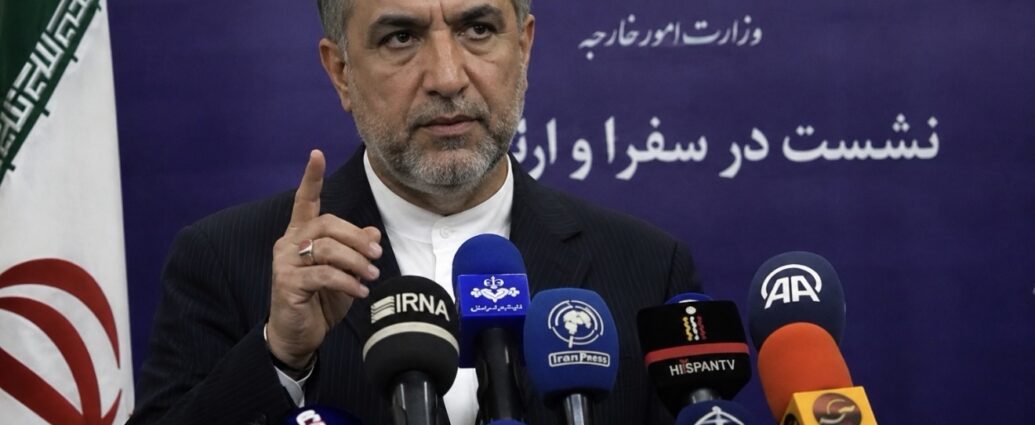
Tehran offered a far more restrained reading of the weekend. Foreign Ministry spokesman Esmail Baghaei said the strait “will in no way return to the status it was before February 28th,” the date the war began, and said discussions with Oman on shipping through the waterway do not currently include reopening it. Iran’s acting defense minister, Seyyed Majid Ibn Al-Reza, said Tehran treats every threat as real even while viewing recent U.S. statements as pressure tactics. Foreign Minister Abbas Araghchi spent Saturday on calls with counterparts in Pakistan, Turkey and Saudi Arabia warning against renewed American strikes, according to Iranian state media.

The gap between the two accounts explains why traders trimmed risk premium without pricing in peace. A regional official involved in mediation said the proposal calls for reopening Hormuz and halting attacks across the region, including strikes by Iranian-backed militias in Iraq on Gulf states and Jordan, with Washington ending its naval blockade and permitting Iranian oil exports in return. No agreement has been reached.

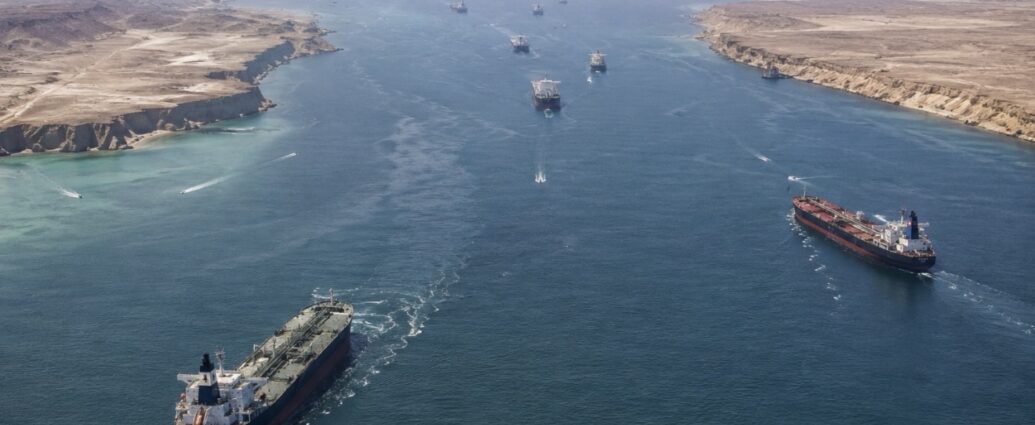
For American importers, shippers and fuel buyers, the number that matters is what actually moves through the waterway. Hormuz has been effectively impassable since fighting resumed on July 8, weeks after the two sides agreed to a ceasefire. Roughly 20 million barrels a day transited the strait before the war, and traffic recovered enough during the ceasefire to release some 200 million barrels. Transits have since fallen to a trickle, rising only briefly on favorable headlines.

That pattern has defined the market all year: prices retreat on diplomatic signals, then recover the ground within days when tankers fail to sail. Monday’s decline reflects an expectation of barrels returning, not barrels that have returned.

The risk on the water has not eased alongside the rhetoric. The United Kingdom Maritime Trade Operations center received a report of an incident northeast of the region even as the diplomatic track advanced. The State Department has urged Americans to consider leaving the Middle East. War-risk insurance premiums, charter rates and crew availability all remain priced for a conflict zone, and those costs pass through to landed prices for fuel, plastics, fertilizer and packaging long after headlines shift.

Downstream, the arithmetic is straightforward. Every sustained ten-dollar move in crude translates into roughly a quarter per gallon at the pump within several weeks, with diesel typically moving faster and further. Distributors serving the tri-state area have spent the summer buying forward at elevated prices to protect delivery schedules, and a genuine reopening of Hormuz would take months to work through existing contracts.

Goldman Sachs told clients last week that Brent could ease toward $80 a barrel by year-end if the strait fully reopens during the final quarter, while warning that Red Sea disruptions and attacks on Saudi infrastructure remain a source of upward pressure.

Attention now turns to whether Monday’s talks produce anything more durable than the previous rounds. Delegations from the two countries entered negotiations in June built around a memorandum of understanding, and strikes continued throughout. Until tankers move, the market is trading on a promise.

JBizNews Desk | New York

© JBizNews.com All Rights Reserved. Reproduction or distribution without written permission is prohibited.

President Donald Trump characterized last week’s U.S. purchase of Japanese yen as a signal of friendship toward Tokyo, framing an extraordinary currency operation as an act of alliance maintenance rather than a market rescue — and putting a political gloss on the first American intervention in the yen market in fifteen years.

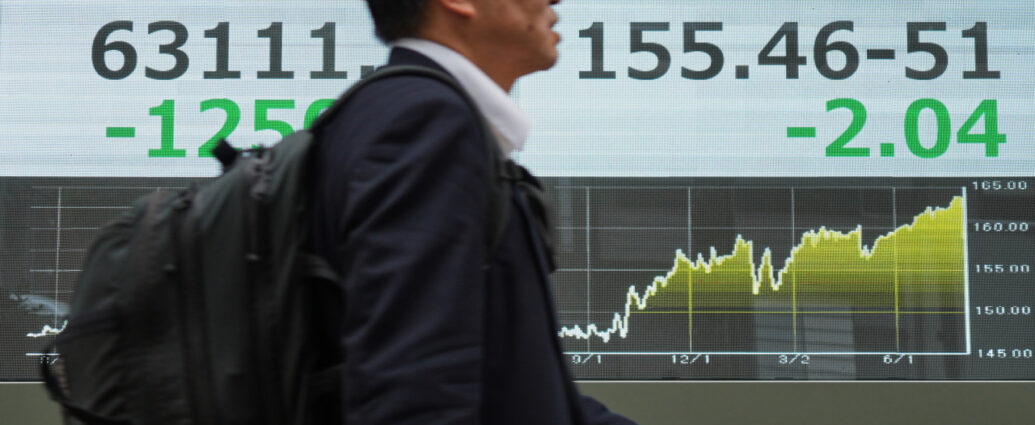
The operation capped a week of turmoil in the world’s third-largest currency market. Japanese authorities spent roughly ¥8.45 trillion, about $52.8 billion, on Thursday, which would rank as Tokyo’s largest single-day intervention on record, and the yen jumped more than 3% against the dollar in intraday trading. Washington followed on Friday, instructing the Federal Reserve Bank of New York to sell euros and buy yen after the Japanese currency sank to its weakest level against the dollar since 1986.

Two American banks carried out the trade. Goldman Sachs and Morgan Stanley executed the purchases on behalf of the Treasury, with market estimates putting the size in the $5 billion to $10 billion range. The figure was not a matter of speculation for long. A Reuters photographer at Friday’s cabinet meeting at Camp David captured a notepad in front of Treasury Secretary Scott Bessent bearing the underlined words “To Do” followed by an instruction to buy $5–10 billion in Japanese yen, photographed at 11:33 a.m. Eastern time. The pad showed no other entries, and Bessent’s name card sat directly above it.

Direct U.S. involvement in the yen market is rare enough to be historic. The last time Washington intervened to support the currency was in 2011, as part of a coordinated G7 response following Japan’s earthquake and tsunami. Before that, the Treasury bought $833 million worth of yen in June 1998 — a sum small enough relative to Tokyo’s own operations to underscore that American participation matters chiefly as a policy signal rather than through raw purchasing power.

The economic case for acting had been building for months. Bessent said last week that the yen looked deeply undervalued to him and that excessive volatility was unhealthy, and the Treasury’s July foreign-exchange report concluded the currency had undergone substantial undervaluation after sliding 51% against the dollar between the end of 2011 and April 2026. The yen had touched roughly ¥163.94 earlier in the week, its weakest in four decades. By Friday’s close, the dollar-yen pair stood at about 157.43.

For American businesses, the stakes run deeper than exchange-rate headlines suggest. A chronically cheap yen hands Japanese manufacturers a pricing advantage over U.S. competitors in autos, machinery and electronics, while making American exports more expensive in a major market. It also complicates the flow of Japanese capital into U.S. projects — investment that has been central to the administration’s industrial agenda, including multibillion-dollar Japanese commitments to power generation and small modular reactor construction in Tennessee, Alabama, Pennsylvania and Texas.

There is a bond-market dimension as well, and it may be the more consequential one. If Japan is left to defend its currency alone, Tokyo may have little choice but to sell down part of its Treasury holdings to fund further intervention — a move that would push U.S. borrowing costs higher. Reuters reported that Japan instead tapped the Federal Reserve’s repurchase facility for dollar liquidity rather than selling Treasuries outright, limiting upward pressure on long-term U.S. yields. That detail matters to anyone financing a home, a fleet or a construction project: pressure on the long end of the Treasury curve feeds directly into mortgage rates, commercial lending and auto loans.

Tokyo has made clear it reads Washington’s participation as more than symbolism. Atsushi Mimura, the Finance Ministry’s top currency official, said Friday that Japan is receiving more than moral support from the United States. Bessent, in a post on X, credited Prime Minister Sanae Takaichi and Bank of Japan Governor Kazuo Ueda for their commitment to monetary and financial stability. The Japanese government is expected to confirm the joint action formally on Monday.

The backdrop is the war with Iran, which has driven oil prices sharply higher and hit Japan — overwhelmingly dependent on Middle Eastern crude routed through the Strait of Hormuz — harder than most industrial economies. A collapsing yen layered on top of an energy shock threatened to import inflation into Japan at precisely the moment Tokyo is being asked to fund defense expansion and honor large investment pledges in the United States.

Traders now face a more delicate question: whether a sharply stronger yen forces an unwinding of the long-running carry trade, in which investors borrowed cheaply in yen to buy higher-yielding assets elsewhere. With bearish yen positions near record highs among global hedge funds, the next contested level is seen around 155 per dollar.The Treasury’s Exchange Stabilization Fund held roughly $217 billion in assets as of June 30

— ample firepower, should friendship require another demonstration.

JBizNews Desk | Washington

© JBizNews.com All Rights Reserved. Reproduction or distribution without written permission is prohibited.

What began as an ambitious effort to unlock billions of dollars from the commercial value of the FIFA World Cup has rapidly evolved into one of the biggest governance crises in modern soccer. FIFA President Gianni Infantino is facing mounting opposition after unveiling a proposal to place the World Cup and other commercial assets into a new company valued at roughly $20 billion and sell up to a 20% stake to outside investors. 

The proposal would create FIFA Forward Enterprise (FFE), a commercial subsidiary expected to manage the World Cup and FIFA’s other revenue-generating events. Investment firm Thrive Capital, led by Joshua Kushner, is expected to spearhead fundraising alongside JPMorgan, with the transaction potentially raising about $4.2 billion while allowing FIFA to retain majority control. 

Resistance has been swift and unusually broad. UEFA’s 55 member associations have warned they will boycott FIFA competitions if the plan proceeds, arguing that the governing body is attempting to commercialize the sport’s crown jewel without sufficient transparency or consultation. North America’s CONCACAF has also rejected the proposal, adding significant pressure on FIFA as it seeks approval from its 211 member associations. 

The internal backlash intensified Friday when Carlos Cordeiro, a senior adviser to Infantino and former president of U.S. Soccer, resigned in protest. Cordeiro, a former Goldman Sachs executive, called the proposal “a bad deal for football,” questioning why FIFA would sell a stake in its most valuable asset despite holding billions of dollars in reserves and carrying no debt. His departure marks the highest-profile resignation linked to the initiative. 

Beyond the politics of soccer, the dispute has become a major business story. The World Cup has evolved into one of the world’s most valuable sports properties, generating record revenues from broadcasting, sponsorships, hospitality and ticket sales. Selling an ownership interest could reshape how global sporting events are financed and could attract long-term institutional investors seeking stable media and entertainment assets. At the same time, critics fear outside investors would eventually pressure FIFA to prioritize financial returns over sporting integrity. 

The controversy is also drawing attention in Washington. Members of Congress have begun scrutinizing the proposal and its investment structure, including reported ties to U.S.-based investors, raising the possibility that the dispute could extend beyond sports governance into political and regulatory oversight. 

For businesses, sponsors and broadcasters, the outcome could influence the future economics of international sports. If the proposal collapses, it may discourage other governing bodies from pursuing similar privatization strategies. If approved, it could establish a new model for monetizing global sporting assets while fundamentally changing the relationship between sports organizations and private capital.

With member federations expected to vote in the coming weeks, Infantino now faces perhaps the defining test of his presidency. The battle is no longer simply about raising billions of dollars—it has become a fight over who should control the future of the world’s most valuable sporting event.

JBizNews Desk | New York

© JBizNews.com. All Rights Reserved. Reproduction or distribution without written permission is prohibited.

President Donald Trump said Saturday he has suspended planned U.S. military strikes against Iran after what he described as substantial progress toward an agreement that would reopen the Strait of Hormuz and restart negotiations over Tehran’s nuclear program. Writing on social media, Trump said the emerging framework would deliver the immediate and complete opening of the strait along with an end to Iran’s nuclear threat, and that he had agreed to cancel the attack subject to reaching a deal rapidly.

For companies that move oil, containers or insurance paper through the Gulf, the operative number is 60. Israel’s Channel 12 reported that mediators are working to restore the memorandum of understanding Washington and Tehran signed last month. According to the report, the proposal would keep Hormuz open to international shipping for 60 days without transit fees while renewing the ceasefire. That is a two-month planning window, not a permanent settlement — and the last several did not survive their own terms.

The reason the previous memorandum collapsed is the same reason this one may. The earlier agreement unraveled over conflicting interpretations of who controls the waterway: Trump maintained it guaranteed unrestricted passage, while Iranian officials viewed it as preserving Tehran’s authority over commercial shipping routes. Nothing in the reported framework appears to resolve that dispute. Instead, it postpones it for another 60 days.

Tehran spent Sunday underscoring the divide. Foreign Ministry spokesman Esmail Baghaei told Iranian state television the strait would “in no way” return to the status it held before February 28, when the conflict began. He said Iran is discussing maritime traffic with Oman but that no negotiations are underway on a full reopening. Iran’s defense minister separately said the country remains prepared to respond to any military action despite Trump’s remarks.

According to Channel 12 and regional officials involved in the mediation, the proposal extends beyond shipping. It would return Washington and Tehran to direct nuclear negotiations, reopen Hormuz, halt attacks across the region — including strikes by Iranian-backed militias in Iraq against Gulf states and Jordan — while the United States would lift its naval blockade and allow Iranian oil exports to resume. The officials, speaking anonymously because they were not authorized to discuss the negotiations publicly, stressed that no final agreement has been reached.

That final provision is likely to move markets first. A reopening of Hormuz combined with Iranian crude returning to global markets would significantly increase available supply after months of disruption. U.S. crude climbed as high as $117.63 a barrel during the standoff before easing toward $112, roughly 40% above pre-conflict levels. Oil briefly fell below $70 in mid-July when traders believed the war had ended, only to reverse higher as fighting resumed.

American consumers have experienced the same swings. National average gasoline prices reached about $4.14 per gallon during the crisis, while diesel climbed to $5.64, approaching the record $5.82 set in 2022. Diesel costs ultimately filter into freight rates, food prices and construction costs across the economy.

Transit fees remain another unresolved issue. Iran agreed under the June 17 interim understanding not to impose tolls for 60 days. Trump later announced a proposed 20% charge on cargo moving through the strait after declaring the United States its guardian, but withdrew the idea following strong opposition from the shipping industry. The International Maritime Organization has maintained that mandatory transit tolls through the strait are not permitted under international law, and major carriers have indicated they would reject protection fees imposed by either side.

Regional governments are treating the diplomatic pause cautiously. Saudi Crown Prince Mohammed bin Salman spoke with Trump before Saturday’s announcement and expressed concern about further escalation, according to the Saudi Press Agency. A person familiar with the conversation said Saudi leaders remain concerned that Iran could retaliate against critical Gulf energy infrastructure. Trump also said Israel had agreed to support the proposed ceasefire, though Israeli officials have not publicly commented.

Trump has announced several pauses since military operations against Iran began on February 28, and previous ceasefire attempts have repeatedly collapsed. Reports also continue to point to divisions inside Iran’s leadership between hardliners opposed to negotiations and officials who believe sustained military pressure strengthens Tehran’s bargaining position.

For shipping companies, refiners and insurers, the practical calculation remains unchanged. Even if a 60-day toll-free window is finalized, it provides a temporary opportunity to move cargo rather than a lasting solution. Charter contracts, insurance premiums and energy hedges extending beyond early October will still need to account for the unresolved dispute over who ultimately controls one of the world’s most strategically important waterways.

JBizNews Desk | New York

© JBizNews.com All Rights Reserved. Reproduction or distribution without written permission is prohibited.
Spain’s Interior Ministry says roughly 50,000 to 60,000 migrants crossed from Morocco into the Spanish enclave of Ceuta over approximately 24 hours beginning Thursday, July 30 — the largest single-day surge of irregular arrivals ever recorded on European Union territory. Sixty-seven people died, many drowning as crowds moved across by land and sea and overwhelmed border guards.

The trigger was legal rather than diplomatic. The surge followed a Spanish Supreme Court ruling that migrants intercepted at sea while attempting to reach Ceuta or Melilla cannot be sent back to Morocco — a decision that circulated across social media faster than any government could respond to it.

What happened next is the part worth watching. Spain, which has spent much of the Gaza war as one of Israel’s sharpest critics in Europe, responded to its own border emergency with speed and force. Spanish army soldiers blocked access to the beach where migrants were coming ashore. Police and military reinforcements were deployed within hours. By Friday evening the government reported that more than 48,000 people had already returned to Morocco. Nearly the entire influx was reversed inside a single news cycle.

Madrid has recognized a Palestinian state, suspended parts of its defense cooperation with Jerusalem, and repeatedly argued that Israel’s security measures are disproportionate. Confronted with a mass breach of its own frontier, Spain deployed the army to the shoreline and cleared the enclave in roughly a day.

The circumstances are not equivalent, and no serious argument says otherwise. A humanitarian surge driven by economic desperation is not a terrorist assault, and the 67 people who died at Ceuta were victims, not combatants. But the underlying principle is the one Israel has argued since October 7: that a government’s first obligation is control of its own border, and that the cost of losing it lands on the economy within days.

The commercial fallout proved the point immediately. Italy imposed air and sea border checks on travel from Spain, temporarily suspending Spain’s Schengen free-movement rights for the month of August. France ordered additional checks along its shared border. Finland began preparing controls on its own Schengen borders. Italian Prime Minister Giorgia Meloni said the measure would remain only as long as necessary, with attention to limiting the impact on summer tourist flows.

August is peak season on the Iberian Peninsula. Every airline seat, hotel night, ferry crossing, and freight manifest now carries friction that did not exist a week ago. Carriers rebuild schedules around checkpoints. Tour operators absorb cancellations they cannot recover in the same calendar year. Insurers reprice. None of it required a single migrant to reach mainland Europe. It required only the perception that the border had stopped being predictable.

Spain’s own reaction to that treatment is instructive. Prime Minister Pedro Sánchez condemned what he called a selfish, polarizing, and unlawful response from fellow member states, while the prime ministers of 22 of the EU’s 27 members signed a joint letter demanding an emergency summit. The European Commission rejected Italy’s call to suspend Spain from Schengen, with Ursula von der Leyen noting that not a single person reached mainland Spain. A government accustomed to lecturing others on border conduct found itself demanding the benefit of the doubt it has not always extended.

For business readers, the takeaway is not the diplomacy. It is the mechanism. Markets function on confidence. Manufacturers rely on dependable transportation. Airlines, ports, retailers, insurers, and logistics firms all depend on governments maintaining secure and predictable frontiers. When that confidence breaks, the cost arrives as delays, canceled bookings, higher premiums, and repriced risk — while governments simultaneously absorb emergency policing, military deployment, healthcare, housing, and transport costs.

The pressure also concentrates wherever a gap opens. Irregular arrivals across Spain as a whole fell in the first half of 2026, from 17,990 to 12,138 year over year, while land arrivals into Ceuta rose 164 percent. A single narrow opening drew the entire flow.

Border security is no longer only a national security question. It is a business question, and Ceuta demonstrated that the countries most vocal about how others manage their borders operate by the same rules the moment their own are tested. As governments reassess migration, security, and economic resilience, the nations best positioned to attract capital will be those that can demonstrate both humanitarian responsibility and genuine control of what crosses their frontiers.

JBizNews Desk | New York

© JBizNews.com All Rights Reserved. Reproduction or distribution without written permission is prohibited.
Google removed a new AI image-generation feature from Google Earth less than 24 hours after launch, after users produced realistic fake scenes tied to real locations and raised immediate concerns about misinformation, public safety and the reliability of satellite imagery.

The tool allowed users to type a prompt and generate photorealistic images grounded in Google Earth’s satellite, aerial and three-dimensional data. It was powered by Google’s Nano Banana 2 model and could place fictional events, buildings or damage onto recognizable locations.

Google said it paused the capability after seeing users share generated images that appeared to violate company policies. The company did not specify which images triggered the decision but said it was adding stronger safeguards before considering a relaunch.

The reversal exposes a problem that ordinary AI image generators do not create at the same scale. Google Earth is widely treated as a factual mapping and imagery service, so fabricated scenes produced inside the platform can appear more credible than images generated in a separate creative application.

Users were able to create artificial scenes involving disasters, armed conflict and other sensitive events at real-world locations. Even when the images were obviously fictional to the person generating them, screenshots could be detached from their original context and circulated as evidence of an actual event.

Google said the generated images were watermarked and did not appear in the main Google Earth experience. Those protections reduced the risk of the platform itself confusing generated content with authentic imagery, but they did not prevent users from sharing screenshots elsewhere.

Watermarks also depend on people knowing where to look and trusting the detection system. Once an image is cropped, compressed or reposted, ordinary viewers may not recognize that it was generated by AI.

The business implications extend beyond Google. Mapping platforms are used by news organizations, insurers, real-estate professionals, logistics companies, governments and emergency-response teams. Their value depends on users believing the underlying geographic information reflects reality.

A tool that can quickly generate convincing false imagery threatens that trust. Insurers could face fabricated property damage claims, investors could react to fake scenes involving factories or ports, and emergency officials could be forced to verify images before responding.

Real-estate professionals were among the intended users. Google promoted the feature as a way to visualize redevelopment plans, historical scenes and possible uses for empty land. Those applications remain commercially useful, but they require a clear separation between planning concepts and current conditions.

The same technology could help architects, municipalities and developers show how a neighborhood might look after construction. Yet a realistic visualization can become misleading when it is presented without the prompt, timestamp or AI label that explains how it was created.

Google’s decision illustrates the difficulty of adding generative AI to products built around factual information. The more closely an AI output resembles a trusted record, the greater the harm when safeguards fail.

Search engines, maps and satellite platforms carry a different responsibility than entertainment tools because users often rely on them to make decisions. Speeding an image feature to market without sufficient controls can therefore create legal, reputational and operational risks far larger than the feature’s immediate revenue potential.

The pause also shows how quickly public testing can uncover weaknesses that internal evaluations miss. Google launched the tool on Thursday and withdrew it Friday after researchers and users demonstrated how easily it could be used to create deceptive scenes.

Competitors will face the same challenge as geospatial AI expands. Satellite and mapping data can support urban planning, disaster forecasting, agriculture and infrastructure analysis, but combining those systems with unconstrained image generation creates an obvious path to manipulation.

Google now must decide whether stronger guardrails can preserve the commercial value without undermining trust in Google Earth itself. That may require blocking sensitive prompts, limiting the locations that can be altered, embedding visible labels and making generated images easier to authenticate outside the platform.

Pulling the feature after one day prevented a larger rollout problem, but it also revealed how little margin for error exists when generative AI is placed inside a product people use as a record of the physical world.

JBizNews Desk | Mountain View, California

© JBizNews.com All Rights Reserved. Reproduction or distribution without written permission is prohibited.

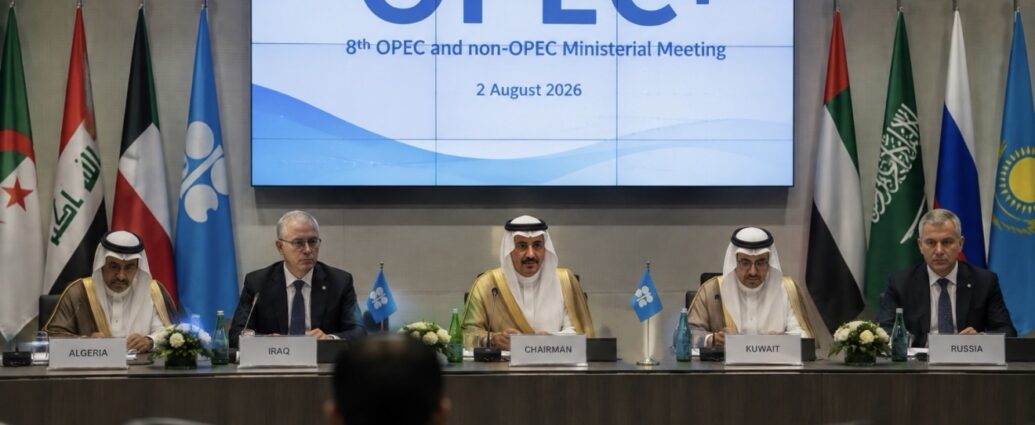
OPEC+ agreed Sunday to raise September production targets by 188,000 barrels a day, completing another step in the reversal of voluntary cuts introduced in 2023, but the increase may do little to reduce prices while damaged infrastructure and disrupted shipping routes keep existing production from reaching buyers.

Saudi Arabia, Russia, Iraq, Kuwait, Kazakhstan, Algeria and Oman approved the increase during a virtual meeting on August 2. The group will review conditions again on September 6 before deciding whether to continue raising output.

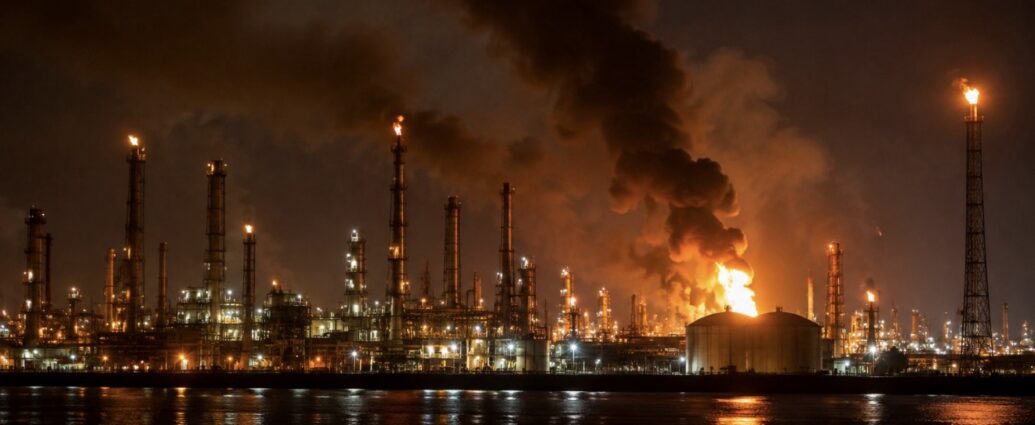
The announcement adds supply on paper at a moment when physical oil markets remain strained by war. Several producers have already struggled to convert higher quotas into actual exports because of damaged terminals, pipeline interruptions and restrictions affecting major maritime routes.

Oil production and oil availability are no longer the same thing. A country may have the capacity to pump more crude, but those barrels cannot stabilize markets if tankers cannot move safely or loading facilities remain offline.

That explains why OPEC+ can raise output targets while crude and fuel prices stay elevated. Earlier production increases have not fully reached buyers, limiting the effect of the alliance’s effort to cool the market.

Sunday’s adjustment completes the rollback of approximately 1.65 million barrels a day in voluntary reductions announced in 2023. A separate layer of roughly 2 million barrels a day in broader OPEC+ cuts remains in place through the end of 2026.

The alliance is therefore not returning to unrestricted production. It is restoring one portion of supply while preserving a larger restraint that can be adjusted if demand weakens or disrupted exports return.

OPEC’s monitoring committee warned Sunday that attacks on energy infrastructure and interruptions to international maritime routes were increasing volatility and reducing available supply. Repairing damaged facilities can take months, meaning higher quotas may not translate into more oil reaching refineries.

For airlines, trucking companies and manufacturers, delivered supply matters more than announced production. Their fuel costs depend on barrels that can be transported, processed and sold, not on targets approved during a virtual meeting.

Refining capacity creates another constraint. Even when additional crude reaches the market, shortages of operational refineries can keep gasoline, diesel and jet-fuel prices high.

That allows producers and refiners to benefit while transportation-dependent businesses absorb higher costs. Consumers eventually feel the pressure through gasoline prices, airfare, delivery charges and more expensive goods.

Energy inflation also complicates central-bank policy. Rising fuel costs can keep overall inflation elevated even as other parts of the economy slow, making it harder for policymakers to lower interest rates.

OPEC+ made no commitment Sunday about production during the final three months of the year. A pause after September would allow the group to assess whether disrupted exports are returning before adding more supply.

If maritime traffic and damaged facilities recover quickly, restoring too many barrels could create a surplus and push prices sharply lower. Continued disruption would produce the opposite result, leaving the alliance announcing higher quotas without materially changing the amount of oil available to buyers.

Internal quota negotiations add another complication. OPEC+ is reviewing member production capacity before establishing 2027 baselines, and countries that have invested in new fields are seeking larger allocations.

Those decisions determine how future oil revenue is divided among members. Producers have an incentive to demonstrate greater capacity now, even when war or logistics prevent them from exporting all of it.

Sunday’s decision gives the appearance of a supply response without guaranteeing relief. The next movement in oil prices will depend less on OPEC+ quotas than on whether tankers can move safely, damaged facilities can restart and refineries can turn available crude into the fuels the economy actually uses.

JBizNews Desk | Vienna

© JBizNews.com All Rights Reserved. Reproduction or distribution without written permission is prohibited.
Tehran has rejected reports that it agreed to a deal dividing responsibility for the Strait of Hormuz with Oman, while Iranian officials insist the waterway remains closed unless vessels coordinate their passage with the Islamic Revolutionary Guard Corps — a position that continues to leave roughly one-fifth of the world’s seaborne energy trade in limbo as Washington signals it is stepping back from a new round of military strikes.

A member of Iran’s negotiating team, quoted Sunday by the semi-official Fars News Agency, rejected an Israeli media report that Foreign Minister Abbas Araghchi had accepted a U.S.-Qatari proposal to divide responsibility for the Strait of Hormuz between Iran and Oman. Fars also quoted an Iranian military source as saying vessels must continue coordinating passage with the Revolutionary Guard, signaling Tehran has not publicly backed the reopening described by President Donald Trump.

The denial directly contradicts the diplomatic opening announced over the weekend. Trump said late Saturday he had postponed a planned military strike on Iran after being asked to allow more time for negotiations aimed at halting Tehran’s nuclear program and immediately reopening the Strait of Hormuz. He added that Israel supported the decision but warned military action remained an option if diplomacy failed.

Behind the scenes, Gulf governments pushed hard for restraint. Saudi Crown Prince Mohammed bin Salman urged Trump during a Saturday phone call to avoid further escalation, warning that major U.S. strikes on Iranian energy infrastructure could trigger retaliation against Saudi Arabia and neighboring Gulf states. Qatar, the United Arab Emirates, Turkey and Pakistan have also pressed both Washington and Tehran to de-escalate as regional leaders work to prevent a broader conflict.

Disagreement over how shipping would resume has remained one of the largest obstacles to any agreement. Iranian Deputy Foreign Minister Kazem Gharibabadi said last week that Tehran rejected an Omani proposal to divide navigation responsibilities across the strait, instead proposing that commercial traffic temporarily pass through Iranian territorial waters. Iranian officials have also challenged the international shipping routes used before the war and maintain that transit must occur under Iranian coordination.

For businesses, the practical reality has changed little. Before fighting erupted earlier this year, roughly one-fifth of the world’s oil and liquefied natural gas exports passed through the Strait of Hormuz. The disruption has driven higher shipping costs, increased war-risk insurance premiums, tightened tanker capacity and kept pressure on global energy prices, costs that ultimately filter through to manufacturers, freight companies and consumers.

Oil prices remain well above prewar levels as uncertainty over the world’s most important energy chokepoint continues. Tehran’s latest rejection suggests any agreement to fully reopen the strait remains out of reach for now.

JBizNews Desk | Washington, D.C.

© JBizNews.com All Rights Reserved. Reproduction or distribution without written permission is prohibited.
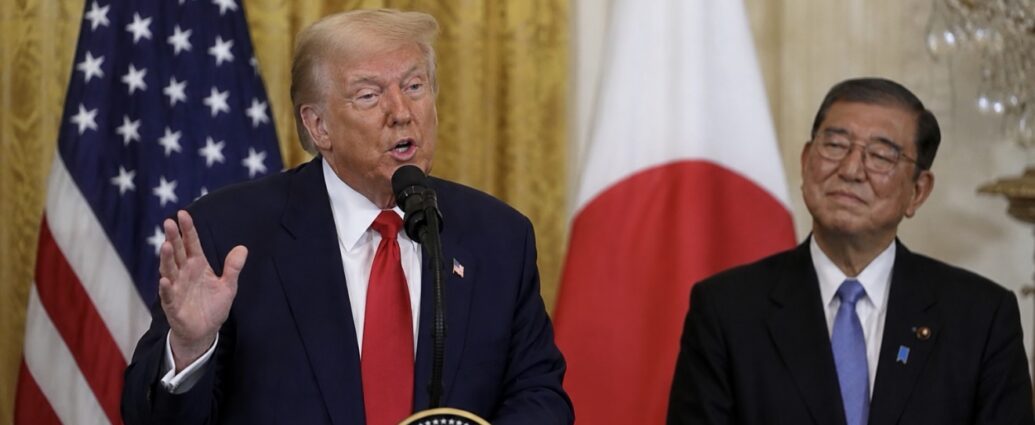
Global energy markets may have found the first credible path toward reopening the Strait of Hormuz. A reported split-lane agreement accepted by Iranian Foreign Minister Abbas Araghchi prompted President Donald Trump to halt a planned military strike, shifting the immediate focus from war to whether one of the world’s most important shipping lanes can safely resume commercial traffic.

According to two diplomats familiar with the negotiations, the proposed framework would divide vessel traffic between Iranian and Omani waters. Ships entering the Persian Gulf would transit along the Iranian-controlled side of the strait, while outbound traffic would move through Omani waters. The proposal was assembled by Qatari and American negotiators, reportedly accepted by Araghchi and endorsed by Oman, which is seeking guarantees that Iran’s Islamic Revolutionary Guard Corps will honor the arrangement. Israel’s Channel 12 first reported the framework.

For global commerce, the split-lane structure is the story.

Since the conflict erupted on February 28, the absence of a trusted transit corridor has effectively paralyzed one of the world’s most critical maritime chokepoints. Roughly one-fifth of globally traded oil and significant volumes of liquefied natural gas, petrochemicals, fertilizers and containerized cargo normally pass through the Strait of Hormuz. By dividing inbound and outbound traffic under separate sovereign authorities, negotiators are attempting to reduce the risk of confrontation while allowing commercial shipping to resume.

That practical compromise appears to have changed Washington’s calculations.

President Trump announced late Saturday that he had called off a planned military strike after receiving assurances that negotiations had reached a workable framework. He said the pause followed requests from Iran and regional governments and remained contingent upon a rapid agreement that would reopen the strait and advance broader negotiations over Iran’s nuclear program. Trump also emphasized that U.S. military forces remain fully prepared should diplomacy fail.

The strike reportedly canceled would have targeted Iranian energy infrastructure, a scenario that had already begun influencing energy markets. Its postponement temporarily removes the immediate risk of significant damage to Iranian production and export facilities, easing one of the largest supply threats facing global oil markets.

Saudi Arabia emerged as a pivotal participant in the diplomacy.

According to the Saudi Press Agency, Crown Prince Mohammed bin Salman urged Trump during a Saturday telephone conversation to pursue dialogue rather than military escalation. People familiar with the discussions said Saudi officials warned that direct American strikes could prompt Iranian retaliation against Gulf energy infrastructure, including refineries, export terminals and processing facilities whose loss would likely remove substantially more oil from global markets than shipping disruptions alone.

Energy prices have reflected every stage of the conflict.

Brent crude climbed above $114 per barrel after the closure began before gradually retreating as diplomatic efforts resumed. Following the June memorandum of understanding between Washington and Tehran, prices fell below $70, approaching levels seen before the conflict. Retail gasoline prices in the United States similarly declined after reaching spring highs, illustrating how quickly geopolitical risk flows through global energy markets.

Shipping costs remain elevated despite diplomatic progress.

The British Navy reported that a commercial tanker was struck late Friday while another vessel experienced a separate explosion near the Omani coast. Although neither incident resulted in casualties, the events reinforce why marine insurers continue charging exceptionally high war-risk premiums for Hormuz transits. Shipping companies may gain permission to sail, but until attacks cease, insurers will continue pricing the corridor as an active conflict zone.

That distinction matters.

Opening the Strait of Hormuz on paper is only the first step. The true measure of success will be whether commercial vessels begin moving safely in both directions, war-risk insurance premiums begin falling and shipping companies regain confidence in one of the world’s most strategically important waterways.

The broader business story extends well beyond diplomacy. Whether this agreement holds will determine not only military tensions but also the future cost of transporting energy, manufacturing goods and insuring global trade. Until commercial shipping resumes under stable conditions, the Strait of Hormuz will remain as much a financial risk as a geopolitical one.

JBizNews Desk | New York

© JBizNews.com All Rights Reserved.
Reproduction or distribution without written permission is prohibited.

The United States has joined Japan in buying yen, turning Tokyo’s currency defense into a coordinated effort to stop a disorderly decline from spreading through global trade, inflation and bond markets.

The U.S. Treasury instructed the Federal Reserve Bank of New York to purchase yen by selling euros, according to reports citing people familiar with the transaction. Japan is expected to formally announce the joint intervention, which would mark the first coordinated U.S.-Japanese operation supporting the yen since 2011. 

Washington has not disclosed the amount purchased. A Reuters photograph taken during a Cabinet meeting Friday showed Treasury Secretary Scott Bessent’s handwritten task list containing the instruction “Buy Japanese Yen” followed by a proposed range of $5 billion to $10 billion. Treasury declined to comment on the note. 

The method matters. By selling euros rather than dollars, Washington could support the yen without directly weakening the dollar or adding further pressure to U.S. inflation. The intervention was reportedly executed through Goldman Sachs and Morgan Stanley on behalf of the New York Fed.

Japan appears to have committed far more. Bank of Japan money-market data indicated that Japanese authorities may have spent as much as 8.2 trillion yen, approximately $59 billion, purchasing their currency after it fell toward four-decade lows. 

Currency intervention is usually temporary unless monetary policy moves in the same direction. Japan’s interest rate remains far below comparable U.S. rates, encouraging investors to borrow cheaply in yen and move the money into higher-yielding dollar assets.

That trade has weakened the yen and made imported oil, food and raw materials more expensive for Japanese households and businesses. The Iran-driven energy shock intensified the pressure because Japan imports most of the fuel needed to run its economy.

Washington’s participation signals that the consequences are no longer confined to Japan. A rapid yen decline can give Japanese manufacturers a large pricing advantage, distort trade flows and expose investors who have borrowed in yen to sudden losses if the currency rebounds.

Global bond markets face another risk. Japanese banks, insurers and pension funds are major owners of U.S. Treasurys. If higher Japanese rates or a stronger yen encourage them to bring money home, demand for American government debt could weaken and U.S. borrowing costs could rise.

Tokyo has explored using the Federal Reserve’s foreign-monetary-authority repurchase facility to obtain dollars without selling its Treasury holdings. That would allow Japan to finance additional intervention while reducing the danger of triggering a broader selloff in U.S. bonds.

The coordinated action also represents a departure from the longstanding preference of major governments to allow exchange rates to be set by markets. The U.S. and Japan reaffirmed last year that intervention should be reserved for excessive volatility or disorderly movements rather than used to create a trade advantage. 

Japan’s Finance Ministry controls intervention policy, while the Bank of Japan executes the trades. In the United States, Treasury directs currency operations through the Exchange Stabilization Fund, with the New York Fed acting as its market agent.

A purchase of $5 billion to $10 billion would be small compared with the trillions traded daily in global foreign-exchange markets. Its significance comes from the message that both governments are prepared to act together and potentially return with larger purchases.

Traders will now test whether that commitment is strong enough to establish a floor under the yen. Without faster Japanese interest-rate increases or lower U.S. rates, intervention alone may slow the decline without reversing the economic forces behind it.

The next signal will come from Japan’s formal disclosure and any confirmation from the U.S. Treasury. Those statements will determine whether Friday’s transactions were a limited warning to currency markets or the beginning of a sustained campaign to prevent the yen’s weakness from becoming a wider financial threat.

JBizNews Desk | Washington and Tokyo

© JBizNews.com All Rights Reserved. Reproduction or distribution without written permission is prohibited.

America’s two largest oil companies are warning that high fuel prices are unlikely to ease anytime soon, even if crude oil production remains strong, as the five-month war involving Iran continues to disrupt global energy flows and tighten refined fuel supplies. The message came alongside quarterly earnings that showed both companies benefiting from one of the strongest refining environments in years. 

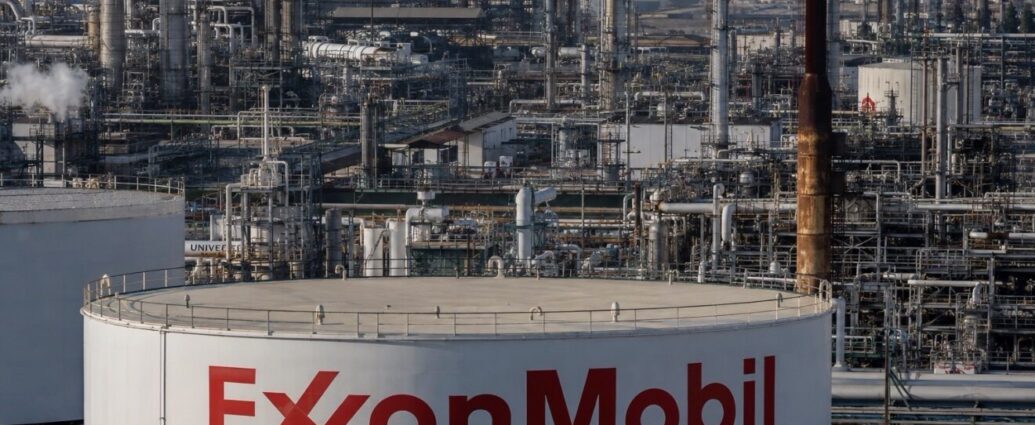
Rather than pointing to a shortage of crude oil itself, ExxonMobil and Chevron highlighted a different problem: the world lacks enough refining capacity and reliable transportation routes to convert crude into diesel, jet fuel and gasoline. Refinery outages, lower fuel exports from China and continued uncertainty surrounding shipments through the Strait of Hormuz have created a supply squeeze that executives expect will continue through the second half of the year. 

Exxon reported record diesel production and generated $4.1 billion in downstream earnings during the quarter, while Chevron operated its U.S. refineries at record throughput exceeding one million barrels per day. Even so, both companies cautioned that running refineries at maximum capacity cannot continue indefinitely because scheduled maintenance and equipment limitations will eventually reduce output. Chevron warned maintenance alone could cut third-quarter downstream earnings by $175 million to $225 million. 

For consumers, the warning suggests relief at the gas pump may remain limited despite periods of lower crude prices. Diesel prices are particularly important because they affect trucking, rail, shipping, farming and manufacturing costs, which eventually work their way into grocery bills and the prices businesses charge customers. 

The comments also carry political significance. President Donald Trump has repeatedly criticized major oil companies over gasoline prices and previously directed the Department of Justice to investigate whether companies including Exxon and Chevron failed to pass lower crude prices on to consumers quickly enough. The latest earnings are likely to intensify scrutiny as refiners continue reporting strong margins while motorists face elevated fuel costs. 

For investors, the quarter highlighted how geopolitical instability can reshape corporate earnings. Exxon and Chevron together generated roughly $27 billion in profit while returning billions of dollars to shareholders through dividends and share repurchases, yet both executives cautioned that the current environment reflects supply disruptions rather than a healthy long-term balance in global energy markets. 

The broader business message extends well beyond the oil industry. As long as shipping through the Strait of Hormuz remains vulnerable and refining capacity stays constrained, fuel costs are likely to remain an inflation risk for transportation, airlines, manufacturers and consumers alike—even if crude production remains abundant. 

JBizNews Desk | New York

© JBizNews.com All Rights Reserved. Reproduction or distribution without written permission is prohibited.

President Donald Trump said Saturday night that he called off a massive planned attack on Iran and is pressing for an immediate agreement, adding that Israel supports the commitment.

Trump said American forces remain “locked and loaded” and ready to act against Iran at a level of military power he described as unseen since World War II. The statement pairs a stand-down with an explicit threat, leaving the military option openly on the table if talks fail to produce terms quickly. No agreement has been announced and the situation remains fluid.

The reversal comes within hours of reporting that Washington and Jerusalem were preparing one of the war’s heaviest bombing campaigns, with Iranian energy infrastructure on the target list and strikes possible across the weekend. Planners had discussed attempting to conclude the campaign before financial markets open Monday, on concern about the effect on the American and global economy, though no end point had been set. That detail signaled how directly the targeting decision was being weighed against economic consequences — and the pause suggests those consequences carried weight.

Regional pressure preceded the decision. Trump spoke Saturday with Saudi Crown Prince Mohammed bin Salman, who reinforced Riyadh’s desire for de-escalation and raised concerns about the strike plans. Mediators from Qatar and Pakistan had been working urgently to prevent a new escalation, including calls with Iranian and American officials and with Trump’s envoy Steve Witkoff. A near-term objective has been an arrangement between Iran and Oman that would let commercial traffic resume moving through the Strait of Hormuz.

For businesses with exposure to the region, the immediate tail risk has narrowed. Strikes on Iranian refineries and export terminals were the scenario most likely to trigger reciprocal attacks on Gulf energy infrastructure — the facilities that clear a large share of the world’s seaborne crude. Removing that from the weekend’s range of outcomes takes the sharpest supply shock off the table before trading resumes.

What it does not do is restore normal conditions. Kuwait’s military said Saturday its forces were responding to Iranian drone attacks that struck a number of vital facilities, including a government building in the country’s north, with no casualties reported. The UK Maritime Trade Organization reported that an unknown projectile struck a tanker eleven nautical miles northeast of Lima, Oman, damaging its engine room, and that a large splash and explosion occurred near a second tanker off Khasab. US embassies in Amman, Jerusalem and Baghdad issued security alerts Saturday citing heightened tensions and advised Americans in the region to prepare for flight cancellations, periodic airspace closures and travel disruptions. Those advisories remain in force.

The pattern is also familiar. This is not the first stand-down of the five-month war. Trump paused strikes in late July to give negotiations another chance, telling Axios that Washington was in deep talks with Tehran and would return to strong military action if they failed, and that he was allowing little time — either it moves fast or not at all. That pause collapsed within days when Iran launched a surprise attack on US forces and Central Command resumed strikes on July 29. A June memorandum of understanding intended to end the war within 60 days of signing also broke down in July after Iran struck three commercial vessels that bypassed its preapproved transit route.

Each prior de-escalation delivered a brief improvement in freight and insurance conditions before hostilities resumed. Cargo owners and underwriters who repriced on the last pause absorbed the cost when it failed, which argues for treating this one as provisional rather than structural until terms are actually signed.

The unresolved issue remains the same one that has broken every previous framework: who controls transit through the Strait of Hormuz. Tehran has insisted on approving passage; Washington and the Gulf states have pushed for open, toll-free navigation. Until that question is settled in writing, shipping schedules and energy contracts through the corridor stay exposed to reversal on a single announcement.

For now, the weekend’s worst case has been deferred. Whether it has been avoided depends on what emerges from talks in the coming days.

This is a developing story.

JBizNews Desk | New York

© JBizNews.com All Rights Reserved. Reproduction or distribution without written permission is prohibited.

The United States and Israel are preparing what would be among the heaviest bombing campaigns of the five-month war against Iran, with Iranian energy infrastructure on the target list and strikes possible across this weekend, according to multiple sources briefed on the planning. No final decision has been made.

Israeli officials have been notified and are coordinating with Washington. Planners discussed attempting to conclude the campaign before financial markets open Monday, on concern over the effect on the American and global economy, though no end point was set. That detail marks the first clear signal that market timing is being weighed inside the targeting decision itself — an acknowledgment that striking Iranian energy assets carries consequences Washington cannot fully contain.

The reluctance has a specific logic. Iran’s retaliation has consistently traveled to the Gulf states hosting American forces rather than to American territory. Kuwait’s military said Saturday its forces were responding to Iranian drone attacks that struck a number of vital facilities, including a government building in the country’s north, with no casualties reported. Strikes on Iranian refineries and terminals invite reciprocal strikes on Gulf refineries and terminals — the infrastructure that clears a large share of the world’s crude.

Shipping is already absorbing the pressure. The UK Maritime Trade Organization reported that an unknown projectile struck a tanker eleven nautical miles northeast of Lima, Oman, damaging its engine room, and that a large splash and explosion occurred near a second tanker off Khasab on Saturday. Vessels have been advised to transit with caution and report suspicious activity. Every such incident feeds directly into war-risk premiums and rerouting decisions for cargo owners who have spent five months rebuilding schedules around an unreliable Strait of Hormuz.

Regional partners are pushing back. President Trump spoke Saturday with Saudi Crown Prince Mohammed bin Salman, who reinforced Riyadh’s desire for de-escalation and raised concerns about the potential strikes. Mediators from Qatar and Pakistan have also been working to prevent a new escalation, including contacts with Iranian and American officials and U.S. envoy Steve Witkoff. One objective has been to reach an arrangement that would allow commercial shipping to resume moving safely through the Strait of Hormuz.

Several U.S. embassies in the region, including Amman, Jerusalem and Baghdad, issued security alerts Saturday citing heightened tensions and advised Americans to prepare for flight cancellations, periodic airspace closures and travel disruptions. For businesses with employees, supply chains or cargo in the region, those warnings are the clearest indication that operational risks remain elevated.

Supporters of striking Iran’s energy sector argue it would weaken Tehran’s ability to finance the war and sustain government operations. Critics counter that any attack on Iranian oil and gas infrastructure could quickly trigger retaliation against Gulf energy facilities, disrupting global oil supplies and pushing fuel prices higher worldwide.

Five months after the war began on February 28, the conflict has yet to produce a lasting diplomatic solution. Instead, attention has shifted to whether the next phase of the war will target the infrastructure that powers both Iran’s economy and a significant share of the world’s energy market.

JBizNews Desk | New York

© JBizNews.com All Rights Reserved. Reproduction or distribution without written permission is prohibited.
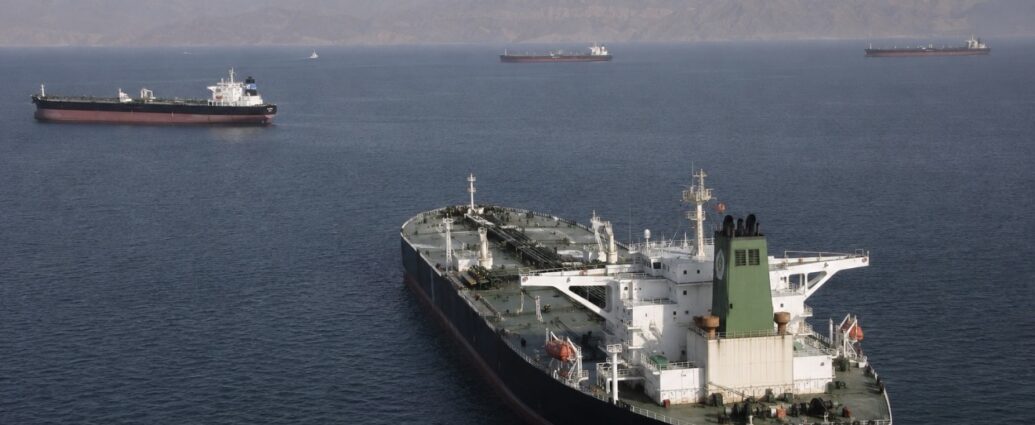
China will raise regulated gasoline and diesel prices for the second time in two weeks beginning Saturday, passing more of the global oil-market shock directly to drivers, trucking companies and businesses that depend on road transportation.

The National Development and Reform Commission said gasoline price ceilings will increase by 685 yuan per metric ton, while diesel ceilings will rise by 655 yuan. The adjustment takes effect at midnight on August 1 and reflects the recent increase in international crude-oil prices.

For motorists, the national per-ton increase will be converted into new retail price ceilings that vary by province and fuel grade. Individual gas stations may charge less than the maximum, but the government’s decision gives retailers permission to raise pump prices across the country.

The move comes just two weeks after China increased gasoline prices by 300 yuan per ton and diesel prices by 290 yuan. Together, the two July adjustments represent a sharp reversal from the large fuel-price reduction implemented at the beginning of the month.

China regulates retail fuel prices through a system that reviews international crude-oil movements every 10 working days. When global prices change enough to trigger an adjustment, the government revises maximum domestic gasoline and diesel prices rather than allowing stations to respond independently each day.

That system can temporarily delay the impact of global oil volatility, but it does not fully insulate consumers. Sustained increases in international crude eventually reach households through higher driving costs and reach businesses through the price of transporting goods.

Renewed fighting involving Iran and the United States, combined with continuing restrictions on shipping through the Strait of Hormuz, has driven oil prices higher and made energy markets more volatile. The strait is one of the world’s most important routes for crude oil and petroleum products, leaving Asian importers particularly exposed when traffic is interrupted.

China is the world’s largest crude-oil importer. Although the country buys oil from a wide range of suppliers and maintains strategic reserves, a prolonged disruption raises the cost of replenishing supplies and increases pressure on domestic refiners.

Gasoline prices directly affect families commuting by car or traveling during the summer holiday period. Even modest per-liter increases can become significant for households filling several tanks each month, particularly outside major cities where public transportation may be limited.

Diesel carries a broader inflation risk because it is widely used by trucks, construction equipment, farms and industrial machinery. When diesel becomes more expensive, businesses can face higher costs moving food, packages, raw materials and manufactured products across the country.

Those transportation expenses may eventually appear in consumer prices. Retailers and manufacturers do not always raise prices immediately, but persistent fuel increases can narrow profit margins and make delivery surcharges or product-price adjustments more likely.

Demand has already shown signs of weakening under elevated energy costs. Gasoline consumption declined during the peak summer travel period compared with a year earlier, while diesel use remained restrained by slower construction activity, heavy rain and extreme heat in several regions.

Lower consumption may limit how much fuel retailers can charge below government ceilings. Stations competing in areas with weak demand sometimes offer discounts, but operators face less room to do so when their wholesale acquisition costs rise rapidly.

Electric-vehicle owners are largely shielded from direct gasoline increases, strengthening the operating-cost advantage of battery-powered cars. China already leads the world in electric-vehicle adoption, and another period of high fuel prices could reinforce consumer interest in vehicles that depend less on imported oil.

Electricity prices, however, are also influenced by broader energy costs, and charging expenses can vary substantially by location and time of day. Drivers comparing vehicles must still consider purchase price, insurance, battery range, charging availability and resale value rather than fuel savings alone.

The government has previously intervened when its normal pricing formula would have produced unusually large increases. In March, regulators limited the amount of a fuel-price adjustment to reduce the immediate burden on consumers and businesses after the Middle East conflict intensified.

Friday’s announcement did not include a similar extraordinary cap. That suggests officials are allowing more of the current international increase to flow through the domestic pricing system, even as policymakers attempt to support household spending and stabilize economic growth.

Chinese refiners may benefit from higher regulated selling prices, though the effect depends on the cost of crude oil and the profitability of converting it into gasoline and diesel. A price increase at the pump does not necessarily mean refiners are earning more if their raw-material costs are rising even faster.

The adjustment also has implications beyond China. As the country manages domestic demand, refinery production and fuel exports, its decisions can influence gasoline and diesel supplies elsewhere in Asia and the global market.

Consumers will now watch whether international oil prices stabilize before the next 10-working-day review. Continued disruption in the Middle East could produce another increase, while a meaningful decline in crude would allow the government to begin reversing the latest rise.

For households and businesses, the immediate message is clearer: the global energy crisis is no longer confined to financial markets or shipping lanes. It is again reaching the price of an ordinary tank of fuel and the cost of moving everyday goods.

JBizNews Desk | Beijing, China

© JBizNews.com All Rights Reserved. Reproduction or distribution without written permission is prohibited.
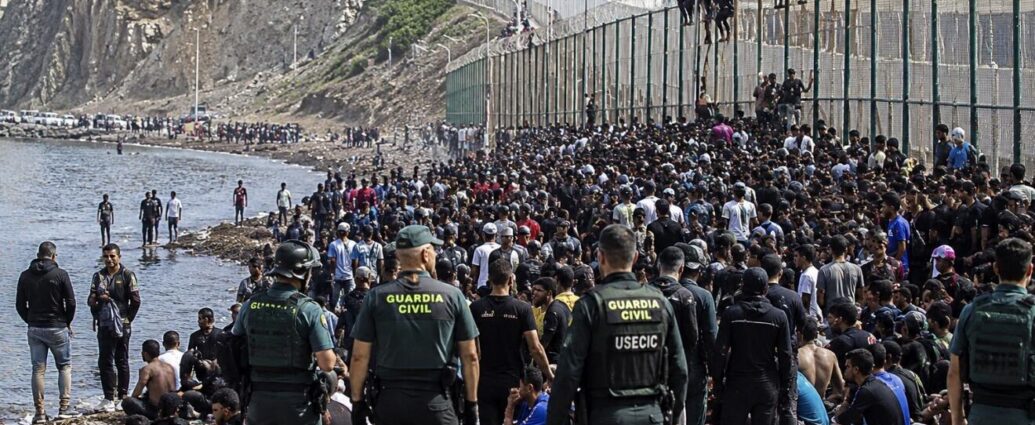
Oil settled higher Friday and closed July with its sharpest monthly gain since March, capping a week in which the U.S.–Iran war pushed energy costs back to levels American households, trucking companies and freight operators have been absorbing since late winter.

West Texas Intermediate futures rose more than 1% to close at $84.67 per barrel, while Brent crude, the international benchmark, gained more than 1% to settle at $90.12. Prices still fell more than 5% for the week after a Monday selloff driven by hopes of de-escalation, but the U.S. crude marker ended the month roughly one-fifth higher.

The reason markets gave back some of Monday’s optimism arrived Friday afternoon.

President Donald Trump ordered the U.S. military to carry out a new attack on Iran as soon as this weekend, The Wall Street Journal reported, citing unnamed U.S. officials who said the strikes are intended to push Tehran toward surrender.

Speaking during a Cabinet meeting at Camp David on Friday, Trump said the United States would be “hitting them very hard” and predicted that Iran would eventually reach a point where it could no longer withstand the pressure.

For business owners tracking fuel, freight and insurance costs, the more consequential question is what may be included in the target set.

The United States and Israel are preparing possible strikes against Iranian energy infrastructure, CBS News reported Friday, citing multiple sources who said the operations could take place over the weekend and could include power plants and refineries, although the president had not yet given final approval.

Striking refining and power-generation facilities rather than military sites alone would widen the risk premium traders place on every barrel of oil. Damaged processing capacity can take months to restore even after fighting ends, keeping pressure on diesel, gasoline and transportation costs long after a ceasefire.

The immediate friction point remains the Strait of Hormuz, where the naval blockade is being enforced ship by ship.

U.S. Central Command said Friday that American forces had redirected 30 commercial vessels, disabled two and boarded two others as part of blockade enforcement. Nearly 30 ships carrying humanitarian aid were permitted to pass.

Tehran separately claimed a direct hit on tanker traffic.

Iran’s Islamic Revolutionary Guard Corps said it struck two tankers attempting to transit Hormuz under U.S. military escort and caused four additional tankers to turn back. U.S. and British maritime-security organizations monitoring the region had not independently confirmed those attacks by Friday evening.

Each interception, delay or unconfirmed attack eventually reaches businesses through higher tanker premiums, fuel surcharges and delivery invoices.

AAA data placed the national gasoline average at $4.003 per gallon on July 20, up approximately 13 cents in one week and more than 86 cents from the same date a year earlier. Diesel reached $5.11 per gallon.

The national average also conceals major regional differences. Drivers across much of the South are paying closer to $3.60 per gallon, while California prices are near $5.50.

Diesel matters most for the tri-state distribution economy because it powers the trucks that stock grocery shelves, restaurant kitchens, warehouses and construction sites.

Small businesses often have less ability to absorb sudden transportation increases or negotiate long-term fuel contracts, forcing them to raise prices, reduce margins or delay hiring and investment.

The administration has also been attacking pump prices from the retail side.

The White House announced the launch of a Freedom Fuel Network selling gasoline at participating stations in New Jersey and Pennsylvania for $3.47 per gallon, below prevailing state averages.

Trump has publicly demanded that retailers reduce prices and warned of consequences if they fail to do so. The program remains small compared with regional fuel demand, but it signals that Washington views gasoline retailing itself, not only crude supply, as a policy lever heading into the fall.

Supply-side relief efforts are also broadening beyond the Gulf.

Saudi Arabia announced Thursday the establishment of a Multinational Maritime Defense Alliance to safeguard navigation through the Bab al-Mandeb Strait, the Red Sea and the Gulf of Aden.

Representatives from 43 of the 51 invited countries attended the founding meeting in Riyadh alongside a European Union delegation. Saudi Arabia will serve as the founding and leading state and host the alliance’s permanent headquarters and joint command.

The kingdom and 13 other governments signed onto the alliance, though neither the United Arab Emirates nor Oman joined.

Traders also remained wary of Black Sea disruptions after loadings were again suspended at the terminal critical to Kazakhstan’s crude exports. Tanker traffic through Hormuz increased after a recent slowdown, allowing millions of barrels to move through the waterway.

That is the balance businesses face heading into August.

Physical oil flows are moving better than the headlines suggest, but political risk is running hotter than at any point since the July blockade.

A limited strike followed by negotiations could allow crude prices to retreat. A broader attack on refineries, power plants or transportation infrastructure could send oil, diesel, tanker insurance and freight costs higher before markets reopen Monday.

Companies with fuel-sensitive expenses—including trucking, food distribution, construction, contracting and livery services—may need to price contracts on the assumption that this weekend brings volatility rather than resolution.

Businesses can reduce exposure by shortening the period during which bids remain valid, adding fuel-adjustment clauses and securing transportation rates where possible instead of waiting for a price break that has repeatedly failed to arrive.

July’s surge in crude prices shows how quickly geopolitical risk can become an operating expense.

The next move will be determined in Washington and Tehran, but the bill will travel much farther—through tanker premiums, diesel pumps, delivery routes and the prices businesses charge their customers.

JBizNews Desk | New York

© JBizNews.com All Rights Reserved. Reproduction or distribution without written permission is prohibited.