A sustained decline in the U.S. dollar is squeezing Latin America’s food exporters, reducing profits on some of the products American businesses import most heavily—including coffee, bananas, avocados and agricultural ingredients used throughout the packaged food industry.

The financial pressure is straightforward. Most exporters sell their products in U.S. dollars while paying workers, transportation and operating expenses in local currency. As the dollar weakens, every export shipment converts into fewer local-currency earnings, even if sales volumes remain unchanged. In Colombia, industry groups representing coffee, bananas, avocados, flowers, sugar and palm oil argue the currency shift has become structural rather than temporary and are urging the incoming administration of President-elect Abelardo de la Espriella to adopt policies supporting exporters.

The Colombian peso has strengthened roughly 22% against the dollar since early 2025, climbing from about 4,308 pesos per dollar in January 2025 to roughly 3,334 by early July 2026—the strongest level in approximately six years. For exporters whose contracts remain denominated in dollars, that appreciation has sharply reduced local-currency revenue.

Coffee producers have been among the hardest hit. Economic think tank ANIF estimates that every 100-peso change in Colombia’s exchange rate shifts coffee export revenue by approximately 34 billion pesos, or about $10 million, assuming shipment volumes remain constant. Between September 2025 and May 2026, ANIF estimates coffee producers lost between 1.4 trillion and 1.6 trillion pesos in potential revenue compared with 2025 exchange rates.

Unlike many manufacturers, agricultural exporters have little ability to offset currency losses through higher prices. Colombian bananas compete directly with producers across Latin America and other global growing regions, leaving exporters with almost no pricing flexibility. The same pressure is affecting Hass avocado producers, who have invested heavily in expanding exports but now face shrinking margins despite steady international demand.

Operating costs are moving in the opposite direction. Export association Analdex says domestic freight expenses have risen nearly 30% this year while labor and energy costs have continued climbing, creating a double squeeze in which exporters earn less from currency movements while paying more to produce and transport goods.

For American importers, a weaker dollar does not automatically translate into cheaper food. Currency losses reduce growers’ profitability, limiting their ability to invest in replanting, equipment, maintenance and future production. Those decisions typically affect supply several growing seasons later, potentially tightening availability and placing upward pressure on prices long after exchange rates stabilize.

The export volumes involved are significant. Colombia shipped a record $1.309 billion of bananas in 2025, a 21.6% increase from the previous year, exporting approximately 133 million 20-kilogram boxes from nearly 53,000 hectares of farmland. The European Union purchased 65.8% of those exports, while the United States accounted for 17.3% and the United Kingdom 13.6%. Colombia also exports roughly 700,000 metric tons of coffee annually, a smaller volume than bananas but with substantially higher value per shipment.

Weather has compounded the industry’s challenges. Flooding damaged roughly 1,200 hectares of Colombian banana production, affecting about 2.3% of productive acreage before the onset of the dry season. Industry analysts now project banana exports could decline by roughly 5%, with losses potentially reaching 10% if El Niño conditions intensify.

Coffee markets face additional uncertainty from higher freight and energy costs linked to ongoing geopolitical instability, making it more difficult for exporters, traders and roasters to lock in long-term pricing agreements.

The impact reaches directly into the United States. Importers supplying New York’s Hunts Point Produce Market, specialty coffee roasters throughout Brooklyn and northern New Jersey, and supermarket wholesalers handling Latin American produce all face suppliers operating under increasing financial pressure. Exporters with shrinking margins often demand shorter payment terms, negotiate more aggressively and redirect shipments toward markets offering stronger returns. With Europe already purchasing nearly two-thirds of Colombia’s banana exports, growers have viable alternatives when deciding where to ship their products.

For investors and businesses, the broader lesson extends well beyond agriculture. A stronger local currency is often celebrated as evidence of economic confidence, but for export-driven industries it can function as a significant earnings cut. When revenues are earned in dollars while costs continue rising at home, even healthy demand cannot fully protect profitability.

JBizNews Desk | Bogotá

© JBizNews.com All Rights Reserved. Reproduction or distribution without written permission is prohibited.
Abu Dhabi National Oil Company is changing how it prices every barrel of crude it sells, replacing the Murban futures benchmark it spent years building with a regional physical pricing benchmark as volatility from the Iran conflict continues reshaping Middle Eastern energy markets.

Beginning November 1, ADNOC will calculate monthly official selling prices for all of its Abu Dhabi crude grades—including Murban, Das, Umm Lulu and Upper Zakum—using prompt-month Platts Dubai pricing instead of Murban crude futures. Price differentials to Dubai will be announced during the month before cargoes load, bringing pricing closer to actual market conditions at the time of shipment.

The move ends a pricing framework that has been in place since the launch of the ICE Futures Abu Dhabi Murban contract in 2021. Under that system, buyers typically committed to prices roughly two months before cargoes loaded. The new approach shortens that timeline to approximately one month, reducing the disconnect between contracted prices and actual shipping conditions.

That timing matters. During the Iran conflict, freight rates, insurance premiums and security risks surrounding the Strait of Hormuz have changed rapidly, leaving refiners and traders exposed when oil was priced weeks before those costs became known. By narrowing the pricing window, ADNOC reduces the risk that customers pay based on market conditions that no longer exist when shipments actually depart.

The change also follows the United Arab Emirates’ departure from OPEC and OPEC+, which became effective May 1 and gave ADNOC greater flexibility over production and commercial strategy. Earlier this year, Platts removed the pricing floor linking Murban to Dubai after expanding Murban production increased its influence within regional crude markets. ADNOC’s decision now extends that evolution to its official sales program.

The reversal is notable because ADNOC spent years promoting Murban futures as the Middle East’s first internationally traded regional crude benchmark capable of competing with Brent. ICE Futures Abu Dhabi said it will continue listing Murban futures contracts that already have open interest while suspending future contract months without active positions.

In practice, the transition has already begun. Since June, ADNOC has been selling cargoes through spot tenders priced against Dubai differentials, making the formal announcement more of a confirmation than an unexpected policy shift. Market participants had largely expected any change to apply only to offshore marine grades, but ADNOC instead expanded it across its full production portfolio.

The company said the revised pricing mechanism reinforces its commitment to transparent pricing while continuing to meet all contractual delivery obligations. ADNOC also stated the change is not expected to materially affect outstanding debt securities, including bonds and sukuk issued under its financing programs.

Energy market specialists believe the implications could extend well beyond Abu Dhabi. Joel Hanley, Executive Director for Strategy and Development at S&P Global Energy, said aligning benchmark timing more closely with physical trading reduces basis risk and could encourage broader changes across global oil pricing systems. As Gulf crude increasingly trades on similar timelines, benchmark consistency becomes more valuable for both producers and buyers.

That possibility carries significance for American energy companies. Saudi Aramco, Kuwait Petroleum and Iraq’s state oil marketer all rely on similar official selling price systems. If other Gulf producers shorten their pricing windows as well, refiners, commodity traders, airlines and industrial fuel consumers could face meaningful changes in how they hedge Middle Eastern crude purchases and manage future fuel costs.

For businesses across the United States already navigating elevated diesel, jet fuel and freight expenses after two years of geopolitical disruptions, the new pricing mechanism will not necessarily reduce energy costs. It should, however, make pricing more closely reflect actual market conditions at the time oil is delivered, reducing one source of uncertainty in an energy market that has experienced little stability.

JBizNews Desk | Abu Dhabi

© JBizNews.com All Rights Reserved. Reproduction or distribution without written permission is prohibited.

Foreign Minister Gideon Sa’ar began a diplomatic visit to South America on Wednesday, with stops in Ecuador and Colombia aimed at strengthening Israel’s diplomatic engagement across Latin America.

The visit includes official meetings with government leaders and senior officials, as well as Sa’ar’s participation in Friday’s inauguration ceremony of Colombia’s President Abelardo de la Espriella, where he will represent the State of Israel.

During the inauguration events, Sa’ar is expected to hold a series of bilateral meetings with political leaders and senior officials from across the continent as part of Israel’s broader diplomatic outreach in the region.

Foreign Minister Gideon Sa'ar stands with Ecuadorian President Daniel Noboa Azin on August 5, 2026.    (credit: screenshot)

Sa’ar begins South America tour with landmark Ecuador visit

The visit follows an announcement made two weeks ago that Sa’ar and Colombia’s designated foreign minister, Omar Bula Escobar, reached an agreement to relocate Colombia’s embassy in Israel to Jerusalem, marking a significant development in bilateral relations.

Before traveling to Colombia, Sa’ar is making an official visit to Ecuador. According to the Foreign Ministry, the trip marks the first visit by an Israeli foreign minister to the country in 44 years.

Speaking ahead of the visit, Sa’ar said Israel has made significant progress in rebuilding and expanding its relationships throughout Latin America.

“Through determined and systematic diplomatic efforts, we have succeeded in strengthening and renewing Israel’s relations with many countries across Latin America,” Sa’ar said. 

“We are continuing our effort to bring Latin America closer to Israel. Israel and its citizens will benefit from this in every sphere, diplomatically, economically, and through tourism.”

The Foreign Ministry said the visit reflects Israel’s continued efforts to deepen diplomatic, economic, and people-to-people ties with countries throughout the region while expanding cooperation with longstanding and emerging partners.

This post was originally published on here. 

While input costs have risen sharply, demand is proving resilient as businesses stockpile essential parts and equipment to avoid further disruption from tensions in the Middle East.

This post was originally published here. 

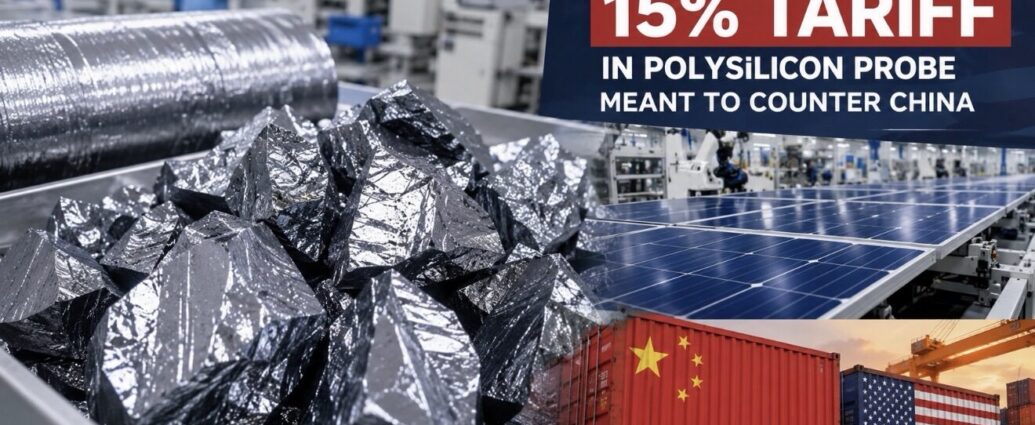
Every solar panel and every computer chip starts out as the same thing: silicon refined to a purity so extreme that only a handful of factories on earth can make it. That material is called polysilicon, and China makes almost all of it. The Trump administration is about to make it much harder to sell the Chinese version cheaply in the United States.

The plan, expected to be announced as soon as Thursday, pairs a 15% tariff on products made from polysilicon with a set of price floors covering polysilicon itself along with wafers, cells and finished solar modules. Four people familiar with the matter described the package, which comes as a presidential proclamation closing out a year-long national security investigation run by the Commerce Department.

The price floor is the part with real teeth. A tariff adds a percentage on top of whatever an importer paid. A minimum import price does something different — it sets a legal floor beneath which the imported goods simply cannot be sold in the U.S. market at all. If Chinese producers cut their prices, the floor does not move. That closes the door on the tactic American producers have complained about for fifteen years: flooding the market at prices below what it costs anyone to manufacture.

Two American plants, one enormous competitor

The reason Washington is acting is a lopsided number. Chinese manufacturers turn out roughly 93.5% of the world’s polysilicon, leaving the United States with essentially two domestic producers — Hemlock Semiconductor in Hemlock, Michigan, and Wacker Chemie’s plant in Charleston, Tennessee. Hemlock is a joint venture between Corning and Japan’s Shin-Etsu Handotai; Wacker is based in Munich. Between them they supply the raw feedstock underneath every chip and every panel built on American soil.

China accounts for more than 80% of manufacturing capacity across the major stages of solar panel production, according to the International Energy Agency, and nine of the world’s ten largest polysilicon producers are Chinese.

Beijing has not been shy about protecting its own side of the trade. In January, China extended anti-dumping duties on solar-grade polysilicon from the U.S. and South Korea for another five years, with American producers facing rates between 53.3% and 57%.

The catch for solar builders

The administration is trying to help two industries that want opposite things. Polysilicon makers want import prices high. The solar developers and chip buyers who purchase the finished product want them low — and demand is surging because of data center construction.

Industry groups representing solar developers and semiconductor buyers have told the administration that tariffs could raise the cost of solar power plants and push up prices on everything from consumer electronics to automobiles. Roth Capital estimates the price floor could add about ten cents per watt to imported solar cells.

There is a release valve built in. Two of the sources said importers that invest in American wafer and cell production will be able to offset the costs of the new trade protections — a structure designed to convert the tariff bill into domestic factory construction rather than simply higher prices.

Investors read the news as good for the American names. Corning rose as much as 10%, First Solar gained 8% and SolarEdge Technologies added 8% after the plan was reported.

How it got here

The Commerce Department’s Bureau of Industry and Security opened the formal investigation on July 14, 2025, examining the national security effects of imports of polysilicon and its derivatives, including wafers, cells and modules. The probe runs under Section 232 of the Trade Expansion Act of 1962, the same statute used for steel and aluminum, which lets the president restrict imports found to threaten national security and permits remedies including tariffs, quotas and minimum prices.Both Hemlock and Wacker make semiconductor-grade material, the higher-specification product, and preserving that capability is the more consequential of the two goals the policy serves.

Solar volume is what keeps those plants running; chips are what makes them strategic.

China has objected. A spokesperson for China’s Embassy in Washington called on the U.S. to “stop the Section 232 tariff measures as soon as possible” and settle the dispute through dialogue between equals.The Commerce Department and the White House did not immediately respond to requests for comment.

The larger point is that polysilicon has quietly become a chokepoint. It sits at the front of two supply chains the country cannot do without, and one nation controls nearly all of it. Thursday’s proclamation is Washington’s attempt to buy its two remaining plants enough room to stay in business.

JBizNews Desk | Washington

© JBizNews.com All Rights Reserved. Reproduction or distribution without written permission is prohibited.

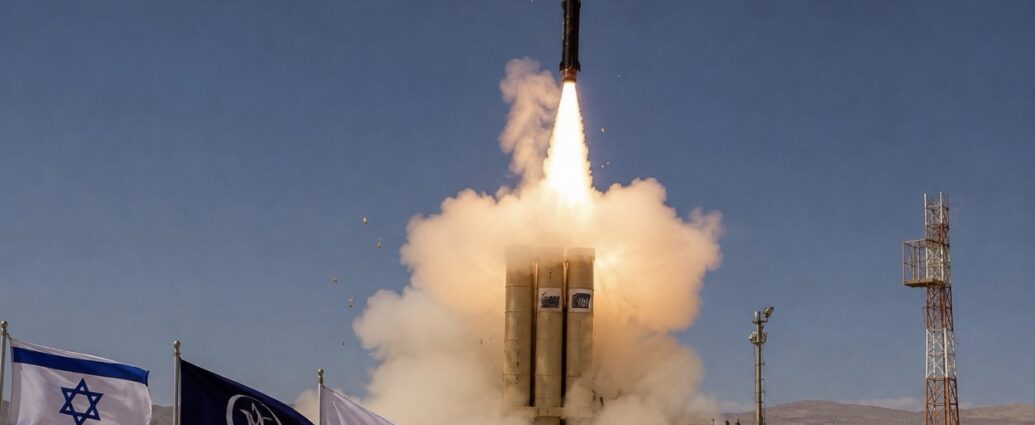
Israel’s Ministry of Defense confirmed Wednesday that it completed a planned test launch of the Arrow Weapon System, the exo-atmospheric layer of the country’s air defense network and the only American-funded interceptor program with a combat record against live ballistic missiles.

The test was a development flight, not an intercept demonstration against a target. An interceptor was launched from a site in central Israel, leaving a trail visible across the southern coastal plain and alarming beachgoers in Ashdod before the ministry confirmed the launch was a scheduled trial. The ministry said additional details would follow. It has not disclosed which interceptor flew.

What officials did specify is where the improvement lies. Israel Missile Defense Organization director Moshe Patel said the test brought together advanced technologies, artificial intelligence, lessons drawn from combat, and automated manufacturing. Brig. Gen. (res.) Dr. Daniel Gold, who heads the Directorate of Defense Research and Development, described the work as applying wartime experience to threats still ahead. In plain terms: faster discrimination of real warheads from decoys and debris, engagement logic rewritten around what Iranian missiles actually did in the air, and a production line rebuilt to turn out more rounds per month.

That last item is the one with the largest near-term consequence, and it points at the alliance’s real shortage.

What the system does today

Arrow 3 is a two-stage interceptor that destroys long-range ballistic targets by direct impact at altitudes near 100 kilometers and ranges reaching roughly 2,400 kilometers, above the atmosphere. Arrow 2 handles threats at the atmosphere’s edge. The system runs on Green Pine and Super Green Pine radars with a battle-management layer that assigns targets and fires. Since the October 7 war began, more than 1,300 ballistic missiles have been fired at Israel from Iran and Yemen, with Arrow carrying the long-range intercepts.

Why Washington is watching

Arrow is jointly managed by the Israeli Ministry of Defense and the U.S. Missile Defense Agency, with Israel Aerospace Industries as prime contractor and Elbit Systems, Tomer, Rafael Advanced Defense Systems, and Mississippi-based STARK Aerospace holding production roles.

American interceptor stocks are thin. During the 39-day campaign that opened February 28, the U.S. Army expended more than half its THAAD inventory, and a U.S. official told The Washington Post that American forces lacked enough THAAD rounds to safely sustain the Iran air campaign. The cost spread explains the strategic math: a THAAD interceptor runs roughly $12 million and an SM-3 Block IIA about $36 million, against an estimated $2 million to $3 million for an Arrow 3.

Months for a missile, years for a factory

The Pentagon agreed with Lockheed Martin in January to quadruple annual THAAD output from 96 to 400, on a seven-year ramp. Its fiscal 2027 request seeks 857 THAAD interceptors, against 55 in fiscal 2026. Israel faces the same clock. A single Arrow 3 takes a few months to build, with the exact figure withheld, and the government approved a plan in April to sharply accelerate output with IAI. That followed reports of interceptor rationing and an Iranian strike that reportedly destroyed an Israeli defense plant on April 4. Ministry Director General Maj. Gen. (res.) Amir Baram said Wednesday that Israel remains in emergency preparedness and that the stockpile is growing.

The next interceptor

Separately from Wednesday’s test, IAI is moving Arrow 4 toward service. It is designed to replace Arrow 2 and Arrow 3, with greater maneuverability, improved terminal accuracy, satellite-aided inertial guidance, and aerodynamic control surfaces for rapid maneuvers at very high speed. Its guidance suite incorporates AI and machine learning, and it adds a shoot-look-shoot function that lets operators fire, assess the result in real time, and re-engage. Analysts describe it as the first Western interceptor built specifically for hypersonic defense.

The business case

STARK Aerospace, an IAI North America subsidiary, has built Arrow 3 components in Mississippi since 2018, adding capacity while insuring the program against damage to an Israeli facility. Germany’s Arrow 3 purchases now total roughly $6.5 billion after a $3.1 billion expansion, with both sides agreeing to raise production rates. IAI closed 2025 with $7.4 billion in sales, $712 million in net profit, and a backlog above $30 billion.

For American manufacturers staring at a seven-year ramp on their own lines, that is not competition. It is capacity the alliance is short of.

JBizNews Desk | New York

© JBizNews.com All Rights Reserved. Reproduction or distribution without written permission is prohibited.

The leftist leader of Latin America’s largest country accuses the U.S. president of trying to interfere in the October election and return the right to power.

This post was originally published here. 

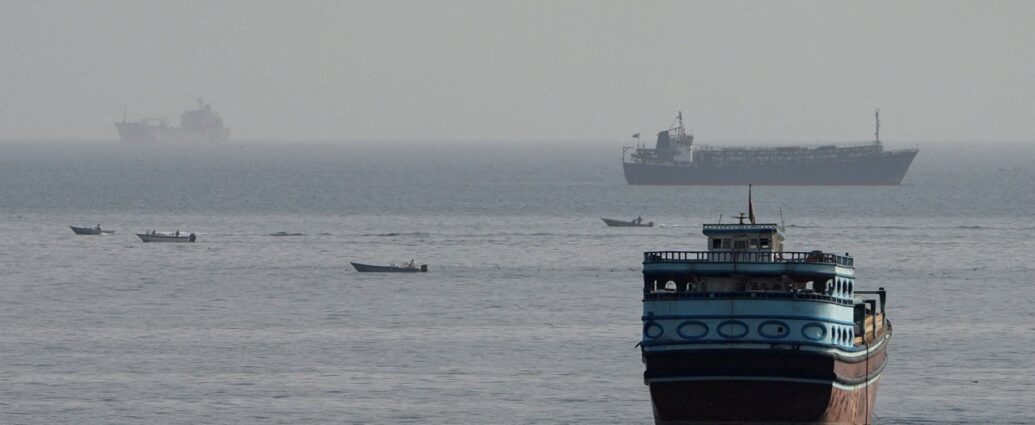
Iran’s foreign ministry said Wednesday that an agreement with Oman on a shipping route through the Strait of Hormuz is being finalized, while cautioning against interference in the arrangement by what it called certain third parties and warning that the United States and Israel still pose a danger to vessels in the waterway. Foreign Minister Abbas Araghchi had already told the Iranian cabinet that talks with Muscat were on their way to being concluded, and ministry spokesman Esmail Baghaei said the two sides were converging on a corridor that is neither the northern nor the southern route but one both governments can accept.

Regional officials described an emerging framework under which ships would enter the Persian Gulf through an Iranian-controlled route and exit through one controlled by Oman, with service fees levied to cover security and protection of the maritime environment. Those officials said the talks remain live, that the final shape could change, and that any deal is tied to Washington lifting its blockade of Iranian ports. Under the reported terms, inbound traffic would hug Iran’s coastline while outbound traffic ran alongside Omani territorial waters, with no toll charged — instead a service fee funding maritime security, environmental protection and monitoring, with proceeds split evenly between Tehran and Muscat.

Any agreement that formalizes Iranian control over the strait would represent a significant strategic win for Tehran. Critics quoted in the reporting argue the arrangement would amount to de facto recognition of Iranian authority over an international waterway, and officials have raised concerns that naval mines still sitting in parts of the strait could compel commercial vessels to coordinate their movements with Iranian authorities. One Iranian negotiator said the agreement could run anywhere from one to three months and would produce a situation in which Iran is dominant.

Washington’s public posture has been more guarded. Secretary of State Marco Rubio said Tuesday there had been progress but not finality on an agreement for free transit, expressing hope it would come together shortly. Treasury Secretary Scott Bessent told CNBC there was a chance of a deal within a day or two to open the strait and move toward more normal conditions, and when asked whether tolls would apply, said he expected freedom of movement. Separate reporting indicated the United States, Iran and Oman were closing on a 60-day interim arrangement to reopen the waterway without tolls, with an announcement targeted for as early as Wednesday. President Trump has framed the sequence as two phases — opening the straits first, denuclearization second — and told reporters the current round was Tehran’s last chance.

The stakes for American consumers and manufacturers run through the price of a barrel. Brent crude reversed early losses to gain 1.4% to $80.45 a barrel in early trading Wednesday, after sinking 5.3% on Tuesday as reopening prospects improved, while U.S. benchmark crude added 0.7% to $76.29. Prices snapped a two-day decline after Yemen’s Houthis said they had struck a Saudi vessel in the Red Sea, though they remain well below recent highs. Brent topped $126 a barrel in April at the peak of the conflict.

Roughly a fifth of the world’s traded oil and gas moved through the waterway before the war, and Iranian attacks on shipping have largely shut it down, driving up prices for fuel, fertilizer and other goods and unsettling economies well beyond the Gulf. That fertilizer channel matters for American growers heading into the next planting cycle, and the fuel channel is already visible at the pump. The Energy Information Administration expects Brent to average $74 a barrel in the third quarter, down $27 from its previous outlook, with retail gasoline averaging $3.80 a gallon this quarter against more than $4.20 in the second quarter.

The war began on February 28, when the United States and Israel launched strikes aimed at Iran’s missile program. An interim agreement in June reopened the strait and started a 60-day clock for talks on ending the war and settling the nuclear dispute, but it collapsed as hostilities over the strait escalated — and that deadline is now roughly two weeks out. Iran has in recent weeks repeatedly attacked ships using a corridor close to Oman that the U.S. military oversees and that was designed to bypass Tehran’s control, while Central Command continues escorting commercial traffic under persistent threat of Iranian missile fire.

The risk has not lifted: a cargo ship reported being struck by an unidentified projectile in the strait off the Omani coast, according to the United Kingdom Maritime Trade Operations Center, with damage confirmed by a British maritime security firm. For shippers, insurers and the American businesses waiting on Gulf cargo, the distinction between a route on paper and a route crews will actually sail is the one that counts.

JBizNews Desk | Dubai

© JBizNews.com All Rights Reserved. Reproduction or distribution without written permission is prohibited.

The White House is preparing to extend its suspension of the Jones Act as President Donald Trump searches for additional ways to lower gasoline prices that remain above $4 a gallon nationally.

The waiver allows foreign-built and foreign-flagged vessels to transport fuel and other energy products between U.S. ports, temporarily bypassing a century-old law that ordinarily reserves domestic shipping routes for American-built, owned and crewed vessels.

The current exemption is scheduled to expire August 16. It has already been used nearly 200 times since March, making it the longest and broadest Jones Act waiver on record.

For refiners and fuel distributors, the waiver expands the pool of tankers available to move gasoline, diesel and crude between regions when domestic vessels are scarce or expensive. It can reduce transportation bottlenecks and help supplies reach markets facing localized shortages.

Its effect at the pump has been far smaller. Industry analysts estimate that another extension would likely lower gasoline prices by only pennies per gallon because shipping costs represent a limited share of the final retail price. Crude prices, refinery margins and disruptions around the Strait of Hormuz remain much larger forces.

That leaves the administration promoting a policy that improves logistics without solving the underlying affordability problem. The waiver may help prevent regional price spikes, particularly along the East and West coasts, but it cannot offset a sustained increase in global oil prices.

The proposal is also dividing Republicans. House Speaker Mike Johnson and other lawmakers have urged Trump to let the waiver expire, arguing that repeated exemptions weaken the domestic maritime industry and transfer business to foreign ships and crews. Maritime unions and U.S. vessel operators have raised similar objections.

The White House is considering narrowing the next extension rather than continuing the current waiver unchanged. A more limited exemption could target particular fuels, ports or supply emergencies while preserving more cargo for American operators.

For consumers, the immediate question is whether the waiver prevents shortages rather than whether it produces a dramatic price decline. For businesses dependent on trucking, delivery fleets and air travel, meaningful relief will still depend primarily on what happens to crude supplies and shipping through the Persian Gulf.

JBizNews Desk | Wall Street

© JBizNews.com All Rights Reserved.
Reproduction or distribution without written permission is prohibited.

Samsung Electronics unveiled a new generation of high-density memory Tuesday designed to ease one of artificial intelligence’s fastest-growing bottlenecks: moving and storing the enormous volumes of data required by increasingly complex AI systems.

The company’s V10 Bonding V-NAND uses more than 400 layers and a wafer-bonding architecture that increases storage density by approximately 58% from the previous generation. Samsung said the design also improves reading, writing and data-transfer performance while using power more efficiently.

The announcement matters because the AI infrastructure race is no longer centered only on graphics processors. Advanced models require large pools of memory and storage that can feed data to accelerators quickly enough to prevent expensive computing capacity from sitting idle.

Samsung manufactures the memory cells and supporting circuitry on separate wafers before bonding them together. That approach allows the company to add capacity without relying entirely on taller and more difficult conventional chip structures, which become harder to manufacture and cool as additional layers are added.

The technology is aimed primarily at high-capacity solid-state drives and storage systems used in AI data centers. Higher density can reduce the physical space and electricity required to store the same amount of data, two increasingly important considerations for operators facing power constraints and rising construction costs.

Samsung also outlined new concepts for placing high-bandwidth memory closer to AI processors. Its proposed zHBM architecture would stack memory vertically above accelerators, shortening the distance data must travel and potentially improving bandwidth, energy efficiency and heat management.

Those designs remain under development, while V10 Bonding V-NAND is a more immediate part of Samsung’s effort to regain momentum in advanced memory. The company has faced intense competition from SK Hynix, Micron and other suppliers that benefited earlier from surging demand for high-bandwidth memory used with Nvidia’s AI chips.

For data-center developers, the wider shift could broaden the AI spending cycle beyond chip designers. Memory manufacturers, storage suppliers, cooling companies and electrical-equipment producers are becoming just as important to capacity growth as the processors receiving most investor attention.

Samsung’s announcement also points to the next constraint confronting AI companies. Building larger models will require not only more computing power, but memory systems capable of delivering data quickly without adding unsustainable energy use, heat and infrastructure costs.

JBizNews Desk | Wall Street

© JBizNews.com All Rights Reserved.
Reproduction or distribution without written permission is prohibited.
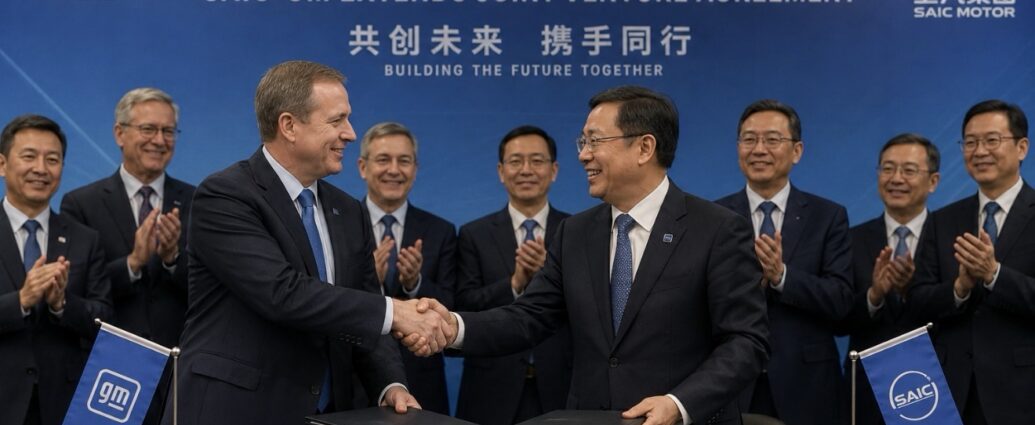
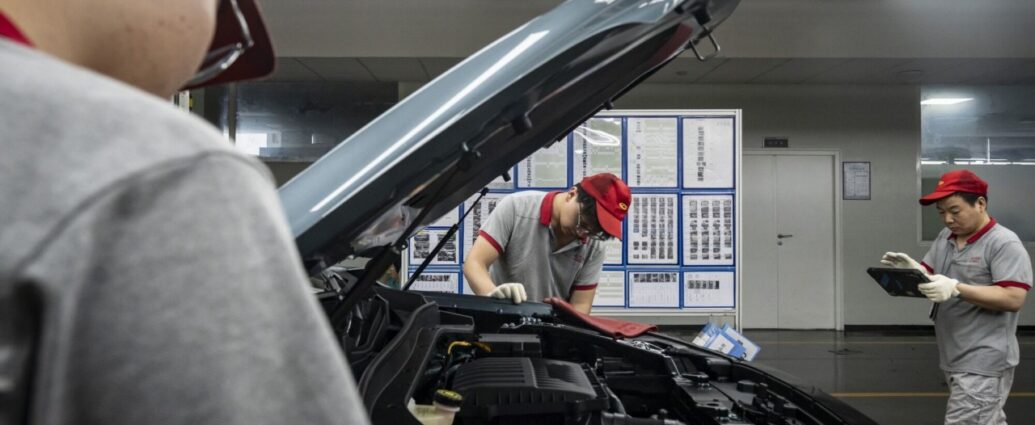
General Motors has renewed its Chinese joint venture with SAIC Motor for another two decades, announcing the extension Tuesday night for a partnership that had been set to expire next year. The Detroit automaker signed the deal a full year ahead of schedule, carrying the 50-50 arrangement first struck in 1997 through 2047. GM did not disclose the financial terms.

The timing is the story as much as the substance. The extension lands amid heightened friction between Washington and Beijing, including proposals in the United States to bar Chinese brands and vehicles from the domestic market. GM is committing to another twenty years inside China at the same moment American policymakers are working to shut Chinese automakers out of the United States — a split-screen that captures how differently the two governments and the companies caught between them are reading the relationship.

For GM, the calculation is straightforward arithmetic. China is the automaker’s second-largest market behind the United States and the largest auto market in the world. Walking away would mean surrendering a business the company spent nearly thirty years building. The joint venture has delivered more than 20 million vehicles since its founding, and at its peak the China operation contributed as much as $2 billion a year to GM’s bottom line and stood as the company’s largest market for more than a decade.

That peak is well behind it. GM sold roughly 3.9 million vehicles in China in 2016. Last year the figure was 1.9 million — a 51% collapse from the high-water mark, driven by the rise of domestic rivals such as BYD and a rapid consumer shift toward electric vehicles that legacy Western brands were slow to meet. The response was a lengthy restructuring that included plant closures and the elimination of several models, carrying more than $5 billion in charges.

The renewal comes because that surgery appears to have worked. The China operation returned to profitability, posting $248 million in equity income during the first half of 2026. It is a fraction of what China once delivered to Detroit, but it is black ink, and it was enough to justify a twenty-year commitment.

The venture that emerges looks materially different from the one being replaced. GM will concentrate on Cadillac and Buick inside China and stop selling the Chevrolet brand there. The terms also let GM use China as an export hub, shipping Buicks and Cadillacs to the Middle East, Africa, South America, Mexico and other Asian markets. Those vehicles are pointedly not bound for American dealerships.

More vehicle development work moves to China under the deal, aligning products with local consumer preferences — an acknowledgment that the era of exporting American-designed cars to Chinese buyers is finished. Both companies retain 50% ownership, continue jointly developing models through design and engineering operations based in China, and continue splitting profits.

On the product side, the venture plans to launch at least 30 electric or hybrid models by 2030, led by the locally developed Buick Electra sub-brand. GM pointed to the Electra brand’s Xiao Yao architecture as a source of competitive advantage in the market.John Roth, GM senior vice president and president of GM China, said the agreement reflects shared confidence in the venture and its long-term potential, adding that the company sees real opportunity to compete in select international markets including the Middle East, Africa, South America, Mexico and Asia-Pacific.

GM is not alone in this bet. Honda and Volkswagen have made similar moves to renew Chinese partnerships despite steep losses in market share and profitability there, and Volkswagen extended its own SAIC venture through 2040 in late 2024. Others, notably Stellantis, have exited their Chinese joint ventures entirely.

The headwinds have not disappeared. China’s auto sector remains locked in a prolonged price war with significant oversupply, leaving gasoline-vehicle plants underutilized. SAIC has moved to fixed pricing on certain models, including the Cadillac CT5 sedan, to stabilize competition and rein in heavy dealer discounting.GM maintains a second joint venture with SAIC and Guangxi Automobile Group, known as SGMW, which carries no end date and was not part of this week’s announcement.

For American manufacturers watching from the sidelines, the deal is a case study in what staying in China now requires: local development, local brands, local supply chains, and an export strategy routed around rather than through the United States. GM has decided that arrangement is worth twenty more years. Whether Washington ultimately allows it to remain that clean is the open question.

JBizNews Desk | Detroit

© JBizNews.com All Rights Reserved. Reproduction or distribution without written permission is prohibited.

Ireland’s new government jet was delivered without the enhanced-vision landing system normally fitted to the aircraft, after procurement officials declined to sign a contract with the Israeli manufacturer that builds it — a decision that pilots say leaves the plane less able to land in heavy fog than the aircraft it replaced in the fleet.

The aircraft is a Dassault Falcon 6X, purchased for roughly 53 million euros, or about 61 million dollars, and delivered to the Irish Air Corps in December. Standard configuration for the jet includes FalconEye, a low-visibility system built by Elbit Systems that combines infrared and multi-spectrum cameras with a head-up cockpit display, giving crews a usable picture of the runway environment in darkness or thick weather. The Irish jet reportedly went without it.

The reason was policy rather than budget. In August 2024, Dublin announced it would stop awarding defense contracts to Israeli companies, citing an advisory opinion from the International Court of Justice concerning Israeli settlements in the West Bank. Ireland has continued to operate equipment containing Israeli-built components — four new helicopters and a maritime patrol aircraft inducted recently carry systems from Elbit and other Israeli firms — but the Falcon deal was structured differently. To have the vision system included, Ireland would have had to enter into a written agreement directly with the Israeli manufacturer. Procurement officials concluded that was “a step too far.”

The Irish Department of Defence has neither confirmed nor denied that the system is absent, saying only that the aircraft faces no current operational limitations. Pilots quoted in Irish media disagree. A former Irish Air Corps pilot now flying commercially described the technology as giving crews situational awareness they cannot otherwise obtain, and said the practical payoff is the ability to complete a landing in fog when other aircraft would be forced to divert to an alternate airport.

That matters more than it might appear. The jet is intended for two roles: transporting senior government officials and, in certain circumstances, serving as a long-range air ambulance. Diversions on a ministerial trip are an inconvenience. Diversions on a medical flight are a different category of problem, and Ireland is not a country with reliably clear weather.

The story is a case study in what procurement boycotts actually cost, and where the cost lands. Ireland did not save money by omitting the system — it paid full freight for a top-tier business jet and then removed a capability the airframe was designed around. It did not gain leverage over Elbit, which sells into dozens of markets and will not notice the difference. What it did was accept a downgraded aircraft, absorbed by the taxpayers who funded it and the crews who will fly it into Irish weather.

There is also a supply-chain reality here that governments repeatedly underestimate. Israeli firms are not marginal vendors in defense electronics; they are embedded across sensors, optics, avionics and unmanned systems, frequently as subcontractors invisible on the final invoice. Ireland’s own recent acquisitions demonstrate the point — Israeli technology arrived in the fleet anyway, because it came bundled inside larger platforms bought from other suppliers. The rule bites only where a direct signature is required, which means the policy is less a boycott than a paperwork test. Buyers can avoid the contract while still flying the technology, or they can avoid the technology and fly with less capability. Ireland chose the second option on this purchase and the first on others.

A freedom-of-information request seeking records on other projects curtailed because of Israeli ties turned up nothing, according to the Irish outlet that reported the story. The Defence Ministry said it had no relevant documents to release. Whether that reflects an absence of such decisions or an absence of documentation is not clear from the response.

The jet sits inside a broader deterioration in relations. Ireland recognized a Palestinian state in 2024, after which Israel closed its embassy in Dublin, citing what it called extreme anti-Israel policy. Last month the Irish parliament approved legislation banning imports of goods produced in Israeli settlements in the West Bank and Jewish neighborhoods of East Jerusalem. In June, Dublin barred two Israeli cabinet ministers from entering the country. Ireland has also pressed the European Union to review the 1995 association agreement that governs trade between the bloc and Israel.

For businesses watching how political posture translates into procurement, the Falcon is a useful marker. Trade restrictions framed as symbolic gestures tend to surface later as technical specifications — a missing sensor package, a capability gap, a plane that has to go somewhere else when the fog rolls in.

JBizNews Desk | Dublin

© JBizNews.com All Rights Reserved. Reproduction or distribution without written permission is prohibited.
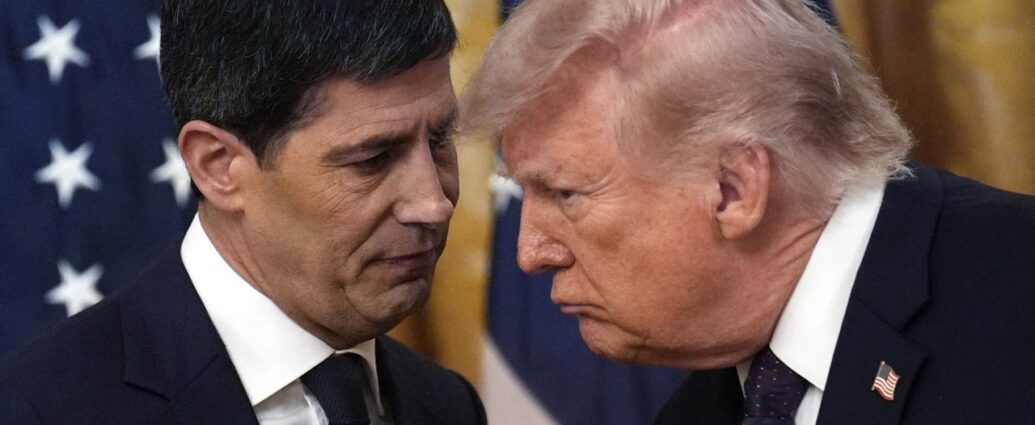
The State Department has canceled the U.S. visa held by Brazil’s ambassador in Washington, Maria Luiza Ribeiro Viotti, turning a months-long trade and diplomatic quarrel between the two largest economies in the Western Hemisphere into an open rupture at the ambassadorial level.

Officials framed the move as reciprocal rather than punitive. The department stopped short of declaring Viotti persona non grata, and a senior State Department official said canceling her visa is not the equivalent of expelling her from the country. She has not been ordered out and could resume her official duties if Brasília signs off on the administration’s nominee for ambassador to Brazil, former Florida House Speaker Danny Perez. The official said the visa would be restored immediately once that diplomatic approval, known as agrément, is granted.

Two grievances drove the decision. Officials described the step as a reciprocal response to Brazil’s actions and said it had been held back several times to give President Luiz Inácio Lula da Silva an opening to reverse course, which he declined to take. Beyond the stalled approval of Perez, Brazil denied visas last month to Riley Barnes, assistant secretary of state for democracy, human rights and labor, and a senior aide, after reports circulated that the two intended to criticize Lula or Brazil’s election process. The State Department disputed that characterization, saying the pair had planned a July 27–30 trip to Brasília for meetings on election integrity and religious freedom.

For American importers, the diplomatic breakdown matters mainly because of what has already happened on trade. The administration imposed tariff increases of up to 37.5% on thousands of Brazilian exports, which took effect Friday. That figure is the product of two separate actions. A 25% duty on most Brazilian imports took effect July 22 under Section 301 of the Trade Act, following an investigation opened last July that cited illegal deforestation and Brazil’s Pix instant payment system, which U.S. officials argue disadvantages credit card companies. A second Section 301 investigation covering forced labor in global supply chains added roughly 12.5% on top, lifting the combined burden to 37.5%. Brazil has rejected all of the allegations.

The exemption list is what has kept the impact off American grocery shelves so far. Beef, coffee, rare earths, energy products, aircraft and aircraft parts remain excluded, and the list was expanded to cover pig iron and steel scrap used by electric-arc furnace steelmakers, unflavored instant coffee and organic honey. The American Chamber of Commerce for Brazil calculated that the exemptions grew by 25%, shielding roughly $11 billion in annual trade — about $2 billion less than the group had anticipated — while still leaving Brazil among the countries facing the most restrictive access to the U.S. market.

What is covered hits manufacturers and retailers directly. The duties apply to a broad set of goods including sugar, apparel, paper and steel, along with agricultural machinery and electrical machinery. Small importers have been the loudest objectors. Dan Anthony, who directs We Pay The Tariffs, a coalition of more than 1,200 U.S. small businesses, called the duties a blunt instrument with a thin link between the practices under investigation and the American firms that will absorb the cost.

The food exemptions were not granted in a vacuum. Beef prices ran 11.8% above year-earlier levels and coffee 12% higher in the most recent Consumer Price Index reading — enough of a political problem that adding a double-digit duty to the two categories would have landed squarely on household budgets during an election year in both countries.

The trade relationship itself favors the United States. Washington ran a $14.4 billion goods trade surplus with Brazil last year, more than double the prior year’s figure, an unusual profile for a Section 301 target, which is typically a country running a large surplus against the U.S.

Timing points to a long freeze. Brazil’s presidential election is set for October, with Lula facing Flávio Bolsonaro, son of former President Jair Bolsonaro. The younger Bolsonaro met with administration officials, including President Trump, earlier this year. A U.S. official said the expectation is that Brazil will not act on the Perez nomination until after the vote. The elder Bolsonaro is serving a 27-year sentence at home for an attempted coup and has long alleged, without evidence, that Brazil’s electronic voting machines are vulnerable to fraud.

For companies with Brazilian supply lines — apparel brands, paper converters, sugar buyers and equipment distributors — the practical read is that the tariff schedule now in force is unlikely to loosen before November, and that the diplomatic channel for pressing exemption requests has just narrowed considerably.

JBizNews Desk | Washington

© JBizNews.com All Rights Reserved. Reproduction or distribution without written permission is prohibited.
India’s Ministry of External Affairs confirmed Tuesday that the Indian-flagged mechanised sailing vessel MSV Faize Noore Oliya sank in the Red Sea off Yemen’s western coast after coming under attack, with the entire crew pulled from the water alive. All 14 aboard — 13 Indian sailors and one Yemeni — were rescued and taken to safety, receiving medical assistance with no casualties reported. Yemen’s government-affiliated National Resistance Forces said coast guard and naval units carried out a joint rescue after the vessel was attacked roughly 13 nautical miles south of the Houthi-held port city of Hodeidah, and accused the Iran-backed Houthi movement of carrying out the strike. The Houthis have not commented.

India’s Union Minister of Ports, Shipping and Waterways, Sarbananda Sonowal, said the vessel was struck by a projectile near Yemeni waters, causing it to capsize and sink before the crew was rescued by the Yemeni Coast Guard and brought to the Port of Mokha. He described the incident as an “unprovoked attack on the defenceless mechanised sailing vessel.”

The sinking came just three days after President Donald Trump called off what he said would have been the largest U.S. military strike against Iran since World War II, saying negotiations had opened a path toward an agreement to reopen the Strait of Hormuz.

Three Days After Washington Stood Down

Trump announced Saturday that U.S. forces were “locked and loaded and ready to go” before deciding to halt the operation after what he described as significant diplomatic progress with Tehran. He said the proposed framework would immediately reopen the Strait of Hormuz and eliminate Iran’s nuclear threat, adding that he wanted to give Iran one final opportunity to reach an agreement.

The administration has repeatedly paused military action while pursuing negotiations. Each pause has been accompanied by renewed diplomatic statements, yet commercial shipping through the region has remained under sustained threat.

Washington Says Progress, Tehran Says Otherwise

Treasury Secretary Scott Bessent said Tuesday that an agreement with Iran to restore freedom of navigation through the Strait of Hormuz could come “today or tomorrow,” reinforcing Trump’s claim that negotiations remain active. Oil prices eased on the remarks as traders priced in the possibility of reduced disruption.

Iran’s account remains sharply different. Tehran’s Foreign Ministry said on August 3 that no negotiations with Washington were underway, insisting discussions were only taking place with Oman over management of the Strait. After Iran publicly rejected Trump’s claims of renewed talks, the president accused Tehran of acting “unbelievably duplicitous” and warned it was facing its last opportunity to reach an agreement.

Despite the diplomatic messaging, military activity has continued throughout the region while negotiations have ebbed and flowed.

Two Maritime Chokepoints Under Pressure

While the Strait of Hormuz remains heavily restricted, Iran’s Yemeni ally has continued threatening the second critical gateway linking Europe and Asia.

The Houthis declared a maritime embargo against Saudi Arabia on July 20, expanding risks across the Bab el-Mandeb corridor. Regional sources have said the group has examined imposing transit fees on commercial shipping, although the Houthis have denied the reports. Officials in Yemen’s internationally recognized government have accused the movement of attempting to replicate Iran’s strategy in the Strait of Hormuz.

Shipping Costs Continue to Rise

Marine insurers reacted quickly after the latest escalation. War-risk premiums climbed to roughly 0.75% of a vessel’s value from about 0.3% before the blockade announcement, adding hundreds of thousands of dollars to the cost of a single voyage.

The operational impact is even greater. Ships rerouted around Africa instead of transiting the Red Sea can add weeks to delivery schedules while sharply increasing fuel consumption and operating costs. Roughly 15% of global trade normally moves through the Suez Canal, while about one-fifth of the world’s seaborne oil passes through the Strait of Hormuz.

Why This Attack Matters

Until now, many shipping companies believed Houthi attacks remained largely focused on vessels with Israeli connections or ships that had recently called at Israeli ports.

A small Indian-flagged cargo vessel does not obviously fit those categories. If the attribution by Yemen’s National Resistance Forces proves accurate, it could signal a broader targeting strategy than many operators had assumed.

India condemned the attack and said its embassy in Riyadh is coordinating with Yemeni authorities to ensure the crew’s safety while reaffirming the importance of freedom of navigation under international law.

Traffic through the Bab el-Mandeb remains well below pre-conflict levels. Every additional strike pushes insurers, shipowners and cargo operators further from any expectation that diplomacy alone will reopen one of the world’s most important trade corridors.

JBizNews Desk

© JBizNews.com. All Rights Reserved. Reproduction or distribution without written permission is prohibited.

President Trump is using a wide array of tactics against Iran, but having many tricks doesn’t guarantee victory.

This post was originally published here. 

Moderna has dosed its first volunteers in an early-stage trial of an mRNA vaccine targeting the Bundibugyo species of Ebola, the strain driving the outbreak that has swept through the Democratic Republic of the Congo since mid-May.

The Cambridge, Massachusetts-based company said Tuesday that Health Canada cleared the study and that initial participants have already received the shot, designated mRNA-1469. The trial will run at three sites in Canada and aims to enroll roughly 80 healthy adults to evaluate safety and immune response.

The authorization makes Canada the second country to launch a Phase 1 study of a Bundibugyo vaccine candidate, after the United Kingdom.

The candidate uses the same messenger RNA platform Moderna built its COVID-19 franchise on, repurposed to carry genetic instructions for a Bundibugyo virus protein. The work falls under an expanded partnership with the Coalition for Epidemic Preparedness Innovations, which has committed up to $50 million toward early testing and manufacturing.

A commercial test of the platform thesis

For Moderna, the trial is more than a humanitarian exercise. The company has spent the post-pandemic period arguing that its mRNA platform can be pointed at a new pathogen and moved into humans in months rather than years — a claim central to the valuation case for a business that has watched COVID revenue collapse. Moderna said the program was designed to move with urgency and that it was working to accelerate the candidate into a Phase 1 study within months, subject to regulatory review. It has now delivered on that timeline.

The CEPI arrangement also reflects how outbreak-response vaccine economics now work. Rather than a pharmaceutical company absorbing full development cost for a product with no commercial market, a publicly and philanthropically funded body underwrites the early stages. CEPI has struck parallel collaborations with Merck & Co. and the International AIDS Vaccine Initiative to advance additional candidates, alongside an $8.6 million partnership with the University of Oxford and the Serum Institute of India.

That structure spreads the risk across multiple technology platforms. The IAVI candidate uses the rVSV platform already prequalified by the World Health Organization for a different Ebola strain, while Moderna’s builds on prior mRNA research on Ebola viruses.

The competitive field

Moderna is not first out of the gate. A Bundibugyo-specific vaccine from Oxford University and the Serum Institute entered Phase 1 testing in Britain on July 24. That candidate, ChAdOx1 BDBV, uses the viral vector platform behind the Oxford/AstraZeneca COVID-19 vaccine and is being tested in 50 healthy adults aged 18 to 55.

The Serum Institute has already committed manufacturing capacity. It supplied 4,000 investigational doses for the trial and has 620,000 additional doses in storage. If Phase 1 succeeds, CEPI plans to back Oxford through late-stage trials aimed at emergency approval and licensure.

That stockpile matters. Whichever candidate clears safety and immunogenicity hurdles first, the constraint on deployment will be doses in a warehouse, not regulatory paperwork — a lesson from the 2014 West Africa epidemic that the current response has clearly absorbed.

Scale of the outbreak

The Congo outbreak is the second-deadliest on record, with more than 1,700 known deaths and over 3,800 infections since mid-May, as health teams have struggled to contain its spread. The WHO has described the epidemic as both the second-largest and fastest-spreading ever documented. Roughly 17,000 contacts of confirmed cases are under monitoring, with more than 80 percent receiving daily check-ups.

Bundibugyo was long treated as a rare variant, which is precisely why no approved vaccine or treatment exists for it. The licensed Ebola vaccines target the Zaire species.

Treatment research is running in parallel. A WHO-sponsored trial is operating at three clinical management facilities in Ituri province with ALIMA and Doctors Without Borders, enrolling more than 50 confirmed patients randomly assigned to experimental treatment options. A separate prophylaxis study led by Congo’s National Institute for Biomedical Research has enrolled more than 25 high-risk contacts to test whether a 10-day course of the oral antiviral Obeldesivir can prevent disease after exposure.

Vasee Moorthy, acting head of the WHO’s R&D Blueprint program, credited protocols drawn up before the epidemic began, telling reporters in Geneva that trials have started faster than in past Ebola outbreaks.

What comes next

Phase 1 results establish only safety and immune response in healthy volunteers, not protection against infection. A successful readout would move the candidate into larger studies to determine optimal dosing, monitor for rare side effects, and confirm real-world efficacy.

The commercial upside for Moderna is limited in the conventional sense — outbreak vaccines rarely generate meaningful sales. The strategic value lies in proving the platform can be redirected at speed, a capability that underpins the company’s pitch to government preparedness buyers and its argument for the broader pipeline.

JBizNews Desk | Cambridge, Mass.

© JBizNews.com All Rights Reserved. Reproduction or distribution without written permission is prohibited.

A nationwide cyclosporiasis outbreak has pushed American consumers away from packaged supermarket greens and toward local growers, producing a rare demand shift that is filling farmers markets while leaving supermarket produce cases and the farms that supply them absorbing the loss.

The CDC, FDA and state health officials are investigating a multistate outbreak of Cyclospora infections linked to iceberg lettuce across nine states, after Taylor Farms initiated a July 17 recall of all iceberg lettuce sourced from central Mexico. The recall included Marketside-brand iceberg salad and shredded lettuce sold at Walmart with best-by dates running from July 18 to August 3, along with a list of products distributed to food service customers. The agency is separately tracking other cyclosporiasis illnesses nationally that are unrelated to this outbreak.

The scale has unsettled shoppers well beyond the recalled product. The CDC has said other lettuce brands are safe, but with more than 11,000 cases still awaiting analysis nationwide — including over 2,500 in Ohio — consumers are not taking chances. More than 8,000 people have been sickened in Michigan alone. As of mid-July, close to 150 people had been hospitalized across 34 states. A total of 1,644 people infected with Cyclospora who reported exposure to Taco Bell have been reported by five states, with illness onset dates from May 13 to July 13.

The investigation’s own reversals have compounded the confusion. A lettuce sample from Taylor Farms de Mexico initially reported positive on July 18 was re-reviewed by FDA laboratory experts, who concluded the finding did not represent true amplification and should be treated as a false positive. That correction left shoppers without a clear answer about what is safe to eat, and the investigation and recall remain open.

Local vendors have absorbed the redirected demand. A vendor at the East Lansing Farmers Market in Michigan reported a very large increase in foot traffic with heavy lettuce buying, and said customers are asking more questions about exactly where produce originates. In Louisville, sellers at the Gray Street Farmers Market said business picked up as consumers looked for alternatives to national suppliers. An Ohio grower said leafy greens are moving fast because customers can see the face of the person who produced them.

For the roughly 140 Greenmarkets and dozens of independent farm stands across the New York region, the same pattern applies — and the timing lands in peak Hudson Valley and New Jersey lettuce season, when regional growers have volume to sell and short delivery distances to work with. Independent grocers and bodega operators sourcing from regional distributors have a similar opening, provided they can document origin.

The cost is landing on conventional growers who have done nothing wrong. A Salinas Valley farmer said he chopped up 300,000 pounds of romaine hearts and plowed them back into the soil despite no evidence his crops carried the parasite, and his operation, Coastline Family Farms, which supplies major grocery chains and restaurants nationally, has seen orders fall by as much as 30%.

The pullback extends past lettuce entirely. Sales have also declined for cauliflower, carrots, spinach and Brussels sprouts, and even salad dressing has taken a hit. Taco Bell sales dropped 25% in the week after an outbreak was tied to lettuce served there. Growers caution that the shift toward farmers markets accounts for only a small portion of the overall retreat from fresh greens — most consumers are simply buying fewer vegetables, which is a larger problem for the category than any single recall.

Whether the substitution actually reduces risk depends on specifics. Kalmia Kniel, a professor of microbial food safety at the University of Delaware, said produce bought directly from the farmer who grew it is lower risk, though that depends on where the produce actually originates and on the individual farmer’s practices. Food-safety lawyer Bill Marler recommends intact heads of lettuce and whole fruits and vegetables over bagged, boxed or pre-cut items, because centralized chopping, washing and packaging can spread contamination from a small quantity of produce across a much larger batch.

The consistent expert message is not avoidance. Specialists urge people to keep buying and eating produce from either channel, to wash items thoroughly under running water, to scrub firm produce such as melons and cucumbers, and to keep raw meat separate from vegetables.

For retailers, the durable question is whether traceability becomes a selling point customers will pay for once the outbreak subsides.

JBizNews Desk | New York

© JBizNews.com All Rights Reserved. Reproduction or distribution without written permission is prohibited.

Federal regulators cleared the smallest member of Boeing’s 737 Max family for commercial service on Monday, closing out one of the longest certification programs in modern aviation and removing the last major regulatory obstacle standing between the planemaker and hundreds of undelivered jets.

The Federal Aviation Administration issued an amended type certificate and an updated Production Limitation Record for the 737 MAX-7 after almost a decade of review, saying the approval followed sustained work to resolve complex technical issues and a full examination of the airplane’s design and supporting safety analyses. Regulators performed or directly reviewed work on flight controls, system safety assessments, human factors, and flightcrew alerting, and required testing, design changes, and additional analysis along the way. Before signing off, the agency required the aircraft to incorporate updates to its flight-control software and flightcrew alerting system, plus a redesigned engine anti-ice system, addressing requirements in the Aircraft Certification, Safety, and Accountability Act and NTSB recommendations.

The anti-ice redesign was necessary after Boeing determined that extended use of the system in dry conditions could overheat part of the engine. The test program dated back to 2018 and ran to more than 1,000 hours of flight and ground testing.

Investors treated the news as a turning point. Boeing shares climbed 7.4 percent to roughly $232 by mid-afternoon Monday, pushing the stock into positive territory for the year at up 5.7 percent since January. The reason is straightforward: manufacturers collect the bulk of an aircraft’s price when they hand it to the customer, making certification the gate that converts backlog into cash.

That backlog is substantial. Boeing said the 737 MAX family order book now exceeds 7,200 airplanes, with more than 2,300 delivered through the end of June. The 737-7 carries 135 to 160 passengers with a range of up to 3,800 nautical miles, and Boeing says it burns about 20 percent less fuel and produces roughly 50 percent less noise than the jets it replaces. Boeing lists 282 unfilled orders for the Max 7, ordered predominantly by Southwest Airlines. Southwest is replacing 286 older 737-700s and expects roughly a 14 percent improvement in fuel burn; Allegiant Air holds 24 orders.

Nobody has waited longer than Southwest. The carrier flies a single aircraft family, which means a delay in one variant reshapes its entire fleet plan. It has kept aging 737-700s in service years past their intended retirement, absorbing the maintenance and fuel penalty that comes with a twenty-year-old airframe.

Relief will not be immediate. Boeing said it and Southwest are preparing the first aircraft for delivery, including bringing already-built jets up to the final certified configuration, and continues to expect the first 737-7 handover in 2027. Southwest has said it needs roughly six months after certification to add the type to its operating specifications. Boeing has built around 30 Max 7s and nine Max 10s, according to aviation analytics firm Cirium.

Stephanie Pope, president and CEO of Boeing Commercial Airplanes, said the approval “validates the rigor of our airplane’s design” and credited the development team’s persistence through the pandemic and a shift to new certification procedures.

The oversight does not end here. The FAA said it will keep personnel on site at Boeing facilities across the country to monitor manufacturing and safety practices. That posture dates to the 2018 and 2019 crashes of Lion Air Flight 610 and Ethiopian Airlines Flight 302, which killed 346 people and prompted the agency to rebuild how it certifies Boeing aircraft.

Attention now moves to the larger variant. The 737-10 remains in certification, having recently completed its final planned certification flight, with safety assessments and FAA review still outstanding. Boeing targets approval in 2026 and first delivery in 2027, though those are company projections rather than agency-confirmed dates. That model competes head-on with the Airbus A321neo and accounts for a sizable share of outstanding Max orders.

For businesses across the tri-state region, the practical effect arrives slowly and indirectly. Slot-constrained airports reward carriers that can right-size aircraft to a route rather than flying a larger jet half-empty, and a more efficient small narrowbody gives airlines room to hold or add frequencies on shorter East Coast segments. Regional aerospace suppliers with content on the 737 line also stand to see order flow steady as Boeing works toward higher monthly output.

Since Kelly Ortberg became chief executive in August 2024, Boeing has pushed an industrial reset centered on quality and production discipline, reacquiring fuselage supplier Spirit AeroSystems and raising output from 38 to 42 aircraft a month, with further increases planned. Monday’s certificate is the clearest evidence yet that the reset is producing results the regulator is willing to sign.

JBizNews Desk | New York

© JBizNews.com All Rights Reserved. Reproduction or distribution without written permission is prohibited.
A prolonged dry spell is squeezing an already strained regional economy

Germany’s inland navigation agency measured the navigable depth at Kaub, the shallowest chokepoint on the Middle Rhine, at 29 centimeters on Monday — a slight rebound after the gauge hit 25 centimeters on Friday, matching the record set during the 2018 drought. The agency’s forecast calls for a drop to roughly 20 centimeters by Thursday, which would be a new record low. German federal data compiled by ETH Zurich show that a reading below 24 centimeters would be the lowest since record-keeping began in 1880.

Kaub sets the maximum draft, and therefore the maximum cargo weight, for every barge moving between the deep-sea ports of Rotterdam, Amsterdam and Antwerp and the industrial corridor running through Germany, France and Switzerland. Shallow water has left cargo vessels able to sail only about 20 percent loaded, with surcharges piling onto freight bills and loads split across multiple part-loaded ships. The cost of tanker barge transport from Rotterdam to Karlsruhe stood at roughly €145 to €150 a metric ton on Monday, against €45 at the end of June.

The river carries coal, oil products, iron ore, grain and containerized freight along a route of about 800 miles from the Swiss Alps to the North Sea. Traffic has not stopped. Traders said vessels can still move about 250 tons past Kaub — enough to keep the corridor technically open, but not enough to keep it economical.

Downstream in Hungary, the consequences have moved from freight rates to the power grid. Prime Minister Peter Magyar said Sunday that the country faces a critical five-day stretch as the drying Danube forces its only nuclear plant offline for the first time in more than four decades, with another heat wave arriving. As of Sunday evening the two-gigawatt Paks plant, which supplies roughly half of Hungary’s electricity, was running at just over 10 percent of capacity after the Danube fell to a record low. “We are facing the most critical five days ahead,” Magyar said, asking households and businesses to shift consumption away from evening peak hours.

The plant’s operator has been reducing output in stages since late July. A full shutdown became unavoidable because the river level fell below the suction pipes used to draw cooling water, even though the Danube still holds enough water to cool the reactors. Magyar said the domestic shortfall would be covered by imports, citing 3.6 to 3.8 gigawatts of import capacity. Voluntary reductions by households and more than 300 companies have already trimmed demand by 400 megawatts.

Romania is managing the same problem. Nuclearelectrica shut Cernavoda unit 1 and disconnected it from the national grid, citing the unprecedented low level of the Danube, describing the step as preventive and without impact on nuclear safety. Romanian naval forces carried out controlled explosions on the Danube’s Bala canal to redirect water flow toward the plant. In Serbia, output at the Djerdap 1 and 2 hydropower stations has fallen to 20 percent and 30 percent of installed capacity, respectively — facilities that together account for about 18 percent of the country’s electricity production.

For industry, the arithmetic is familiar. Low Rhine levels cut German industrial production by as much as 1.5 percent in 2018, though many firms have since restructured their supply chains, according to the Kiel Institute for the World Economy, and inland shipping’s share of German freight transport has slipped from 4.7 percent in 2017 to 4.1 percent in 2024. BASF, forced to curtail production at its Ludwigshafen complex during the 2018 low-water episode, has since developed alternative transport options that cost more, its chief financial officer said. Utilities including EnBW have built fuel stockpiles during plant outages, while operators are weighing smaller barges, lighter loads and shifting deliveries to rail — options that carry their own costs.

That last point is where American exposure sits. U.S. manufacturers and chemical producers with plants along the Rhine corridor pay the same surcharges as their European competitors, and the freight costs feed into the delivered price of goods moving back across the Atlantic. Refined product flows into the Amsterdam-Rotterdam-Antwerp hub — a market American refiners supply — face a bottleneck at the point where cargo transfers to inland barges. And when several gigawatts of European baseload capacity go dark at once during a heat wave, the resulting scramble for imported power and fuel tightens a market that American exporters already serve.

Drought conditions across central and western Europe have deteriorated in recent weeks, according to European Commission data. One trader summed up the near-term outlook plainly: weekend rain was too light to matter, and with little precipitation forecast against continued heat, the river is expected to fall again.

JBizNews Desk | New York

© JBizNews.com All Rights Reserved. Reproduction or distribution without written permission is prohibited.
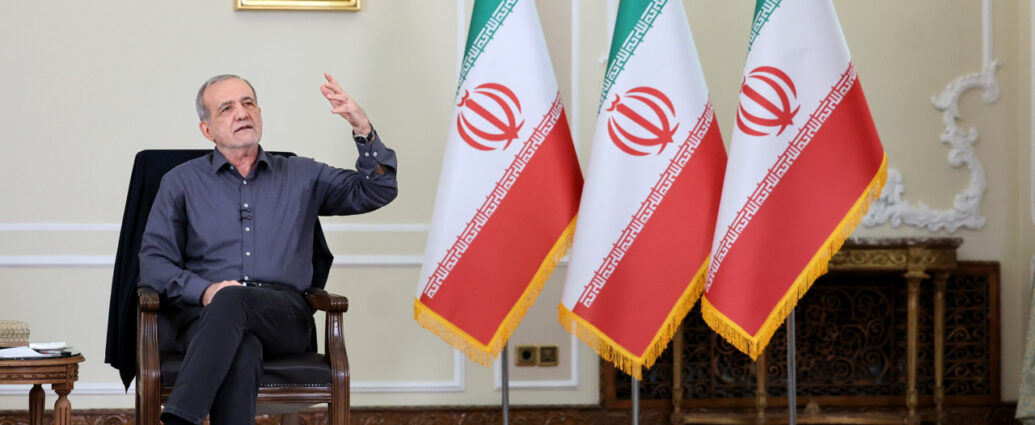
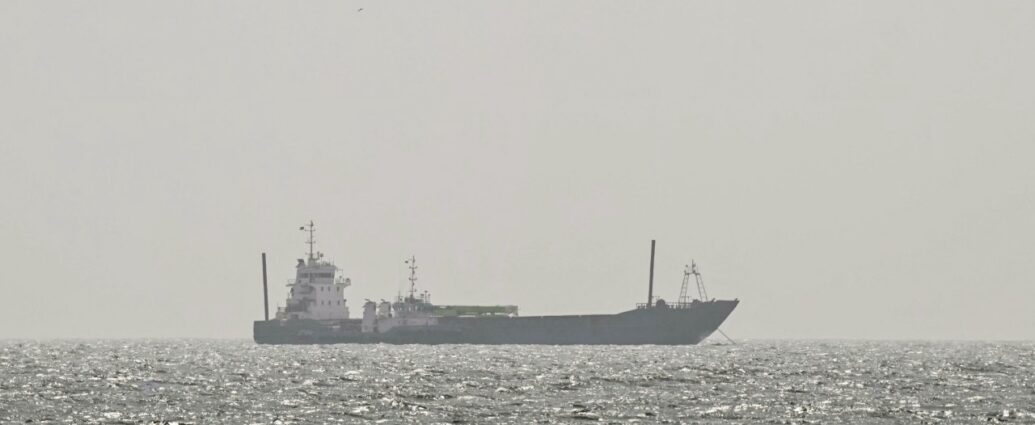
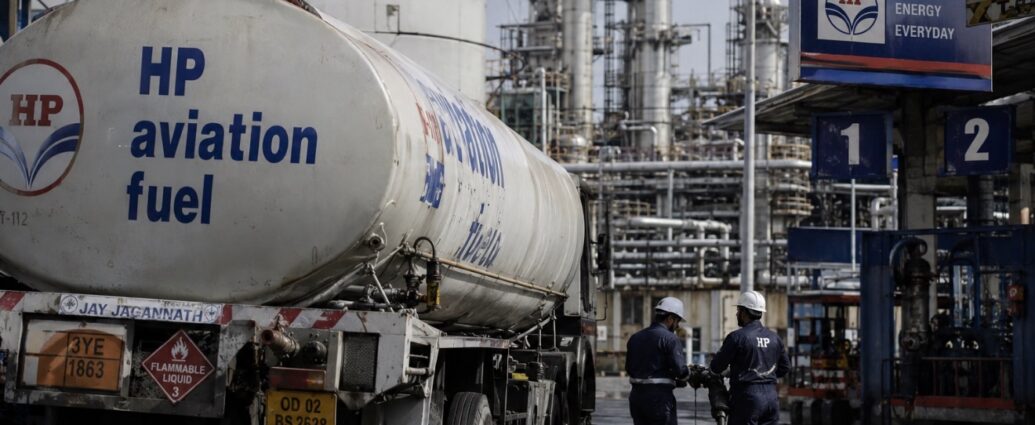
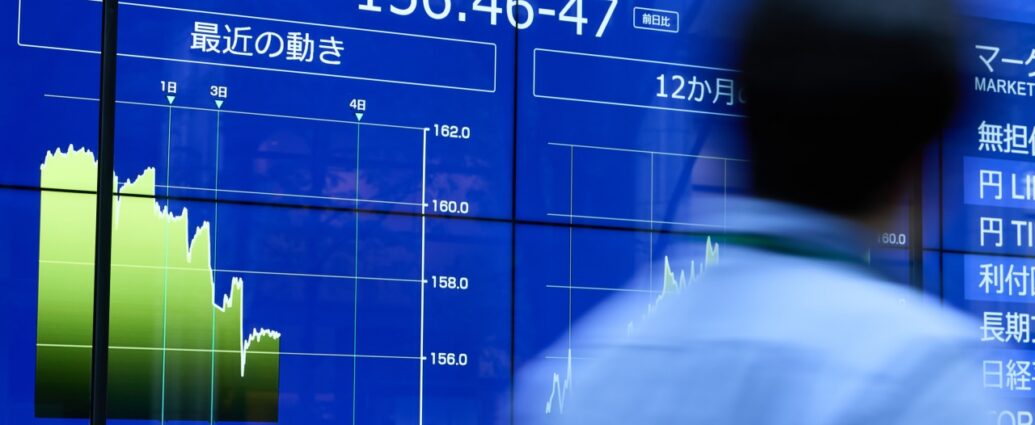
India has sharply increased taxes on fuel exports in an effort to keep more diesel and jet fuel inside the country, tightening global supplies just as businesses around the world are already paying higher prices for refined petroleum products.

The move lands directly on U.S. consumers, airlines and trucking companies that rely on the same global diesel market as the U.S.–Iran conflict continues to disrupt energy flows and strain refined fuel supplies.

Under an order issued Monday, New Delhi raised the special additional excise duty on diesel exports to 25.5 rupees per liter from 15.5 rupees, while the duty on aviation turbine fuel climbed to 22 rupees from 14.5 rupees. The levy on gasoline exports also increased by one rupee to 3.5 rupees per liter. The petrol and diesel changes took effect August 3, with the jet fuel increase beginning Wednesday.

The government said the objective is straightforward: discourage exports and ensure more fuel remains available for domestic consumers.

The increase is steep by any measure. Just over two weeks ago, on July 16, India lowered the levy on gasoline exports while raising diesel to 15.5 rupees and jet fuel to 14.5 rupees. The latest revision nearly doubles the diesel duty again while increasing the jet fuel levy by more than 50%.

The higher taxes make overseas sales significantly less profitable, encouraging refiners to supply the domestic market instead of shipping fuel abroad.

Why India Is Keeping More Fuel at Home

India reviews export duties every two weeks, adjusting them to reflect crude oil prices and domestic market conditions.

Because the country imports more than 85% of the crude oil it consumes, it is especially vulnerable to global price spikes. Higher oil prices increase India’s import bill, weaken the rupee, fuel inflation and raise transportation and manufacturing costs across the economy.

The windfall tax was first introduced in July 2022, generating roughly 250 billion rupees, or about $2.62 billion, during its first year before declining to 130 billion rupees in fiscal 2023-24. It was eliminated in December 2024 but reinstated in March 2026 after oil prices surged following the outbreak of the regional conflict. Since its return, the levy has been presented as a way to guarantee domestic fuel supplies by making exports less attractive.

The timing is notable.

Brent crude fell roughly 5% Monday to $83.82 per barrel after President Donald Trump canceled a planned strike on Iran and announced that new talks with Tehran would begin, while regional allies including Saudi Arabia pushed Washington toward diplomacy. Iran denied direct negotiations with the United States but acknowledged indirect talks through Oman concerning the reopening of the Strait of Hormuz.

India proceeded with the tax increase anyway, suggesting policymakers believe supply risks will outlast the latest diplomatic headlines.

Where the Pain Lands for U.S. Buyers

American consumers and businesses have a direct stake in what Indian refiners do with their surplus fuel.

Indian exports have become an important balancing supply for global diesel markets. Keeping more barrels inside India leaves fewer cargoes available internationally, tightening a market that was already facing limited inventories.

Analysts have warned that higher Indian export duties will reduce fuel shipments at a particularly difficult moment. Diesel inventories remain exceptionally tight worldwide, while Russian refined-product exports have also been constrained following sustained Ukrainian drone attacks on Russian refining facilities.

Ole Hansen, Head of Commodity Strategy at Saxo Bank, summarized the situation simply: “The real stress in energy markets is not in crude oil but in refined products.”

Market data reinforces that point.

Diesel refining margins have hovered near $70 per barrel, compared with roughly $60 for jet fuel, leaving diesel unusually expensive for an extended period. European gasoil futures have traded above $1,150 per metric ton while middle-distillate inventories remain near multi-decade lows, with global refinery capacity struggling to keep pace with demand.

Those costs eventually flow through to American trucking companies, farmers, manufacturers, airlines and homeowners who rely on heating oil in the Northeast.

Distillate fuels—including diesel and heating oil—represented roughly 19% of U.S. petroleum consumption during 2025, or about 3.9 million barrels per day. Jet fuel accounted for another 8%, or approximately 1.7 million barrels daily. Those are enormous volumes competing for a shrinking pool of exportable refined fuel.

Inside India, the policy is also creating friction.

Airline groups warn that the new 22-rupee-per-liter tax on jet fuel exports will ultimately increase aviation costs in one of the world’s fastest-growing air travel markets. Export-oriented refiners also face lower profitability on international shipments just as overseas cargoes had become their strongest source of earnings.

For Washington, India’s decision is another reminder that energy security is becoming increasingly national.

More governments are choosing to keep fuel at home instead of selling it abroad, reducing the volume available on world markets. Even as one of the world’s largest energy producers, the United States still buys and sells within that same global marketplace—meaning overseas policy decisions can quickly translate into higher costs for American businesses and consumers.

JBizNews Desk | New Delhi

© JBizNews.com All Rights Reserved. Reproduction or distribution without written permission is prohibited.

Iran’s Islamic Revolutionary Guard Corps (IRGC) has attacked a US military base in Kuwait, a source familiar with the details confirmed to The Jerusalem Post on Tuesday morning.

The attack was carried out using at least three drones, the source added.

Local Arab media reported that loud explosions were heard in Iraq’s Basra province, Iran’s semi-official Tasnim News Agency said. The Basra province shares borders with both Iran and Kuwait.

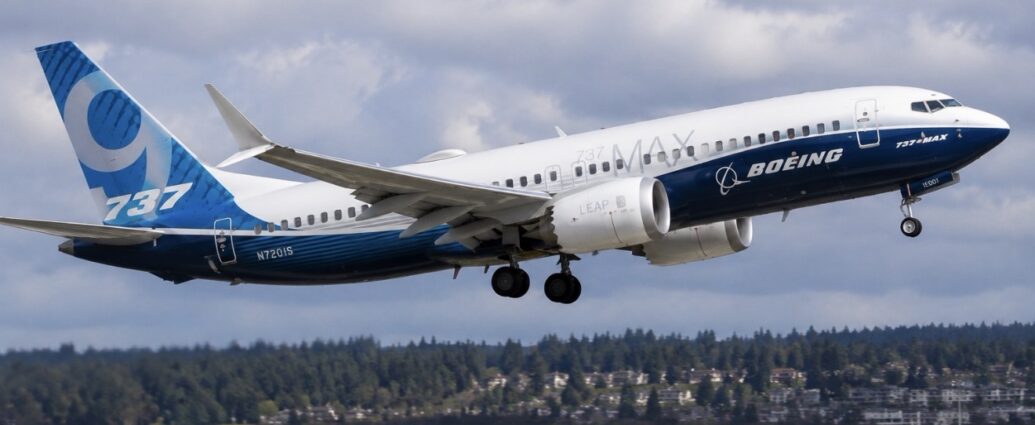
Iranian state media, the Islamic Republic of Iran Broadcasting (IRIB) reported that a large fire had broken out in Kuwait on Tuesday morning, citing Arab media.

In a separate incident the United Kingdom Maritime and Trade Operations (UKMTO) center said in a post on X/Twitter that a cargo vessel had been hit by an unknown projectile off the coast of Oman.

This is a developing story.

This post was originally published on here.